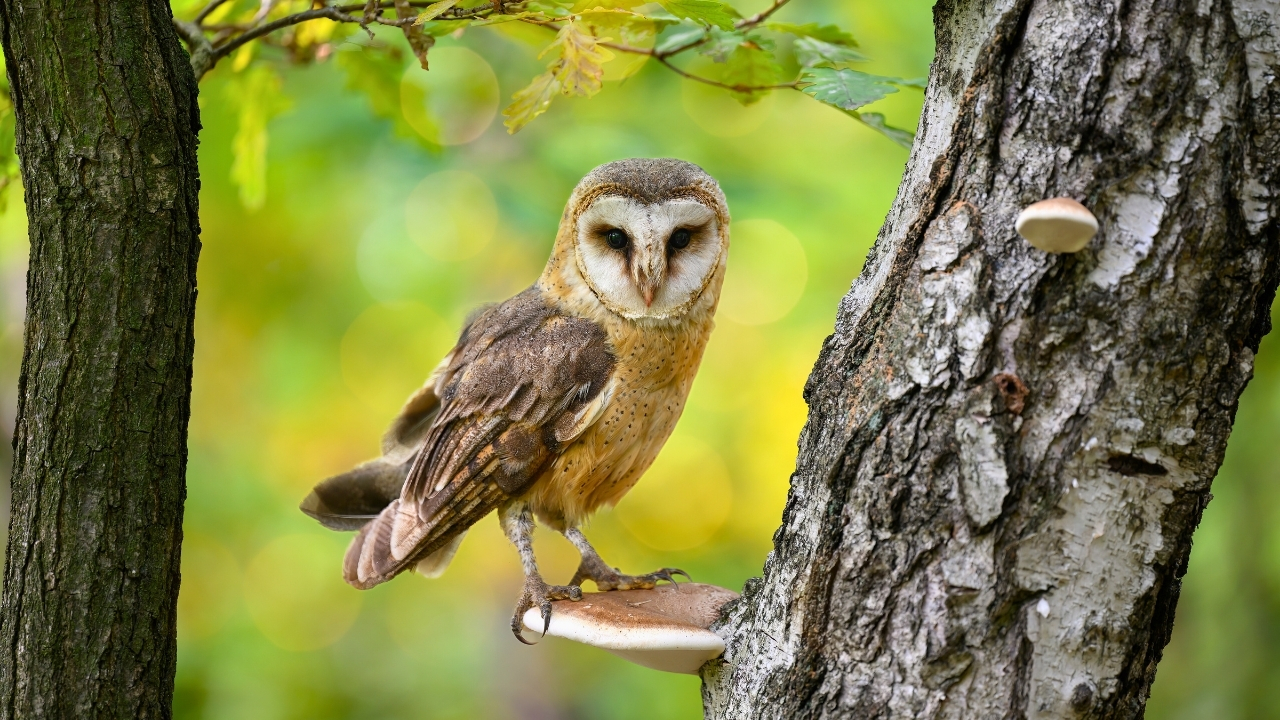
Photo credit: eumates/Shutterstock.com
Most folks don’t realize how much free work an owl will do for them until they start paying attention to what shows up in pellets. A single barn owl family can take dozens of rodents in a night, and multiple sources point out that owls earn their keep by putting hard pressure on mice, voles, rats, and even the occasional rabbit or skunk for nothing more than a place to live and hunt. If you’ve got a garden, a barn, or feed around that draws rats, bringing owls in as part of your pest control plan can cut way down on bait and traps. The trick is that you don’t bait owls in with food; you set the table with cover and nesting sites, then let them do the rest on their schedule while you keep the place safe for them to stick around.
The real payoff: rodent control without bait buckets
Extension services and pest-management specialists are all making the same point now: owls slot neatly into an integrated pest management plan because rodents are already there, and all the bird needs is a reason to hunt your ground instead of the neighbor’s. Barn owls and similar species live on mice, voles, gophers, and rats to the point that a single nesting pair can put a serious dent in a small farm’s rodent population over a season. If you’re still throwing out second-generation anticoagulant baits or loose poison, you’re not just killing rodents—you’re risking secondary poisoning for the same owls you say you want. Swapping some of that spend for nest boxes and habitat work gives you predators that stay on duty every night without you walking the fence line, and it does it without leaving toxic bait in the food chain.
Shelter is the one thing you can really provide
Owls already have food and water in most rural and suburban areas; what they’re usually short on is secure nesting and roosting spots. Wildlife and extension pieces are clear: the realistic way for a landowner to attract more owls is to provide shelter in the form of natural cavities, snags, or well-placed nest boxes built to the right dimensions for local species. That can mean leaving a safe dead tree standing instead of cutting it flush, hanging a barn owl or screech-owl box 10–15 feet up on a quiet building, or keeping tall evergreens that give day-time cover. Boxes should match the owl you’re aiming for and go up before the early nesting window in late winter; slapped-up, undersized boxes or noisy mounting spots near bright lights rarely see much use.
Light, noise, and chemicals can chase off the birds you wanted
You can do everything right on boxes and still make the yard uninviting if you flood it with light and chemicals. State and conservation resources point out that constant bright lighting can change how rodents move and discourage owls from working a spot, and some setups even use flashing lights specifically to repel them from airfields. On top of that, rodent baits that don’t break down quickly can stack up in the bodies of the same animals owls are eating, which is exactly how you end up killing off your best hunters. If you’re serious about attracting owls, you dial outside lighting down to what you actually need, favor shielded fixtures over floodlights, and either greatly reduce or completely drop the use of slow-degrading rodent poisons so you’re not setting the birds up for a slow death just as they start helping you.
Set expectations: you’re building an option, not ordering a bird
Even the folks who build and sell owl boxes are honest about this part—putting up a perfect box in a good location doesn’t guarantee an owl will move in on your timeline. Success rates can run around half in suburban settings, and sometimes the first “tenant” is a squirrel or another non-target species. What you’re really doing is making your place competitive in a bigger patchwork of habitat. If you share a fenceline with neighbors who also have boxes, old trees, and low lighting, the odds go up that at least one pair will pick your block and hunt across the whole area. The right mindset is simple: build a yard that’s good for owls and other native predators, accept that they choose where to live, and give it a couple of seasons before you decide whether the project “worked.”
Keep owls on your side by protecting pets and respecting distance
Bringing in a serious predator means you need to think about how your own animals fit into the picture. Most backyard owl species target rodents, not dogs, but small cats, toy-breed dogs, and free-range poultry can all get caught up in the same hunt if you ignore basic precautions. Wildlife and backyard-habitat guidance usually comes with the same notes: lock up poultry at night, supervise small pets outdoors after dark, and don’t stand under nests trying to get phone photos while adults are guarding chicks. Give owls space around nest sites, keep your own animals out of obvious danger slots, and you get the best version of this setup: clean, hard pressure on your rodent problem from a native hunter that doesn’t cost you a monthly check to keep around.
Like The Avid Outdoorsman’s content? Subscribe to our newsletter so you never miss an article.
Here’s more from us: