Photo credit: Bailey Cloud/Pexels.com
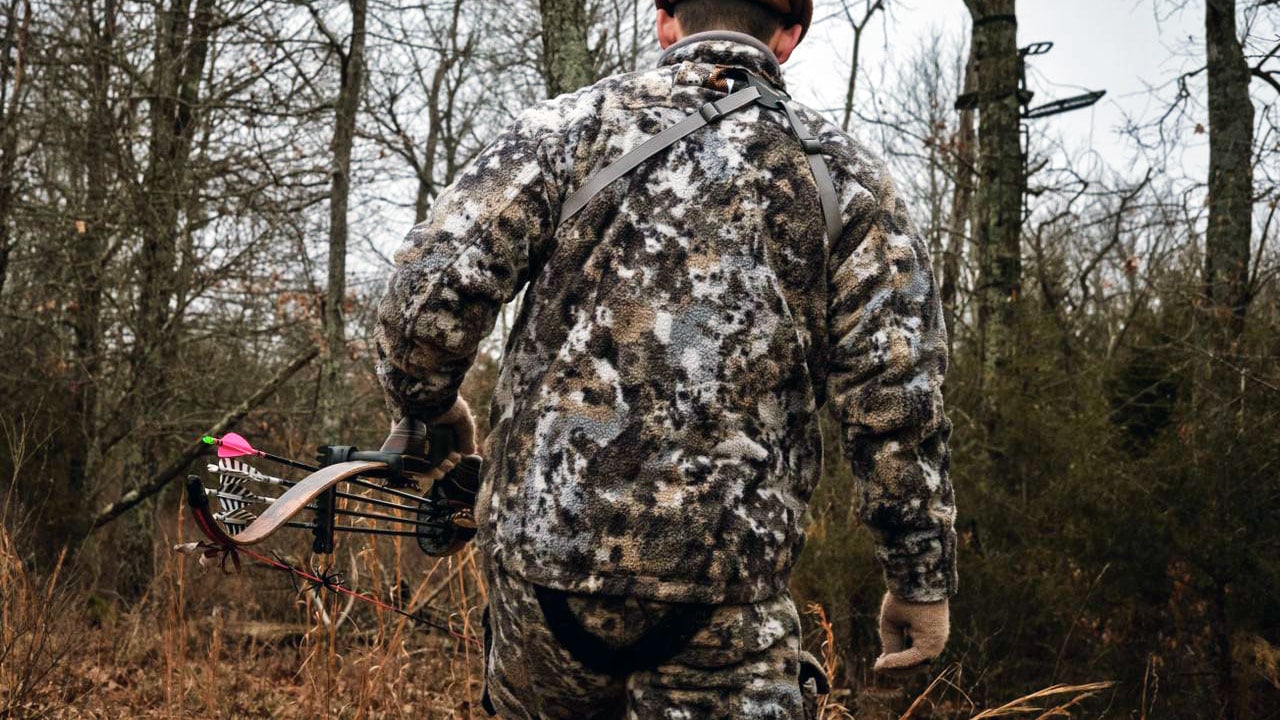
The bowhunter had waited for the kind of chance every new hunter thinks about.
A deer was finally there.
Not on a trail camera. Not in a story from someone else’s hunt. Not crossing the road on the drive home. Right there, close enough that the moment was real and the decision was his.
Then his body locked up.
In a Reddit thread, hunters were talking about buck fever and the way nerves can wreck a shot opportunity before the arrow ever leaves the string. One hunter described freezing so hard on a doe that he could not even draw his bow. The deer was there, the opportunity was there, and he still could not make his body do the thing he had practiced.
That is a rough feeling.
People who have never hunted sometimes think the hard part is simply finding the animal. And sure, that is a big piece of it. But once the animal shows up, the pressure changes instantly. Suddenly every little thing matters. Your breathing. Your hands. The wind. The angle. The distance. The brush. The animal’s head position. Whether it is looking your way. Whether your feet are right. Whether you can move without getting busted.
With a bow, all of that pressure gets even tighter.
A rifle hunter may be able to make tiny adjustments and still keep the gun ready. A bowhunter has to draw. That movement is huge compared with settling behind a rifle. If the deer is close, alert, or facing the wrong way, drawing at the wrong second can blow the whole thing. So the hunter waits for the right moment.
Then the right moment comes, and his nerves betray him.
That is what makes buck fever so humbling. It does not care how much you practiced in the yard. It does not care how many arrows you stacked into foam. It does not care how confident you felt walking in. When a live deer steps into range, the brain and body can turn into a committee that cannot agree on anything.
Draw now. No, wait. She’s looking. Don’t move. Breathe. Move slow. Is that too far? Is the pin steady? Why are my hands shaking? Why can’t I move?
And while all that is happening, the deer keeps being a deer.
The doe does not know she is supposed to wait for the hunter to get himself together. She feeds, looks around, takes a step, turns, gets nervous, or simply walks away. The window closes quietly, and suddenly the hunter is left sitting there with a bow he never drew.
That may be more embarrassing than missing.
At least with a miss, you did something. You took the shot, learned from it, and had a clear mistake to correct. Freezing feels different. It feels like failing before the attempt. You replay it afterward and wonder why you did not just draw. Why you did not move earlier. Why you let a doe — not a giant buck, not some once-in-a-lifetime animal — turn you into stone.
But that is exactly why the story feels honest.
A lot of hunters have been there. Maybe they froze. Maybe they rushed. Maybe they shook so badly the sight pins bounced all over the deer. Maybe they forgot to click off the safety. Maybe they could not get the rangefinder up. Maybe they drew too early and had to hold until their arms burned. Maybe they watched an animal walk away because their brain could not give a clean order fast enough.
It happens.
The important part is what comes after.
A hunter who freezes has to turn that embarrassment into a better routine. Practice helps, but not only easy practice. Drawing from awkward positions helps. Holding at full draw helps. Practicing slow movement helps. Shooting after doing a few pushups or holding the bow longer than comfortable can help mimic a little stress. Visualizing the exact steps before deer arrive can help too: when she turns, draw; when the leg moves forward, settle; pick a hair; squeeze.
The fewer decisions you have to make in the moment, the better.
That is especially true for bowhunting because the shot opportunity can be so short. A deer may give you only a few seconds with its head behind a tree or its body quartered right. If you spend those seconds negotiating with yourself, the shot is gone.
The hunter’s doe walked away, and he had to live with that.
He also had to explain it, which is its own punishment. Hunting buddies can be merciless. “You couldn’t even draw?” is the kind of line that will follow a man around camp longer than it should. But most of them are laughing because they know how close they have come to the same thing.
Buck fever makes liars out of confident people.
The bowhunter did not lose the deer because his gear failed. He lost it because the moment got bigger than his preparation. That is embarrassing, yes, but it is also one of the most normal hunting lessons there is.
The first real shot opportunity teaches you something a target never can.
Commenters mostly treated the freezing as normal, especially for newer hunters.
Several people said buck fever is real and can hit harder than expected, even on does. It is not always about antler size. Sometimes the pressure of finally having a legal animal in range is enough to make your hands shake and your brain stall.
Others said the cure is more time in the woods. The more deer a hunter sees from the stand, the less shocking the moment feels. Even watching deer you do not plan to shoot can help train your body to stay calm when movement and opportunity finally line up.
A lot of practical advice centered on having a plan before the deer arrives. Know your shooting lanes. Know when you will draw. Know the yardage. Know what angles you will and will not take. If those decisions are made ahead of time, there is less thinking to do when nerves kick in.
Some commenters also said to practice drawing slowly and holding longer than feels comfortable. Real deer rarely give perfect timing, and bowhunters need to be ready to draw, hold, let down, or wait without panicking.
The main message was simple: missing a chance because you froze is embarrassing, but it is also part of learning. The deer walking away hurts, but the next one feels a little less overwhelming if you use the lesson right.