
Catfish are fun to catch and usually willing to bite, but a few simple adjustments can help you catch even more. You don’t need fancy gear or complicated rigs—just some straightforward tactics that consistently work. From choosing the right bait to finding the best spots, these tricks can make a big difference. Whether you’re fishing rivers, ponds, or big lakes, these seven tips will help you catch more catfish and waste less time waiting around for bites.
Use Fresh Bait Whenever Possible

Catfish have a sharp sense of smell, and fresh bait often outperforms the frozen stuff. Fresh cut bait like shad, bluegill, or skipjack sends out a stronger scent trail. Live bait like minnows or nightcrawlers also gets attention fast. While stink bait has its place, using fresh offerings usually leads to quicker bites. Whenever you can, take a little extra time to catch or buy fresh bait before heading out.
Fish Near Structure
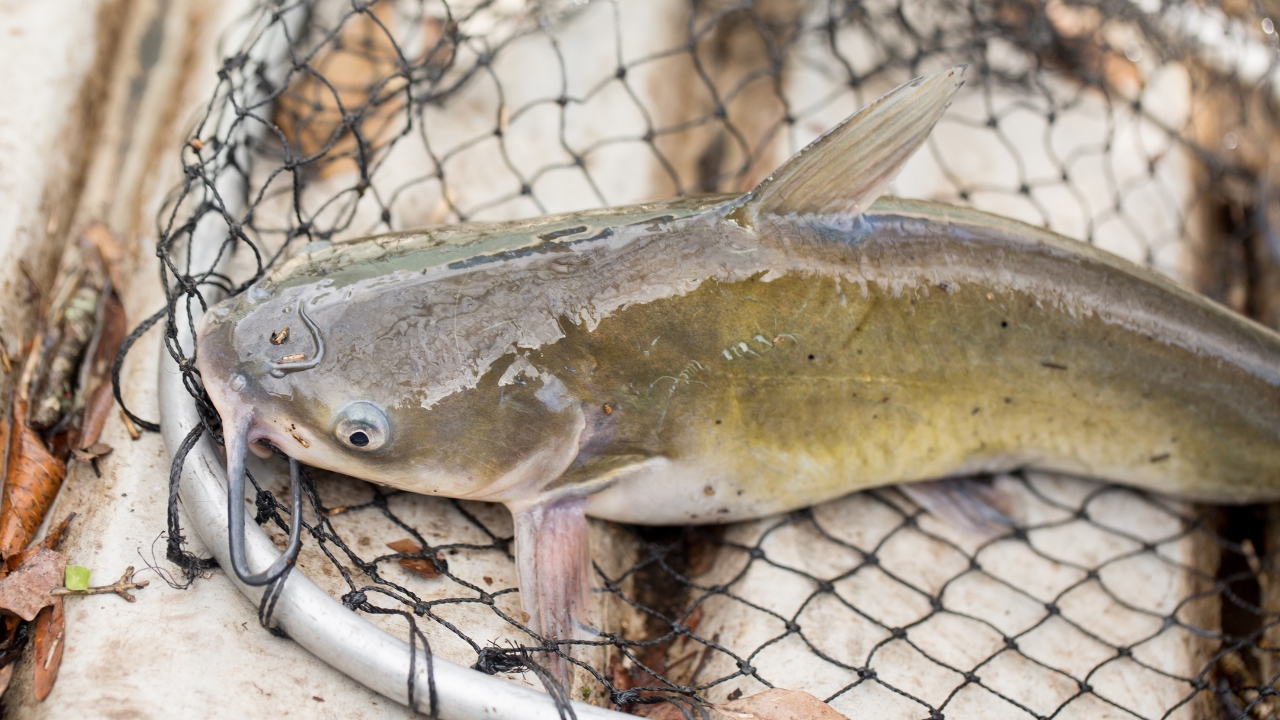
Catfish love hanging out around structure, especially during the day. Look for submerged logs, rock piles, or undercut banks. These areas offer cover and attract baitfish, making them natural feeding spots. Even in ponds, you’ll do better fishing near downed trees or dock pilings. Casting close to structure gives your bait a better chance of getting noticed by catfish moving in and out of cover.
Keep Lines in the Water After Dark

Catfish get more active at night, especially in the summer. Night fishing is one of the easiest ways to hook more fish without changing much else. Set up in a good spot before sunset, get your baits out, and stay patient. You’ll often get more bites after the sun goes down, particularly in shallower areas where catfish come in to feed. Bring a lantern or headlamp to keep things simple.
Use a Slip Sinker Rig

A slip sinker rig helps you feel bites better and keeps catfish from noticing resistance. It’s simple—thread a sinker on your main line, add a swivel, and then a leader to your hook. This setup lets the fish grab the bait and move a little before feeling any tension. It’s an easy rig that works well from the bank or a boat, especially in rivers or deeper lakes.
Give Chicken Liver a Shot

If you want an easy bait option, chicken liver gets the job done. It’s cheap, easy to find, and has a scent that catfish can’t resist. Use small treble hooks or liver hooks to keep it secure, and fish it near the bottom. It works especially well in warm water months when catfish are actively feeding. Just bring extra—it’s known to fly off the hook on hard casts.
Don’t Be Afraid to Move Spots

If you’re not getting bites after 20 or 30 minutes, it’s often better to pack up and move. Catfish are usually either there or they aren’t. Focus on moving around to different depths and structures until you find active fish. Sometimes just relocating down the bank or trying a new hole in a river can make a huge difference. Staying mobile keeps you in front of more fish.
Downsize Your Gear in Ponds

When you’re fishing smaller ponds, big heavy rigs can be overkill. Using lighter rods and smaller hooks often leads to more bites. Catfish in smaller water tend to be more cautious, and a basic setup with light line and a small hook works just fine. You don’t need big surf rods—just something balanced and easy to cast. Downsizing your gear helps you stay comfortable while putting more fish on the bank.
*This article was developed with AI-powered tools and has been carefully reviewed by our editors.


