Photo credit: Alexander Lukatskiy/Shutterstock.com
Fishing from the bank might seem limiting, but if you play it smart, it can be just as productive as fishing from a boat. You’ve got to think a little differently—mobility, precision, and timing all matter more. The trick is squeezing the most out of whatever access you’ve got. Whether you’re hitting a city pond, a quiet creek, or a big lake shoreline, these seven bank fishing tips can help you catch more and waste less time walking around empty-handed.
Travel Light but Be Ready

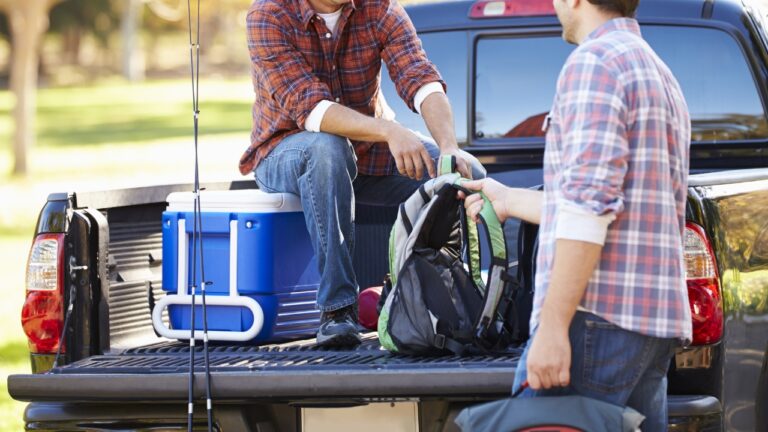
Dragging around too much gear will wear you out and keep you from moving. Stick to one or two rods and a small backpack or sling loaded with just the essentials. Think pliers, hooks, plastics, and a few hard baits. The lighter you travel, the easier it is to change spots, which can be the difference between a good day and a blank one.
Fish What’s Closest First

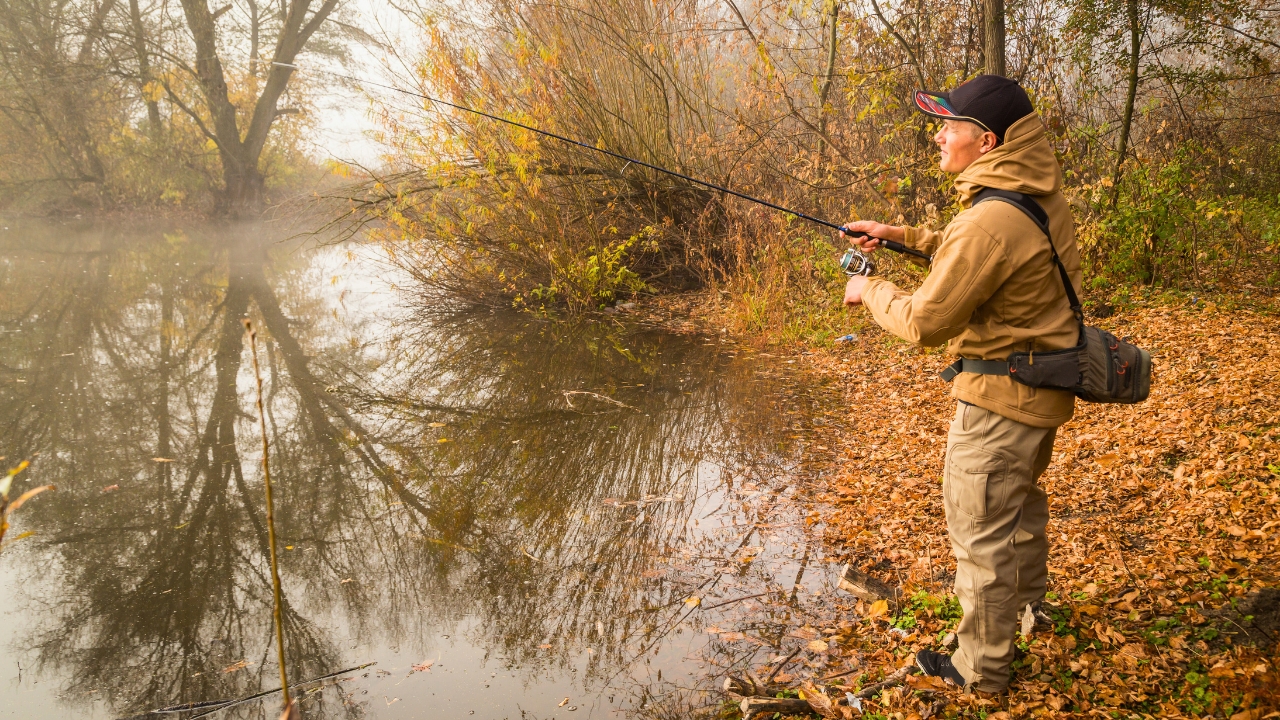
A lot of people walk right past fish in a rush to get to some “better” spot. Big mistake. Cast parallel to the bank and fish any nearby structure before moving on. Bass will cruise the edges, especially in the early morning and evening. If you’re quiet and deliberate, those close-in casts can pay off big.
Watch Your Shadow and Footsteps

Fish can spook fast in shallow water, especially if you’re stomping around or casting shadows. Stay low, walk softly, and approach the edge with some caution. If the sun’s out, keep your shadow off the water as best you can. It might sound minor, but it makes a real difference when bass are close to shore.
Fan Cast Each Spot

Don’t just cast straight out. Work the area in a fan pattern—left to right, shallow to deep. This helps you cover more water and figure out where the fish are holding. If you get a bite, repeat that angle. Patterns usually show themselves if you pay attention, and bank fishing doesn’t give you as many chances to miss.
Use Finesse Gear When It’s Tough

If the bite is slow or the water’s pressured, scale down. A light spinning setup with a small plastic or finesse worm can work wonders. It’s not flashy, but it gets bit. Slow things down, keep it subtle, and fish it methodically. Sometimes less is more—especially from the bank where everyone’s tossing big loud baits.
Skip the Crowded Spots

If you see a clump of people fishing in one area, don’t bother squeezing in. Pressured fish get smart fast. Walk the shoreline a little farther—find an overlooked corner, a small inlet, or some brush nobody wants to fight through. Less foot traffic usually means less wary bass, and that’s worth the extra steps.
Cast Parallel to Structure

Whether it’s a weed edge, riprap, or fallen tree, casting parallel rather than straight out gives your bait more time in the strike zone. Bass often relate to structure lengthwise, and a long cast along that edge mimics natural prey better. It’s a small adjustment that can lead to a lot more hookups.
*This article was developed with AI-powered tools and has been carefully reviewed by our editors.