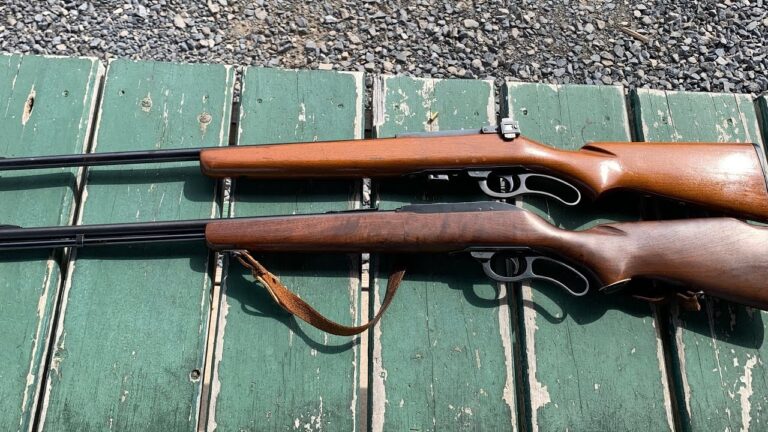
Photo credit: Savage Arms
Hunting or shooting in mixed terrain—where you might cross open fields, brushy woods, and steep draws all in one day—means your rifle caliber can’t just do one thing well. You need something that hits hard, shoots flat enough at a distance, but won’t beat you up with recoil or over-penetrate in tighter spots. Here’s how to sort through the options without getting buried in ballistics charts.
Know Your Typical Engagement Range
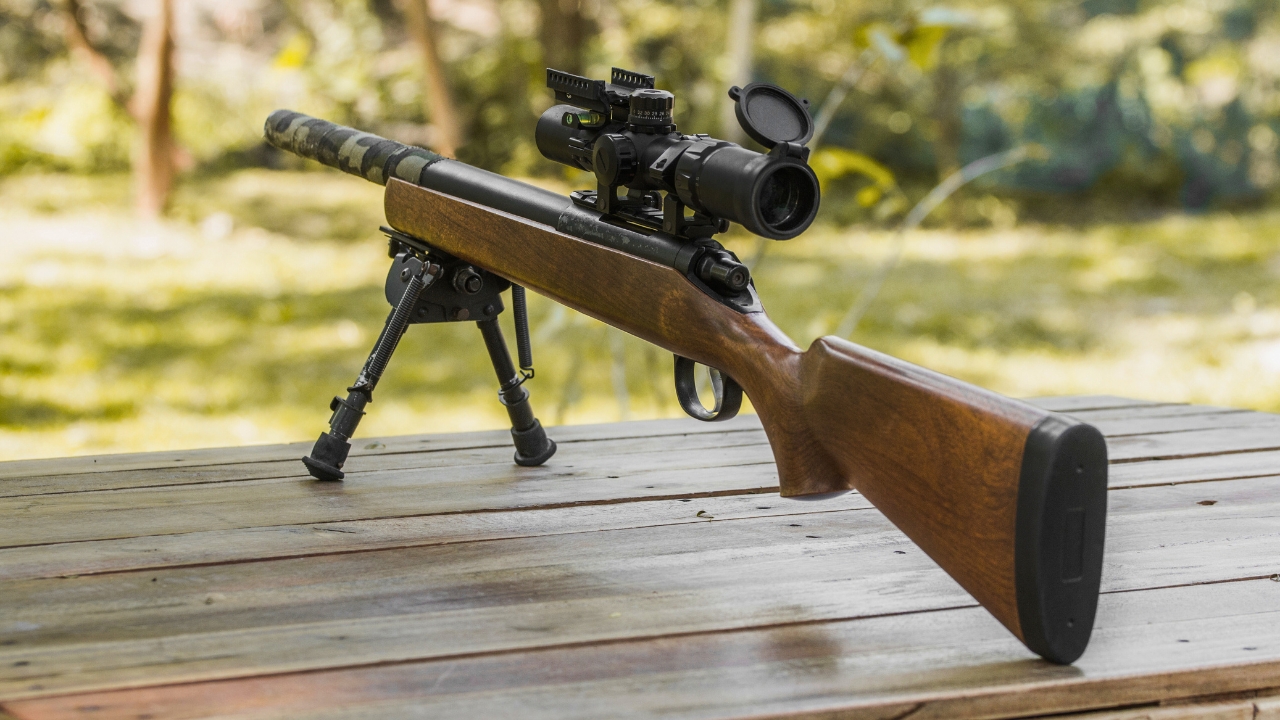
If you’re mostly shooting under 200 yards, you don’t need a flat-shooting speed demon. Calibers like .30-30 or .35 Remington work great in brush and still drop deer cleanly at mid-range. But if your terrain includes ridgelines and longer fields, you’ll want something with better reach.
It helps to be realistic. Just because a caliber can reach 500 yards doesn’t mean you will. Pick something that fits the kind of shots you actually take.
Don’t Ignore Recoil in the Field

Shooting from a bench is one thing, but trying to line up a fast shot on uneven ground is another. Heavy recoil can cause flinching or make follow-ups slow, especially in awkward shooting positions.
Mid-range calibers like 6.5 Creedmoor or .308 offer enough punch without rattling your bones. You want to be confident when the shot comes, not bracing yourself before you even pull the trigger.
Brush Isn’t a Magic Bullet Stopper

Some folks think a bigger, slower bullet magically punches through brush better—but that’s not always true. Branches can deflect any bullet. It’s more about where you’re shooting than what you’re shooting.
That said, heavier bullets from rounds like .45-70 or .300 Savage can sometimes track straighter through light brush than lightweight speedsters. Just don’t expect miracles. Take smart, clean shots.
Mind Your Rifle Weight and Size
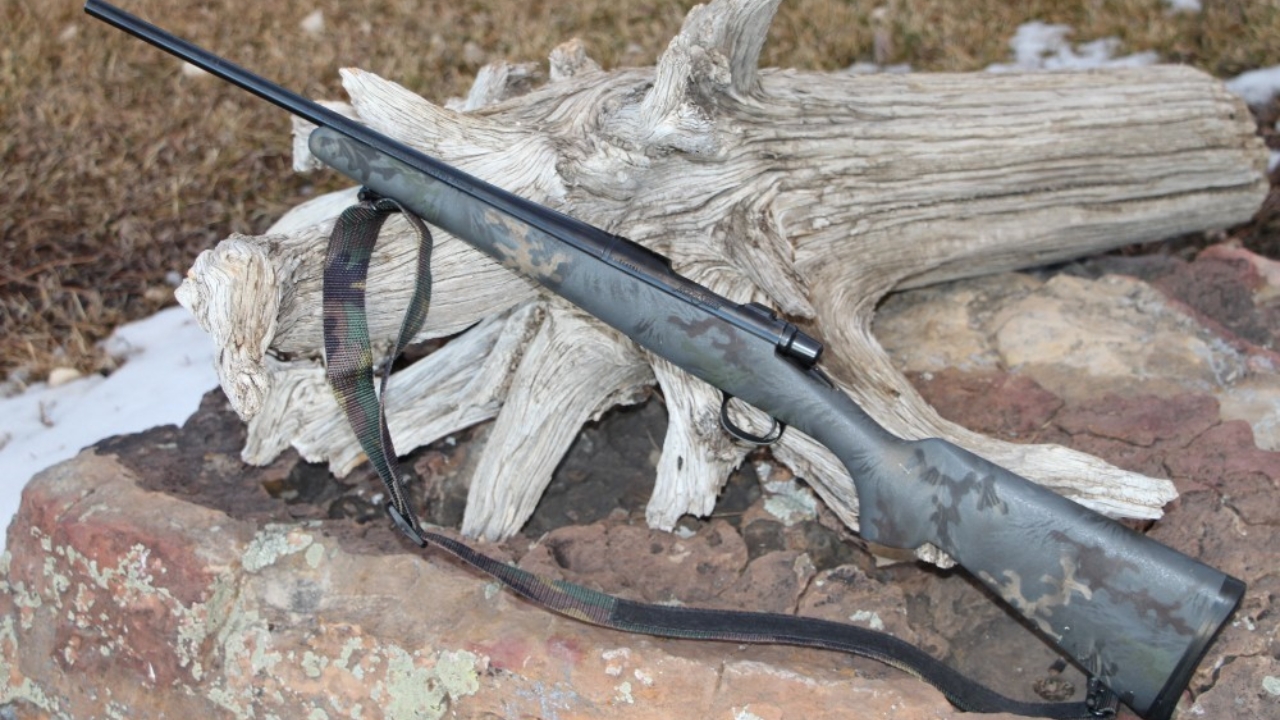
A powerful long-range caliber often comes in a bigger, heavier rifle. That’s fine on a range, but hauling it up steep hills or crawling through thick timber can wear you out.
Short-action calibers like 7mm-08 or .243 can keep your rifle more compact and easier to carry. You’ll appreciate that lighter weight when you’ve already put in miles.
Consider Ammo Availability

Even the perfect caliber isn’t helpful if you can’t find ammo for it. Some rounds look great on paper but are a pain to track down unless you reload or live near a big shop.
Stick with proven, widely available options—.308, .30-06, .270, etc.—if you want to keep things simple. This matters even more if you travel or hunt in unfamiliar areas.
Think About Versatility

When terrain changes fast, you want a caliber that doesn’t force you to baby it. A round like .308 can handle brush, field, and hill country without swapping setups.
Look for something that performs well across different ranges and cover types. You shouldn’t need a different rifle just because the landscape shifts a little.
Match Caliber to Game Size

Mixed terrain doesn’t just mean different terrain—it can mean different animals too. Are you hunting hogs, deer, or maybe even elk? That changes what caliber makes sense.
Smaller calibers like .243 can work well for deer but fall short for heavier game. Something like .270 or .30-06 gives you a better chance of one-shot stops on tougher animals.
Don’t Obsess Over Speed or Drop

It’s tempting to chase the flattest trajectory possible, but unless you’re taking 300+ yard shots regularly, it’s not always necessary. Most hunting rounds shoot plenty flat out to 200.
Instead of worrying about a couple inches of bullet drop, focus on knowing your rifle, practicing with it, and getting good shot placement. That’ll do more for you than raw velocity.
Factor in Barrel Length

Some calibers lose a lot of performance when fired from shorter barrels. If you’re using a compact rifle for tight cover, make sure your chosen round still performs well.
Rounds like 6.5 Grendel or .308 hold up better in shorter barrels than something like .270, which really needs a full-length barrel to stretch its legs.
Don’t Overthink It—Train With What You Use

At the end of the day, the best caliber is the one you know well and shoot confidently. If you spend time behind the rifle and know how it handles in different spots, you’ll do fine.
Practice matters more than any small difference in ballistics. The terrain may be mixed, but your comfort and consistency with the rifle is what seals the deal.
*This article was developed with AI-powered tools and has been carefully reviewed by our editors.