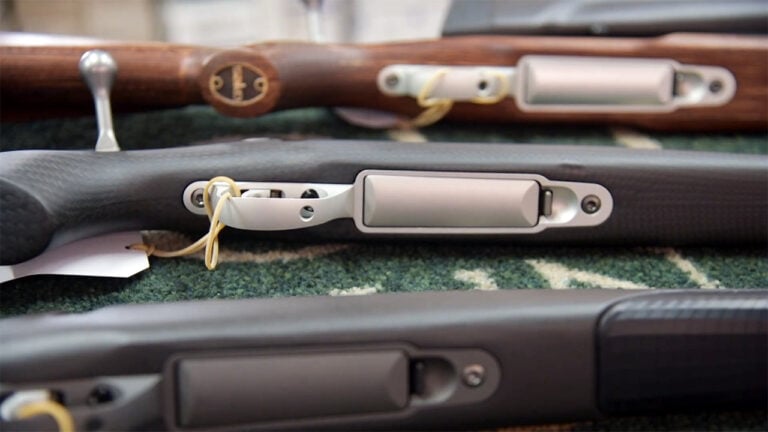
Photo credit: Fire Mountain/YouTube
A rifle that won’t hold zero will make you second-guess everything you’re doing behind the trigger. You’ll swap ammo, change rings, re-torque screws, and burn a whole Saturday trying to “solve” a problem that keeps coming back. Most of the time, the rifle isn’t haunted—it’s sensitive. A light stock that flexes, a barrel channel that touches under pressure, a scope that’s getting stressed in the rings, or action screws that aren’t returning to the same tension can all turn a decent rifle into a zero-chasing project.
Below are specific rifle models that show up a lot in these stories. Not because every example is bad—plenty shoot great—but because their common setups and design choices can make zero shifts more likely if anything in the system is even a little off.
Remington 700

The Remington 700 has probably worn more scopes than any hunting rifle ever, and that’s part of the problem. When a rifle gets swapped between optics, bases, and rings for years, it’s easy to end up with mismatched parts or slightly chewed screw holes that don’t clamp like they should. You’ll see a zero that looks fine, then creeps after a couple range trips.
A lot of 700s also live in old factory stocks that weren’t built for hard bipod loading or aggressive sling tension. If the fore-end flexes into the barrel, your point of impact moves. The rifle feels inconsistent, but it’s responding to pressure changes. When you lock the mounting system down and put the action in a stock that stays put, the “wandering” often disappears.
Ruger American

The Ruger American gets bought, scoped, and hunted hard because it’s affordable and it usually shoots well. The common complaint shows up when you rest it on a hard front bag, load a bipod, or cinch into a sling and suddenly the zero isn’t where it was last week. That’s often stock flex and barrel contact, not the barrel “going bad.”
The other issue is that these rifles get paired with budget rings and budget optics more than most, and small mounting problems show up fast when everything is entry-level. A screw backing out a quarter turn won’t look dramatic, but it’ll move your group enough to make you distrust the rifle. If you want one to stay honest, the mount work has to be boring and perfect.
Savage Axis

The Savage Axis has put a lot of venison in freezers, but it’s also one of those rifles that can feel touchy about how it’s supported. The factory stock can flex, and if the barrel channel is tight or uneven, you can get point-of-impact shifts depending on how you rest the fore-end or pull into a sling.
Axis rifles also get “set and forget” scope jobs more than most. People mount the optic, shoot a group, and call it done. Then the zero drifts because screws weren’t torqued consistently or the rings aren’t clamping evenly. The rifle ends up taking the blame. When the stock is stiffened or replaced and the scope is mounted like it matters, a lot of Axis “won’t hold zero” stories dry up.
Mossberg Patriot

The Patriot is another rifle that often shoots better than its price suggests, but it can be sensitive to the basics. If your action screw torque is inconsistent, or if the stock is compressing and settling, you can see a zero that shifts a little every time you take it out. It feels like the rifle is “walking” even though nothing looks loose.
The Patriot also gets used as a grab-and-go deer rifle, which means it rides in trucks, bumps around in cases, and gets leaned into corners all season. A marginal ring setup might survive a few range sessions, then move after a rough week. That’s not a Mossberg-only problem, but this model is commonly paired with gear that’s right on the edge. Tighten the foundation and it usually behaves.
Winchester XPR

The Winchester XPR can be very accurate, but the setups that give people trouble tend to look the same: lightweight scope, basic rings, and a stock that flexes under real hunting pressure. If you zero from a bench and then hunt off a pack, you can see a shift that feels like the rifle “lost” zero when it really changed how it’s being loaded.
Another thing that bites XPR owners is inconsistent torque after swapping optics or removing the action for cleaning. If the rifle returns to the stock with a slightly different clamp each time, your point of impact can move. It won’t always move a lot, which is what makes it dangerous. You’ll think you’re good—until you aren’t. Consistent torque and a stiff, stable rest setup matter here.
Remington 783

The Remington 783 is a budget hunting rifle that can shoot, but it often wears budget mounts, and that’s where the problems start. If the base screws weren’t cleaned and seated properly, or if the rings are out of alignment and stressing the scope tube, the rifle can show random flyers and small point-of-impact shifts between trips.
The stock and bedding area can also be a factor. When a rifle lives in a softer stock with less consistent support, recoil can “settle” the action over time. That settling looks like a zero that slowly drifts. The fix is rarely exotic—solid mounts, correct torque, and a stock that doesn’t change shape when you shoot it. When those are handled, the 783 usually stops acting like it has mood swings.
Savage 110 Ultralite
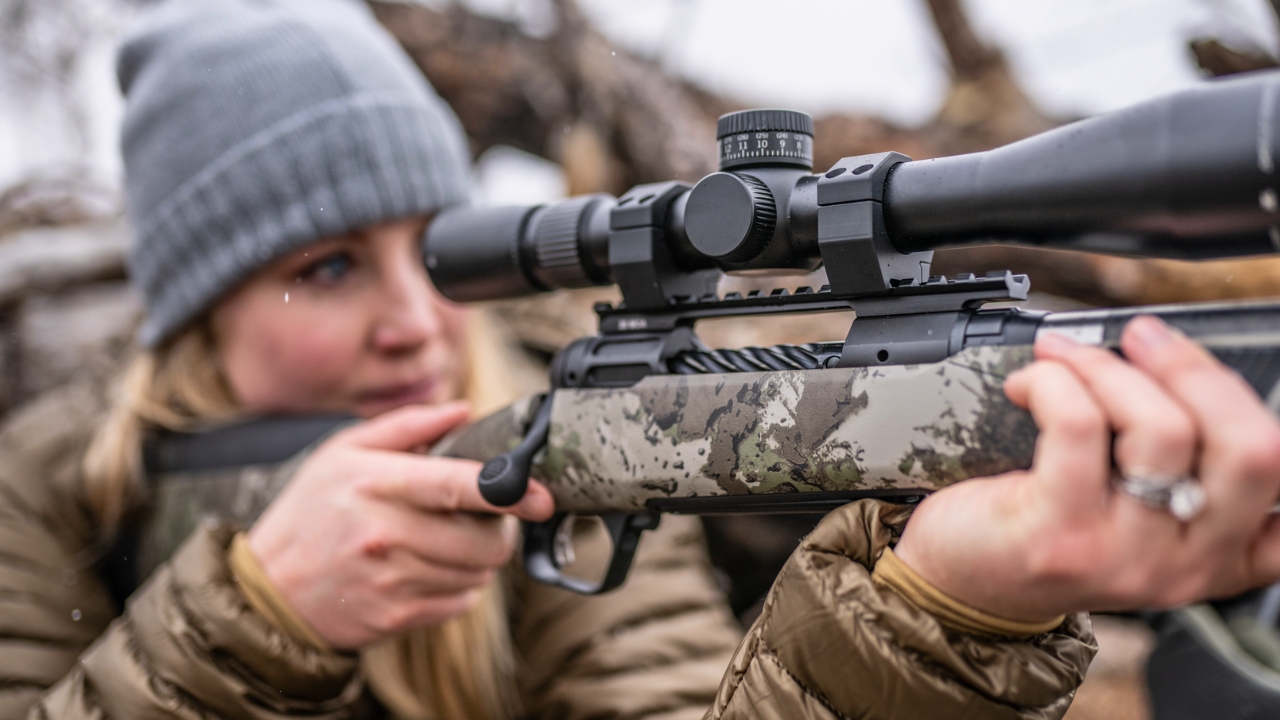
The Savage 110 Ultralite is built for carrying far, not for being easy to zero like a heavy target rifle. A very light rifle reacts more to how you hold it and how it recoils off different rests. If you’re not consistent, you can convince yourself the rifle is losing zero when you’re really changing inputs.
That model also tends to get paired with compact optics and lightweight rings, and those setups can be less forgiving if anything is slightly off. You’re stacking tolerances: light rifle, light scope, light mounts. None of that is wrong, but it demands attention. If you hammer it with long strings at the range, heat and recoil behavior can add more confusion. Zero it like you hunt it—cold barrel, slow pace, consistent support—and it’s far less likely to play games.
Kimber Montana

The Kimber Montana is loved for being light and packable, and it can also be the kind of rifle that magnifies every small setup mistake. When you’re dealing with a light stock and a thin barrel, pressure changes show up on paper. If the barrel channel is tight or the stock flexes into contact, your zero can move depending on bipod load or sling tension.
Kimbers also tend to get carried hard, which means they get bumped, strapped, and leaned against rocks more than heavier rifles. A ring setup that is “fine” on a heavier gun can shift on a light rifle that snaps under recoil. If you want a Montana to stay locked in, you treat the mount job like a precision build, then confirm your zero after real carry and real field positions—not only from a bench.
Tikka T3x Lite

Tikka rifles have a reputation for accuracy, and the T3x Lite usually earns it. The zero-holding complaints you hear are rarely about the barrel being bad. They’re usually about the system around it: lightweight rigs, two-piece setups, and stocks that can be sensitive to pressure if the barrel isn’t truly free and consistent.
A T3x Lite can also trick you because it often prints a great group even when something is slightly wrong. Then you come back a week later and it’s off enough to make you doubt everything. That’s commonly mounting or torque consistency, not magic. If you use quality bases and rings, torque them correctly, and avoid overloading the fore-end, the rifle stays boring. When it doesn’t, look at the mounting stack first.
Browning X-Bolt
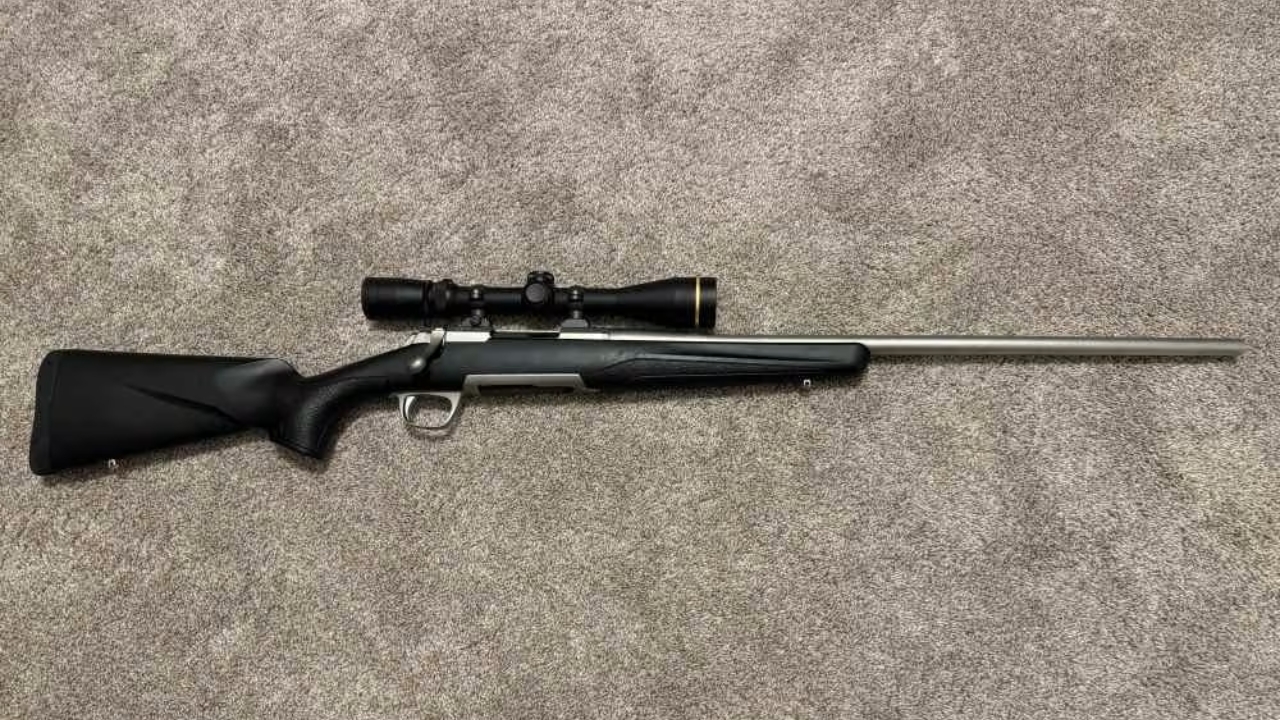
The Browning X-Bolt is another rifle that can shoot lights-out, but it’s also one that gets treated like a refined hunting tool—meaning people don’t always re-check the basics once it’s “done.” If a base screw loosens slightly, or if rings weren’t seated evenly, you can get that slow drift that makes you think the rifle can’t hold zero.
The other issue shows up when you start shooting from different supports. If you zero off a hard bench rest and then hunt off a tight sling or a bipod, the point of impact can shift if the stock pressure changes how the barrel behaves. It’s not that the rifle can’t shoot. It’s that it needs consistency. When you confirm zero from the same types of positions you’ll use in the field, the surprise shifts tend to stop.
Christensen Arms Ridgeline
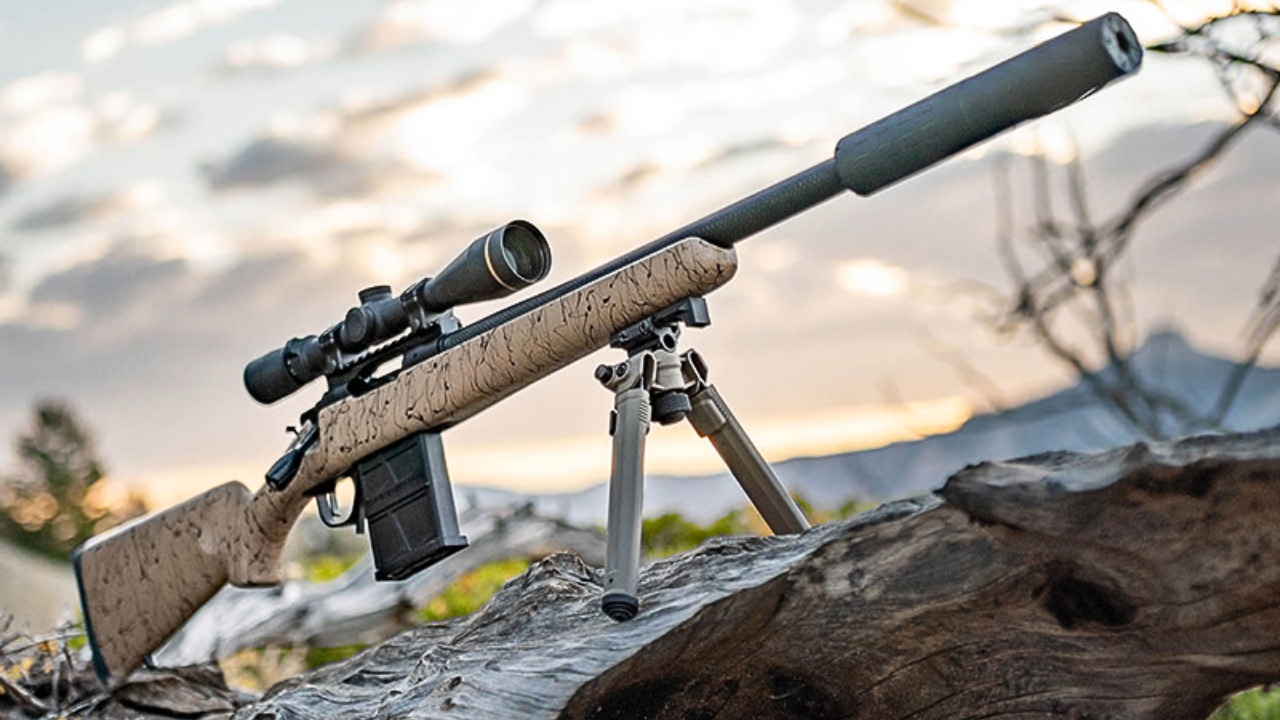
The Ridgeline gets bought for one reason: light weight with big-game capability. That’s also why it shows up in “won’t hold zero” arguments. Light rifles with thin barrels can be sensitive to heat and support pressure, and if anything in the mounting stack is marginal, recoil makes it obvious fast.
A lot of Ridgeline setups also involve muzzle devices or suppressor mounts. If that hardware loosens, or if you’re swapping between bare muzzle and a device without confirming, you can see point-of-impact changes that feel like a wandering zero. It’s not always the rifle. It’s often the whole system being treated casually. When the mounts, torque, and muzzle setup are handled carefully, many of these rifles settle down and shoot exactly how you expected.
Springfield 2020 Waypoint
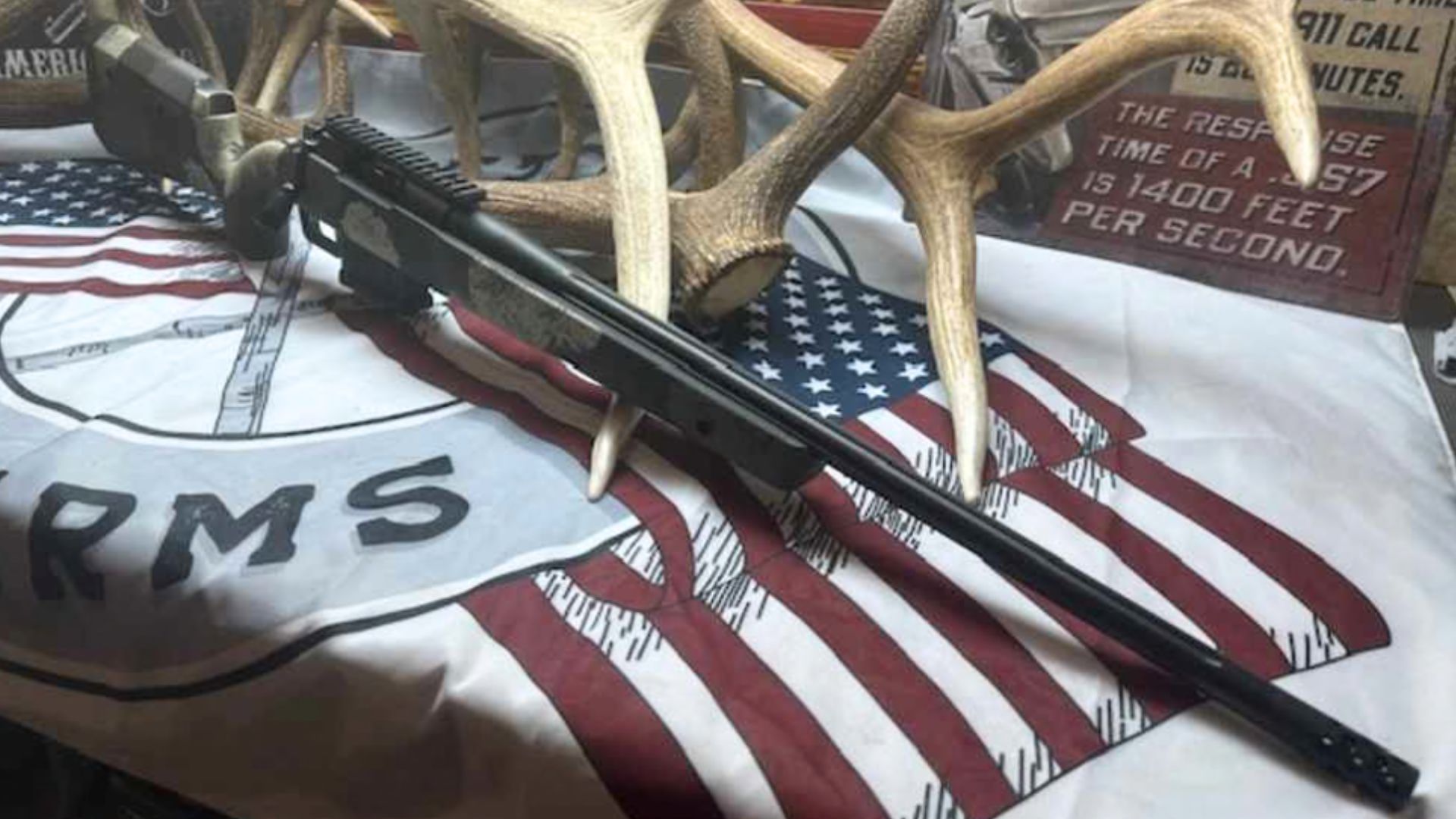
The Springfield 2020 Waypoint is a modern hunting rifle that’s generally built to shoot, but modern rifles still aren’t immune to basic problems. When a shooter reports a zero that won’t stay put, you often find stress in the optic setup—rings not aligned, screws over-torqued, or a scope tube living under tension.
Because the Waypoint is often set up as a “nice rifle,” it frequently gets a lightweight hunting optic and rings chosen for ounces. That can work, but the margin is thinner. If you’re seeing random shifts, it usually means something is moving or binding, not that the rifle forgot how to shoot. Confirm the base screws, confirm ring torque, and confirm your zero after carry and transport. That last step catches a lot of “mystery” problems early.
Bergara B-14 Ridge
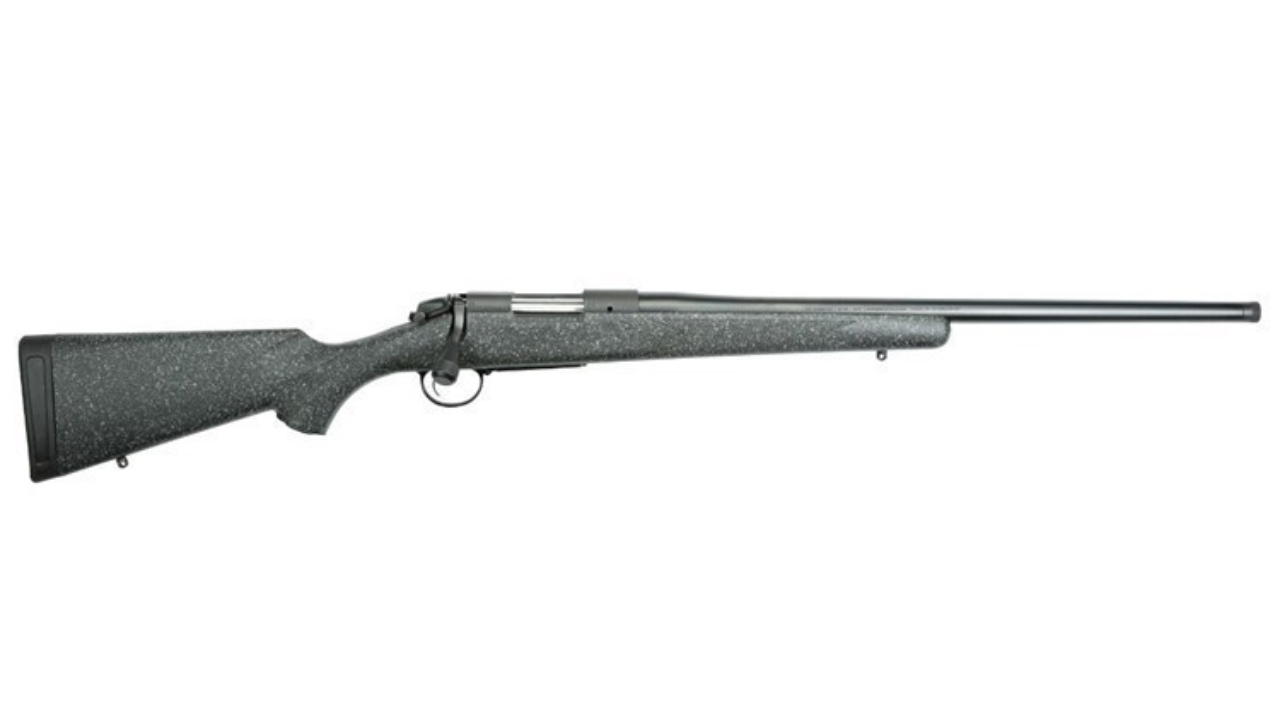
The Bergara B-14 Ridge has a strong accuracy reputation, which makes zero issues even more frustrating when they happen. When you hear a Ridge “won’t hold zero,” it’s often a mounting problem hiding behind good groups. A stressed scope can still group—until it doesn’t. Then you get a drift or a flyer that ruins confidence.
Another common source is inconsistent action screw torque after removing the action from the stock. If you take it apart, clean it, and reassemble without consistent torque, you can change how the action sits. That changes point of impact. The rifle didn’t become unreliable; it became inconsistent in how it’s clamped. If you keep the action bedded consistently and use proven mounts, the Ridge usually stays predictable, which is the whole reason people buy it.
Howa 1500

The Howa 1500 is a workhorse action that can shoot extremely well, but it’s often sold in budget packages where the scope and mounts are the weak link. When the zero won’t stick, you’ll frequently find rings that don’t clamp evenly or base screws that were installed without proper attention to thread engagement and torque.
The other thing that shows up is stock fit. Many Howa 1500s live in basic synthetic stocks that do the job, but they can flex under bipod load or sling tension. If that flex creates barrel contact, your point of impact can move without anything “breaking.” The rifle gets blamed because the action is the visible part, but the behavior is coming from pressure and support changes. Put it in a stiff stock with solid mounts and it usually turns boring.
Ruger Hawkeye

The Ruger Hawkeye is tough and dependable, and it can still drive you nuts if the stock and bedding aren’t returning the action to the same place every time. Some Hawkeyes shoot great forever, and some show a wandering zero until you sort out pressure points, barrel contact, or inconsistent screw torque.
The reason it feels like “no matter what you change” is that people often change the wrong stuff first. They swap ammo and scopes before they confirm the action is seated consistently and the barrel is behaving the same under different support pressures. If you’re loading a sling hard or resting the rifle in different spots, you can move the impact enough to think the rifle is drifting. Get the bedding and barrel channel consistent, then confirm zero with the same support style you’ll hunt with.
CZ 600 Alpha

The CZ 600 Alpha is newer to a lot of hunters, and newer rifles can come with newer setup mistakes—especially when you’re mixing modern bases, modern rings, and modern optics that all have their own torque requirements. When people see a zero shift, it’s often because something was installed “tight enough” rather than installed correctly.
The Alpha is also commonly bought as a practical hunting rifle, which means it gets carried a lot and checked less than it should. A small mount shift after rough transport can move your point of impact enough to matter. The rifle ends up on trial, when the real culprit is movement in the mount stack. If you mount it with quality hardware, torque it properly, and confirm after real-world bumps and carry, it tends to behave like the dependable modern rifle it was meant to be.
Like The Avid Outdoorsman’s content? Subscribe to our newsletter so you never miss an article.
Here’s more from us: