Accuracy isn’t just about pulling the trigger and hoping for the best. It’s about control, consistency, and knowing how to work with your gun, not against it. If you’re missing shots, there’s a reason—and it’s probably something you can fix. Too many guys blame the rifle, the wind, or even the ammo when the problem is right in their grip, stance, or trigger press. The good news? Tightening up your groups doesn’t require magic, just discipline and the right approach.
If you want to be the guy who can make the shot when it matters, you need to put in the work. These 10 tips will help you get there.
1. Fix Your Grip
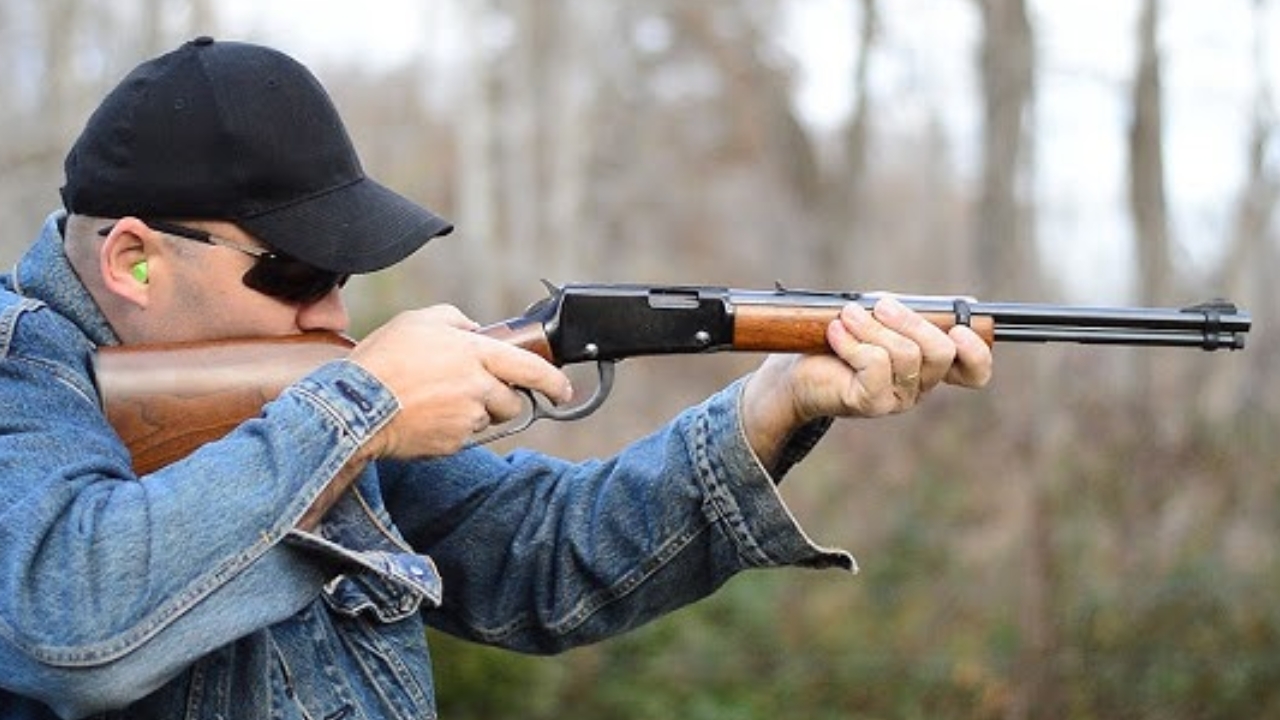
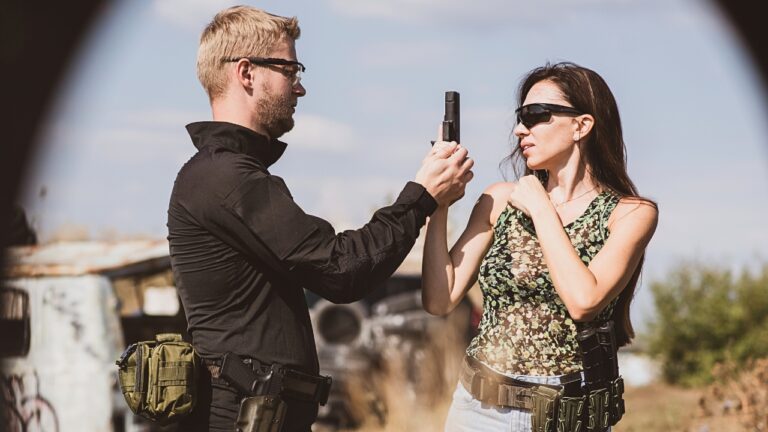
Your grip is the foundation of every shot you take. Get it wrong, and everything else falls apart. A weak grip on a handgun lets recoil push the gun around, which means your second shot won’t be where you want it. A sloppy grip on a rifle makes it harder to stay steady on target. Lock in a grip that keeps your hands firm but not overly tense. Your strong hand should hold the firearm naturally, while your support hand helps control recoil and keep you on target. If your grip shifts between shots, you’re working harder than you need to.
2. Focus on Trigger Control

If you’re yanking the trigger, you’re missing your shot. It’s that simple. Slapping the trigger sends your muzzle off-target before the bullet even leaves the barrel. You want a slow, controlled press straight back, keeping your sights steady. One of the best ways to work on this is dry fire practice—no ammo, just you and your gun, focusing on getting that trigger press right without moving the rest of your hand. If your sights jump when you pull the trigger, you’re doing it wrong. Get it smooth, and your groups will tighten up fast.
3. Adjust Your Stance
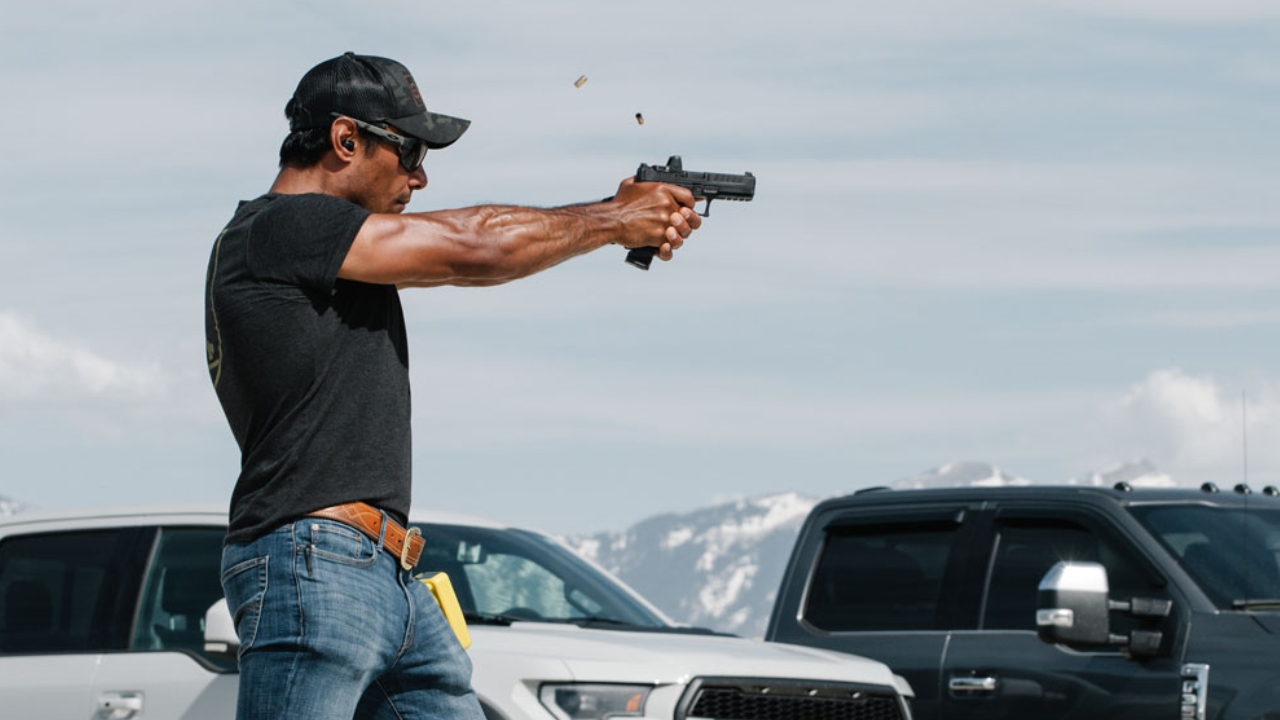
If you’re standing like a stiff board or leaning back like you’re afraid of the gun, you’re setting yourself up for bad shots. A solid stance gives you balance, control, and the ability to handle recoil without shifting all over the place. For pistols, stand with your feet shoulder-width apart, knees slightly bent, and lean into the gun a bit. With a rifle, keep your feet squared up or slightly staggered, making sure your weight is balanced forward. A good stance makes a huge difference, and once you find the right one, it becomes second nature.
4. Control Your Breathing

Holding your breath while shooting is a rookie mistake. The more oxygen-starved your body gets, the more your hands shake. And if you’re breathing too hard, your chest is moving, which throws off your sight picture. The trick is to time your shot between breaths. Take a slow inhale, a steady exhale, and press the trigger when you’re at the natural pause. This is crucial for long-range shots, where even the smallest movement can send a bullet inches off target.
5. Dial In Your Sight Picture
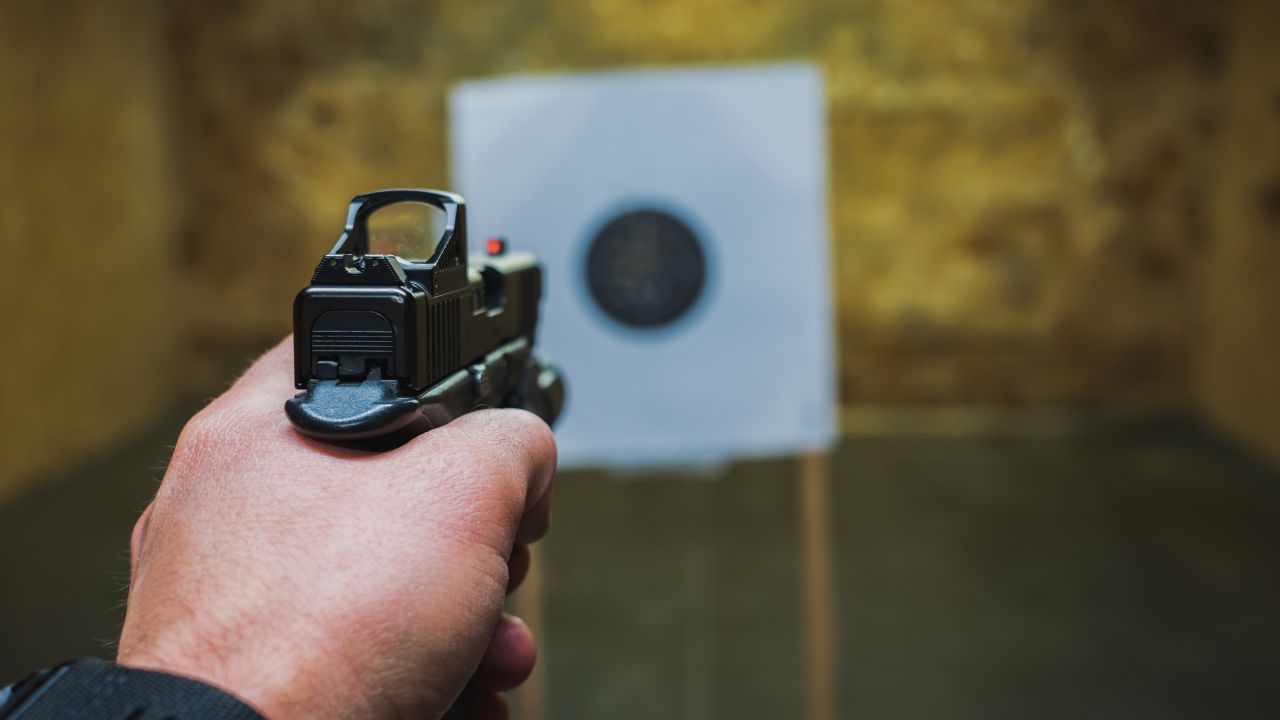
If you don’t understand sight alignment, you’re guessing every time you pull the trigger. Iron sights? Focus on the front sight, not the target. Your rear sights should be slightly blurred. Running a red dot? Keep both eyes open and focus on the target, letting the dot overlay naturally. With magnified optics, make sure you’re not crowding the scope or getting a bad sight picture. Every gun has its own quirks, so learn how your sights work and make sure you’re lining them up the same way every time.
6. Zero Your Gun Properly

You wouldn’t drive a truck without aligning the tires, so why would you shoot a gun that’s not zeroed? If you’re just assuming your sights or scope are on point straight out of the box, you’re setting yourself up for failure. Take the time to properly zero your firearm at a distance that makes sense for how you’ll use it. A rifle sighted at 100 yards will hit way off at 300. Same with red dots—if you’re zeroing at 10 yards but shooting at 50, you need to know how much your point of impact shifts. Confirm your zero regularly, especially before hunting season or serious range time.
7. Train With Live and Dry Fire Drills

Shooting isn’t like riding a bike—you get rusty fast if you don’t put in the work. Dry fire drills are one of the best ways to stay sharp, and they don’t cost a dime in ammo. Work on your draw, sight alignment, and trigger press in your own home (making sure your gun is clear, obviously). Live fire at the range is great, but dry fire training helps build muscle memory so that when you do hit the range, everything feels automatic. If you’re only shooting a few times a year, don’t expect your accuracy to improve.
8. Follow Through on Every Shot

If you’re jerking the gun away the second you pull the trigger, you’re messing up your shot. Follow-through is just as important as lining up the sights. Keep your focus locked in and hold your position for a split second after the shot breaks. If you’re flinching or dropping the muzzle right after the shot, your accuracy is going to suffer. This is especially important for long-range shooting or follow-up shots in hunting situations. Stay on the gun, keep watching your sights, and reset naturally.
9. Use the Right Ammo
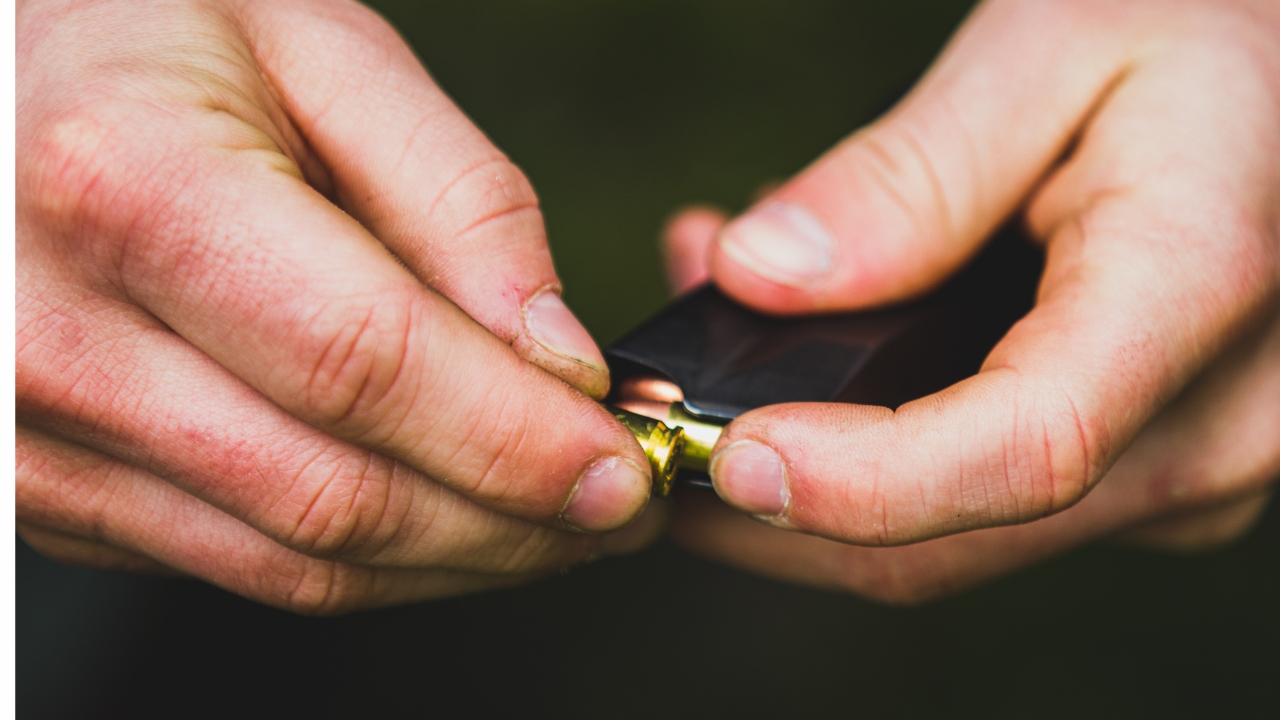
Not all ammo is created equal, and if you’re running the cheapest stuff you can find, don’t be surprised if your accuracy suffers. Different guns like different loads—bullet weight, powder charge, and even brand can change how your firearm performs. If your groups are all over the place, try testing a few different brands and bullet types to see what your gun likes best. And don’t forget that barrel fouling can affect accuracy too—if you’ve been blasting cheap steel-case ammo, maybe give your bore a good cleaning before blaming the gun.
10. Shoot Under Real-World Conditions
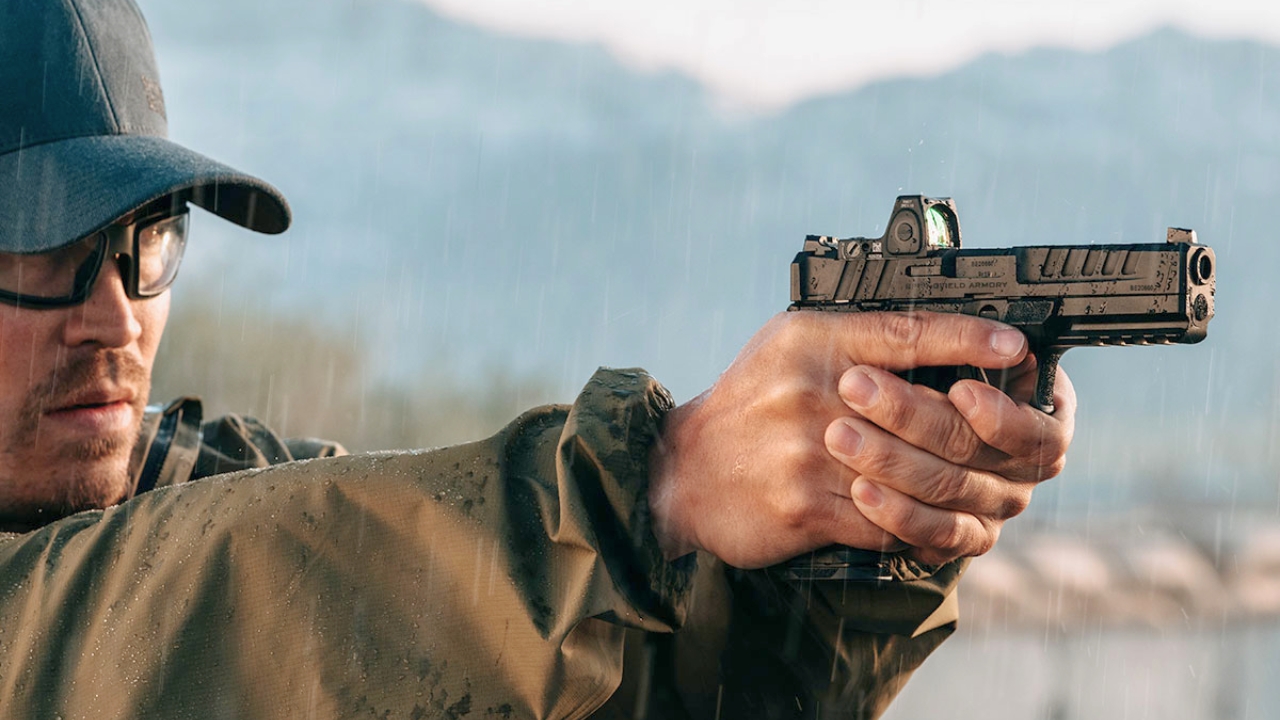
Hitting the bullseye at an indoor range is one thing. Making a solid shot in the woods, with an awkward stance, bad lighting, and adrenaline pumping, is another. If you only shoot from a bench, you’re not preparing for real-world situations. Practice shooting from kneeling, prone, and standing. Get comfortable shooting in different weather conditions. If you’re a hunter, take shots from the same angles and distances you’d actually see in the field. The more realistic your training, the better you’ll perform when it actually matters.
*This article was developed with AI-powered tools and has been carefully reviewed by our editors.