
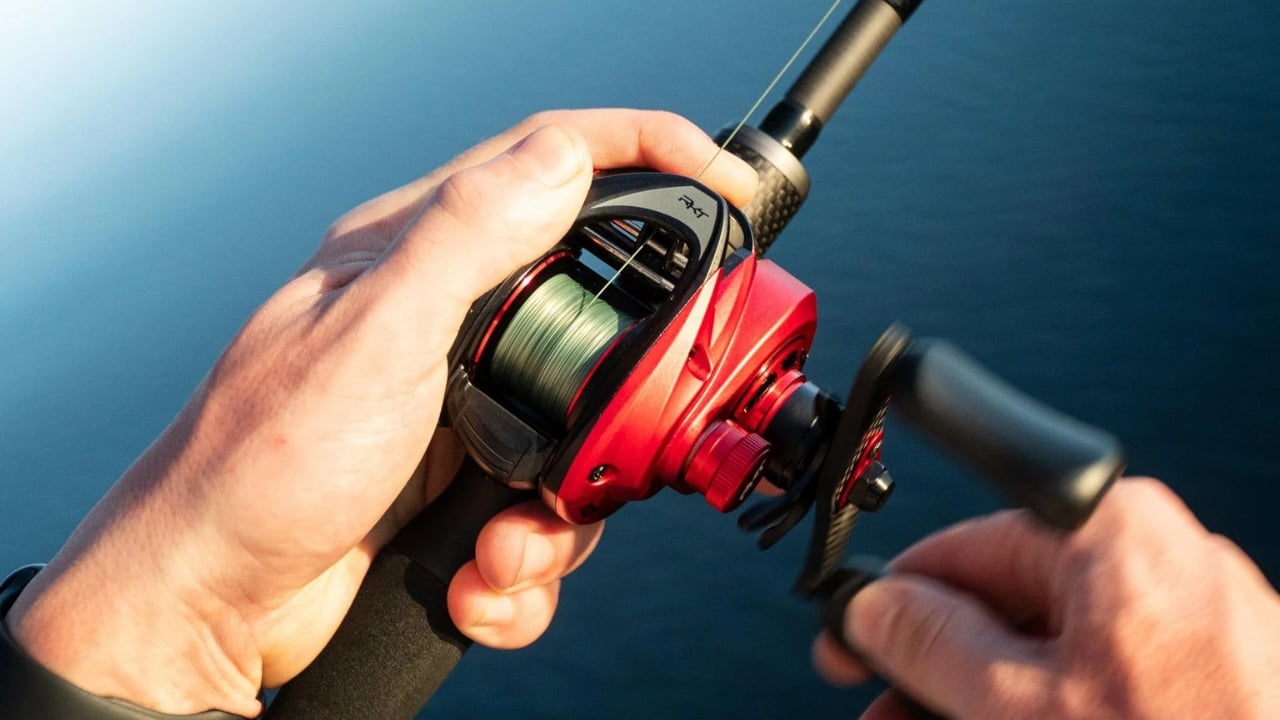
Photo credit: Abu Garcia
Spinning reels have their place, but if you’re serious about bass fishing—or any fishing that requires accuracy, power, and control—you need to step up to a baitcaster. Some people avoid them because they think they’re too complicated or because they’re afraid of the occasional backlash. That’s like refusing to drive a truck because you’re worried about parking it. Baitcasters give you more precision, better handling, and way more versatility when throwing heavier lures. If you’re still clinging to a spinning reel for everything, here’s why you’re missing out.
Better Accuracy for Targeting Structure

A spinning reel gets the job done, but when you need pinpoint accuracy—whether you’re skipping under docks, flipping into heavy cover, or dropping a lure between stumps—a baitcaster is the way to go. The way the spool feeds line gives you way more control, letting you stop a lure mid-flight with just a thumb press.
That extra control means fewer snags, more time in the strike zone, and better hook-ups. If you’ve ever had a bass spook because your cast landed two feet from where it needed to be, you already know why this matters.
Stronger Drag and More Power

Baitcasters are built to handle heavier line and bigger fish. The drag system on most spinning reels isn’t as smooth or as strong as what you get with a baitcaster. When you hook into a big bass, musky, or anything else that fights dirty, you want the ability to control the battle without fumbling with a front drag knob.
A baitcaster puts the drag adjustment right where it should be—at your fingertips. And because the spool sits in line with the rod, you’re putting more direct pressure on the fish instead of relying on the reel to do all the work.
Faster, Smoother Retrieves
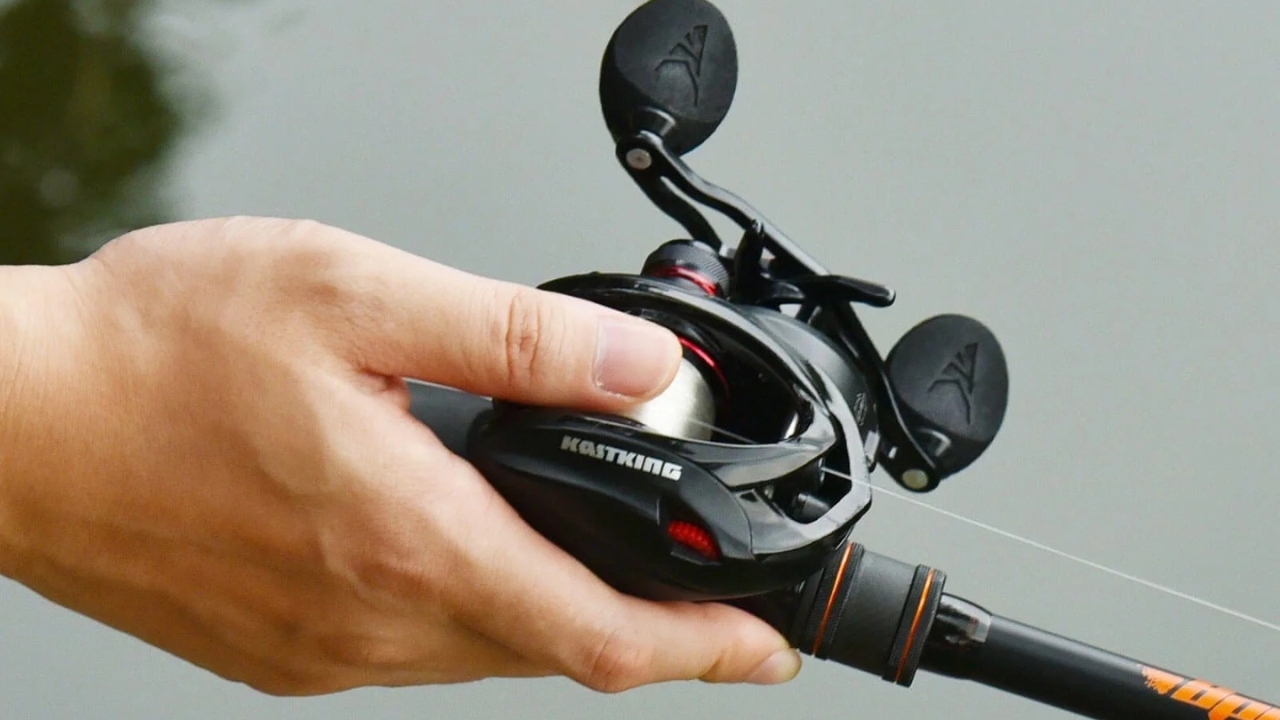
If you’re burning a crankbait, slow-rolling a spinnerbait, or working a Texas rig through cover, retrieve speed matters. Baitcasters offer higher gear ratios, which means you can pick up line faster and adjust your retrieve on the fly.
With a spinning reel, you’re stuck with a slower retrieve that requires more effort to take in line. That might not seem like a big deal until you’ve got a fish running at you full speed and you can’t keep up. A baitcaster eliminates that problem.
Handles Heavier Line and Lures with Ease

Try throwing a heavy jig, a swimbait, or a deep-diving crankbait on a spinning setup, and you’ll quickly realize it’s a losing game. Spinning reels struggle with anything over 12-pound test, and even then, the line memory can cause headaches.
Baitcasters are designed for heavier line—fluorocarbon, monofilament, and even braid—which makes them perfect for techniques where abrasion resistance and power matter. If you’re punching through thick grass or working a jig through rocks, a baitcaster is the only real option.
Less Line Twist and Fewer Tangles

One of the biggest downsides to spinning reels is the constant battle with line twist. If you’ve ever had a perfectly good cast ruined by a line loop that suddenly explodes into a tangled mess, you know the frustration.
Baitcasters don’t have that issue. The way they spool line keeps everything straight, so you don’t end up with knots and tangles every time you cast. Yes, you might backlash now and then if your brakes aren’t dialed in, but once you get the settings right, a baitcaster is a lot easier to manage than a spinning reel in the long run.
More Control Over Your Cast

With a spinning reel, once the line leaves the spool, you’re at the mercy of momentum. You can slow it down with a finger, but you don’t have nearly as much control as you do with a baitcaster.
With a baitcaster, your thumb is your brake. Need to drop a lure right next to a log? Thumb it. Overshot your target? Stop the spool mid-cast. Once you master this, your casting game goes from decent to dead-on accurate.
Easier Hook Sets and More Leverage

A spinning reel forces you to rely more on the rod to drive the hook home, which is fine for finesse fishing but not great when you’re dealing with heavy cover or big fish. A baitcaster’s setup gives you better leverage, letting you set the hook with more authority.
That extra power is a game-changer when fishing for bass, pike, or anything that needs a solid hookset. If you’ve ever lost a fish because your hook didn’t penetrate all the way, switching to a baitcaster might just solve that problem.
Baitcasters Are Built to Last
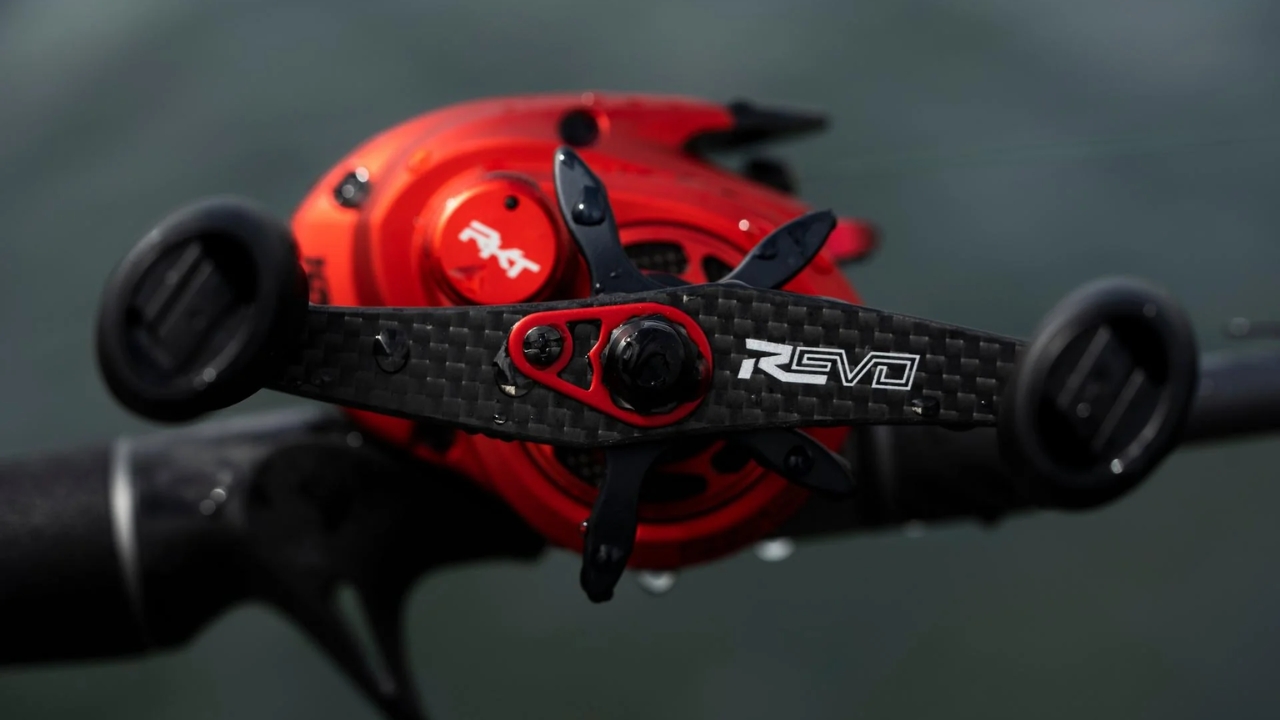
A good baitcaster will outlast a spinning reel if you take care of it. The all-metal frames, stronger gearing, and beefed-up components are made to take abuse. Whether you’re fishing in heavy cover, dealing with big fish, or just putting in long hours on the water, a baitcaster is designed to handle it.
Spinning reels are great for lighter applications, but when it comes to durability, they don’t hold up the same way. A good baitcaster will stay smooth and reliable long after a spinning reel starts to wear down.
The Learning Curve Is Worth It
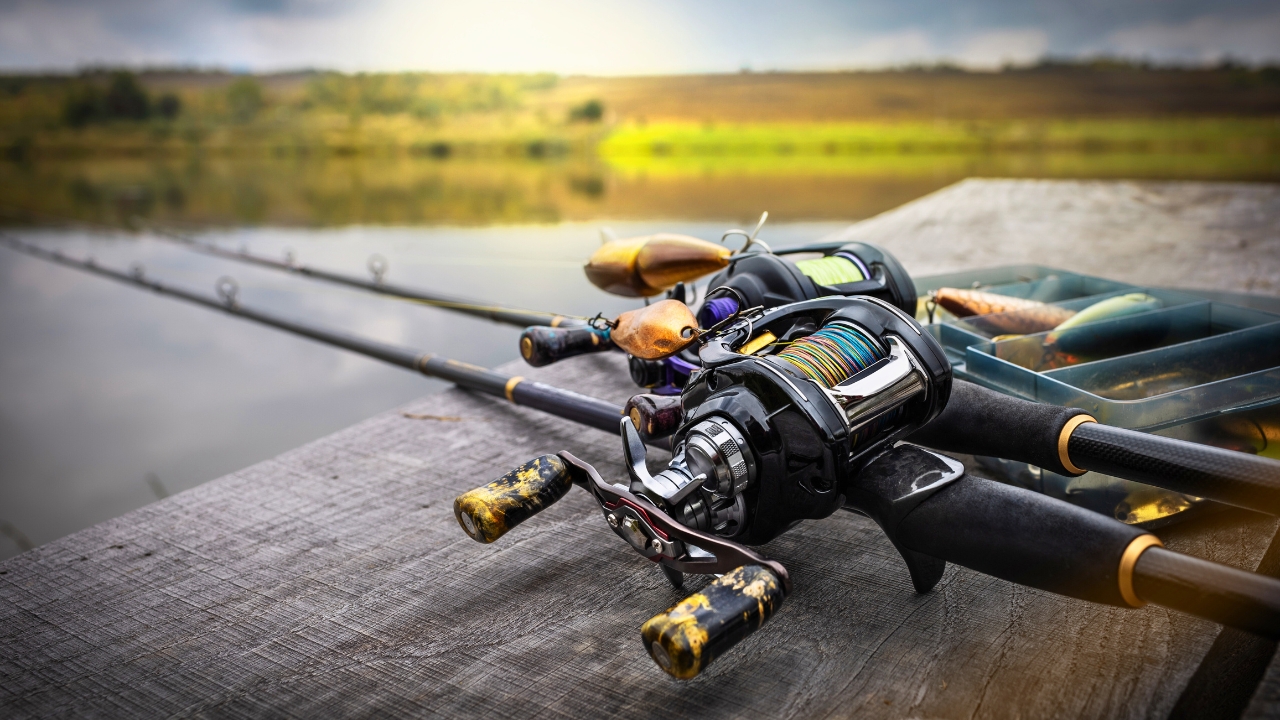
The main reason a lot of guys stick with spinning reels is because baitcasters take a little time to learn. But once you do, the benefits far outweigh the initial frustration.
Yes, you’ll backlash now and then. Yes, you’ll have to learn how to set your brakes and tension properly. But once you get the hang of it, you’ll wonder why you didn’t make the switch sooner.
*This article was developed with AI-powered tools and has been carefully reviewed by our editors.


