Photo credit: Alexandr Grant/Shutterstock.com
Range instructors see more handguns in a month than most shooters will handle in a year, and they get a front-row seat to every failure, quirk, and long-term problem a pistol can develop. When something stops earning their trust, it usually means the gun has shown repeated issues—malfunctions that aren’t ammo-related, parts that fatigue fast, or controls that make training harder than it should be. Instructors want guns that run clean, behave consistently under stress, and hold up to thousands of rounds without turning into a project. When they step away from a handgun altogether, it’s rarely because of preference—it’s because real problems keep showing up across multiple students and classes. These are the pistols they quietly recommend you avoid.
Taurus PT111 G2

The PT111 G2 had a moment where it sold like crazy because it was affordable and compact, but instructors eventually backed away from it for a reason. Many saw inconsistent trigger behavior, light strikes, and safeties that engaged unintentionally. When you’re teaching new shooters who are already nervous, the last thing you want is a pistol that changes its personality halfway through a session.
The gun can run fine for casual range use, but high-volume training exposes weaknesses fast. Magazines can be hit-or-miss, and some examples develop feeding issues as round counts climb. Instructors prefer handguns that stay predictable after thousands of rounds, and the G2 simply doesn’t hold up to that level of use.
SCCY CPX-1

The SCCY CPX-1 carries well and looks appealing on paper, but instructors grew tired of dealing with its long, heavy trigger and frequent extractor problems. New shooters often struggle with the pull weight, which causes snatching, anticipation, and poor fundamentals that are hard to unteach.
Mechanical issues also show up in longer classes. Extractor tension can fade, and the gun may develop inconsistent ejection patterns that interrupt training. In wet or dusty conditions, the CPX-1 tends to choke faster than other budget pistols. Instructors want a gun that helps students succeed, and this one tends to make the process harder than it should be.
Hi-Point C9
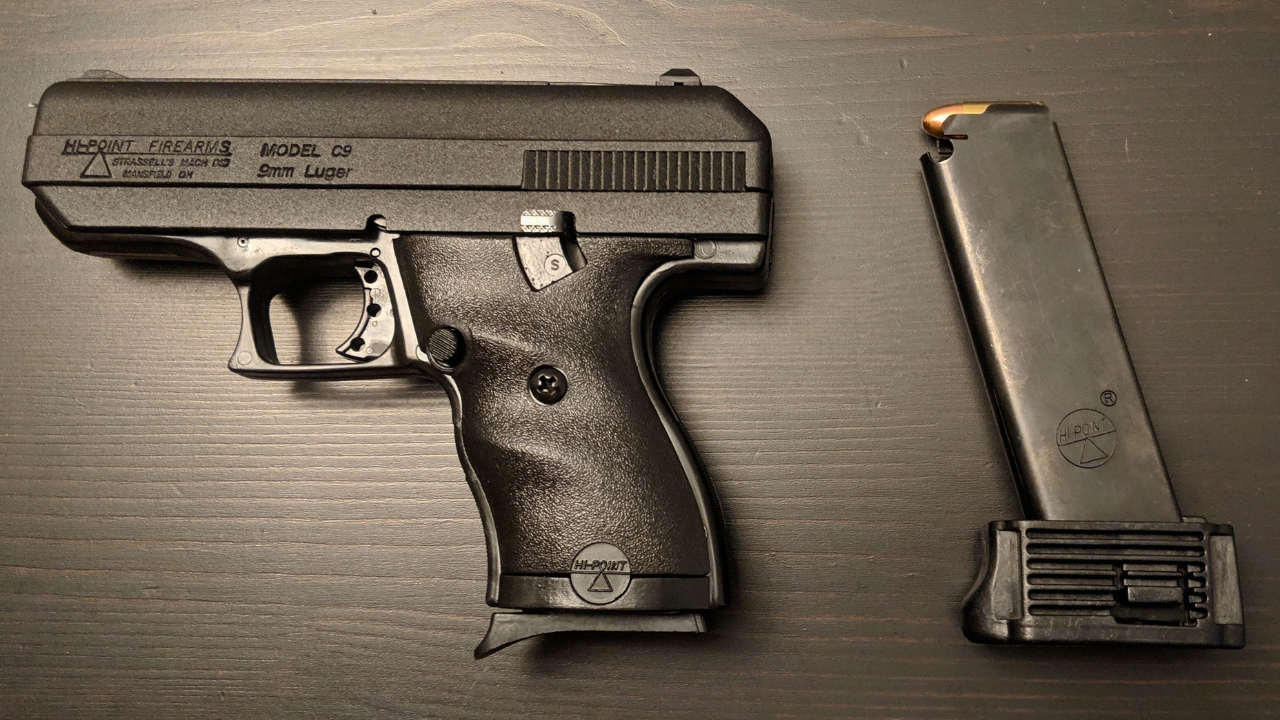
Instructors understand the C9 has a place as a low-cost firearm, but few will willingly teach with one anymore. The blowback design produces snappy recoil for its size, and the heavy slide creates a sluggish feel that throws off timing drills. Many students struggle with follow-up shots because the gun returns to target slowly.
Reliability can also be unpredictable with hollow points or mixed ammo. Some C9s run smoothly, while others develop feeding problems or broken magazine tabs. When you’re instructing a class, you need pistols that behave consistently across shooters. The C9’s variability is what ultimately pushed most instructors away from it.
Kimber Solo

The Kimber Solo promised premium performance in a tiny package, but instructors quickly learned it’s extremely picky with ammunition. The gun often malfunctions with anything but high-pressure defensive loads, which makes it expensive and frustrating for range use. Students using bulk FMJ frequently ran into failures to feed or cycle.
The Solo also has a reputation for accelerated wear in high-volume training. Small internal parts can fatigue, and the short-frame design amplifies recoil, making fundamentals harder for new shooters. Instructors moved on from it because they simply couldn’t rely on it to run clean through a full class.
Remington R51

The R51’s redesigned delayed-blowback system was supposed to be an advantage, but early and later production runs both saw recurring problems. Instructors watched guns struggle with feeding, slide lock failures, and inconsistent triggers. Many examples came back to the line after only a few hundred rounds showing noticeable wear.
Even when functioning normally, the grip geometry frustrated new shooters. The tang design caused slide bite for some hand sizes, which is an automatic red flag for instructors working with students all day. When a firearm causes physical issues and mechanical headaches, it quickly falls off the recommended list.
KelTec PF-9
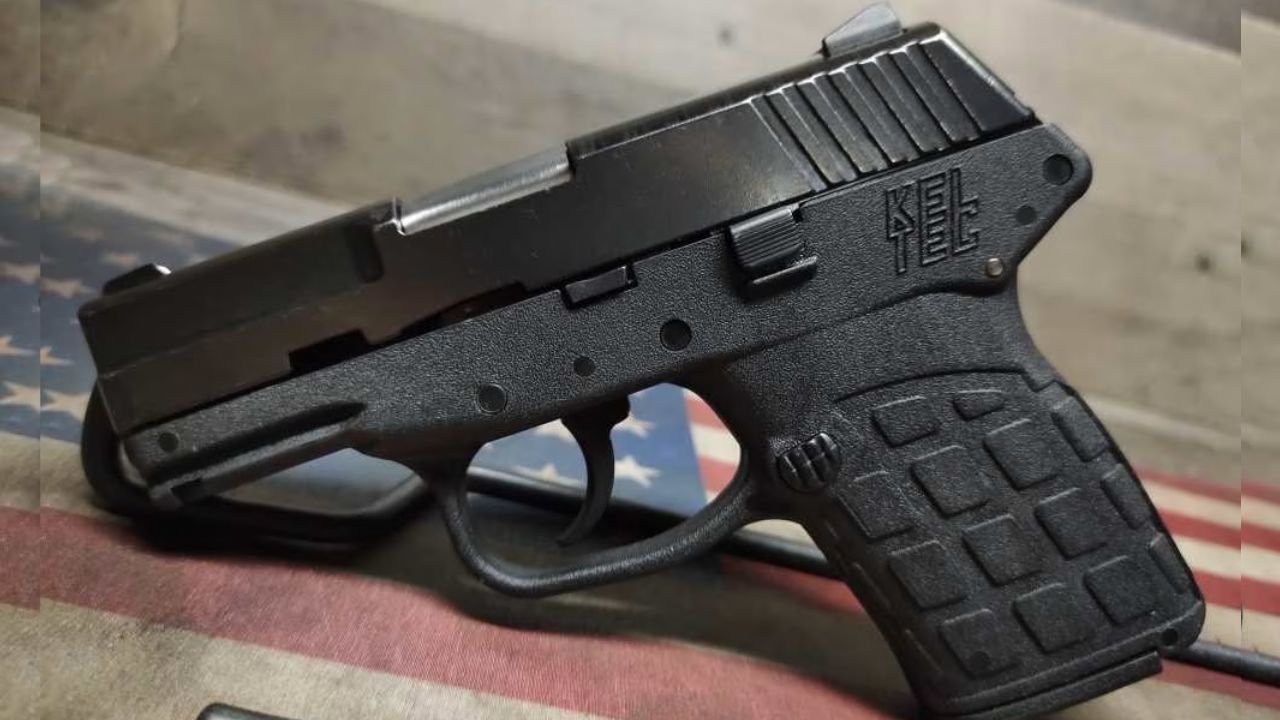
The PF-9 is lightweight and easy to carry, but its combination of sharp recoil, thin grip, and stiff controls makes it tough for new shooters. Instructors found that most students struggled to maintain grip pressure during rapid strings, leading to malfunctions that weren’t the pistol’s fault—but still interrupted class time.
Long-term durability becomes an issue too. Some PF-9s develop peening around the barrel hood or loosen their pins after extended use. The pistol wasn’t designed for high-round-count training, and instructors eventually stopped allowing them in intensive classes because the failure rate became too common.
Jimenez JA-9
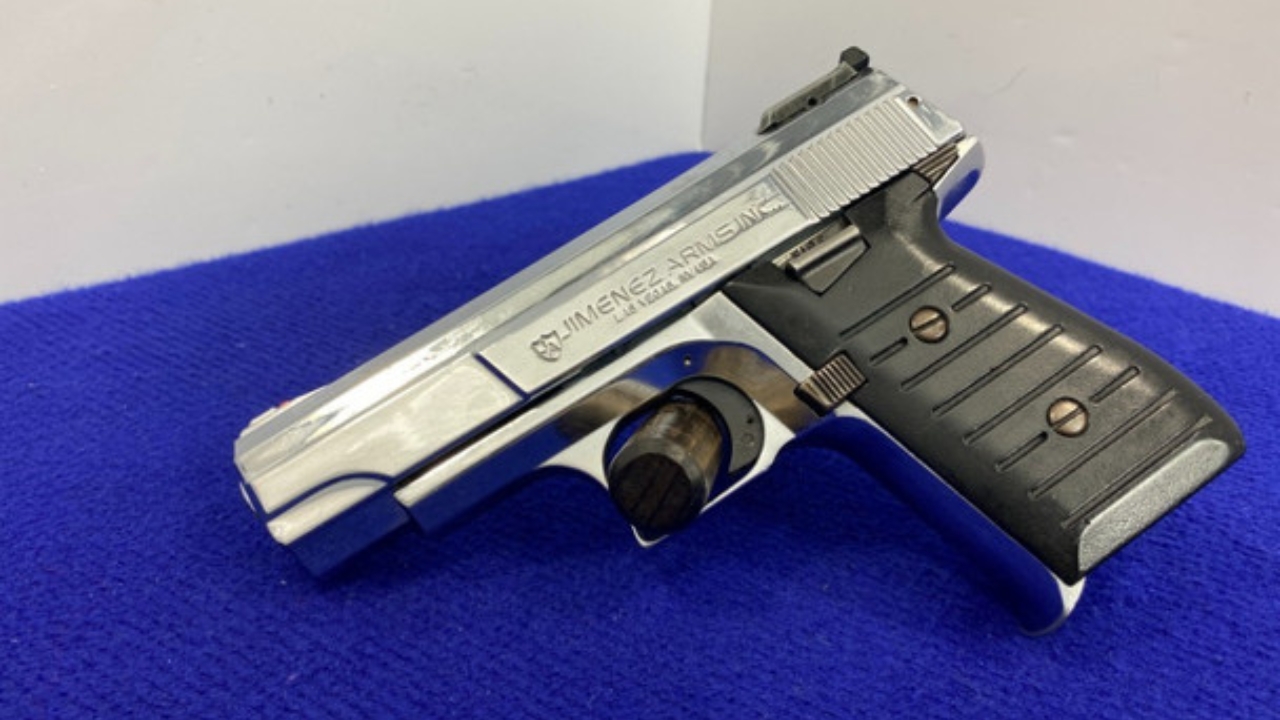
The JA-9 is inexpensive, but instructors backed off it due to major safety and reliability concerns. Frames and slides have been known to develop cracks under repeated range use, especially during hotter +P loads. Even when functioning, the long, gritty trigger makes accurate instruction difficult.
Students also experienced frequent stovepipes and double-feeds, which forced instructors to dedicate more time to fixing the gun than improving technique. When a pistol becomes a distraction rather than a tool, it naturally gets phased out. The JA-9 simply never proved durable enough for serious training environments.
Taurus Spectrum

The Taurus Spectrum looked promising as a small, soft-shooting .380, but in practice, instructors saw more malfunctions than they were willing to work around. Live-fire tests revealed failures to feed, slide-lock issues, and magazines that occasionally dropped free mid-string.
The ergonomics also worked against many new shooters. The grip texture is minimal, and under recoil the pistol can shift just enough to cause inconsistent trigger control. Instructors prefer .380s like the P238 or LCP II because they behave predictably—something the Spectrum struggled with.
Cobra Enterprise Derringers
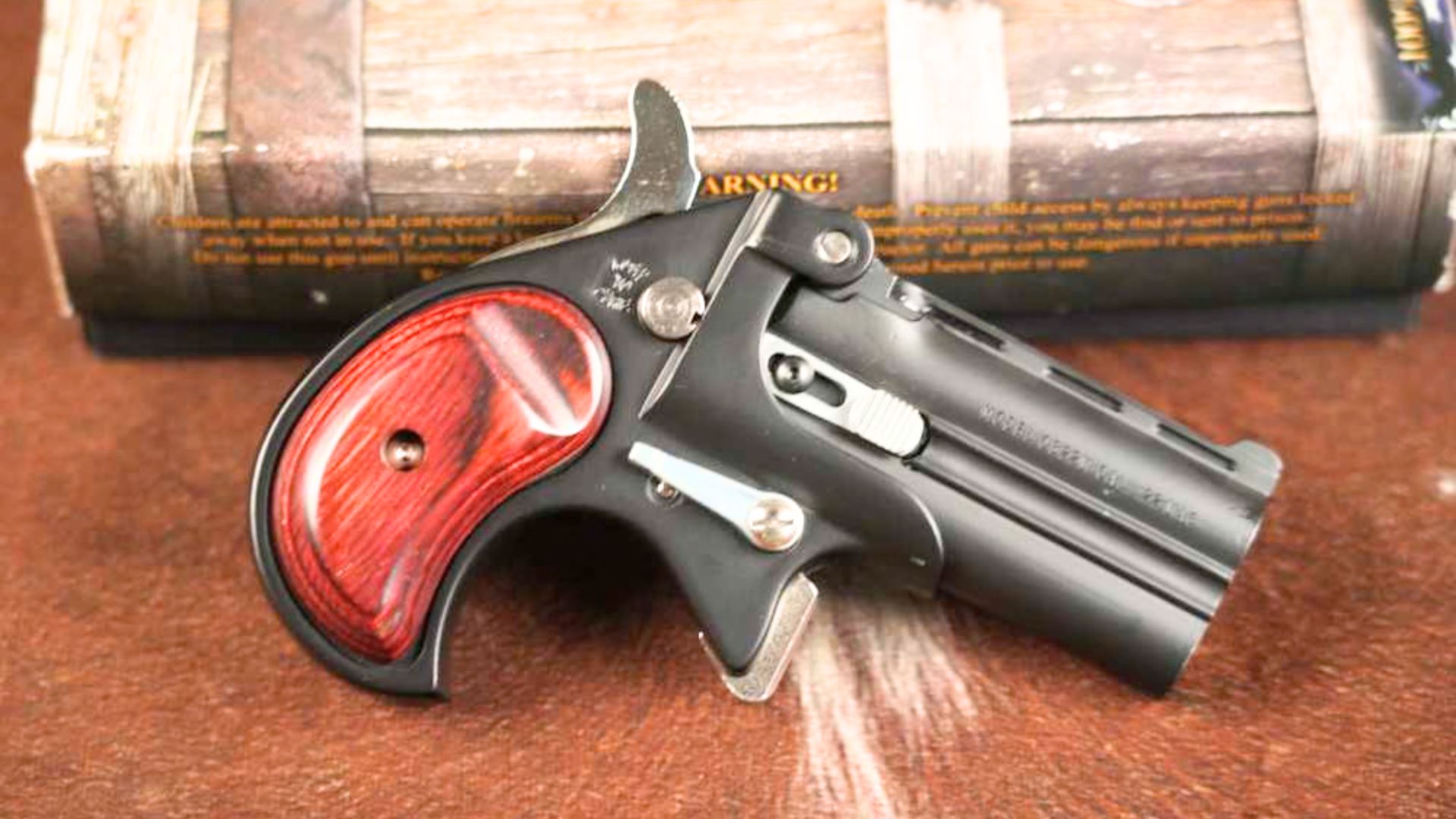
Derringers have nostalgic appeal, but instructors simply don’t consider them viable training guns anymore. The tiny grips make recoil management nearly impossible for new shooters, and the extremely heavy triggers discourage good trigger discipline.
The manual of arms is outdated for modern defensive training. Reloads are slow and awkward, and the two-shot capacity limits the usefulness of drills. Instructors usually recommend students bring firearms that support current defensive standards, and derringers don’t meet those expectations in any form.
Walther CCP (First Generation)

The first-generation CCP used a gas-delayed system that never earned instructors’ trust. Many examples suffered from sluggish cycling, failures to return to battery, and overheating during extended strings of fire. Students often struggled with the stiff, awkward takedown system too.
While later versions improved reliability, instructors stayed away from Gen 1 models because of how inconsistent they were under high-volume use. Predictability matters on the range, and the early CCP simply ran too hot and too inconsistently to keep in rotation.
Zastava M70A

The M70A is a sturdy surplus pistol, but instructors stepped away from it because of inconsistent quality and parts availability. Some examples run smoothly, while others develop extraction issues or light strikes due to worn internal components. Surplus guns often bring variance, and this one is no exception.
The controls are also dated, with safeties and slide stops that feel vague. New shooters already struggle to learn fundamentals, so clunky controls only make things more frustrating. Instructors don’t want students dealing with mechanical quirks while they’re trying to build confidence.
Kahr CW9
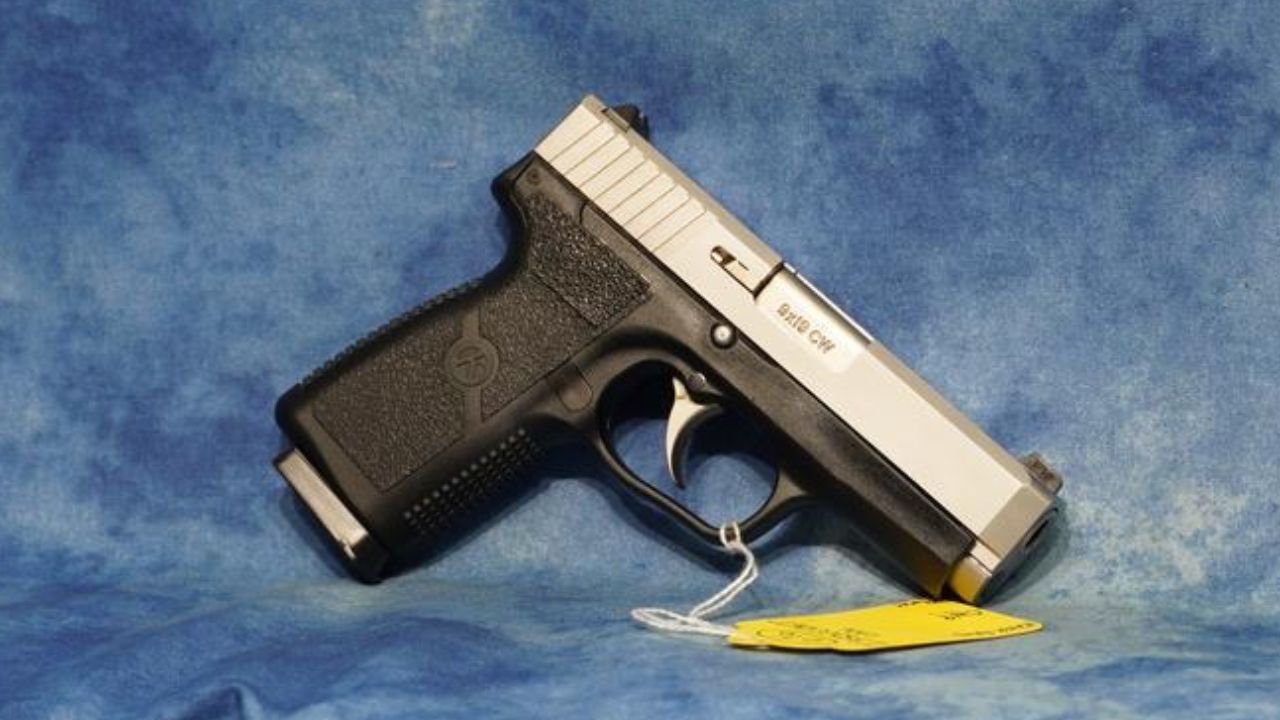
The CW9 is slim and easy to conceal, but instructors gradually stopped recommending it due to long-term reliability concerns. Some pistols develop sluggish reset or inconsistent slide lock behavior as round counts increase. Students who limp-wrist the gun often trigger malfunctions, which disrupts the flow of drills.
The smooth but lengthy trigger pull is great for carry but slows down students learning rapid-fire fundamentals. Instructors eventually leaned toward guns that offered more durability and more forgiving controls during high-volume sessions.
Rock Island Armory M206
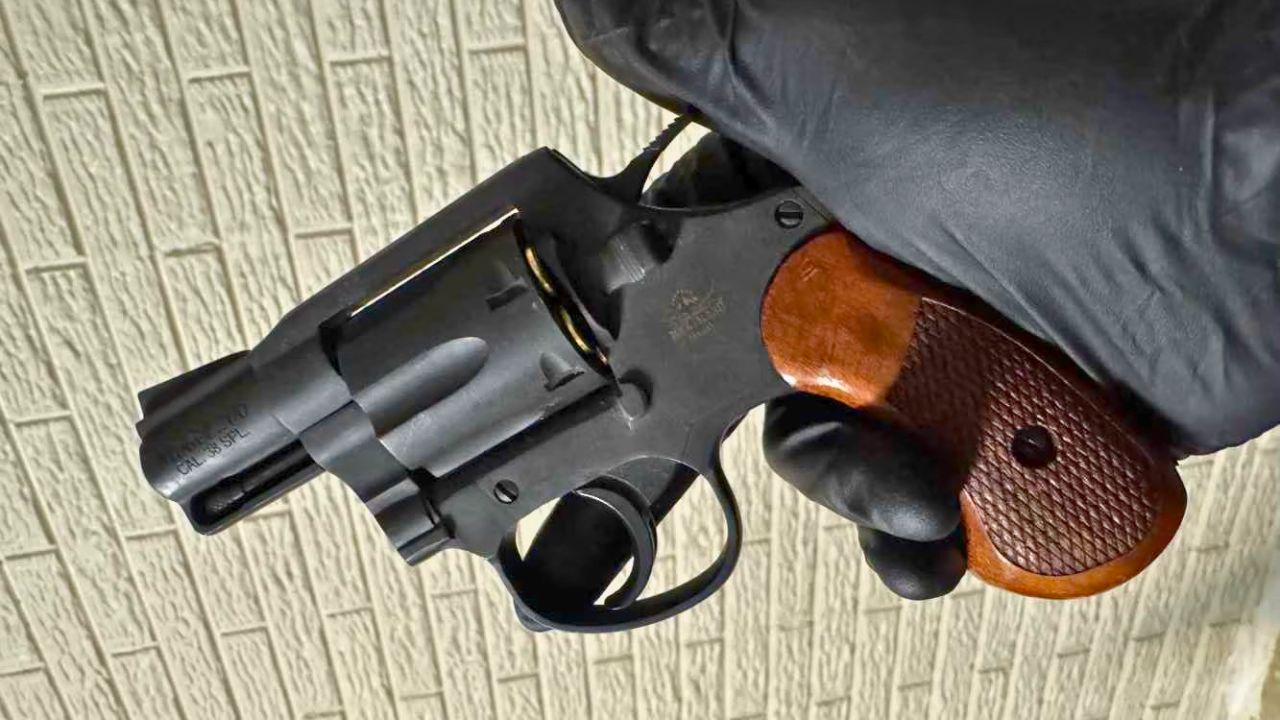
The M206 is an affordable snub-nose revolver, but its heavy trigger and variable timing make it a tough fit for training classes. Instructors saw examples with cylinder drag, inconsistent lock-up, and point-of-impact shifts at moderate range. Those issues undermine confidence for new shooters trying to learn double-action work.
Revolvers can be excellent training tools, but instructors need them to be smooth and predictable. The M206’s rough action and occasional timing problems pushed instructors toward more proven models like the LCR and Model 64, which hold up better over long training cycles.
Jimenez JA-380
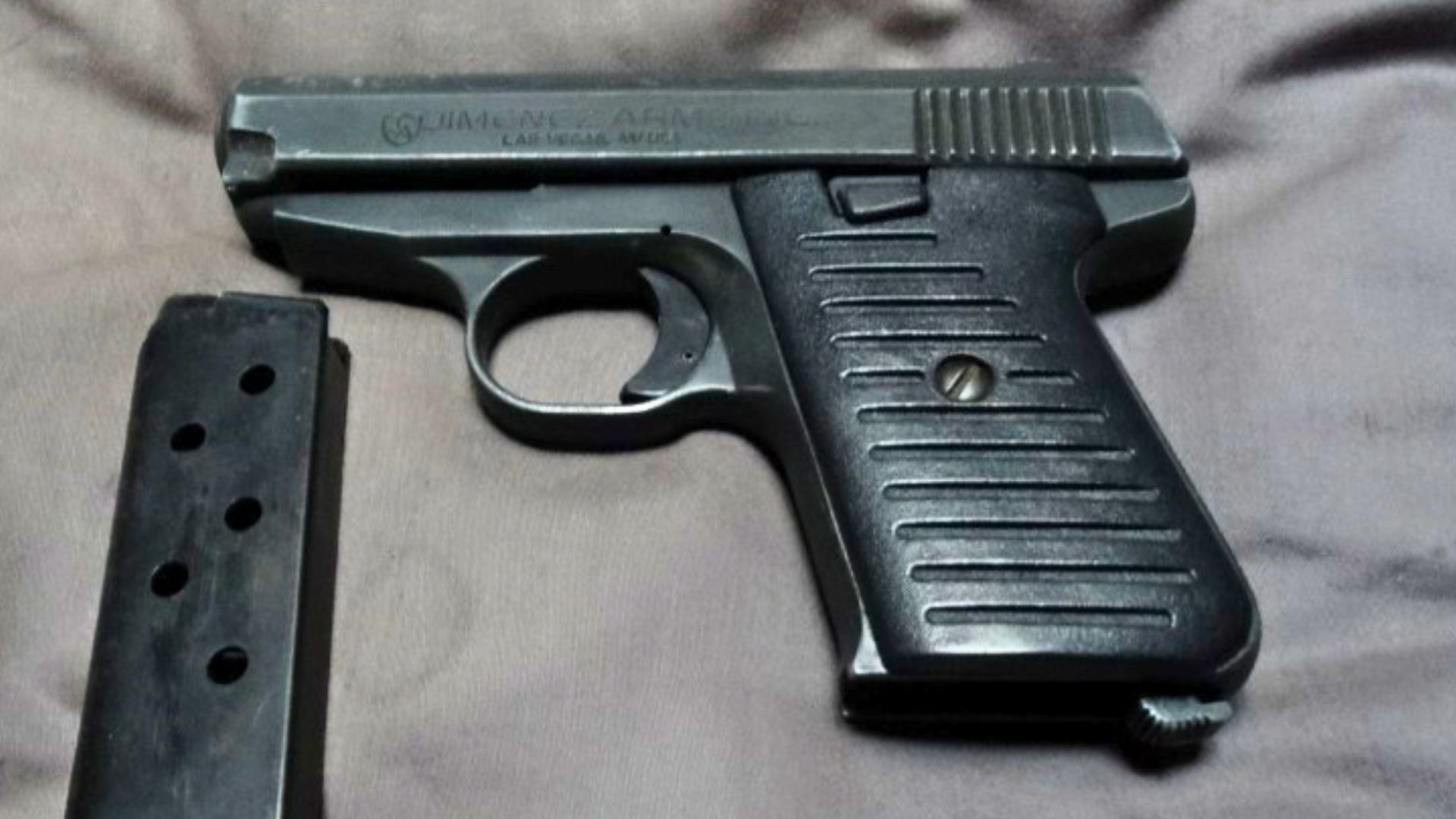
The JA-380 is another budget pistol instructors no longer allow in serious classes because it simply doesn’t hold up to sustained shooting. Many examples suffer from cracked slides, weak springs, and magazine problems that create repeat malfunctions. Even routine range ammo can cause stoppages.
Beyond reliability, the ergonomics make instruction harder. The grip geometry forces awkward finger placement, and the stiff trigger encourages bad habits. When a handgun teaches the wrong lessons and fails mechanically, instructors quickly move on from it.
Bersa Thunder .380 (Older Models)

The older Thunder .380 models were popular years ago, but instructors eventually grew tired of the recurrent trigger bar and magazine issues that appeared with heavy use. Many examples performed well for casual shooters but struggled in multi-day classes where hundreds of rounds were fired.
While modern updated versions are improved, older Thunders still appear in classes often enough to cause frustration. Sticky slides, worn safeties, and finicky magazines take time away from actual training. As a result, instructors prefer students bring more dependable .380 options that can hold up to higher volume.
Lorcin L9MM
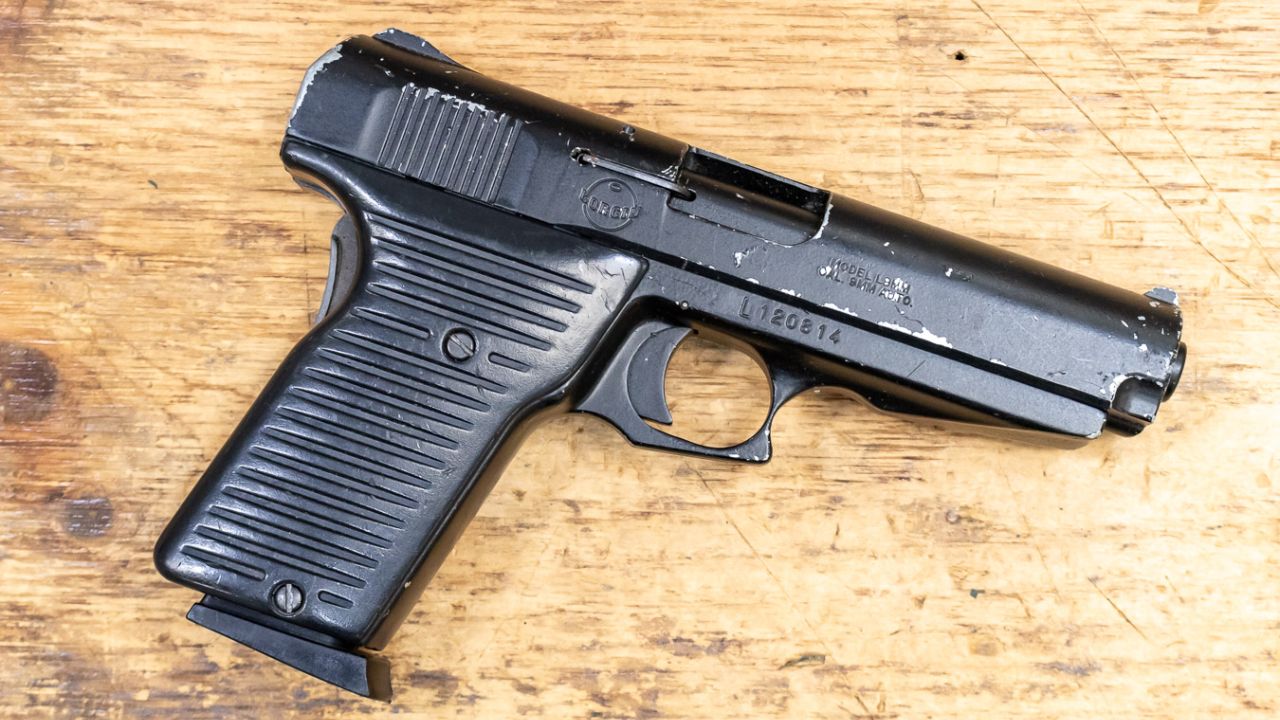
The Lorcin L9MM has long been known for structural and mechanical issues, and instructors simply won’t work with them anymore. Cracked frames, unreliable safeties, and frequent feeding issues plagued these pistols even when they were new.
Today, the guns are old, worn, and often unsafe to fire. Instructors will immediately pull one off the line rather than risk failure during a drill. When a pistol has a documented history of breakage and inconsistent behavior, it doesn’t belong in any serious training environment—and the L9MM is the clearest example of that.
Like The Avid Outdoorsman’s content? Be sure to follow us.
Here’s more from us:
The worst deer rifles money can buy
Sidearms That Belong in the Safe — Not Your Belt
*This article was developed with AI-powered tools and has been carefully reviewed by our editors.