Photo credit: Anna Averianova/Shutterstock.com
A hunter said he had a deer season problem that was not coming from the deer at all.
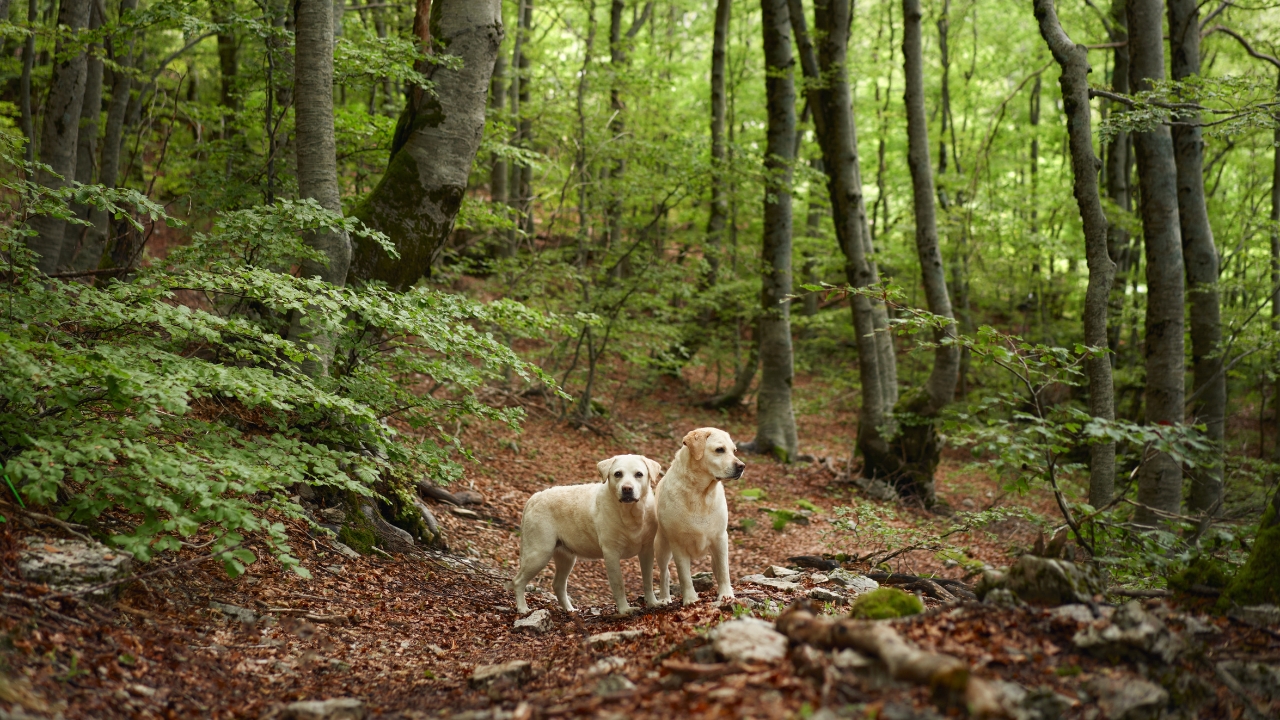
It was the neighbors’ dogs.
In a Reddit post, he explained that several neighbor dogs kept running through the property he hunted. He was not talking about hearing one bark in the distance or seeing a dog cut across a field once. These dogs were coming through often enough that he felt they were ruining his hunts.
That kind of thing can wear on a hunter fast. You spend time scouting, check the wind, get in quietly, sit still, and wait. Then dogs come tearing through the same area and blow everything up. Deer may not abandon a property forever after one dog passes through, but repeated pressure can push them off their normal patterns, especially during daylight.
The hunter was frustrated enough that he started wondering what he was legally allowed to do.
That is where the situation got touchy. Loose dogs are not the same as coyotes, feral hogs, or other wild animals. They usually belong to someone nearby. That means any decision a hunter makes can turn into a neighbor fight, a law enforcement call, or worse, depending on what happens.
The poster wanted to know what options he had for dealing with dogs that kept coming through and messing up the hunt. He was not asking because the dogs had attacked him in the stand. He was asking because they were repeatedly interfering with the property and chasing off game.
That difference mattered to commenters. A dog simply running through the woods is annoying. A dog actively attacking livestock, threatening a person, or chasing deer may be treated differently depending on state law. But using a firearm because a dog ruined a hunt is a serious step, and several people warned him not to let frustration make that choice for him.
The problem is that landowners and hunters often get stuck with the consequences of other people’s loose animals. If the owner will not keep the dogs contained, the person trying to hunt the property ends up paying the price. The dogs get the run of the land, the owner shrugs, and the hunter’s season gets burned one sit at a time.
Still, the cleanest first move was not force. It was figuring out who owned the dogs and talking to them, preferably without opening the conversation like a threat. A simple, calm approach can sometimes work better than people expect: “Your dogs have been running through the property while we’re hunting, and I’m worried they’re going to get hurt or cause a problem.”
That kind of wording matters. It frames the issue around safety, not just irritation. Most owners care more about their dog getting hurt than a hunter’s deer movement getting messed up.
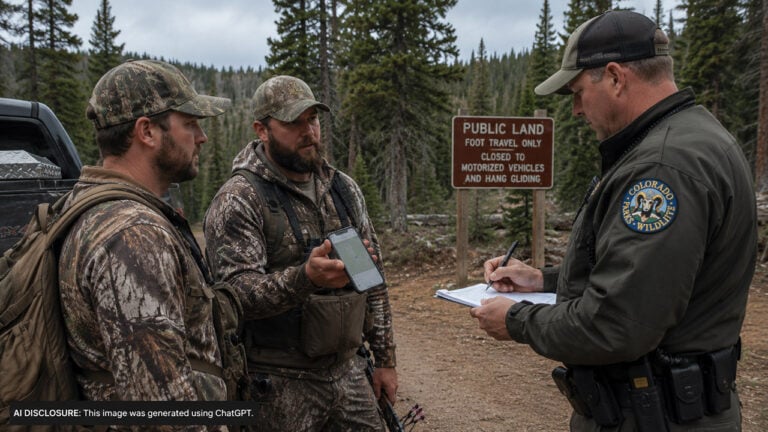
But if the owners do not care, the hunter has to move up the ladder. That might mean documenting the dogs, checking local leash or nuisance-animal laws, talking with the landowner, calling animal control, or contacting a game warden if the dogs are harassing wildlife.
The post sat right in that gray area where rural life can get ugly. Dogs roam. Hunters get mad. Landowners do not want trouble. Neighbors may act like everyone should just tolerate it. And the longer it goes on, the easier it is for someone to make a bad decision.
That is why the best advice was to slow the whole thing down and build a record. Trail camera pictures can show how often the dogs are coming through. Dates and times can show a pattern. A polite conversation with the owner can show that the hunter tried to solve it before escalating. If animal control or a warden eventually gets involved, those details matter.
The hunter wanted a huntable property again. But the way he handled the dog problem could decide whether it stayed a nuisance or turned into a full-blown neighbor feud.
Commenters were cautious, and a lot of them warned him not to shoot someone’s dog just because it was ruining a hunt. Several said the law depends heavily on location and circumstances, especially whether the dog is actively threatening people, livestock, or wildlife.
A few told him to talk to the dog owners first. Their advice was to keep the conversation calm and make it about the dogs’ safety. If the owners realize their animals are running through active hunting land, they may be more likely to keep them home.
Others suggested documenting the problem with trail cameras. If the dogs are coming through repeatedly, photos with dates and times can help prove it is not a one-off issue.
Some commenters recommended calling animal control, the sheriff, or a game warden if the dogs were chasing deer or if the owners refused to deal with it. A few said some states have laws about dogs harassing wildlife, but nobody should assume the rule without checking local law.
The strongest advice was not to let anger decide the response. Loose dogs can ruin a deer season, but mishandling the situation can ruin a lot more than one hunt.