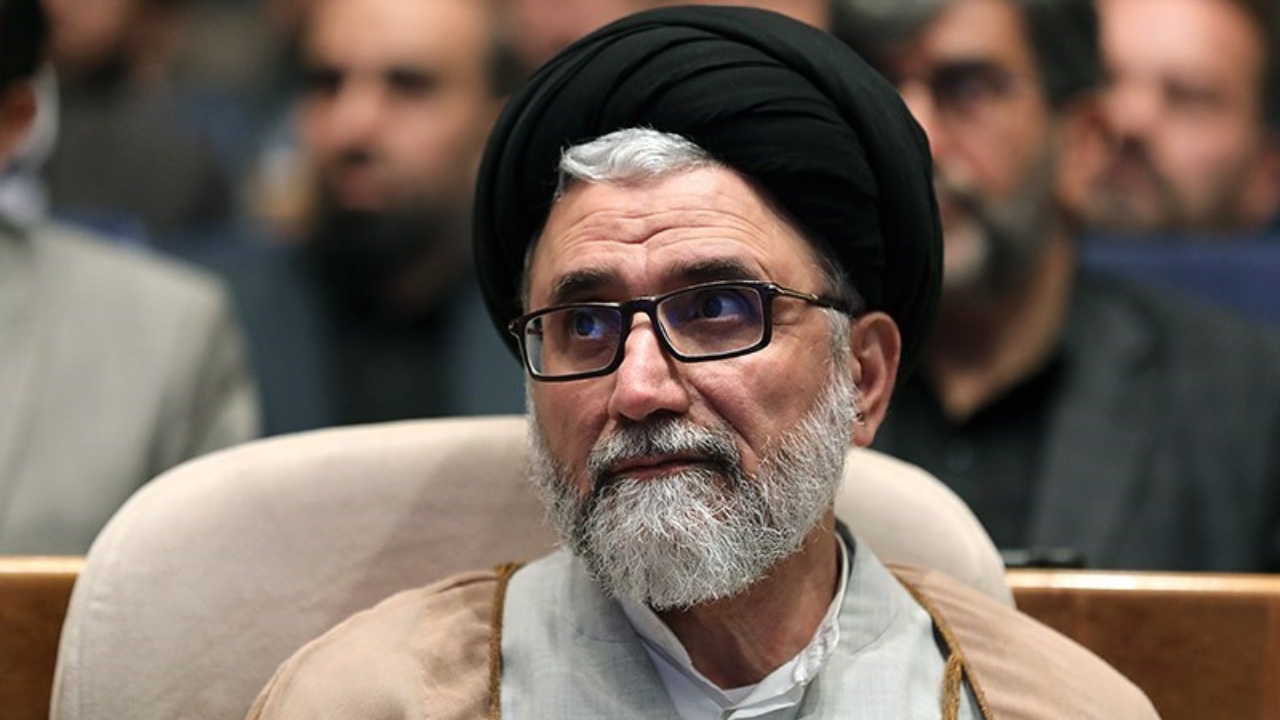
Photo credit: Tasnim News Agency, CC BY 4.0/Wiki Commons
Iran has confirmed that Intelligence Minister Esmail Khatib was killed in an Israeli airstrike, marking another major escalation in the rapidly worsening conflict between the two countries. Iranian President Masoud Pezeshkian confirmed Khatib’s death on Wednesday, after Israel had earlier announced that it had killed him in an overnight strike.
Khatib’s death is significant not only because of his role inside Iran’s government, but because it adds to a string of high-profile assassinations that have hit the country’s leadership in a matter of days. Reporting on Wednesday described him as the third senior Iranian figure killed in roughly two days, underscoring how aggressively Israel has widened its campaign against top officials.
Before Iran’s confirmation, Israeli Defense Minister Israel Katz publicly said Khatib had been “eliminated” in the overnight operation. Reuters reported that Israel presented the strike as part of a broader strategy targeting senior Iranian officials, with Katz saying the military had continuing authority to go after other key figures as well.
The killing lands at a moment when the wider Iran-Israel war is already rattling the region. Associated Press reporting said the conflict has expanded beyond military and political targets to include energy infrastructure, while other coverage noted growing concerns over oil markets, shipping routes, and the possibility of even broader regional fallout.
Khatib’s role made the strike especially notable. As intelligence minister, he was a central figure in Iran’s internal security and intelligence apparatus, which means his death is being viewed as more than a symbolic blow. It signals that Israel is still reaching deep into Iran’s leadership structure and hitting officials tied directly to national security decision-making. That is one reason the strike is drawing so much attention beyond the immediate military angle.
The confirmation also matters because early reports did not all say the same thing. Initial coverage from Reuters said there was no official confirmation yet from Iran, while later reporting from Al Jazeera and other outlets said Iranian authorities did confirm Khatib had been killed. That shift turned the story from an Israeli claim into a confirmed loss for Iran’s leadership.
His death now adds to the pressure on Tehran as it responds to repeated attacks on senior figures. With multiple high-ranking officials reportedly killed in a short span, the story is no longer about a single strike. It is about whether Israel’s campaign is reshaping Iran’s command structure in real time and pushing the conflict toward an even more dangerous phase.