
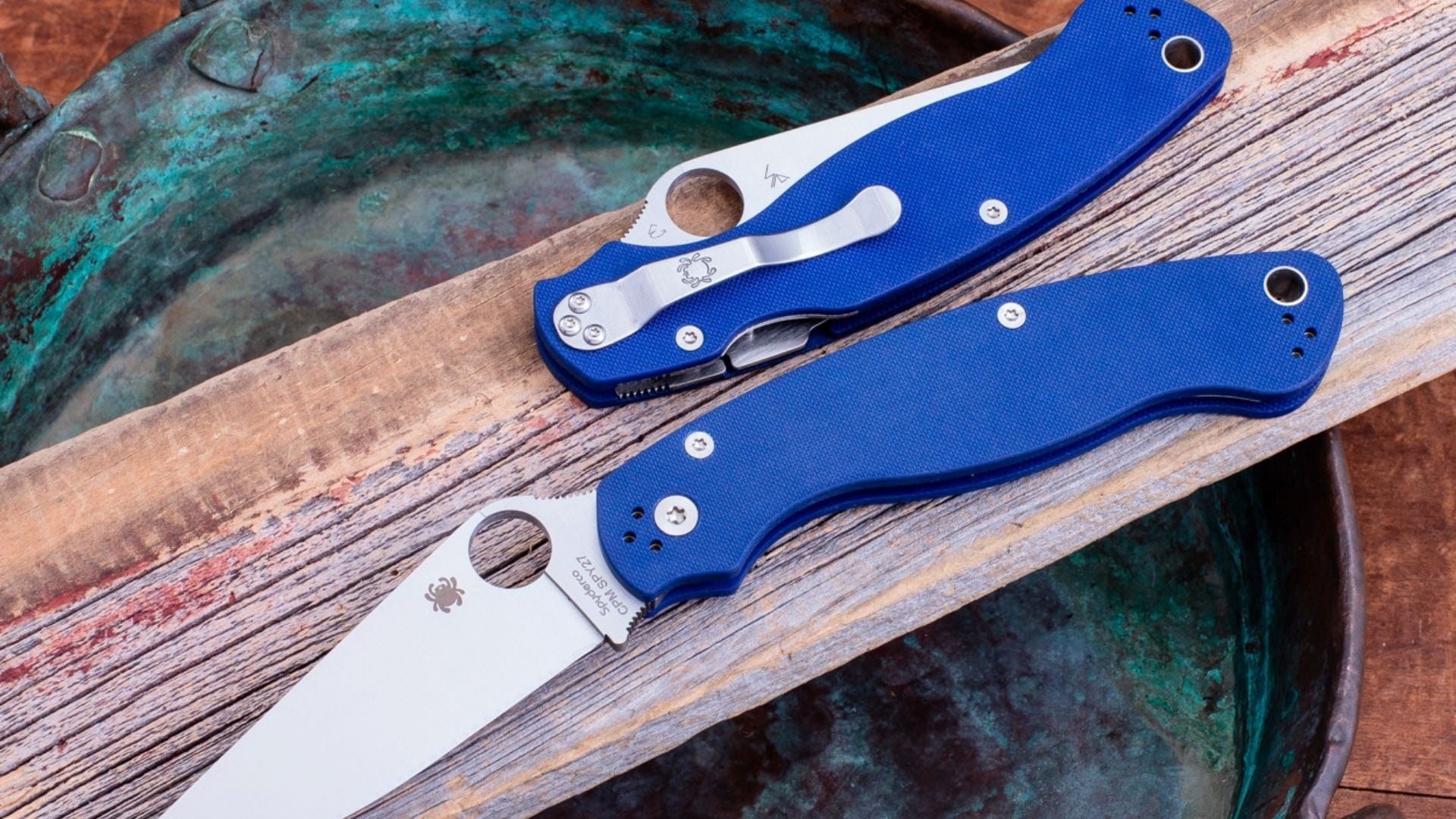
Photo credit: KnivesShipFree
Bench reviews are cute. “Feels solid.” “No blade play.” Cool. Now add real conditions: cold hands, wet hands, dirt and grit, gloves, sideways pressure, speed, and the occasional “this cut is ugly but I need it done.” In that world, lock performance is about strength, consistency, resistance to contamination, and how forgiving the design is when you’re not babying it.
Here are 15 lock types/designs that tend to perform better when the conditions aren’t perfect.
Back lock (classic lockback)
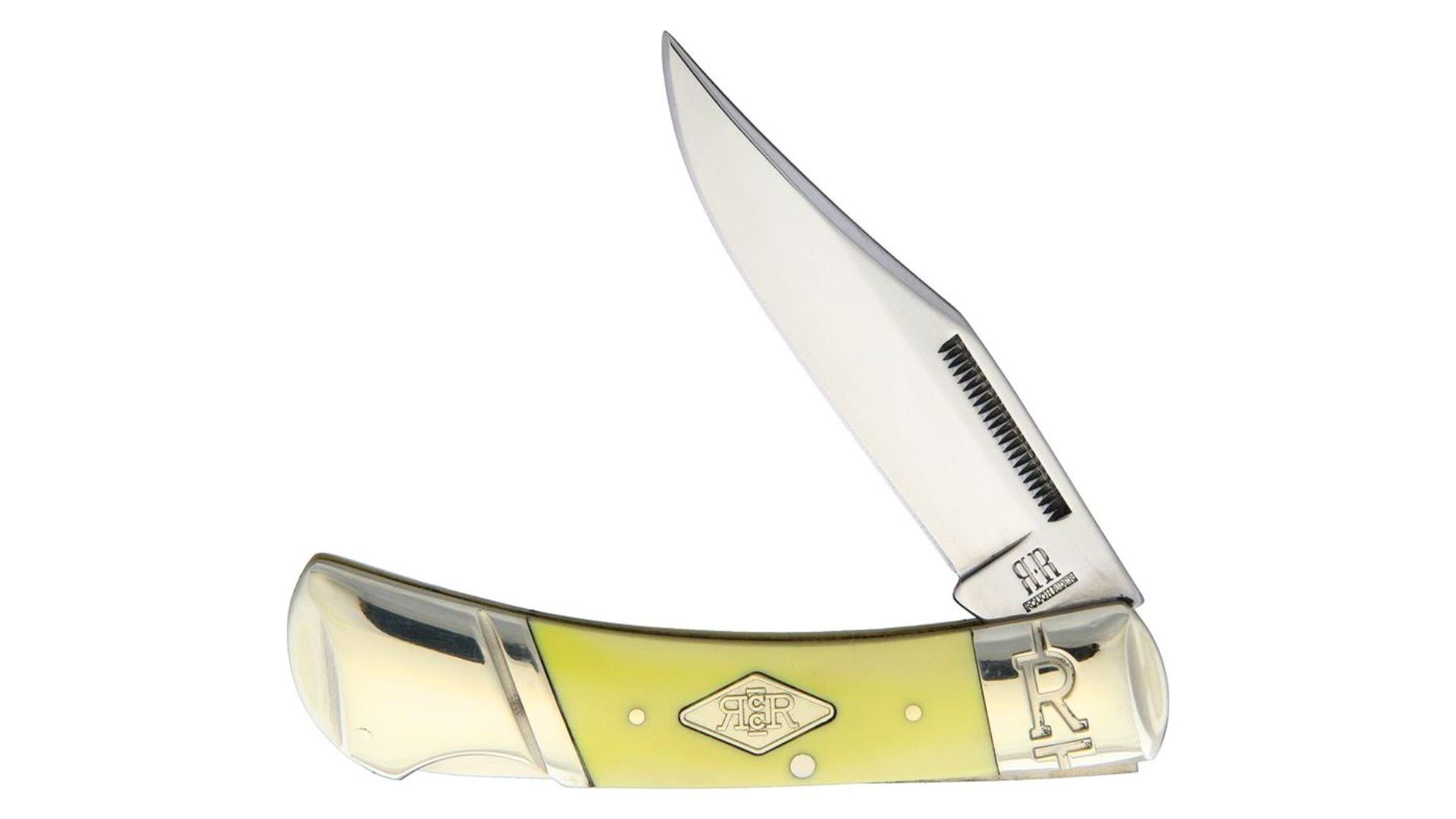
The lockback is still one of the most dependable designs for real-world use. It’s not trendy, but it’s consistent, and it tends to keep working when things get dirty. The lock interface is usually robust, and the spring tension helps keep the mechanism engaged even if you’re not treating the knife like a museum piece. It also handles a lot of straightforward pressure without weird flex.
The downside is speed. It’s not always the fastest one-handed close compared to modern systems, and some lockbacks can be stiff with gloves. But if your priority is “it stays locked when I’m cutting awkward stuff,” the lockback has a long track record. In real conditions, boring and proven is often what actually wins.
Tri-Ad lock (Cold Steel-style evolution of lockback)

The Tri-Ad lock is basically a lockback that got serious about strength and shock loads. It’s designed to reduce wear at the lock face and shift forces into areas that handle stress better. In real use—especially hard use—this style of lock is one of the strongest folding lock systems you’ll run into. It’s not marketing fluff; the geometry is just built for impact and force.
Where it shines in the real world is that it stays stable under pressure that makes lesser locks flex. If you’re doing tougher cutting, batoning a folder (not recommended, but people do it), or applying more torque than you should, the Tri-Ad design tends to give you more margin. The tradeoff is sometimes a stiffer action and a heavier build, but it’s a real-world performer.
Compression lock (Spyderco)
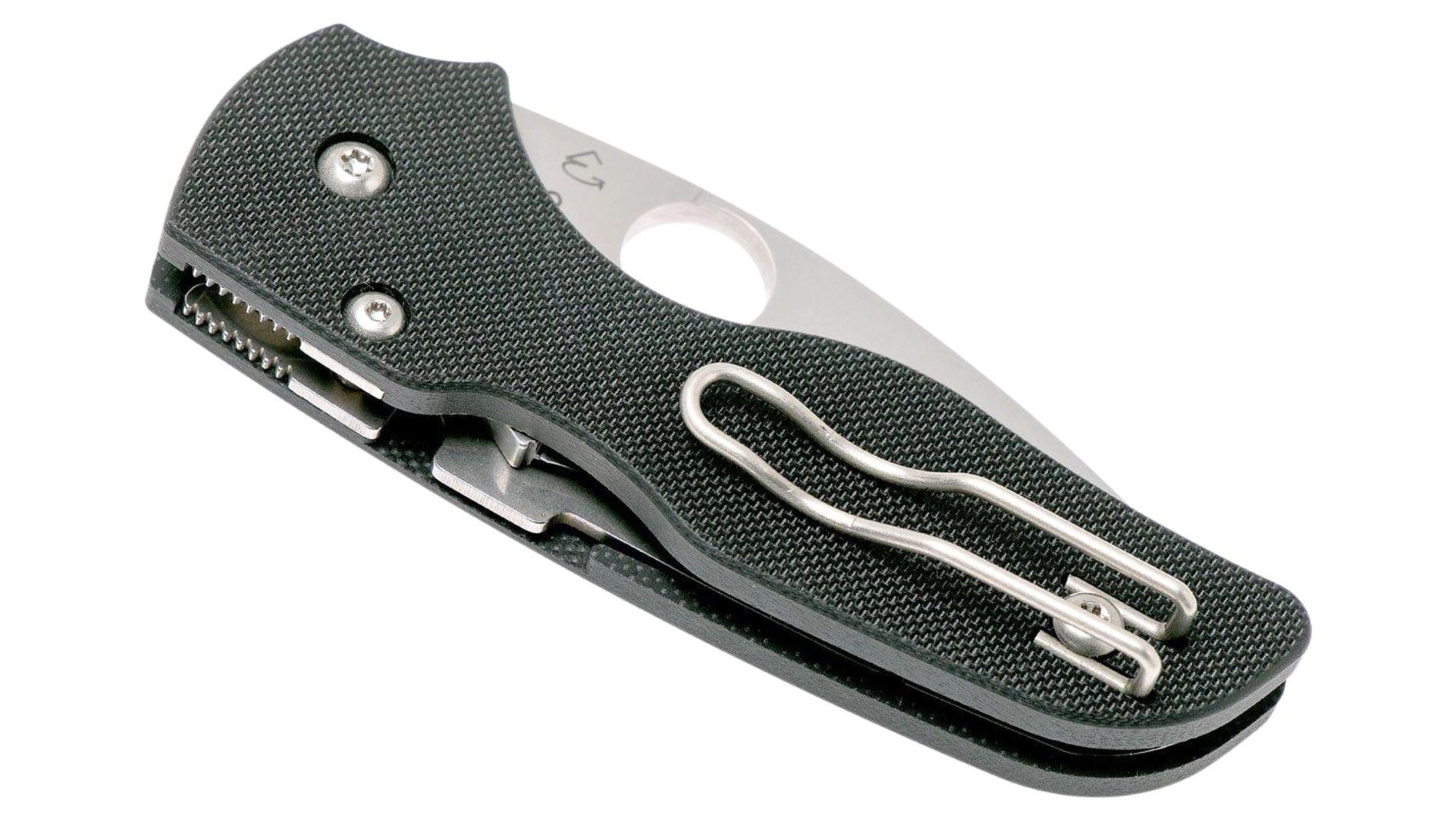
Compression locks have a strong reputation because they’re simple, secure, and easy to operate one-handed. In real conditions, they do well because the lock interface is strong and the closing action keeps your fingers out of the blade path. If your hands are wet, cold, or gloved, having a lock you can reliably disengage without shifting your grip too much matters.
They also tend to tolerate real use without developing that “mushy” lock feel some systems get over time. The big win is confidence: you can cut hard and the lock stays put, and you can close it safely. It’s not the strongest lock on earth, but it’s one of the best blends of strength, control, and real-world handling.
Crossbar lock (Axis-style, and similar)

Crossbar locks are popular for a reason: they’re fast, they’re ambidextrous, and they’re easy to run under stress. In real conditions, their performance comes down to build quality and spring quality. A good crossbar lock gives you consistent engagement, easy one-handed closing, and a lock that tends to hold well in normal and moderate hard use.
The drawback is that springs are a wear item, and grit can make things feel crunchy. But a well-built crossbar lock is one of the most practical “do everything” lock types out there. It’s especially good for gloves and cold hands because it doesn’t require fine fingertip manipulation. Real conditions favor simple, repeatable actions—and that’s what this lock does well.
Ram lock (crossbar variant, stronger implementations)
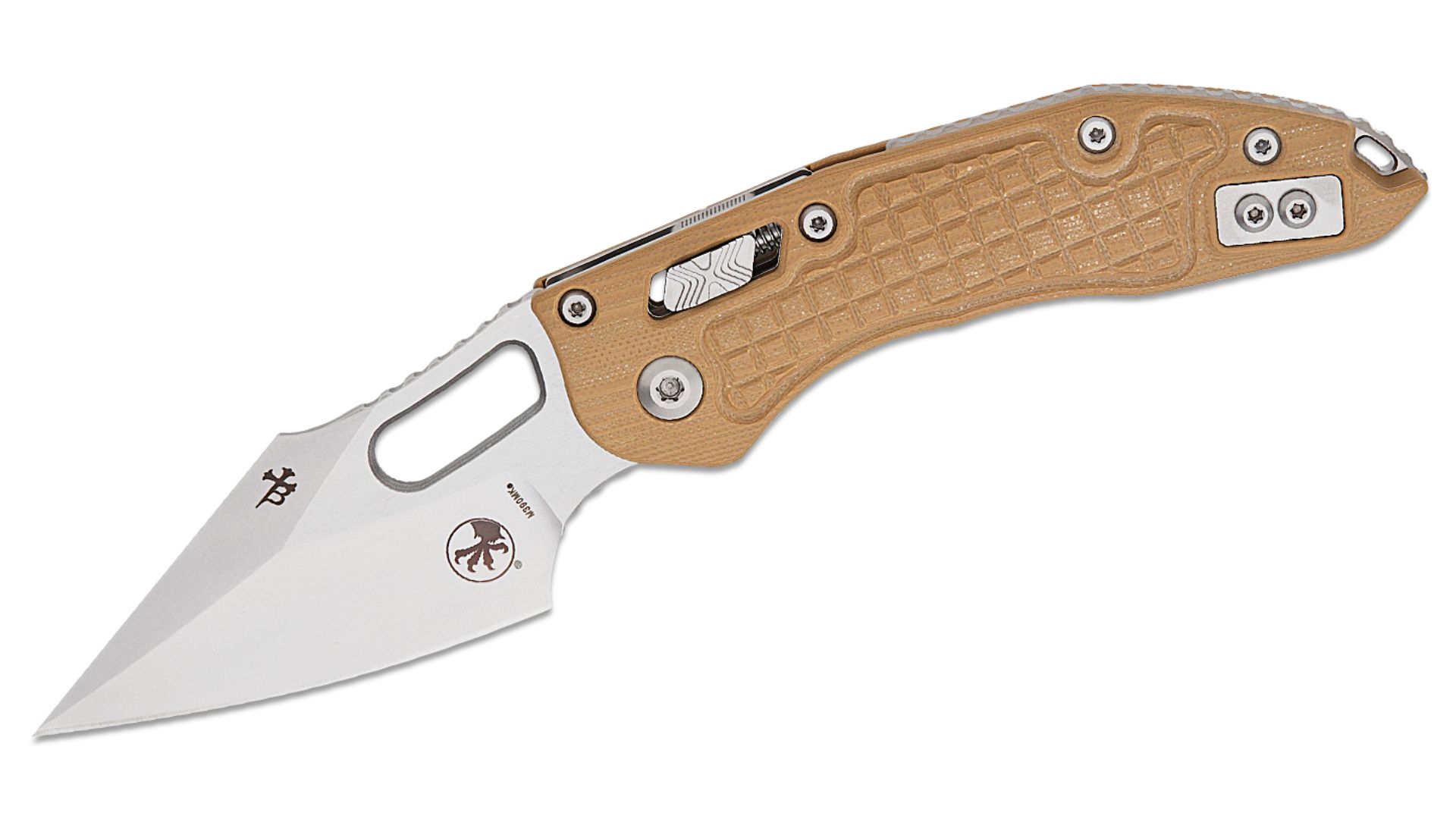
Ram-lock style systems are basically a beefed-up crossbar concept, and the better executions can be extremely confidence-inspiring. In real use, the advantage is the same: easy operation and strong lockup with good control. The better versions tend to feel more solid under load compared to some lighter crossbar implementations.
What matters is consistency. If a lock is easy to engage and disengage the same way every time, you’re less likely to do something dumb with your fingers when you’re cold or rushed. A strong ram-lock style system gives you that repeatable feel while still handling hard cutting without feeling sketchy.
Shark lock (Demko-style)
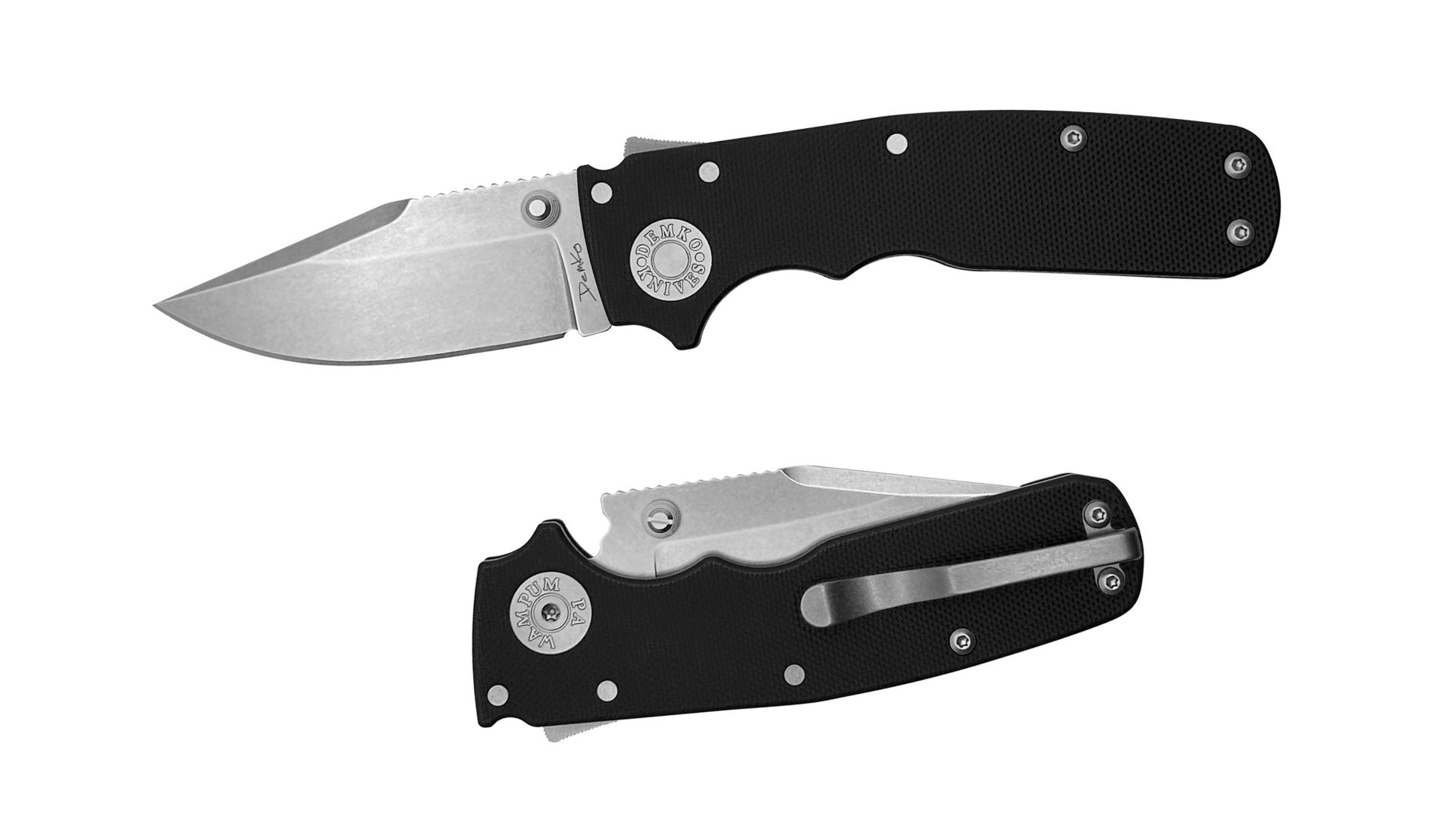
The Shark Lock has earned its reputation because it’s strong, simple, and easy to operate without putting your fingers in danger. In real conditions, it’s a great design because you can disengage it with gloves and you can keep your grip stable while doing it. That’s a big deal when you’re not standing at a bench—when you’re actually using the knife.
It also holds up well under harder cuts because the lock geometry is robust. The lock doesn’t rely on a thin liner flexing into place. It’s a more substantial engagement. If your use includes thicker materials, awkward angles, and real pressure, locks like this tend to feel more trustworthy than slick “fidget-friendly” designs.
Frame lock (with lockbar insert done right)
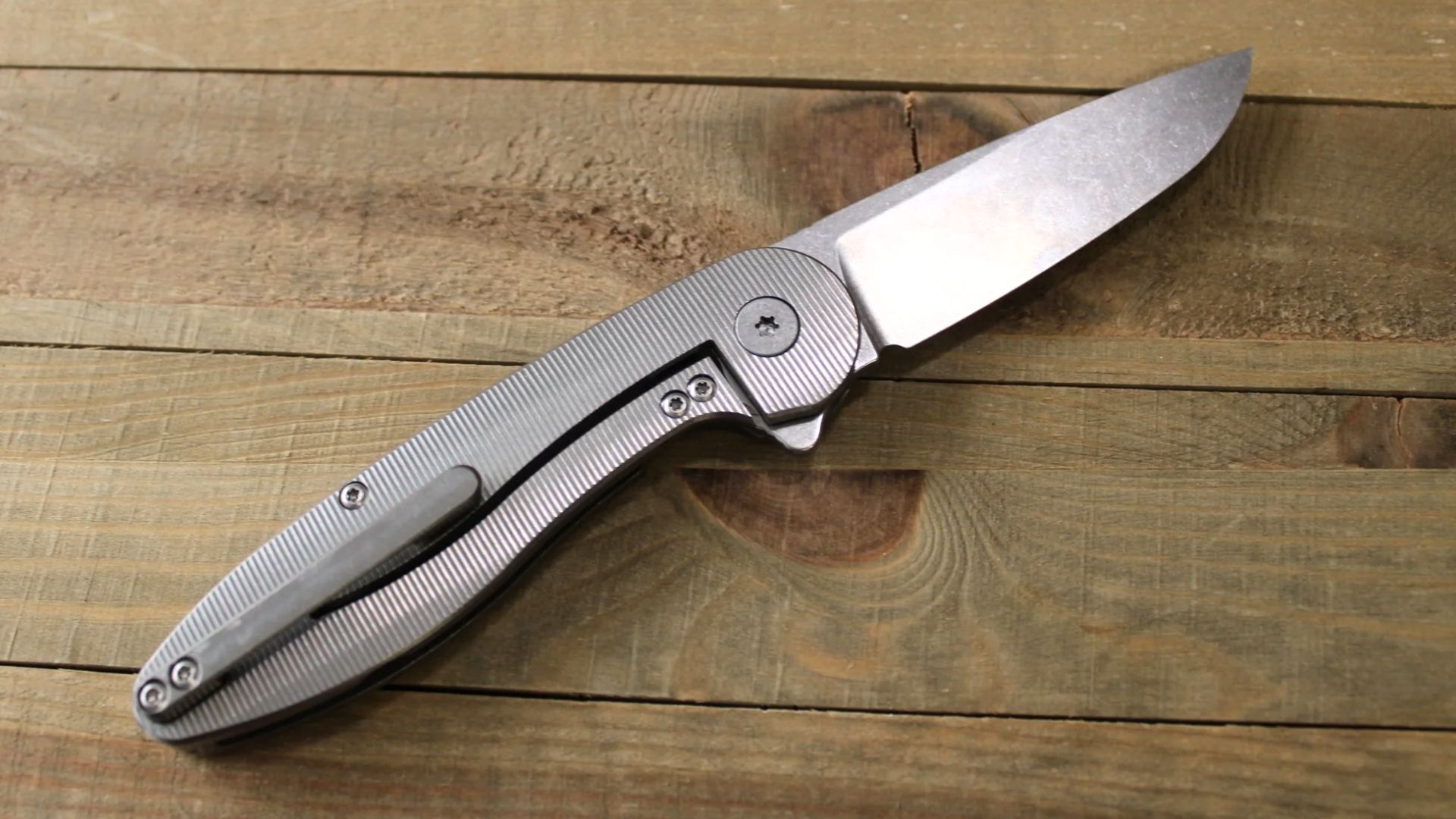
A frame lock can be excellent in real conditions if it’s executed correctly. The advantages are simplicity and strength—fewer moving parts, solid engagement, and good resistance to many cutting forces. In the field, frame locks can keep working when they’re dirty because there’s not a lot of small parts to jam up compared to some mechanisms.
The downside is user error and grip pressure. If you squeeze the lockbar area while trying to flick the knife open or closed, you can make it harder to operate. Also, poor heat treat on lock faces can lead to wear. But a well-made frame lock with a proper insert and good geometry is a real-world performer and stays reliable over time.
Liner lock (high quality, thicker liners, good geometry)
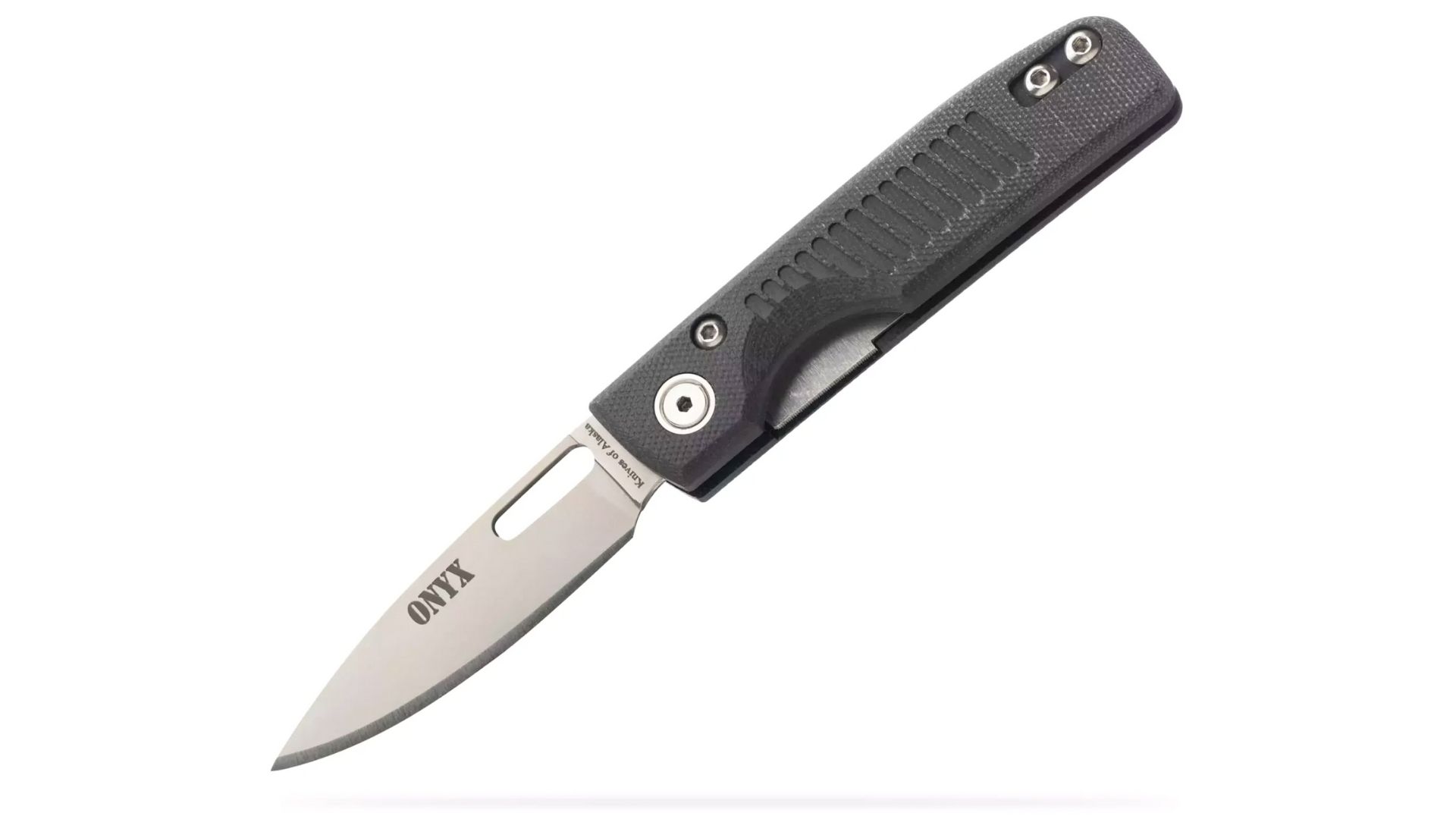
Liner locks get trashed online because cheap liner locks are everywhere. But a good liner lock—thicker liner, correct lockface geometry, solid build—can perform well in real conditions. The reason is again simplicity: you can see the lock engagement, you can feel it, and it tends to keep working even when the knife isn’t clean.
The downside is the same: consistency varies across brands and price points. And with gloves, some liner locks can be annoying to disengage. Still, when done right, the liner lock is dependable and has decades of real-world use behind it. It’s not the strongest system, but it’s often stronger than people give it credit for when the knife is built properly.
Button lock (modern, reinforced designs)

Old-school button locks had some weaknesses under certain loads, and a lot of people still think of them that way. Newer button lock implementations—done well—can perform fine in real conditions, especially for normal cutting and utility work. They’re easy to operate, fast, and friendly with gloves depending on button size and placement.
Where button locks can get sketchy is when people apply weird spine pressure or lateral torque in ways the design doesn’t love. But for everyday cutting tasks, they’re practical, and the ease of closing safely is a real advantage when you’re cold or wet. The key is not treating every folder like a pry bar—no lock is immune to that.
Ball bearing lock (Spyderco)

The ball bearing lock is one of those designs that doesn’t get enough respect outside knife nerd circles. In real use, it’s strong, keeps fingers out of the path, and has good ambidextrous handling. It also tends to stay consistent under pressure because the locking element is robust and doesn’t rely on a thin piece of liner flexing into place.
With grit and dirt, you may feel some roughness depending on the knife’s overall build and maintenance, but the lock itself is generally dependable. If you want something that’s secure and easy to operate with one hand, this lock is a solid real-world option and has proven itself on knives that actually get used.
Slipjoint with strong spring (not a lock, but reliable for legal carry)
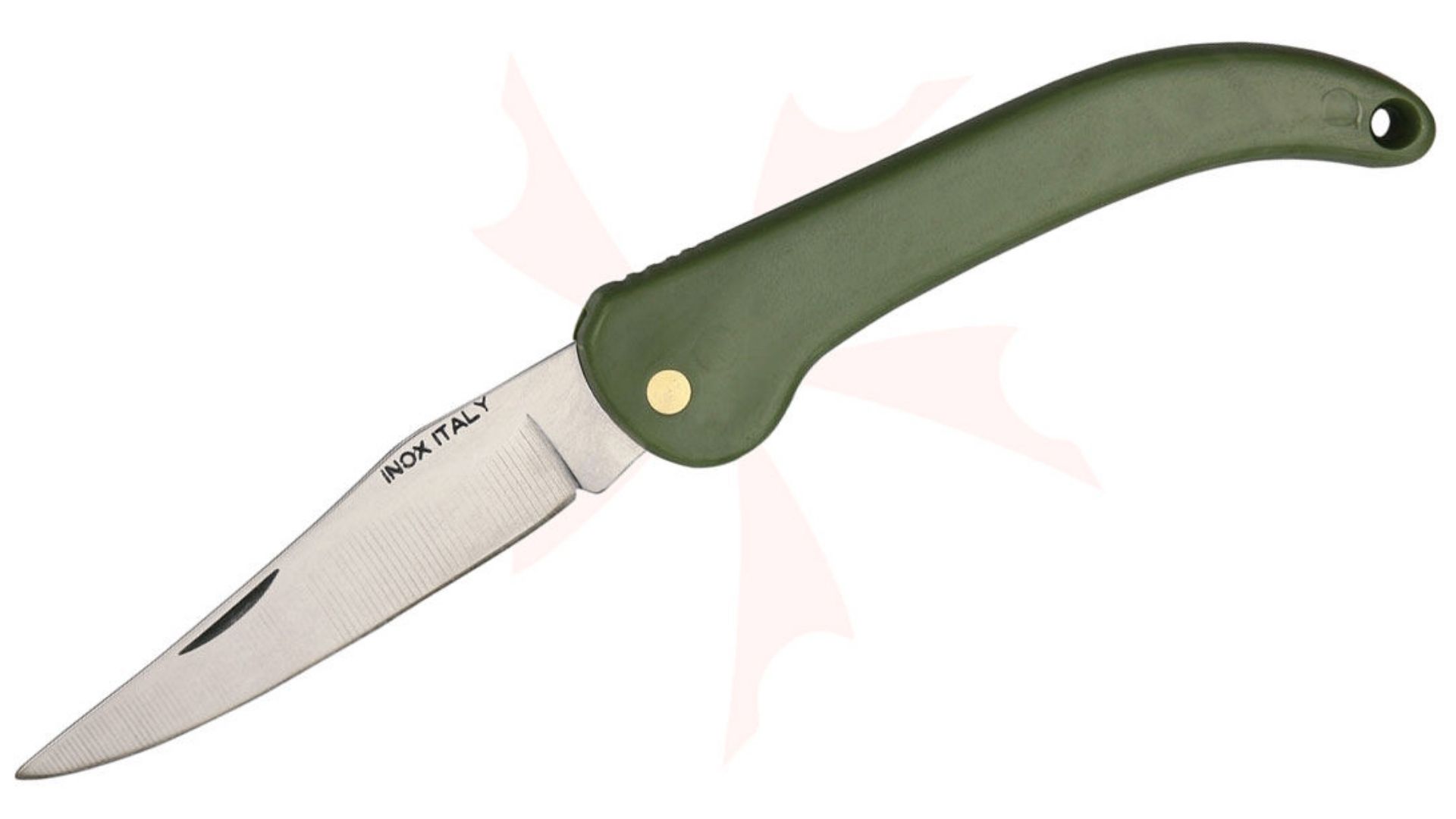
This isn’t a lock, and I’m not pretending it is. But in real conditions—especially where locks are restricted—strong-spring slipjoints can be more reliable than sketchy budget locks. There’s no mechanism to fail. It’s just spring tension and a blade. For controlled cutting tasks, that simplicity matters.
The key is staying in the right lane: no hard thrusting cuts, no twisting, no heavy torque. But if you need a tool that opens and closes reliably in dirty conditions and you’re doing normal cutting, a quality slipjoint can be dependable. It’s a different solution for a different set of rules and constraints.
Double-detent (also not a lock, but stable for light use)
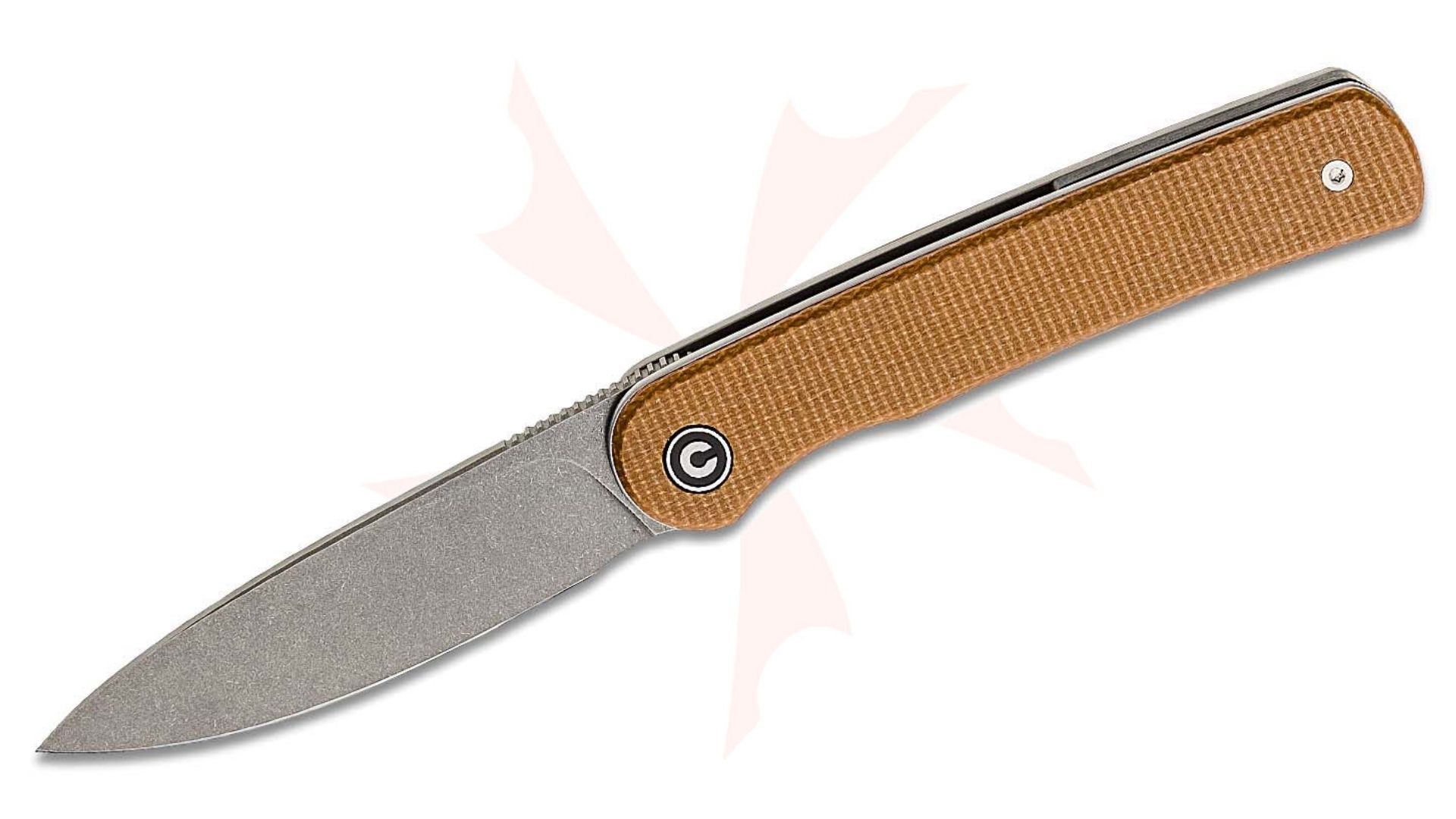
Double-detent systems aren’t meant for heavy work, but they can be surprisingly stable for light tasks, and they’re simple. In real conditions, simplicity often helps. There’s less to jam up, less to break, and less to go wrong. If the use case is light cutting and you want easy maintenance, they can be fine.
I’ll say it straight: this is not a hard-use answer. But in real conditions where the knife is primarily a cutter and not a “do everything tool,” simplicity can beat complexity. Just don’t confuse “it stays closed and open well enough” with “it’s a hard-use lock.” Different lane.
Virobloc ring lock (Opinel-style)
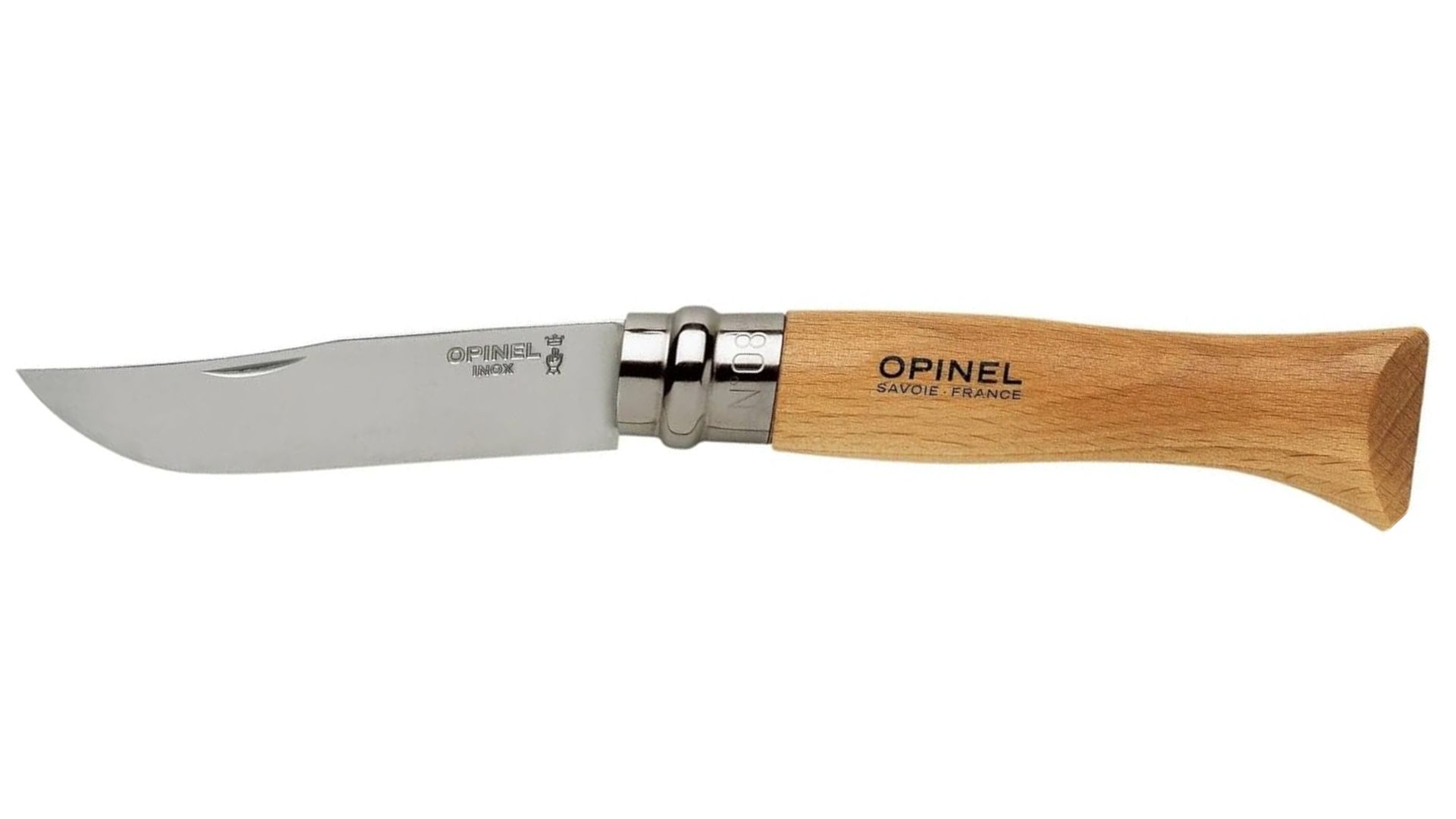
The Virobloc ring lock is simple and can be effective because it’s basically a mechanical collar that prevents closing. In real use, it’s easy to understand and it doesn’t depend on a delicate lock face geometry. It’s not built for tactical speed, but for field use like food prep and simple cutting, it can be very dependable.
The limitation is obvious: it’s not fast under stress and it’s not designed for hard lateral loads. But for real outdoor cutting tasks—especially in wet conditions—it’s a simple, low-fuss system that performs consistently. It’s one of those designs that survives because it’s not trying to be something it isn’t.
Lever lock (quality traditional implementations)
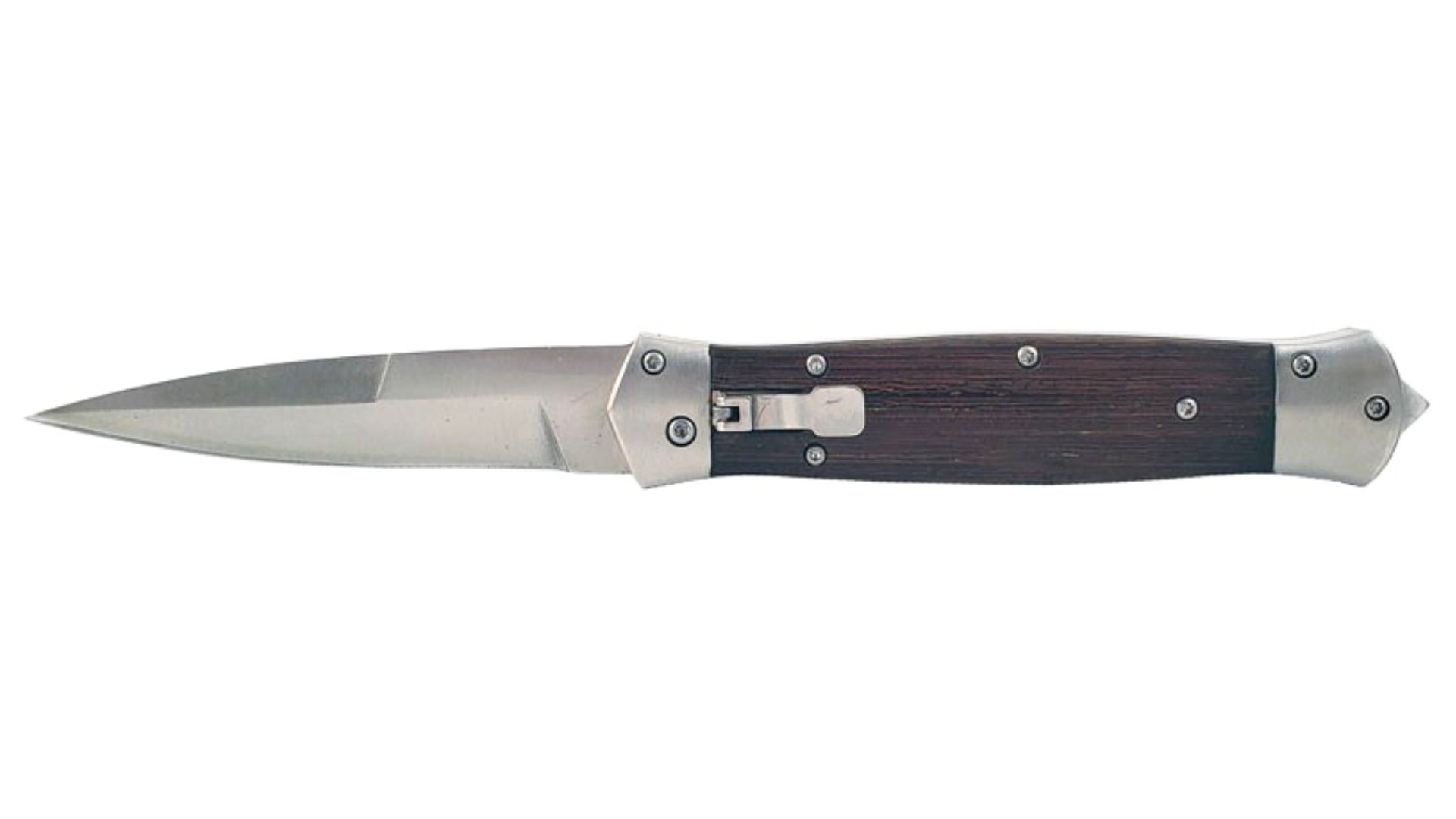
Lever locks can be very solid when they’re built well, and they’re easy to operate in gloves. Real-world performance depends heavily on construction quality. Cheap ones can be sloppy. Good ones can be secure and fast. The advantage is straightforward operation and usually a strong lockup when the mechanism is well fit.
Where they perform well is everyday use and hunting-style tasks where you want easy open/close and solid engagement. They’re not the first system I’d pick for absolute hard use compared to something like Tri-Ad or a robust compression lock, but in real conditions, a well-built lever lock can be more practical than people expect.
Fixed blade (the “lock” that doesn’t fail)
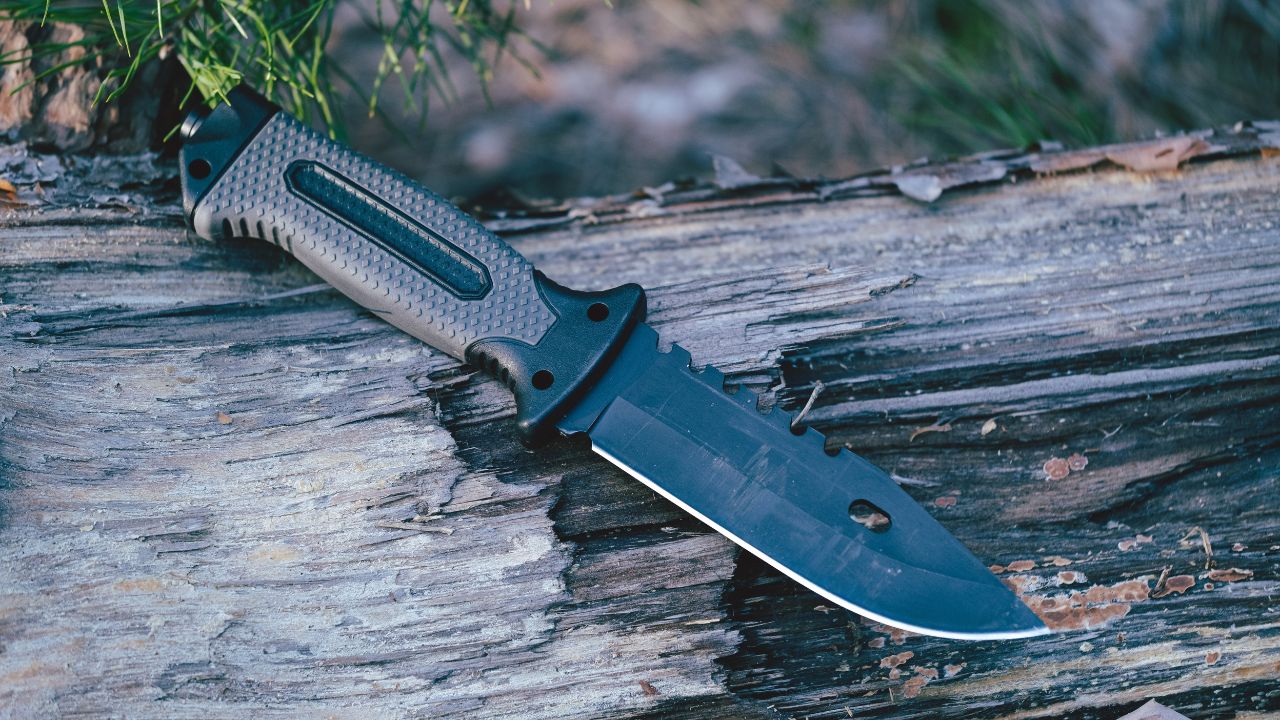
Yeah, I know—smart answer. But it’s true: if lock performance in real conditions is the priority, the best “lock” is no lock at all. Fixed blades don’t care about grit in the pivot or spring fatigue or lock face wear. They’re just there. When the job is ugly, that simplicity is why pros still carry fixed blades even if they also carry a folder.
If you’re actually in conditions where failure matters—cold, wet, heavy gloves, messy work—the fixed blade is the most consistent solution. Folding locks can be great, but none of them beats “there is no moving mechanism to fail” when your hands are numb and the work still has to get done.
Locking collar + robust pivot (certain field knives)
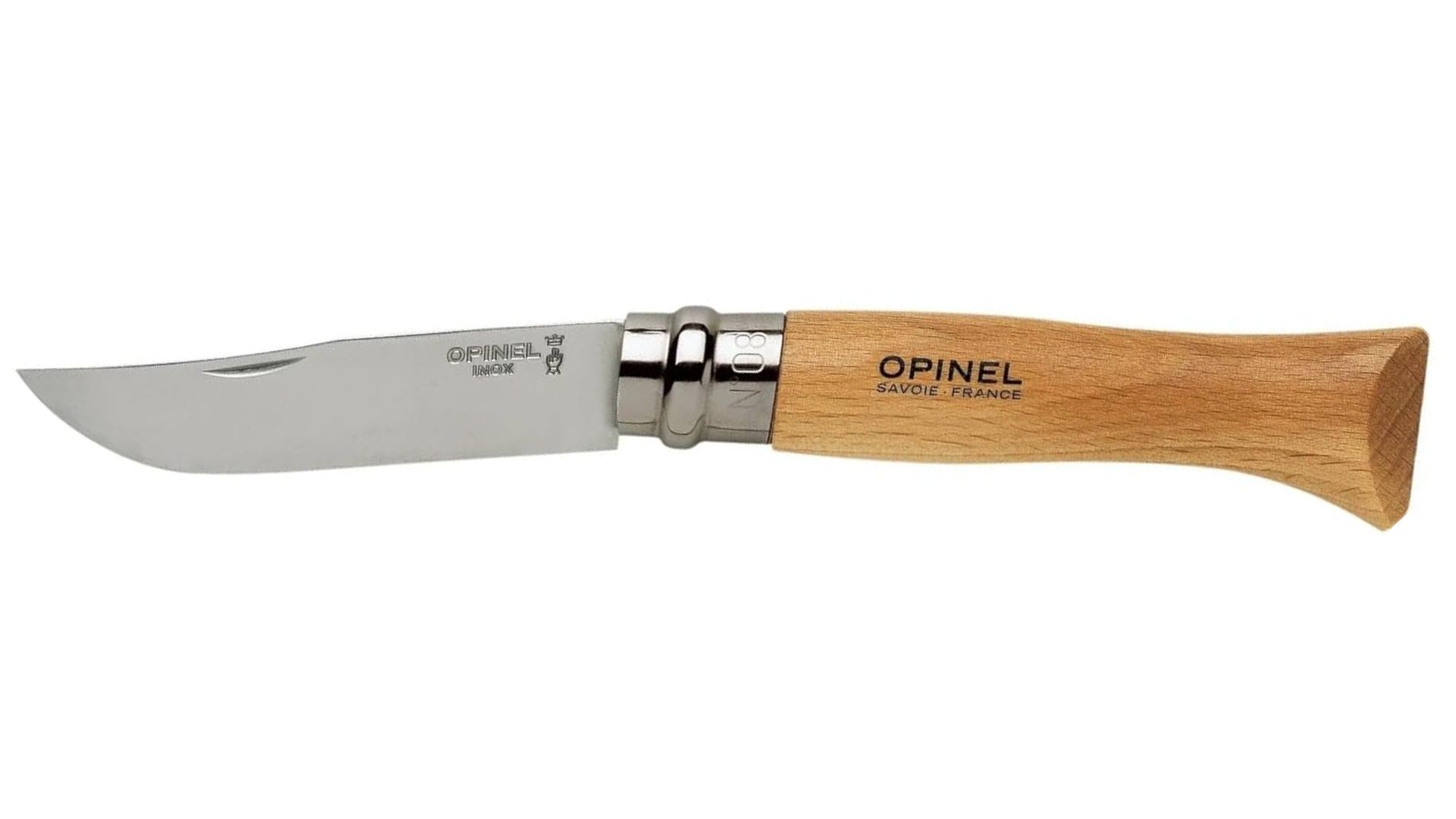
Some field-focused folders combine multiple retention elements—strong backspring, solid pivot, and a secondary collar/lock. In real-world use, that “belt and suspenders” approach can be extremely dependable. It’s not about being the fastest. It’s about being the least likely to surprise you when the knife is wet, dirty, and you’re not paying perfect attention.
These designs tend to shine in hunting and camp use where you want the blade to stay where you put it. They’re not usually fidget knives. They’re tools. If you’re prioritizing “works every time” over “fastest one-handed close,” the layered retention approach is worth looking at.
Like The Avid Outdoorsman’s content? Subscribe to our newsletter so you never miss an article.
Here’s more from us:


