Photo credit: Dmitry Markov152/Shutterstock.com
Buying used can be one of the smartest ways to get into a better gun without paying new-gun prices, but it’s also where people get burned—because the problems aren’t always obvious at the counter. The seller might not even be lying; a rifle can “shoot fine” and still have a crown issue, a loose scope base, a cooked barrel, or a stock that’s been stressed and re-torqued a dozen times. A pistol can look clean and still be running tired springs, hacked internals, or magazines that are one bad day away from turning into malfunction practice. This checklist is what keeps you from paying for somebody else’s learning curve, their bad gunsmithing, or their “I swear it’s only got 200 rounds” fantasy.
Check the bore with real light, not hope
If you do one thing before you hand over money, do this. Look down the bore with a proper light and actually inspect it, not a quick glance. You’re looking for pitting, heavy fouling that looks like crust, chatter marks, and any rough, dull sections that suggest corrosion or neglect. In rifles, pay attention to the throat area if you can see it at all—throat erosion is where “it used to shoot great” goes to die. In pistols, look for sharp, consistent rifling and no weird bulges. A dirty bore isn’t a deal breaker if everything else checks out, but a pitted bore usually is unless you’re paying “project gun” money. The bore tells you how the gun was treated even when the outside was wiped down.
Inspect the crown like it’s a critical part (because it is)
A crown that’s dinged, uneven, or worn will wreck accuracy and make you blame ammo, optics, or yourself. You don’t need a magnifying lab setup—just get the muzzle close and look for nicks, uneven wear, or anything that looks like someone jammed a cleaning rod carelessly or dropped it muzzle-first. On used hunting rifles, this is common because people lean them against rocks, toss them in trucks, and clean them with whatever rod they found in a drawer. If the crown is damaged, the gun can still “function,” but it won’t group consistently, and you’ll spend money chasing the wrong fixes. A clean, even crown is one of the easiest indicators that a rifle hasn’t been abused in the exact way that ruins accuracy while still looking “fine.”
Verify the action screws or takedown hardware aren’t a mess
Loose or mangled action screws are a red flag because they tell you two things: the gun has been taken apart by somebody who may not know what they’re doing, and the rifle may have been living with inconsistent torque. In bolt guns, inconsistent action screw tension can change point of impact and cause that annoying “it won’t hold zero” experience. Check for stripped heads, mismatched screws, missing washers, or evidence of thread locker being used like duct tape. For takedown guns, check the lockup hardware and make sure it’s not worn or sloppy. If a seller can’t keep basic screws intact, assume other maintenance and setup basics were ignored too. This isn’t about being picky—it’s about not buying a gun that’s already been turned into a troubleshooting hobby.
Look for cracks at the wrist, tang, and recoil lug areas
Stocks lie. A rifle can look great from five feet away and still have stress cracks where it matters. On wood stocks, check the wrist and tang area closely, and look around the recoil lug region for hairline cracks that appear under light. On synthetic stocks, look for splits, crushed bedding areas, or signs the action has been shifting under recoil. If the stock is cracked in a high-stress area, it can get worse fast once you start shooting it, and it can create weird accuracy changes that come and go. A cracked stock also suggests the rifle may have been dropped or over-torqued. Some cracks are repairable, but that should be reflected in price, and you need to go into it knowing you’re buying a project. Most “great deal” used rifles turn expensive when you ignore stock stress.
Check the scope base and ring situation like a skeptic
Used guns are notorious for being sold with “a scope included,” and half the time that scope is mounted poorly. Grab the optic and try to gently move it—there should be no play at all. Look for stripped screws, mismatched ring halves, and bases that look like they were installed with a pocket screwdriver and confidence. Also check if the base screws are correct length and not bottoming out. If the seller says “it won’t hold zero,” don’t assume it’s the rifle. It’s often the mount job. The best move is to treat included optics as a bonus, not a value add, unless you verify the brand, model, and mounting quality. A loose base can make a good rifle look inaccurate and turn your first range day into a pointless argument.
Cycle the action slowly and then cycle it like you mean it
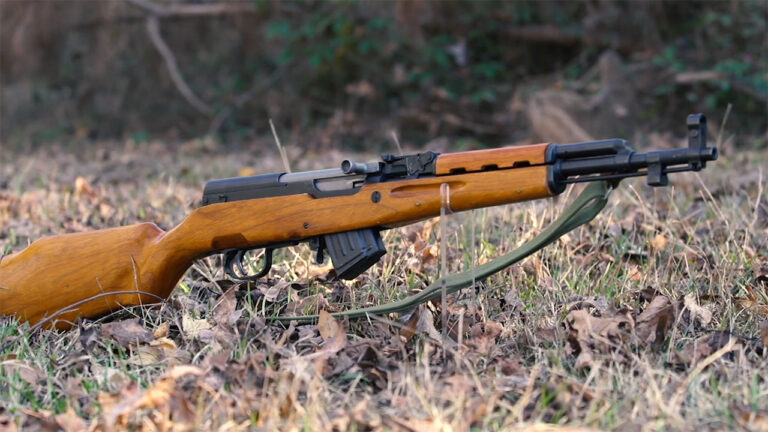
Work the bolt, lever, or action both ways: slow and controlled, then brisk like you would when you’re actually shooting. You’re feeling for rough spots, binding, inconsistent resistance, or anything that feels like burrs or grit. Rough cycling doesn’t always mean “bad gun,” but it often points to neglect, lack of lubrication, or internal wear. On a bolt gun, pay attention to how it closes and how it lifts after dry firing—sticky extraction can show up as a bolt that feels reluctant to lift. On semi-autos, check how the action feels returning to battery and whether the controls feel positive. If the seller says “it’s just dry,” that might be true, but a gun that only feels good when it’s soaked in oil is usually hiding something. You’re buying function, not excuses.
Dry fire it and pay attention to reset and safety function
Ask first, but if you can dry fire, do it. You’re not hunting for a “perfect trigger.” You’re checking consistency and safe function. The trigger should break the same way each time, and reset should be positive and repeatable. Then test the safety properly: does it engage cleanly, does it block the trigger as intended, and does it feel sloppy or half-broken? On some guns, a mushy safety can mean parts were swapped, the gun was altered, or internal wear has progressed. If the seller is weird about you testing basic controls, that’s a sign by itself. A used gun shouldn’t be a mystery box. If the trigger feels dangerously light or inconsistent, assume someone “improved” it. That can mean reliability issues, doubling issues, or a gun that’s simply not safe as-is.
Inspect the feed ramp, chamber mouth, and barrel hood wear
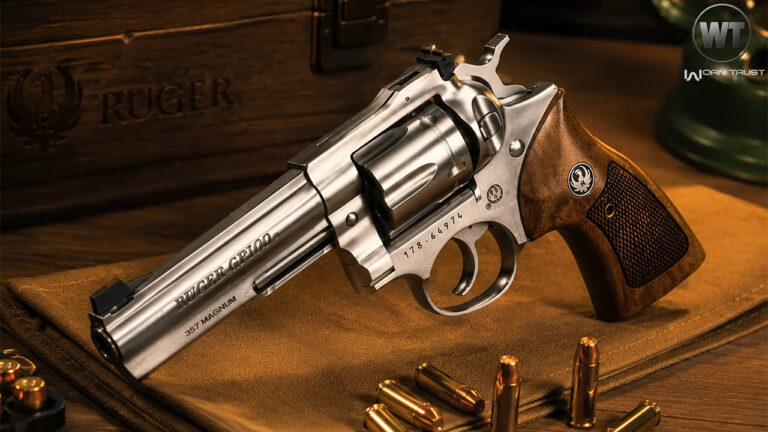
On pistols especially, the feed area tells you a lot about both round count and home gunsmithing. Look at the feed ramp and chamber mouth for deep gouges, weird polishing marks, or metal that looks like it’s been reshaped. A little normal wear is fine. A feed ramp that looks like it’s been attacked with a Dremel is not fine. Also check barrel hood wear patterns—uneven peening or odd shiny spots can point to timing issues or improper fit, especially on certain designs. If a pistol has been “made smoother,” that can be harmless, or it can mean someone removed material that was doing a job. Feeding problems are expensive in time and frustration. A clean, normal-looking feed path is what you want, not a “custom polish job” from a guy who learned on YouTube.
Check magazines like they’re half the gun (because they are)
Bad magazines turn good guns into jam factories, and used guns are often sold with worn mags because the seller knows they’re tired. Look at feed lips for spreading, cracks, or uneven shaping. Check baseplates for damage and make sure the magazine locks in positively and drops free when it should. If possible, press down on the follower and feel spring tension—weak springs feel lazy. Also check if the mags are factory or unknown aftermarket. Cheap mags can create failure-to-feed, last-round issues, and inconsistent lock-back problems that waste range days and make new owners blame the gun. If a used pistol comes with only one magazine, that’s not a deal breaker, but you need to price in buying quality mags. A “great deal” stops being great when you have to replace a pile of magazines to make it run.
Look for evidence of amateur gunsmithing and swapped parts
This is the silent killer of used gun value. Look for tool marks on screws, pins that look chewed up, mismatched finishes on internal parts, or aftermarket components with unknown origin. In pistols, watch for skeletonized strikers, ultra-light connectors, weird trigger bars, or any part that looks like it was installed to chase a lighter pull. In rifles, look for altered sears, odd bedding work, or barrels that appear to have been removed and reinstalled. Also check for missing small parts—people lose detents and springs more than they admit. The point isn’t “aftermarket is bad.” The point is you don’t know who did the work or how well. If you buy a gun with unknown internal mods, you’re buying a troubleshooting project unless you’re willing to replace parts back to factory spec.
Ask about the ammo diet and listen for vague answers
You’re not conducting an interrogation, but the ammo story matters. “Only brass” doesn’t automatically mean anything. “Only 200 rounds” is the most overused line in the used gun world. What you want to know is whether the rifle lived on hot loads, whether it was run hard and fast, whether it was cleaned properly, and whether it was suppressed. Suppressed use isn’t bad, but it increases fouling and can accelerate wear if maintenance wasn’t done. If someone says “I don’t know,” that’s fine, but price should reflect unknowns. If someone gets defensive or starts telling stories instead of answering plainly, that’s usually a sign they’re selling the gun because it wasn’t behaving. A clean, honest answer is a good sign. A performance speech is not.
Check for rust in the places people don’t wipe
Surface rust on an exterior screw is one thing. Rust under the grips, under the stock line, inside the magwell, around the sights, or under the handguard is a different story. That kind of rust points to how the gun was stored and whether sweat and moisture were allowed to live on it. On carry pistols, pull the magazine and look inside the frame rails area if possible—sweat corrosion can show up where you won’t see it at first glance. On rifles, look around sling studs, action screws, and any place moisture can collect. Rust doesn’t automatically kill a deal, but hidden rust means you’re not seeing the full picture. If the gun was stored wet or carried without basic care, assume other maintenance was skipped too. Used guns don’t need to be pristine, but they do need to be honest.
Confirm serial numbers and check for recalls or known issues
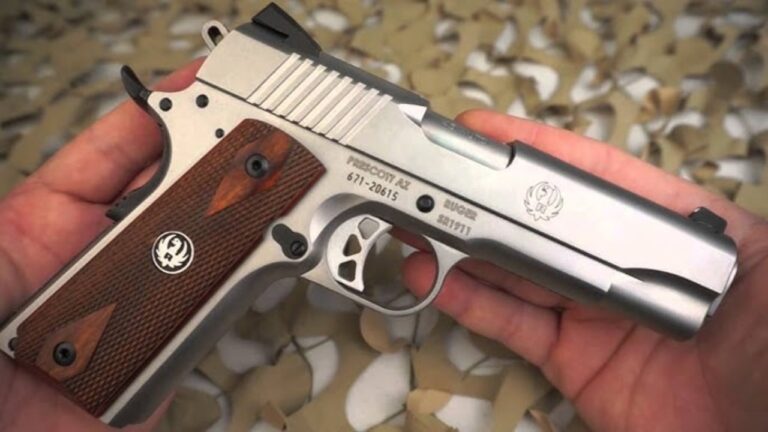
You don’t want to buy a used gun and then find out it’s part of a safety recall or has a known defect that the owner “forgot” to mention. Before you finalize the deal, confirm the serial number is intact and matches the gun’s markings properly. Then do a quick recall/serial check on the manufacturer site when possible. It takes minutes and can save you a major headache. Also pay attention to odd serial defacement or suspicious markings—walk away from anything that looks wrong. This is especially important with certain pistols and certain years of production runs that had known issues. A used gun deal is not worth legal or safety risk. If the seller pressures you to rush, that’s another sign you should slow down and verify. Buying used is about patience, not excitement.
Inspect the muzzle device and threads if it has them
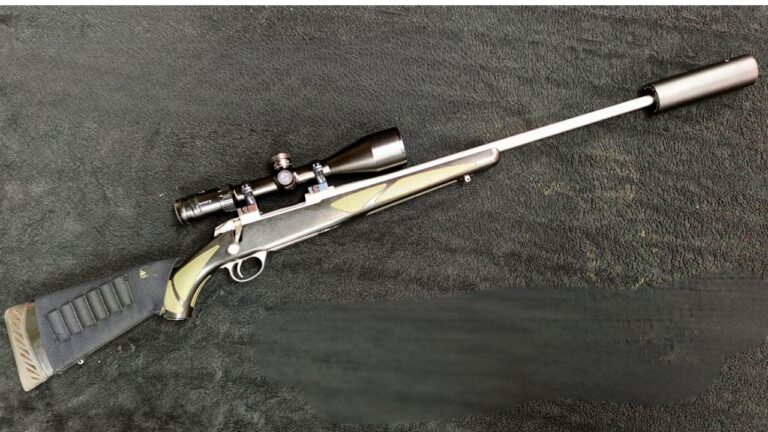
Muzzle brakes, flash hiders, suppressor mounts, and threaded barrels are common, and they’re also common sources of problems. Check for baffle strike evidence on suppressor mounts, look for misalignment signs, and make sure threads aren’t damaged or cross-threaded. A poorly timed brake or a muzzle device installed without proper shims can shift things and create accuracy issues. Also check if the muzzle device looks like it was over-tightened with the wrong tool. If the barrel shoulder is damaged or the threads are ugly, fixing that can be costly. On pistols, check threaded barrel fit and lockup—some aftermarket threaded barrels introduce reliability issues if they’re not fitted properly. Threads are great, but they also create new failure points. Make sure they’re clean, straight, and not the product of backyard wrenching.
If you can, shoot it—then pay attention to patterns, not one shot
If the seller allows it, shoot it. Not one round, not “it went bang,” but enough to see behavior. You’re looking for consistent ejection, consistent feeding, and consistent lockup. In a rifle, you want to see if it groups in a predictable way and whether point of impact shifts as you shoot a string. In a pistol, you want to see if it runs both slow and at a realistic pace. One good magazine doesn’t prove much, and one malfunction doesn’t prove the gun is junk. Patterns matter. If it consistently fails to lock back, consistently nose-dives rounds, or consistently throws brass into your face, those are signals. If it shoots fine but feels “off,” trust that. Used guns are only a bargain when they don’t become your new hobby.
Like The Avid Outdoorsman’s content? Subscribe to our newsletter so you never miss an article.
Here’s more from us: