Photo credit: Hornady Manufacturing/YouTube
Gun culture loves to act like the newest round always fixed something the older stuff could not. Sometimes that is true. A newer cartridge may shoot flatter, hit harder at distance, or fit better in a modern platform. But a lot of the time, the old rounds people keep trying to outgrow are still doing real work while the hype shifts somewhere else. That is why certain calibers never really go away. They may stop getting the flashy press, but they keep filling tags, winning trust, and making trendier options feel a little overexplained.
That is especially true when you get outside the internet and into actual range time, deer camps, truck guns, and everyday carry. The old calibers that stuck around did not do it by accident. They stayed because they are useful, available, proven, and a lot harder to replace than people like to admit. These are the old rounds that keep making newer trends look like temporary noise.
.30-06 Springfield
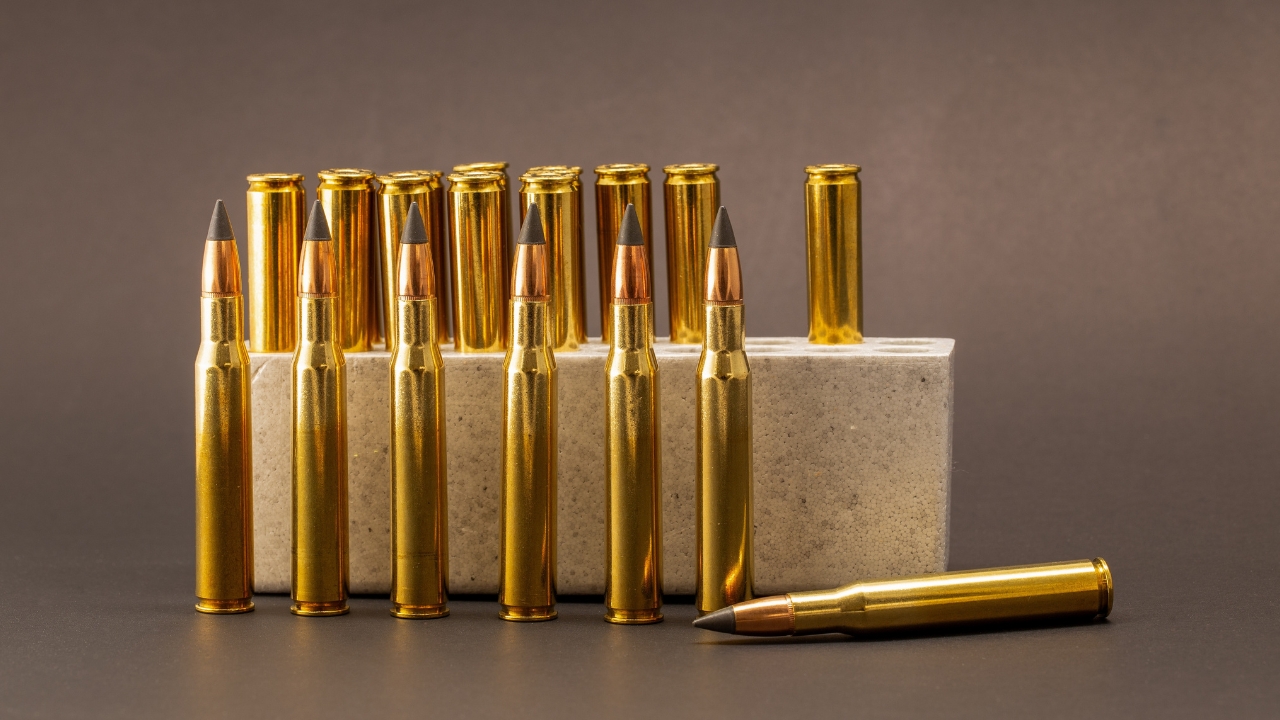
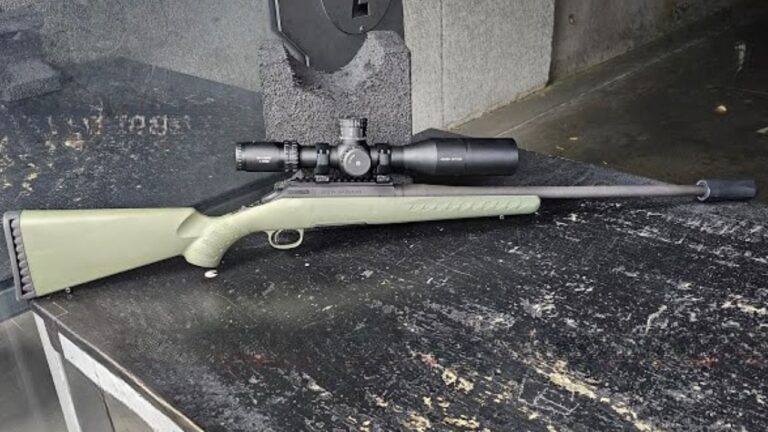
The .30-06 has been getting replaced on paper for what feels like a hundred years, and yet it keeps hanging around because it still flat-out works. Every time a new short-action darling shows up promising better efficiency, better long-range numbers, or less recoil for nearly the same payoff, the old .30-06 just keeps killing deer, elk, black bear, and about anything else most hunters realistically chase. It is not fashionable, but that has never mattered much in the woods.
What makes it hard to push aside is how forgiving it is. Ammo is everywhere, rifle choices are endless, and load variety gives it a wider real-world range than a lot of newer cartridges ever manage. It does not need a sales pitch anymore. You know exactly what it is, and that certainty keeps embarrassing newer trends that need constant explanation.
.308 Winchester

The .308 is another caliber people keep trying to retire before it is ready. It gets talked about like the old practical choice that newer cartridges have already passed, especially in precision and hunting circles. But when you look at what people still trust in actual rifles they carry, travel with, and burn ammo through consistently, the .308 keeps showing up. It is accurate, widely available, easy to load for, and still hits hard enough for a whole lot of honest work.
That matters because most shooters do not live at the outer edge of ballistic charts. They need something dependable, easy to feed, and useful across multiple roles. The .308 keeps humiliating newer trends because it makes fewer demands. It does not need exotic ammo, boutique rifles, or a long explanation. It just keeps being one of the smartest general-purpose rifle cartridges ever made.
.270 Winchester
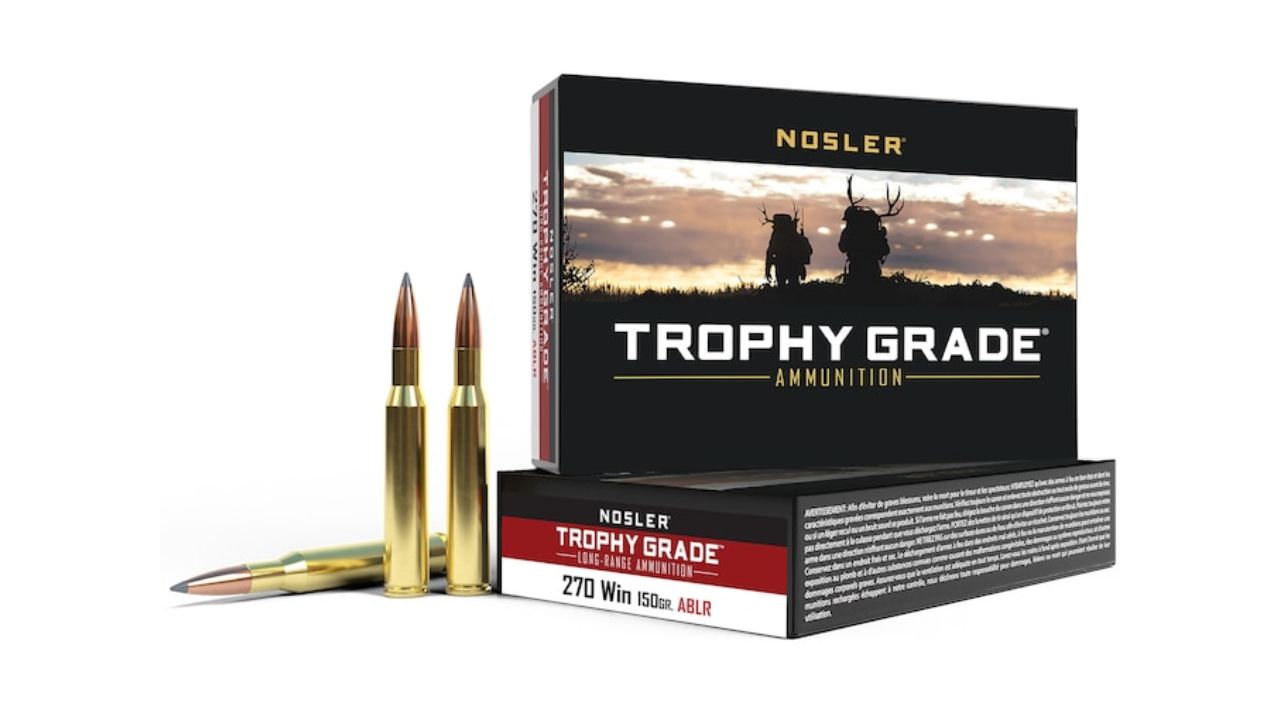
The .270 has spent years being treated like an old deer camp cartridge that people respect without getting too excited about. Meanwhile, it keeps proving it still belongs in any serious hunting conversation. It shoots flat, carries enough punch for a wide range of North American game, and does it without the recoil baggage that pushes some hunters away from larger rounds. There is a reason so many older hunters never felt the need to move on.
Newer hunting cartridges often get sold like they finally solved a problem the .270 never really had. In truth, the .270 was already doing a lot of things right long before the newer names showed up. It is not trendy, but it does not need to be. When a cartridge keeps filling freezers generation after generation, trends start looking a lot less important.
.45-70 Government

People love to call the .45-70 outdated right up until they see what it still does in the field. Yes, it is old. Yes, it carries plenty of rainbow in the trajectory compared to newer cartridges. But inside the distances where most hunters using one actually plan to shoot, it still hits like bad news. In lever guns, single-shots, and modern loadings, it keeps proving that raw authority never really went out of style.
That is part of why newer “thumper” trends come and go while the .45-70 keeps hanging around. It has real character, real hunting use, and enough flexibility to be loaded from mild to wild depending on the rifle. It is not for everybody, but it does not need to be. It only needs to keep working, and it still does that better than a lot of newer ideas.
.30-30 Winchester

The .30-30 gets talked about like it is a sentimental caliber that survives mostly on nostalgia. That is nonsense. It survives because it still makes practical sense for the way a lot of hunters actually hunt. In woods country, from blinds, over short lanes, and in rough terrain where compact rifles matter, the .30-30 remains one of the smartest deer rounds ever chambered. It is easy to carry, easy to shoot, and effective where real hunting happens.
What humiliates newer trends is how often they try to replace the .30-30 with something more technical, more expensive, or more hyped, only to offer little real advantage in normal use. The old lever-gun round keeps getting underestimated by people who think all hunting needs to look like long-range marketing. It does not, and the .30-30 keeps reminding them of that.
.357 Magnum

The .357 Magnum is one of the best examples of an old cartridge refusing to get pushed aside by newer carry and woods-gun trends. People keep trying to talk around it with newer defensive loads, boutique revolver chamberings, and semi-auto arguments, but the .357 remains one of the most versatile handgun rounds ever made. It works in full-size revolvers, snub guns, lever actions, and trail guns with a flexibility a lot of newer rounds simply do not match.
That flexibility matters more than trend-watchers like to admit. You can run softer .38 Special loads for practice, step up to full-house magnum loads for defense or field use, and still find ammo without chasing weird boutique supply lines. The .357 keeps humiliating newer trends because it stayed useful instead of trying to sound revolutionary. It never had to be the newest answer. It just had to keep being a very good one.
.44 Magnum

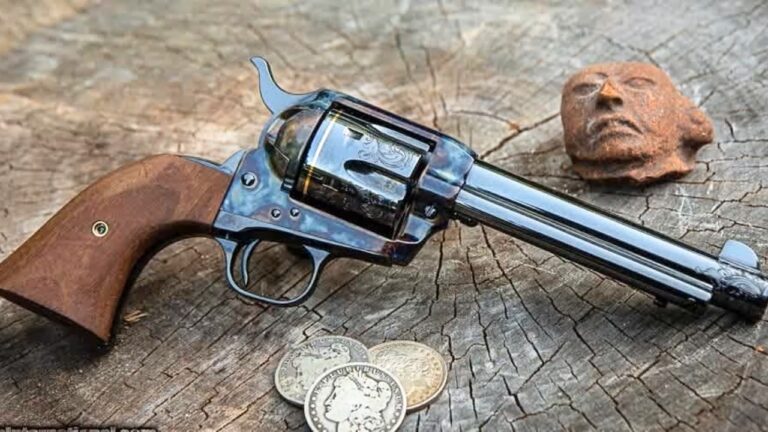
The .44 Magnum gets reduced to image way too often. People talk about it like it is mostly a recoil demo or a piece of handgun mythology, but that misses why it is still around. In the right revolver or carbine, the .44 Magnum remains a serious hunting and field cartridge with real authority. It is not subtle, and it is not cheap to shoot a lot, but when you need power from a handgun platform, it still commands respect.
Newer big-bore trends often promise smarter performance, less recoil, or more modern packaging, and some of them are solid. But the .44 Magnum keeps humiliating them by refusing to become irrelevant. It still has reach, still has punch, and still has a level of real-world legitimacy that flashy replacements often spend years trying to earn and never fully do.
.45 ACP

Every few years, somebody decides the .45 ACP is finally done. It is too heavy, too slow, too low capacity, too old-fashioned, or too tied to nostalgia. Then people actually go shoot it and remember why it never left. The .45 ACP is easy to control in a good pistol, broadly available, and backed by a long record of practical use. No, it is not the only answer, but it never needed to be.
What keeps it alive is that it still feels honest. It does not depend on hype, strange marketing language, or the promise that this new design changes everything. It is a mature cartridge with known strengths and known limitations, and a lot of shooters still prefer that over constant reinvention. The .45 ACP keeps embarrassing newer trends simply by continuing to make sense for the people who actually run it.
9mm Luger

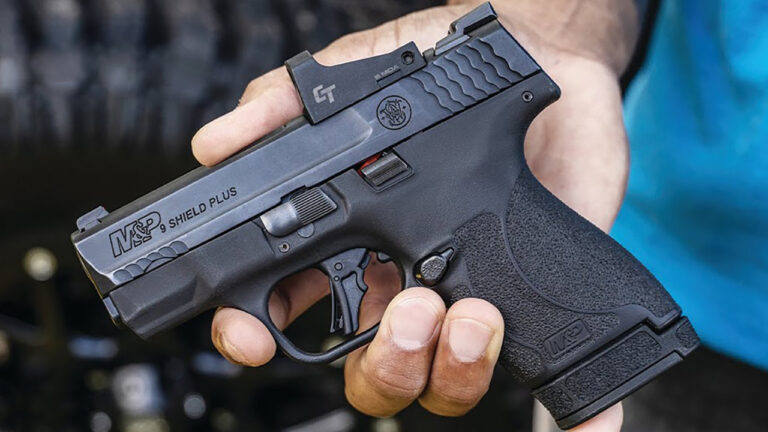
It feels strange to call 9mm an old caliber because it is still everywhere, but that is exactly the point. It is old, and it keeps surviving every challenge thrown at it. Time after time, newer handgun cartridges arrive with claims of better balance, smarter performance, or superior carry logic. Yet the 9mm stays planted because it does so many things well at once. Capacity, controllability, ammo price, and broad support keep it at the top.
That dominance is not just inertia. It is earned. The 9mm humiliates newer trends because it forces them to clear a very high bar. They have to beat it in meaningful ways, not just sound different in an ad. Most do not. They end up feeling like niche answers to problems the 9mm already handles well enough for most shooters, most of the time.
.38 Special

The .38 Special is one of those cartridges people underestimate because they think old equals weak or outdated. In reality, it remains one of the most useful revolver rounds ever made. It is manageable for many shooters, available in a wide range of loads, and still makes a lot of sense in defensive revolvers, trail guns, and practice setups. It may not sound exciting, but that is never what made it valuable.
It also benefits from living alongside the .357 Magnum, which gives shooters a flexible platform without forcing them to practice exclusively with hard-kicking loads. That simple practicality keeps the .38 alive. Newer defensive ideas come and go, but the .38 Special keeps showing up because it is shootable, familiar, and still good enough to matter in the real world.
.22 Long Rifle

The .22 LR might be the most disrespected useful caliber in the country. Because it is small, cheap, and tied to training, small game, and casual shooting, people talk about it like it is somehow less serious. Then ammo prices rise, centerfire gets harder to justify for practice, or somebody remembers that actual marksmanship does not begin with noise and recoil. Suddenly the .22 looks smart all over again.
Newer rimfire ideas and niche training concepts keep circling around the same truth: the .22 LR remains one of the best teacher cartridges ever created. It is affordable, widely available, low recoil, and endlessly useful. It humiliates newer trends because it keeps doing its job without drama. For learning, plinking, pest control, and plain old trigger time, the old rimfire still makes most alternatives look overcomplicated.
.243 Winchester

The .243 has taken its share of criticism from both directions. Some people think it is too light for serious hunting use. Others treat it like an old compromise that newer 6mm cartridges have fully replaced. But the .243 keeps sticking around because it still handles a very useful slice of the hunting world extremely well. It shoots flat, recoils lightly, and remains one of the best crossover rounds for varmints and deer-sized game.
That kind of practicality is hard to kill. A lot of newer 6mm talk sounds sharper on paper, but the .243 still wins in availability, familiarity, and plain trust. It does not need to be the hottest thing in the caliber discussion. It just needs to remain one of the easiest cartridges to live with, and it still does that better than many of the newer rounds trying to look more advanced.
7mm Remington Magnum

The 7mm Rem Mag has been getting side-eyed by newer long-range and hunting cartridges for years now, but it still hangs on because it covers a lot of ground extremely well. It shoots flat, carries energy well, and has built a reputation that is hard to shake in the hunting world. People can talk all they want about newer 7mm options with sharper numbers or better efficiency, but the old magnum keeps staying relevant where it counts.
That staying power matters. Hunters do not just buy charts. They buy ammo they can find, rifles they trust, and rounds that have already proven themselves on game. The 7mm Rem Mag humiliates newer trends because it refuses to act old. It still feels current enough in the field that many shooters never see a compelling reason to leave it behind.
.375 H&H Magnum

The .375 H&H is one of the clearest reminders that old does not mean obsolete. This cartridge has been around forever by modern standards, and people still judge newer dangerous-game and heavy-hitting hunting rounds against it. That tells you everything you need to know. It has a balanced reputation for power, shootability, and broad usefulness that newer magnums keep trying to match without fully replacing.
It also benefits from trust, and trust matters a lot once you move into serious hunting territory. The .375 H&H has spent too many decades proving itself to be pushed aside by novelty alone. Newer rounds may offer improvements in certain areas, but the old Holland & Holland keeps humiliating trends by remaining the standard so many of them still have to answer to.
12 gauge

Calling 12 gauge a caliber is not technically how people usually frame it, but in the real world it belongs in this conversation. Nothing keeps embarrassing newer defensive and hunting trends quite like the 12 gauge. People keep trying to build around it, replace it, or market cleaner answers to what it does, and yet it remains one of the most effective and flexible tools in the firearms world. Birds, deer, predators, home defense, slugs, buckshot, field loads, it still covers an absurd amount of ground.
That broad usefulness is exactly why it stays dangerous to trends. A newer system may beat it in one narrow area, but the 12 gauge keeps winning the overall argument because it does not live in one narrow area. It is old, proven, and still nasty effective. That is a hard combination to embarrass.
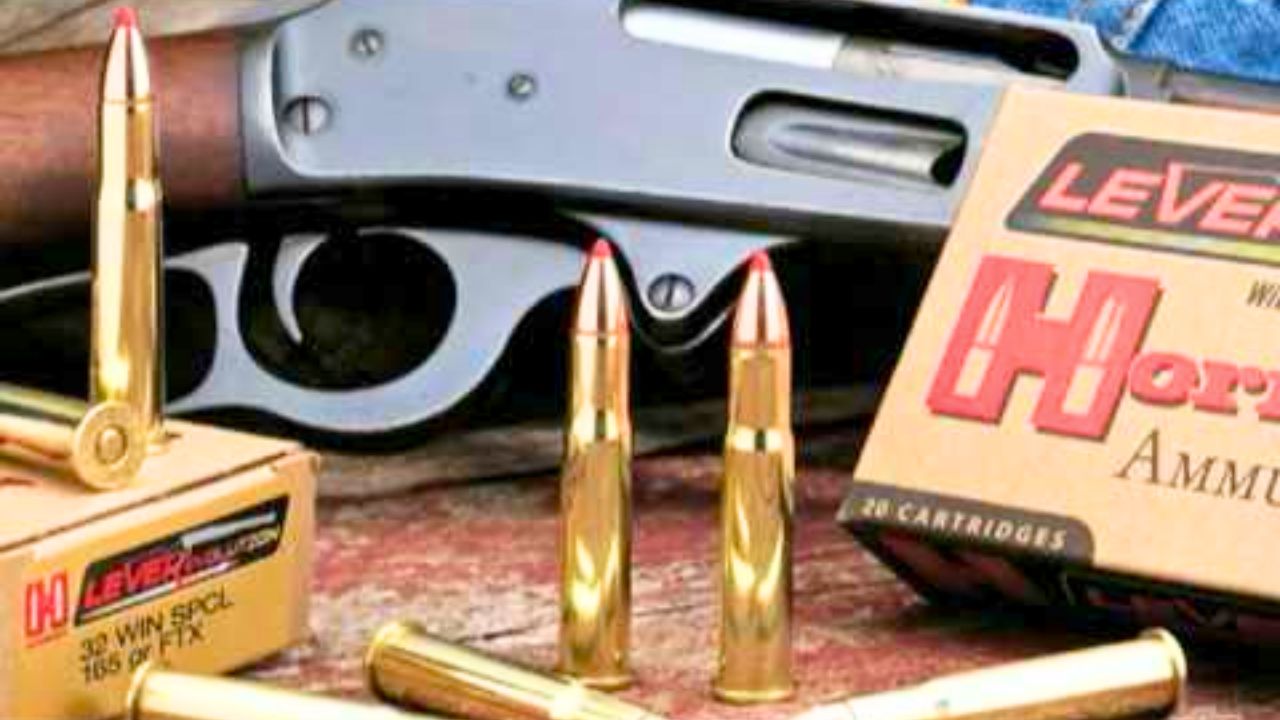
.32 Winchester Special

The .32 Winchester Special does not get the same steady attention as some of the giants on this list, but that is partly why it belongs here. It is one of those old hunting rounds people forget about until they spend time around lever-gun people who still appreciate what it offers. It was never the loudest answer, but it carried enough authority for deer hunting and enough individuality to build lasting loyalty among shooters who did not feel the need to chase the newest thing.
That quieter reputation actually helps it now. It reminds you that not every good caliber needs a giant modern fan club to stay respected. The .32 Winchester Special humiliates newer trends in a different way. It survives because it still has practical value and because the people who know it best never needed internet excitement to tell them that.
Like The Avid Outdoorsman’s content? Subscribe to our newsletter so you never miss an article.
Here’s more from us: