Photo credit: BTL Supply/GunBroker
You can have a pistol that runs great for a few thousand rounds… then one tiny part gives up and suddenly you’re dead in the water. Most of the time it’s not some dramatic “kaboom” problem. It’s a spring, a pin, a small lever, or a little retaining piece that finally hits its limit—usually right when you’re traveling, in a class, or trying to get a quick range session in before dark. None of this means these guns are “bad.” It means you should know the common wear points and treat certain little parts like consumables.
Beretta 92FS / M9 (trigger return spring + locking block)
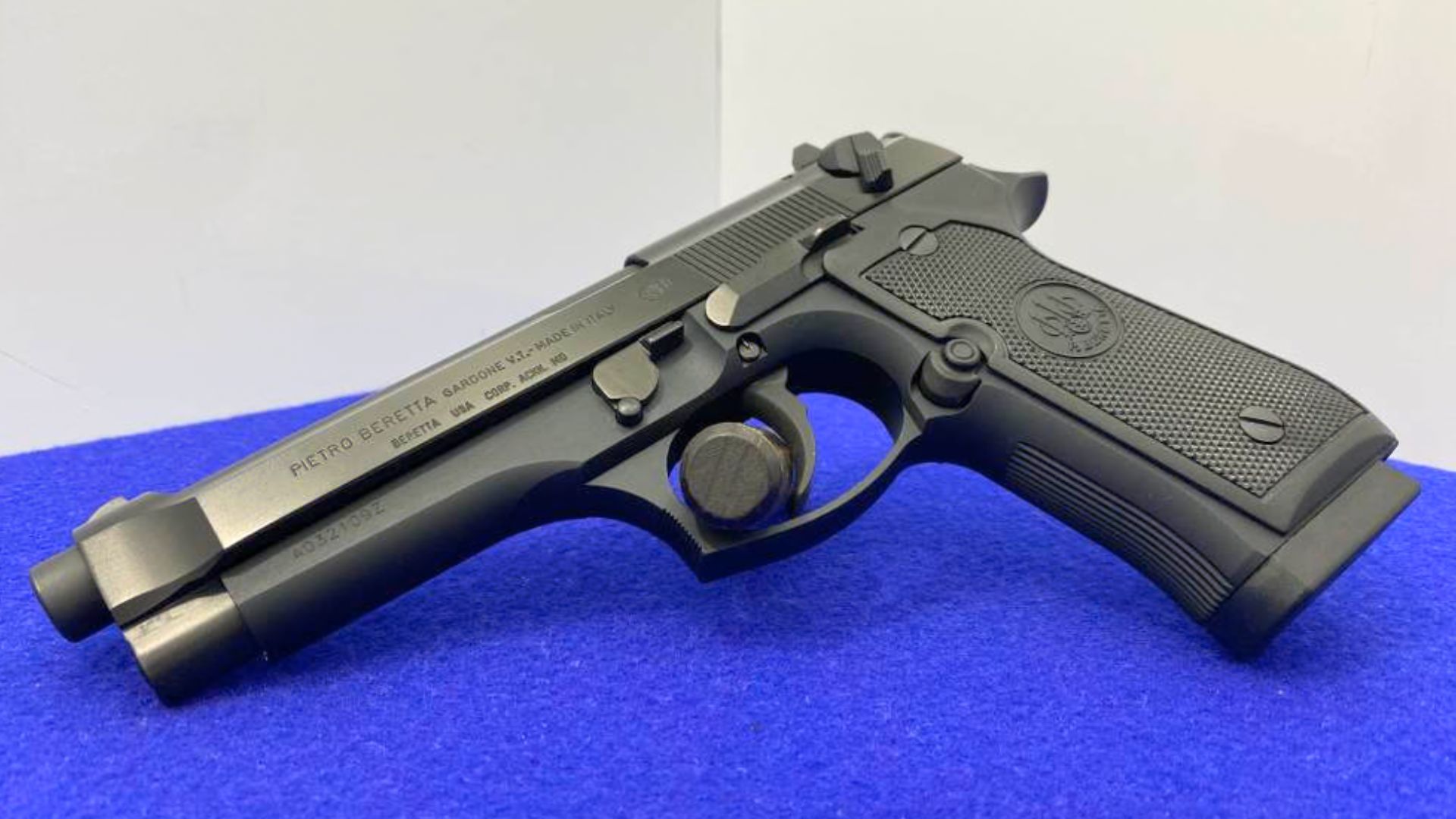
The 92 series is famous for being smooth and dependable, but two small areas can bite you: the trigger return spring and the locking block. When the trigger return spring breaks, the gun can stop resetting like it should, and it turns into an ugly surprise mid-string. The locking block is another one—most shooters never see a failure, but high round counts and hard use can make it a real wear item depending on the gun and the ammo.
If you run a 92 hard, keep a spare trigger return spring in your range kit and learn how it installs (or at least know a smith who does). Don’t wait until “something feels off.” During cleaning, look for unusual wear on the locking block and pay attention to any change in how the gun returns to battery. If you’re taking a class with a Beretta, treat it like a serious-use gun: inspect it, lube it, and show up with a couple small spares that can save your whole weekend.
SIG Sauer P226 / P229 (roll pins + trigger return spring)
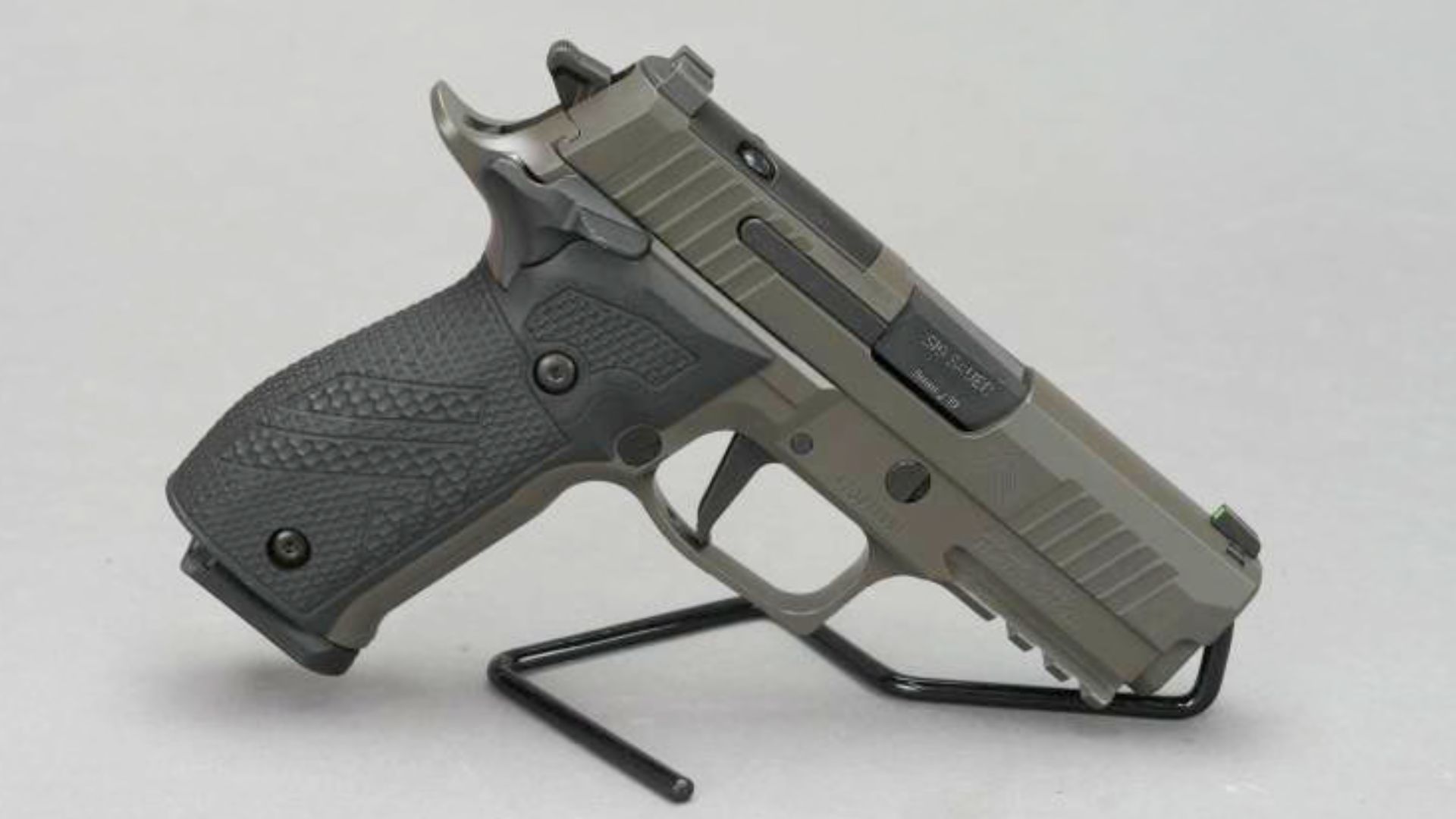
The classic SIGs have a reputation for taking abuse, but some variants use roll pins that are meant to be replaced as maintenance items, and a trigger return spring can also be a weak link over time. The pistol will often give you no warning. It’ll run fine… until it suddenly doesn’t. That’s why these issues feel so aggravating—everything looks normal until the moment it isn’t.
If you’re running an older P226/P229 hard, treat it like a duty gun with a maintenance schedule, not like a “forever gun” that never needs anything. Keep an eye on pins during cleaning, and don’t ignore small changes in trigger feel or reset. This is also one of those pistols where having a good armorer or a quality shop matters. A quick once-over and a couple inexpensive small parts replaced proactively can keep the gun boring—in the best way.
SIG Sauer P365 (striker-related wear + small springs)
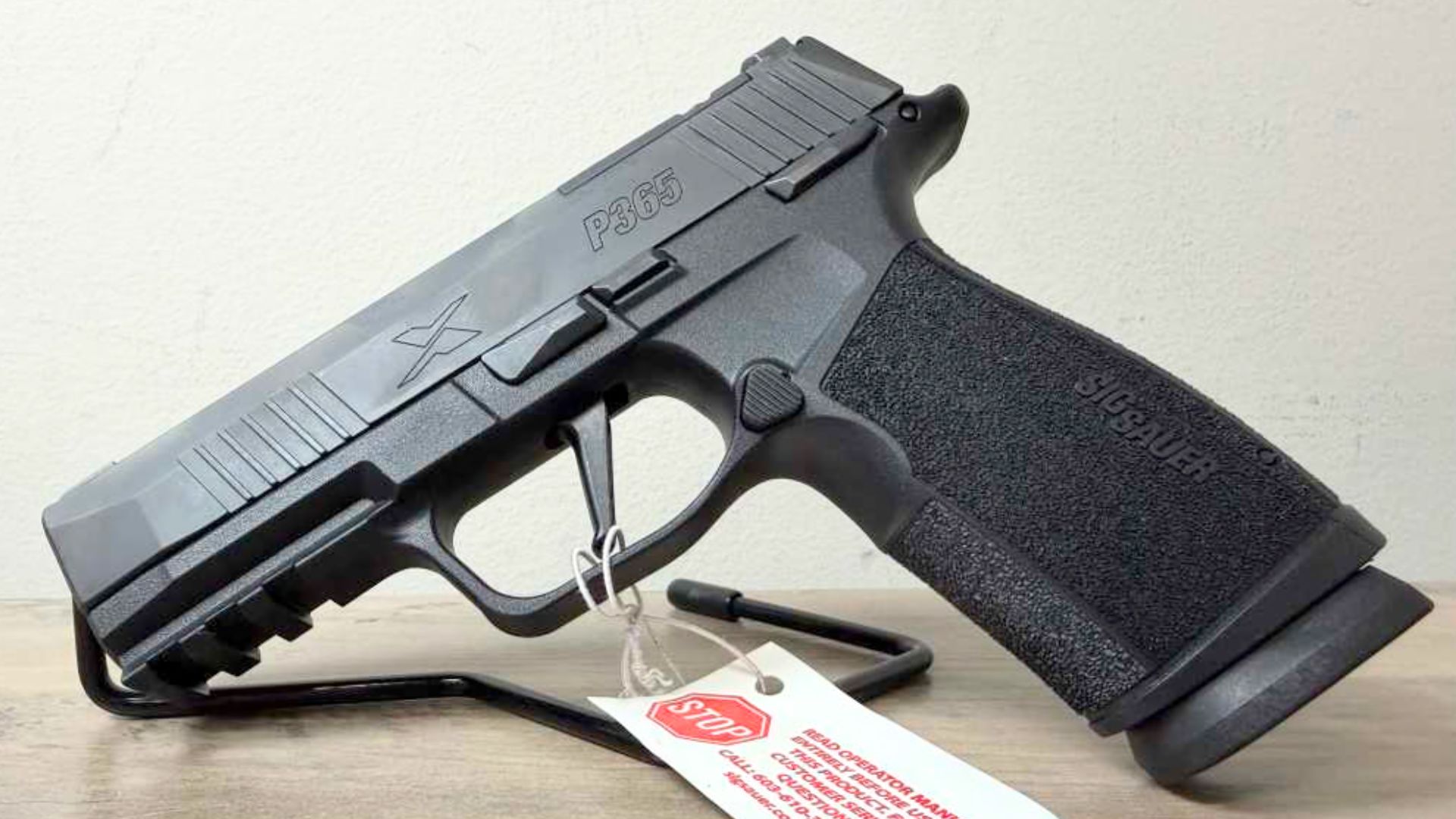
The P365 changed the carry market, but micro-compacts ask a lot out of small parts. When everything is tight and lightweight, springs and striker-related pieces can take a beating faster than they would in a full-size duty pistol. If a tiny spring or striker component starts to go, it can show up as weird light strikes, inconsistent ignition, or sudden reliability headaches that weren’t there last month.
If you carry a P365 and shoot it regularly, keep your gun clean enough to see what’s going on inside, and don’t run it bone-dry. Pay attention to any change in ignition consistency. If you’re the type who trains hard, consider keeping a few small spares on hand (and swapping wear parts before they become a surprise). The P365 can be a great tool, but it rewards owners who treat it like a “working gun” instead of a safe queen.
Glock 43 / 43X (recoil spring assembly + slide stop spring)

The slim Glocks are simple, and that’s why people love them. But the smaller the platform, the more stress goes into fewer parts. The recoil spring assembly is doing a lot of work, and if it starts weakening you can see cycling issues that feel random. Another annoying one is the little slide stop spring getting tweaked or losing tension, especially if someone has been in the gun a bunch or installed parts without paying attention.
The fix here is boring—but boring is what you want. Replace recoil spring assemblies at sensible intervals if you shoot a lot, and don’t cheap out on questionable aftermarket “upgrades.” If your slide stop behavior changes (locking back early, not locking back, feeling mushy), inspect it instead of shrugging it off. The slim Glocks can run forever, but they do best when you treat a couple small parts like normal wear items.
Smith & Wesson M&P Shield / Shield Plus (small springs + pins under steady use)

The Shield family has been carried by a ton of people, and it generally holds up well. The issue is that micro and slim pistols can slowly beat up small parts—springs, pins, tiny engagement surfaces—especially if you’re the guy who actually trains with his carry gun instead of shooting two mags a year. When something finally goes, it can look like a random malfunction that came out of nowhere.
If you rely on a Shield, run it clean and properly lubed, and don’t ignore “new behavior.” If the trigger feel changes, reset feels odd, or you start seeing inconsistent ejection, that’s your cue to inspect and replace common wear parts. This is also one of those pistols where a quick preventative refresh every so often is cheap insurance. Carry guns get lint, sweat, and constant handling—maintenance matters more than people admit.
Springfield Hellcat (extractor-related issues + spring fatigue)
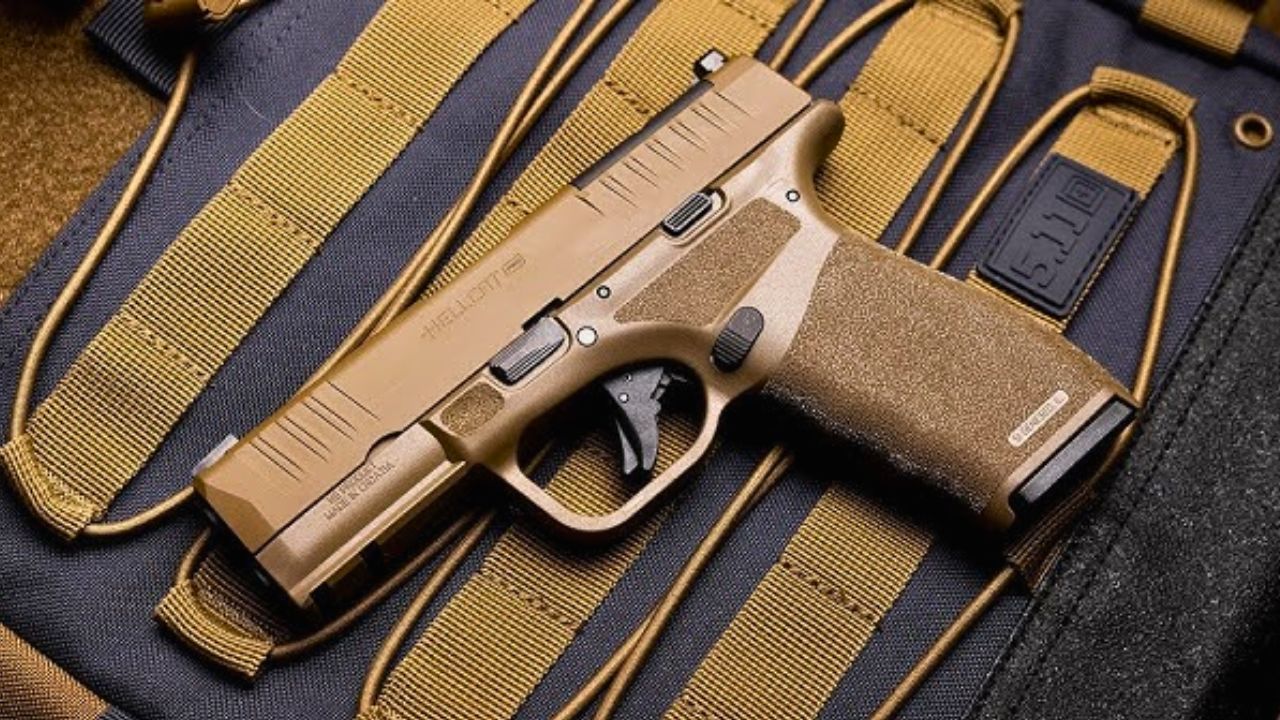
Hellcats can be very reliable, but like any compact, they can get picky when small springs start losing tension or when the extractor system isn’t happy. A tired spring can turn into inconsistent extraction or ejection that makes the gun feel “moody.” When that happens, guys often blame ammo first, then blame magazines, then finally look at the parts that are actually doing the work.
If your Hellcat starts throwing cases differently than it used to, or you’re seeing odd stovepipes after it ran fine for months, inspect the extractor and the related springing. Keep the chamber clean. Don’t run it dry. And if you’re shooting a steady volume, accept that springs are consumables. A compact carry gun is a high-stress environment—staying ahead of spring fatigue keeps it running like it’s supposed to.
Ruger LCP Max (tiny springs doing big work)

The LCP Max is a legit pocket tool, but it’s also a tiny machine doing real gun work. That means little springs and small parts are under constant stress, especially with snappy ammo and a light slide. When something wears early, it can show up as extraction problems, sluggish cycling, or feeding hiccups that make you lose confidence fast.
If you carry an LCP Max, don’t treat it like a “fire it once and forget it” gun. Shoot it enough to confirm function with your carry load, then keep it clean and lightly lubed. Watch your magazines, too—tiny mags can become a problem if they get weak or beat up. And if you’re planning to practice a lot with it, accept the reality: you’re going to replace springs sooner than you would on a mid-size 9mm.
Kahr PM9 / CM9 (recoil system + small internal parts)

Kahr pistols can be accurate and easy to conceal, but they’re also a design that expects proper break-in and good maintenance habits. When small parts start wearing, the gun can get finicky in a way that’s hard to diagnose because it doesn’t always fail the same way twice. A recoil system losing steam or small internal wear can show up as short-stroking, feed issues, or inconsistent slide speed.
If you run a Kahr, keep it clean, keep it lubed the way the company recommends, and don’t ignore early warning signs. Also: don’t “half-seat” magazines and then get mad when the gun nose-dives a round. These pistols reward careful handling and good maintenance. If you want a pocket-friendly 9 that shoots well, Kahrs can do it—but they’re not the best choice for people who refuse to pay attention to small stuff.
Kimber Micro 9 (small 1911-style parts in a tiny package)

When you shrink a 1911-style system down, you’re basically asking small parts to do big jobs. Micro 9s can run great, but they can also be the kind of pistol where a tiny spring, extractor-related part, or small tolerance issue creates headaches. The frustrating part is that the gun might feel amazing in the hand and shoot well… until a small piece decides it’s done.
If you own one and carry it, test it with your actual carry ammo—not just soft range loads. Keep it clean and lubricated, especially around areas where friction stacks up. If you start seeing extraction weirdness or feeding issues that didn’t exist before, don’t keep forcing it. Diagnose it. A pocket 9 that’s “almost reliable” is not the same thing as a carry gun you can bet on.
1911 pattern pistols (extractor tension + small fitted parts)

A good 1911 is a joy. A “meh” 1911 can be death by a thousand small parts. Extractor tension, plunger tubes, slide stops, sear springs, and little pins can all become issues depending on how the gun was built and how it’s maintained. The 1911 isn’t fragile, but it is a system that often depends on proper fitting and parts quality more than modern striker guns do.
If you’re running a 1911 seriously, treat it like a platform that needs periodic attention. Know a competent 1911 smith or learn enough to spot problems early. Keep an eye on extractor tension, inspect small parts during cleaning, and don’t assume all magazines are created equal. A lot of “gun problems” on 1911s are magazine and extractor problems wearing a disguise. Stay ahead of that and you’ll enjoy the platform a whole lot more.
CZ 75 SP-01 / Shadow 2 (slide stop + small retaining pins)
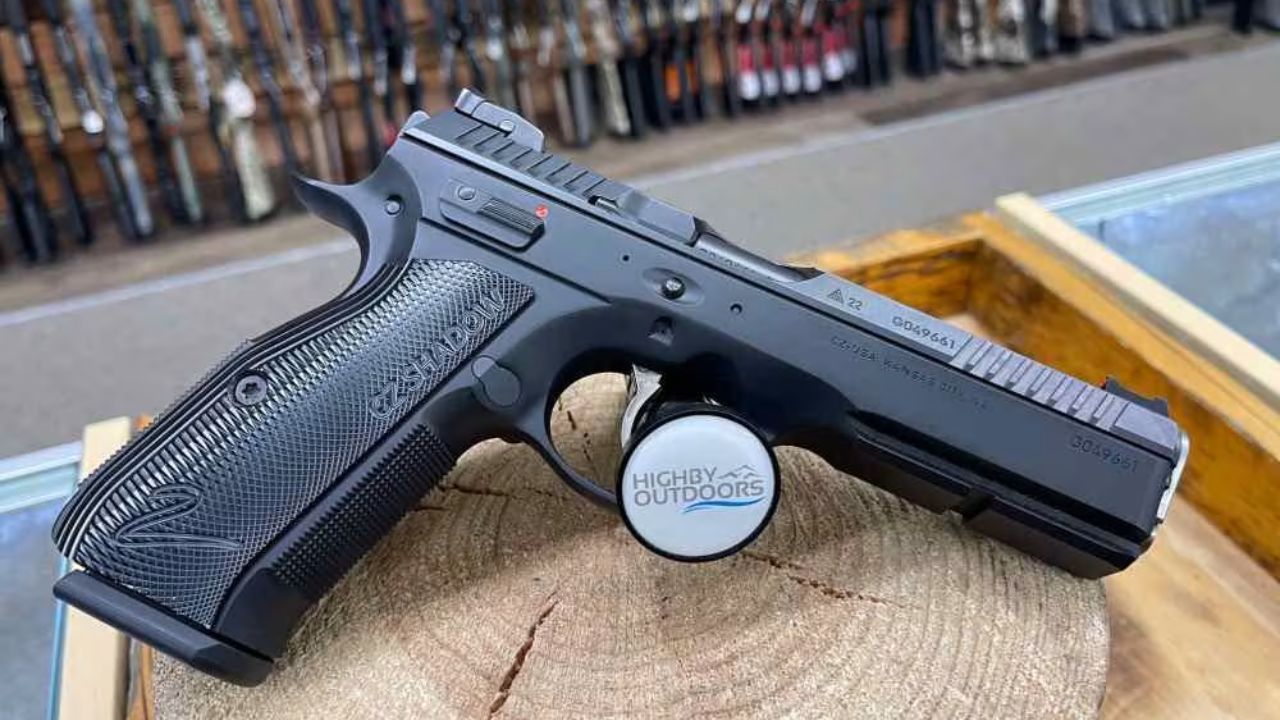
CZ metal guns are awesome shooters, and that’s why people run them hard in training and competition. The flip side is that high round counts can expose wear points—especially slide stops and small pins that take real mechanical stress. When one of those goes, it feels like the gun betrayed you… but it’s usually just a part that hit its service life.
If you shoot a CZ a lot, don’t wait for a part to break before you learn what it is and where it lives. Keep a spare slide stop if your round counts are high, and inspect the gun during cleaning like you mean it. This isn’t about babying the pistol—it’s about being realistic. The guys who say their CZs “never break” are often the same guys who don’t shoot 10k rounds a year.
CZ P-10 C (small spring and control part wear)
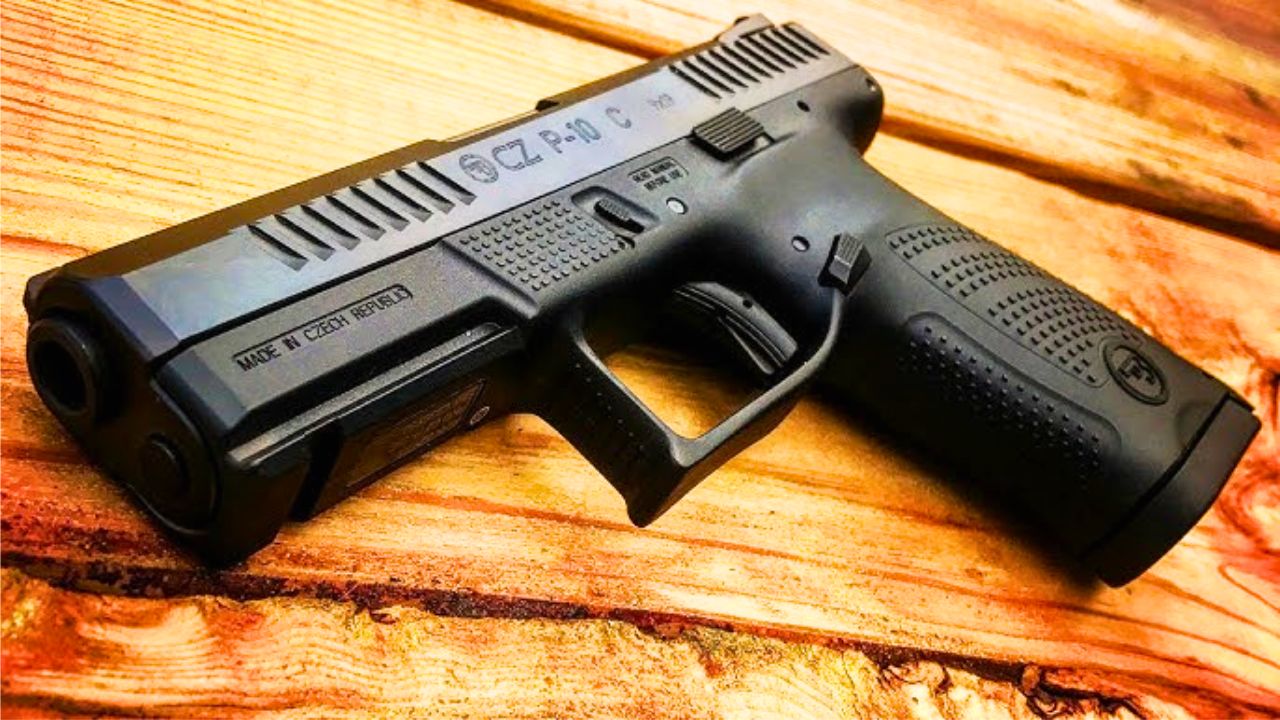
The P-10 C is a strong design, but like any striker gun, it has small springs and control parts that can wear if you train hard. A lot of shooters treat striker pistols like they’re maintenance-free. They aren’t. If something small starts losing tension, you can see inconsistent reset, occasional failures to lock back, or changes in ejection that show up slowly.
If you rely on a P-10 C, keep the gun properly lubed, replace recoil springs when needed, and pay attention to the behavior of the controls over time. This is also a platform where cheap aftermarket parts can create new problems. The goal isn’t to chase a “better” trigger feel at the cost of reliability. Keep it simple, keep it clean, and replace wear parts before they turn a normal range day into a troubleshooting session.
HK VP9 (springs and small internals under high use)
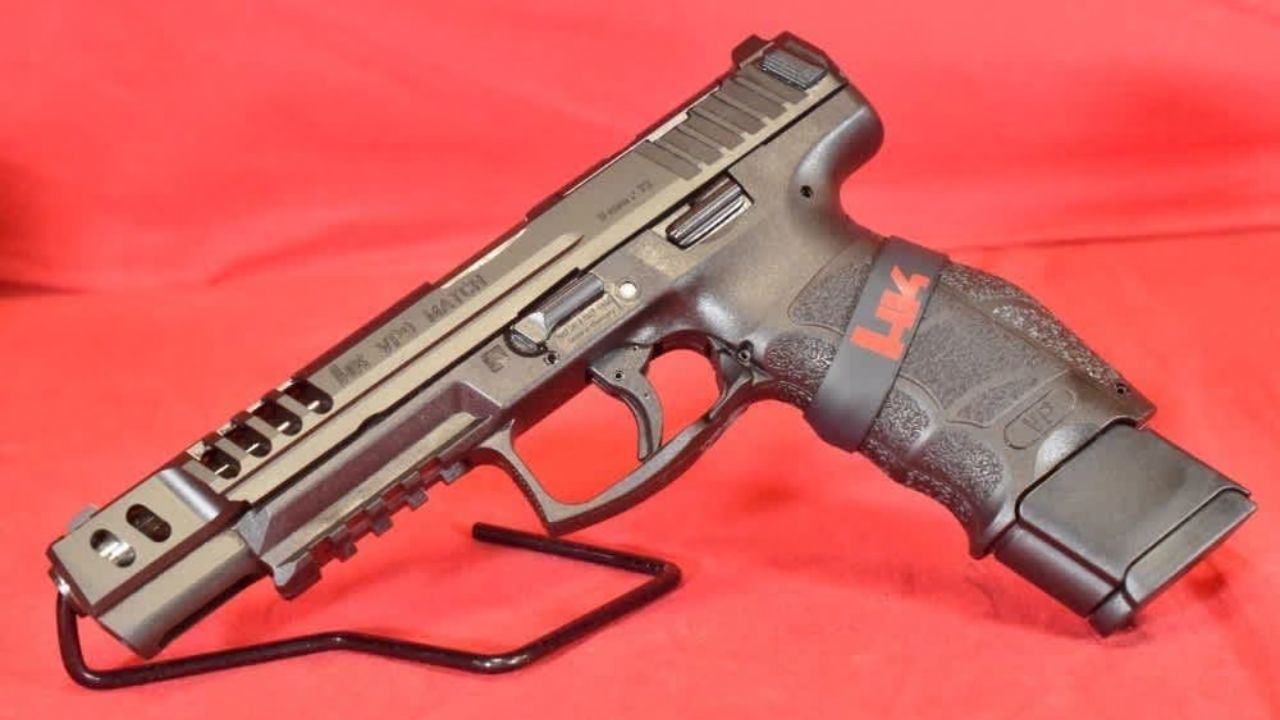
VP9s are generally tough pistols, but no gun is immune to spring fatigue and small internal wear if you train a lot. The VP9 has a reputation for running, which makes people complacent—and then when a small part finally starts to get tired, they act shocked. Changes can show up as small reliability hiccups, sluggish cycling with lighter ammo, or a trigger feel that slowly shifts.
The way to stay ahead of it is the same rule as every serious-use pistol: keep it lubed, keep it inspected, and don’t ignore behavior changes. If you shoot a VP9 heavily, keep track of round counts and replace recoil springs proactively. Also, don’t treat magazine maintenance like an afterthought. A lot of “mystery issues” come from mags that are tired, dirty, or beat up.
Walther PDP / PPQ (recoil system + small spring wear over time)

The PDP/PPQ family shoots flat and fast for a lot of people, and that means it ends up getting used hard. When a gun gets used hard, small parts and springs become the main story. Over time, recoil springs, extractor-related springing, and magazine springs can start to change how the gun behaves. It’s rarely dramatic. It’s just enough to make you wonder why it isn’t as consistent as it used to be.
If you’re running a PDP as a do-it-all pistol, set it up for reliability first. Keep the recoil system healthy, don’t neglect mags, and keep the gun lubricated in the right places. If you swap parts, do it with a purpose and use quality components. These guns can be extremely dependable, but the guys who get the best results are the ones who treat maintenance like part of the deal.
Canik TP9 series (small springing + striker system wear)

Caniks can be a lot of pistol for the money, and plenty of them run great. But when they do have issues, it’s often the little stuff: springing, striker-related parts, or small tolerance stacking that shows up under heavy use. That’s not a “Canik thing” so much as it is a reality of high-volume shooting—especially if the owner starts tinkering with springs and parts chasing a lighter trigger.
If you run a TP9 hard, keep it clean, lube it properly, and be careful about mixing random aftermarket spring kits. If you start seeing light strikes or inconsistent ignition, don’t brush it off. Diagnose it and fix it early. A carry or training pistol has to be boring. If it’s doing something weird, it’s telling you something. Listen before it turns into a failure at the worst possible time.
Like The Avid Outdoorsman’s content? Be sure to follow us.
Here’s more from us: