Photo credit: Springfield Armory
Extractor springs don’t get talked about until they start causing problems. Then suddenly you’re chasing weird ejection patterns, stovepipes, failures to extract, and brass dribbling at your feet like the gun forgot how to run. Extractor springs are wear items on any pistol, but some platforms seem to chew through them sooner—usually because the slide cycle is fast, the spring is small, the design relies heavily on spring tension, or the gun gets run hard with hot ammo and little maintenance. Micro pistols can be the worst offenders because everything is compact and working harder.
The point here isn’t to trash guns. It’s to be realistic. If you run high round counts, you should know which pistols tend to want extractor spring attention earlier so you can keep them reliable.
SIG Sauer P365

The P365 is a strong carry pistol, but it’s a micro gun that runs a fast cycle. Fast cycle + small parts means wear shows up sooner than it would on a larger duty pistol. On some high-round-count P365s, extractor tension can drift, and that’s when you start seeing ejection change or intermittent extraction issues. It’s not always catastrophic. Often it’s subtle at first—brass starts going in a weird direction, or you’ll get a random failure that shouldn’t be happening.
The fix is treating it like a serious carry gun and maintaining it like one. If you shoot it a lot, keep track of round count, don’t let it run bone-dry, and don’t ignore changes in ejection. If you start seeing weird behavior, replace the spring before it becomes a bigger issue. Micro pistols can be unbelievably reliable, but they don’t like being neglected.
Springfield Hellcat
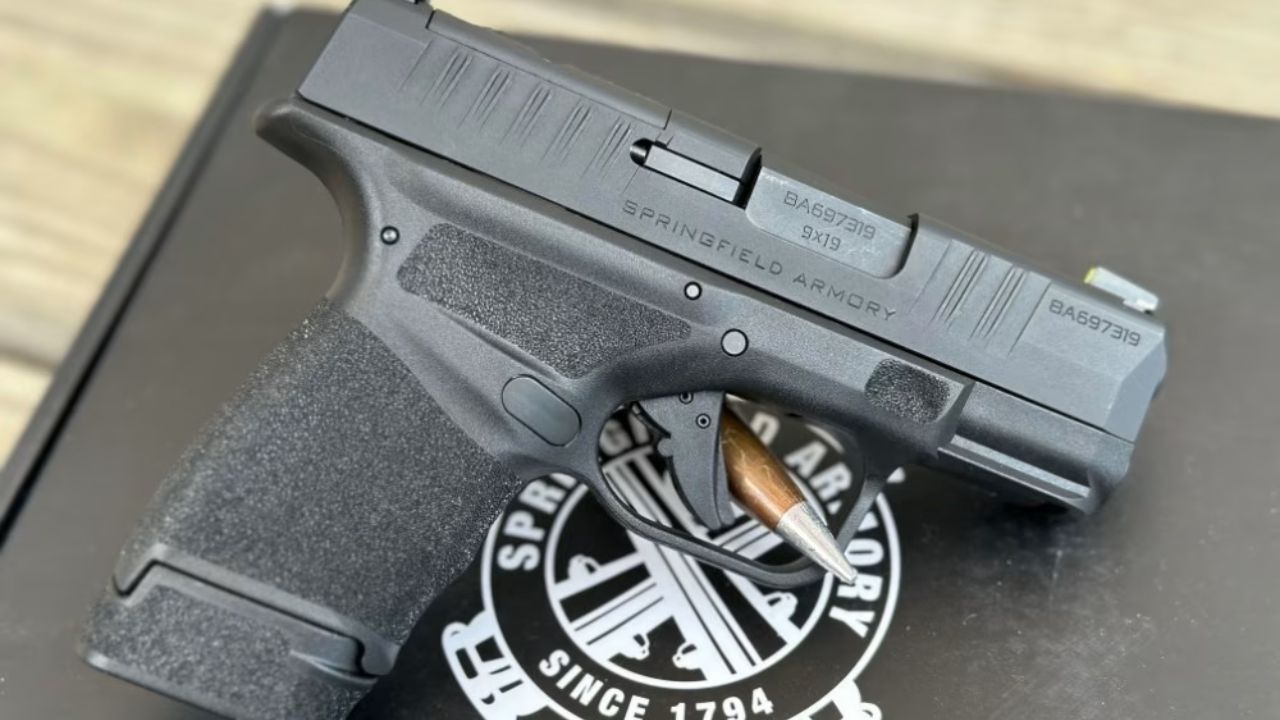
The Hellcat is another micro pistol that gets shot hard by people who actually train. Like the P365, it has small components doing big work at high speed. Extractor systems in this size category can become more sensitive when springs are tired or the gun is dry and dirty. If you start seeing erratic ejection or occasional failures to extract, don’t just blame ammo—look at the extractor system.
A lot of shooters run these guns like duty pistols, which is great, but you need to treat wear items like wear items. Replace springs on a schedule if you’re a high-volume shooter. Also keep the extractor channel clean—crud in that area makes a tired spring feel even worse. The Hellcat can be a very dependable carry gun. The key is not pretending micro guns have full-size wear margins.
Glock 43
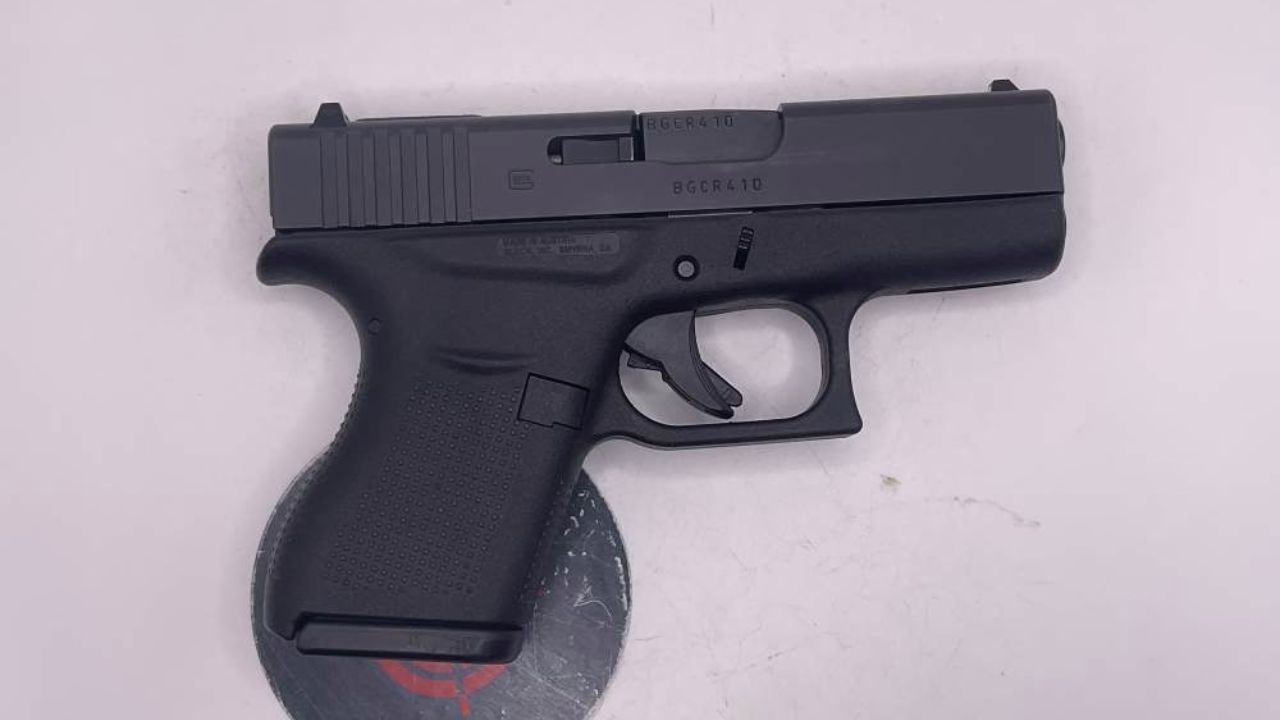
The Glock 43 usually has Glock-level reliability, but it’s still a slim, light pistol that gets run hard and carried harder. Smaller guns can show extractor sensitivity sooner than full-size models because the slide mass and recoil dynamics are different. If you’re running hotter loads or you’re shooting a lot of +P through a small gun, you’re accelerating wear on everything that deals with the extraction cycle.
You don’t see extractor spring failures on every G43, but you’ll see more “ejection got weird” complaints on small Glocks compared to larger ones when round counts climb. The smart move is preventative maintenance. If your ejection pattern suddenly changes or you’re getting random extraction hiccups, don’t guess. Swap in fresh parts and retest. That’s cheaper than trusting a gun that’s starting to show wear signs.
Glock 42
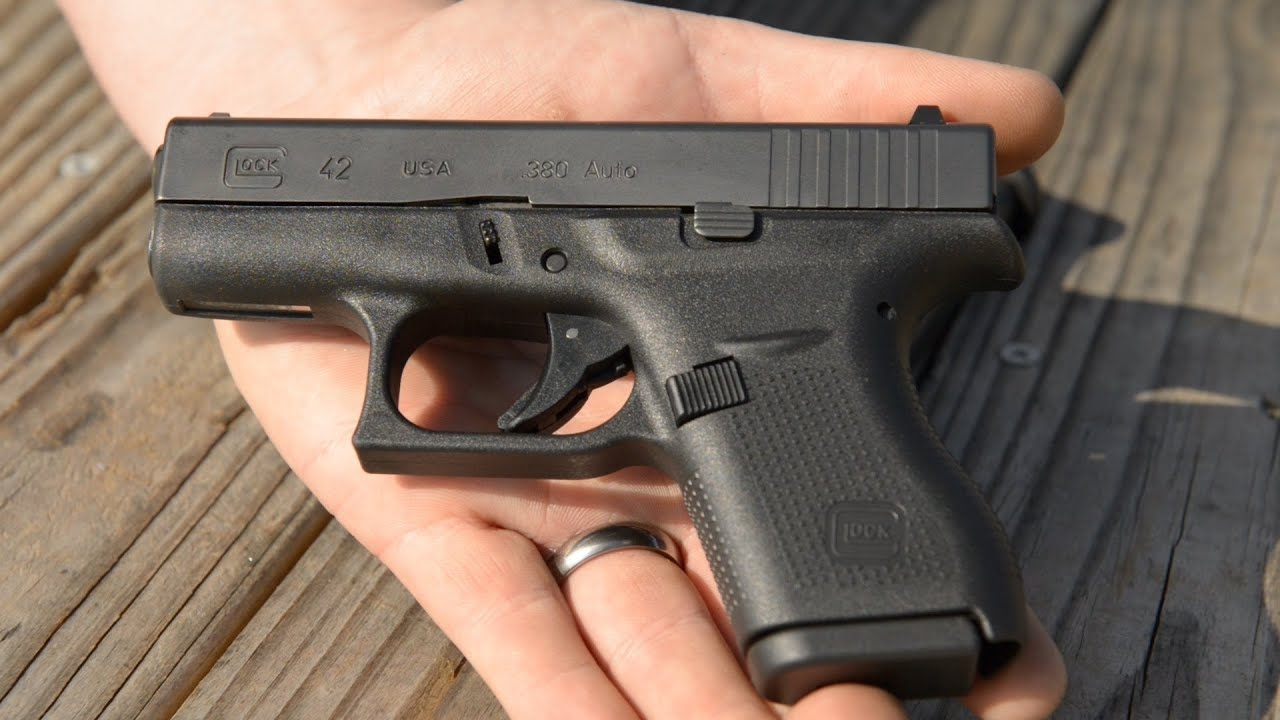
The G42 is soft shooting for its size, but .380 pistols can be picky when springs get tired, and extraction is part of that. If the extractor tension isn’t consistent, you’ll see it sooner in a small .380 because everything is happening on a shorter timeline. The gun can start getting stovepipes or weak ejection that looks like limp-wristing, even when the shooter is doing everything right.
A lot of G42s live in pockets and get exposed to lint and grime. That junk finds its way into places that matter, including around the extractor. If you carry one daily, you need to clean it more than a belt gun, and you need to be willing to replace small springs before they fail. Pocket pistols are great tools, but they demand more attention than people want to admit.
Smith & Wesson Shield (especially early generations with high use)

The Shield is a workhorse, but high mileage can show up in the extractor system like it does in any pistol. Shields that have been shot a lot can start showing changes in ejection or occasional extraction failures if springs and wear parts aren’t refreshed. Because so many Shields are carried daily and shot occasionally, the ones that do get trained hard are the ones where wear gets noticed.
The key with Shields is not ignoring early symptoms. If brass starts dribbling or ejection direction becomes random, don’t keep shooting it hoping it “goes away.” That’s usually a sign that tension is changing somewhere. Replace the extractor spring and evaluate. Also make sure the gun is properly lubricated and the extractor area is clean. A dirty extractor channel makes a tired spring act worse than it really is.
Ruger LCP Max
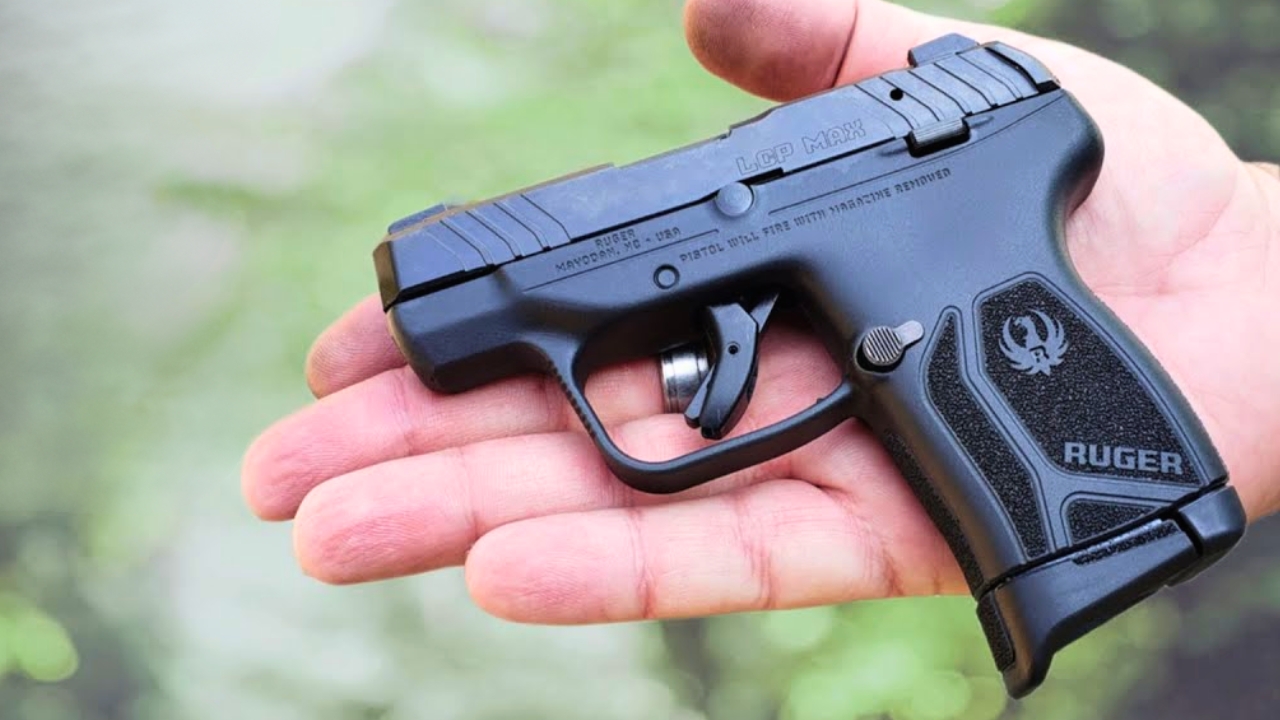
Small .380s like the LCP Max have tiny extractors and tiny springs doing constant work in a system that gets dirty fast. If you shoot one a lot, it’s not crazy to see extractor-tension issues sooner than you would in a compact 9mm. Pocket carry also adds lint and grit, which can gum up the extractor area and add friction right where you don’t want it.
When the extractor spring gets tired on these little guns, the symptoms can look like ammo sensitivity. One load runs, another doesn’t. Or it’ll run for 100 rounds and then start acting up. That’s why I like preventative maintenance on pocket pistols. If it’s your daily carry and you actually practice with it, plan to replace springs before you “need” to. It keeps the gun boring—and boring is what you want.
Ruger LC9s / EC9s
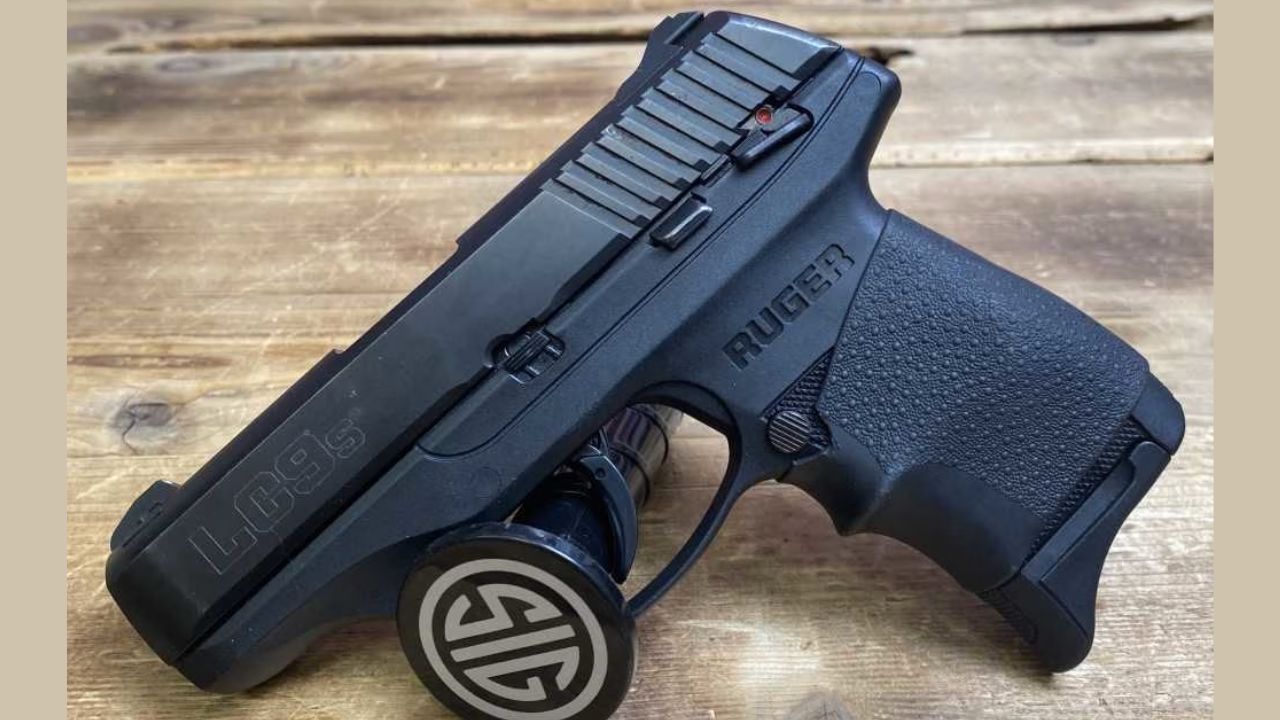
The LC9s/EC9s line is a classic “carry a lot, shoot a bit” pistol for many people. When someone actually trains with it heavily, that’s when little wear items start showing. Extractor springs and extractor tension issues can pop up as the gun gets dirty and dry, especially if the shooter runs a lot of cheap range ammo and doesn’t clean frequently.
The good news is that most of these issues are fixable with basic maintenance and spring replacement. The bad news is people often ignore the early warning signs and keep shooting until reliability drops enough that they no longer trust the pistol. If you carry one and you’re serious about it, keep track of round count and don’t be afraid to replace the extractor spring as cheap insurance.
Kahr PM9 / CM9

Kahrs can be reliable, but they also tend to be more sensitive to maintenance and parts condition than mainstream striker guns. If extractor tension changes, you’ll usually see it in ejection behavior first. Because these pistols are small and the spring system is doing a lot of work, worn springs show themselves sooner when the gun is run hard.
Kahr owners who never have issues are usually the guys who keep the gun clean, keep it lubricated, and use magazines and ammo the gun likes. The owners who run into problems often treat it like a Glock: shoot it dirty, run it dry, and assume it’ll just shrug off everything. Some will. Some won’t. If your Kahr is a carry gun, treat extractor springs as maintenance items, not surprises.
SIG Sauer P238
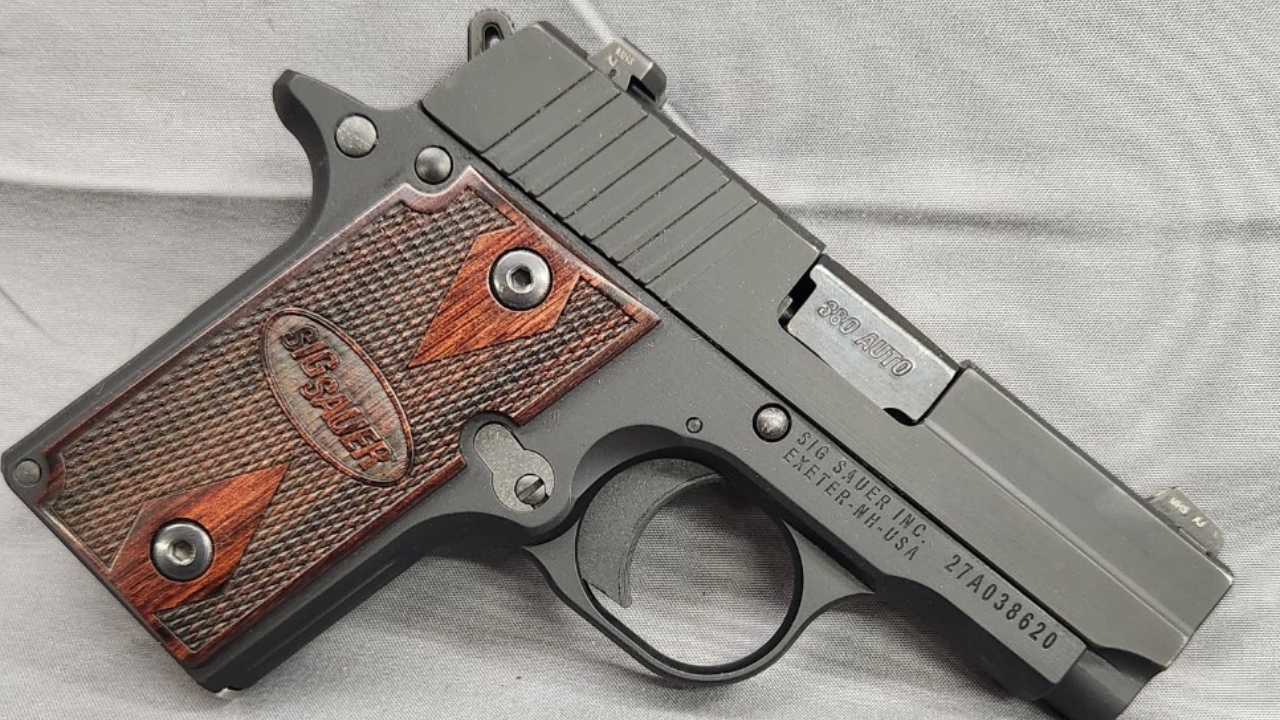
Small .380s like the P238 can be reliable, but they live in a world where spring condition matters more than people expect. If you shoot it a lot, extractor tension can become a factor, and the gun can start showing weak ejection or occasional extraction hiccups. It’s not always the extractor itself failing—it’s that the spring tension isn’t what it used to be, and the system has less margin.
Also, because these are often carried daily, lint and grime can build up and make the extractor system work harder. That accelerates wear and makes a tired spring show up sooner. If you carry a P238, clean it more than you think you need to, and if you shoot it often, plan to refresh springs on a schedule. A little preventative work goes a long way on small pistols.
Kimber Micro 9

Small 1911-style pistols can be great, but they can also be more maintenance sensitive, especially around extraction. Extractor tension on 1911-style designs matters a lot, and when you shrink the whole system down, the margin gets smaller. If the extractor spring/tension starts drifting, you’ll see it in failures to extract or inconsistent ejection.
Kimber Micros that are carried a lot and shot a lot can start showing these issues if you don’t keep up on wear items. This is one of those pistols where “it runs fine” can change quickly once a spring gets tired. If it’s a carry gun, you want boring reliability. That means clean the extractor channel, keep the gun lubricated, and don’t hesitate to replace small parts before they become big problems.
1911 Officer-size pistols (category)
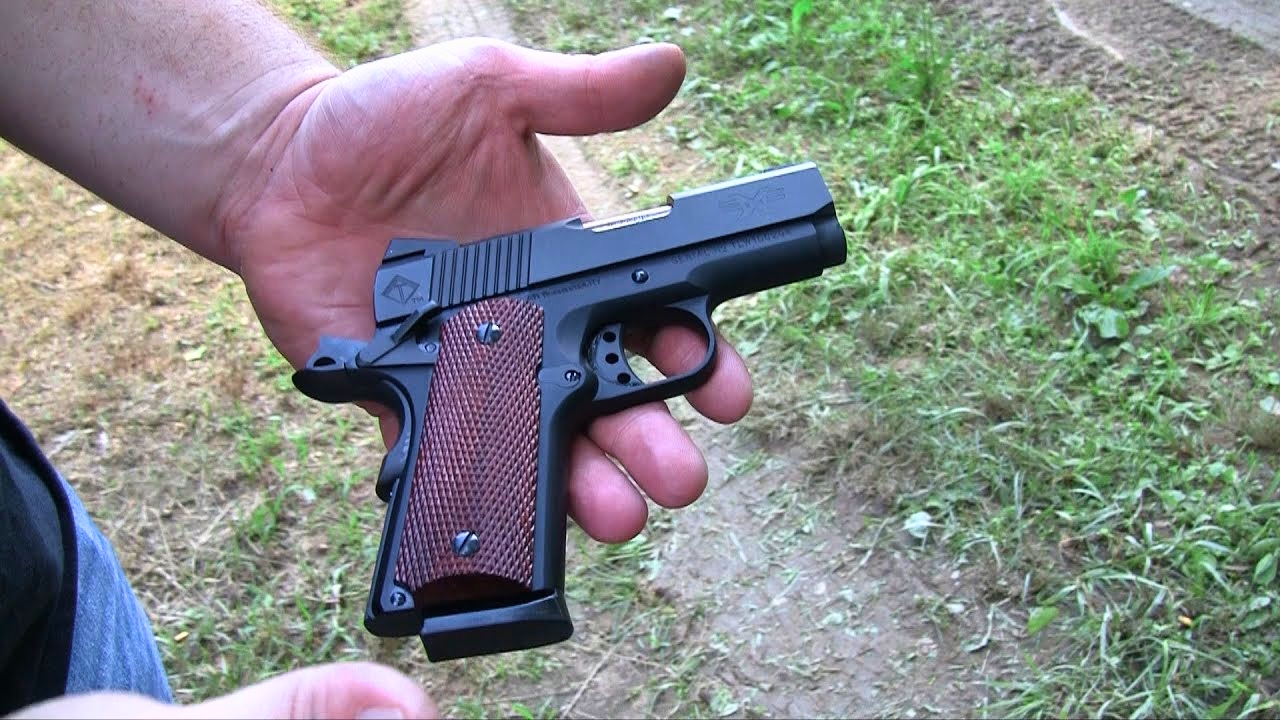
Short 1911s are notorious for being less forgiving than full-size 1911s. Timing is faster, springs work harder, and extraction can be more sensitive when everything is compacted. When the extractor system loses tension, you’ll see it fast—especially if you’re running hotter defensive ammo or the gun is dirty.
The best way to keep an Officer-size 1911 reliable is to treat it like a tuned machine. Use quality magazines, keep it clean, replace springs on a schedule, and don’t ignore changes in ejection. A full-size 1911 can be very forgiving. A short 1911 often isn’t. That doesn’t mean you can’t carry one. It means you need to be disciplined about maintenance if you want it to run like you trust it.
Walther PPS (single-stack wear sensitivity at high mileage)
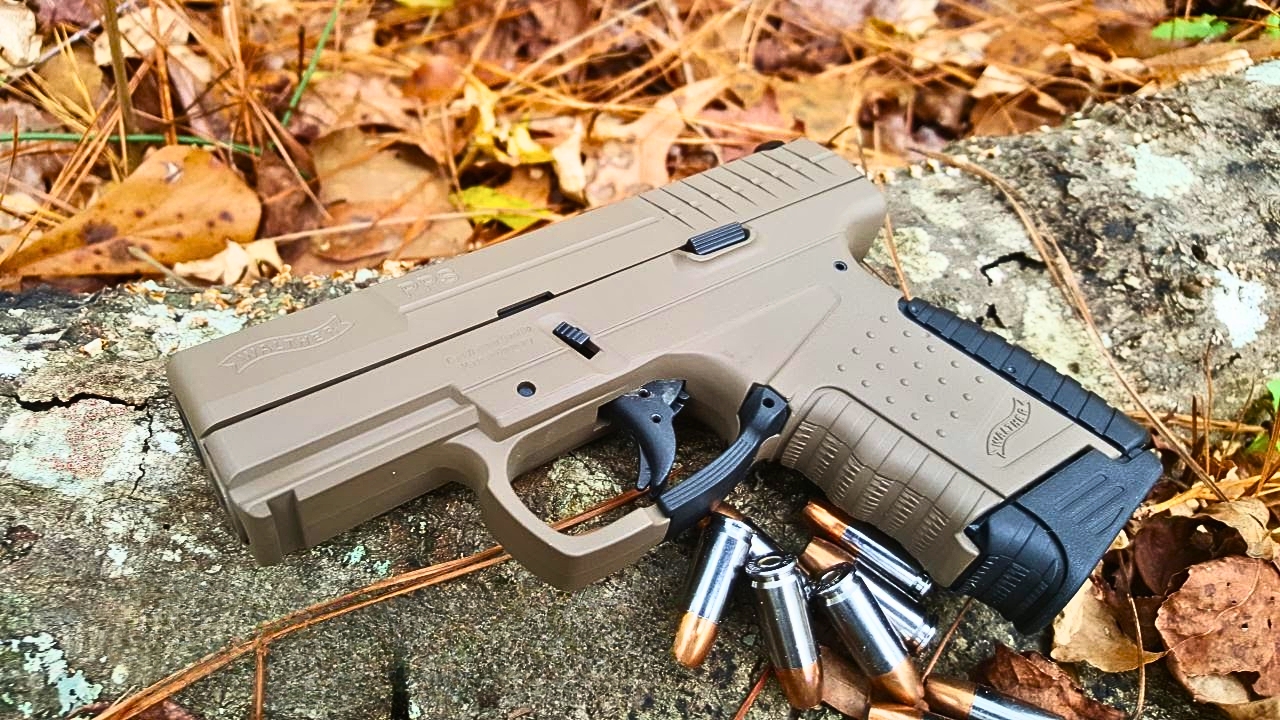
The PPS is generally reliable, but single-stack carry pistols can show spring-related sensitivity sooner at high round counts because the system has less mass and less “forgiveness” than a duty pistol. When extractor tension drops, you’ll see weaker ejection patterns and occasional extraction issues, especially if the pistol is dirty.
A lot of PPS guns are carried far more than they’re shot, so the high-mileage examples stand out. If you’re one of the guys who actually trains with it, take maintenance seriously. Clean the extractor area, keep the gun lightly lubricated, and if you notice ejection changes, don’t argue with it. Springs are cheap. Reliability isn’t.
CZ RAMI
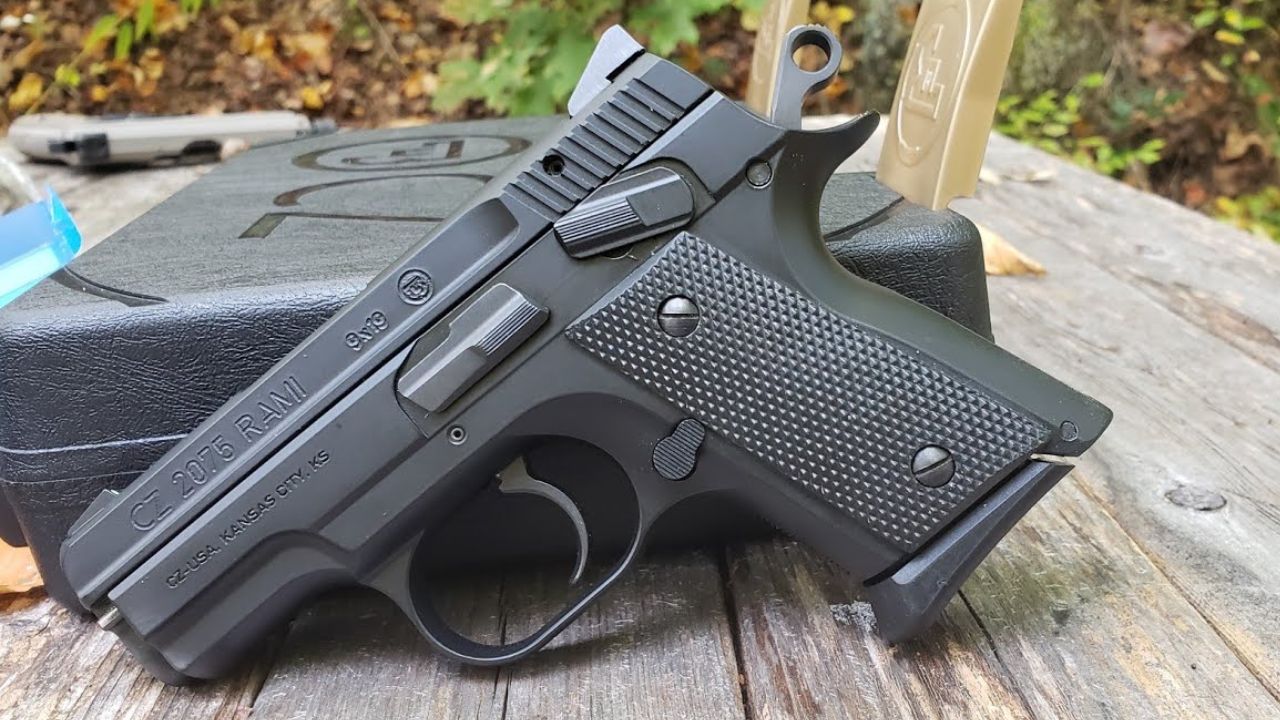
The RAMI is a great little pistol, but it’s another compact system where spring condition can matter more than people expect. If you shoot it hard over time, extractor tension issues can show up as odd ejection or intermittent extraction failures. Some of that can be ammo profile and power level, but a tired extractor spring can definitely turn a normally reliable pistol into a moody one.
The RAMI also often lives in mixed-mag setups, and inconsistent feeding can sometimes get confused with extraction issues. The answer is to diagnose carefully: test with known good mags, good ammo, and a clean gun. If the ejection still looks weak or inconsistent, refresh the extractor spring and retest. Small pistols don’t give you much warning once reliability starts slipping.
Beretta Nano

The Nano has a history of being a little more particular than the mainstream striker guns. If extractor tension starts dropping, you can see ejection issues show up sooner than expected—especially if the gun is dirty or under-lubed. Some owners never have problems. Others see the gun get finicky as round count climbs.
The important thing is to not “hope” your way through it. If the pistol is your carry gun, prove it. If extraction or ejection behavior changes, address it. Replace the spring, clean the extractor channel, and confirm function. The Nano can be a solid tool, but it’s not the pistol I’d pick if I wanted maximum parts margin and easiest long-term support.
FN Five-seveN

The Five-seveN is reliable in its lane, but it’s a high-velocity, unique system with specialized parts. When you run any unique platform hard, wear items matter more because you’re not always grabbing replacements off any shelf. If extractor tension changes or springs wear, you want to catch it early, not when the gun starts acting up during a session.
Also, because the platform is less common, many shooters don’t have a “known baseline” for what normal ejection looks like as the gun ages. They’ll attribute changes to ammo or magazines and miss the spring wear pattern. If you run a Five-seveN heavily, keep a spare parts kit and pay attention to extraction behavior. The gun can run great, but the logistics punish you if you ignore maintenance.
SIG Sauer P320 (hard use, dirty + dry shows spring sensitivity sooner)
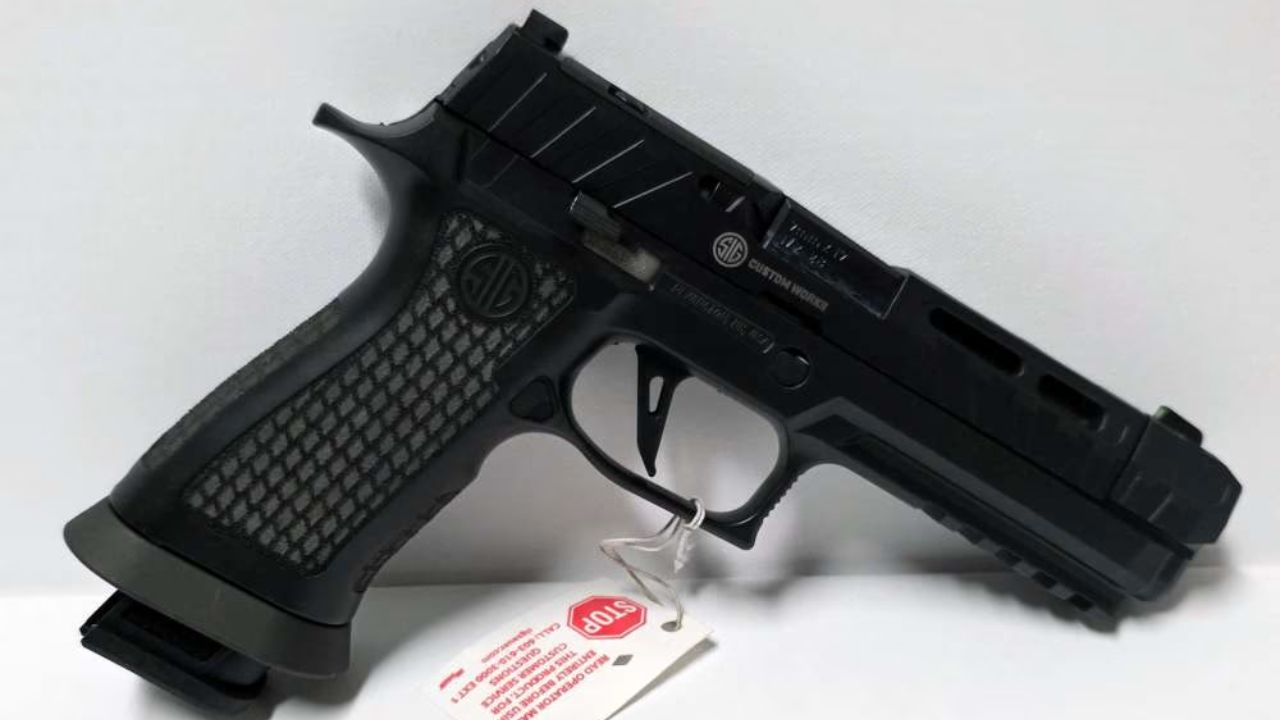
The P320 is widely used and generally solid, but under high round counts, any pistol can show spring wear—and the P320’s extractor system can start showing changes in ejection when it’s dirty and dry. Some shooters notice the brass pattern change long before there’s an actual failure. Others don’t notice until they get a random failure to extract and start blaming the ammo.
The P320 is a good example of why paying attention matters. If you train a lot, track your round count and maintain your gun like a tool. Clean it, lube it, and replace wear items before they fail. If you see ejection getting weak or inconsistent, don’t ignore it. Refresh springs and verify function. That keeps the gun reliable and keeps you out of the “mystery malfunction” loop.
Glock 19 (not common early, but shows up on very high-mileage guns)
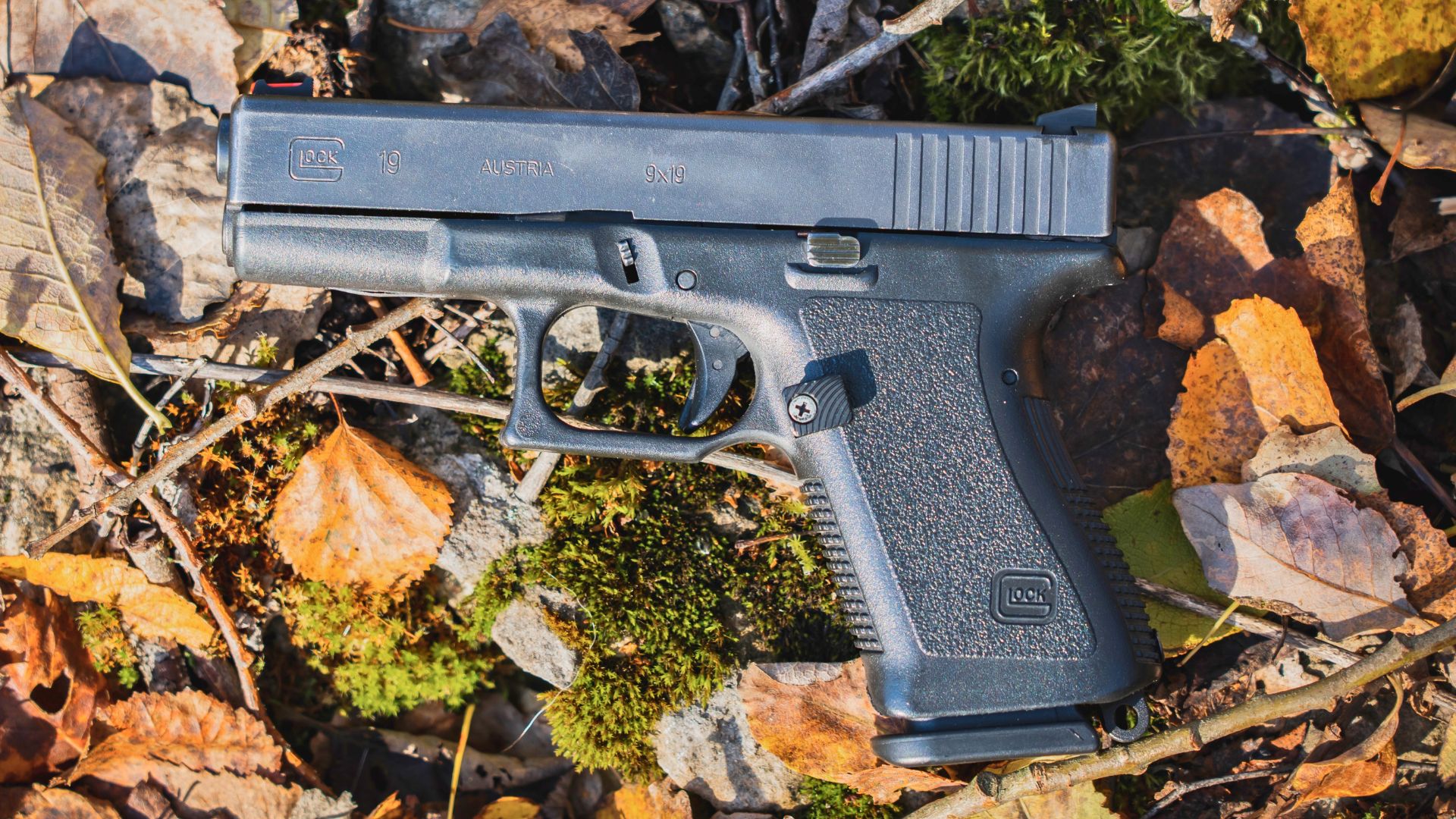
A Glock 19 doesn’t usually “eat” extractor springs early, but on very high-mileage guns, you will see extractor-related wear and spring changes like you will on anything that gets shot a ton. The reason it belongs here is because people assume Glocks are immune to wear. They’re not. They just usually give you a lot of margin before issues appear.
If you’re running a Glock 19 hard—classes, weekly training, big round counts—treat it like any other serious tool. Replace wear items on schedule, including springs that affect extraction. If your ejection pattern changes drastically, it’s telling you something. The Glock will forgive a lot, but it won’t forgive being ignored forever. Preventative maintenance is what keeps “legendary reliability” real.
Like The Avid Outdoorsman’s content? Subscribe to our newsletter so you never miss an article.
Here’s more from us: