Photo credit: Vladyslav Starozhylov/Shutterstock.com
Every shotgun is its own animal, and patterns change with ammo. But some shotguns seem extra sensitive: one brand patterns tight, the next throws flyers, and suddenly you’re not sure what your gun will do on a real target. That’s usually tied to choke geometry, forcing cone dimensions, bore variation, barrel quality, or just “this particular gun is picky” reality.
Here are 15 shotguns that commonly get labeled as “picky patterners,” especially in the hands of hunters who don’t want surprises.
Benelli Super Black Eagle 3

Benellis can be fantastic, but plenty of SBE owners learn that their gun has strong preferences. One shell will stack pellets, another will open up or throw odd holes. The inertia system isn’t the cause—this is more about barrel/choke behavior and how certain loads interact.
That’s why serious SBE hunters pattern obsessively. If you don’t, you can get surprised in the field and blame your aim when it was really the load.
Benelli M2

The M2 is another shotgun where owners often end up “finding the load.” Once you find it, you’re golden. Until then, patterns can feel inconsistent between brands, especially with certain chokes and certain shot sizes.
Homestead use and pest control are where this matters because you’re often shooting in low light at moving critters. If your pattern changes dramatically by shell, confidence suffers.
Benelli Nova

Novas are tough and common, and a lot of owners report that they’re pickier about loads than expected. One brand might give an even pattern, another gives weird gaps, and suddenly the shotgun feels unpredictable.
The Nova can be a workhorse. But if you’re expecting “all shells behave the same,” it can humble you quickly.
Benelli SuperNova

Same barrel family reputation as the Nova for many owners. Some SuperNovas shoot beautifully with certain loads and look mediocre with others. That’s not unusual, but the swings can feel bigger than on some other guns.
That’s why the guys who love them tend to stockpile the load their gun likes. The guys who don’t do that get frustrated.
Beretta A300 Ultima
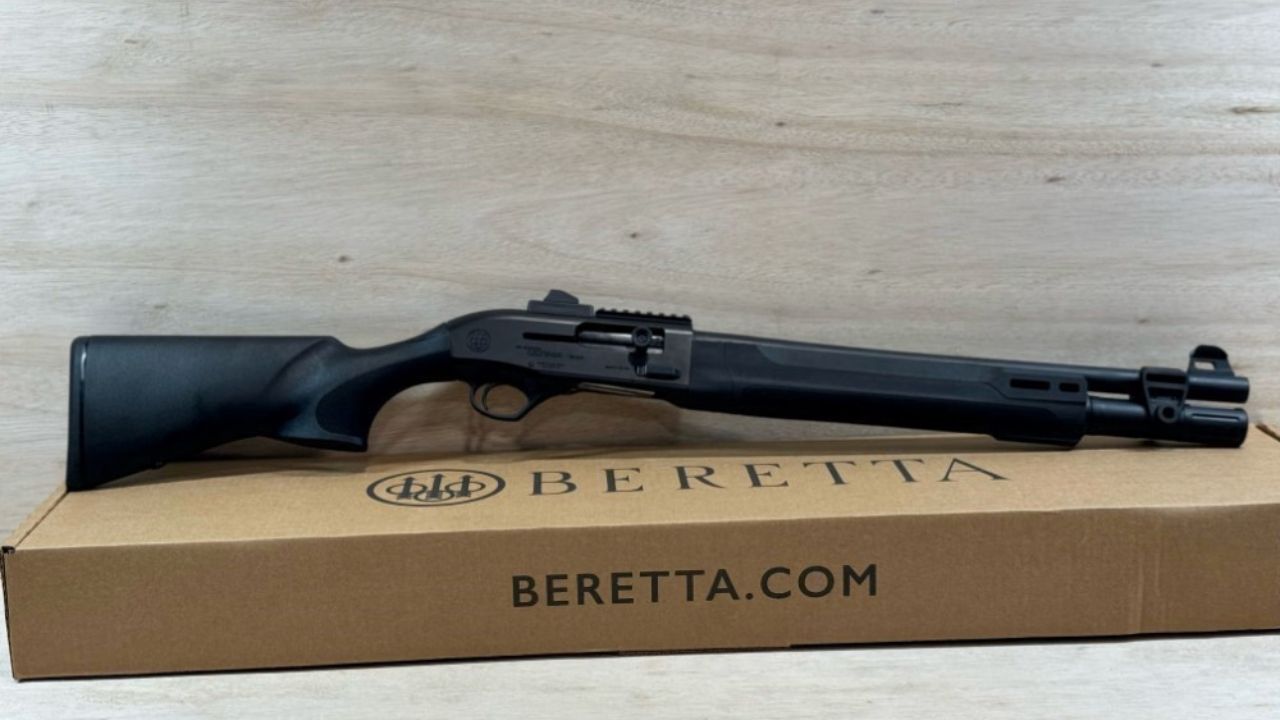
The A300 is generally solid, but some A300s are very load-sensitive for patterns—especially when people switch between cheap promo shells, mid-tier hunting loads, and premium loads and expect the same results.
You can get an A300 to pattern great. The lesson is you have to put in the time. The “surprise” is how different patterns can look across brands.
Beretta A400 Xtreme Plus

Even premium guns can be picky. A400 owners often pattern multiple loads because they’re chasing the best performance—and they notice big differences. The gun can shoot lights out, but it might not do it with the shells you grabbed last minute.
If you’re running a tight choke and heavy turkey loads, brand differences show up fast. That’s why A400 owners can become pattern nerds.
Mossberg 835 Ulti-Mag

The 835 is famous for turkey work, and it’s also famous for being picky. Some loads produce excellent patterns, others look like a bad sprinkler. The overbore design is part of why people buy it, and it’s also part of why it can react differently with different loads.
If you own an 835, patterning isn’t optional. If you skip it, you’re basically guessing.
Mossberg 930
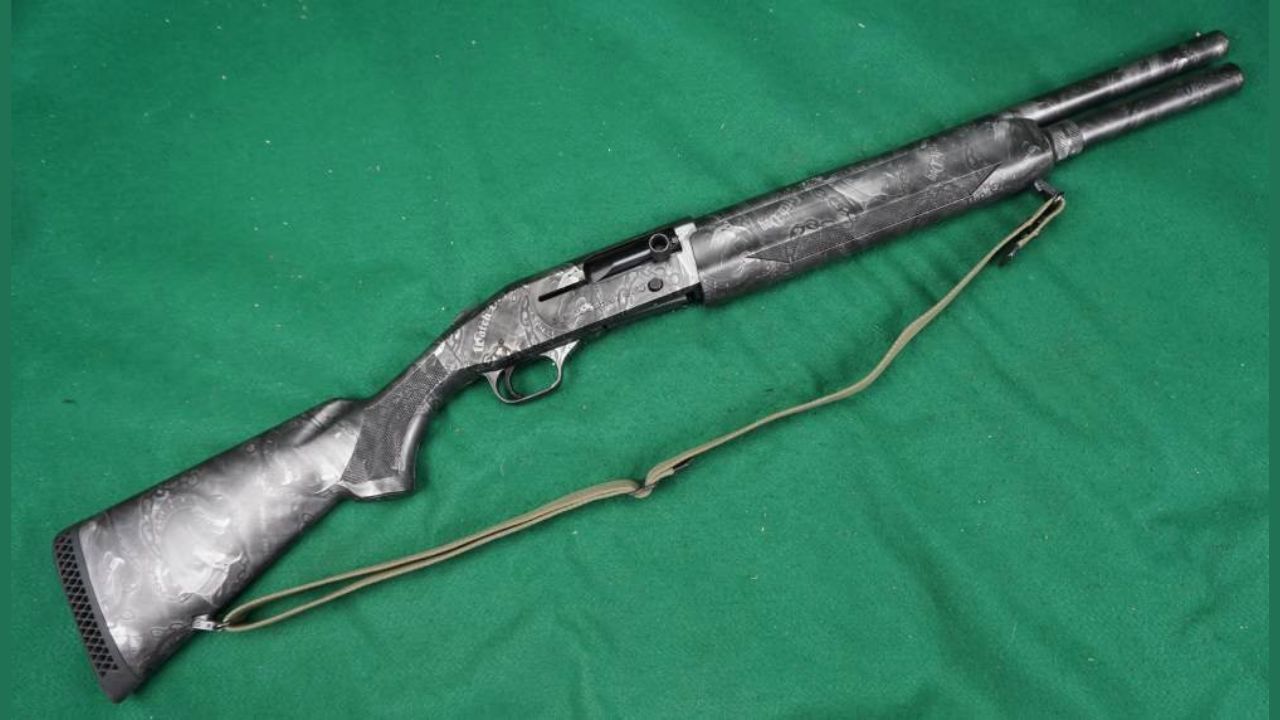
Semi-autos can be picky with patterns like anything else, and 930 owners often report noticeable differences across brands. Some of that is choke and barrel behavior, and some is just how certain loads perform in that gun.
The 930 can do great work, but it’s not always the “everything patterns the same” shotgun people assume they’re buying.
Mossberg 500 (various barrels/chokes)

The 500 is everywhere, and because it’s everywhere, you see a lot of variation. Different barrels, different chokes, different eras—some pattern beautifully, some look oddly inconsistent. If you grab random shells and expect consistency, you may be disappointed.
The 500 isn’t bad. It’s just a platform with huge variety, and variety means pattern behavior changes more than people expect.
Remington 870 (with random choke tubes)

Same issue: the 870 is common and people mix barrels and choke tubes from different sources. That’s how you get “my patterns are weird” stories. The gun itself can be consistent. The setup often isn’t.
If you want predictable patterns, use quality chokes and actually pattern the load you plan to use. A lot of 870 owners don’t.
Winchester SXP
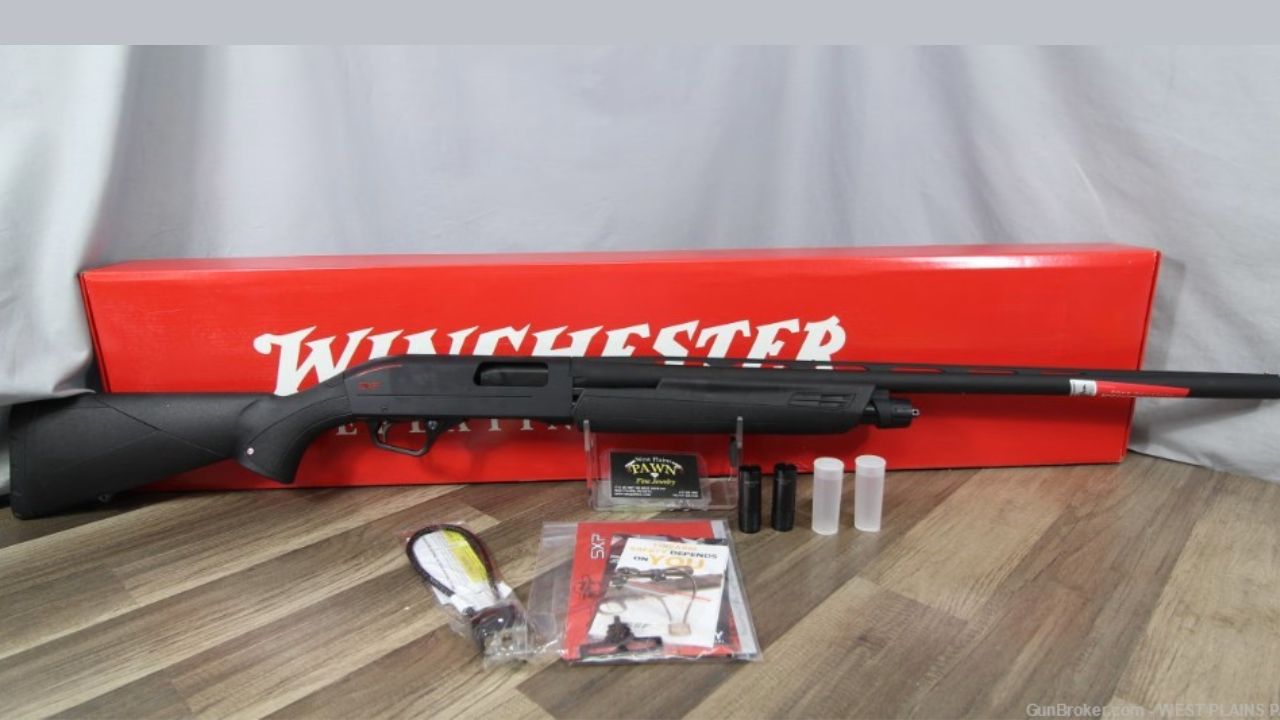
SXPs can be great, but plenty of owners notice different brands pattern differently enough to matter—especially with budget ammo. Some of that is just the ammo being inconsistent. Some is how that particular barrel likes certain loads.
It becomes a complaint because the SXP is often bought as a practical do-it-all shotgun. Do-it-all guns get fed whatever’s on sale, and whatever’s on sale doesn’t always pattern the same.
Stoeger M3500
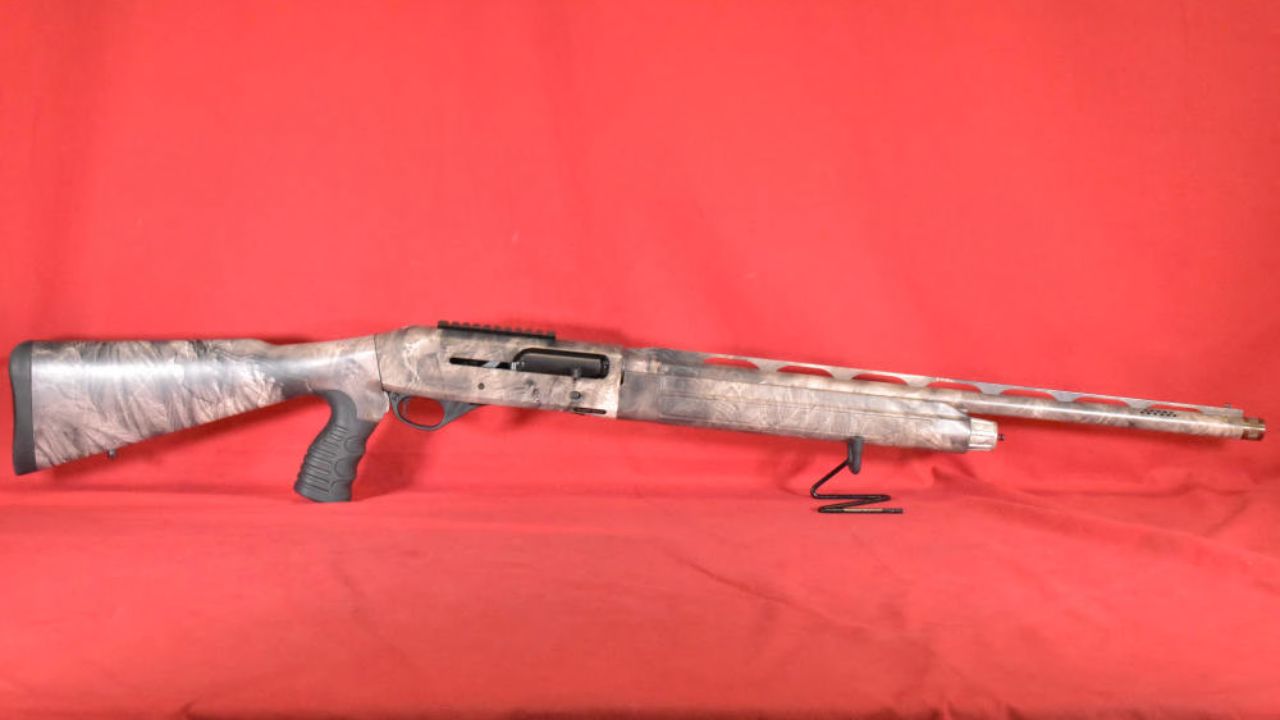
Stoegers can be solid work guns, but many owners report noticeable pattern shifts between brands. When you’re running 3.5″ loads, small differences can look big on paper.
A lot of M3500 owners settle into “this is my shell” mode. The ones who keep swapping shells keep wondering why their patterns look different every weekend.
TriStar Viper G2
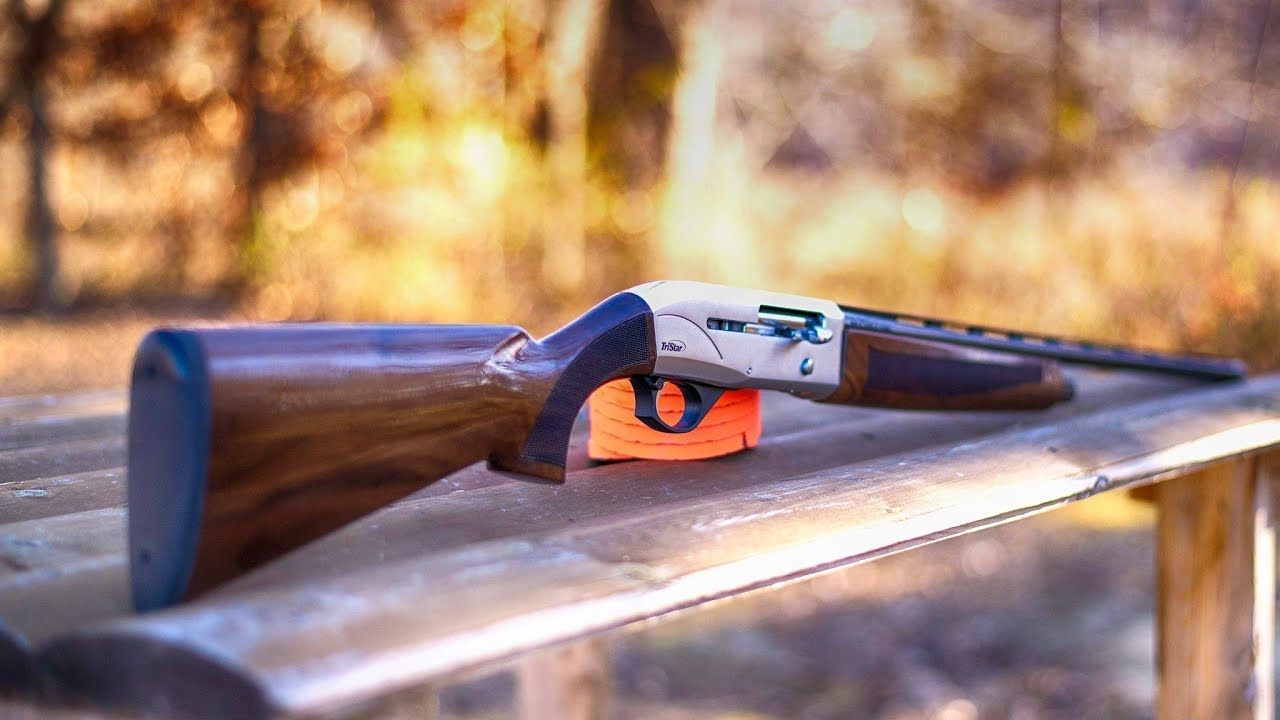
Value semi-autos can be more variable across individual barrels, and the Viper G2 has enough spread in owner experience that “picky with loads” is a common theme. Some pattern great with certain loads and not others, leading to that constant search.
It can be a strong budget option. Just don’t expect it to love every shell you feed it.
Franchi Affinity 3

The Affinity is well-liked, but pattern behavior still varies by load, and many Affinity owners notice strong preferences—especially when chasing tight waterfowl patterns. One brand will look awesome, another will open up.
That’s why experienced Affinity owners don’t just buy any ammo. They buy the ammo their gun proved it likes.
Browning BPS

The BPS can be a great shotgun, but many owners still see pattern sensitivity depending on barrel and choke setup. A lot of BPS guns get used across multiple roles—birds, pests, deer—and that means lots of ammo switching.
When you switch roles and shells constantly, you notice the differences more. The BPS ends up with a “picky” label because it gets asked to do everything.
Like The Avid Outdoorsman’s content? Subscribe to our newsletter so you never miss an article.
Here’s more from us: