
Some pistols just beat you up in ways that don’t help you shoot better. I’m not talking about “it’s a small gun so it recoils.” I’m talking about designs and setups that chew your support hand, smash your knuckles, pinch skin, rub raw spots, or make your off-hand take the abuse because of sharp edges, bad geometry, or controls that sit exactly where your support-hand thumb wants to live.
If a pistol makes your support hand hate you, it usually kills practice time too. And that’s how you end up carrying something you don’t actually train with.
SIG Sauer P938

The P938 feels like a classy little carry gun, but a lot of shooters learn fast that small 1911-style pistols can punish hands. The beavertail/hammer area and the way the gun sits in the web of your hand can create “hot spots,” and the small grip can force your support hand into less-than-ideal placement. Once recoil starts cycling fast, those hot spots turn into real pain.
The bigger issue is that when a gun hurts, people change their grip without realizing it. They loosen up, they shift thumbs, they stop driving the gun. That’s when performance drops. Some people run P938s just fine. But plenty of folks realize the gun is more comfortable to carry than it is to shoot, and the support hand is usually the first thing to complain.
Kimber Micro 9

The Micro 9 is another “looks perfect, feels premium” pistol that can punish the support hand once you start running it. The grip is short, the gun moves more in recoil, and the edges and controls can sit in exactly the wrong spot for how many modern shooters grip pistols—thumbs-forward, high on the frame. When your support hand is trying to clamp the gun, small sharp points start digging.
With tiny guns, everything is compressed. Your support hand has less real estate, so any edge matters more. A Micro 9 can be accurate and reliable for some owners, but a lot of people don’t enjoy shooting it for volume. And when your support hand is sore after a few magazines, you’re not building skill—you’re building avoidance.
Walther PPK
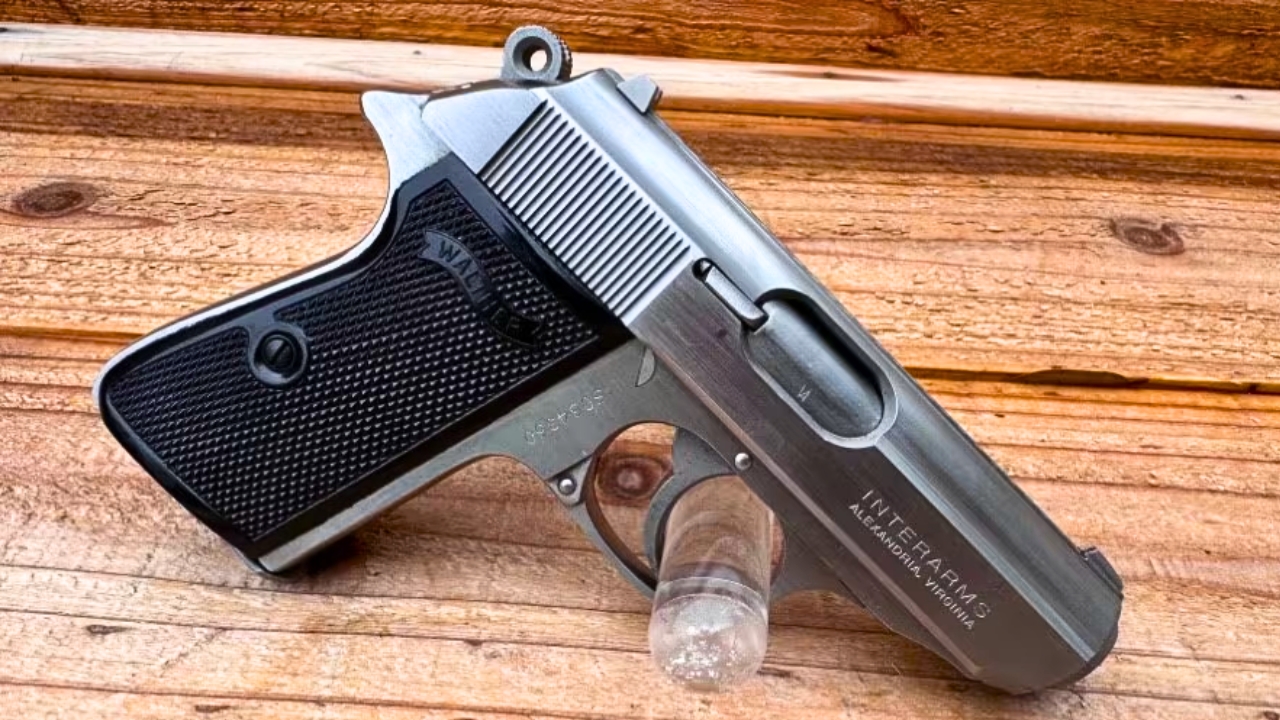
The PPK is famous for punishing hands, and not just the firing hand. Blowback pistols in .380 have a recoil impulse that can feel sharp and “slappy,” and the grip shape plus the way the gun cycles can make the support hand feel like it’s getting smacked rather than controlled. Then add small grips and tight hand placement and you get discomfort fast.
Support-hand pain often comes from trying to control a gun that doesn’t want to be controlled the way modern shooters grip. People clamp down harder, and that turns small contact points into pressure points. The PPK can be a cool carry piece, but it’s one of those guns that looks great in the store and makes your hands regret it on the line.
Springfield XD-S .45

Small .45s are rough on hands, and the XD-S .45 is a prime example. The recoil impulse is sharp, the gun moves a lot, and your support hand ends up doing extra work trying to keep the pistol flat. That extra work turns into pain quickly, especially if you’re running it with any speed or shooting more than a couple boxes.
What makes it worse is that shooters often try to “muscle” the gun instead of letting technique do the job. You end up death-gripping it, your support hand starts taking the hit, and now you’re sore and slower. A lot of people buy the XD-S .45 because it sounds smart—power in a slim package—then they realize their support hand can’t stand long practice sessions. That’s a training problem, not a bragging right.
Glock 27
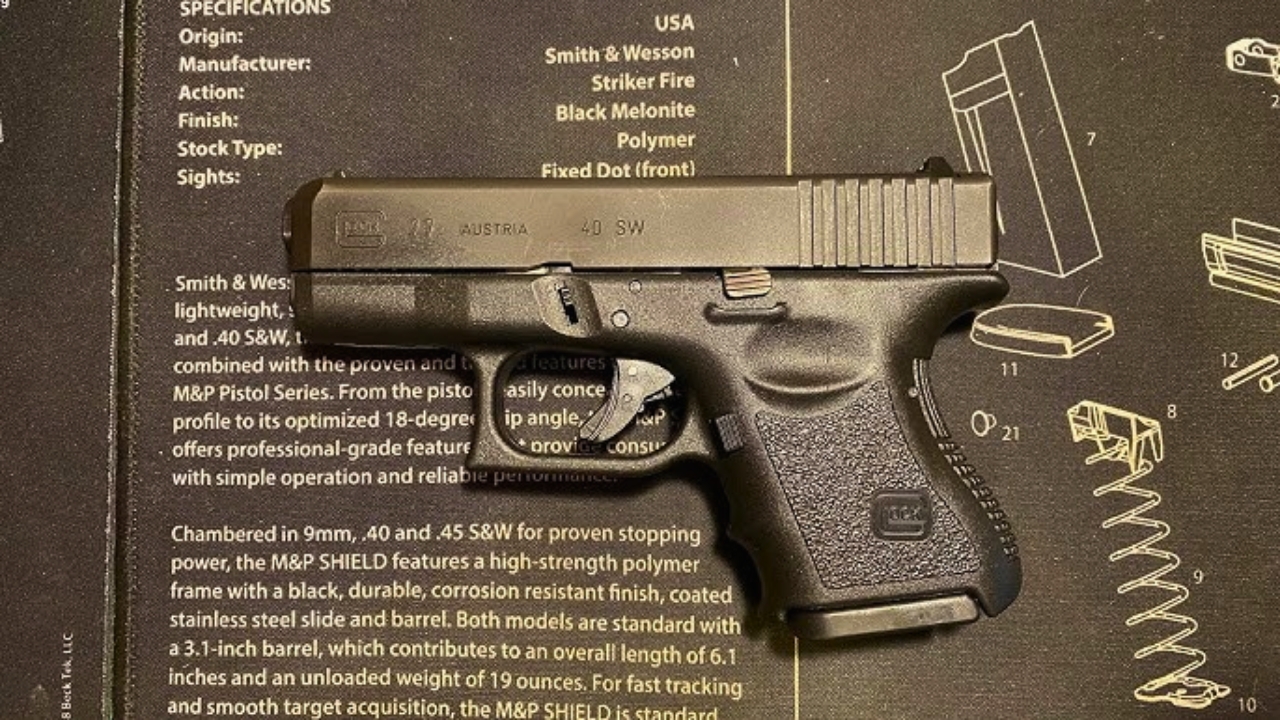
The G27 is one of those pistols that makes the support hand work overtime. The .40 impulse in a subcompact is quick and snappy, and if you shoot modern thumbs-forward, your support-hand thumb and palm are often right where the gun wants to torque. Some shooters end up with soreness along the base of the support thumb because they’re fighting the gun instead of controlling it.
It’s not that it can’t be shot well. It can. But for many shooters, it’s not worth the wear and tear. You can take the same holster concept and carry a 9mm that’s easier on the hands, easier to shoot fast, and easier to practice with. When a gun makes your support hand hurt, most people just stop shooting it. That’s why a lot of G27s end up traded.
Glock 43 (flush mag setups)
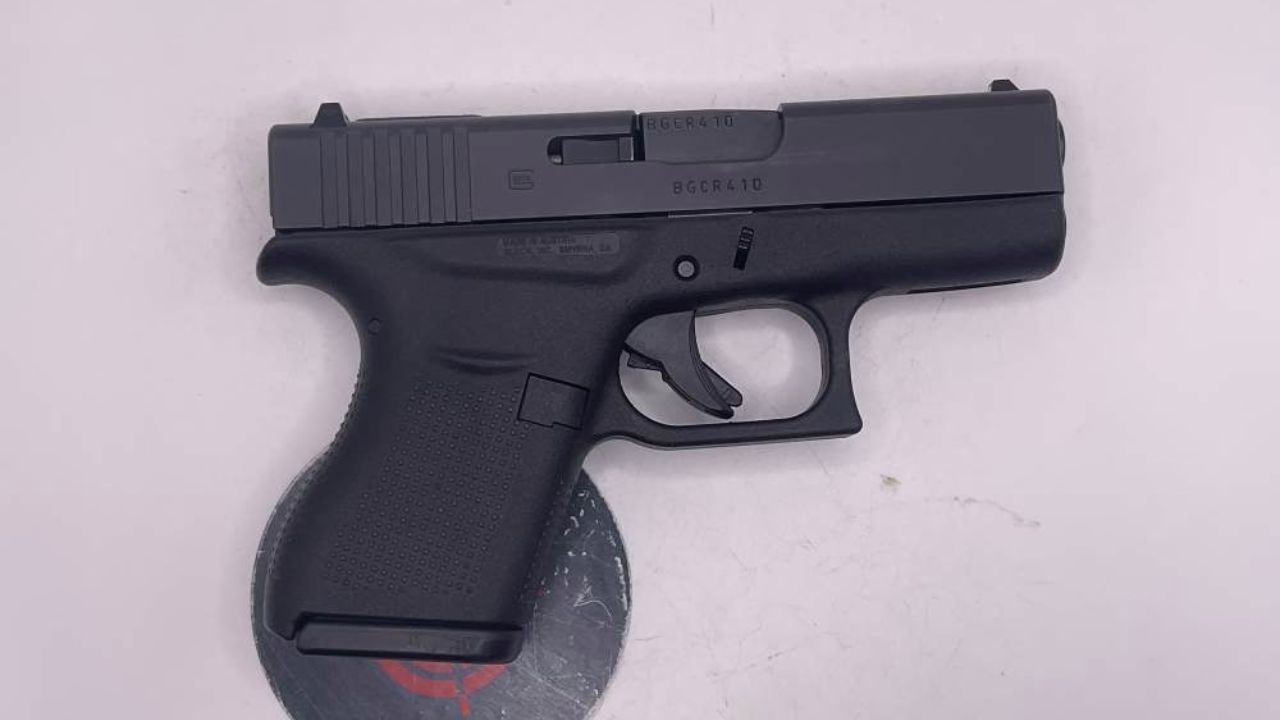
The G43 is solid, but with flush mags the grip is short, and a short grip often means your support hand ends up trying to “find” somewhere to go. That can lead to pinching at the bottom edge, pressure points along the frame, and your support hand creeping into awkward positions just to get leverage. Under recoil, awkward positions hurt.
Add hot ammo or fast shooting and the support hand pays the price. The fix is usually simple—better grip technique, a mag extension that fits your hand, or moving to a slightly larger pistol. But the reason it belongs here is that a lot of shooters pick up a G43 in the store and love it… then realize the support hand hates it once they run drills instead of slow fire.
SIG Sauer P365 (flush mags)

Same story as the G43: flush mag micro 9s often punish hands because the grip is short and the gun moves. The P365 is a great design, but when you’re trying to keep it flat and fast, your support hand clamps harder and the small grip area concentrates pressure. The base of the palm and the support thumb area can get sore fast.
A lot of shooters fix this with an XL grip module, slightly longer mags, or just better technique. But you still see plenty of people buy the standard P365, shoot it for a couple weeks, then move to a bigger grip because their hands get beat up during practice. Carry comfort matters, but “can I train with it” matters more.
Springfield Hellcat (short grip + aggressive texture)

Hellcats can feel great in the store, but that aggressive texture can be a double-edged sword. It locks into your hands, which is good, but it can also rub raw spots—especially on the support hand where most people apply pressure. Add recoil and sweat and suddenly that texture feels like sandpaper.
Some folks love that, because it keeps the gun planted. Others end up taping spots, wearing gloves in classes, or switching guns. This isn’t about being soft. It’s about reality: if the gun tears up your hands, you’re less likely to practice. There’s a reason people talk about “hot spots” with aggressive textures—your support hand is the one doing most of the clamping.
Ruger LCP Max
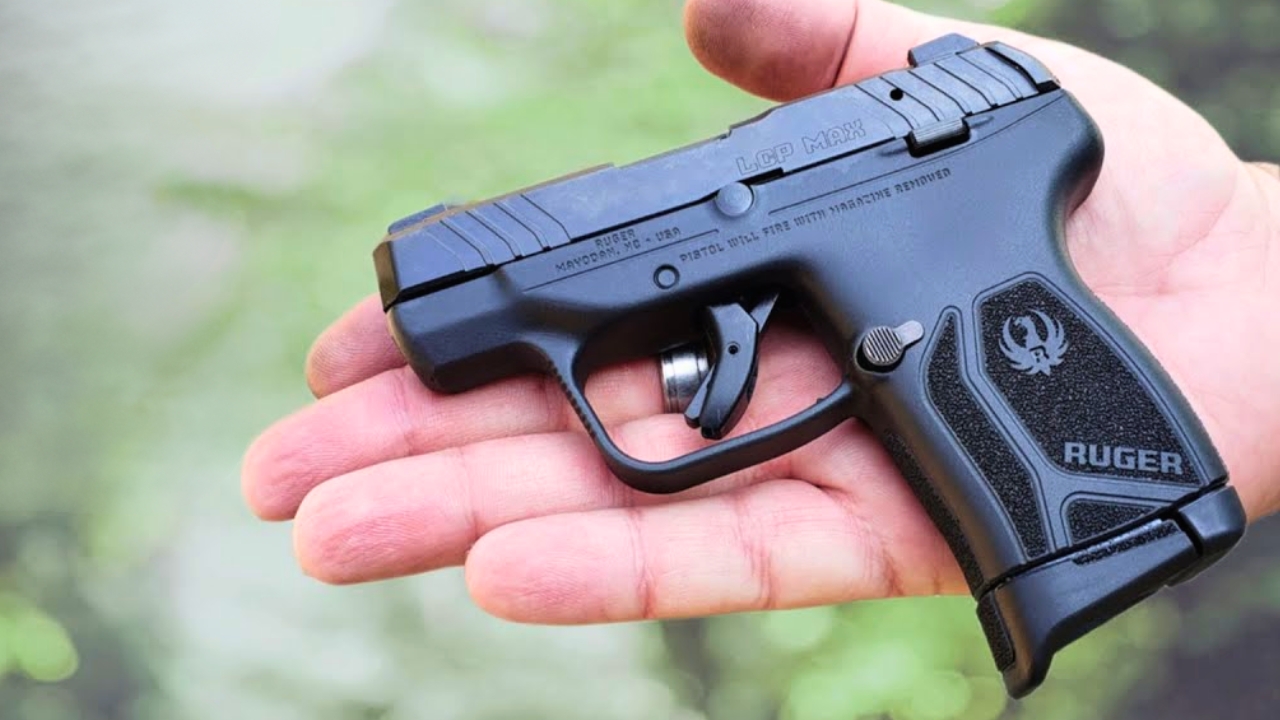
Tiny guns with sharp-ish edges can punish the support hand because you’re basically trying to hold a recoil impulse with very little grip surface. The LCP Max is a pocket tool, not a training pistol, but many people buy it and then try to shoot it like a normal gun. That’s when the support hand gets sore—because it’s working hard to keep a tiny pistol stable.
The other issue is that micro .380s can be “snappy” in a quick, unpleasant way. It’s not the same as a heavier 9mm push. It’s a little slap that makes people clamp harder, and clamping harder on tiny surfaces equals sore hands. If you carry one, great—but don’t pretend it’s going to be fun for 200-round practice days.
Smith & Wesson Airweight J-Frames (642/442)
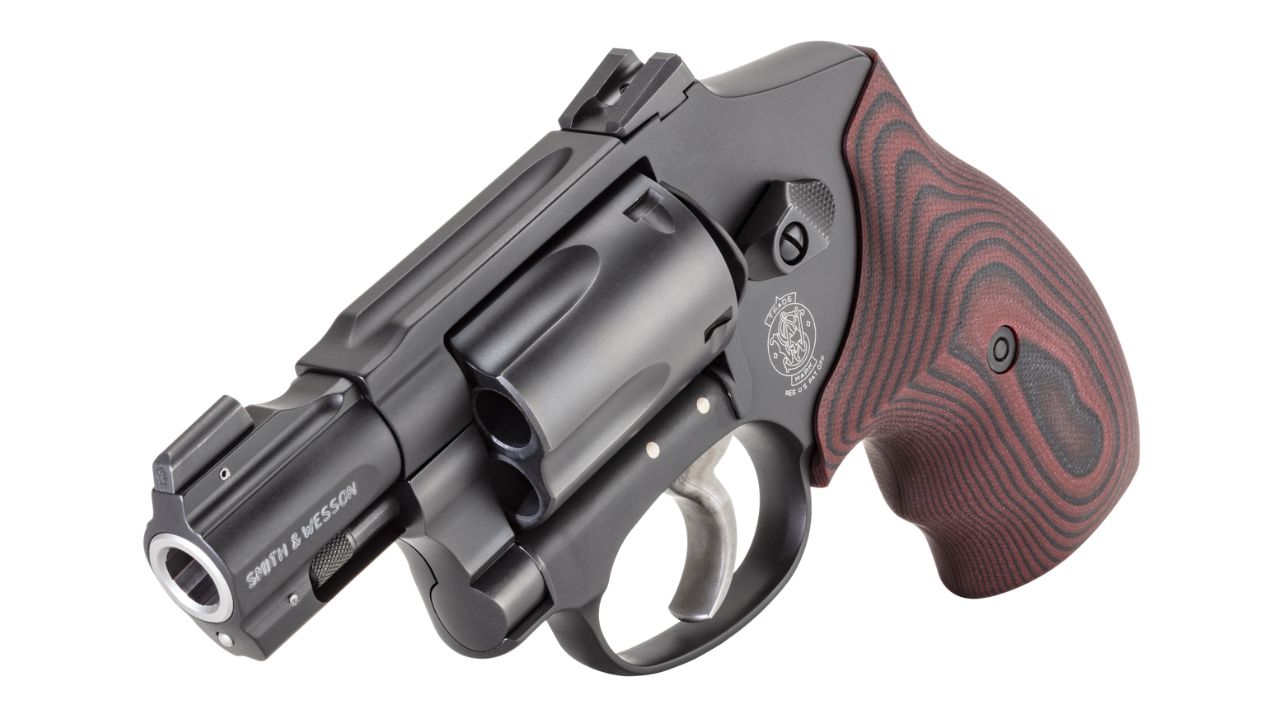
Snubs punish both hands, but the support hand often gets it worse because you’re trying to control a small, light gun with a heavy trigger and a short grip. People clamp down, their support hand ends up absorbing a lot of the shock, and the recoil drives the gun into the palm in a way that feels sharp and concentrated.
A lot of shooters buy a 642 thinking “simple equals easy,” then realize snubs demand real work. If your support hand ends up sore and you’re starting to anticipate recoil, your performance drops fast. A J-frame can be a great “always gun,” but if you can’t train with it comfortably, it becomes a gun you carry and never truly master.
Ruger LCR

The LCR has a good trigger, but the light weight and snappy recoil can make the support hand pay the price. When a revolver jumps, your support hand ends up trying to stop it from rotating and shifting. Do that for a few cylinders and you’ll feel it. People talk about “revolver recoil” like it’s just a firing-hand thing, but support-hand fatigue is real.
The LCR is practical and it carries well, but it’s not a fun trainer for most shooters in hotter calibers. If your support hand ends up sore after 30–40 rounds, you’re not getting the reps you need. That’s why many LCR owners end up running lighter loads for practice and saving the hotter stuff for carry—because their hands can’t take the volume.
CZ P-10 S
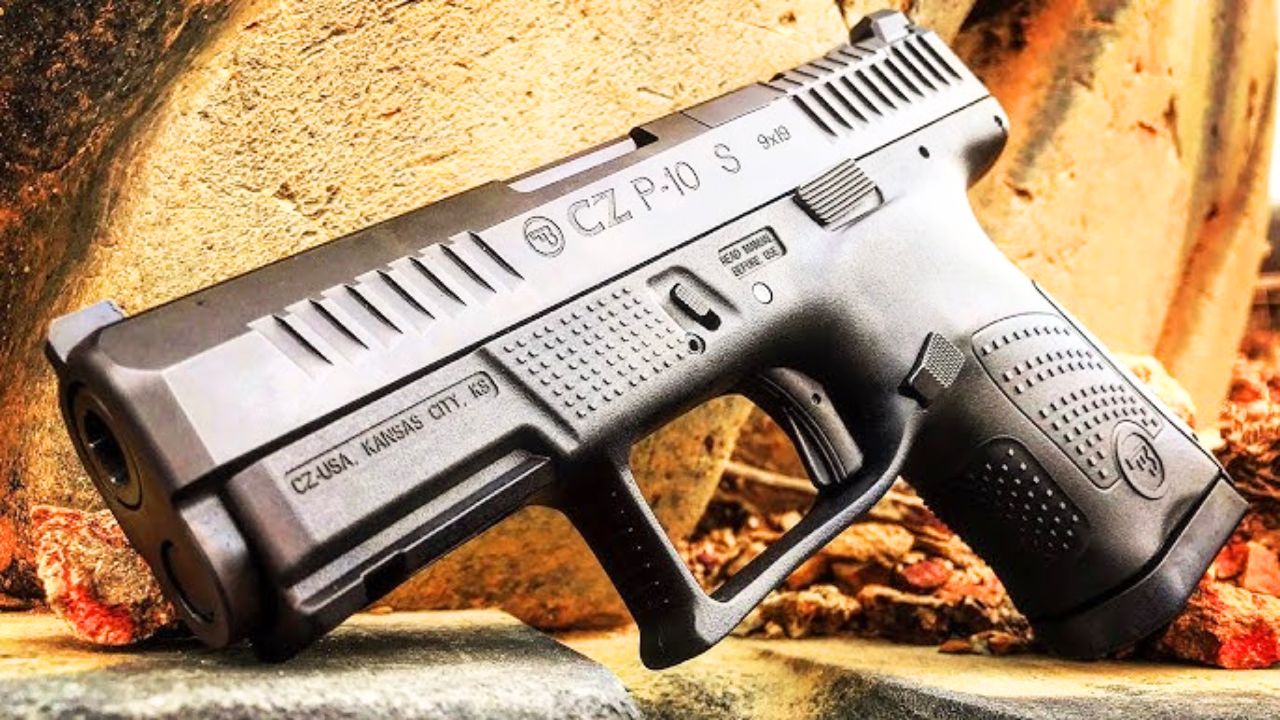
The P-10 S is small and capable, but CZ frames can have edges or control placements that don’t agree with every shooter’s thumbs-forward grip, especially if you ride controls high. Some shooters get rubbed raw along the support thumb area or end up with discomfort from how the slide stop and frame geometry interact with their grip.
This one is very hand-dependent. Some guys run it like a champ. Others can’t get a grip that’s both comfortable and consistent. If your support hand keeps getting chewed up, you start changing grip pressure without realizing it, and that’s where performance drops. The gun isn’t “bad.” It’s just not built for every grip style.
1911 Officer
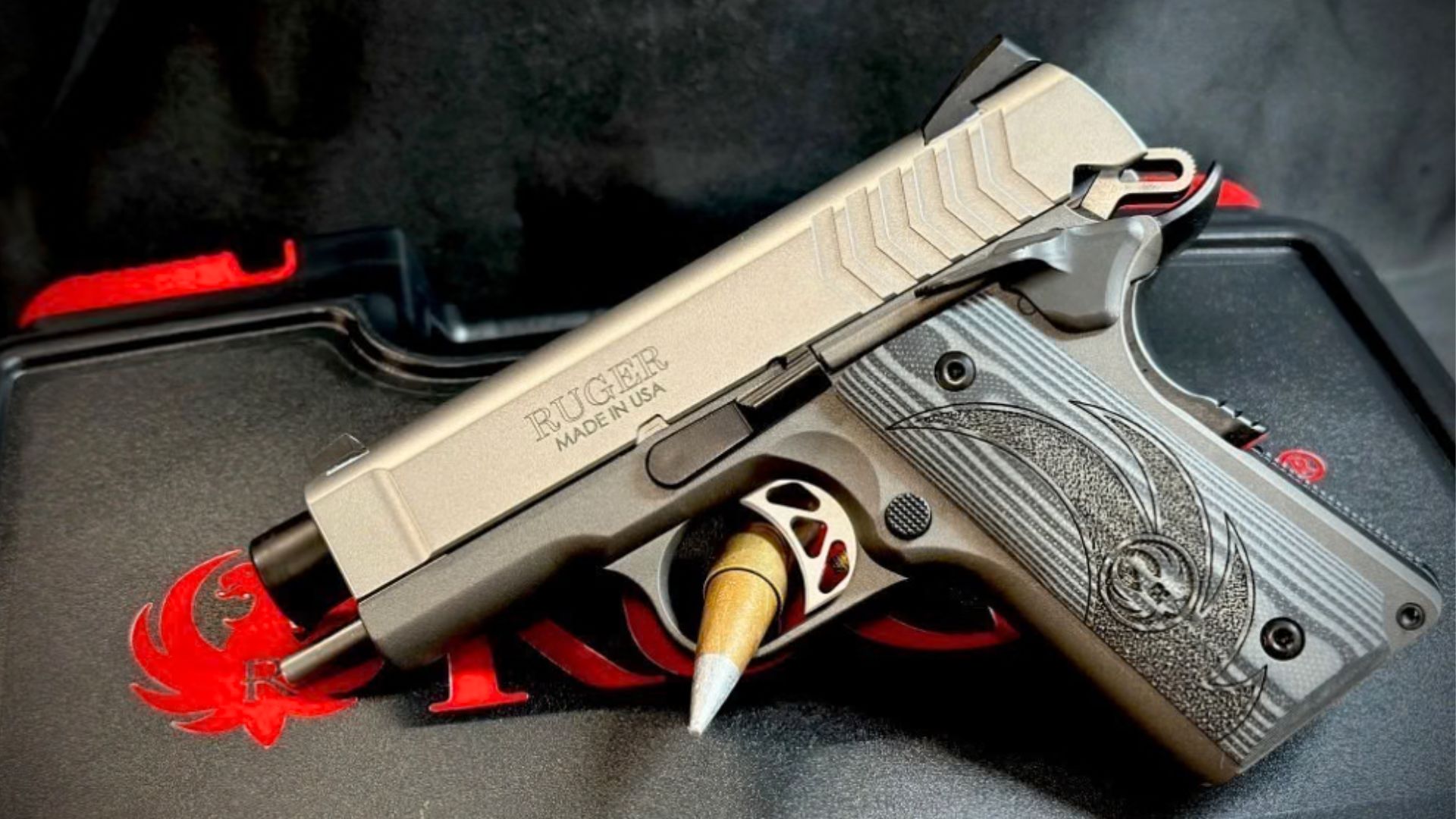
Compact 1911s can punish the support hand because the grip is short and the gun cycles hard. You end up clamping your support hand higher and tighter to control it, and any sharp edges, grip panels, or frame contours become pressure points. Add in recoil and you can get bruising or soreness in the base of the support palm.
The other problem is that many people buy these guns for carry, not for training. Then they try to shoot them like a normal pistol and learn why short 1911s are less forgiving. A full-size 1911 can be a soft shooter. A short one can feel like it’s trying to jump out of your hands, and your support hand ends up paying the bill.
SIG Sauer P239
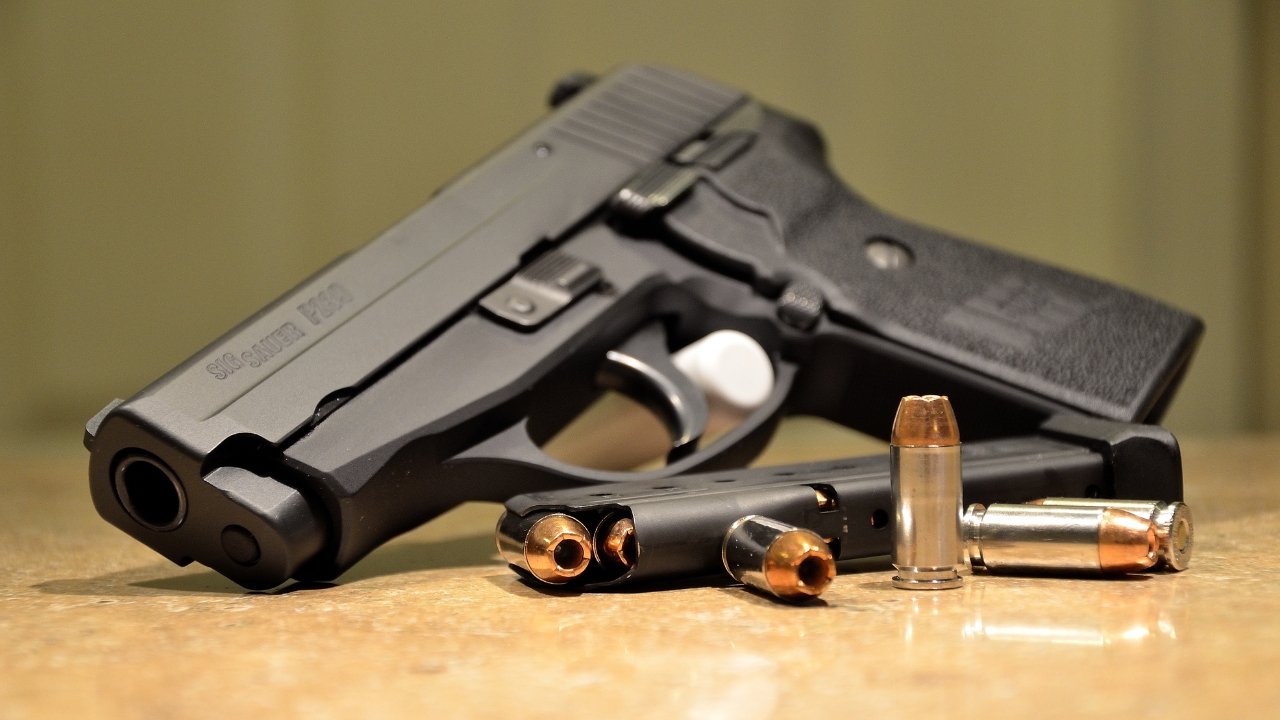
The P239 is a classic single-stack SIG that feels great in the store—solid and well-made. But it’s also slim, and some shooters find the narrow grip and metal frame concentrate recoil in a way that makes the support hand feel more beat up over longer sessions. It’s not “violent,” but it can feel tiring, especially if your hands prefer thicker grips.
This is another example of “store feel vs. line feel.” The P239 carries well, but some shooters just don’t enjoy shooting it fast for volume. If your support hand keeps getting sore, you’ll naturally start loosening up, and then your groups and speed suffer. It’s a great pistol for the right person, but it can punish the wrong hands.
Taurus G2C / G3C (texture and shape hot spots)
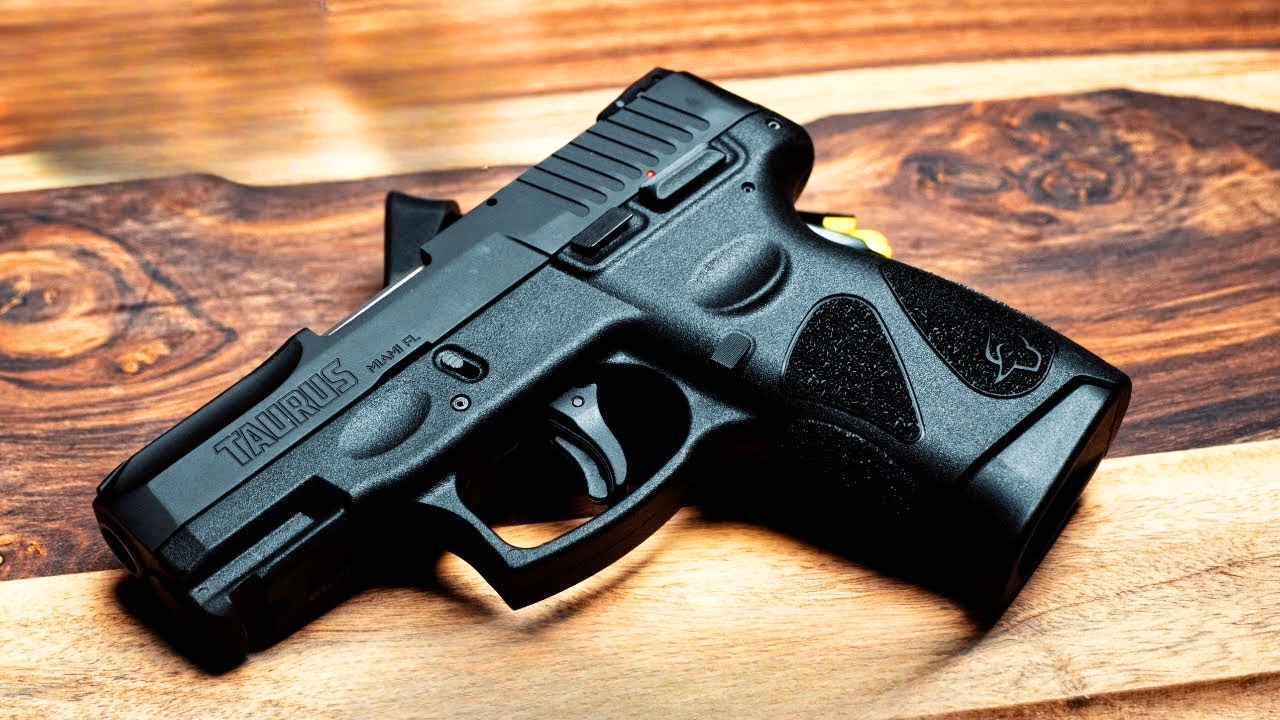
These pistols are common, so you hear a lot of different experiences. One thing that comes up is support-hand hot spots from grip texture and frame shape. When a pistol is small and you’re clamping down to control recoil, any sharp texture or edge becomes an abrasion point. After a few magazines, you’ll feel it.
That discomfort turns into grip changes, and grip changes turn into inconsistency. This isn’t about being picky—it’s about practicality. A carry gun has to be something you can train with. If your G2C/G3C punishes your support hand, you either need to adjust your grip, modify the texture, or move to a pistol that fits your hands better.
Like The Avid Outdoorsman’s content? Be sure to follow us.
Here’s more from us:


