Photo credit: Tools&Targets/YouTube
When your rifle won’t hold zero, it stops being a tool and starts being a liability. I’ve watched guys miss clean shots on elk, hogs, and even steel plates at 100 yards because they were chasing a zero that just wouldn’t stick. A rifle that can’t stay dialed in—whether it’s from sloppy bedding, flexy stocks, or wandering optics—will eat your confidence and waste your time. Some rifles are notorious for it, and they always seem to show their true colors at the worst moment. If you’re constantly second-guessing where your shot’s going to land, the problem might not be your scope or your ammo. It might be the rifle itself. Here are a few that have earned that reputation the hard way.
Remington 770
The Remington 770 was built to be budget-friendly, and that came with trade-offs. The plastic stock feels hollow and has too much flex, especially at the forend. That movement alone can shift pressure on the barrel and throw off your point of impact without you realizing it. On top of that, the bolt has a sluggish, sticky feel that doesn’t exactly inspire confidence.
The scope package it came with was another weak link. Many shooters would slap it on, sight it in, and watch the zero drift over a few rounds or even between trips to the range. It’s the kind of rifle that’ll make you burn through a box of ammo trying to chase a zero that refuses to stay put.
Ruger American Rimfire .22 WMR
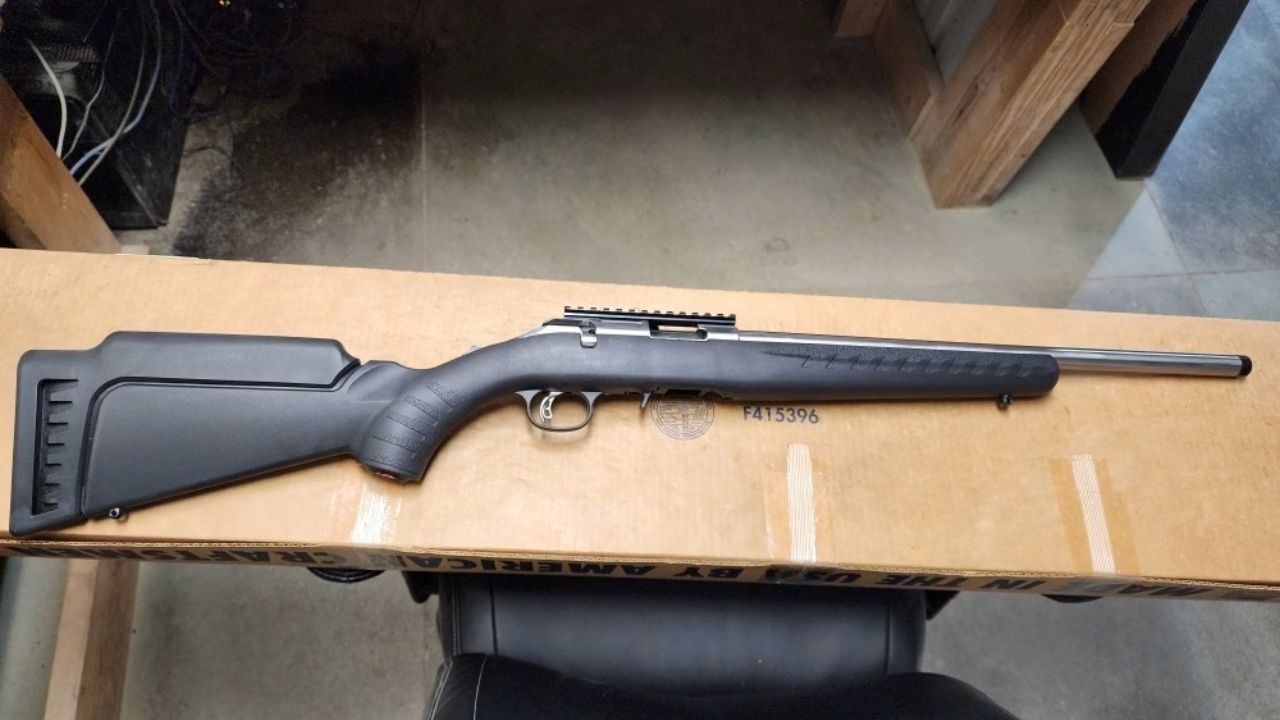
The Ruger American Rimfire is a handy little rifle in .22 LR, but in .22 WMR, a few issues start to show up—especially with consistency. Plenty of shooters have found that even with quality optics and decent ammo, groups tend to wander and the zero drifts more than it should.
Part of that’s due to the light contour barrel and how the synthetic stock interfaces with it. Combine that with the higher pressures of .22 WMR compared to .22 LR, and you’ve got a setup where even a bump in the truck can be enough to throw things off. You’ll spend more time dialing it back in than actually using it in the field.
Mossberg Patriot in .300 Win Mag
The Mossberg Patriot isn’t a bad rifle on paper—it’s lightweight, affordable, and chambered in a bunch of solid calibers. But when you step up to .300 Win Mag, the problems start stacking up. The recoil is stout, and that polymer stock doesn’t do much to tame it or protect your zero.
After a few sessions at the range, it’s not uncommon to see groups start opening up or shift completely. Sometimes it’s the scope getting knocked around under recoil, sometimes it’s the bedding—or lack of it—causing things to move around. Either way, the rifle starts losing its consistency quick when it gets pushed hard.
Savage Axis II XP

Savage nailed the price point with the Axis II XP, but that low cost came with some compromises. The synthetic stock has a lot of give, especially at the forend, and that can mess with barrel harmonics more than folks realize. Mount up a cheap scope and toss it in a truck, and by the time you’re ready to shoot, your zero’s already wandered.
Some shooters tighten everything up and still can’t get consistent groups from outing to outing. It’s frustrating because it feels like the rifle’s good enough—it just won’t settle in. Whether it’s heat, bumps, or the way it rides in a scabbard, this one doesn’t always stay where you left it.
Winchester XPR
The Winchester XPR is meant to be a no-fuss hunting rifle, and in moderate calibers, it works fine. But start pairing it with magnums or heavy scopes, and you may start noticing your groups drifting more than you’d like. The polymer stock has too much give, and the bedding system doesn’t always lock things down as well as it should.
I’ve watched a few hunting buddies chase zero on their XPRs between every trip. Sometimes it was heat from the barrel, sometimes just how it was stored. Even with a decent optic, the rifle would start printing high or wide, and it becomes a guessing game—never what you want during a hunt.
Marlin Model 60
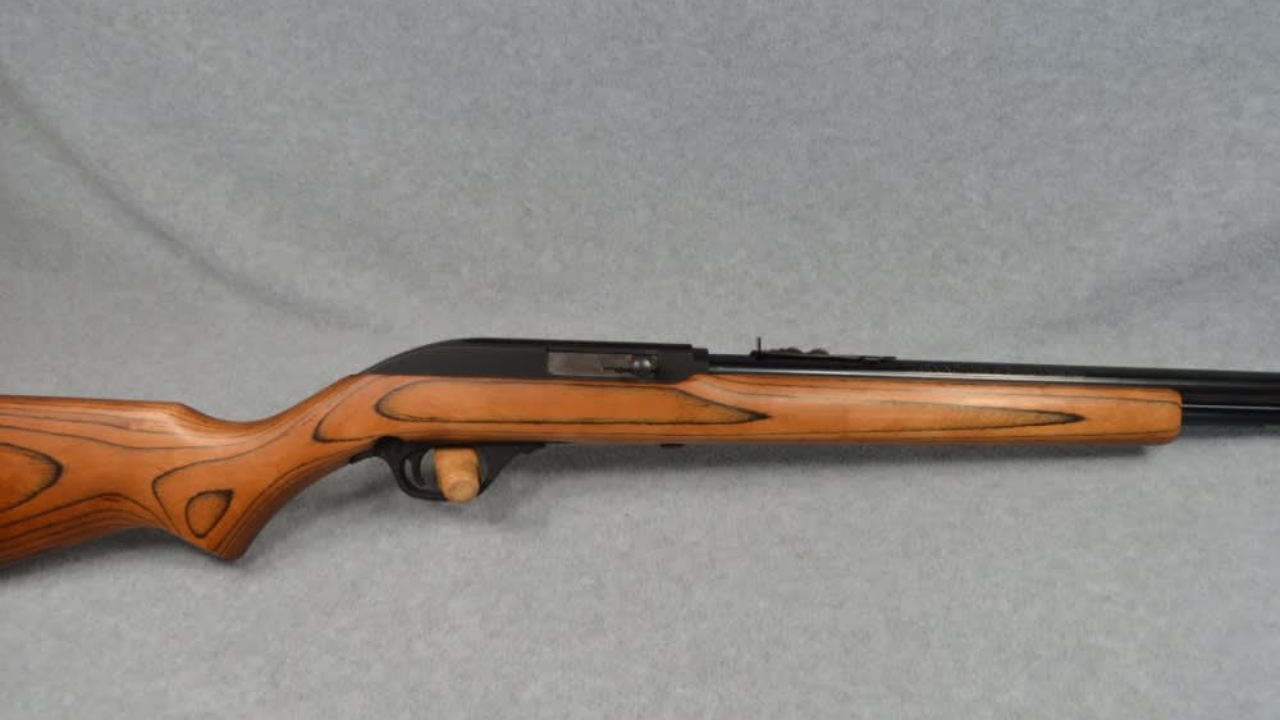
The Marlin Model 60 is a plinking legend, but it’s not the rifle you reach for when precision matters. The tube-fed design and micro-groove rifling are fine for backyard fun, but the gun’s tendency to shift zero over time—even without rough handling—is well known.
Part of it comes down to the receiver and how scopes mount to it. It doesn’t take much to throw off alignment, and once it’s off, it’s a pain to get back. You’ll dial it in on Monday and miss cans on Wednesday. If you’re looking for reliable zero retention, especially with optics, this old .22 isn’t the tool for the job.
Tikka T3 Lite in .270 Win
The Tikka T3 Lite is known for its out-of-the-box accuracy—but when chambered in .270 Win, the light stock and snappy recoil can make it hard to keep things tight over time. That lightweight build might feel good on your shoulder, but it doesn’t do much for soaking up vibration or keeping your zero locked in.
Several hunters have noted that the zero will shift after just a few rounds or a day in the field. You’ll hit paper clean at 100 yards one day, then find yourself six inches off the next with no clear reason. It’s not every rifle, but it happens enough to raise eyebrows.
Like The Avid Outdoorsman’s content? Be sure to follow us.
Here’s more from us:
The worst deer rifles money can buy
Sidearms That Belong in the Safe — Not Your Belt
*This article was developed with AI-powered tools and has been carefully reviewed by our editors.