Photo credit: IMPACT SHOOTING/YouTube
Every fall, a new wave of hunters walks into sporting goods stores convinced that the right cartridge will make them unstoppable. They’ve read the ads, watched the videos, and listened to that one guy at the counter who swears he’s dropped elk at 700 yards with a “flat shooter.” The problem is, ballistic charts and online talk don’t always line up with what happens when adrenaline, wind, and bone come into play. Some cartridges sound great on paper, but once you actually hunt with them, the hype fades fast. Here are the rounds that trip up new hunters year after year — the ones that promise magic and end up teaching expensive, humbling lessons.
.243 Winchester
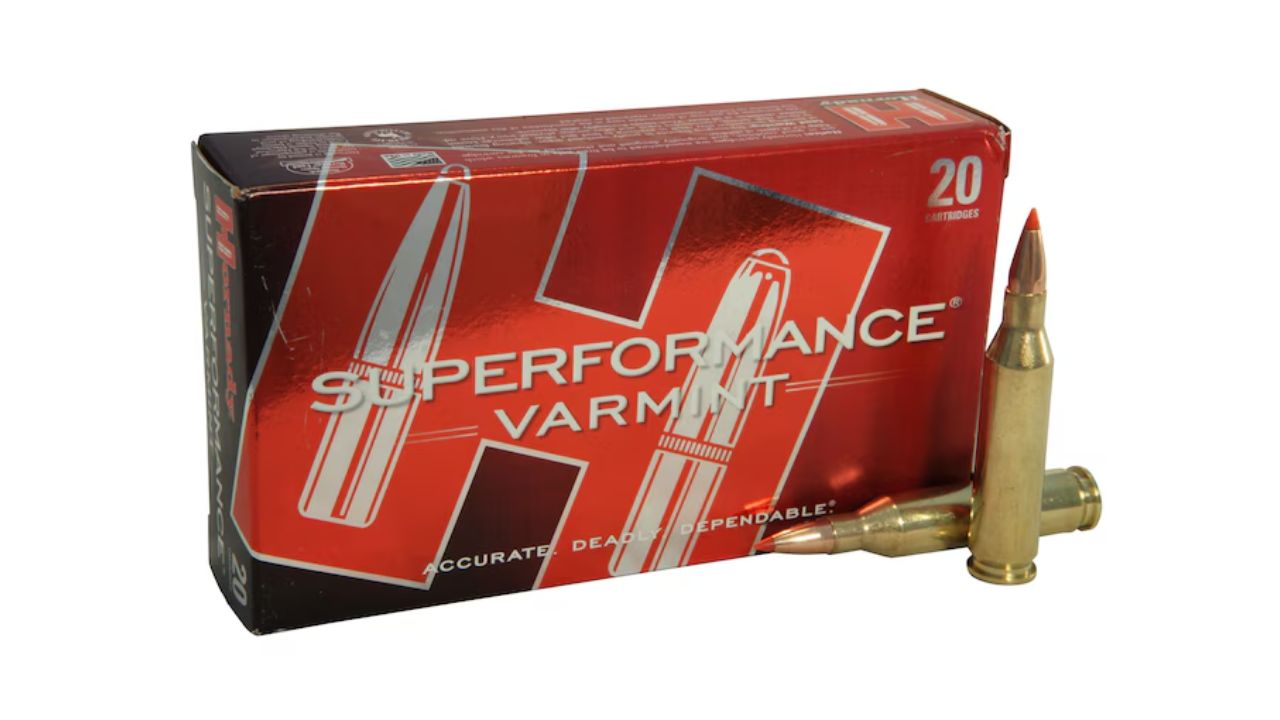
The .243 Winchester is one of the most misunderstood cartridges in hunting. Every fall, new hunters grab one thinking it’s the “perfect do-it-all” round — mild recoil, accurate, and flat-shooting. Those things are true, but the .243 is also very load-sensitive. Use the wrong bullet or push your range too far, and it struggles on larger-bodied deer or elk.
Many learn too late that bullet placement and construction matter more than charts. Lightweight varmint bullets blow up, while heavy ones need precise shot angles to penetrate. It’s a fine deer cartridge in the right hands, but far from forgiving. The .243 wins people over at the counter and breaks their hearts in the field.
6.5 Creedmoor
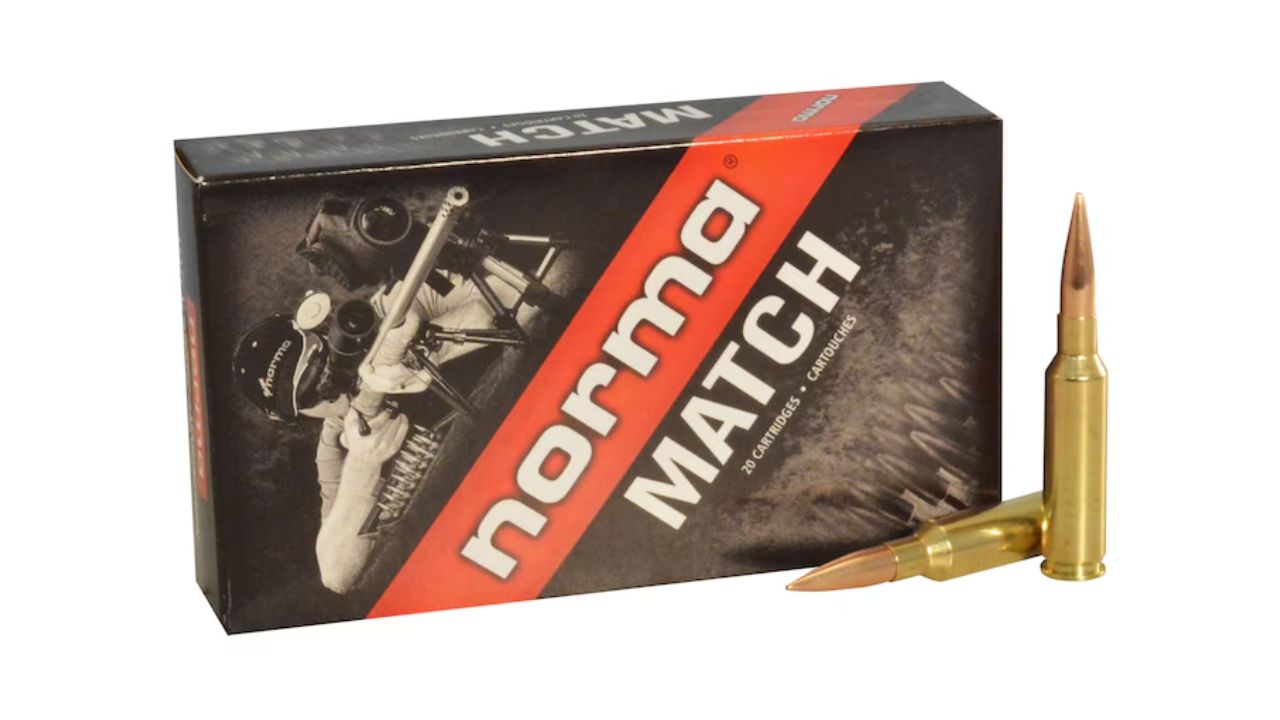
Few cartridges have ever been hyped like the 6.5 Creedmoor. Online, it’s the round that “drops elk like lightning” and “shoots flat to a mile.” In reality, it’s a mild, accurate round that does great inside its limits — but too many new hunters treat it like a magnum.
At modest distances with a well-built bullet, it performs beautifully. Stretch it too far or hit heavy bone, and energy drops fast. The 6.5 Creedmoor isn’t weak, but it’s not magic either. Many first-timers discover that what works on paper doesn’t always translate when real animals are on the line.
.300 Blackout

The .300 Blackout sounds ideal for deer or hogs in thick brush — quiet, versatile, and easy to shoot from an AR. But too many hunters assume it hits like a .308 because of bullet size. That’s where they get fooled. Out of short barrels or with subsonic loads, energy drops fast.
It’s effective at short ranges when you know your setup and pick good ammo, but it’s not a 200-yard cartridge for ethical hunting. New hunters see videos of suppressed success and forget that those shots were taken at close range with precise placement. The .300 Blackout punishes overconfidence more than recoil.
.270 Winchester Short Magnum (WSM)
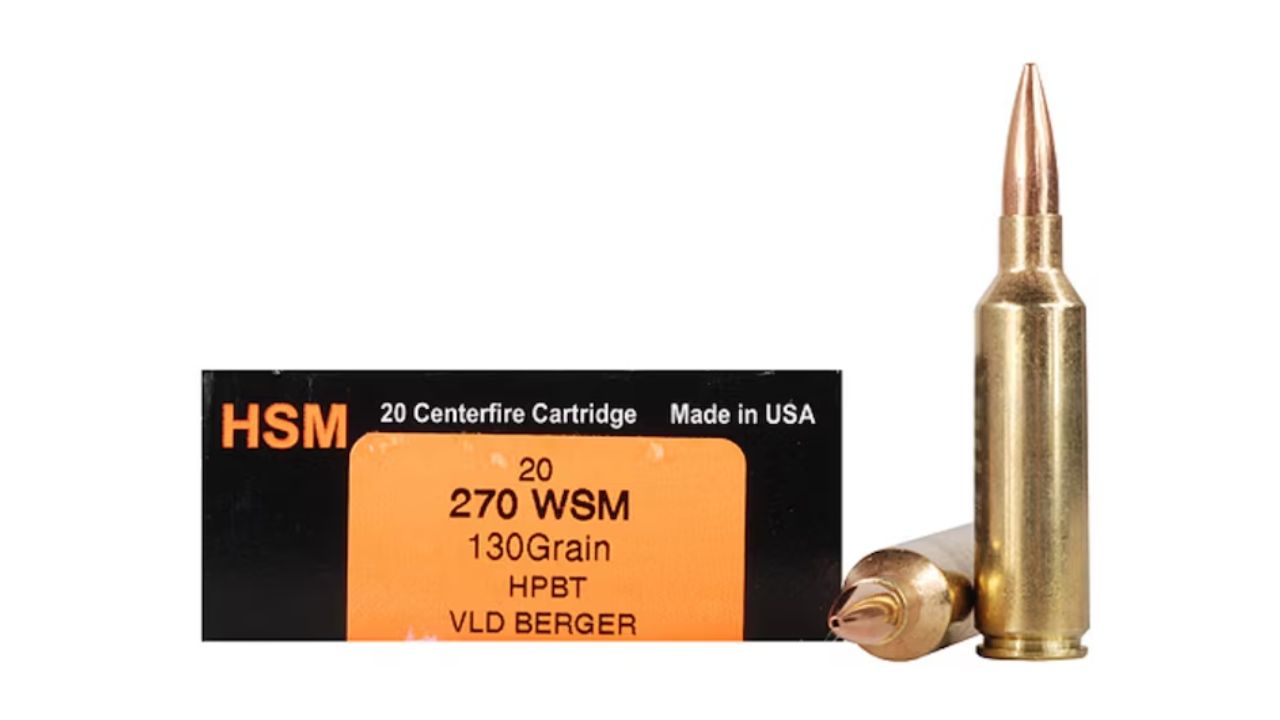
When the .270 WSM hit the shelves, it was marketed as the “better .270.” Faster, flatter, more modern — everything hunters supposedly wanted. The problem is, that extra speed comes with extra recoil, barrel heat, and sensitivity to load changes.
New hunters buy into the idea that a few hundred more feet per second means easier kills, but it doesn’t. They flinch, miss, and often struggle to find consistent accuracy from sporter-weight rifles. The .270 WSM isn’t bad — it’s just unforgiving. If you don’t handload or tune it carefully, it can turn a promising rifle into a frustrating one.
.22-250 Remington

Plenty of new hunters look at the .22-250’s velocity numbers and think it’s ready for deer-sized game. They’re wrong. While it’s devastating on varmints, it lacks the weight and penetration for anything much larger.
Even with bonded bullets, it’s easy to wound deer with poor shot placement. The speed tricks people into thinking it hits harder than it does, but energy without mass fades quickly. The .22-250 is a specialist round — excellent for coyotes, poor for much else. It’s the kind of cartridge that teaches the lesson every new hunter eventually learns: fast doesn’t always mean lethal.
.300 Winchester Magnum

The .300 Win Mag has real power, no question. But every fall, a new shooter buys one thinking they need “more gun” for their first elk hunt — and ends up with a flinch they can’t shake. On paper, it’s ideal. In practice, most can’t shoot it well enough to use that extra reach.
Heavy recoil and muzzle blast lead to bad habits fast. Unless you train and handload, it’s easy to end up shooting worse groups than you would with a lighter round. The .300 Win Mag will drop anything in North America, but it’s not for everyone. It’s a humbling cartridge for those who chase energy over accuracy.
7mm-08 Remington
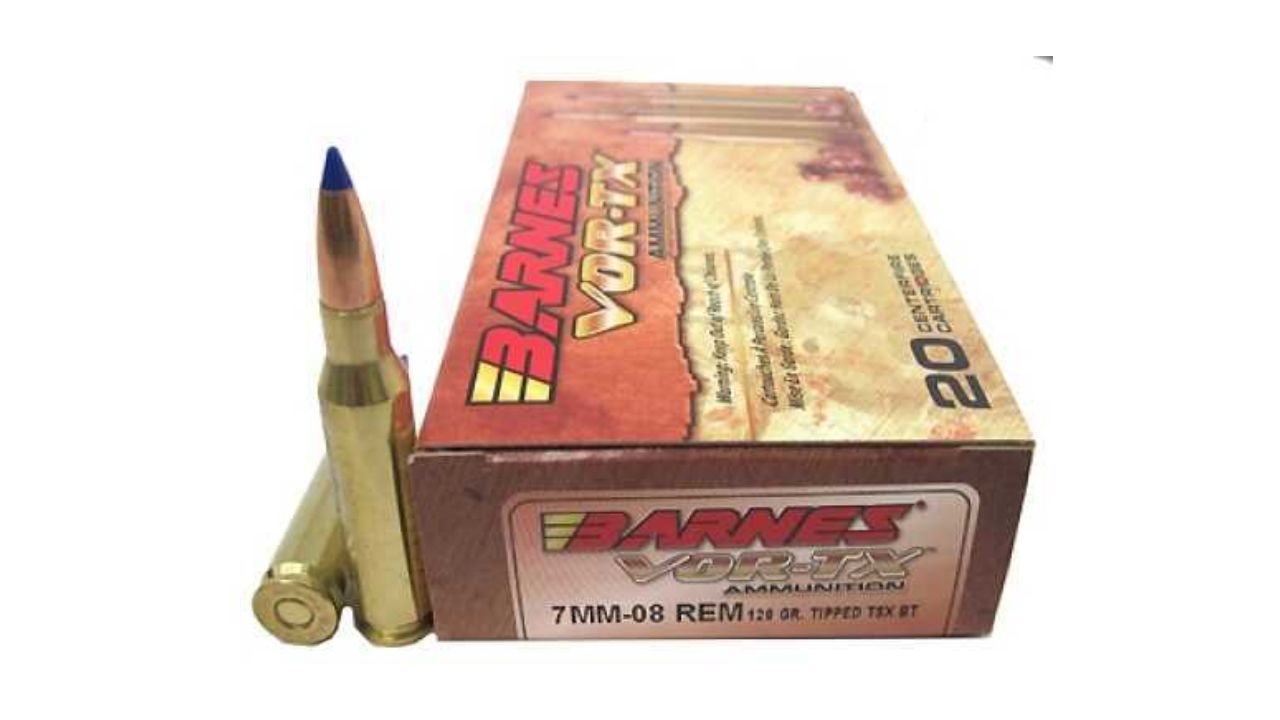
The 7mm-08 is often described as the “perfect balance” of power and recoil, which is true — to a point. The problem is that too many hunters assume it can do everything from pronghorn to moose. It can, but only with perfect shot placement and bullet choice.
Many who pick it up for elk or larger game find it underwhelming when bone and angle come into play. It’s wonderfully accurate and pleasant to shoot, but it’s no hammer. The 7mm-08 is a great teacher of discipline — it rewards precision and punishes unrealistic expectations.
.223 Remington

The .223 Remington is the darling of AR-platform fans, and new hunters often get drawn in by its low recoil and affordability. It’s accurate, easy to shoot, and devastating on varmints. But when the first deer hunt rolls around, that’s when it exposes its limits.
Light bullets don’t penetrate deeply, and energy fades quickly past 150 yards. Yes, with premium ammo it can work, but it leaves zero margin for error. Hunters who start with a .223 for big game often walk away realizing that it’s a great rifle for practice — not for punching through ribs on a buck at distance.
6.8 SPC
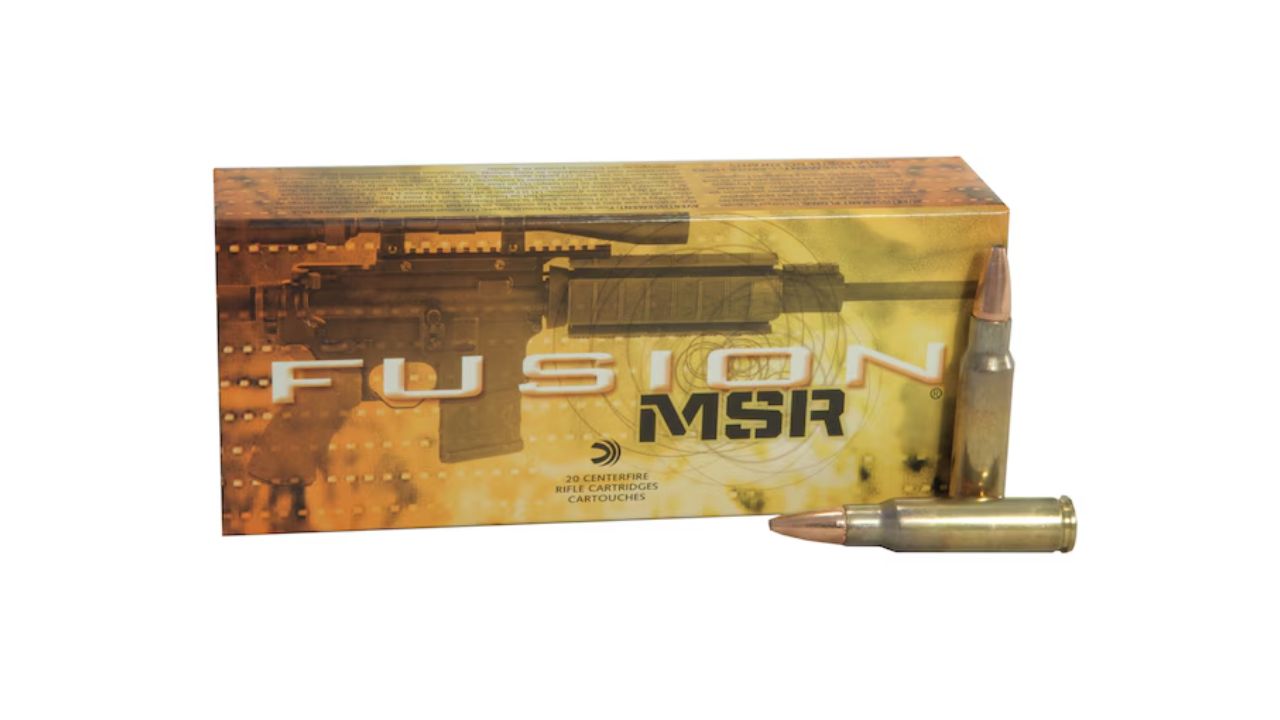
The 6.8 SPC was supposed to give the AR-15 real hunting potential. It does — within reason. Online, it’s often hyped as a .270 in miniature, but it’s nowhere close. Energy and trajectory drop off fast, and factory ammo selection can be hit or miss.
It’s solid on hogs or deer under 200 yards, but it’s no long-range round. Many new hunters learn this the hard way after trying to stretch it beyond what it was built for. It’s a capable cartridge, but one that requires restraint — something reviews rarely emphasize.
.350 Legend

The .350 Legend has exploded in popularity thanks to straight-wall cartridge states. It’s affordable, mild, and widely available — a perfect combo for newcomers. The issue is that many hunters assume “Legend” means it hits like a .30-30 or better. It doesn’t.
The .350 Legend is best inside 150 yards, and beyond that, bullet drop and energy loss are dramatic. It’s a fine cartridge for what it is, but not the powerhouse marketing makes it out to be. If you use it for deer at modest ranges, it’ll perform. Push it too far, and you’ll wish you’d picked something else.
.25-06 Remington

The .25-06 looks incredible on paper — flat trajectory, mild recoil, and high velocity. Every fall, new hunters pick one up thinking it’s the ultimate dual-purpose rifle. It can be, but only when conditions are right.
Those light, fast bullets are sensitive to wind and bone. It’s accurate and deadly on pronghorn or small deer, but it doesn’t forgive poor angles or bad shot choices. Many first-timers discover it’s not the “all-around” round they hoped for. The .25-06 is a specialist’s cartridge, not a beginner’s crutch — and that’s a lesson plenty learn too late.
*This article was developed with AI-powered tools and has been carefully reviewed by our editors.