Photo credit: DebosGuns/Shutterstock.com
“Flawless” is always a little dangerous because every mechanical thing can fail, and ammo and magazines are part of the system. But some pistols have a strong reputation for running well stock, without needing a pile of aftermarket parts, special tuning, or a “break-in” excuse. These are the pistols that people buy, lube, load, and go shoot—then the only problem they have is how fast they’re burning ammo.
Here are 15 pistols that are known for being dependable right away.
Glock 19

The Glock 19 is famous for “out of the box” reliability because it’s simple, proven, and forgiving. Put decent ammo in it, use decent mags, keep it lubed, and it tends to just run. It doesn’t demand a special grip technique, it doesn’t require tuning, and it doesn’t need you to swap springs to make it behave.
A lot of pistols can run well once you polish, tweak, or replace parts. The G19 usually doesn’t ask for that. That’s why instructors and serious carriers still keep recommending it. “Flawless” comes from predictability and margin, and the 19 has both.
Glock 17

The Glock 17 often runs even more effortlessly than the 19 because full-size pistols generally have more margin. The longer slide and full grip help the gun cycle consistently and handle a wider range of shooter technique. If someone has a weak grip or is learning, the 17 tends to be more forgiving than smaller pistols.
It’s also a platform with decades of real use behind it. When a gun has been shot by millions of people under every condition imaginable and the design remains basically the same, that tells you something. The G17 is one of the “buy it, shoot it” pistols that rarely needs an apology.
Smith & Wesson M&P 2.0 (full size or compact)
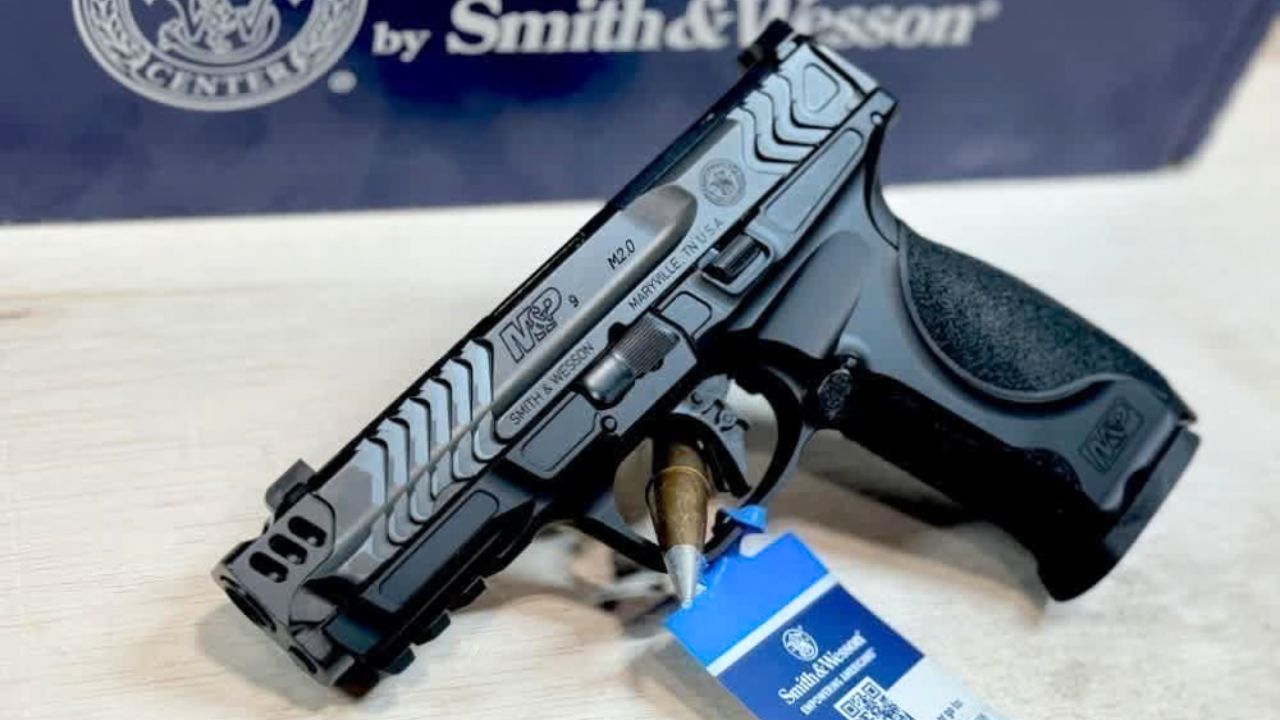
The M&P 2.0 line generally runs well right away for most owners. It’s designed as a duty-capable striker pistol, and when you keep it stock, it tends to be dependable. The platform doesn’t usually require tinkering to feed common defensive ammo profiles, and it’s forgiving enough that new shooters can run it without constantly inducing problems.
Where people get into trouble is when they start stacking aftermarket parts without a plan. Stock M&Ps tend to be solid. If you want a pistol that runs without needing a “personal gunsmith project,” the 2.0 is one of the better mainstream choices.
SIG Sauer P365 XL

The P365 XL tends to run well right away, and it’s one reason it became such a common carry gun. When you keep it stock, use good mags, and use quality ammo, it’s typically a dependable package that doesn’t demand special handling. A lot of micro guns get finicky because they’re small and light, but the XL size helps give the system more margin.
The other benefit is that it’s shootable enough that people don’t limp-wrist it as often. Some “reliability issues” in tiny guns are actually grip/technique problems. The XL is easier to grip correctly, and that contributes to it running smoothly for a lot of owners out of the gate.
CZ P-10 C
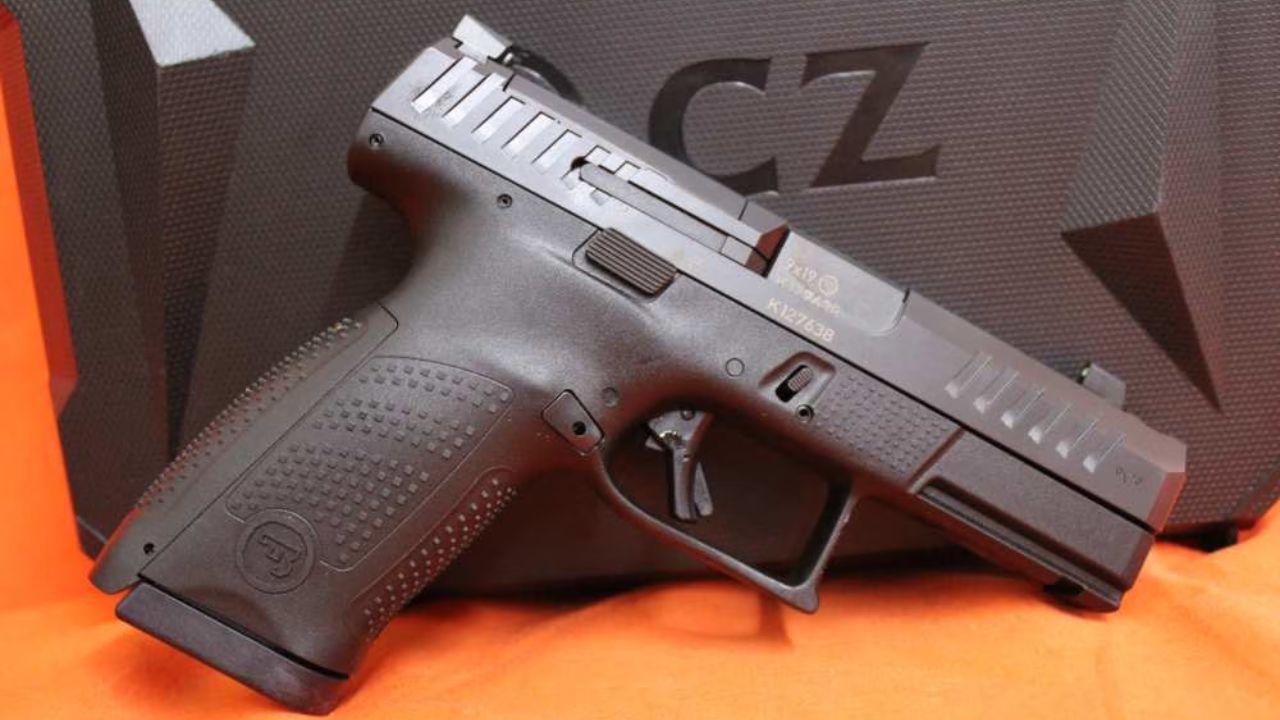
The P-10 C is often a “runs right away” pistol because the design is straightforward and built for practical use. Many shooters report that it feeds common ammo well and cycles consistently without needing drama. The magazines are generally reliable, and the pistol tends to behave with a wide range of shooting styles.
It’s also a gun that doesn’t feel overly tight or picky the way some new pistols can. Some guns demand a break-in because they’re fitted on the edge. The P-10 C usually feels like it was built to run as a tool, not as a delicate machine.
HK VP9

HK has a reputation for building pistols that run, and the VP9 generally fits that. Out of the box, it’s typically reliable with common 9mm ammo and doesn’t require tuning to behave. The platform is also forgiving in handling and grip, which helps keep it from being “shooter sensitive.”
The VP9 is one of those pistols people buy when they want to stop thinking about reliability and start thinking about performance. That’s the whole appeal: you’re not signing up for a project. You’re buying a pistol that’s expected to work.
Beretta 92 (92FS/92G/92X)

The Beretta 92 has a long reputation for reliability when kept stock and maintained normally. The design tends to feed well and cycle smoothly, and the full-size nature helps with margin. Out of the box, many 92 variants feel smooth and stable, and they’re not usually picky about ammo.
The main caveat is that magazines matter, especially if you’re using unknown or worn mags. With good mags, the 92 is one of those pistols that’s often boringly dependable. It’s a “shoot it a lot” gun, not a “tune it constantly” gun.
Walther PDP

The PDP usually runs well stock, and part of its popularity is that it feels like a modern duty-capable pistol right away. The gun tends to feed common ammo reliably and doesn’t require a bunch of changes to be shootable. Many shooters love it because it shoots well and runs well without fuss.
As with any pistol, reliability can be affected by limp wristing, especially in smaller models, but overall the PDP’s reputation is that it’s not fragile. If you buy one and keep it stock, it typically behaves like it should.
Springfield Echelon
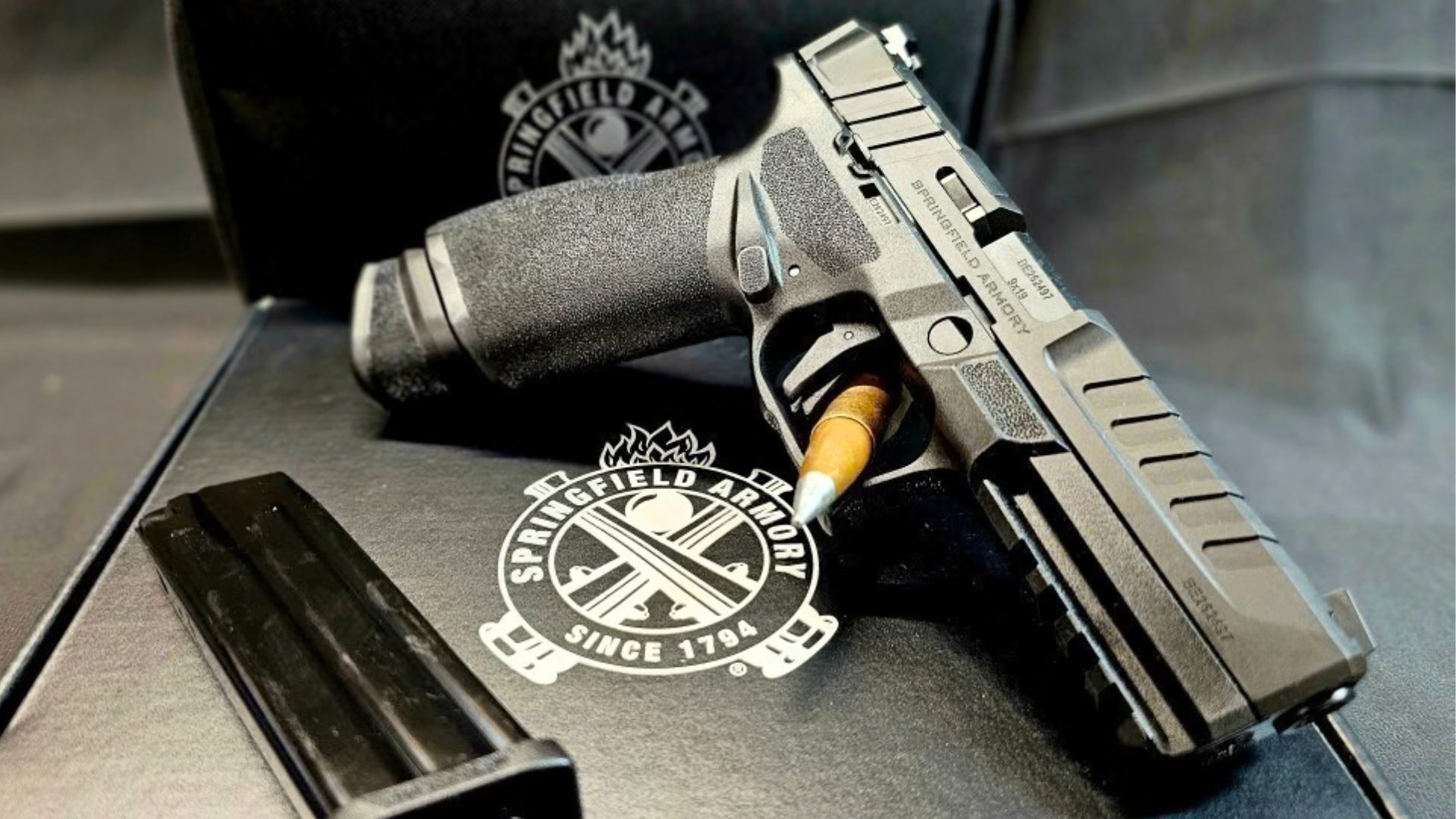
The Echelon has earned a reputation as a modern pistol that runs well without needing upgrades. Out of the box, it tends to feel ready—good ergonomics, decent controls, and reliable function with typical ammo. It’s not the kind of pistol most people buy expecting to immediately replace half the parts.
The Echelon also seems less “moody” than some newer designs because it was built to compete in a duty-capable category from day one. That focus on duty use usually translates to a pistol that runs right away when you don’t try to turn it into a science project.
FN 509

The FN 509 is another duty-minded platform that generally runs well right away. It’s built with durability in mind and tends to handle common defensive ammo without drama. The grip texture and overall feel help shooters keep the gun stable, which reduces shooter-induced issues.
Some people chase a different trigger feel, but reliability out of the box is usually not the complaint. If you want a pistol that’s meant to be used hard without constant tinkering, the 509 is in that lane.
CZ P-07
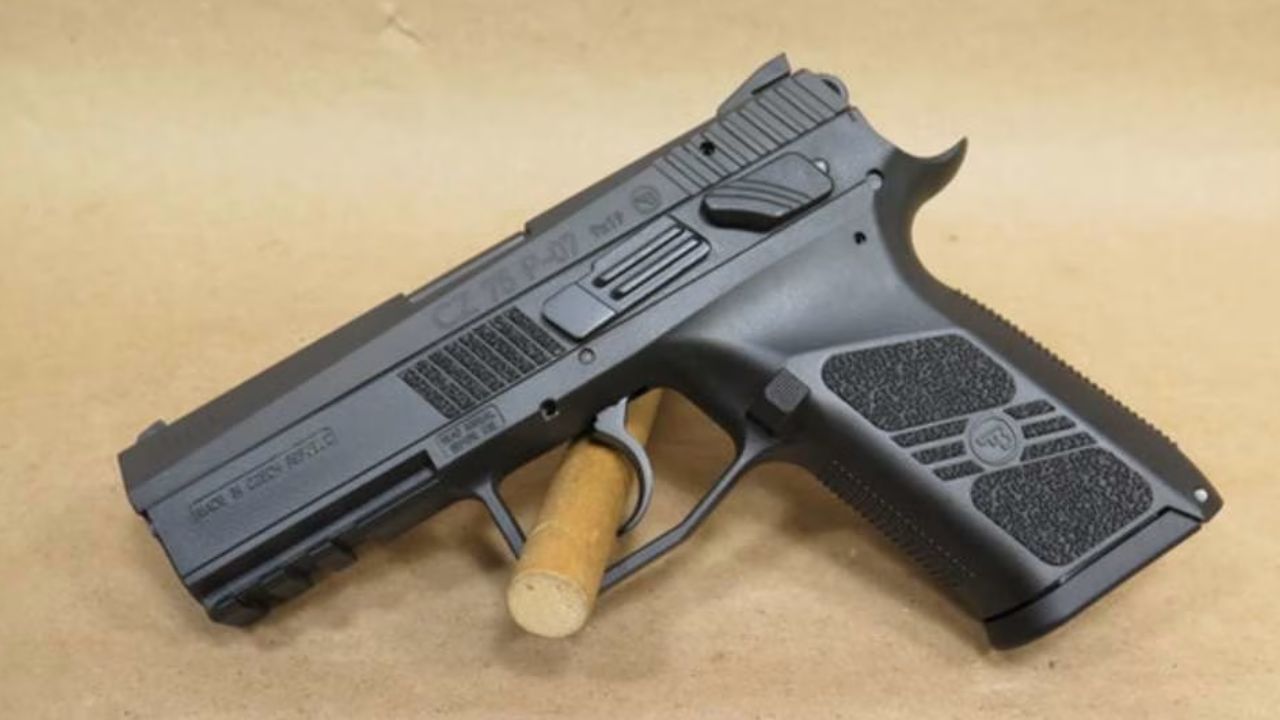
For DA/SA fans, the P-07 is often a “runs from day one” pistol. It’s a practical design with a reputation for feeding well and cycling consistently when kept stock. It’s also a pistol that many shooters find controllable, which helps keep it reliable under fast shooting.
The real key is: don’t get weird with aftermarket parts right away. Let the gun be what it is, prove it with your ammo and mags, then decide if you need changes. Stock P-07s tend to be dependable tools.
SIG Sauer P226

The P226 is one of those pistols that often runs flawlessly out of the box because it’s built like a service pistol. It’s stable, smooth, and generally reliable with a wide range of ammo. For a lot of shooters, it’s the pistol that just quietly works without needing special attention.
It’s not the lightest, but full-size metal guns often have fewer reliability complaints because they have more margin. The P226 is a great example of that. If you want something that feels like it was built to be trusted, this is it.
Ruger GP100 (revolver pick)

If we’re talking “flawless” in the sense of consistent function, a solid revolver like the GP100 often delivers—assuming the ammo is good. Revolvers don’t depend on magazines, and they don’t care about grip strength the way semi-autos do. For many shooters, that simplicity equals confidence right away.
The caveat is that revolvers have their own failure modes (high primers, debris under the extractor star, timing issues over a long life). But out of the box, a GP100 tends to be a dependable, no-drama tool for people who want a revolver that can actually be used hard.
Ruger LCR (revolver carry tool)

The LCR often runs “flawlessly” in the sense that it’s simple and consistent. It doesn’t require a break-in or a bunch of tuning. If you load it with quality ammo, it will do what a revolver is supposed to do. For deep concealment, that’s a big part of why people trust it.
The key is practice. Small revolvers are harder to shoot well, but they’re usually not hard to make function. If your priority is a carry gun that doesn’t rely on magazines and is easy to keep in service, the LCR is a dependable out-of-the-box option.
Glock 34 (performance striker pick)

The Glock 34 is often “flawless out of the box” because it’s essentially a full-size Glock with more length and more stability. That extra length can make it easier to shoot well, and full-size systems tend to run with more margin. It’s a pistol that people can buy and start running in training without feeling like they need immediate changes.
As always, magazines and ammo matter, but the G34 tends to be one of the most boringly dependable performance pistols you can buy. If you want something that runs and makes shooting easier, it belongs in the conversation.
Like The Avid Outdoorsman’s content? Subscribe to our newsletter so you never miss an article.
Here’s more from us: