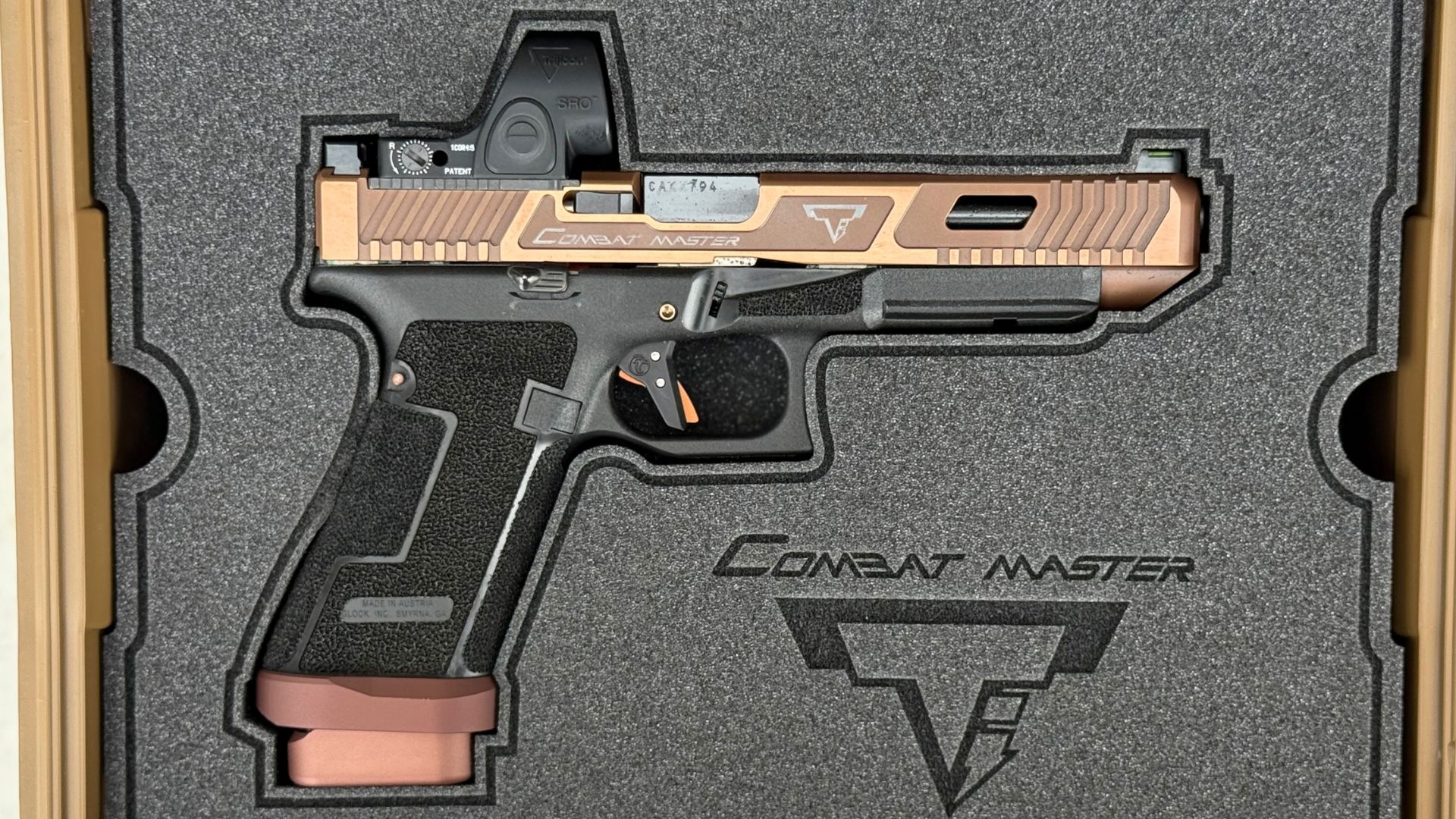
Photo credit: BirminghamPistol/GunBroker
There’s “popular,” and then there’s “keeps showing up in classes because it works.” Trainers don’t have the patience for pistols that need excuses. They want guns that run when they’re hot, dirty, and being fed a steady diet of reps—draws, reloads, one-handed shooting, and malfunctions drills that shouldn’t be happening in the first place.
Here are 15 pistols you’ll still hear serious instructors recommend because they’ve watched them survive a lot of real training without turning into a science project.
Glock 19 (Gen5)

The Glock 19 is still the default answer for a reason: it’s boring in the best way. Trainers like it because it’s easy to keep running, easy to find parts for, and hard to “accidentally” make unreliable with bad mods. It also fits a huge range of hands and body types without forcing people into weird compromises.
It’s not the softest shooter and it’s not the fanciest trigger, but the gun stays consistent. When a student shows up with a G19 and quality mags, the instructor usually isn’t worried about babysitting the gun all day.
Glock 17 (Gen5)

The Glock 17 is the “I want a little more shootability” version of the same reliable recipe. That longer grip and slide give many shooters a calmer recoil feel, and it’s easier to run fast without feeling like you’re hanging on for dear life. Trainers like that because it makes learning fundamentals quicker.
If you’re doing high-volume range time, the full-size Glock usually feels easier to keep flat and consistent. And like the 19, it’s a parts-and-mag ecosystem that’s almost impossible to beat for long-term ownership.
Smith & Wesson M&P 2.0 Compact (9mm)
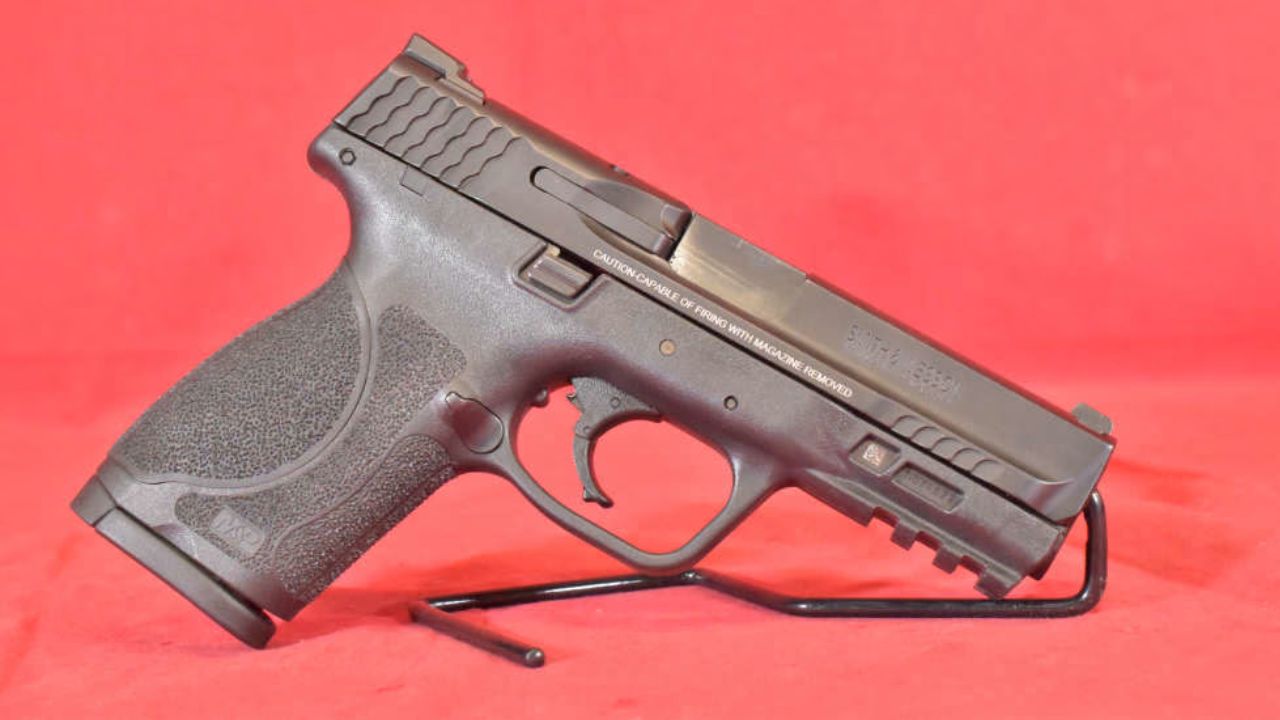
The M&P 2.0 Compact is one of the most common “trainer-approved” alternatives to Glock, especially for shooters who prefer the grip angle and texture. It points naturally for a lot of folks, and it tends to stay dependable even when it’s run hard. The current 2.0 triggers are also far better than the old days.
Instructors like that it’s a duty-grade gun without being picky. You can show up, shoot a class, get it dusty, sweat on it, wipe it down, and it keeps doing what it’s supposed to do.
Smith & Wesson M&P 2.0 Full Size (9mm)
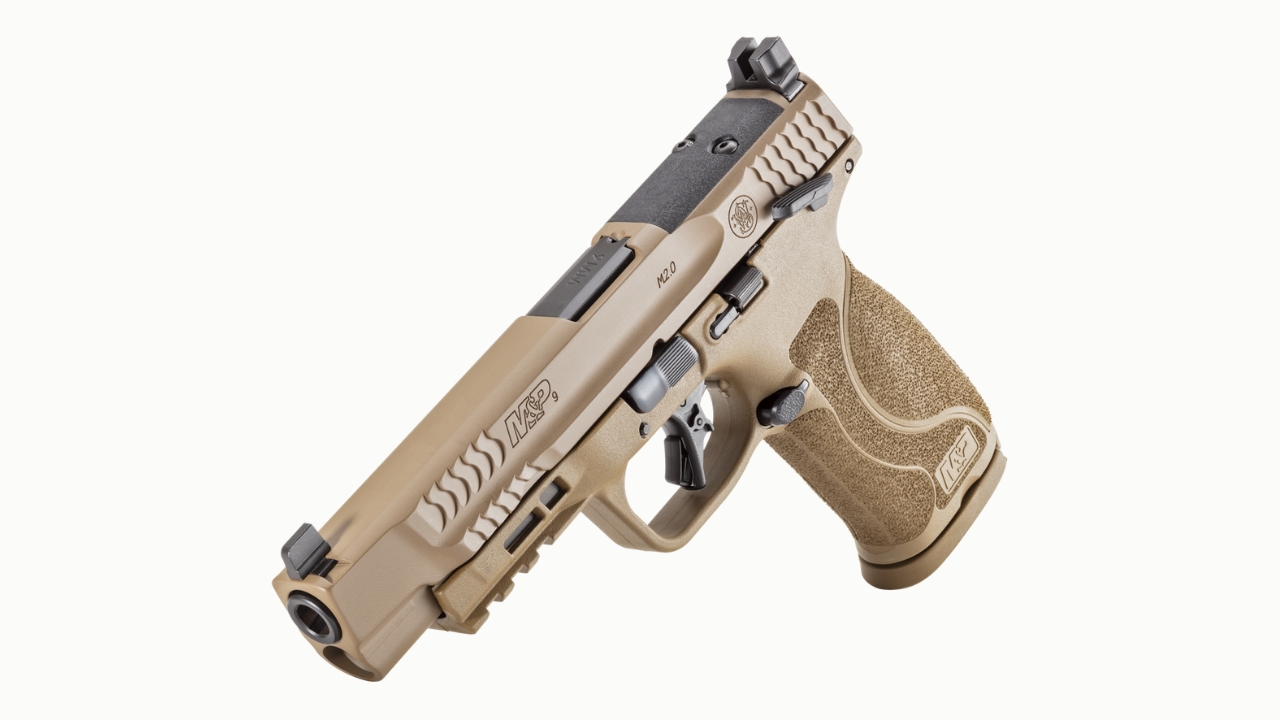
When a student wants a full-size pistol that’s easy to shoot well, the full-size M&P 2.0 comes up a lot. The extra grip real estate helps newer shooters control recoil sooner, and it’s a forgiving platform when someone’s still cleaning up trigger press mistakes.
Trainers also like that it doesn’t require some special “secret setup.” Use a proven holster, quality mags, and leave the internals mostly alone, and it’ll take a lot of rounds without drama.
SIG Sauer P320 (Full Size / Carry)

The P320 remains common in training circles because it’s widely issued, widely supported, and generally easy to shoot well. The modular grip setup helps people get a better fit without buying a whole new pistol, which instructors appreciate because it means fewer students fighting their gun.
The smart trainer advice is simple: keep it stock-ish, use good mags, and don’t get cute with questionable aftermarket parts. Run it clean and lubed like you mean it, and it’s a platform instructors see survive real round counts.
SIG Sauer P365 XL

A lot of trainers steer people toward the P365 XL when the shooter truly wants concealed carry size but still needs something they can train with comfortably. The XL gives you more grip and a longer sight radius than the tiny micros, so it’s less punishing for high reps.
It’s still a carry gun, not a duty gun, so you need to maintain it and not pretend it’s a full-size. But for the role it’s meant to fill, instructors recommend it because it’s one of the easiest “carry-sized” pistols to shoot well.
HK VP9
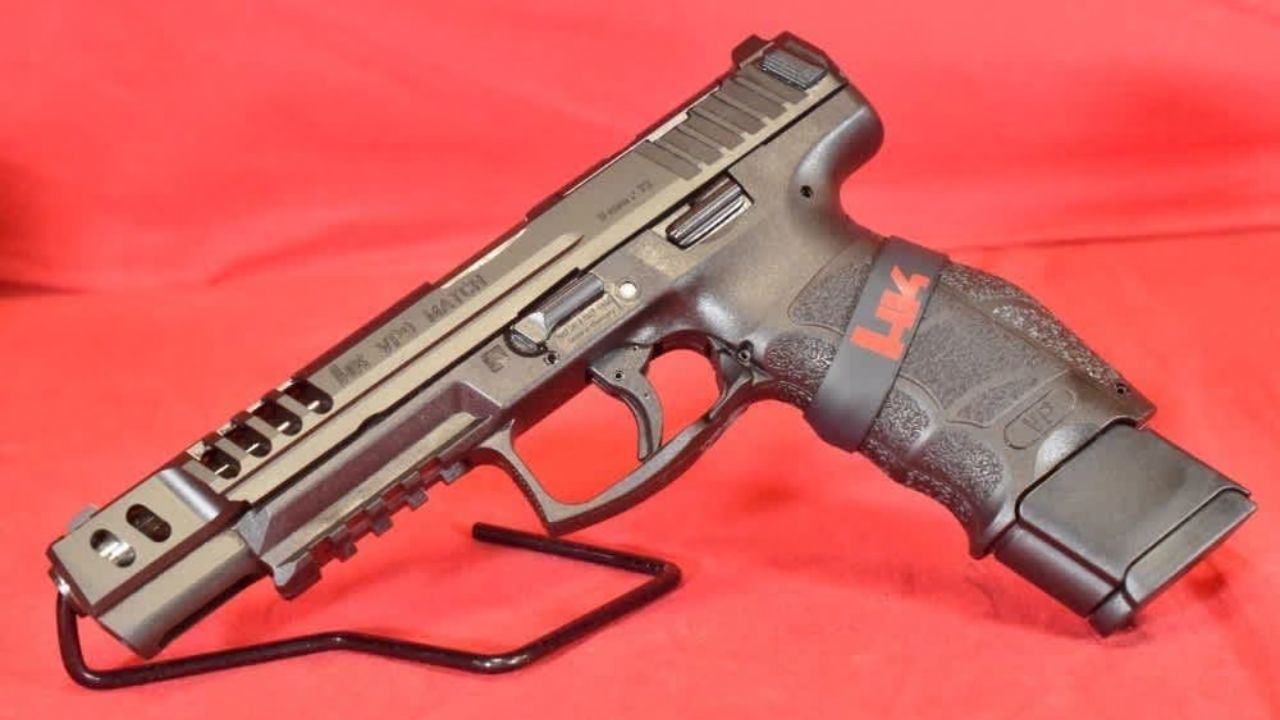
The VP9 has been a consistent performer for shooters who want a striker gun that feels good in the hand and runs cleanly in hard use. Trainers tend to like it because it’s dependable and ergonomic, and it doesn’t usually show up as “the gun causing the class problems.”
It’s also a pistol that rewards good grip mechanics without being overly snappy. When someone shows up with a VP9 and decent mags, the instructor usually focuses on the shooter—not the equipment.
HK P30 (V1 LEM or DA/SA)

The P30 comes up when instructors talk about “serious guns” that hold up in hard conditions. It’s proven, durable, and tends to keep running even when it’s been neglected more than it should be. The LEM versions especially have a strong following among experienced shooters who like that consistent pull.
The big thing is that the P30 doesn’t feel fragile. It feels like a gun that can live in a holster, get rained on, get dusty, and still function—exactly what trainers want when students are showing up from real life.
CZ P-10 C

The P-10 C gets recommended because it shoots flat, has a good trigger feel for a striker gun, and usually runs like it should with minimal fuss. Many instructors like it as a value option that still performs like a serious service pistol.
The key is to keep it simple. Run quality mags, don’t chase gimmick parts, and put your money into ammo and training. The P-10 C is one of those pistols that can quietly rack up rounds without demanding attention.
Walther PDP Compact
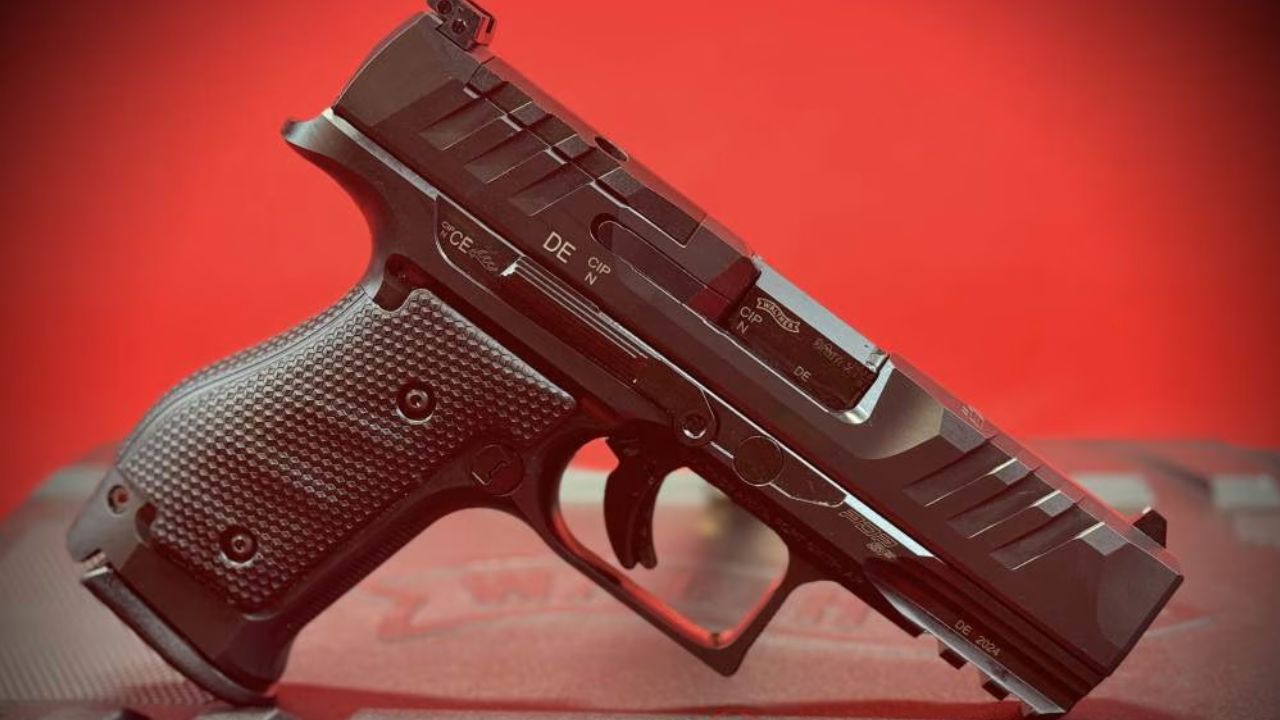
The PDP gets trainer love because it’s easy to shoot accurately and quickly, especially for shooters who struggle with mushy triggers. The ergonomics and trigger feel help students learn faster, and the gun tends to stay reliable when used as intended.
The honest caveat is that it’s a pistol you should actually practice with, because it encourages speed. But trainers recommend it because when shooters do their part, the PDP usually doesn’t create mechanical surprises.
FN 509
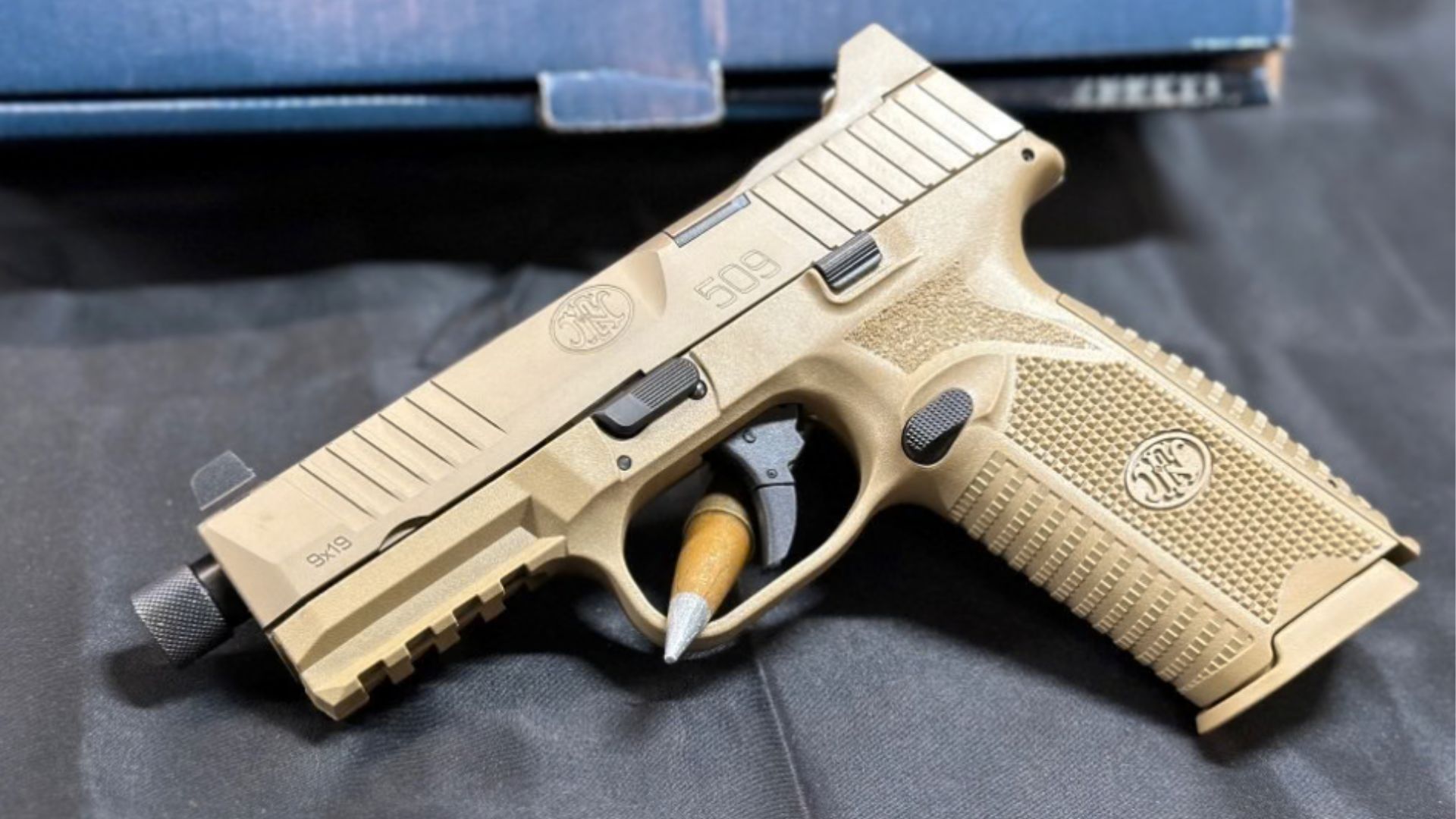
The FN 509 shows up in trainer recommendations as a tough, duty-style pistol that can take abuse. It’s not always everyone’s favorite trigger, but it’s a gun instructors trust to keep going during a long day of reps.
A lot of people choose the 509 because they want something built like a work gun. Trainers tend to respect that choice because the pistol generally behaves like one—solid, consistent, and not overly picky about normal training ammo.
Beretta 92G (or 92-series decocker-only)
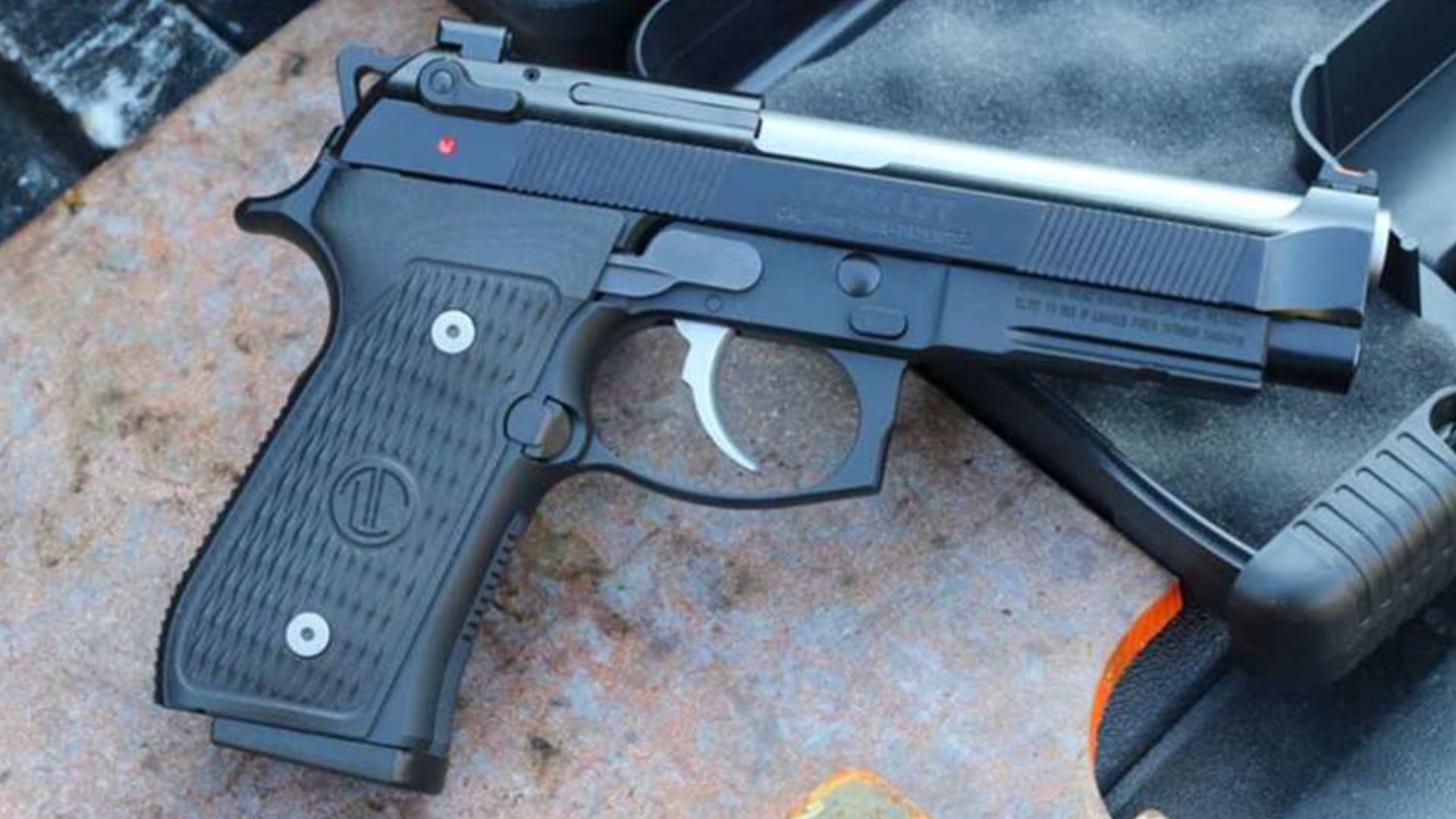
A Beretta 92 with decocker-only controls is still one of the best “learn to run a DA/SA properly” pistols out there. Trainers who actually like DA/SA guns recommend it because the platform has a long track record and it teaches good trigger discipline.
It’s also smooth, stable, and forgiving to shoot well. If a student shows up with a 92G and puts in the reps, instructors aren’t worried about the gun holding up—they’re focused on helping the shooter master the system.
SIG Sauer P226 (9mm)

The P226 is still respected because it’s durable and it holds up under heavy use when maintained. Trainers recommend it for shooters who want a full-size DA/SA gun that feels stable and predictable, especially during fast strings.
The P226 isn’t the lightest carry gun, but that’s not the point. In training and duty-style use, it has a long history of being the kind of pistol you can run hard without it getting weird.
Staccato P

When trainers talk about “high-end that actually earns it,” the Staccato P comes up a lot. It’s shootable, flat, and fast, and when you feed it good mags and keep it maintained, it can be extremely consistent over high round counts.
The important part is expectations: it’s a performance pistol, so treat it like one. Don’t cheap out on magazines, don’t neglect spring schedules, and don’t assume price means zero maintenance. Trainers recommend it because it performs when set up correctly.
Glock 34 (Gen5)

The Glock 34 is a trainer favorite because it makes shooting fundamentals easier to see and correct. Longer sight radius, softer feel, and more forgiveness for small errors. It’s the kind of pistol that helps students feel what “good” looks like during recoil control and trigger press.
It also has the same Glock advantage: simple, predictable, widely supported. When people show up with a G34, instructors usually know the gun won’t be the limiting factor.
Like The Avid Outdoorsman’s content? Subscribe to our newsletter so you never miss an article.
Here’s more from us: