Photo credit: Buffalo's Outdoors/YouTube
Some pistols get sold as the smarter choice before they ever prove much of anything. They look newer, hold more rounds, wear better marketing, or show up with features that sound hard to argue against at the gun counter. Then real use starts piling up. Suddenly the “better” pistol needs ammo excuses, magazine excuses, break-in excuses, grip excuses, spring excuses, or some long explanation about why it only acts up under certain conditions.
Meanwhile, the trustworthy pistol keeps doing the boring thing. It runs. It shoots where it should. It survives neglect, bad weather, cheap practice ammo, and long stretches of use without asking the owner to defend it. These are the pistols that stayed trustworthy while “better” options kept needing excuses.
SIG Sauer P226

The P226 has spent years being the pistol people come back to after flirting with something supposedly more advanced. On paper, it can look like old news beside lighter polymer guns or newer duty pistols with trendier feature sets. That never seems to hurt it much once the shooting starts. The SIG tends to feel planted, predictable, and calm in the hand in a way many newer pistols do not.
What keeps the P226 in the conversation is how little drama it creates. It does not need a fan club to explain away odd behavior. It just keeps acting like a serious service pistol that was built to be trusted. Plenty of “better” guns show up with more flash. The P226 usually leaves with more respect.
Beretta 92FS

The Beretta 92FS has been called too big, too old, and too dated for years by people who usually remember its strengths right after a newer pistol disappoints them. It is not compact, and it does not pretend to be. What it does offer is soft shooting, excellent controllability, and the kind of easy reliability that gets harder to ignore the longer you own one.
That is why it keeps outlasting a lot of hype. The 92FS does not need much explaining when range time gets long or conditions get ugly. It keeps feeding, keeps shooting flat, and keeps reminding owners that a pistol does not need to be the newest thing in the room to be one of the most trustworthy.
Glock 17 Gen 3

The Glock 17 Gen 3 is one of the clearest examples of a pistol that kept doing its job while other handguns kept showing up with extra promises and extra caveats. For years, people have acted like it was too plain, too common, or too lacking in personality to deserve much excitement. That never stopped it from being one of the easiest pistols in the world to trust.
What makes it hold up so well is the lack of mystery. The gun runs, the support is everywhere, and very few owners spend much time inventing reasons why theirs needs special treatment. While more “refined” pistols kept arriving with quirks to explain away, the Gen 3 Glock just kept being the boring answer nobody enjoys arguing with.
Smith & Wesson 5906
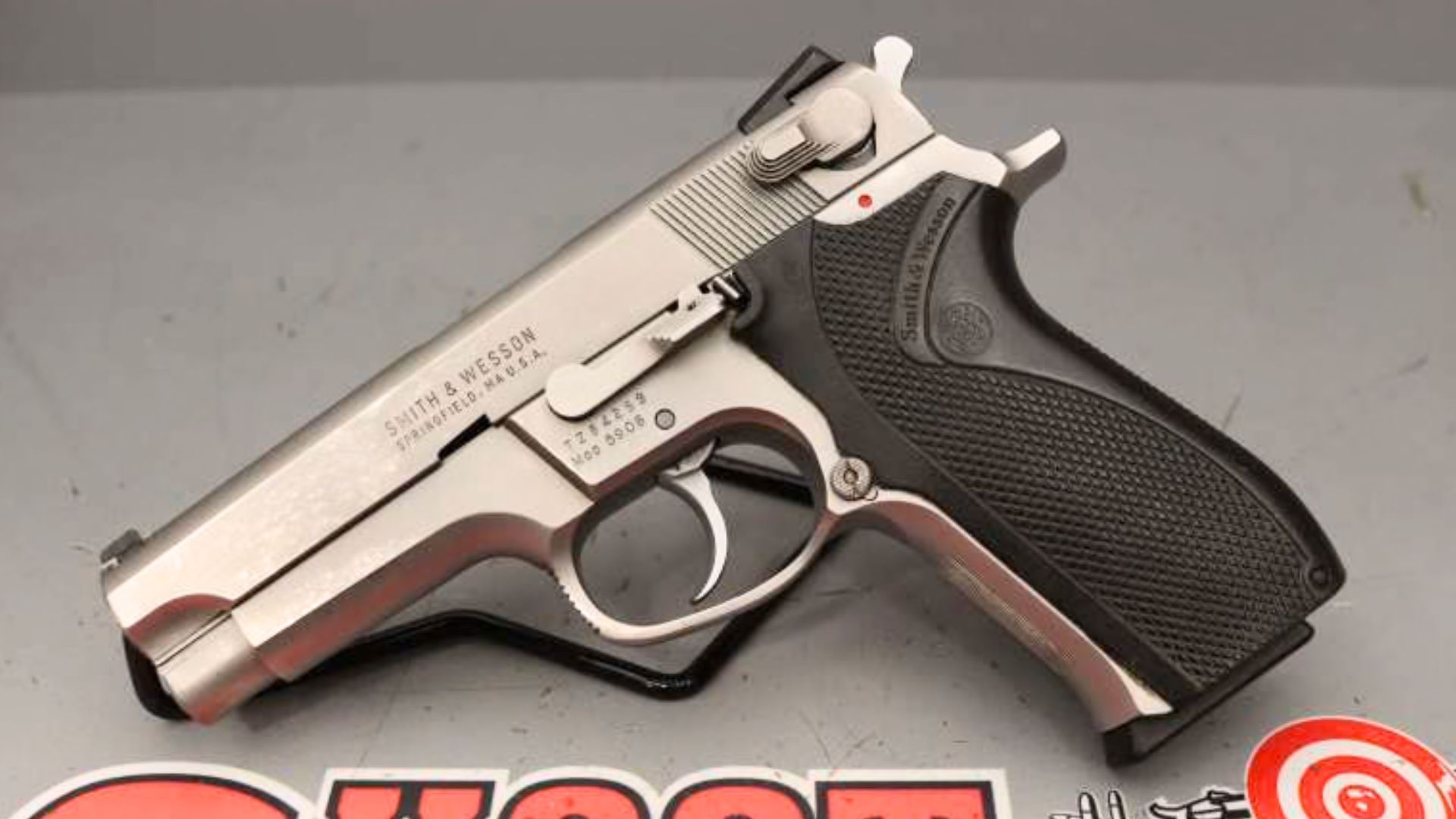
The 5906 was never the pistol buyers bragged about most loudly when newer service pistols started rolling in. It was heavy, all steel, and easy to treat like yesterday’s duty gun. Then a lot of those newer pistols started proving why old-duty-gun trust still matters. The 5906 has a way of making newer handguns feel a little flimsy once you spend enough time with one.
Its strength is not glamour. It is steadiness. The 5906 feels like a pistol built to survive long use and rough handling without needing much sympathy from the owner. That is why it still gets remembered so well. A lot of “better” pistols showed up with better brochures. The old Smith showed up with fewer excuses.
CZ 75B

The CZ 75B has long been the pistol people discover after getting tired of handguns that seemed smarter on paper than they felt on the range. It does not need a lot of gimmicks to make sense. The all-steel frame, controllable shooting characteristics, and strong ergonomics all keep paying off long after the novelty of other pistols wears thin.
That is where the trust comes from. The 75B tends to feel sorted out in a way many fashionable pistols never quite do. It does not constantly push the owner to explain why it needs this load, that magazine, or some special grip fix before it feels right. It just behaves like a handgun that understood its job from the start.
SIG Sauer P228

The P228 is one of those pistols that makes a lot of more recent compact 9mms sound a little overconfident in hindsight. It is not trying to be the thinnest, the lightest, or the most aggressively marketed answer to concealed carry or duty use. It simply feels balanced, serious, and unusually complete for its size.
That completeness matters. The P228 tends to run with the kind of calm dependability that makes newer “improvements” seem less impressive over time. Owners do not usually spend much effort defending one. They just keep it. That says more than the long list of excuses people often end up making for pistols that were supposed to be the smarter option.
Ruger P95
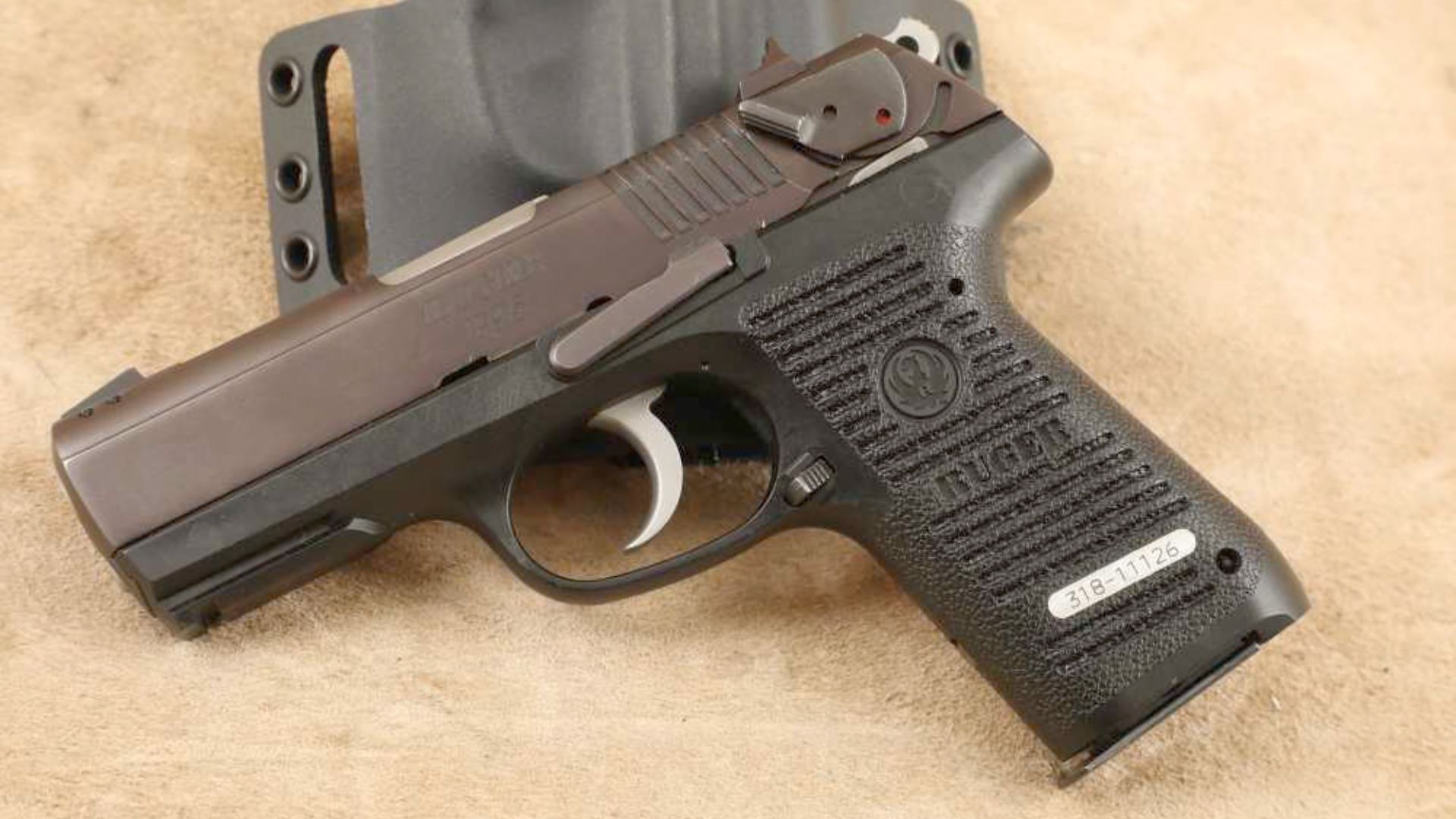
The Ruger P95 spent years getting treated like the cheap practical fallback while buyers chased sleeker, more prestigious pistols. Then a funny thing happened. The fallback kept running while a lot of “better” guns needed break-in periods, premium mags, or careful ammo selection to stay on their best behavior. The Ruger never looked elegant, but it rarely looked confused about what it was supposed to do.
That is why trust built around it. The P95 was ugly, blunt, and refreshingly free of pretense. Owners who actually used them learned pretty quickly that there is something comforting about a pistol that does not need to be handled like a project. A lot of prettier guns asked for patience. The P95 mostly asked to be loaded.
Heckler & Koch USP 9

The USP 9 has a long history of making trendy pistols feel temporary. It is not the most fashionable thing now, and that is part of its appeal. The gun was built with a level of durability and seriousness that still shows every time somebody picks one up after spending too long with something more modern that feels strangely delicate by comparison.
What keeps the USP relevant is the same thing that made it matter in the first place. It works. It holds up. It handles abuse well, and it does not need much explaining when things get dirty or round counts get high. Plenty of “better” options looked more current for a while. The USP has outlived that phase before.
Browning Hi-Power
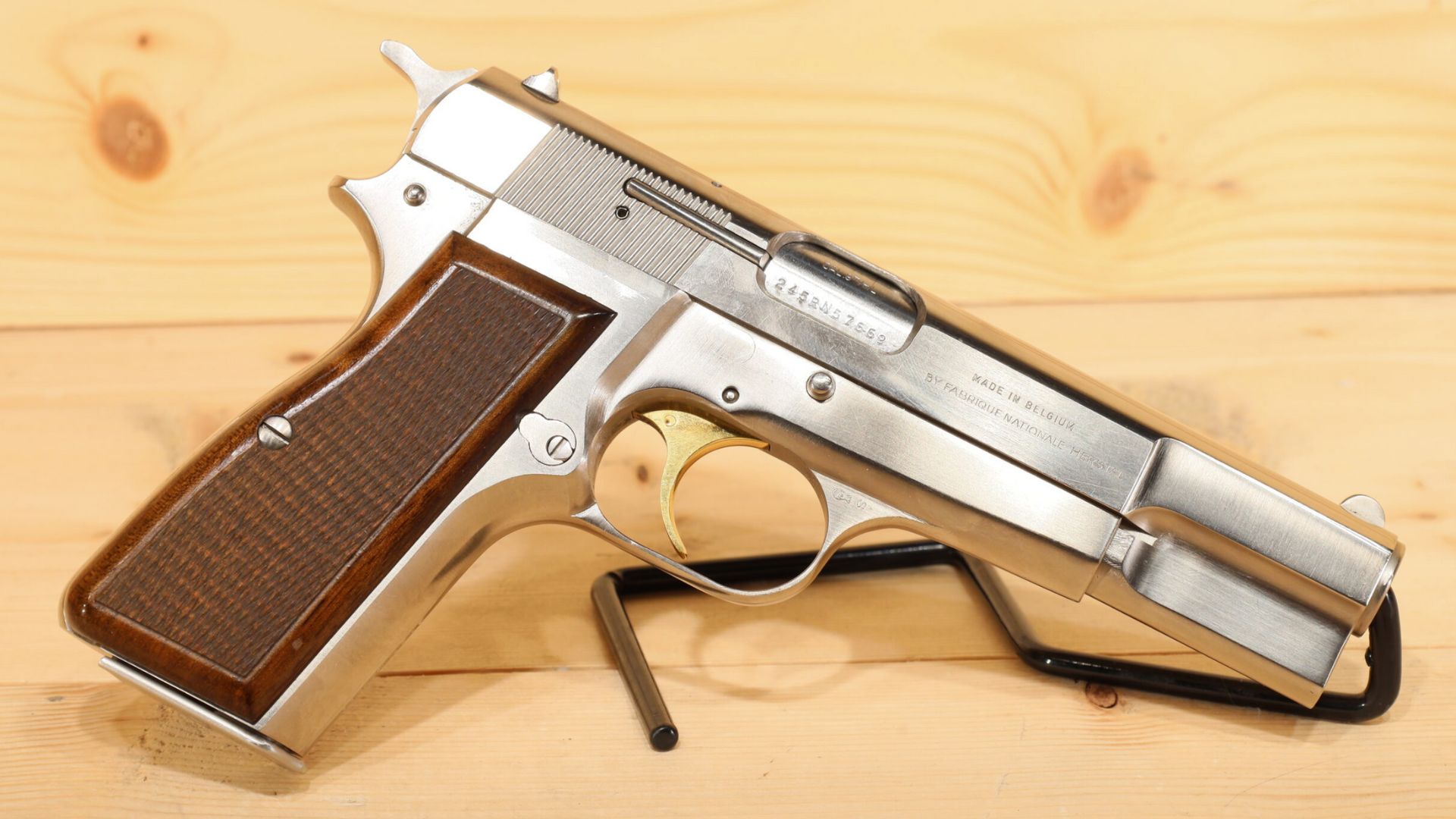
The Browning Hi-Power keeps earning trust for reasons that have very little to do with nostalgia alone. Yes, the name matters. Yes, the design is famous. But the bigger point is that it remains one of those pistols that still feels right once it is in the hand and under actual use. Many newer pistols have come along claiming to improve everything the Hi-Power represented.
A surprising number of them still do not feel as natural. That is what keeps the Hi-Power in serious conversations. It points well, shoots well, and carries the kind of all-steel confidence that newer pistols often try to replace with features instead of substance. When “better” handguns start needing an explanation, the Hi-Power usually does not.
Smith & Wesson 3913

The 3913 is one of those pistols that rarely gets enough credit until a buyer has already spent time with thinner, louder, and more aggressively marketed carry pistols that turned out to be less satisfying than promised. It is compact, practical, and deeply shootable for its size. That combination tends to age very well.
What owners end up trusting is how complete it feels. The 3913 does not feel like a stripped-down compromise built only to disappear in a holster. It feels like a real handgun that also happens to carry well. That is not as common as the market likes to pretend. A lot of “better” carry pistols kept needing caveats. The little Smith mostly kept making sense.
Beretta PX4 Storm Compact

The PX4 Storm Compact has spent years being underestimated because it never had the same clean, obvious appeal as more conventional carry pistols. That worked in its favor. Buyers who actually gave it a chance often found a pistol that shot softer than expected, handled well, and created far less drama than some more celebrated alternatives.
That is why it has held onto such loyal support. The PX4 Compact tends to earn trust through use rather than image. It keeps making a practical case for itself every time somebody realizes the more fashionable pistol they bought instead has sharper recoil, less comfort, or more little irritations than they expected. The Beretta often ends up feeling like the grown-up decision.
Walther P99 AS
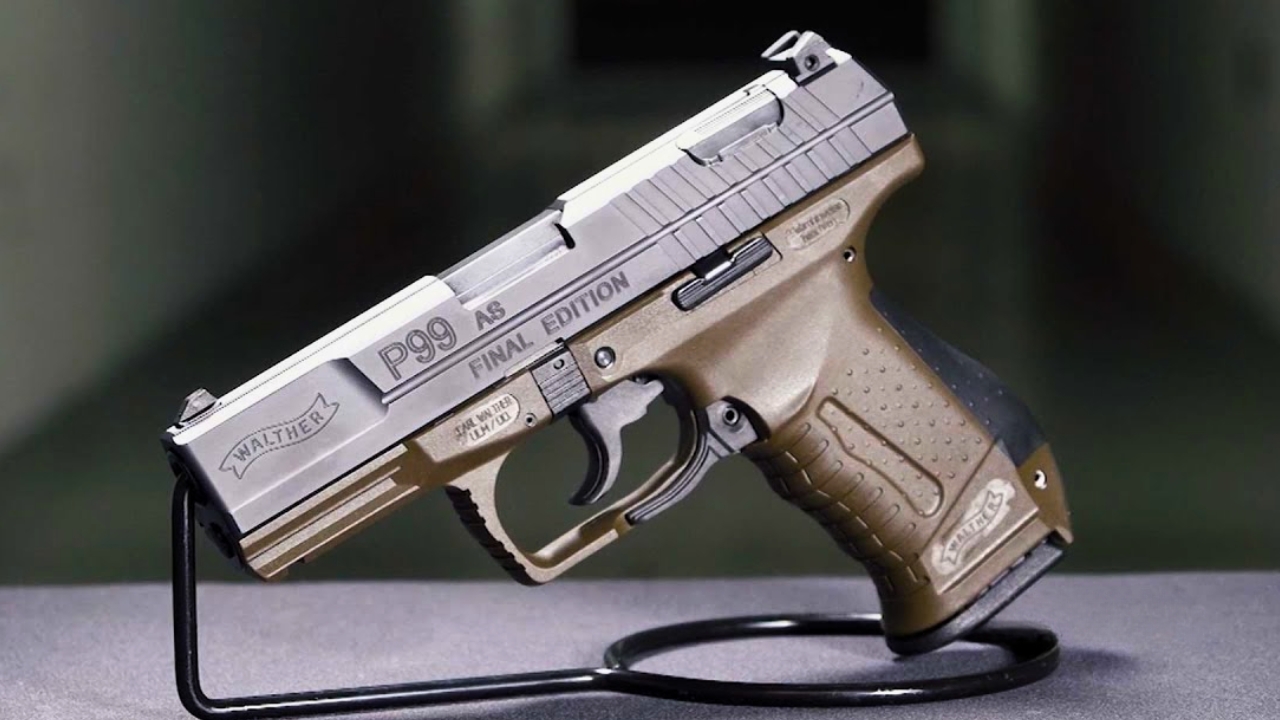
The P99 AS is one of those pistols that probably never got the broad credit it deserved because it did not fit neatly into the loudest trends of its era. That made it easy for buyers to overlook while they chased pistols with bigger hype behind them. But the people who actually spent time with one often discovered a pistol that was reliable, shootable, and better thought out than a lot of competitors.
That is what keeps it respected. The P99 AS offered a lot without creating much noise around itself. While some “better” pistols kept arriving with more excitement than staying power, the Walther kept proving it could be trusted as a serious working gun. That kind of quiet competence ages extremely well.
Ruger SR9
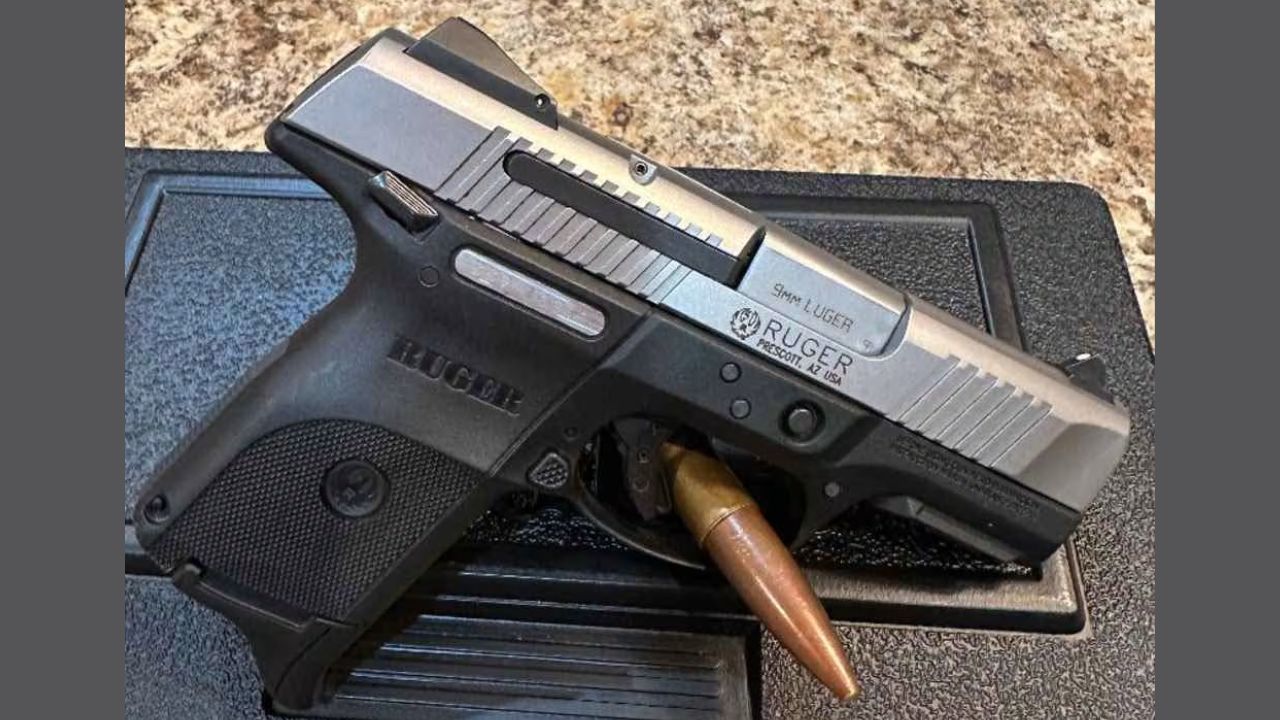
The SR9 did not always get treated fairly because Ruger’s semiauto reputation at the time carried baggage with some buyers. That made the pistol easier to doubt than to understand. People often assumed more fashionable striker pistols were automatically the smarter buy. Then enough shooters actually used the SR9 long enough to realize it was more dependable and more practical than the dismissive tone around it suggested.
It stayed trustworthy because it avoided becoming high-maintenance in the owner’s life. The SR9 was straightforward, easy to live with, and far less temperamental than some pistols with stronger early buzz. A lot of supposedly better options gained fans first and excuses later. The Ruger usually did the opposite.
Smith & Wesson Model 4506
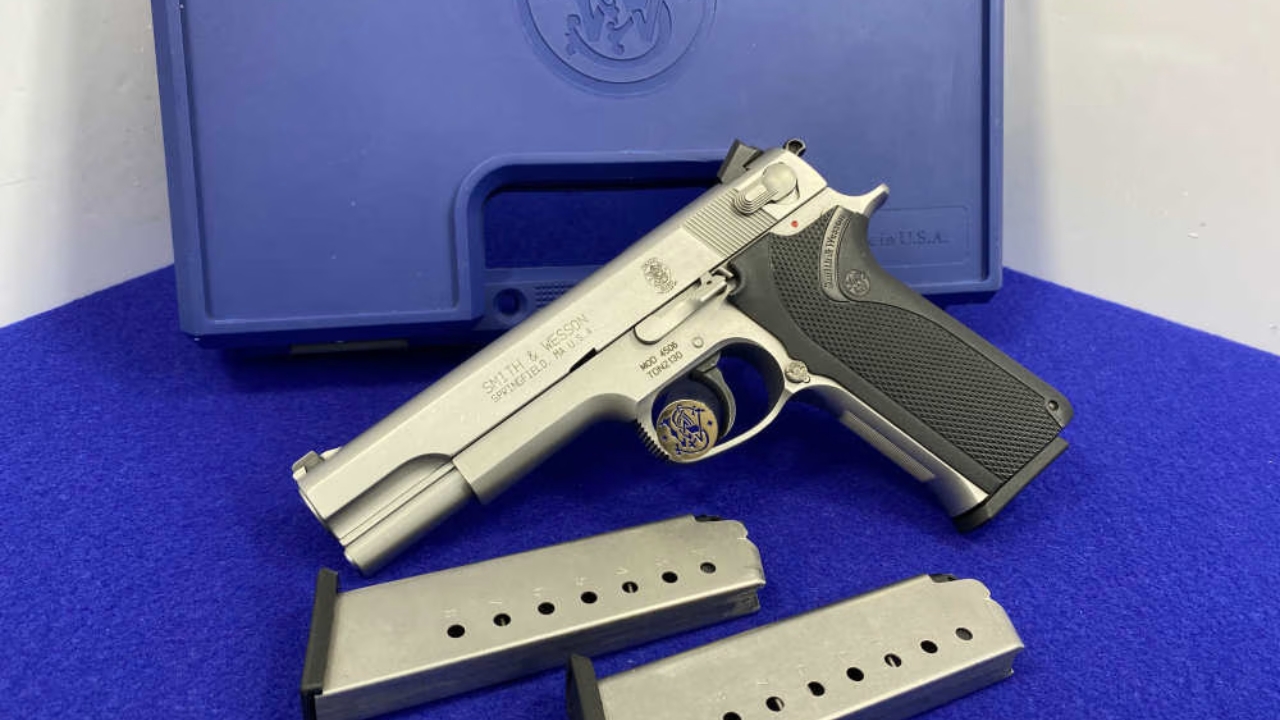
The 4506 is not subtle, and that helped some buyers underrate it for years. It is large, heavy, and very much from an era when duty pistols were expected to feel like they meant business. That made it easy to push aside when newer .45s started arriving with lighter frames and more modern styling. But the 4506 kept doing something the newer guns often struggled with: behaving like a serious-use pistol without much drama.
That is why it stays memorable. The 4506 feels massively trustworthy once a shooter has enough context to appreciate what that means. It is not trying to impress you with efficiency alone. It is trying to survive use, recoil, and time. Plenty of “better” .45s showed up with more sales pitch than staying power. The old Smith did not need to sell itself that hard.
Colt Government Model Series 70

The Government Model keeps teaching the same lesson to new waves of buyers. The name and history may get people in the door, but the trust comes later, once they realize how much a good steel-frame pistol still offers when it is built right and fed correctly. In a world where a lot of handguns come preloaded with claims about being the next great answer, the old Government Model keeps feeling refreshingly settled.
That settled feeling matters. A lot of “better” pistols arrive promising cleaner carry, easier maintenance, or more modern thinking, then spend years depending on owners to explain their rough edges. A good Series 70-style Government Model tends to make its case in a simpler way. It shoots well, carries real authority, and keeps reminding people that proven can still mean something.
Glock 19 Gen 4
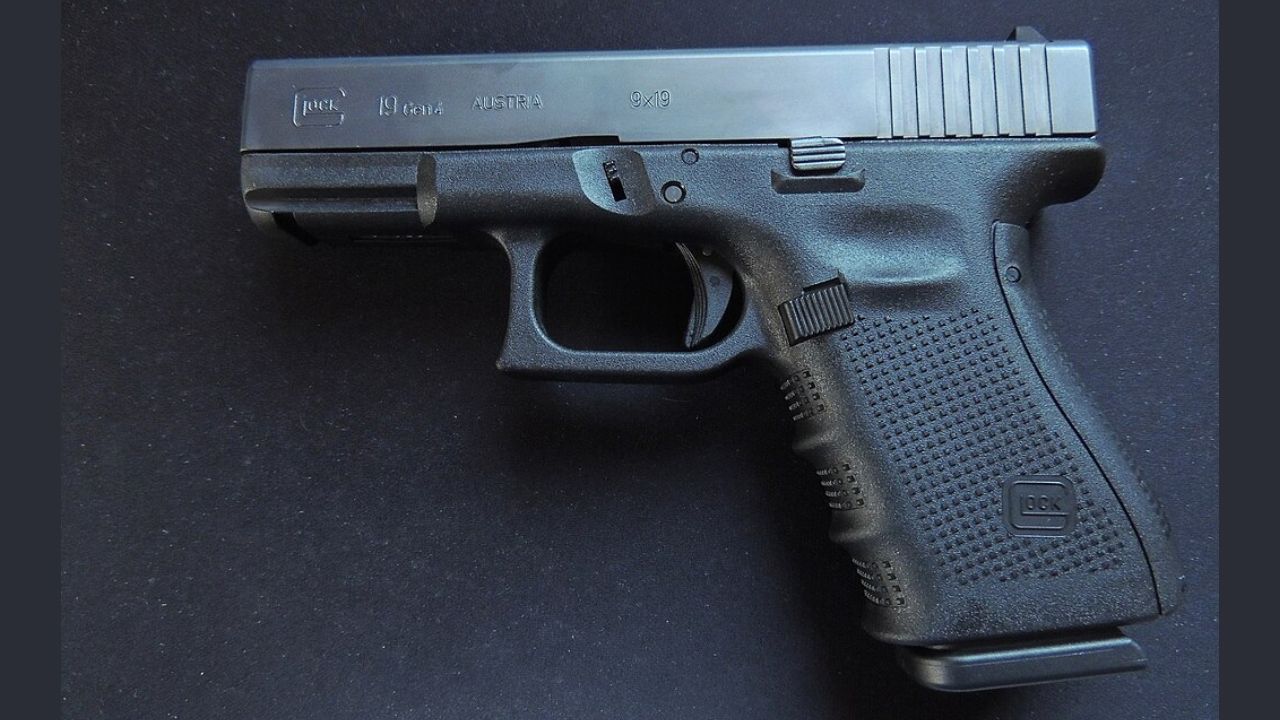
The Glock 19 Gen 4 may not sound like an underdog, but it absolutely belongs here because it has been forced to sit through years of arguments about why a long line of newer pistols were finally going to make it irrelevant. That has not worked out especially well. The 19 keeps staying trustworthy while other pistols keep rotating through the cycle of hype, excuses, and replacement.
What keeps it in the safe is not passion. It is confidence. The gun remains one of the easiest pistols to actually live with, train with, and trust over time. It may not be the most romantic handgun in the world, but it has outlasted an awful lot of supposedly smarter ideas by refusing to become a problem in the owner’s life.
Like The Avid Outdoorsman’s content? Be sure to follow us.
Here’s more from us: