Photo credit: David Ruh/Pexels.com
You can hike for years and never have a serious snake problem if you pay attention, stay on the trail, and quit putting your hands and feet where you can’t see. But some states make it a lot easier to cross paths with a venomous snake than others. It usually comes down to a mix of habitat, long warm seasons, multiple venomous species, and a whole lot of people spending time outside where snakes already live.
That doesn’t mean these states are places to avoid. It just means hikers need to be a little sharper in them. Desert trails, rocky ledges, creek bottoms, palmetto flats, and overgrown edges can all put you in snake country fast. And the thing that gets people in trouble isn’t usually aggression. It’s stepping too close, reaching blindly, or assuming a trail is too busy or too easy for snakes to be there. Venomous snakes in the U.S. are mostly pit vipers like rattlesnakes, copperheads, and cottonmouths, with coral snakes in some regions, and agencies like CDC and the National Park Service stress that bites usually happen when people get too close or try to handle them.
Arizona
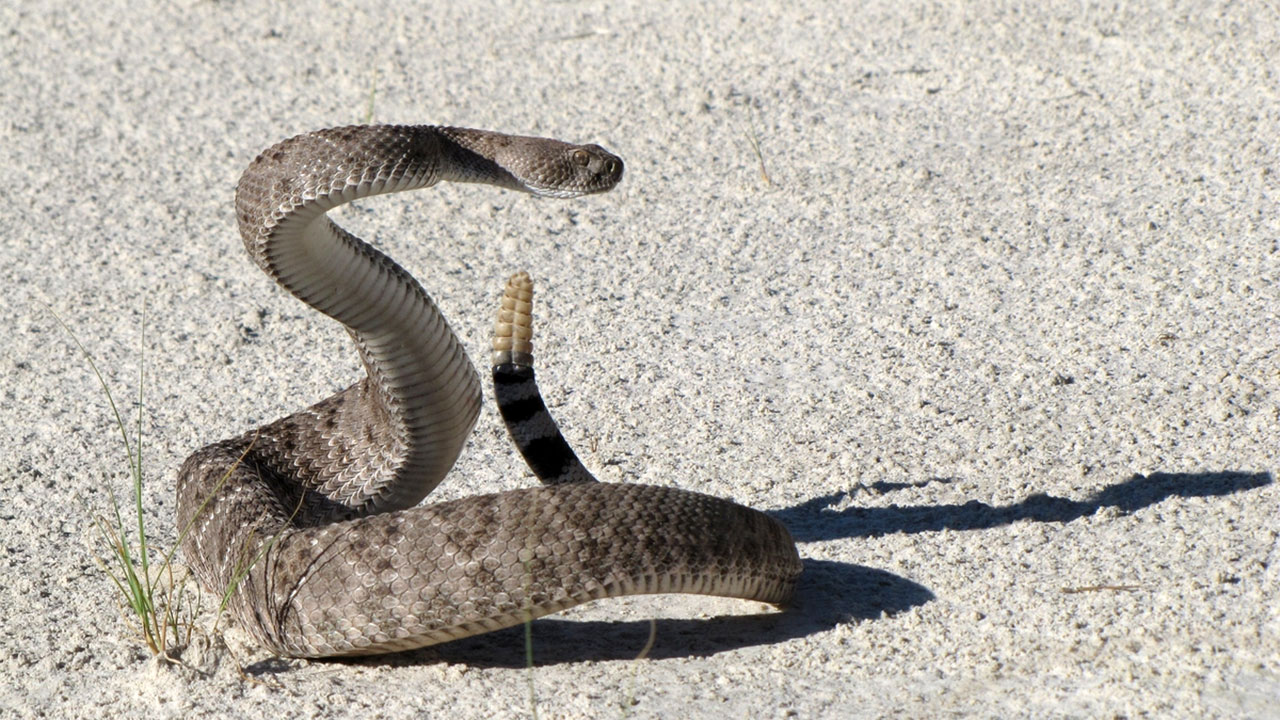
Arizona belongs near the top of this list every time. The state has more rattlesnake species than any other in the country, and Arizona Game and Fish says hikers most often run into species like western diamondbacks, Mojaves, sidewinders, and black-tailed rattlesnakes depending on where they are. Add in all the desert hiking, rocky washes, canyon trails, and warm weather, and you’ve got a place where snake awareness needs to stay switched on.
What makes Arizona tricky is that people don’t only see rattlesnakes way out in the middle of nowhere. They show up near trailheads, suburban edges, and lower desert routes that a lot of casual hikers treat like easy walks. In spring especially, snakes can be moving during daylight, and Grand Canyon and Saguaro both warn hikers to watch where they step and give snakes plenty of room.
Texas
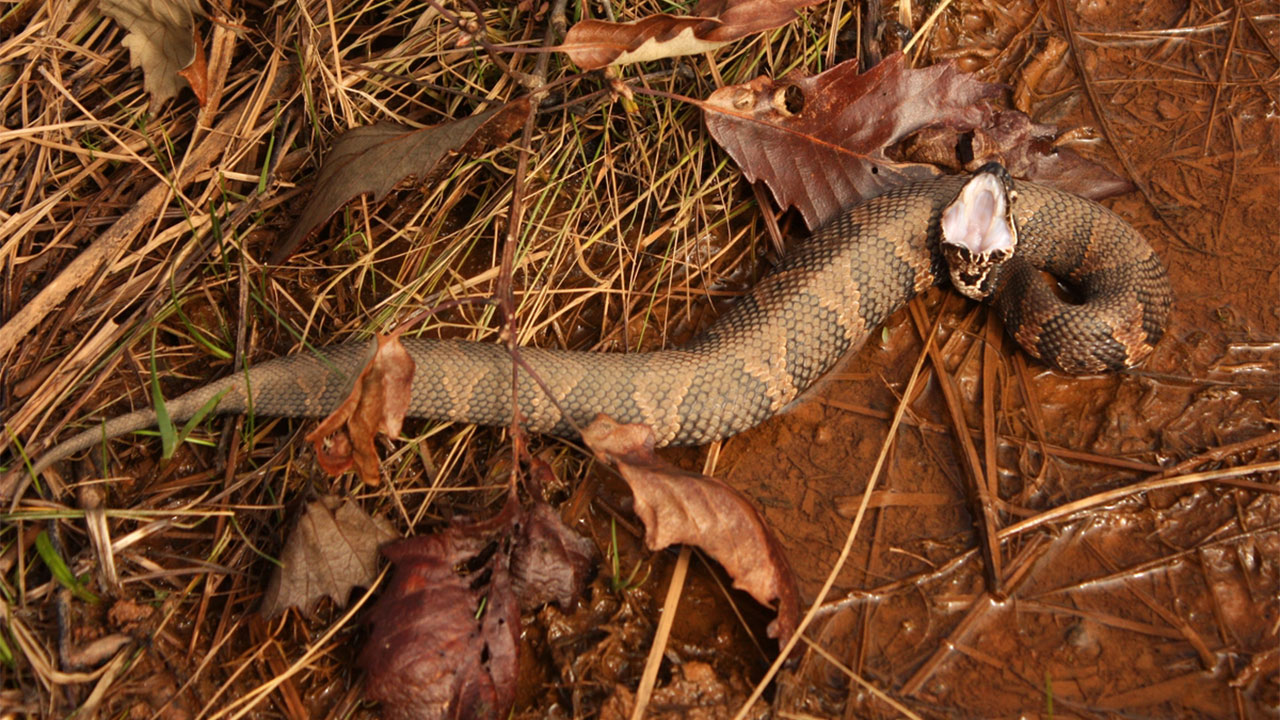
Texas is another state where hikers have a lot of snake country to cover. Texas Parks and Wildlife notes that the state’s venomous snakes include rattlesnakes, copperheads, cottonmouths, and coral snakes, which means you’re not dealing with just one kind of encounter depending on where you hike. East Texas woods, creek bottoms, Hill Country rock, and South Texas brush can all turn into the kind of place where you need to slow down and look twice.
Texas also has so much public and private land underfoot that hikers can forget how different one region is from the next. A person used to dry-country rattlesnake terrain may get careless near wet ground where cottonmouths or copperheads make more sense. Parks and Wildlife also points out that copperheads often show up in rocky areas, wooded bottomlands, and around streams and rivers, which overlaps with a lot of the places people like to walk.
Florida
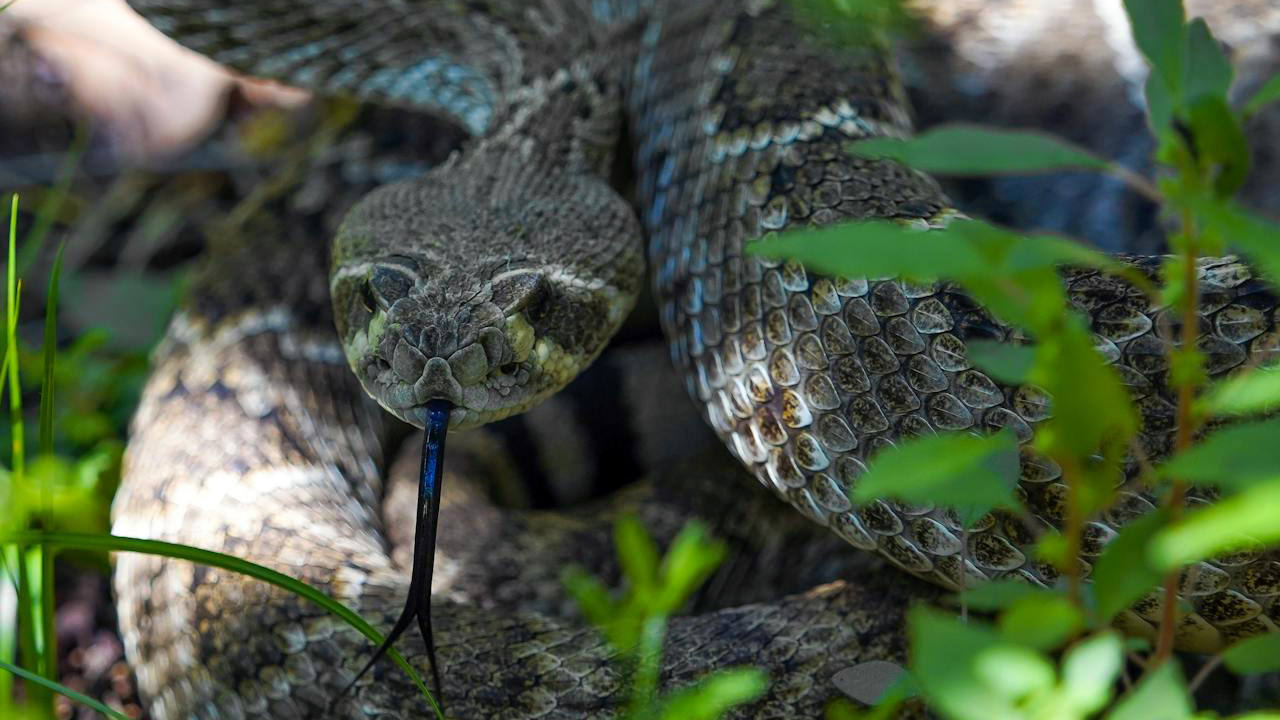
Florida earns its place because it has six venomous native snake species, according to the Florida Fish and Wildlife Conservation Commission, including cottonmouths, eastern diamondbacks, pygmy rattlesnakes, timber rattlesnakes, southern copperheads, and eastern coral snakes. That is a lot of venomous variety packed into a state where people hike year-round and spend a ton of time near wetlands, pine flatwoods, hammocks, scrub, and water edges.
A lot of hikers think of Florida as more gator country than snake country, but that mindset can make people sloppy. The state’s trail systems often cut through places with thick cover, standing water, and warm temperatures that let snakes stay active for long stretches. Even when a snake isn’t common in one exact trail system, the broader statewide mix means Florida hikers should never assume a sunny edge, boardwalk approach, or brushy crossing is harmless.
North Carolina
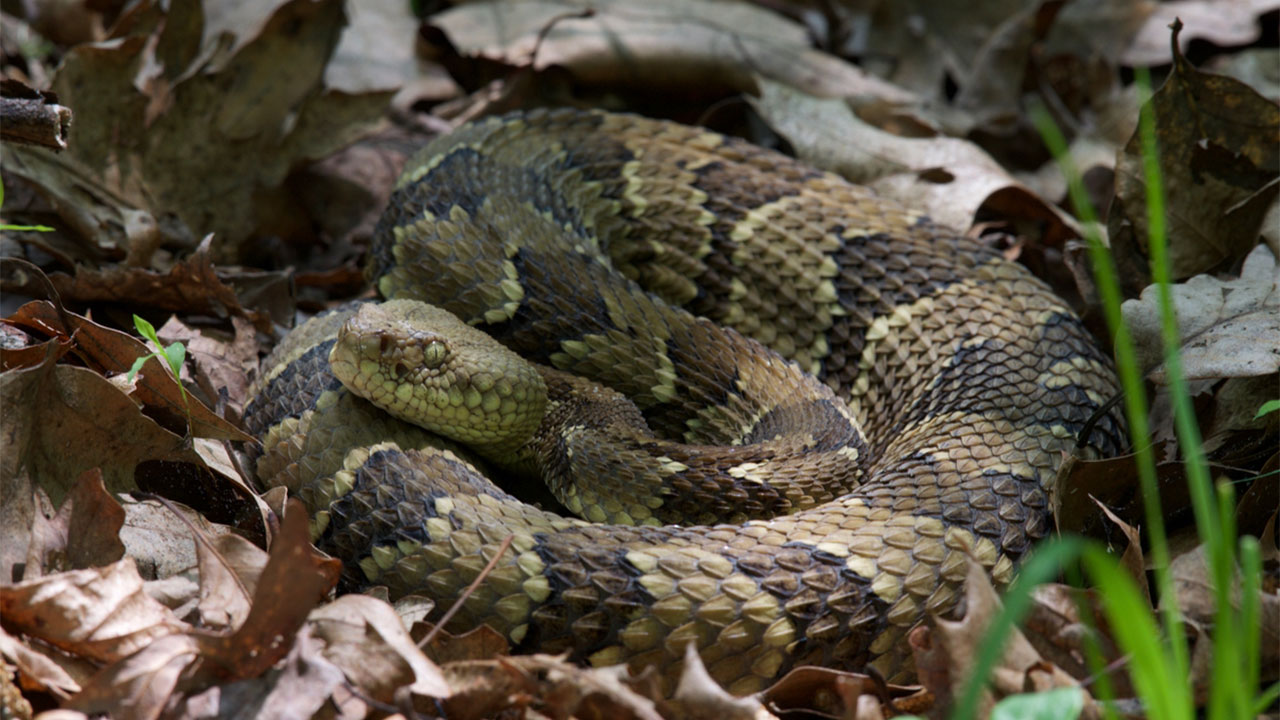
North Carolina deserves mention because it gives hikers a little bit of everything: mountains, foothills, woods, creeks, and a coastal plain where venomous snakes still show up. Extension and park sources in the state point to copperheads and timber rattlesnakes as common concerns in many western and piedmont areas, while other parts of the state can also hold cottonmouths and additional venomous species.
What makes North Carolina a real hiker-snake state is how often people treat these trails as familiar ground. A lot of them are not deep wilderness routes. They’re weekend trails, park paths, river edges, and mountain routes people hike all the time. That comfort level can be exactly what gets somebody too casual. North Carolina sources note copperheads especially can show up where people are active, and lower-elevation sunny slopes and rock outcrops are classic places to pay attention.
Tennessee

Tennessee gives hikers a mix that should never be underestimated. The state has the kind of rocky woodland terrain, creek corridors, and warm-season conditions where copperheads, timber rattlesnakes, and western cottonmouths can all become part of the equation depending on the region. Western Tennessee leans different from the eastern mountains, but that broad habitat spread is exactly why hikers can’t afford to think “snake country” only means one part of the state. Cottonmouth range data from USGS includes western Tennessee, while Appalachian terrain supports copperheads and timber rattlers across the eastern side.
Tennessee also has a lot of the kind of hiking that lulls people into moving fast. Short waterfalls, creek crossings, bluff trails, and shady routes feel less exposed than desert hiking, so folks watch less carefully. That’s a mistake. A snake beside a rock ledge or tucked near water in leaf litter can be easy to miss until you’re right on top of it. In this kind of country, your eyes need to stay a few steps ahead of your boots.
Georgia

Georgia puts hikers around venomous snakes in a lot of different settings, from north Georgia ridges to the swampy and flat coastal plain. The state sits right in that southeastern zone where copperheads, cottonmouths, rattlesnakes, and coral snakes all have some presence depending on the area. Florida Fish and Wildlife’s range references for cottonmouths extend into Georgia, and eastern diamondbacks remain part of the broader southeastern picture too.
It’s also a state where hikers move through a lot of transitional habitat. Trails can shift from dry higher ground into wet low spots fast, and that’s the kind of thing that changes what snake you may be dealing with. Georgia doesn’t always get the same attention Arizona or Texas gets, but for a hiker, it has enough venomous diversity and enough trail use to make regular encounters a real possibility.
South Carolina

South Carolina is another southeastern state where hikers can get surprised if they only think about beaches and low-country scenery. It has copperheads, cottonmouths, coral snakes, and rattlesnakes within the state, and Clemson’s identification and safety guidance shows how familiar at least copperheads are to residents there. Between forests, swamps, lakes, and warm weather, there is a lot of habitat overlap with the places people like to roam.
The reason South Carolina belongs on a list like this is simple: the terrain isn’t always dramatic enough to make people cautious. Brushy edges, sandy paths, fallen timber, and warm ground around water can all hold a snake. In states like this, hikers get into trouble because they treat a casual outdoor walk like it carries no wildlife risk. That’s fine until somebody steps over a log without checking the other side first.
Alabama
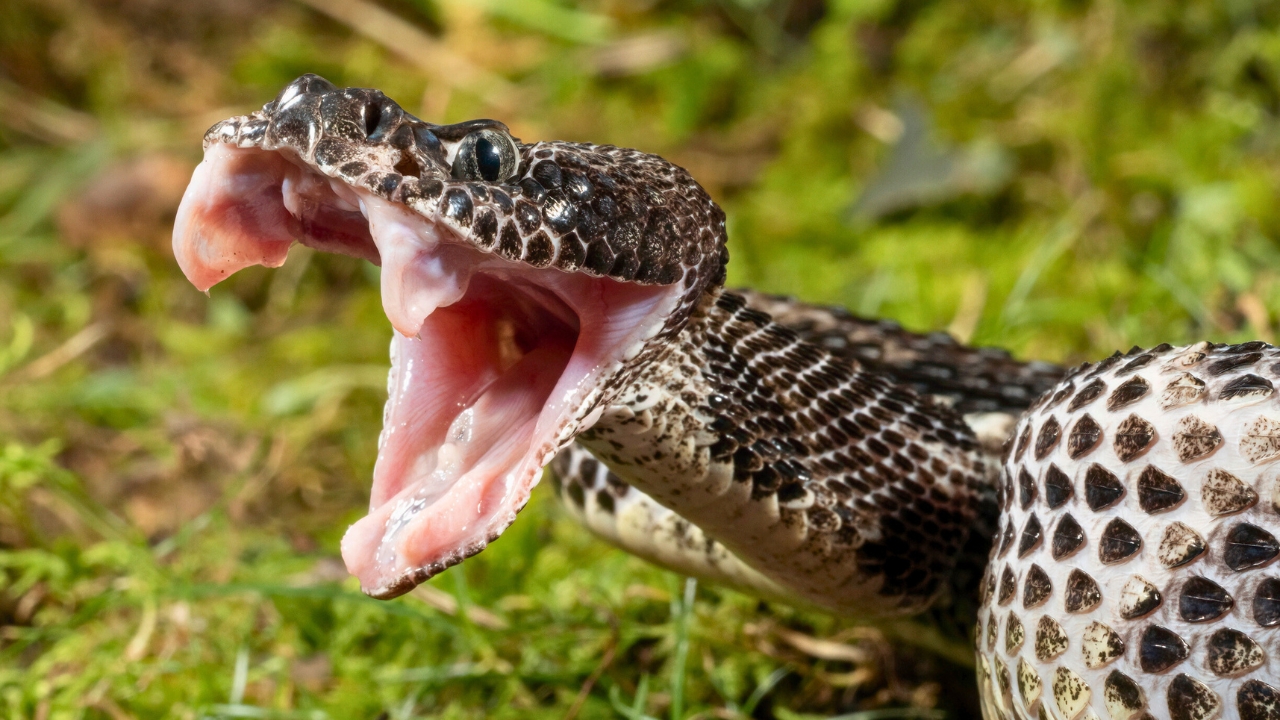
Alabama has the right combination for frequent hiker encounters: plenty of wooded and rocky ground, a long warm season, and multiple venomous species that overlap with recreational areas. The National Park Service notes that Little River Canyon National Preserve alone has copperheads, cottonmouths, and timber rattlesnakes. That tells you a lot about the kind of habitat Alabama hikers are moving through.
The state is also full of places where a snake can stay unseen until the last second. Ferny shade, wet draws, rock shelves, creek banks, and leaf litter all work against a hiker who’s moving too fast. Alabama may not get talked about as much as some western snake states, but from a boots-on-the-ground standpoint, it has more than enough venomous snake habitat to make regular encounters believable for anybody who spends real time on the trails.
Virginia
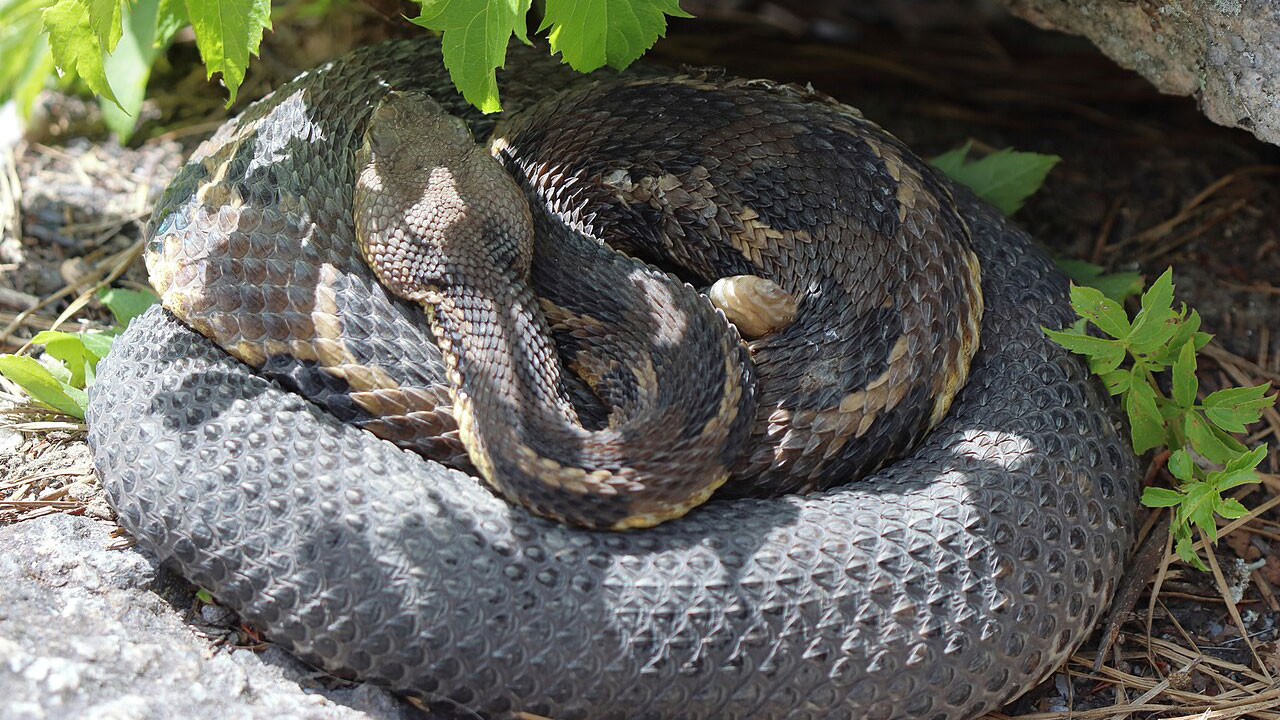
Virginia is a good example of a state where hikers can get comfortable because the trails are beautiful, established, and heavily used. That does not mean snakes aren’t there. Shenandoah National Park notes that the park has two venomous snakes, the timber rattlesnake and the copperhead, and specifically warns that hikers may find them basking in sun patches on rocks or stretched out on trails.
That should tell you all you need to know. In mountain states like Virginia, the risk is not usually some wild, dramatic desert-style encounter. It’s a snake on a warm rock, near a ledge, beside a trail edge, or tucked into leaves where your eyes skipped right over it. Hikers in Virginia need the same habit every smart outdoorsman needs anywhere else: slow your feet down when the terrain tells you to.
Arkansas

Arkansas is loaded with the kind of terrain venomous snakes like and hikers love. Bluffs, creeks, hardwood forests, rocky hills, and warm months give rattlesnakes, copperheads, and cottonmouths room to operate. Cottonmouth range information from USGS includes Arkansas, and that alone tells you wet-ground hikers in the state need to keep their head on straight, especially around lowland water and brush.
Arkansas also has a lot of trails that feel remote without being especially difficult. That can be the sweet spot for sloppy footing and lazy scanning. People stop watching where their hands go when they scramble up a bank or step over downed timber. In a state with this much mixed terrain, it’s not hard to imagine a hiker running into a snake on a rocky slope in the morning and then near wet ground later the same day.
Oklahoma
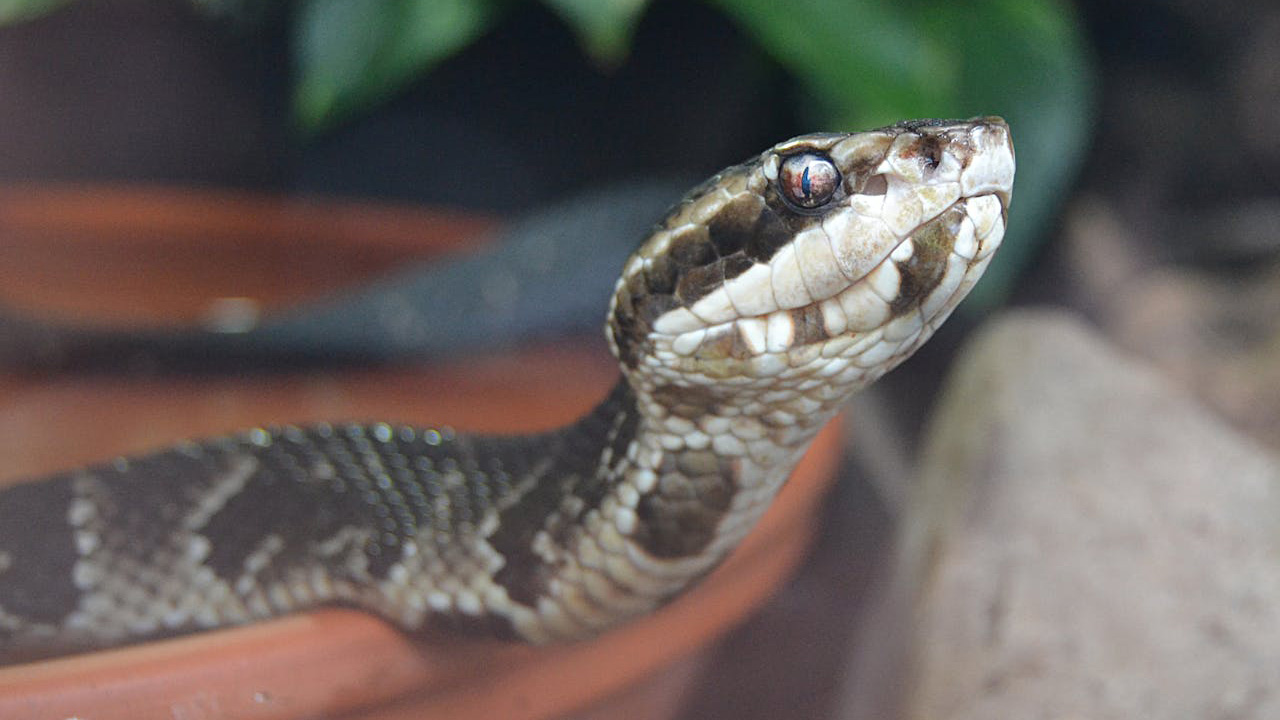
Oklahoma doesn’t always get mentioned first in hiking-snake conversations, but it should be in the mix. It shares a lot of the same venomous-snake profile as nearby Texas in terms of rattlesnakes and other pit vipers, and the western cottonmouth range extends into parts of Oklahoma as well. That gives the state a strong mix of dry-country and wet-country snake possibilities depending on where you are.
The bigger reason Oklahoma makes sense here is that it has plenty of broken, brushy, sun-baked country where hikers, hunters, and campers can cross paths with snakes fast. Trails around lakes, hills, prairie breaks, and creek systems all create opportunity. It’s not just backcountry specialists either. Plenty of people run into snakes on ordinary walks because they assume the state’s easier terrain means less wildlife risk. That assumption can get stupid in a hurry.
California

California belongs on this list because it has a lot of hiking and a lot of rattlesnake habitat. The state’s enormous spread of foothills, chaparral, desert, oak country, and rocky canyons keeps hikers in snake country all over the map. While it doesn’t have the venomous diversity of some southeastern states, the sheer amount of trail traffic and rattlesnake-suitable habitat makes encounters pretty believable in many parts of California. National park and federal guidance across the West consistently warns hikers to watch rocky, sunny, brushy terrain where rattlesnakes may be resting or moving.
California also has the classic suburban-edge problem. A lot of trail systems start right near neighborhoods, and people treat them like backyard exercise routes instead of real wildlife habitat. That’s how somebody ends up crowding a snake on a fire road or reaching beside a rock without looking. It may not feel like deep wilderness, but the snakes do not care what the parking lot looked like.
New Mexico

New Mexico is snake country, plain and simple. Between its desert basins, rocky slopes, scrublands, canyons, and long warm seasons, it offers the kind of terrain that makes rattlesnake encounters a real part of being outdoors. Like Arizona, it has a western landscape where hikers often walk in open country and assume they’ll spot everything in time. That can be a bad assumption when a snake matches the dirt and rock almost perfectly. General federal guidance on venomous snakes emphasizes that most bites happen when people get too close or fail to notice a snake before contact.
New Mexico also has enough elevation and habitat variety to keep hikers guessing. You can move from dry exposed ground into cooler canyon or riparian zones and still be in terrain where venomous snakes make sense. It’s a state that rewards careful foot placement and punishes lazy trail habits. People who hike it a lot usually learn fast that “I thought I would’ve seen it” is not much of a defense.
Utah

Utah may surprise some people, but it has a lot of the same western ingredients that put hikers around rattlesnakes: rocky ground, dry canyons, desert routes, foothills, and long stretches of warm weather. A state does not need a giant menu of venomous species to create encounters. One well-established rattlesnake presence in the kind of country hikers love is enough. That’s exactly what Utah has in many lower and mid-elevation areas. Western hiking safety guidance applies here in a big way: watch rocks, ledges, brush, and sunny ground carefully.
Utah also gets a lot of hikers who are focused on scenery and mileage more than what’s underfoot. Slickrock country, canyon trails, and dry washes pull your eyes outward, not downward. That is great for views and bad for snake awareness. Even if encounters are less talked about than in Arizona, hikers in Utah spend enough time in rattlesnake-friendly terrain for the state to belong in this conversation.
Missouri
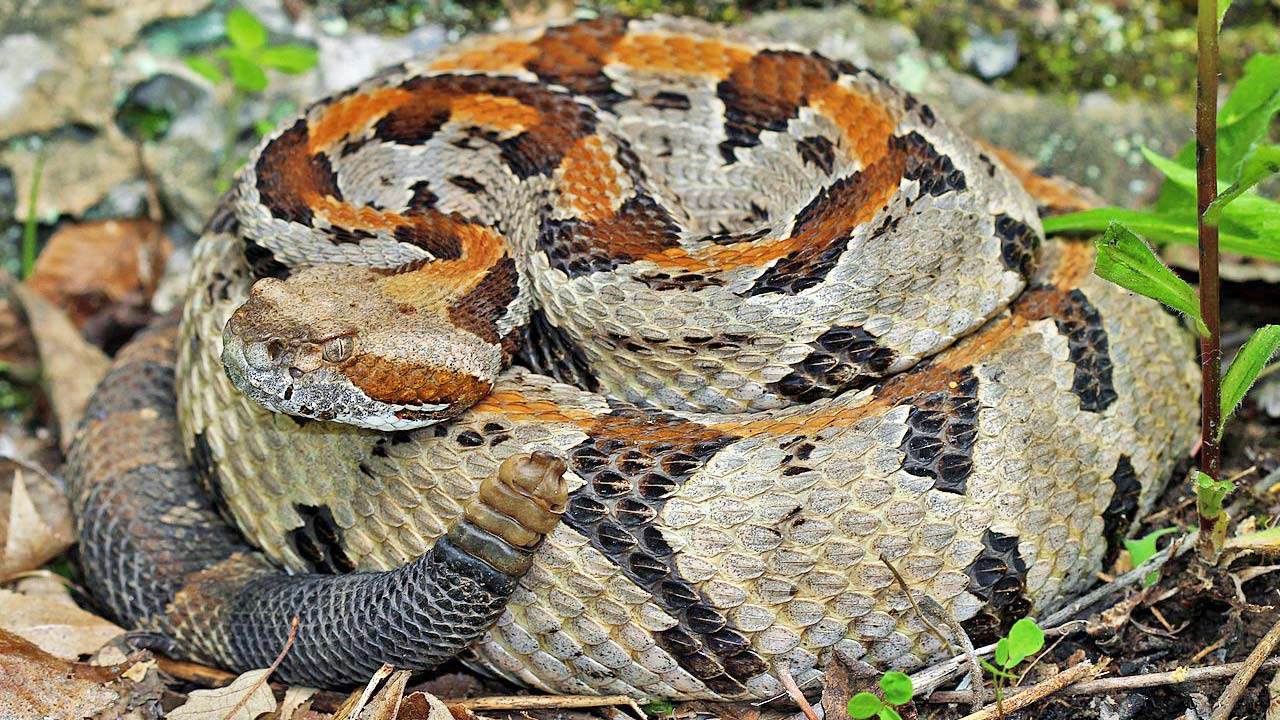
Missouri has a strong case because it sits in that meeting point of woods, rocky hills, bluffs, and streams where venomous snakes fit naturally. Cottonmouth range data includes southern Missouri, and the broader Ozark terrain is also good country for timber rattlesnakes and copperheads. For hikers, that means you can’t treat Midwestern forest trails like they’re automatically low-risk when it comes to venomous reptiles.
The problem in Missouri is that a lot of its snake habitat looks like the exact kind of place outdoorsmen enjoy most: rock edges, creek corridors, hardwood ridges, and brushy transition zones. Those are the places where you stop for a break, step off the trail, or climb around an obstacle. That is also where you can suddenly realize your boot is a whole lot closer to a snake than you wanted it to be.
Like The Avid Outdoorsman’s content? Subscribe to our newsletter so you never miss an article.
Here’s more from us: