
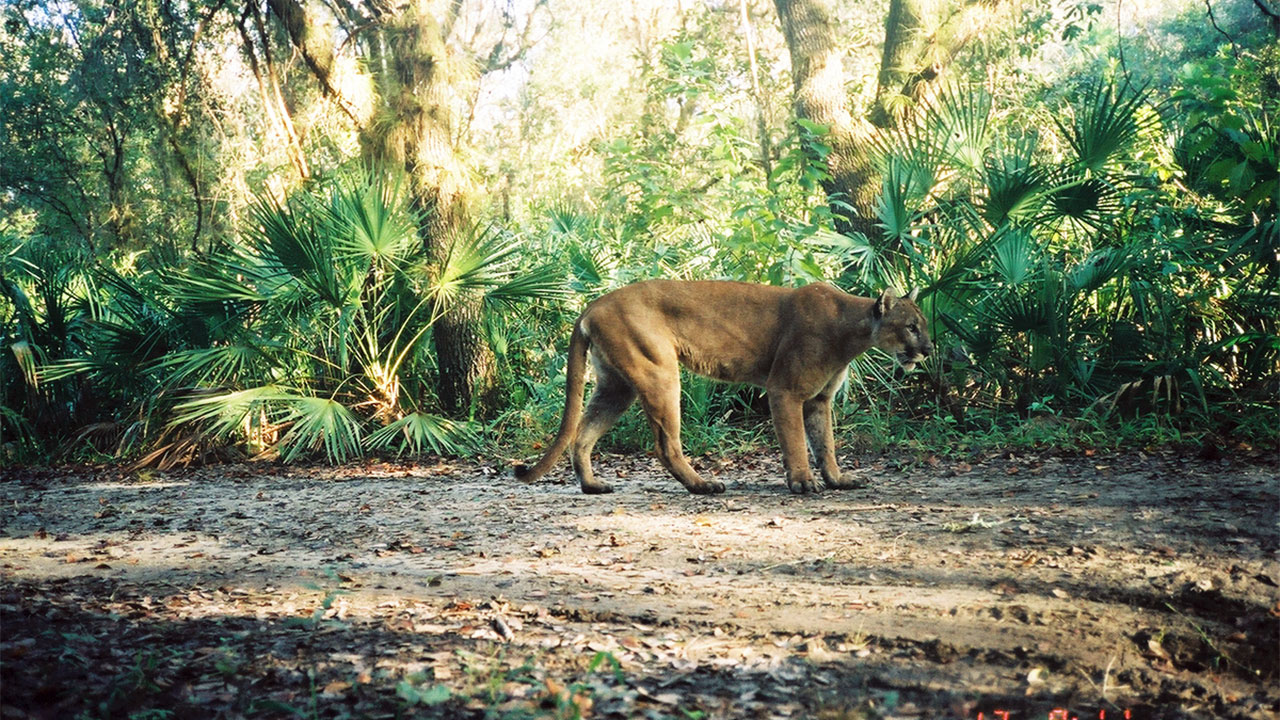
Photo credit: U.S. Fish and Wildlife Service/rawpixel
When people say mountain lions are showing up closer to suburbs, that does not always mean a state suddenly has way more lions than it used to. A lot of the time it means more people are living along foothills, canyon edges, desert washes, and timber breaks where lions have always moved. It can also mean better trail cams, doorbell footage, and more consistent public reporting. Still, in a bunch of states, wildlife agencies are clearly dealing with more neighborhood-edge sightings, more public warnings, and more overlap where houses meet lion habitat. Research groups note that mountain lion populations can be hard to count cleanly, so “more sightings” and “more lions” are not always the same thing.
For this list, I’m focusing on states where the combination of current reporting, agency guidance, habitat overlap, and repeated suburb-edge encounters makes the trend hard to ignore. Some of these are longtime cougar states. Others are places where the sightings feel more surprising because they’re happening closer to neighborhoods, schools, trails, hobby farms, and commuter-town edges than people expect.
California
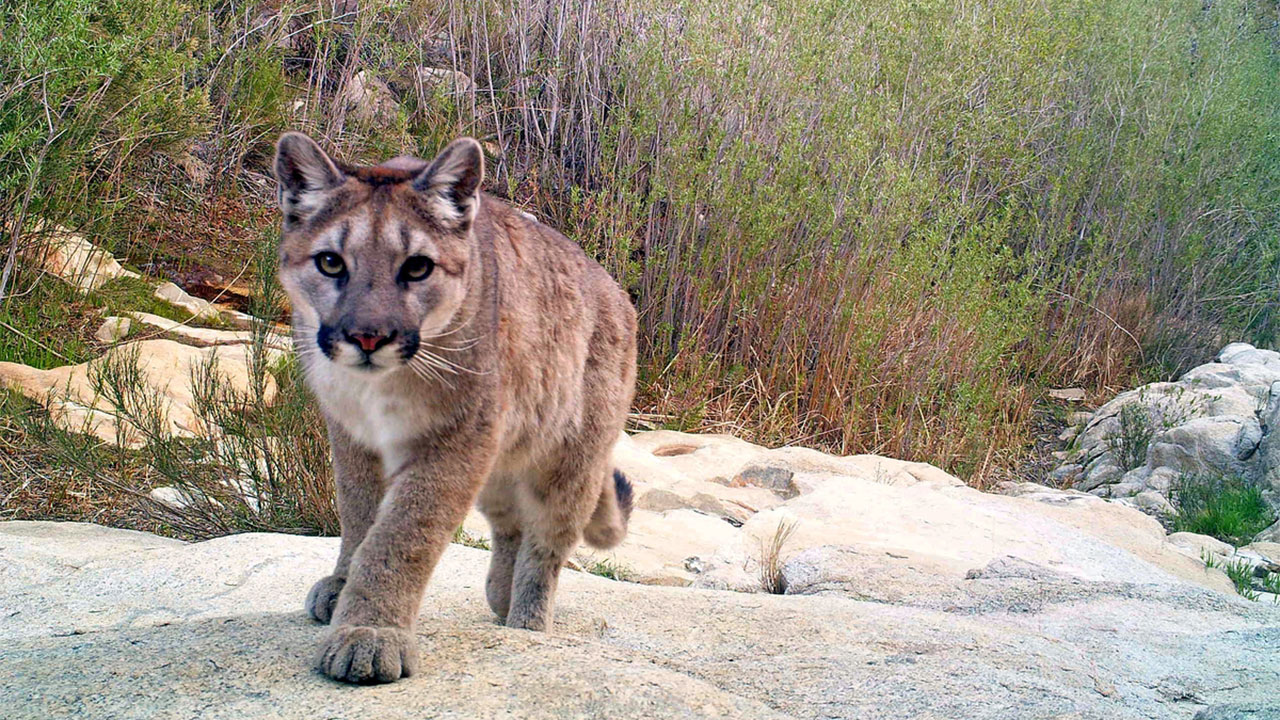
California is still the first state most people think of for this subject, and for good reason. The state has huge amounts of prime lion habitat pressed right up against neighborhoods, especially along the coast ranges, foothills, and exurban trail systems. California’s wildlife incident reporting system tracks public reports, and cities keep issuing warnings when lions turn up near trails and neighborhoods. Roseville, for example, put out a public alert in July 2025 after a reported sighting near Miner’s Ravine Trail. California is also debating stronger protections for some regional mountain lion populations because habitat fragmentation and human overlap are such major issues.
What makes California stand out is how normal these places feel to the people using them. A lot of these are not remote backcountry spots. They are suburban trail corridors, greenbelts, equestrian areas, and school-adjacent open space. That is exactly why the sightings get so much attention. Lions are moving through country people treat like their backyard exercise route, and that gap between “wild habitat” and “daily life” keeps getting smaller.
Colorado
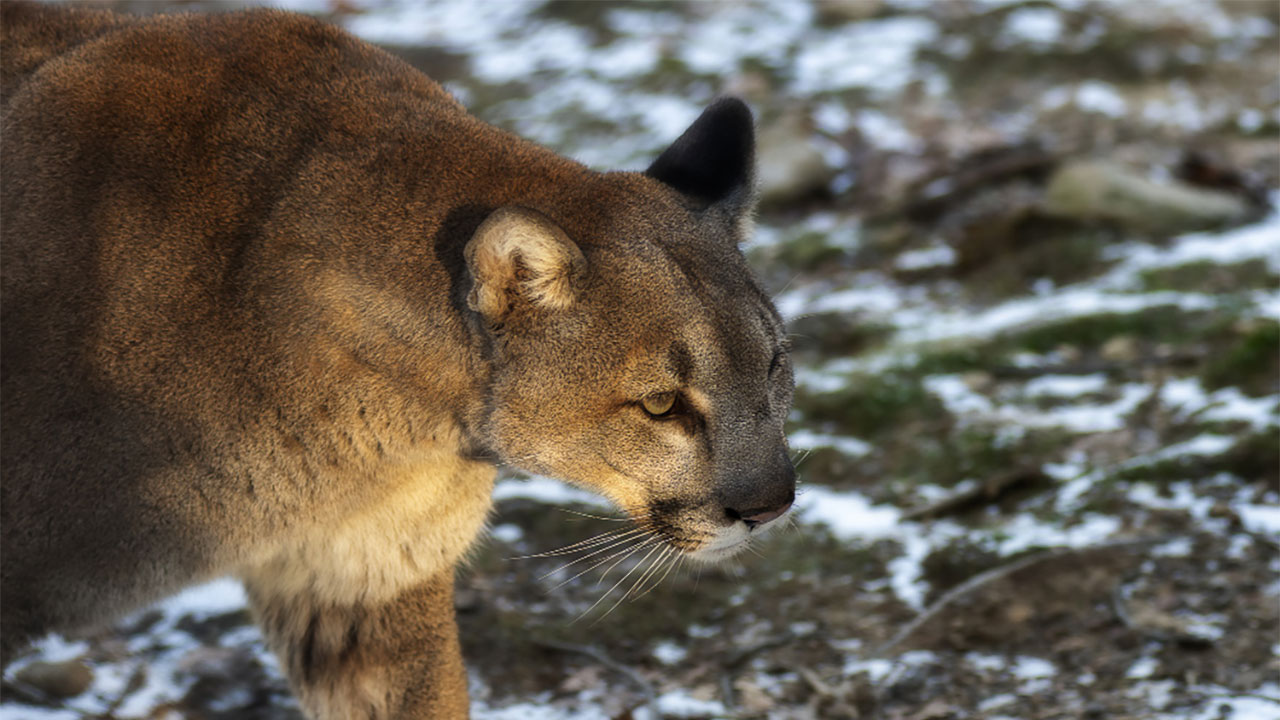
Colorado belongs high on this list because it has a lot of mountain lion country and a whole lot of fast-growing foothill communities. Colorado Parks and Wildlife keeps extensive mountain lion management data and regularly publishes guidance for people living with lions, which tells you how common that overlap has become. The state’s long-running research in human-altered environments also reflects how much attention Colorado has paid to lions moving around developed landscapes.
Colorado is full of places where subdivisions sit right under deer-heavy hillsides and broken timber. Lions follow prey, not property lines, and that means people in suburb-edge communities can end up seeing one on a trail, near a greenbelt, or above a backyard fence line. In Colorado, this is not some freak occurrence anymore. It is part of living where wildlife habitat and housing have been pushed together hard.
Washington
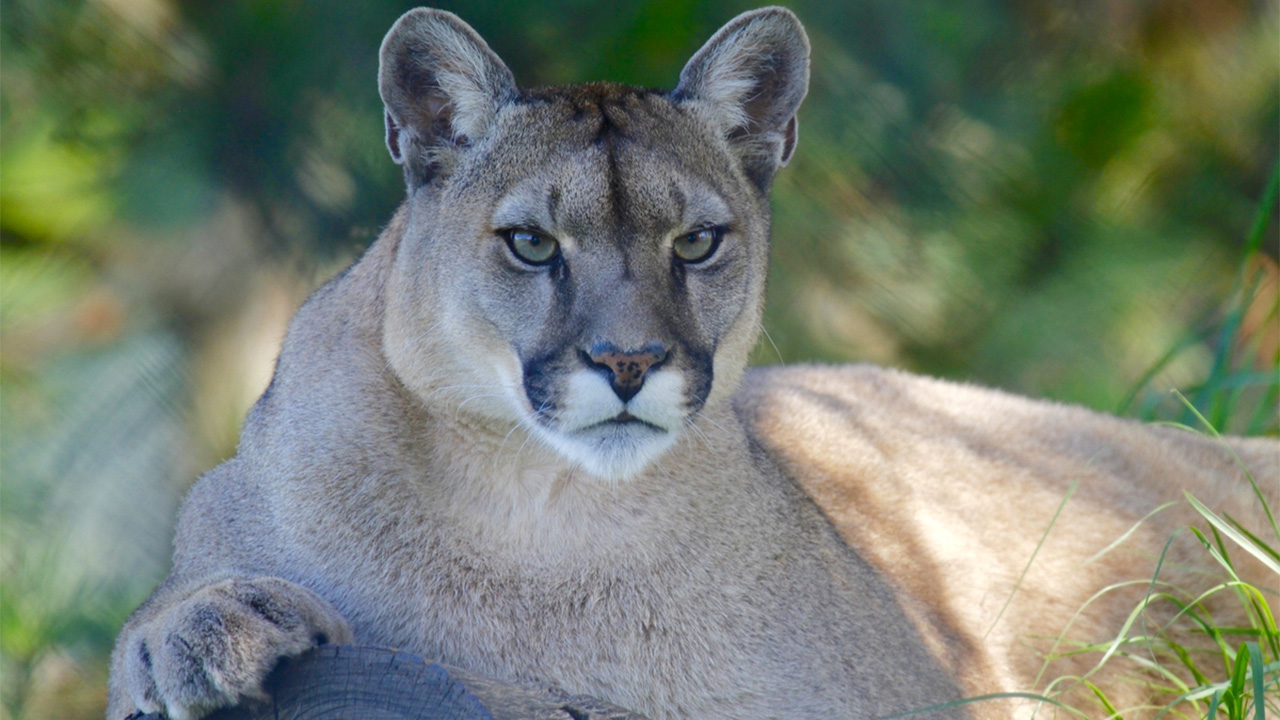
Washington has seen enough cougar overlap with people that WDFW has a dedicated cougar page, a public reporting system for predatory wildlife incidents, and current hunting rules built around harvest caps statewide. That is a state managing a real and ongoing animal, not a rare ghost story. WDFW also notes that cougar sightings and conflicts involving pets and livestock do occur, which matters in a state where forested terrain and suburb edges often meet fast.
Western Washington in particular has the setup for repeated surprises. Homes, hobby farms, cul-de-sacs, and trail systems can sit right beside timber, brush, and prey-rich corridors. Eastern Washington has its own lion country too, but the suburban-angle conversation really hits when people start seeing them near familiar neighborhood-adjacent spaces. That is what makes Washington worth including here.
Oregon
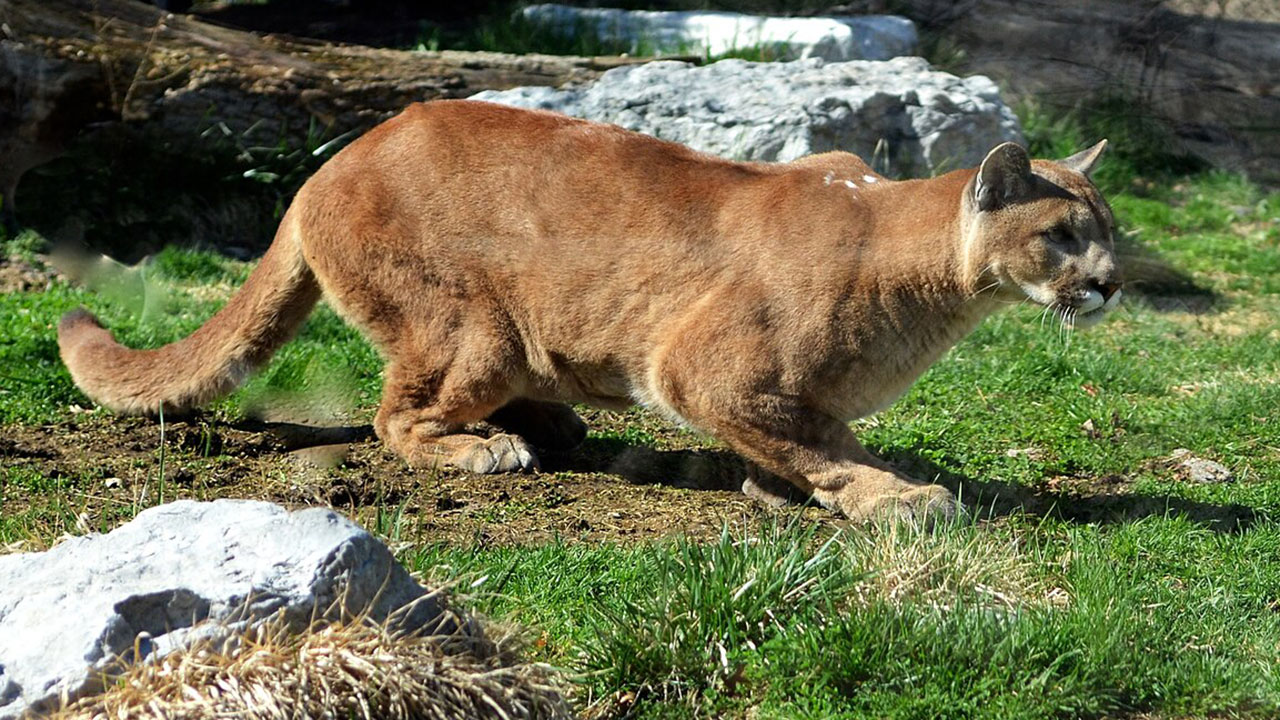
Oregon fits this topic almost perfectly because ODFW explicitly tells the public what to do if they see a cougar in their yard or in town, especially in daylight. That is a pretty strong sign that town-edge sightings are not theoretical. ODFW field reports and regulations also show the agency has been tracking cougar complaints, mortality, and public-safety issues for years, which gives the state a long paper trail of human-cougar overlap.
The reason Oregon keeps landing in these conversations is that so many communities back right into lion habitat. You can go from paved streets to creek draws, brushy hills, and timber in no time. South coast towns, valley edges, and foothill communities all create the kind of ground where a lion can show up close enough to get everybody’s attention. That does not always mean populations are exploding, but it absolutely means sightings near people are staying relevant.
Utah

Utah’s wildlife agency says cougars can be found throughout the state, usually in foothill and canyon areas, but also sometimes down in valleys, especially when they follow deer lower. Utah also said in 2025 that population trends had been growing steadily for the last few years. That is exactly the kind of setup that creates more suburb-edge encounters in a state full of foothill development and outdoor recreation.
Utah is tricky because the habitat overlap is so obvious once you think about it. A lot of neighborhoods sit right under benches, canyon mouths, and wintering areas used by deer. When prey drifts down, lions can do the same. That does not mean every sighting signals danger, but it does mean Utah has all the ingredients for more people seeing lions where they did not expect them.
Texas

Texas usually gets left out of these conversations by people who still think mountain lions are only a western mountain-state issue. That is outdated. Texas Parks and Wildlife released its first formal mountain lion research and monitoring plan for 2026 to 2035, which says the agency has a real need for better statewide information on lions. North Texas has also had recent suburban-area sightings, including a confirmed 2024 sighting in the Lake Dallas area near Lewisville Lake.
Texas is interesting because a lot of the public still treats lion sightings as flukes, especially outside the far west part of the state. But once you start seeing confirmed reports around the edges of North Texas communities, the conversation changes. Texas may not have the same dense lion reputation as Colorado or California, but it absolutely has the combination of expanding development, patchy habitat, and public surprise that makes suburb-adjacent sightings matter.
Nevada

Nevada has mountain lions across a wide range of habitat, and NDOW’s species guidance makes it clear they are adapted to everything from rugged country to lower desert areas. The state’s predator management reports also show how closely Nevada tracks lion impacts on mule deer and bighorn sheep, which tells you lions remain a serious on-the-ground management animal there.
Where Nevada becomes a suburb story is around the edges of Reno-Carson communities, desert towns, and foothill development where wild ground meets neighborhoods fast. A state does not need a million viral videos to make this list. If it has widespread lion habitat, active management, and growing development pushing into that habitat, sightings near neighborhoods are going to stay part of the picture. Nevada checks all of those boxes.
Arizona

Arizona is usually talked about more for rattlesnakes, javelinas, and black bears near town, but mountain lions absolutely belong in the conversation too. The state has huge amounts of rough lion country and a lot of fast-growing communities pressed against desert mountains, canyons, and washes. Even without a flashy statewide “increase” headline, Arizona has the same western formula that keeps producing lion encounters around suburb edges: prey movement, broken terrain, and housing growth pushed into wild country.
What makes Arizona worth including is that many of its suburb-edge communities sit right against the kind of terrain lions use naturally. Residents may be thinking about trail runs and scenic views, while lions are thinking about deer, cover, and travel routes. That mismatch is why sightings keep feeling dramatic. The country was always lion country. More people just live in it now.
Florida
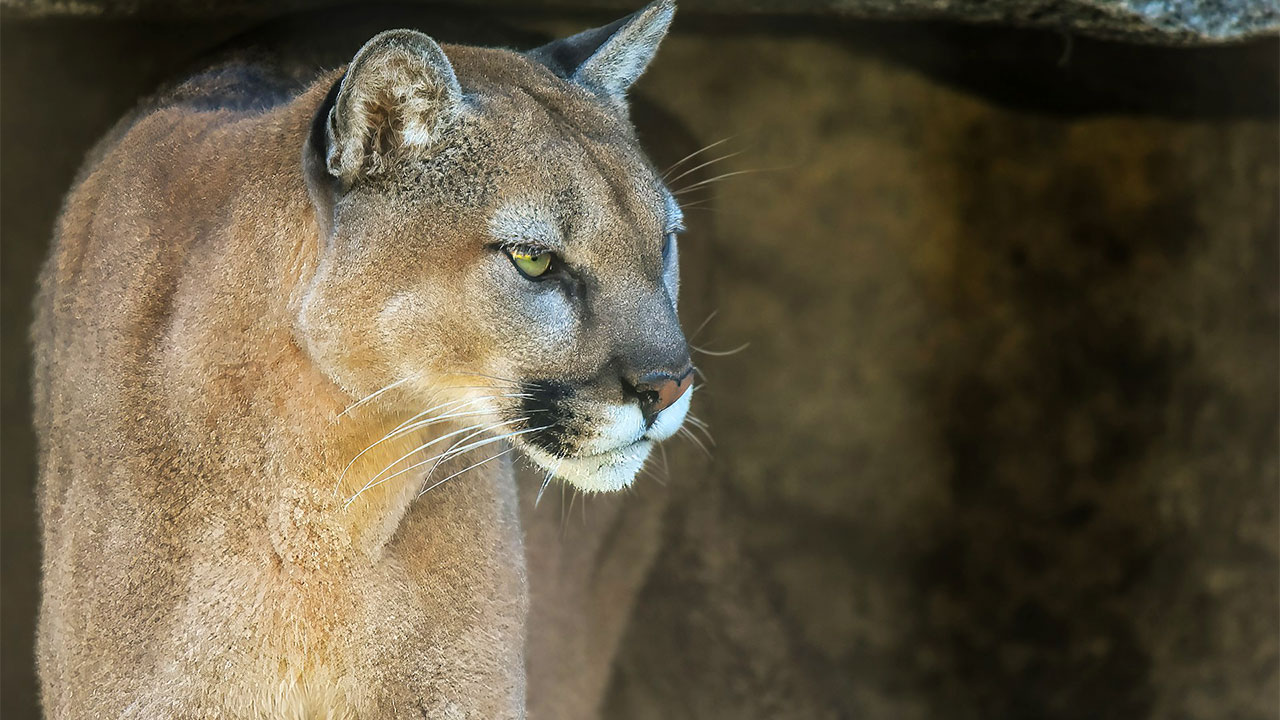
Florida is a little different because the animal is the Florida panther, but for this kind of list it absolutely counts. FWC says panthers have been documented throughout much of the peninsula, even into Georgia, with the core population south of Lake Okeechobee. The state also maintains a panther sighting reporting system and map, which reflects ongoing public encounters and the need to track where panthers are being seen.
Florida’s version of the suburb problem shows up where development, roads, ranches, and conservation land all start interlocking. It is not the same look as a Colorado foothill town, but the pattern is similar. Houses and traffic move into cat country, and the cats keep trying to move through it anyway. Because Florida’s panther population is both limited and heavily watched, every sighting around people feels like a bigger deal.
New Mexico
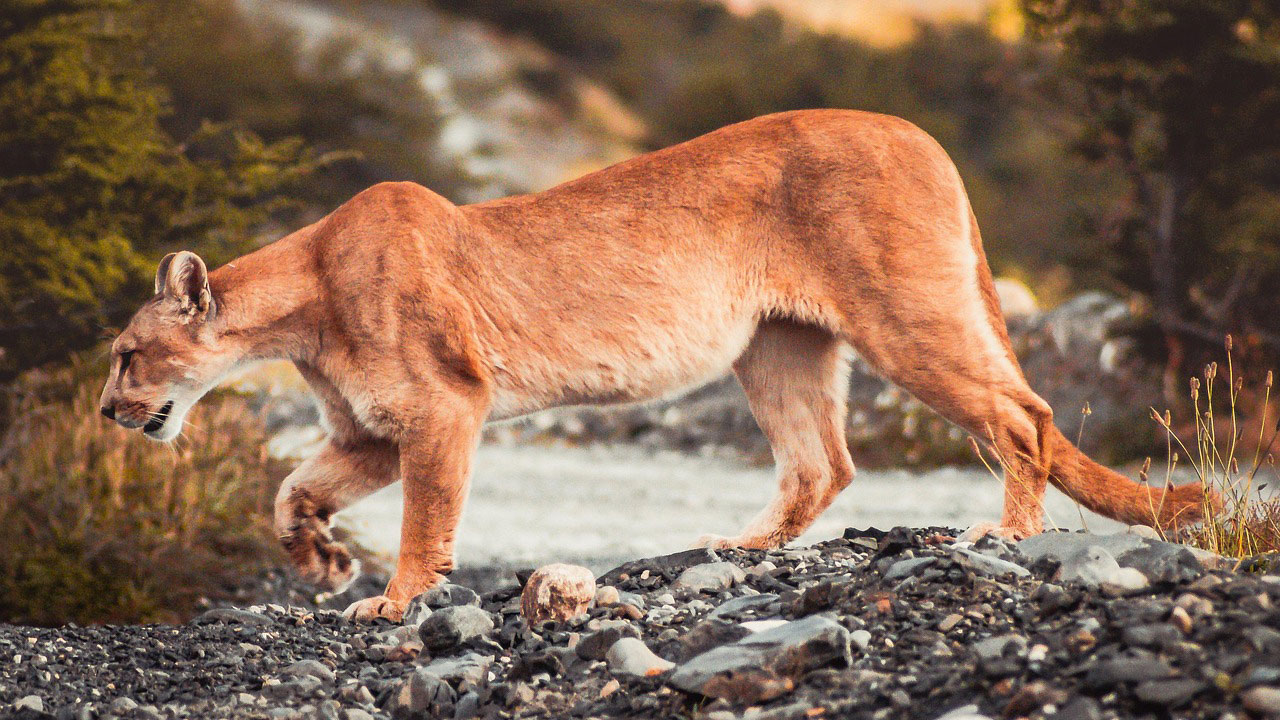
New Mexico has the terrain, the prey base, and the low-visibility broken country that make mountain lion sightings near towns very believable. Like Arizona, it has a lot of places where housing nudges right up against canyons, mesas, and brushy travel cover. It also has plenty of communities where people spend time outdoors close to lion habitat year-round. Broader western research keeps pointing to the same truth: more edge development means more perceived lion presence near people, even when population growth itself is harder to prove cleanly.
New Mexico also has that same western blind spot where people assume they would notice a lion before it noticed them. That is not how this works. Lions stay hidden until they do not, and when they show up on a trail camera behind a subdivision or get spotted moving across a greenbelt edge, it suddenly reminds everyone what kind of country they actually live in.
Idaho

Idaho is strong cougar country, and it also has plenty of fast-growing communities near foothills, timber, and river corridors. Even when it is not getting the same national headlines as California or Colorado, it has the exact kind of habitat-and-housing overlap that produces more suburb-edge lion sightings. This is especially true in the Boise foothills and other town-edge wildland areas where deer and people are already concentrated in the same general space. Broader western cougar research supports that human expansion into habitat is one of the main reasons sightings seem to be happening closer to home.
Idaho makes this list because it has both the cats and the kind of growth pattern that changes public experience. Once open country gets broken up by subdivisions, greenways, hobby-acre neighborhoods, and edge-town trail systems, sightings feel more personal and more frequent. It may not always show up as a formal statewide “increase” number, but the conditions are absolutely there.
Montana
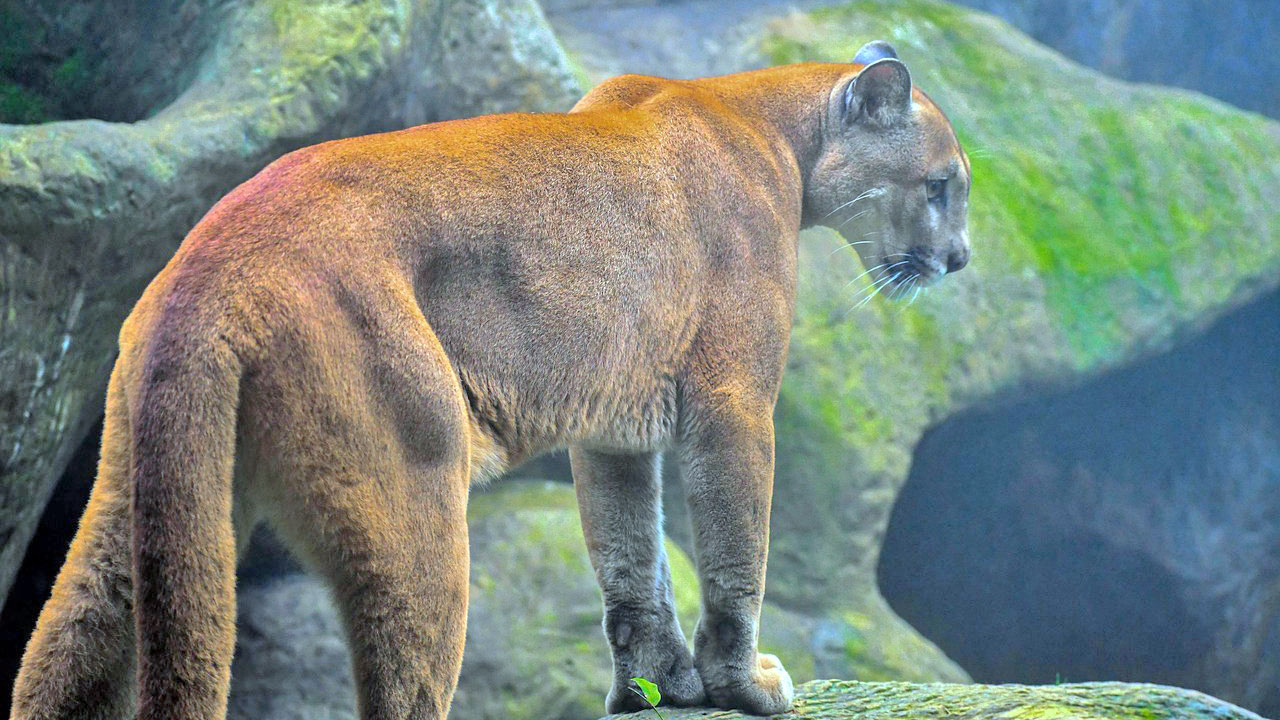
Montana has long been lion country, but it also has more people living and recreating at the edges of that habitat than many folks admit. Suburbs may look different there than they do in California, but exurban growth around mountain valleys, ranch subdivisions, and town-edge timber has still increased the odds of people seeing lions where daily life happens. Western cougar research consistently points to local human expansion and better reporting as major reasons sightings seem to climb near communities.
Montana also has a strong prey base and a lot of rough travel cover, so lions can move surprisingly close to homes without staying visible for long. That is why the occasional sighting in a semi-developed area gets remembered so hard. In a state like Montana, the lion was never the new part. The development pattern was.
Wyoming

Wyoming fits a lot of the same mold as Montana and Colorado. You have lion habitat, deer and elk movement, and more people living on the edges of wild country. Many Wyoming communities are not suburbs in the classic big-city sense, but they are still developed zones pressed close to foothills, timber, and migration routes. That is enough to generate more lion sightings where residents, dog walkers, runners, and small-acreage landowners notice them.
The reason Wyoming belongs here is not hype. It is geography. When homes push into benches, drainages, and foothill ground used by prey animals, lions do not disappear. They keep using the country. People just start seeing them in places that feel more domestic than wild. That is the whole pattern behind this list.
Michigan

Michigan is a different kind of entry, but it is too interesting to leave out. Michigan DNR confirmed 31 cougar sightings in 2025, the highest annual total since they started counting, and state specialists expected that number could still rise as more camera images were reviewed. That is a very real increase in confirmed reports, even though most are in the Upper Peninsula rather than classic suburb belts.
Michigan’s sighting pattern matters because it shows how fast public conversation changes when confirmations pile up. A state that many people still do not think of as cougar country suddenly has a record number of verified observations. That does not put it in the same category as California for suburban overlap, but it does put it in the category of “a place where the sightings trend is moving the wrong way if you thought these cats were basically absent.”
Minnesota

Minnesota is not a core lion state the way Colorado is, but it still deserves a spot because confirmed cougar verifications keep enough attention on the issue that the DNR maintains dedicated cougar pages and verification tracking. The department says verified sightings since 2007 have mostly involved transient animals tied by DNA to populations farther west. That means these are not usually stable local lions, but they are still real cats getting seen in a state where people do not always expect them.
Minnesota makes this list more for the changing-sightings angle than the suburb-pressure angle. But that still counts, especially as development, trail-camera coverage, and public reporting improve. A cougar does not have to be permanently established in a metro-edge corridor to rattle people. It just has to show up once where nobody thinks it belongs.
Like The Avid Outdoorsman’s content? Subscribe to our newsletter so you never miss an article.
Here’s more from us:


