Photo credit: Jordi Mora/Shutterstock.com
Every hunter has carried a rifle into the woods that felt right on paper and even handled well on the range, only to betray them when the moment mattered. Sometimes it’s a rifle with a reputation that doesn’t match real-world performance. Other times, it’s a model that shoots fine until weather, recoil, or field conditions show its weak spots. A rifle can look sharp at the gun counter and still struggle with wandering zero, feeding issues, or inconsistent accuracy under pressure. Those moments stick with you. When you hunt long enough, you learn that confidence is just as important as marksmanship, and losing that trust in the field changes how you look at a rifle forever. These are the rifles hunters regret relying on when the conditions were tough, the shot window was narrow, and there was no room for mechanical surprises.
Remington 710
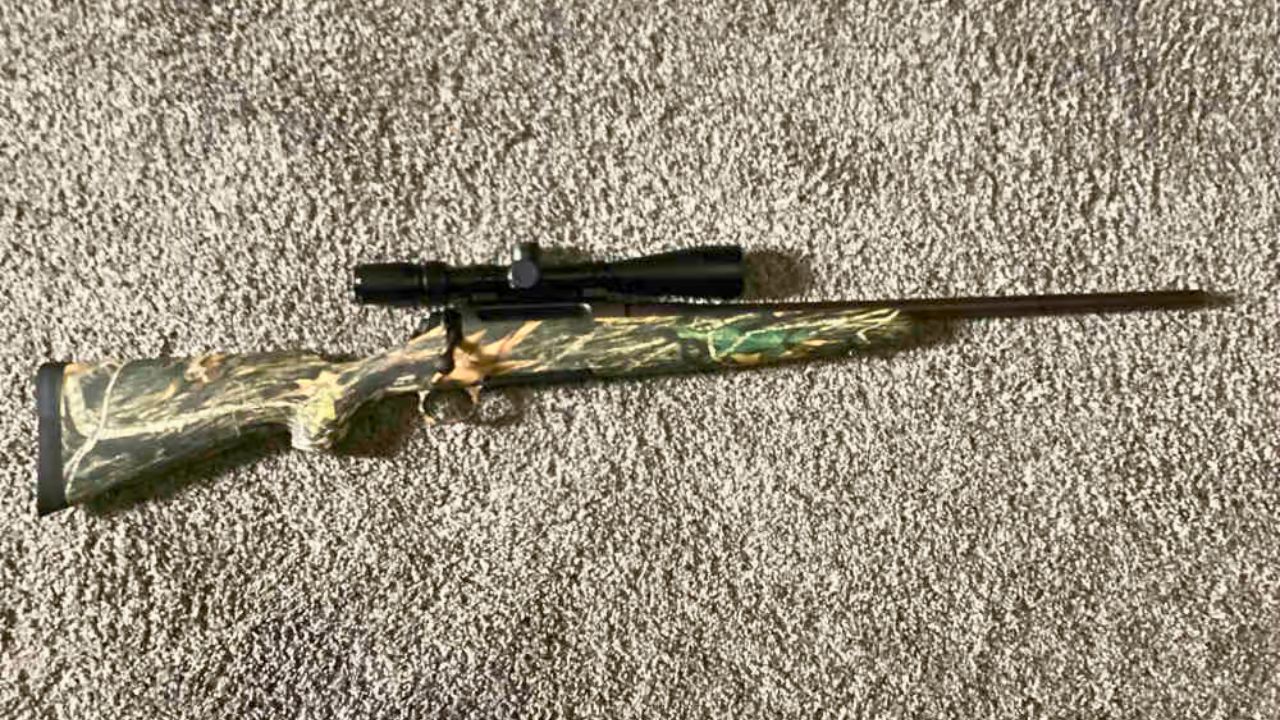
The Remington 710 earned a following based on price alone, but many hunters who carried it into the woods eventually regretted depending on it. The molded receiver and pressed-in barrel created long-term durability concerns, and some rifles experienced accuracy changes after only moderate use. The bolt operation could feel rough, especially in cold weather when lubrication stiffened. That’s the moment you need smooth cycling the most, and the 710 didn’t always deliver.
Several hunters also reported extraction issues after repeated firing, which made follow-up shots unpredictable. While the rifle worked for basic range use, those inconsistencies showed up fast in the field. Most people who moved on from it realized quickly how much confidence matters when you’re looking at a live animal instead of paper.
Mossberg ATR

The ATR was designed to be an affordable hunting rifle, but cost-cutting showed up in ways that frustrated many hunters. The triggers on some rifles felt inconsistent, and the bedding system didn’t always hold zero well through temperature changes or rough handling. Lightweight stocks amplified recoil and made the rifle harder to settle on target when shooting from awkward field positions.
Feeding problems weren’t rare either, especially with certain magazine setups. Those issues often revealed themselves at the worst possible times—like when cycling a follow-up round on a moving deer. While some ATRs ran reliably, enough examples struggled in the field that many hunters traded them off and stepped into rifles with more consistent build quality.
Winchester Model 70 Post-2001
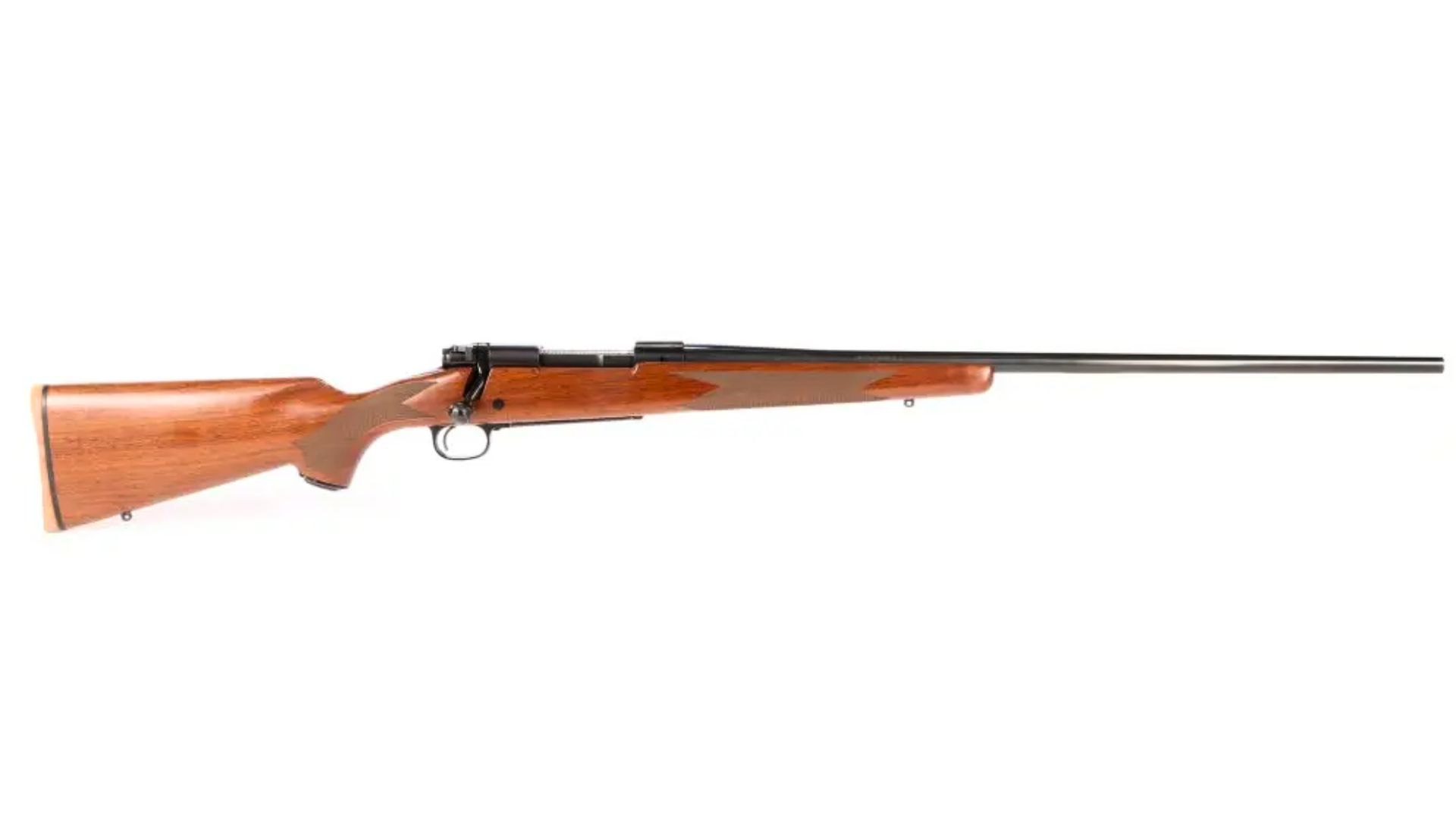
When Winchester brought the Model 70 back to U.S. production in the early 2000s, the initial run had mixed quality. Some hunters found their rifles performed well, but others experienced issues with bedding, rough actions, and inconsistent accuracy. The pre-64-style controlled-round feed was a welcome return, but the execution varied, and that inconsistency caused hesitation among longtime Model 70 fans.
Field complaints included wandering zero after repeated cold-weather outings and occasional feeding stiffness that didn’t match the reputation of earlier versions. Many hunters loved the idea of carrying a Model 70 again but realized these early reintroduction rifles weren’t as dependable under pressure as the older classics. Later production improved significantly, but the early years left a mark.
Ruger American

The Ruger American eventually became a dependable budget rifle, but hunters who bought the first batches sometimes ran into frustrating problems. Some early rifles had inconsistent triggers and occasional magazine fit issues that caused feeding hiccups. The stock flex—especially when using a bipod—could shift point of impact more than many hunters expected.
The rifle’s core design is solid, but those early growing pains left several hunters dealing with unexpected misses or unexplained accuracy changes in the field. Once Ruger refined the platform, the American became extremely reliable. But if you carried an early-production model into the woods, there’s a good chance you learned those lessons firsthand.
Remington 770
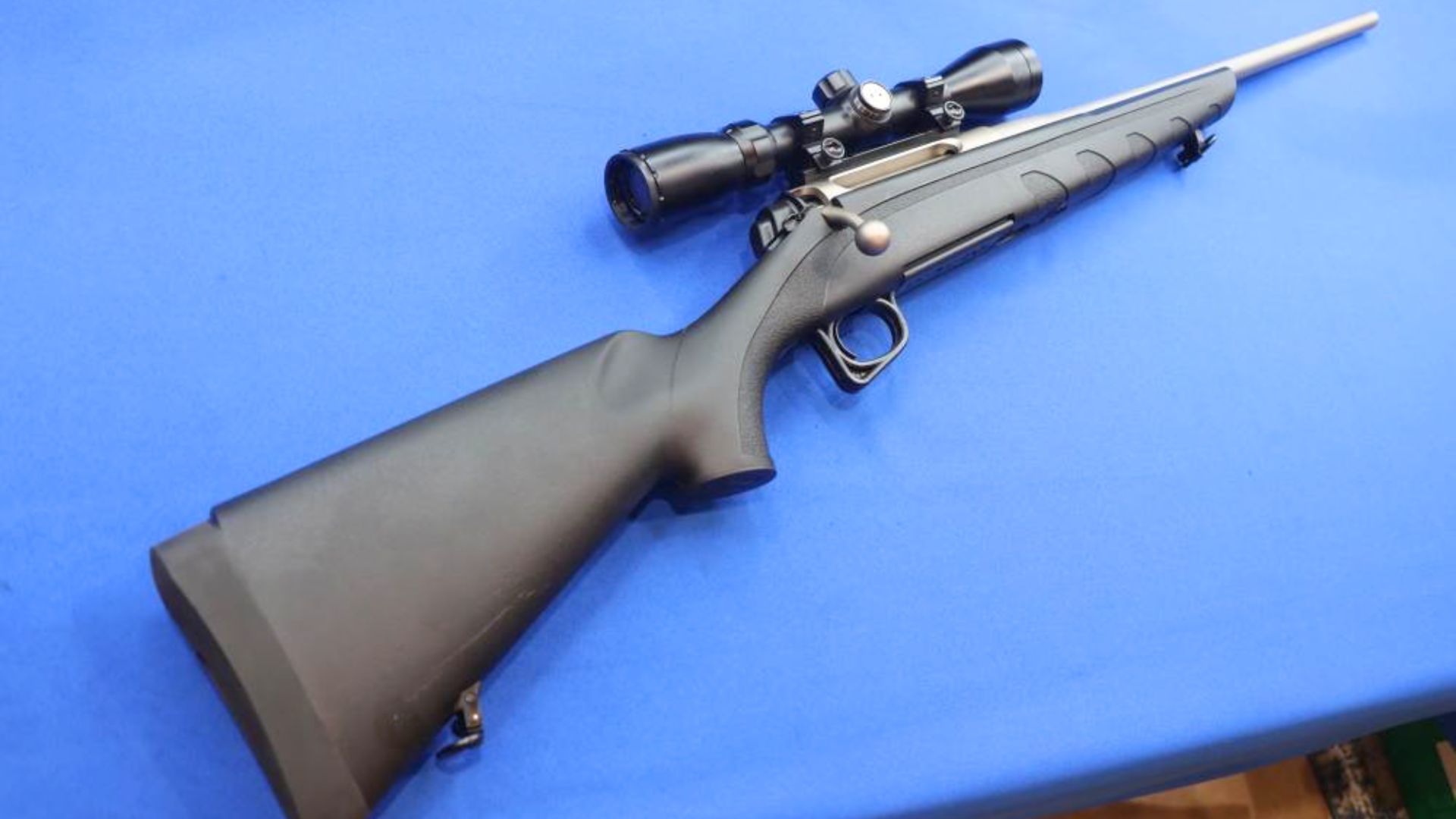
The Remington 770 has a reputation for being one of the least trusted modern hunting rifles. The bolt often feels rough even after lubrication, and many hunters have experienced feeding problems when cycling quickly. Accuracy varies widely from rifle to rifle, and the attached scope package that came with many models didn’t help inspire confidence.
Cold-weather performance is a common complaint, with some rifles struggling to chamber rounds smoothly when temperatures drop. Hunters who carried a 770 into the woods often realized that getting a bargain doesn’t mean much when the rifle doesn’t perform during the only shot that matters. Many eventually replaced them with rifles that delivered more predictable results.
Browning A-Bolt II

The A-Bolt II is generally respected, but several lightweight versions had accuracy inconsistencies that frustrated hunters in real-world conditions. The thin barrels heated quickly, and groups could shift after only a few shots. While that’s not unusual for ultralight rifles, the degree of shift surprised many hunters who bought the rifle expecting steadier performance.
Some owners also noted feeding stiffness when working the bolt rapidly, which doesn’t inspire trust during follow-up opportunities. While the A-Bolt II line includes some excellent rifles, these lightweight variants created enough field frustration that hunters often moved to more stable platforms for demanding hunts.
Savage Axis
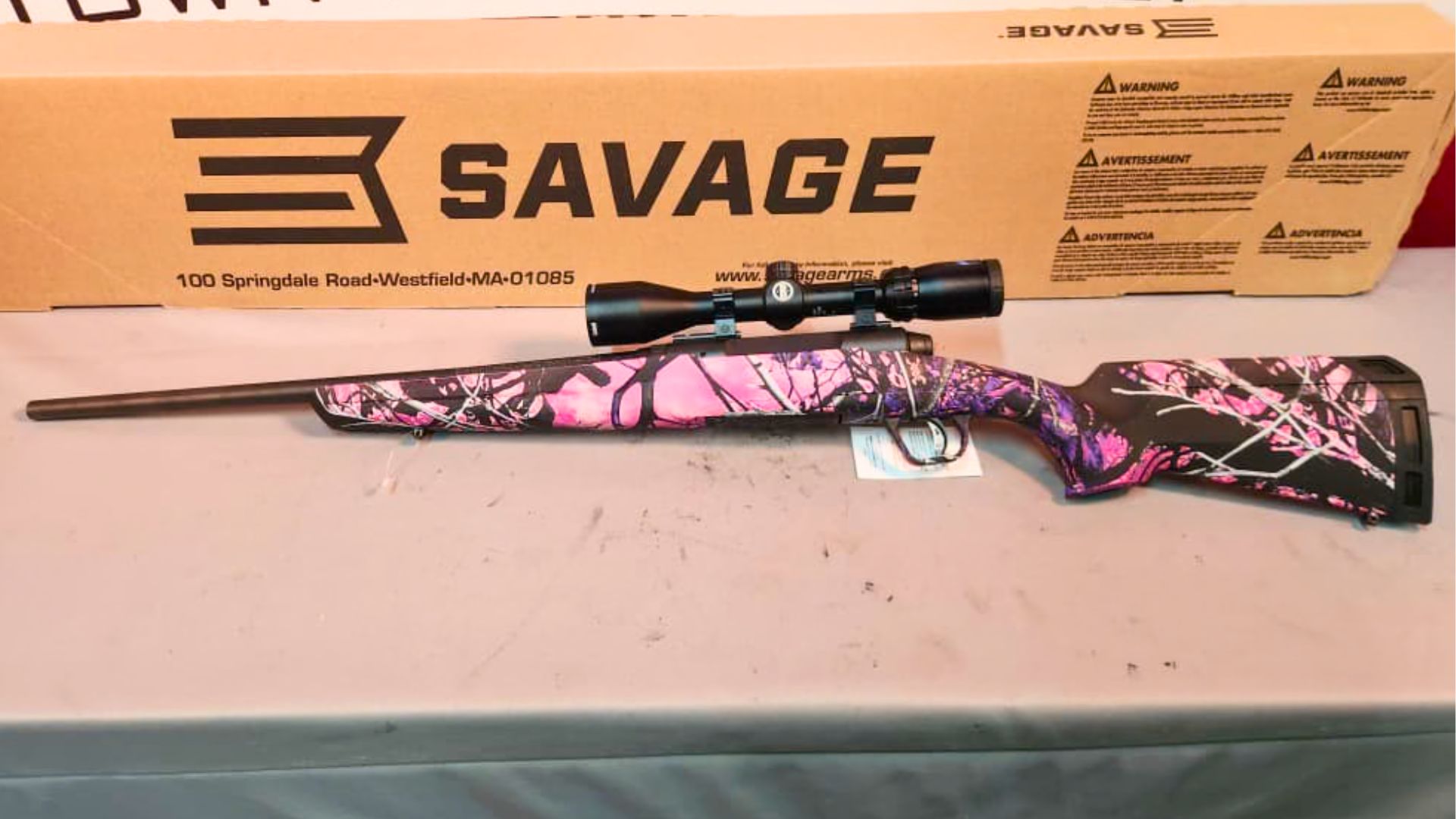
When the first-generation Savage Axis hit the market, it appealed to hunters looking for accuracy on a budget. And while some rifles shot surprisingly well, others suffered from stock flex, wandering zero, and inconsistent groups across different ammunition. The trigger wasn’t adjustable, which limited a shooter’s ability to fine-tune control.
In the field, those inconsistencies turned into missed opportunities. A rifle that grouped well one day could open up noticeably the next with temperature changes or different shooting rests. Hunters who wanted steady performance under pressure often felt that the Axis required more compromise than they were comfortable with. Later versions improved dramatically, but the early rifles earned their share of regret.
Tikka T3 Lite (In Magnum Calibers)

Tikka makes excellent rifles, but the T3 Lite in heavy-recoiling magnum cartridges surprised some hunters with how difficult it was to manage in the field. The lightweight stock and stout recoil made follow-through difficult, and the muzzle rise could disrupt sight picture more than expected. Those issues aren’t mechanical failures, but they become problems when a hunter needs rock-steady aim on a long-distance shot.
While accuracy is typically good from a cold barrel, repeated shots can become challenging due to the recoil impulse. Some hunters eventually moved to heavier rifles that offered better control and more confidence when shooting from natural field positions. The T3 Lite is extremely capable—but not everyone found it trustworthy with magnum-level recoil.
Weatherby Vanguard Series 1
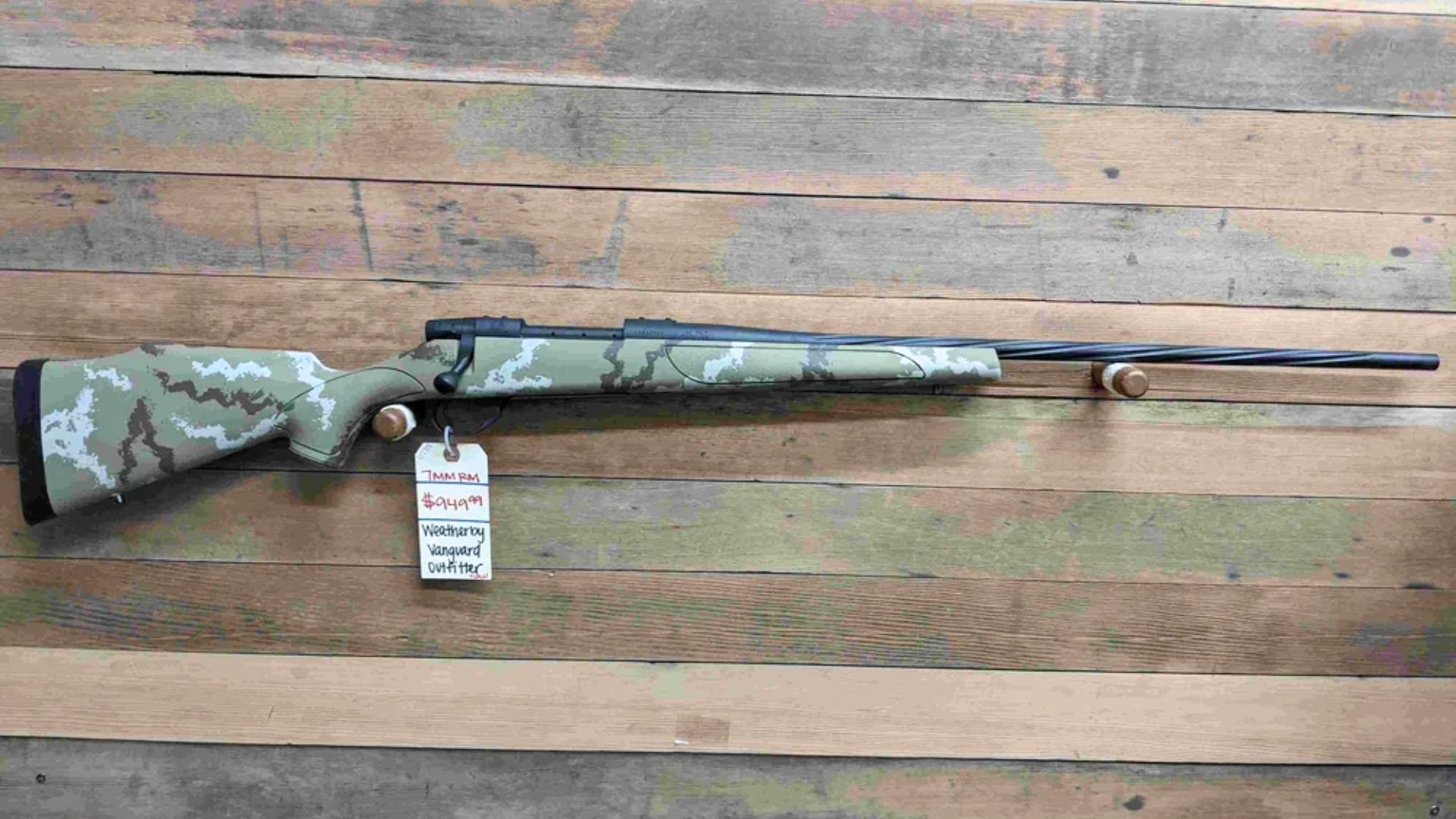
The first-generation Vanguard rifles earned a mixed reputation. Many hunters found them accurate, but others experienced rough actions, inconsistent bedding, and occasional feeding hesitation. Temperature swings sometimes changed point of impact, which caused several hunters to lose trust during multi-day hunts.
While the core design was strong, the early execution varied. Those inconsistencies made some hunters feel like they couldn’t rely on the rifle when visibility was low or when adrenaline was high. Weatherby refined the platform significantly in later generations, but the Series 1 still left enough uncertainty that many owners parted with theirs.
Thompson/Center Venture
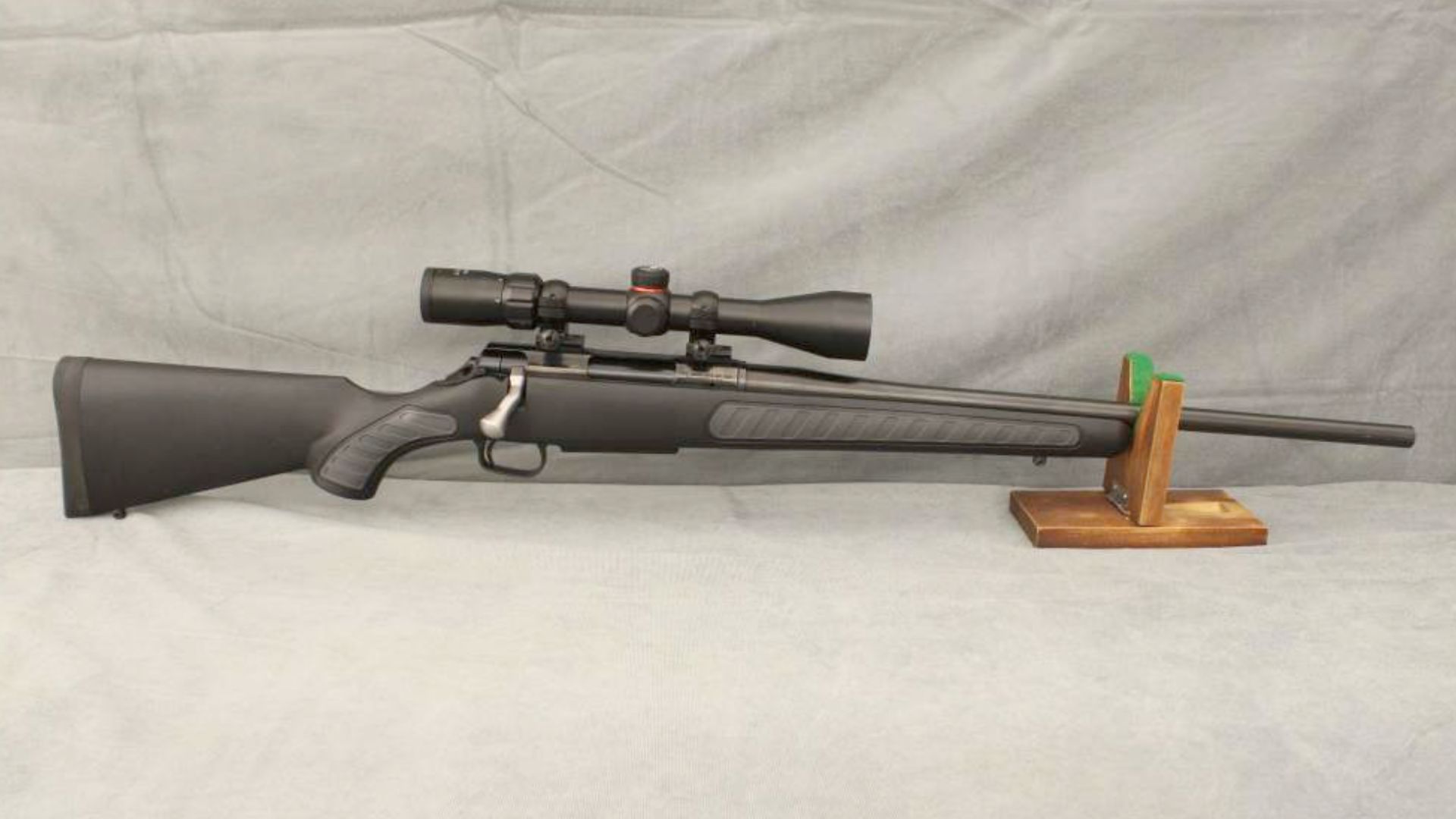
The Venture had the potential to become a standout budget rifle, but early production models were affected by safety-related recalls. Even before the recalls, some hunters experienced inconsistent triggers and accuracy swings that showed up once barrels warmed. Those issues shook confidence in the platform.
In the field, several hunters reported trouble maintaining point of impact across different shooting positions. That alone is enough to create regret when a rifle is carried into the woods with expectations of dependable precision. Later versions improved performance, but early users often moved on before the rifle found its footing.
Marlin X7
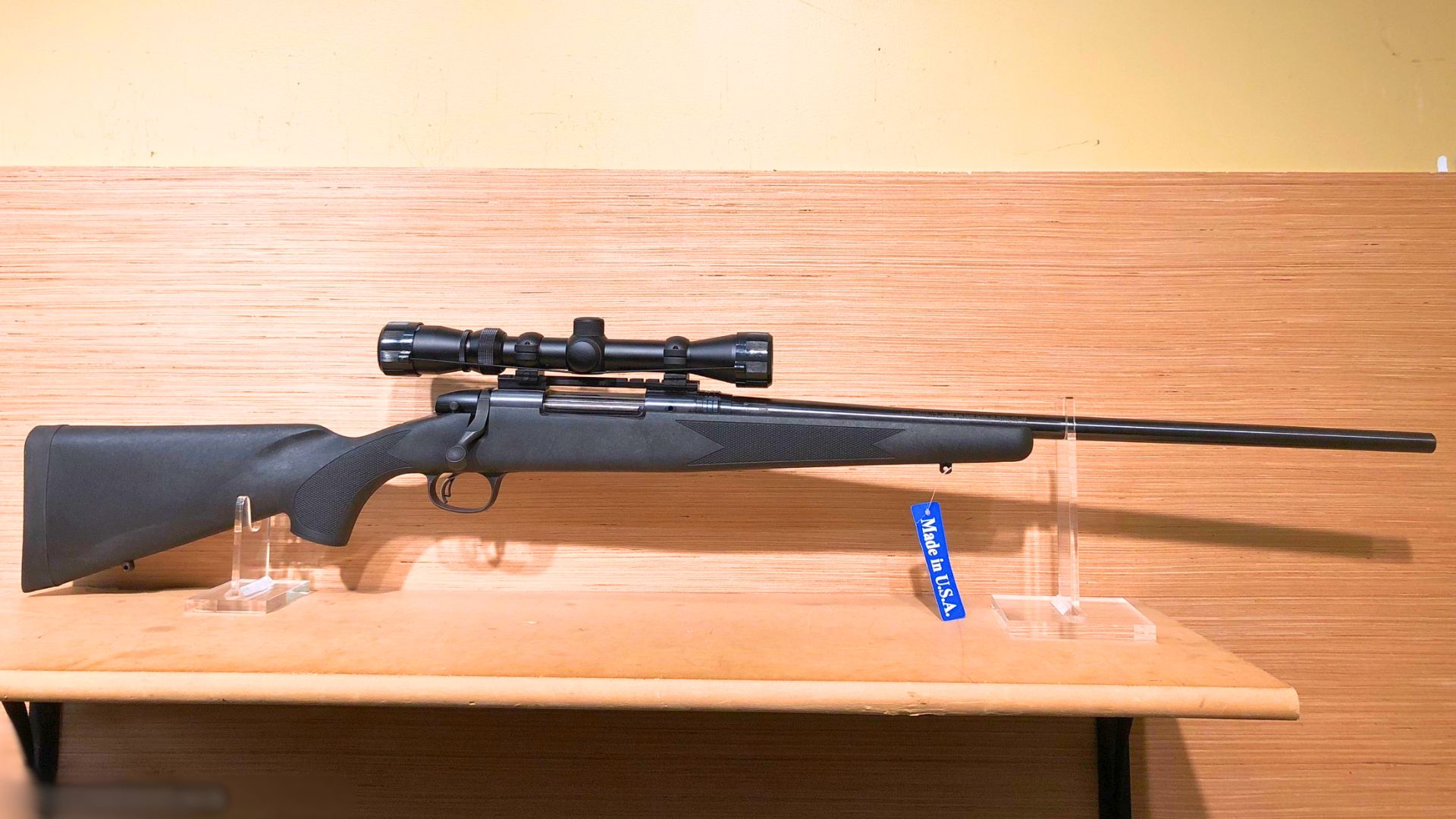
The Marlin X7 line offered excellent value early on, but late-production rifles—built before the temporary factory shutdown—suffered from inconsistent assembly quality. Some hunters reported loose stocks, uneven barrel fittings, and accuracy problems that kept them from relying on the rifle in critical hunting situations.
While earlier X7 rifles performed well, these later examples made many hunters cautious. Missing a shot because of questionable assembly leaves a sour taste, and those rifles became a reminder of how production transitions can affect field performance. After the shutdown and later reorganizations, the design didn’t return in its earlier form.
Remington Model Seven
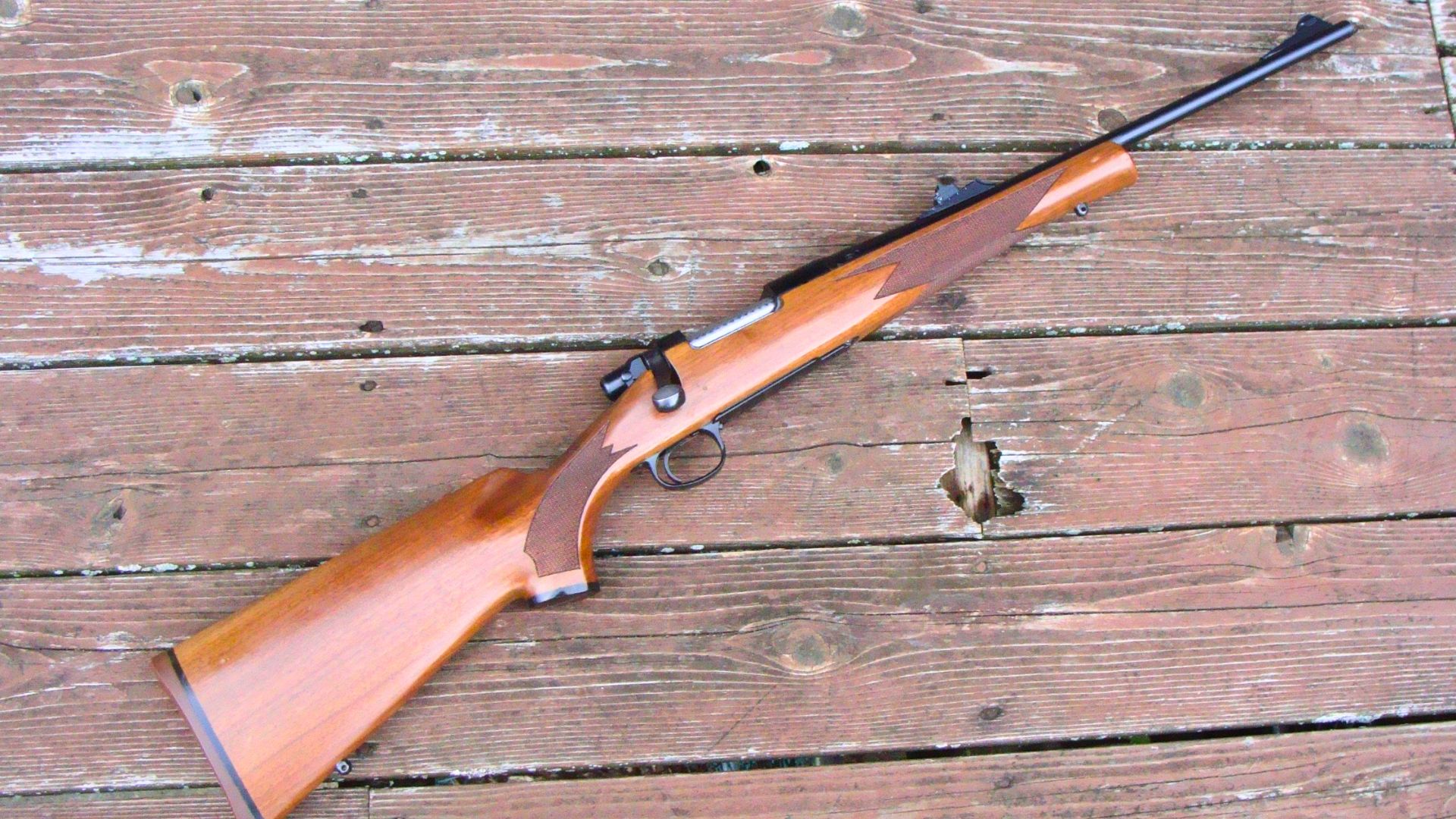
The Model Seven was a respected compact hunting rifle for decades, but rifles produced in Remington’s final years varied significantly in quality. Some shooters saw wandering zero, rough bolt travel, and uneven barrel crown work. Those issues didn’t show up in older models but became common enough late in production to cause concern.
Hunters who bought these later rifles often discovered the problems only when they missed a shot they felt confident about. A rifle that loses trust is hard to keep, and many owners eventually traded their late-production Model Sevens for more consistent options.
Ruger M77 MKII
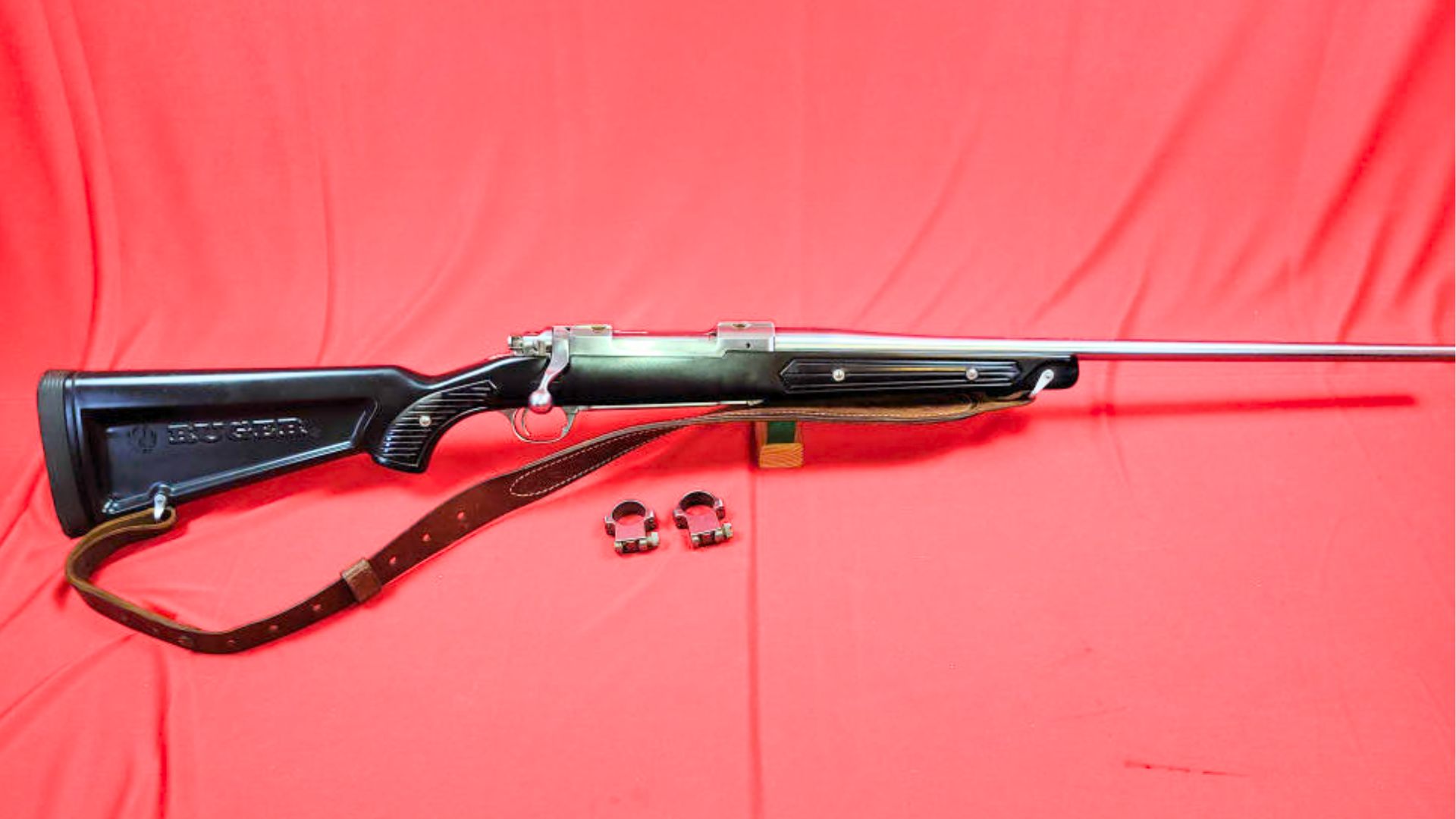
The M77 MKII is a durable rifle, but certain heavy-barrel versions developed reputations for inconsistent accuracy. The barrels could behave unpredictably once warmed, which caused point-of-impact shifts during follow-up attempts. Many hunters praised the rifle’s handling and reliability but lost confidence after field experiences that didn’t match range results.
Some owners also noted that the factory triggers made it tough to get the most out of the platform. While the M77 MKII remains respected overall, these variant-specific issues left certain hunters feeling let down when a critical shot counted.
Kimber Montana

The Kimber Montana appealed to hunters who wanted a lightweight rifle for tough conditions. Early production rifles, however, showed accuracy inconsistencies that frustrated owners. Thin barrels heated quickly, and point of impact could move more than expected after only a few shots. For hunters taking longer shots in challenging terrain, that wandering zero caused real hesitation.
While later revisions improved performance, many early Montana users learned the limits of lightweight rifles in real field conditions. The combination of recoil, barrel heat, and stock rigidity created unpredictable results during long hunts.
Savage 110 Predator

Some early Savage 110 Predator rifles had inconsistency issues tied to stock fit and barrel contact. While Savage rifles are known for accuracy, these particular runs showed occasional point-of-impact shifts when using bipods or shooting from uneven terrain. The problem often stemmed from pressure points along the stock channel.
In the field, those shifts resulted in missed opportunities that hunters found hard to forget. Once trust was broken, the rifle usually didn’t stay in the rotation long. Later models corrected the issues, but the early rifles left their mark on many who depended on them during crucial shots.
Like The Avid Outdoorsman’s content? Subscribe to our newsletter so you never miss an article.
Here’s more from us: