Photo credit: Vlasov Yevhenii/Shutterstock.com
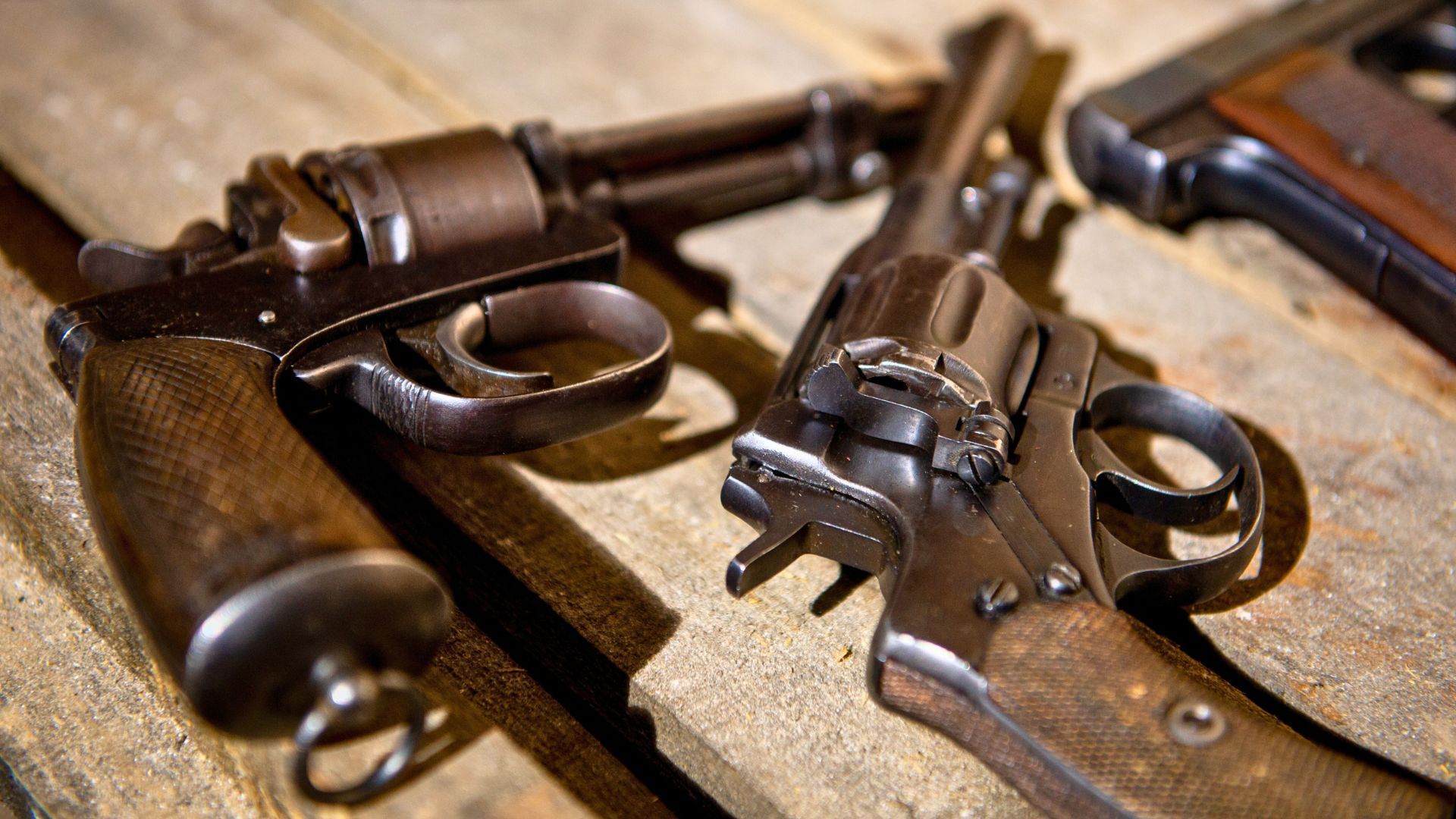
A lot of handgun owners have at least one firearm tucked away that means more for memory than for range time. Maybe it belonged to a family member, maybe it marked a milestone, or maybe it’s tied to a time when the gun world looked very different. These pistols aren’t range tools anymore, and most owners know it. They hold on to them because they connect to people, places, or stories that still matter. Some of these handguns were carried for years before getting retired to a drawer or safe. Others were bought during a phase, admired for a while, and eventually pushed aside as new models took the spotlight. They still deserve respect, but they rarely see a box of ammo. Here are the handguns people keep for nostalgia, even though they rarely fire them today.
Colt Detective Special

You see a lot of Detective Specials tucked away because they remind people of a different era in concealed carry. The small frame, classic lines, and reputation for reliable function make the gun easy to appreciate even if you don’t take it to the range. Many owners hold onto one because it belonged to a family member or because they associate it with stories they grew up hearing. The gun feels like a physical link to the past.
Plenty of shooters admire the Detective Special but avoid shooting it because of parts scarcity, finish wear, or the simple desire to keep an heirloom intact. The double-action trigger can feel heavier than modern designs, and the fixed sights aren’t always friendly for today’s eyes. Still, the pistol keeps its place in the safe because its value isn’t measured by range performance anymore.
Smith & Wesson Model 36

The Model 36 may be one of the most frequently kept-but-seldom-fired revolvers. People remember when snub-nose .38s were the standard for discreet carry, and the 36 still holds all that history in a compact frame. It’s small, reliable, and familiar, which makes it easy to keep around even if you never load it anymore. For many families, it’s a passed-down gun with more sentimental weight than practical use today.
While it still shoots well, the recoil can feel sharp due to the light frame, and the tiny sights aren’t as quick to pick up compared to modern carry revolvers. Many owners prefer to preserve the finish rather than run it hard. So it ends up living in the safe, pulled out mostly for memories, not for training days.
Colt Woodsman

The Colt Woodsman is one of those .22 pistols people hesitate to shoot because they know how collectible these models have become. The workmanship is excellent, and the lines are unmistakable. Plenty of owners remember them from childhood, often tied to stories of small-game hunts or early range trips. Even so, many won’t take them out today simply because they want to protect the condition.
The Woodsman still performs beautifully, but magazines, parts, and factory components get harder to source every year. That alone keeps many shooters from taking them out regularly. They stay in the safe, oiled and cared for, because people want them to last long enough to hand down again.
Ruger Security Six
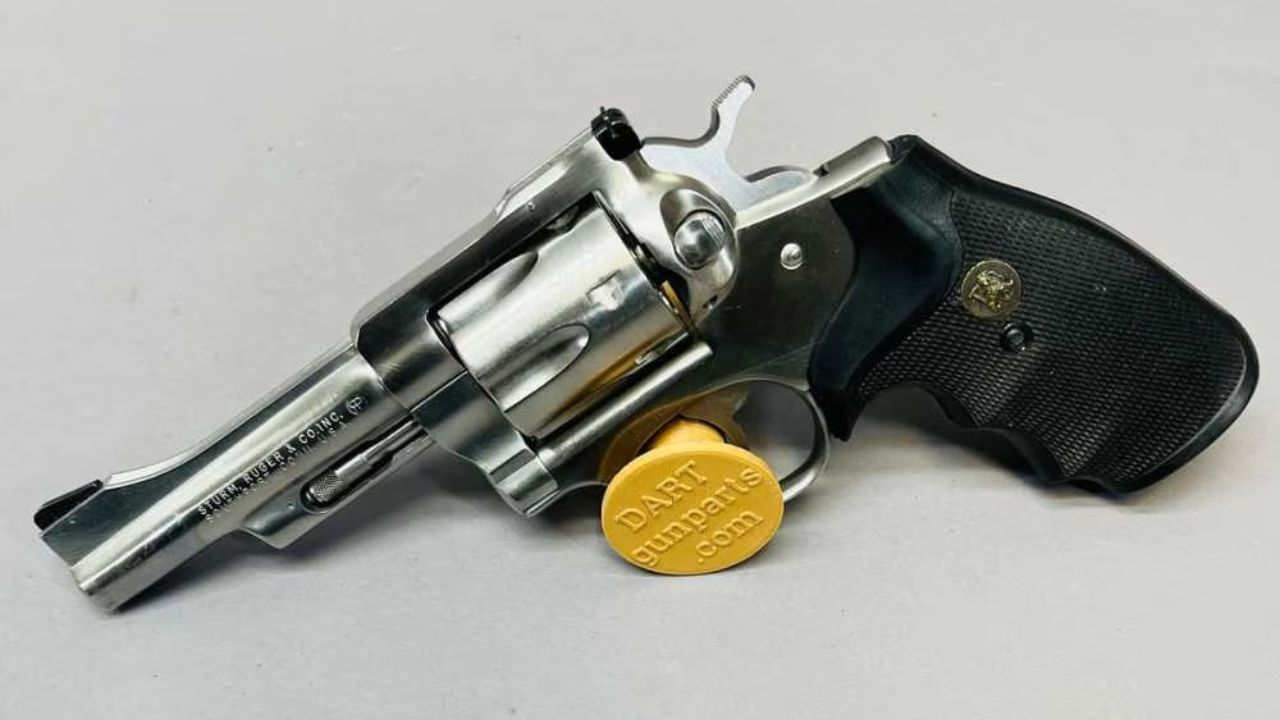
The Security Six has a loyal following, but many of the ones still floating around serve more as reminders of a different era of revolvers. They were dependable, strong, and carried by countless law-enforcement officers. That history alone makes people hold onto them even if they’ve upgraded to something newer.
Despite its rugged build, many owners hesitate to shoot older Security Six revolvers simply because they don’t want to wear down an heirloom. The grip frame and sights feel dated compared to modern revolvers, and the DA trigger can vary quite a bit from gun to gun. Still, the pistol stays because it represents a reliable tool from years gone by.
Browning Hi-Power (Pre-Mk III)
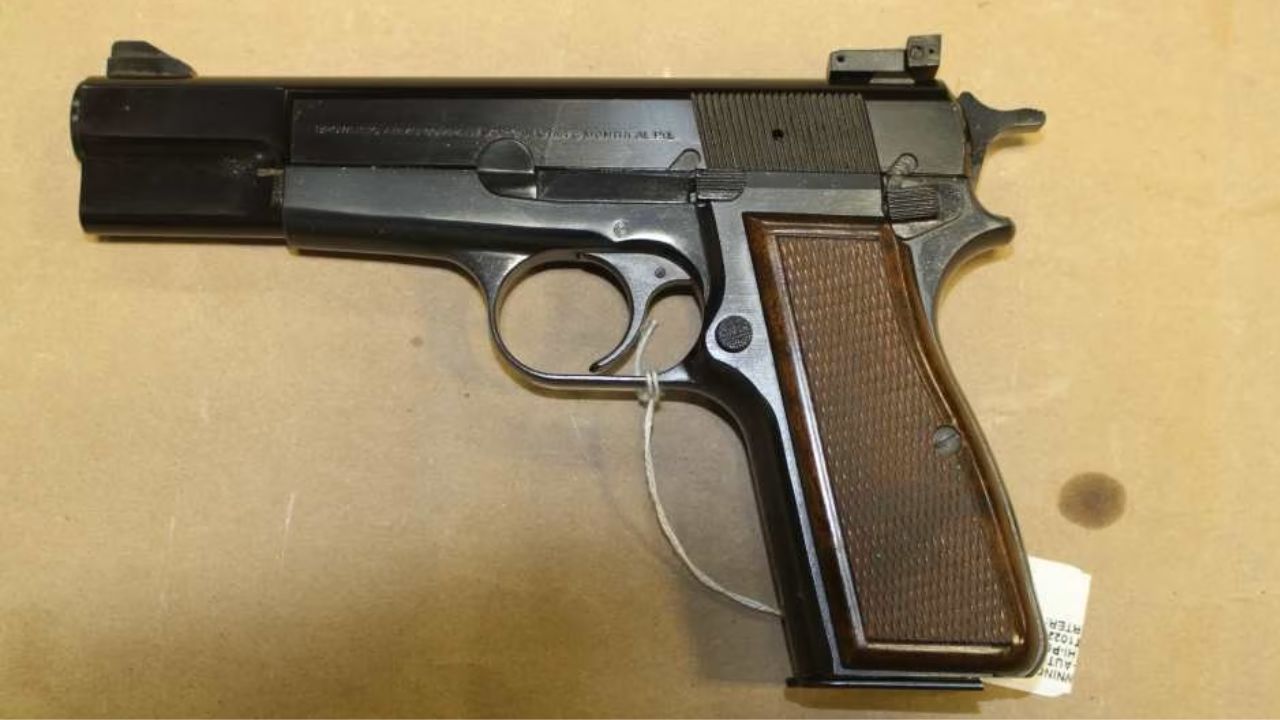
Early Browning Hi-Powers are beloved handguns, but many owners barely shoot them anymore. The classic lines, polished finishes, and older production details make shooters more protective. They appreciate the pistol for its history and design, but they don’t want to risk finish wear or small-part breakage that’s harder to replace today.
While the Hi-Power shoots well, older models can have sharp recoil compared to modern double-stack 9mms. The original sights are small, and the trigger can feel heavy due to the magazine disconnect. Those quirks make many owners leave theirs tucked away and shoot newer clones instead. The original remains a nostalgic anchor in the collection.
Walther PPK

Older German-made PPKs often live in safes rather than on ranges. They’re elegant, compact, and tied to decades of cultural recognition. But many people who own them prefer keeping them in good shape rather than running hundreds of rounds through them. The older blued finishes wear easily, and the sharp tang can cause slide bite depending on grip.
Even though the PPK shoots well, the small sights and DA/SA trigger make it less forgiving than modern subcompacts. Owners know that parts and original magazines aren’t always easy to find. So the gun sits preserved, admired more for its presence than for its performance.
Colt Single Action Army

The Single Action Army—whether older or from a more recent run—is one of the most iconic handguns ever made. Many owners pick one up because it connects them to a century of American history. But once it’s in the safe, they hesitate to shoot it. The finish wears quickly, the lock-up can loosen with heavy use, and many people simply don’t want to be the ones who put mileage on a heirloom.
The SAA can shoot well, but loading one round at a time and running the hammer manually doesn’t match modern habits. It becomes a display piece, something pulled out for admiration rather than for weekly range sessions.
Smith & Wesson Model 10

The Model 10 was once everywhere—police holsters, home nightstands, and glove compartments. Today, many people keep them because of that history. They’re still capable revolvers, but the heavy steel frame and fixed sights feel dated compared to modern options. That’s often enough to keep them from seeing range use.
Owners want to preserve them because they’re tied to relatives, departments, or personal milestones. They know the gun will still fire, but sentiment outweighs practicality. The Model 10 becomes a quiet piece of history sitting in the safe, respected but rarely touched off.
Colt Pocket Hammerless
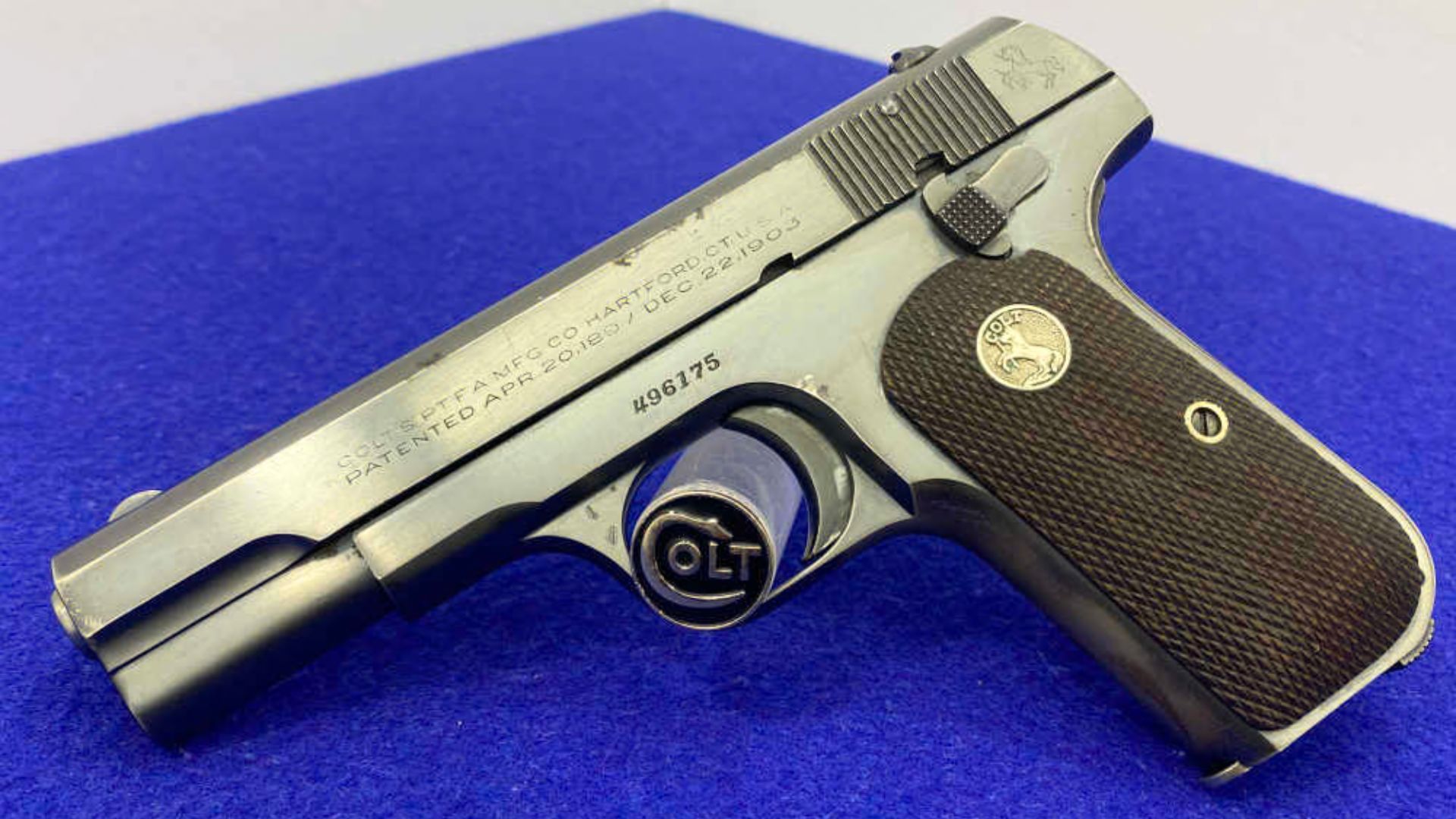
Colt’s Pocket Hammerless pistols are elegant and historically significant, which is why so many owners avoid shooting them. The triggers are manageable, and the guns can still function, but their age and collector value often outweigh the desire to put rounds through them. Many people inherited these pistols from grandparents or older relatives, making them even more meaningful.
These pistols were built for a time with different ammunition pressures and different expectations. The small controls and thin safeties don’t always match modern shooting habits. Rather than risk damaging an heirloom, owners keep them oiled, clean, and tucked away.
Harrington & Richardson Top-Break Revolvers
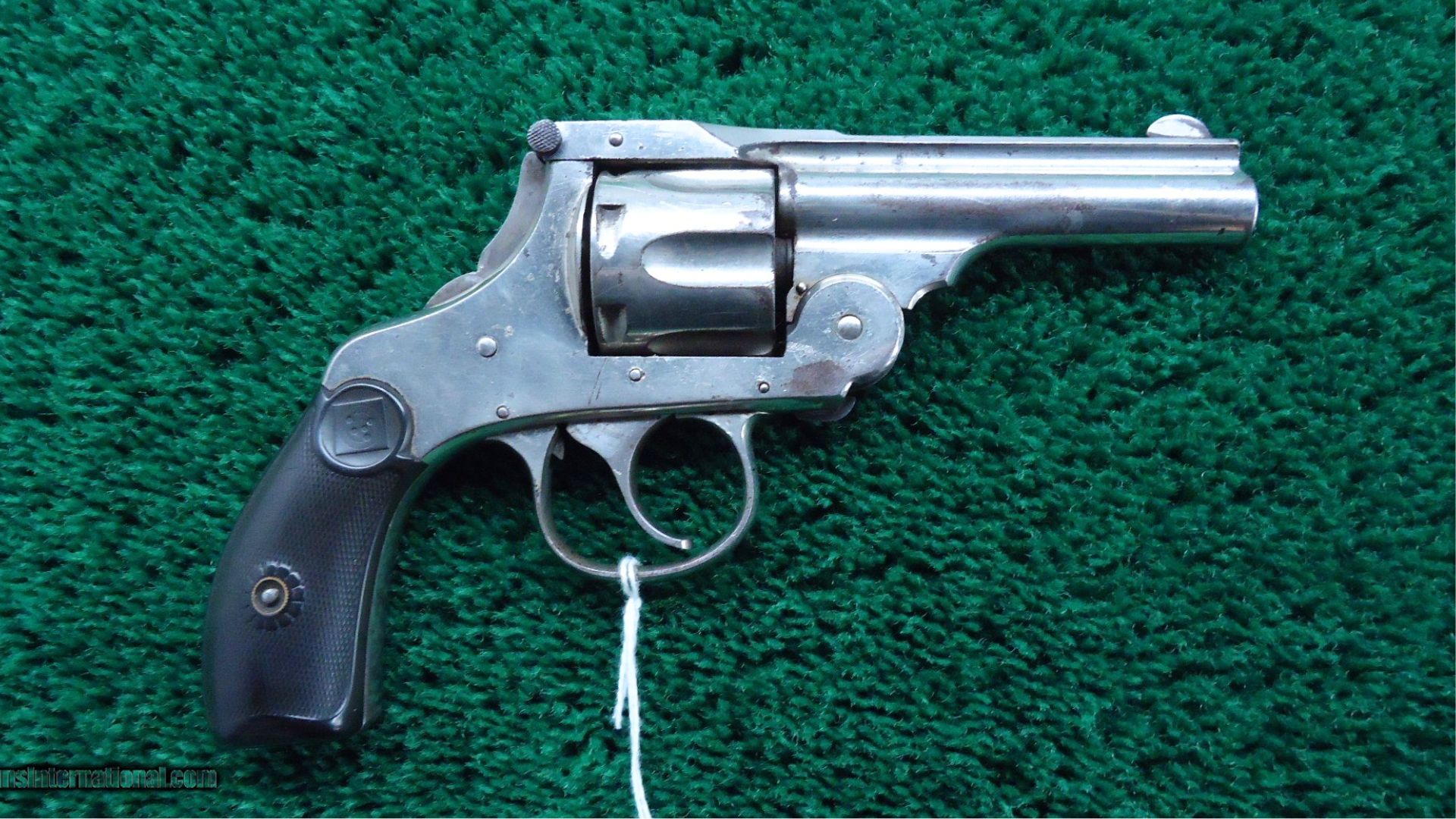
H&R top-break revolvers show up in countless estates and family collections. They were inexpensive and widespread, but today they’re mostly kept as reminders of earlier generations. Many owners hesitate to fire them because of their age and the inconsistent materials used across different production years.
While some are still functional, finding safe ammunition for older models isn’t always straightforward. The guns aren’t built for modern pressures, and parts are difficult to replace. So they stay untouched, valued for the stories they hold rather than their shooting performance.
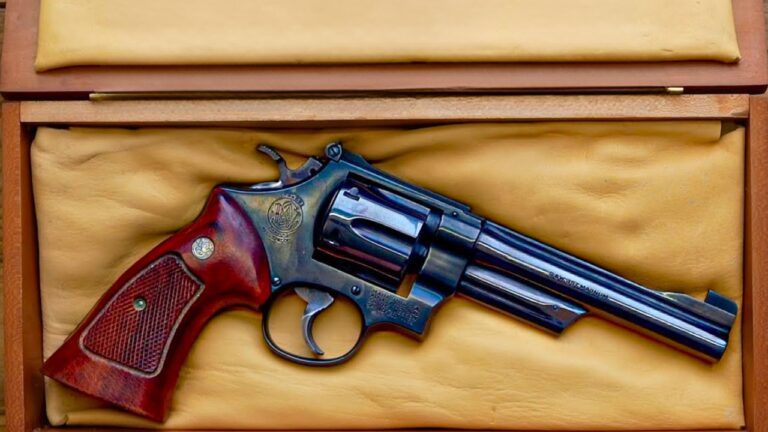
Smith & Wesson Model 19

Pinned-and-recessed Model 19s are highly collectible, and that status alone keeps many owners from shooting them heavily. They’re beautiful revolvers with tight lock-up and smooth triggers, but the blued finish and collectible value push them into “display” territory for a lot of people.
Although the Model 19 still shoots extremely well, many shooters worry about excessive use with .357 Magnum loads. They choose to preserve their older examples instead of wearing them down. Modern K-frames or newer production variants take the range time, while the classic stays protected in the safe.
Beretta Model 1951
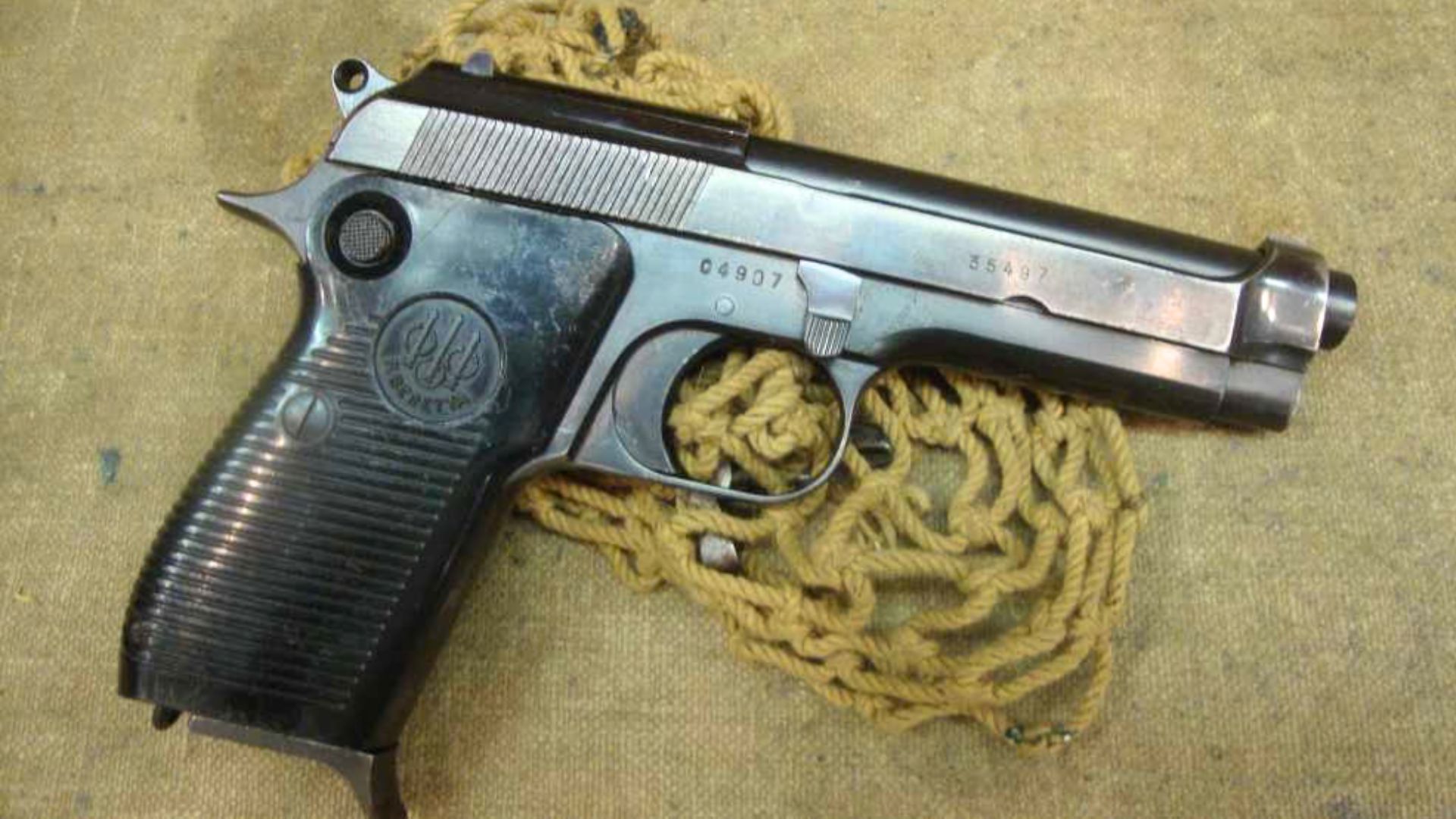
The Beretta 1951 has a loyal following, but most examples in the U.S. came from surplus batches. Owners often keep them as tokens of military history rather than range guns. The single-stack magazine, older sights, and unique open-slide design give the pistol charm, but they also make it feel dated in use.
Many shooters avoid running them hard because of the locked-breech design’s sensitivity to certain loads and the difficulty in sourcing original magazines. The pistol becomes a historical keepsake, something to preserve rather than wear down.
Colt Official Police

The Colt Official Police spent decades as a trusted duty revolver, but today it mostly lives in collections. Many examples are family guns with sentimental value tied to law-enforcement service. Owners often skip shooting them because the older lock-up, small sights, and aged springs don’t inspire confidence compared to modern revolvers.
Even though these pistols still work, their primary value now lies in memory and legacy. They’re cleaned, admired, and kept in good condition, waiting to be passed down again.
Remington Model 51
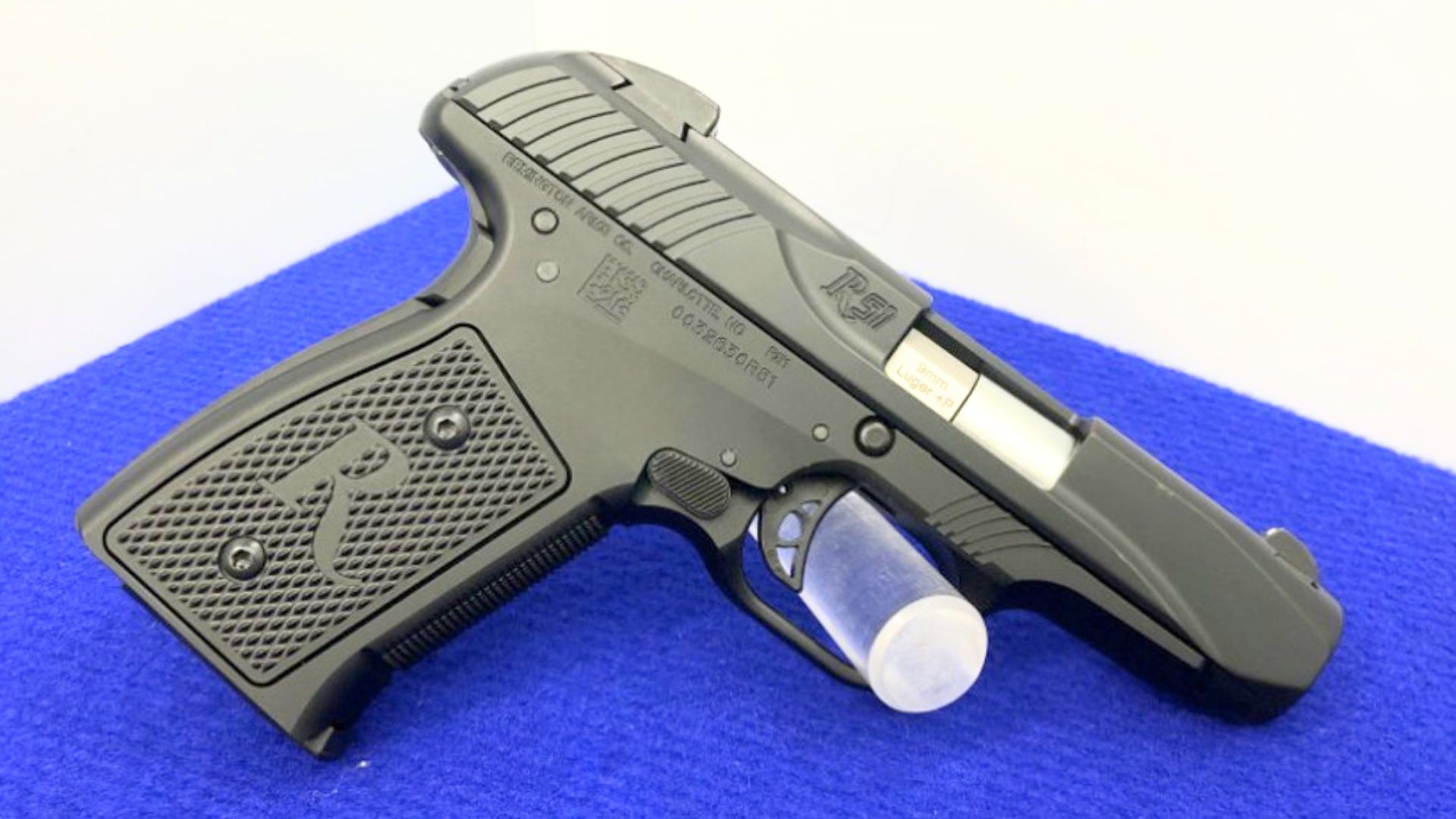
The original Remington Model 51 has a cult following because of its unique hesitation-lock system. But most owners avoid shooting them regularly because parts and magazines are scarce, and the pistols are approaching a century old. The ergonomics are excellent, but the design requires proper tuning that many shooters don’t want to risk disturbing.
Collectors keep them oiled and preserved, appreciating the engineering but hesitating to test it with modern ammunition. The pistol becomes more of a historical artifact than a practical range tool.
Savage Model 1907
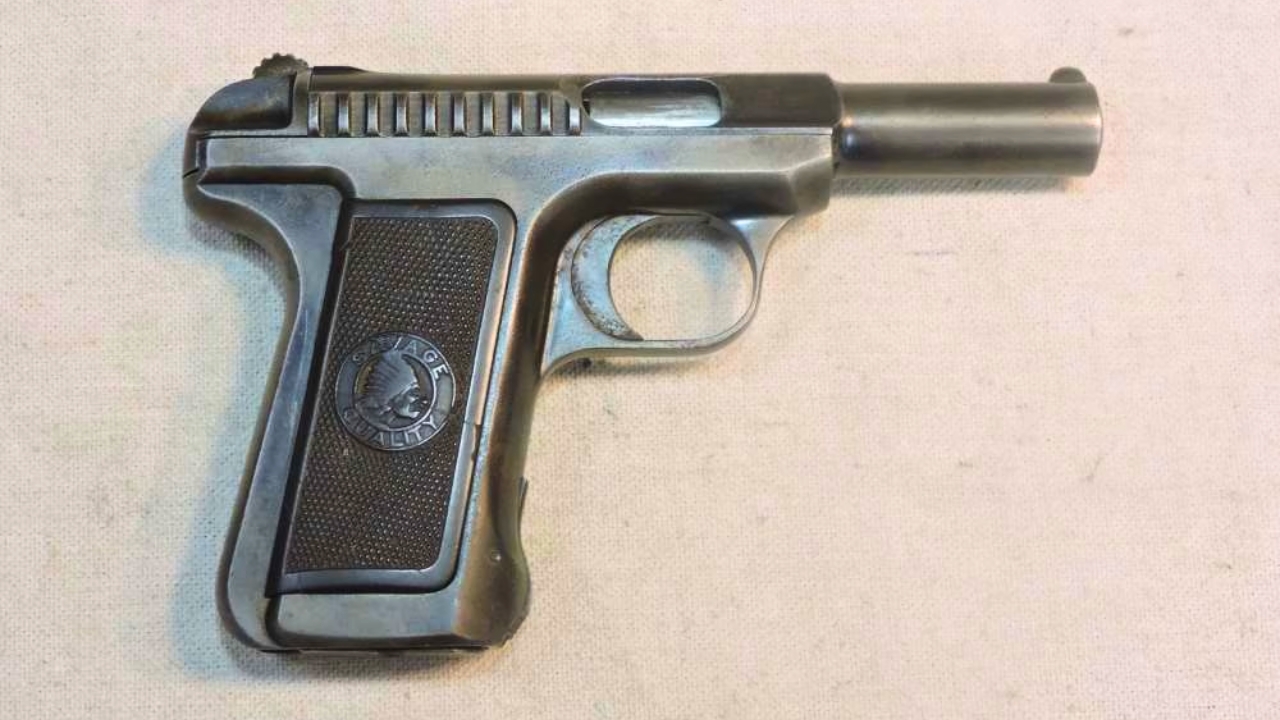
The 1907 is one of the most distinctive pocket pistols ever produced, and many families keep one even if they never shoot it. The design is interesting, the history is rich, and the lines make it a conversation piece. But ammunition compatibility, age, and spring wear keep most owners from firing theirs today.
The pistol still functions in many cases, but sourcing correct parts or magazines isn’t easy. As a result, it spends more time wrapped in cloth in a safe than on any range bench. Its presence matters more than its performance.
Like The Avid Outdoorsman’s content? Subscribe to our newsletter so you never miss an article.
Here’s more from us: