Photo credit: Rattanapon Ninlapoom/Shutterstock.com
Some calibers work beautifully inside reasonable ranges but fall apart the moment you stretch them out. You see it every season—good shooters doing everything right, only for the round they chose to run out of steam quicker than expected. At closer distances, these cartridges can be accurate and dependable. Push them farther, though, and velocity drops, wind becomes a bigger problem, and consistency disappears.
You don’t need a magnum to kill game, but you do need a cartridge that still carries stability and authority once the shot stretches. Some rounds were never built for that kind of reach, and you feel it the moment you ask too much from them. These are the calibers that collapse when you push distance.
.30-30 Winchester

The .30-30 performs well inside traditional woods ranges, but the round loses velocity quickly once you step past 150–200 yards. Flat-nosed bullets aren’t designed for long-distance stability, and the energy drop becomes obvious fast. Wind drift also hits harder than many hunters expect, especially with lighter bullet weights.
Even with modern polymer-tipped loads, the .30-30 still lags behind cartridges built for open country. You can make hits at farther distances, but consistency isn’t the same. Push it much beyond its comfort zone, and the trajectory gets steep enough that even experienced shooters struggle to hold confidently on target.
.45-70 Government (Standard Pressure Loads)

Standard-pressure .45-70 loads hit hard at short ranges, but they run out of steam quickly. The bullet starts heavy and slow, and that slow velocity means long-distance shots require large holds. When wind enters the equation, the round can shift more than many hunters expect.
While modern +P loads improve performance, most factory rifles—especially older ones—aren’t set up for those pressures. If you’re using traditional ammunition, the cartridge simply isn’t built for extended reach. It shines at close distances, but try stretching it and the trajectory and drift make confident hits difficult.
.35 Remington

The .35 Remington has plenty of power for close-range hunting, but the round drops sharply past 150 yards. Most available bullets have modest ballistic profiles, and that limits how well they hold velocity. As the bullet slows, predictability suffers, especially in crosswinds.
Many hunters who push the .35 Rem past its comfort zone notice that groups start moving off-center even when their shooting fundamentals are solid. It’s a dependable woods round, but distant shots require such steep holdovers that accuracy becomes more hope than expectation.
.350 Legend
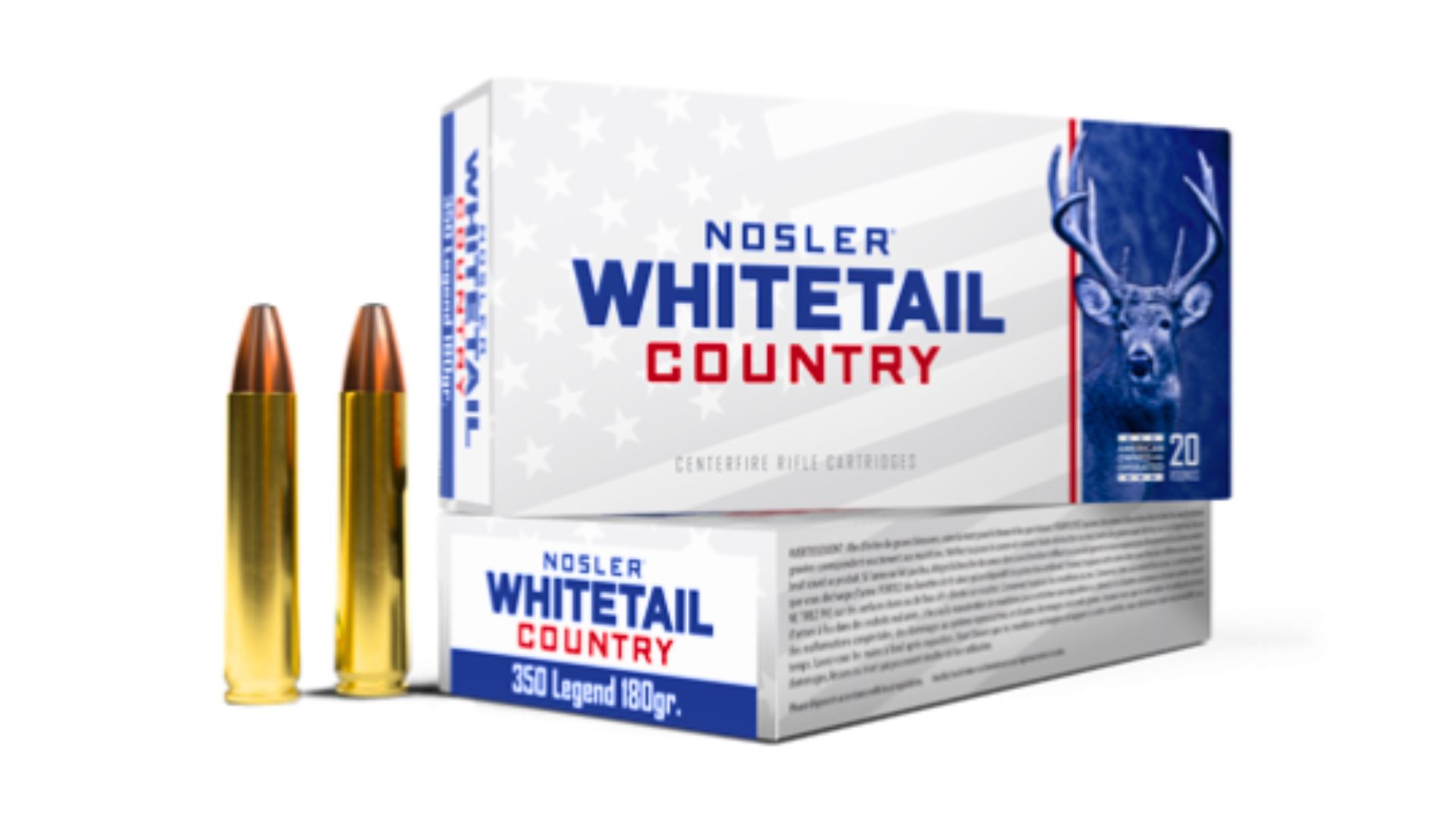
The .350 Legend works well inside its intended ranges, especially for straight-wall hunting states. The issue comes when shooters expect rifle-like reach from a cartridge built for short- to mid-range work. Bullet shape, velocity, and mass all limit long-range consistency.
Past 200 yards, the trajectory becomes noticeably arched, and bullet expansion can become unreliable. While it’s excellent for its purpose, the Legend doesn’t carry the aerodynamic efficiency needed for long shots. Push it farther and you’ll feel the limitations quickly.
.300 Blackout (Supersonic)
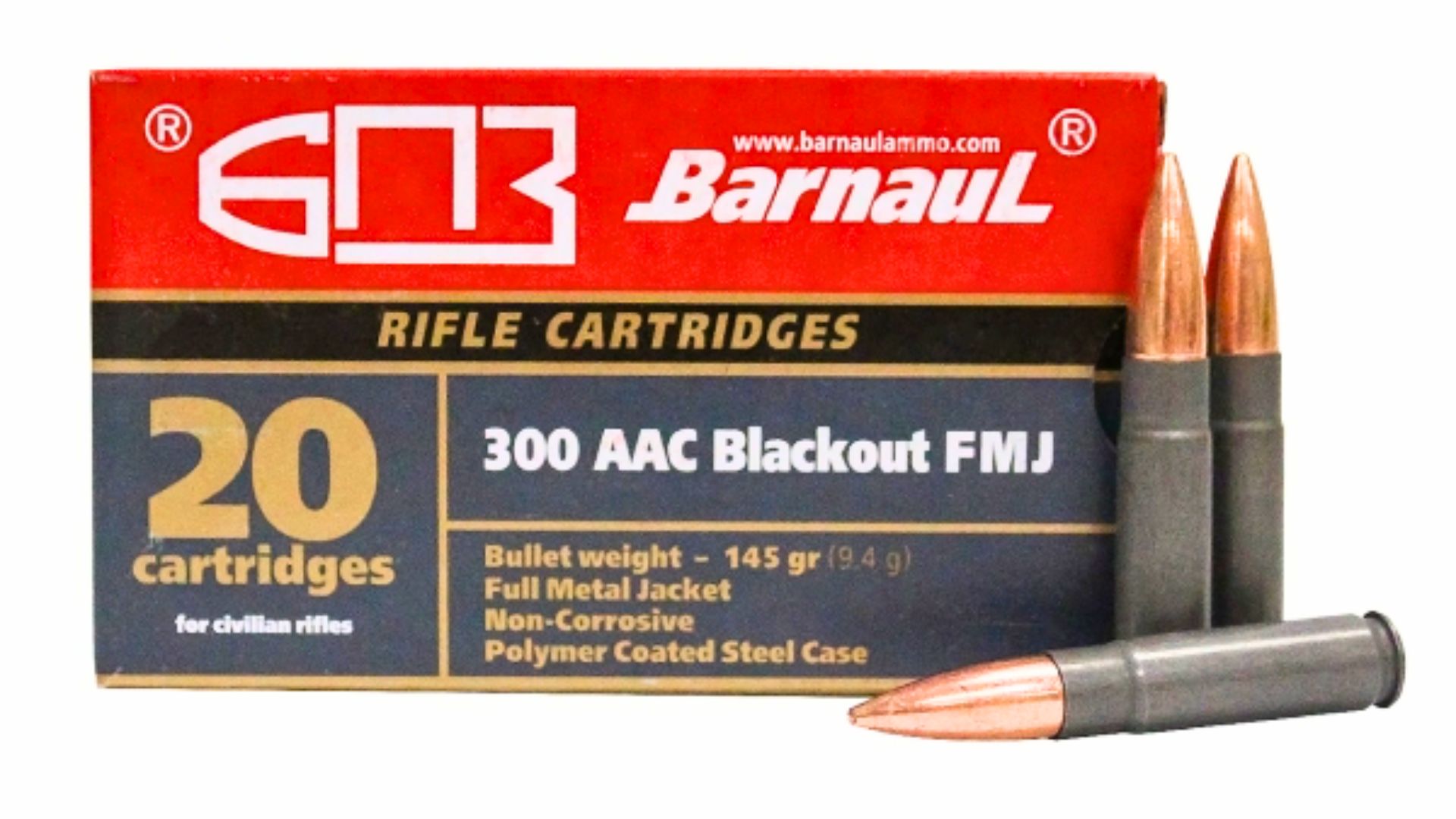
Supersonic .300 Blackout loads handle short-range tasks well, but the round wasn’t designed for distance. The bullet starts slower than other .30-caliber rifle rounds, and the ballistic profile doesn’t maintain stability once the distance stretches.
Wind drift shows up early, and by 200–250 yards many shooters notice unpredictable drops. Even with good ammo, the Blackout behaves more like a large pistol round than a long-range rifle cartridge. It can perform well within its envelope, but stretching it usually leads to disappointment.
.300 Blackout (Subsonic)

Subsonic Blackout rounds fall even harder at distance because they begin under the speed of sound. That makes them quieter, but it also means trajectory becomes steep almost immediately. Even with heavy bullets, the energy falls off sharply.
Once you push past 100–125 yards, predictable shot placement becomes almost impossible without extensive dope. Subsonic loads excel for specialized roles but collapse fast when you want reach. Many shooters underestimate how dramatically the bullet drops after leaving the barrel.
.44 Magnum (From Carbines)

Carbine-length rifles boost .44 Magnum performance, but the round still struggles once you stretch the distance. The heavy bullet isn’t shaped for long-range flight, and even with the extra barrel length, velocity drops fast.
Inside 100 yards, accuracy is respectable. Push it to 150 or 200 and the bullet’s flight path starts to look more like an arc than a line. Hunters who’ve tried long-range shots with a .44 carbine usually learn quickly that the round reaches its limits earlier than expected.
.450 Bushmaster

The .450 Bushmaster carries impressive energy at moderate ranges, but by the time the bullet reaches 200 yards, drop and drift grow significantly. Straight-wall requirements created demand for this cartridge, but the aerodynamics simply don’t support extended-distance work.
Heavier bullets retain energy but lose speed quickly, and lighter options don’t carry well either. The result is a round that works great for dense-cover hunting but falls apart when fields open up. Many shooters who push it past intended distances find consistency almost impossible to maintain.
.223 Remington (Standard Hunting Loads)
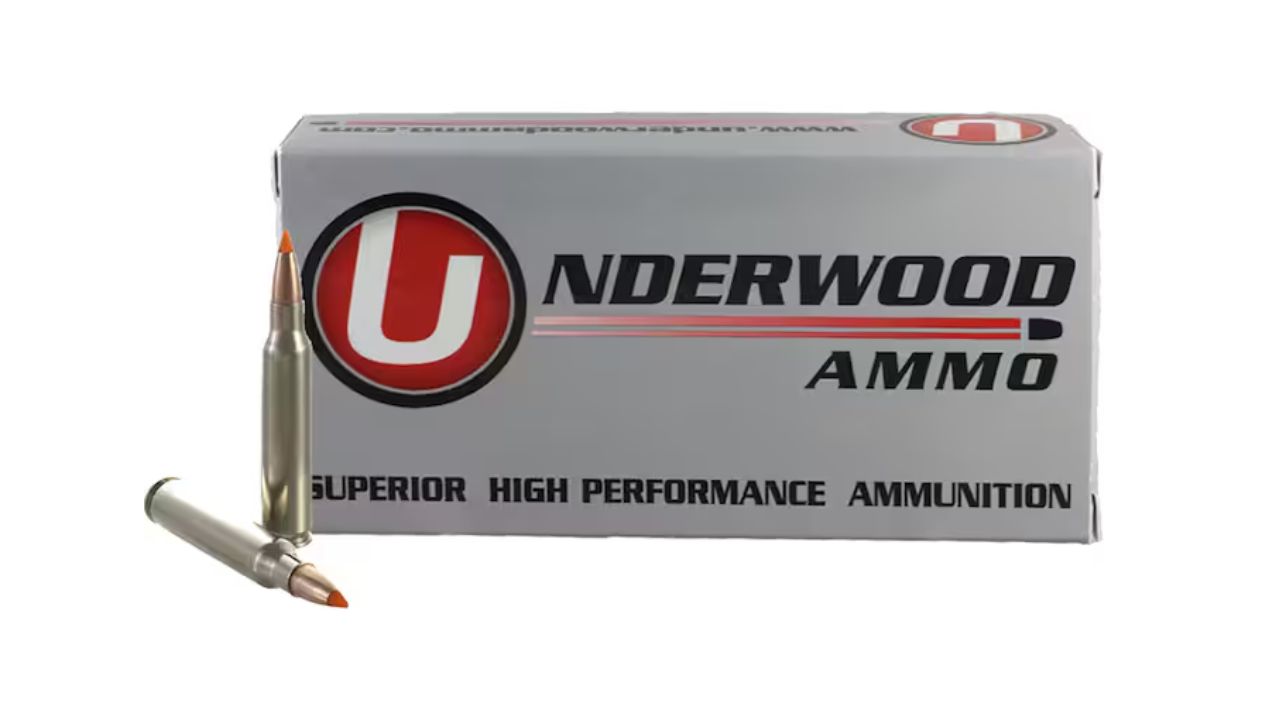
The .223 Remington can be accurate with match ammo, but many standard hunting loads lose stability past 200–250 yards. Lighter bullets shed velocity quickly, and wind becomes a major factor. A gust you’d ignore with a bigger caliber can move a .223 dramatically.
While the round performs in certain contexts, pushing basic hunting loads for long-distance shots leads to unpredictable results. Many hunters discover that even slight environmental changes create noticeable drift. With the right bullet, it stretches farther—but standard options collapse fast.
7.62×39
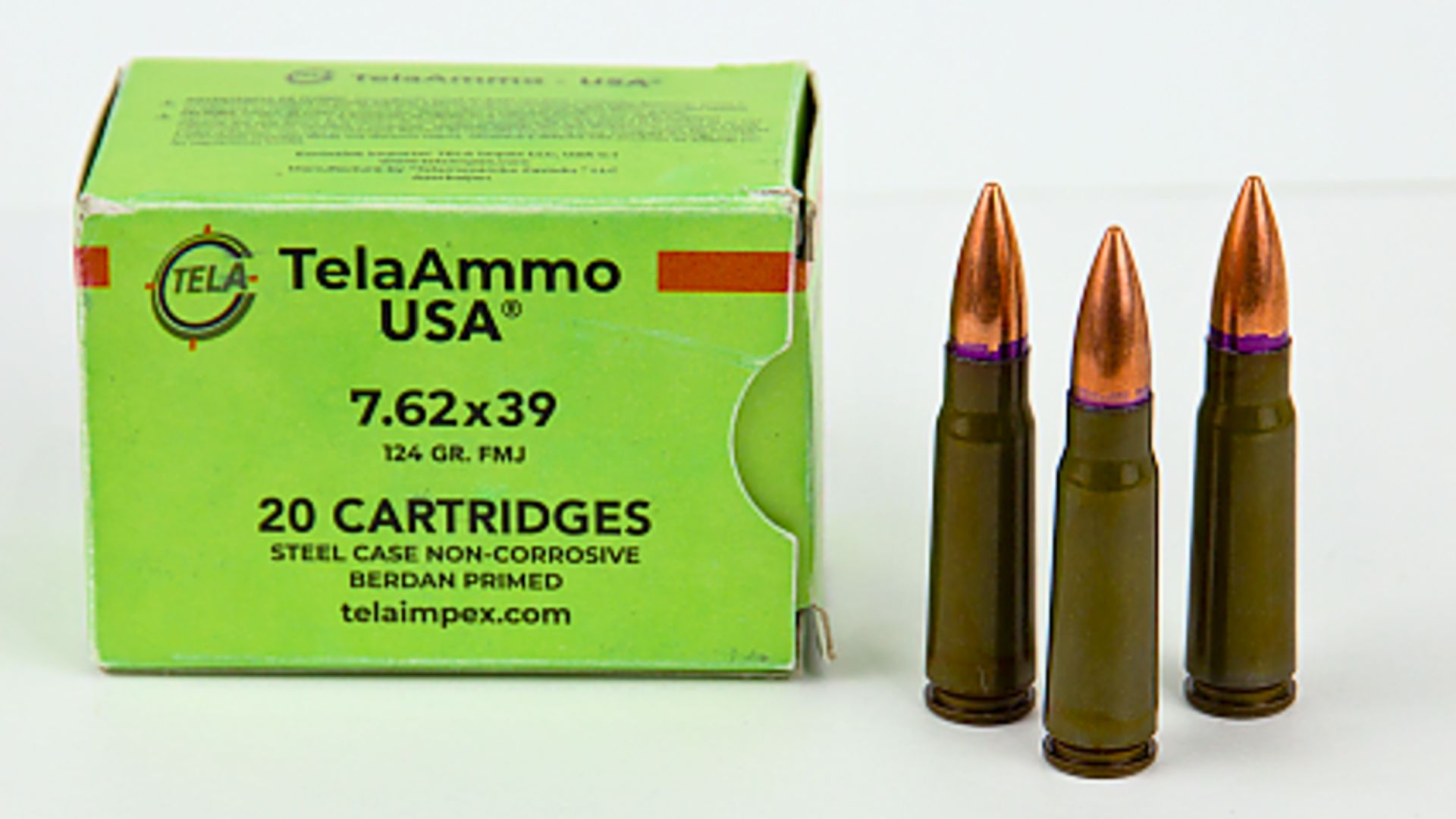
The 7.62×39 carries energy well enough for close-range work, but its blunt bullet shape limits long-distance performance. Past 200 yards, drop increases quickly and wind drift becomes more obvious. Even good rifles can struggle to keep groups tight once the round slows.
Hunters who try to stretch this caliber often end up chasing inconsistent impacts. The round does exactly what it was designed to do—work up close. But when you ask it to operate at longer ranges, it runs out of efficiency fast.
.30 Carbine
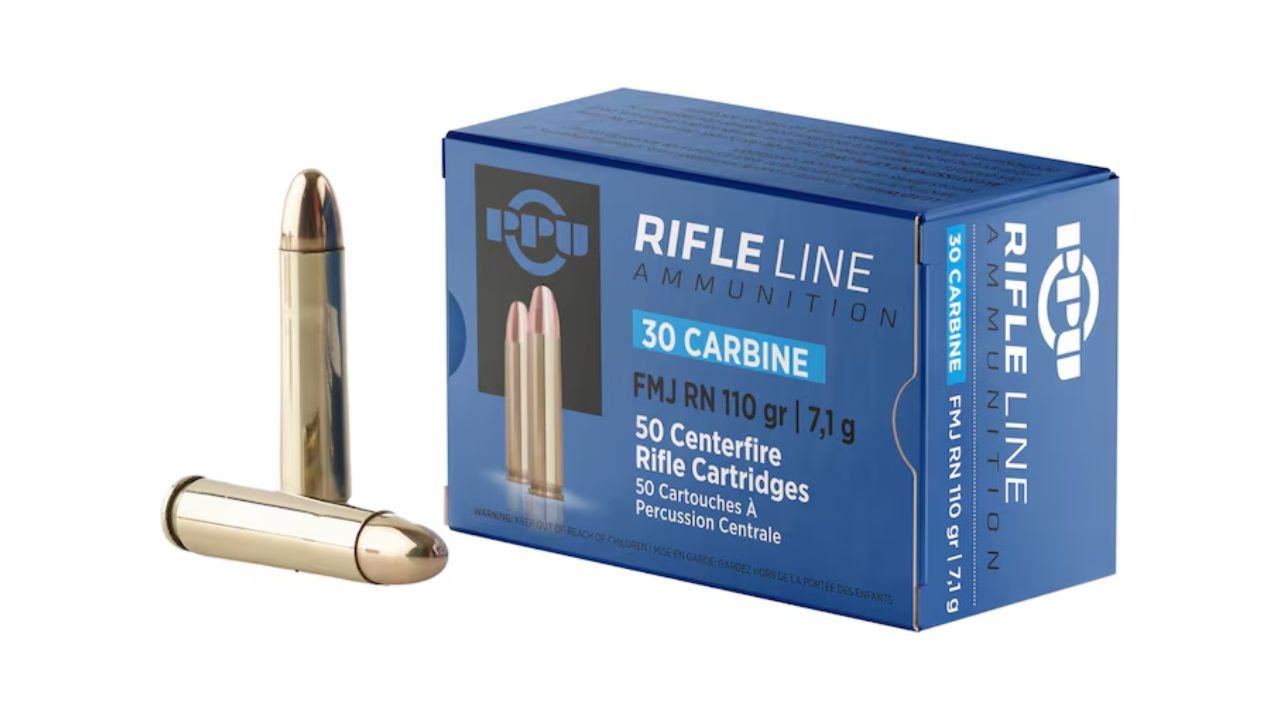
The .30 Carbine is light, fast, and effective inside 100 yards. Beyond that, the bullet loses speed rapidly and energy drops sharply. The round wasn’t built for open-country shooting, and long-distance performance reflects that.
The bullet design offers little help once wind enters the picture. Even moderate conditions move the round noticeably. Many shooters who push it find that accuracy evaporates faster than expected. It remains fun to shoot, but long-range capability isn’t part of its identity.
6.8 SPC (Standard Loads)

The 6.8 SPC delivers solid performance inside moderate distances, but its velocity limits become clear once you try reaching farther. Standard loads don’t maintain speed well enough past 300 yards, and bullet shape varies widely among manufacturers.
Wind drift becomes a major factor, and shooters notice hits shifting off target even when their fundamentals feel solid. Although improved loads exist, the basic factory options still collapse compared to cartridges designed for extended reach.
.22-250 Remington (Light Varmint Loads)

The .22-250 is fast and flat, but extremely light bullets can destabilize once wind enters the equation. Push them out past 300 yards and sudden drift changes become common. Hunters who rely on lighter varmint loads often watch tight groups unravel when even mild wind shows up.
With heavier bullets, the round holds better, but the most common loads are lighter, and that’s where collapse appears. It’s a reminder that extreme speed doesn’t automatically translate to long-distance stability.
.243 Winchester (Light Factory Loads)

The .243 can shine at distance, but many factory loads use lightweight bullets aimed at varmints or youth hunters. Those bullets lose stability quickly when pushed far. Past 300 yards, lighter options can drift significantly, even under mild wind conditions.
The cartridge is capable, but these common loads give hunters trouble when they don’t match bullet weight to the range. It’s a classic case of a good cartridge looking weak because the wrong ammo is being used for long shots.
.410 Shotgun Slugs
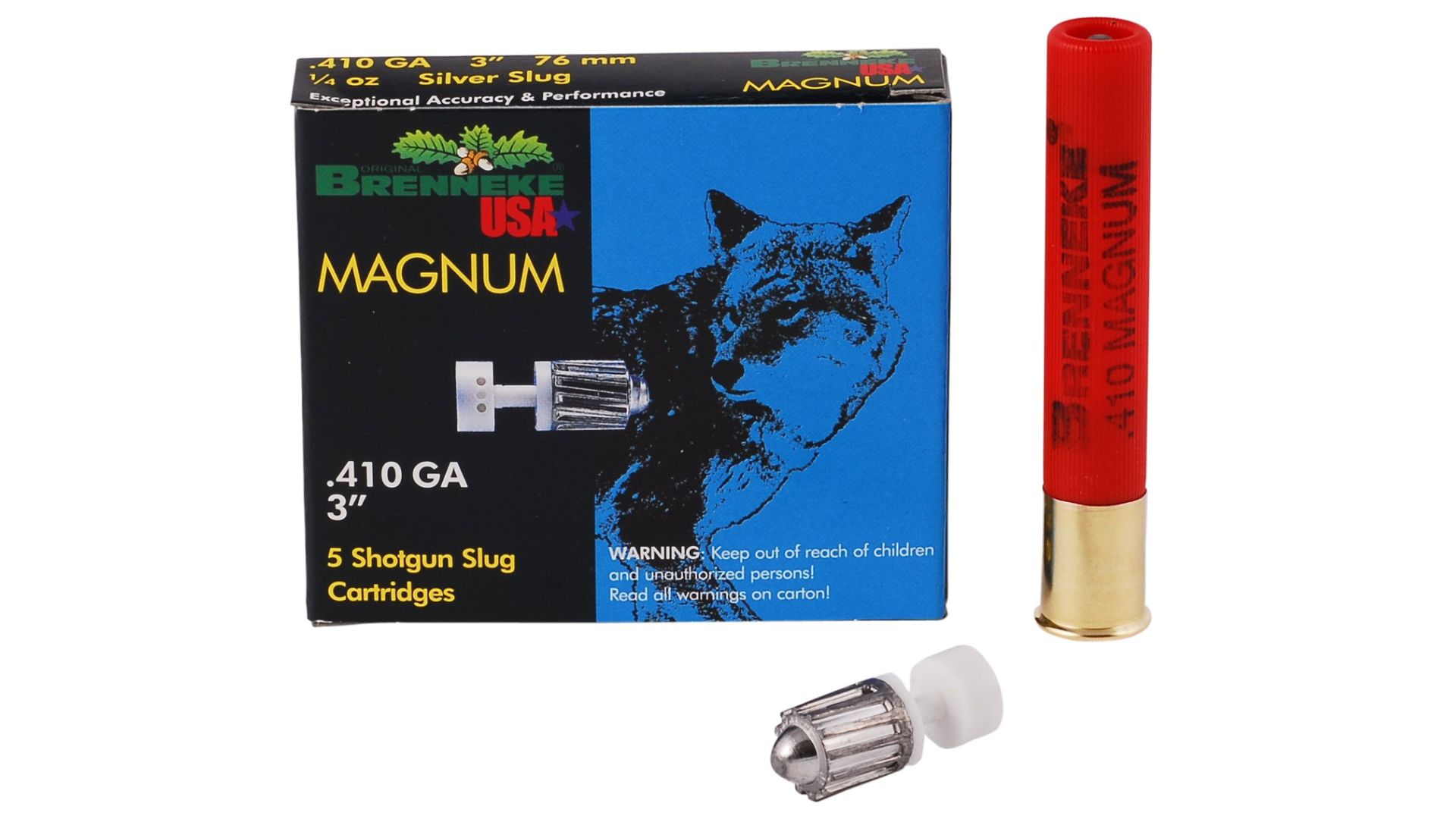
A .410 slug drops dramatically the moment you try to reach beyond close-range distances. The round starts slow, and the lightweight projectile sheds energy quickly. Even at 75 yards, predictability drops off fast.
Hunters who attempt longer shots often find that point of impact varies from one shell to another. The .410 excels inside tight cover or for youth hunters at short range, but once you try stretching it, the performance collapses in a hurry.
Like The Avid Outdoorsman’s content? Subscribe to our newsletter so you never miss an article.
Here’s more from us: