Photo credit: Taylor Bambico/YouTube
Names sell guns. That’s not automatically bad—reputation matters. The problem is when the buyer chooses a pistol because it’s iconic, trendy, or has a premium badge, even though there are better-performing, easier-to-support, more training-friendly options for the same money (or less). These are pistols people often buy for the label first—and only later evaluate how they actually run, carry, and perform.
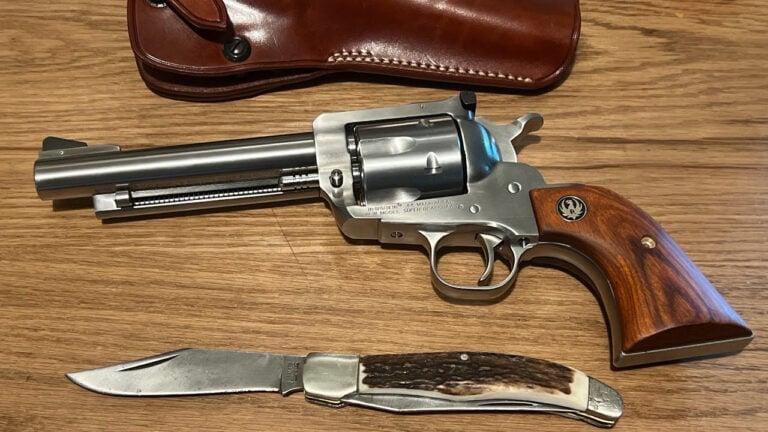
Colt Python (as a practical defensive buy)

The Python is a masterpiece revolver, but it’s not the most practical choice for modern defensive use for most people. It’s expensive, heavy, and many owners baby it. That means less range time and less real training. People buy it because it’s the Colt revolver, then realize it’s not the gun they want to run hard in classes or carry daily in rough conditions. It’s a great “want” gun. It’s often a questionable “working” gun, and buyers sometimes learn that after the excitement fades.
Colt 1911 Government Model

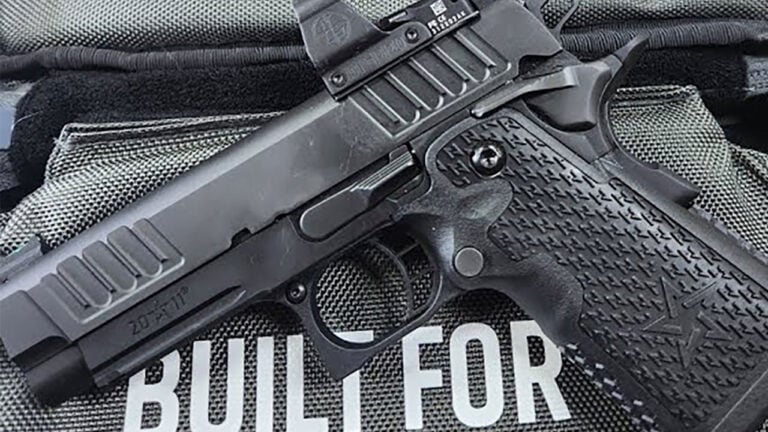
A Colt Government Model has a pull all its own, and that pull is often emotional more than practical. People buy it because it’s Colt and it’s “the classic,” then discover they’re entering the 1911 world: magazines matter, maintenance matters, and consistency matters. A modern striker gun will often be easier to shoot well with less effort and less fuss. The Colt can be excellent, but if you bought it mainly for the pony on the slide, you might not love the realities of running a 1911 hard.
Kimber Ultra Carry II

Kimber’s name sells a lot of compact 1911s to people who want a premium carry pistol without thinking too hard. Then the owner learns the truth of short 1911s: they can be less forgiving, more spring-dependent, and more sensitive to magazines and ammo. Some run well. Some demand attention. If you bought it because “Kimber is a big name,” you may be disappointed when the performance doesn’t feel as effortless as the branding implied.
SIG Sauer P226 Legion
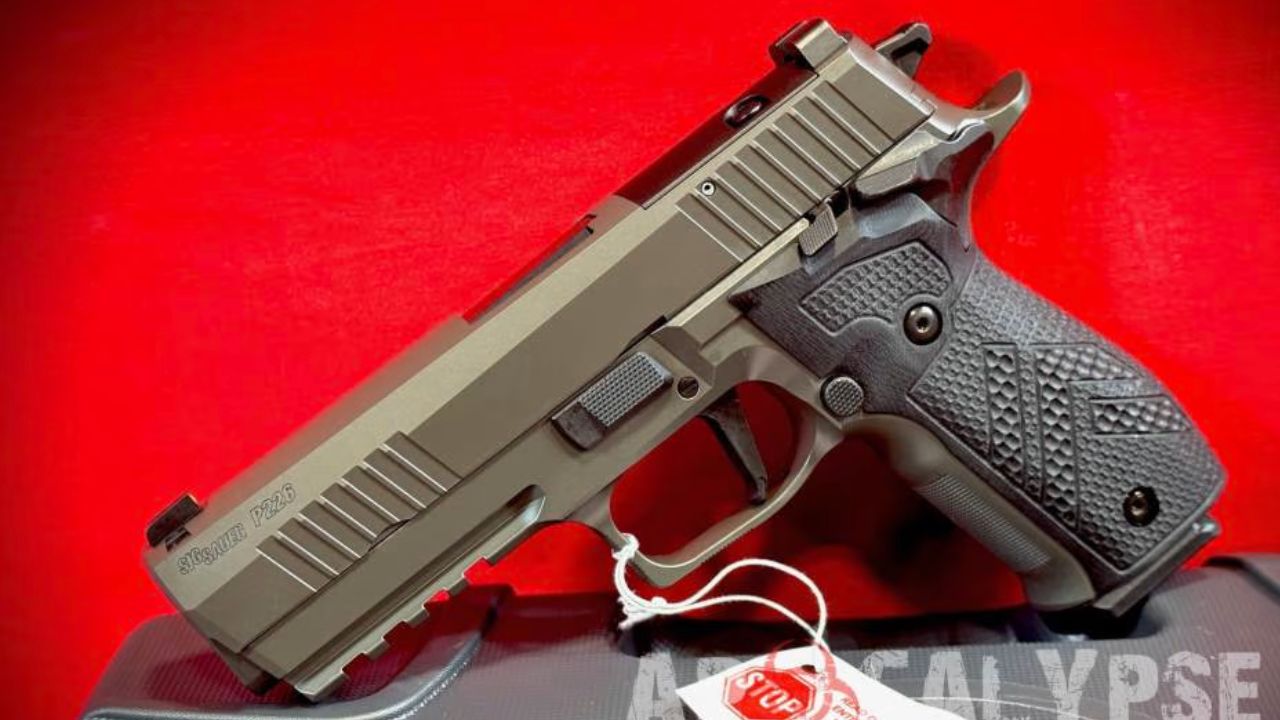
Legion branding is powerful. The P226 is a proven pistol, but Legion buyers sometimes pay a premium for vibe and features they don’t really use. Then they realize the gun is big, heavy for carry, and not necessarily giving them better performance than a standard P226 or a modern polymer gun. It’s still a great pistol. The point is the Legion badge can push people into spending more than they needed to for what they actually do with the gun.
SIG Sauer P320
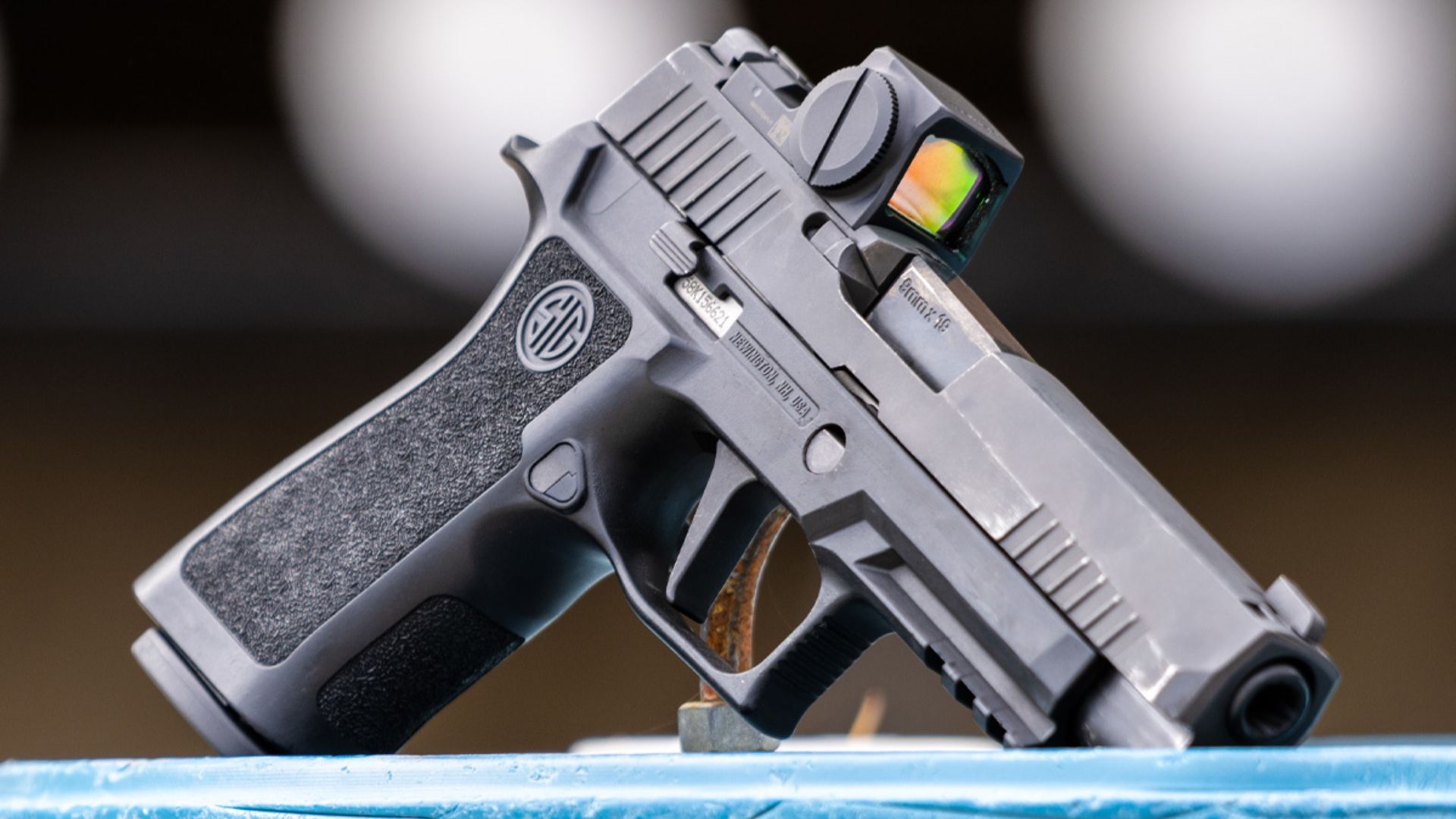
The P320 name is huge, and special editions sell fast. Many buyers pick one up because it’s the current big thing, not because it’s the best fit for their training and carry needs. Then they find out that optics setups, grip module choices, and parts swapping can turn ownership into a constant “tweak my setup” loop. Some love that. Some hate it. If you bought it for the name and trend, you may not enjoy how much tinkering you end up doing.
Glock 19
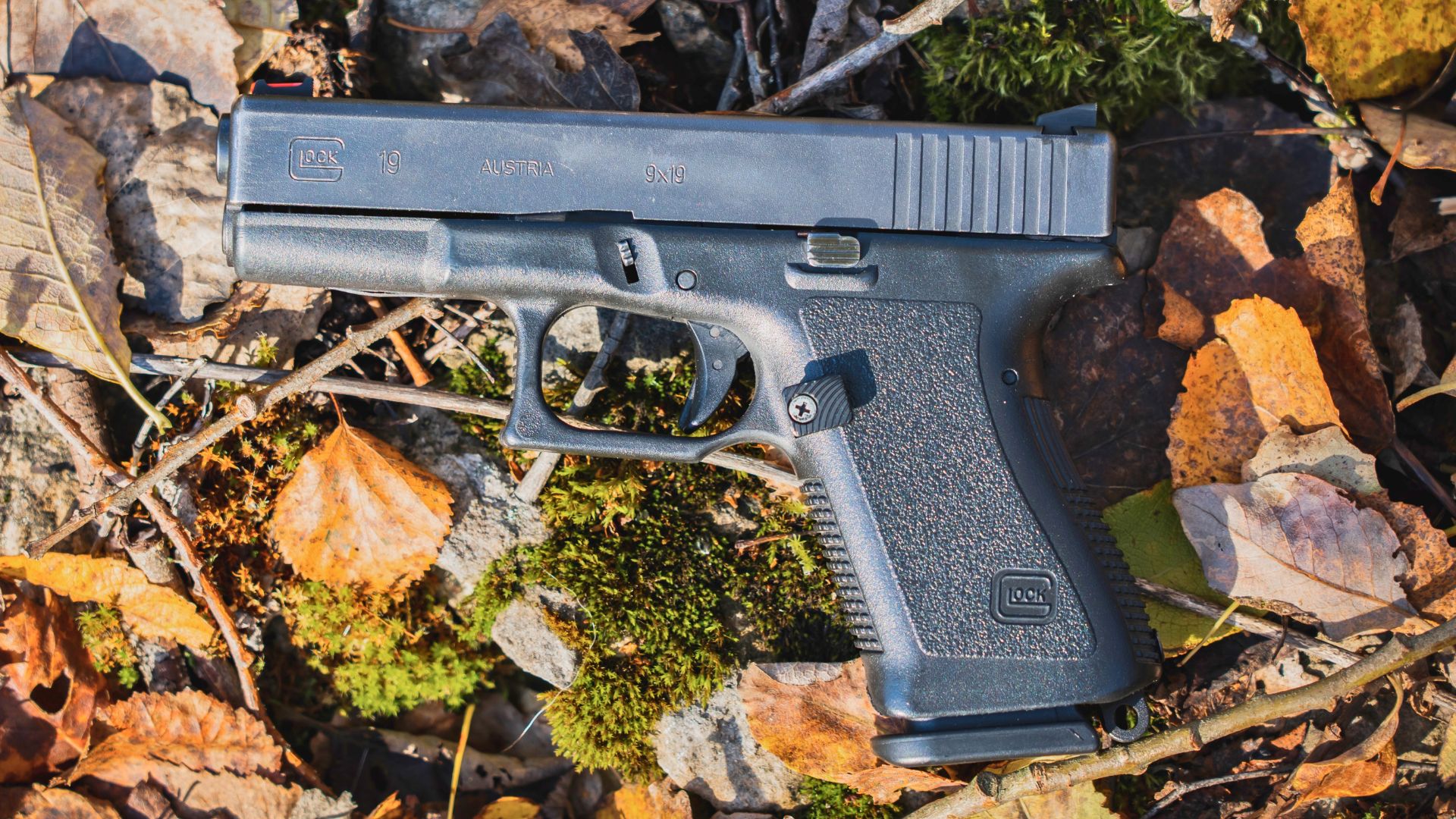
This is a spicy one, but it’s real. People buy a Glock 19 because it’s the famous “one gun” answer, then they don’t train and wonder why they don’t shoot well. They bought it for the reputation, not for performance they can actually access. The Glock will do its part. But the buyer who never trains is paying for potential they’ll never use. For that buyer, a different pistol with better ergonomics for their hands might actually produce better real-world results.
HK VP9

HK sells a lot of VP9s on the brand alone. It’s a solid pistol, but some buyers expect magic because it says HK. Then they realize it’s simply a good striker gun with typical striker gun realities: you still need to shoot it well, maintain it, and pick the right holster and setup. Performance is there, but it’s not “HK makes you a better shooter.” If you bought it for the logo, you might be disappointed when it doesn’t transform your skills.
HK USP Compact

The USP Compact gets bought because it’s an HK USP—rugged, iconic, and “built like a tank.” Then owners discover the trigger system, variants, and overall feel aren’t always what modern shooters prefer for speed and ease. Some love it. Some realize they don’t shoot it as well as they shoot newer guns with better triggers and ergonomics. The name sells it. The performance is real, but it’s not automatically the best fit for how most people train today.
FN 509 Tactical

FN branding plus “tactical” is a powerful combo. Buyers often expect it to feel like a premium duty pistol in every way. Then they run it and discover the trigger feel isn’t their favorite, the size is bigger than they expected, and they might shoot other pistols better with less effort. It’s not a bad pistol. It’s just one of those purchases where the buyer sometimes chooses the name and the vibe first, then evaluates shooting performance later.
Beretta 92FS
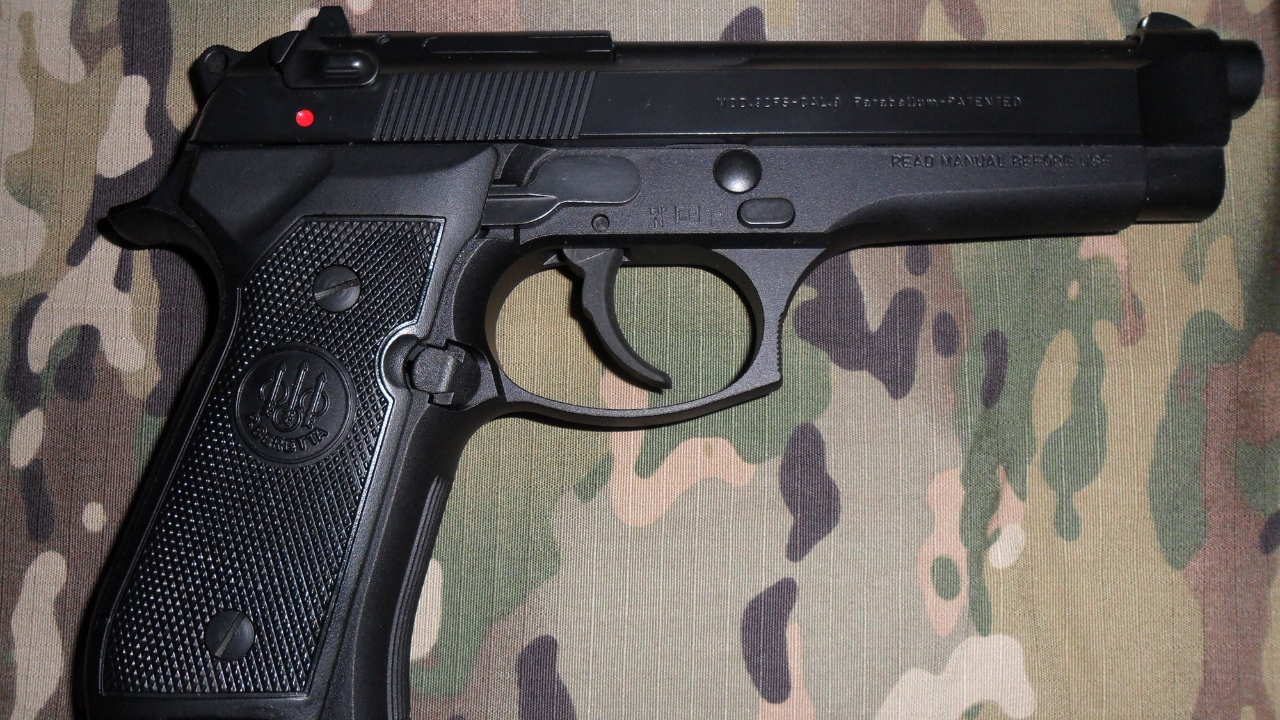
The 92FS is iconic and beloved. It also isn’t the easiest pistol for every shooter to run well, especially with the slide-mounted safety/decocker controls and the long DA pull if you’re not trained on it. People buy it because it’s a Beretta 92, then realize it demands more familiarity to run confidently compared to modern striker guns. Many still love it. But plenty end up admitting they bought it for the name and nostalgia more than their actual performance needs.
Desert Eagle .50 AE

This is the poster child for buying a name. People buy it because it’s famous, not because it performs a practical role better than anything else. Then they discover ammo cost, recoil, weight, and the fact that it’s not something you train with often. It becomes a safe gun that comes out to impress friends. That’s fine, but it’s a pure “name purchase.” Almost nobody buys it because it’s the best-performing choice for a serious purpose.
Magnum Research 1911

Magnum Research sells a certain look and vibe, and many people buy their 1911s because they like the name and the style. Performance can be good, but again, it’s a 1911 world purchase, and some buyers don’t realize what they’re signing up for in terms of mags, springs, and tuning. If the buyer just wanted a “cool branded 1911,” they may not be prepared to prove it the way they would a modern striker pistol.
Colt Mustang / Pocketlite

These tiny Colts are bought because they’re Colt and they’re classic. They can be charming little pistols, but modern micro-compacts often outperform them in sights, capacity, and shootability. Owners buy the Mustang because it’s a legendary name, then realize it’s not the easiest or most practical tool to train with. It becomes a collector-carry choice more than a performance-driven choice, which is fine—just be honest about why you bought it.
Walther PPK / PPK/S

The PPK is James Bond and timeless cool. Performance-wise, it’s a blowback .380 that can be snappy, heavier than modern micro .380s, and not always pleasant for long practice sessions. People buy it because it’s iconic, then discover it’s not the best-performing carry pistol for the money. It’s a style gun first for many buyers, and the performance reality can disappoint if the buyer expected “classic equals superior.”
SIG Sauer P210

The P210 is legendary for accuracy and craftsmanship, and it gets bought for the name and prestige. The reality is it’s not the most practical modern defensive pistol for many shooters—controls, capacity, support ecosystem, and carry considerations all matter. People buy it because it’s the P210, then discover it’s a high-end enthusiast pistol more than an everyday workhorse. It’s incredible at what it is. It’s just not always the best “performance buy” for what most people actually do.
Like The Avid Outdoorsman’s content? Subscribe to our newsletter so you never miss an article.
Here’s more from us: