Photo credit: Magnum Ballistics/GunBroker
The Colt King Cobra lives in that interesting middle ground where a lot of shooters know the name, but not nearly as many know the actual story. It gets lumped in with Colt’s more famous Snake Guns, especially the Python, but the King Cobra carved out its own lane as a heavy-duty .357 Magnum revolver with a different purpose and a different feel. Its production history has also been a lot more stop-and-start than many shooters realize, with original runs in the late 1980s and 1990s before Colt brought the name back in the modern era.
What makes the King Cobra especially interesting is that it is not just one gun frozen in time. Colt’s current King Cobra family includes modern .357 Magnum carry and target models along with .22 LR target versions, which means the name has grown into a broader revolver line than the old-school stainless .357 most people picture first.
1. It was not Colt’s first “snake gun”

A lot of people hear “King Cobra” and assume it came along early in Colt’s snake-themed revolver history. It did not. The Python, Cobra, and Diamondback were already part of Colt lore long before the King Cobra showed up. The King Cobra was introduced in 1986, which makes it a relatively late arrival compared with some of Colt’s more famous revolvers.
That timing matters because the King Cobra was not the revolver that created Colt’s snake-gun reputation. It was more like Colt adding another serious working .357 to an already respected family. That helps explain why it sometimes gets overshadowed in casual conversations even though it is a very solid revolver in its own right.
2. It was based more on the Trooper lineage than the Python
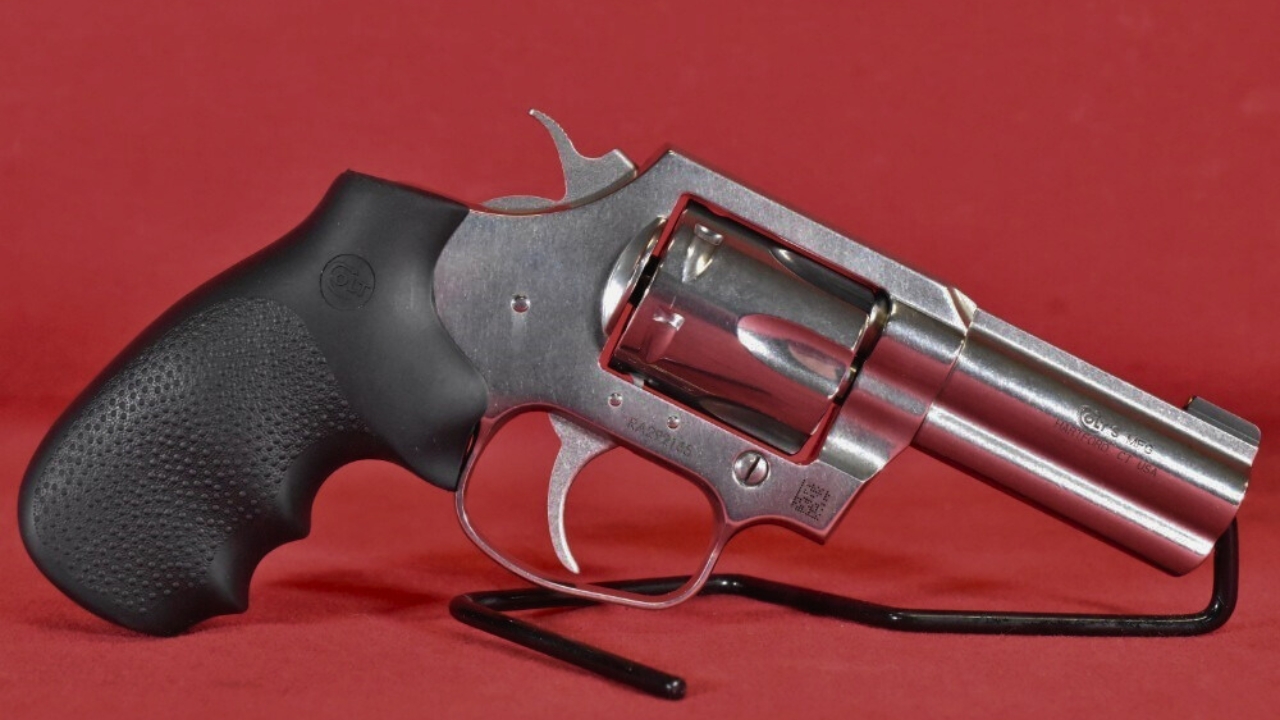
This is one of the most surprising details for people who assume every Colt snake revolver is basically a Python in different clothing. Reference histories note that the King Cobra’s design was based more closely on the Trooper Mk V, with changes like a heavier-duty barrel, full-length ejector-rod shroud, and thicker rib.
That makes the King Cobra interesting because it was not just trying to be a cheaper Python clone or a cosmetic rebrand. Colt was building a different kind of .357 revolver—still substantial, still serious, but with its own mechanical roots and role. That difference is a big reason some shooters still prefer it.
3. It had multiple production runs, not one continuous life

A lot of shooters think the King Cobra had one run and then disappeared. That is not how it went. Standard histories list original production from 1986 to 1992, another run from 1994 to 1998, and then a modern reintroduction beginning in 2019.
That stop-and-start history is a big part of why the King Cobra can feel a little confusing in the collector world. You are not always looking at one clean era of production. There are older originals, later 1990s guns, and modern Colts wearing the same famous name.
4. The modern King Cobra comeback is part of Colt’s larger revolver revival

The King Cobra did not come back in isolation. American Rifleman said in 2020 that the new King Cobra was part of Colt’s comeback for its double-action Snake Guns, a revival that started a few years earlier with the reintroduced Cobra.
That matters because the King Cobra’s return was not just Colt dusting off one old model for nostalgia points. It was part of a broader effort to reestablish Colt as a real player in the modern revolver market again. That context makes the reintroduction feel a lot bigger than one product announcement.
5. The first modern version came back as a 3-inch .357
When Colt reintroduced the King Cobra in 2019, it did not start with a big hunting-length barrel. American Rifleman’s coverage and reference histories note that the reintroduced version debuted with a 3-inch barrel in .357 Magnum.
That was a smart move because it positioned the gun as a serious defensive and carry-capable revolver instead of only a range or hunting piece. A lot of shooters still associate the King Cobra with longer original barrels, so the 3-inch comeback surprised people.
6. Modern King Cobras use a transfer-bar system

Colt’s current product pages for the King Cobra family list a transfer bar mechanism on the modern revolvers. That is one of those quiet features that matters a lot in real ownership even if it does not get bragged about at the gun counter.
For a defensive revolver or range gun that may be carried loaded, that is a meaningful part of the design story. It shows the modern King Cobra is not just trying to recreate an older Colt look. Colt is also building it around modern expectations for carry safety and practical use.
7. The current .357 models are still six-shooters

In a world where a lot of revolver chatter focuses on extra capacity, one thing the King Cobra has held onto is the classic six-round format. Colt’s materials for the .357 King Cobra list six-round capacity, and Colt’s revolver manual for the model describes it as a six-shot, single/double-action revolver in .357 Magnum.
That sounds basic, but it fits the gun’s whole identity. The King Cobra has always leaned more toward traditional magnum-revolver substance than trendy gimmicks. It feels like Colt deliberately kept that old-school balance intact.
8. It can shoot .38 Special too

Like other .357 Magnum revolvers, the King Cobra can also fire .38 Special ammunition. Colt’s manual specifically says .38 Special and .38 Special +P can be fired safely in the .357 King Cobra.
That is one of those details experienced shooters already know in general, but it is still worth calling out because it expands what the gun can do. It means the King Cobra is not locked into full-magnum use all the time. You can shoot lighter, cheaper, easier-recoiling ammo through it too, which makes it more versatile than the “pure magnum brute” image suggests.
9. Colt expanded the King Cobra line into rimfire
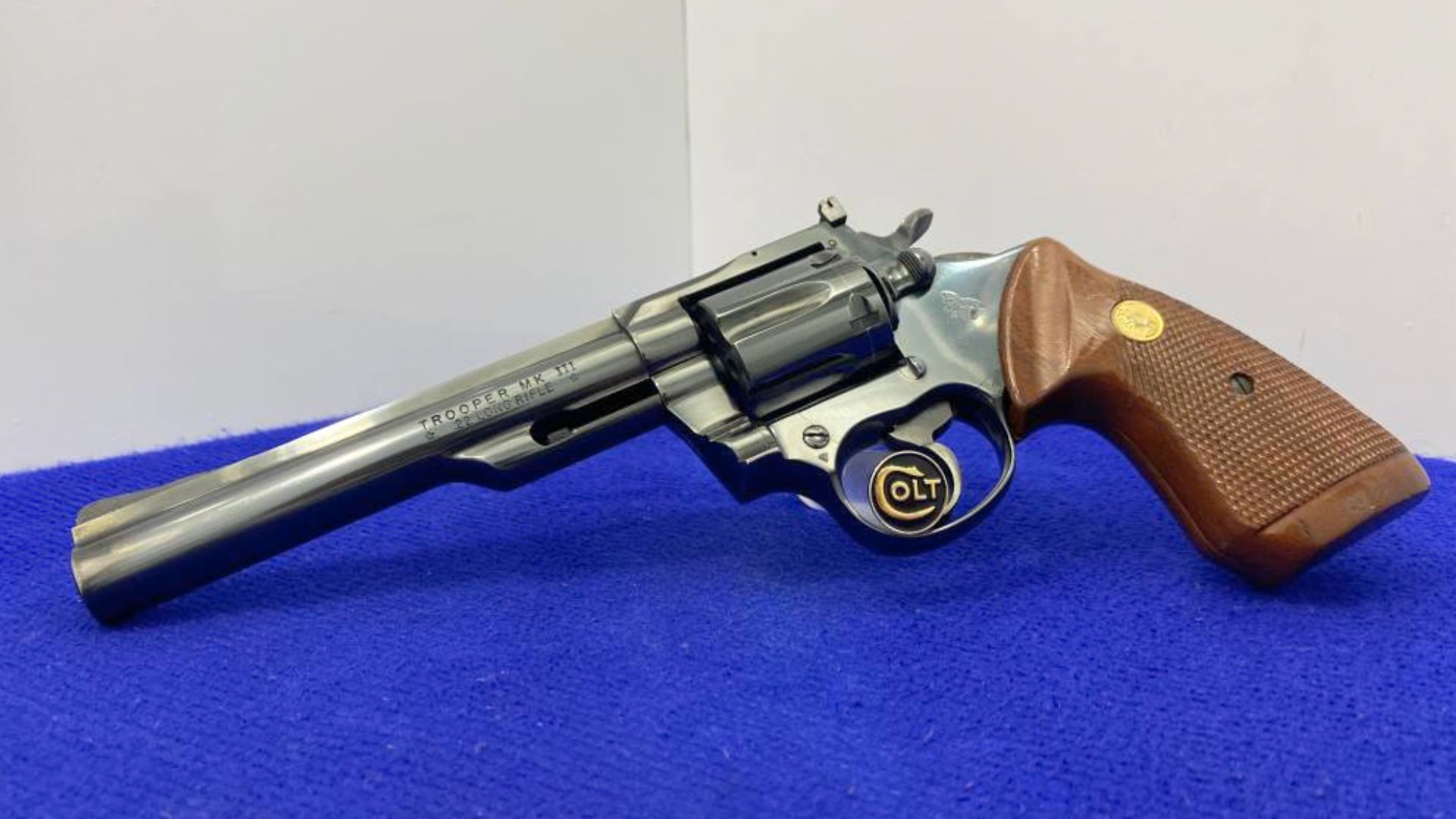
This is one of the biggest surprises for people who only know the King Cobra as a centerfire .357. Colt’s current lineup includes King Cobra Target .22 LR versions, and American Rifleman covered the .22 LR King Cobra Target as a 10-shot revolver meant for everything from plinking to training and small-game use.
That really changes how you think about the King Cobra name. It is no longer just tied to one stainless magnum wheelgun. Colt has turned it into a line that now reaches into rimfire training and recreational shooting too.
10. The .22 LR version holds 10 rounds
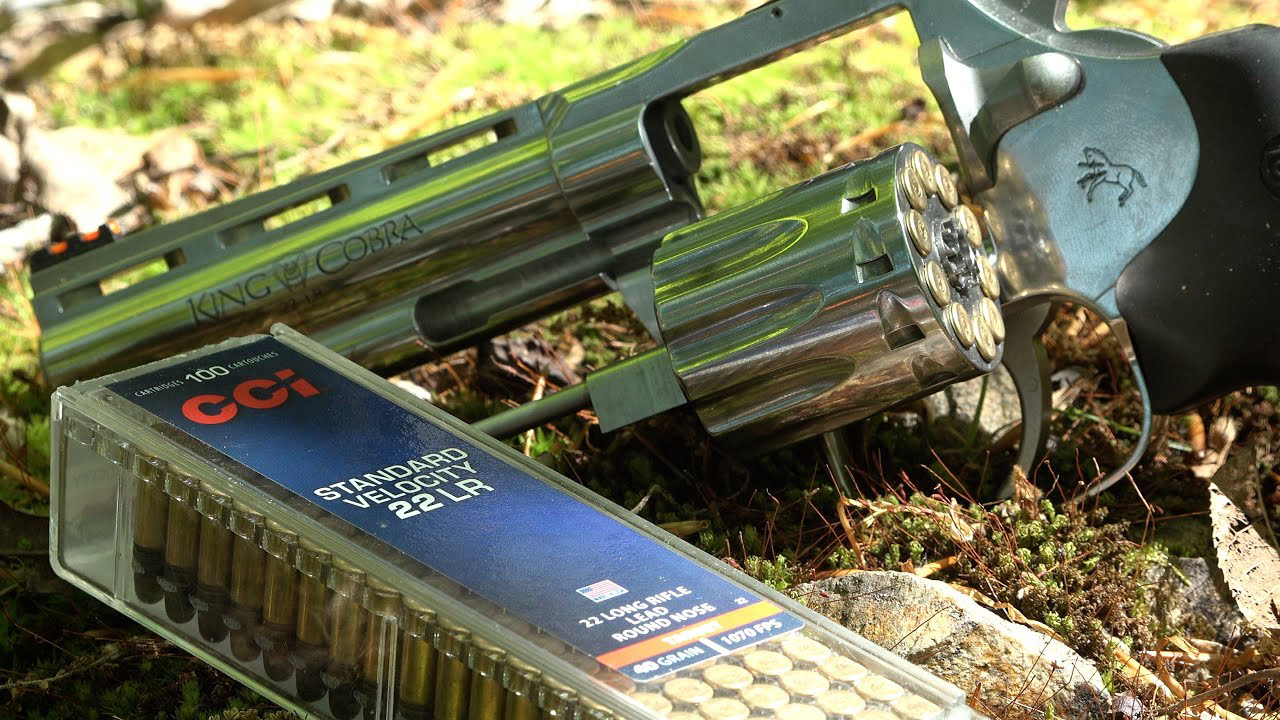
If you only know the six-shot .357 King Cobra, the rimfire versions are going to sound a little strange at first. Colt’s King Cobra Target .22 LR product page and related listings show the .22 variants as 10-shot revolvers.
That extra capacity makes the rimfire models a lot more attractive as range guns and training tools. It also shows Colt was not just lazily slapping the King Cobra name on a .22. They were giving the line a practical reason to exist in rimfire form.
11. Modern King Cobras come in more barrel lengths than many people realize
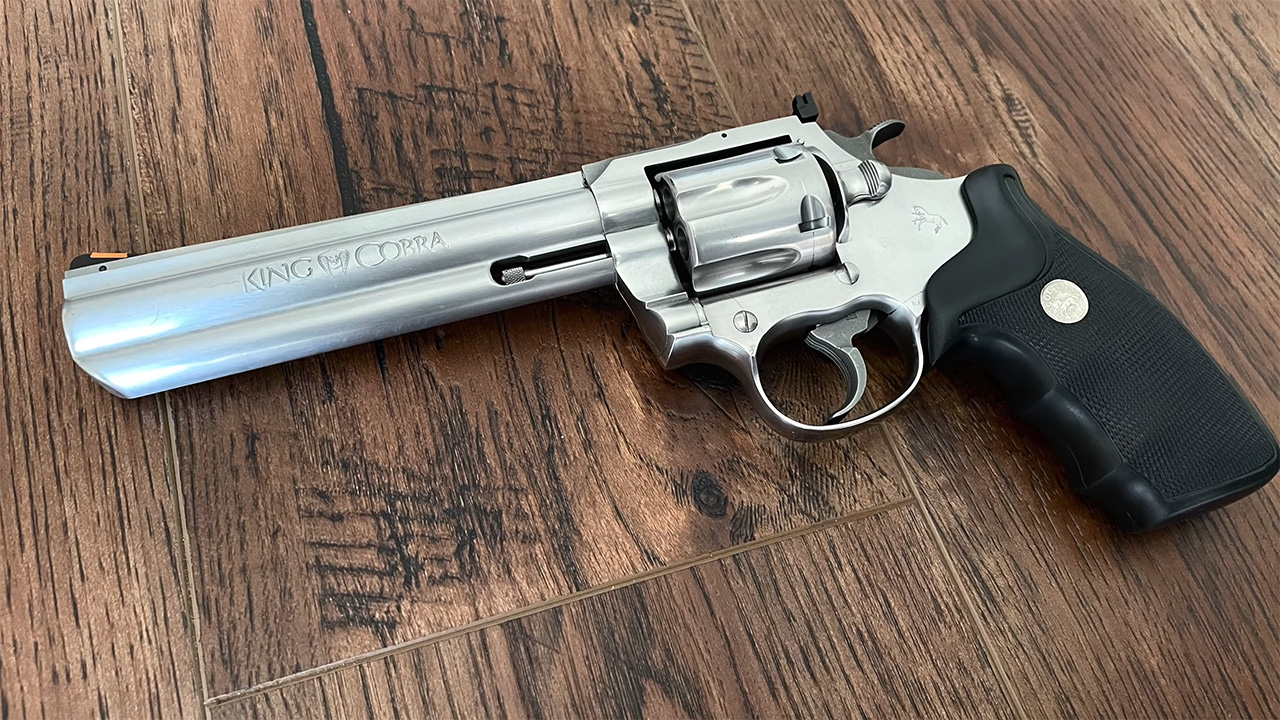
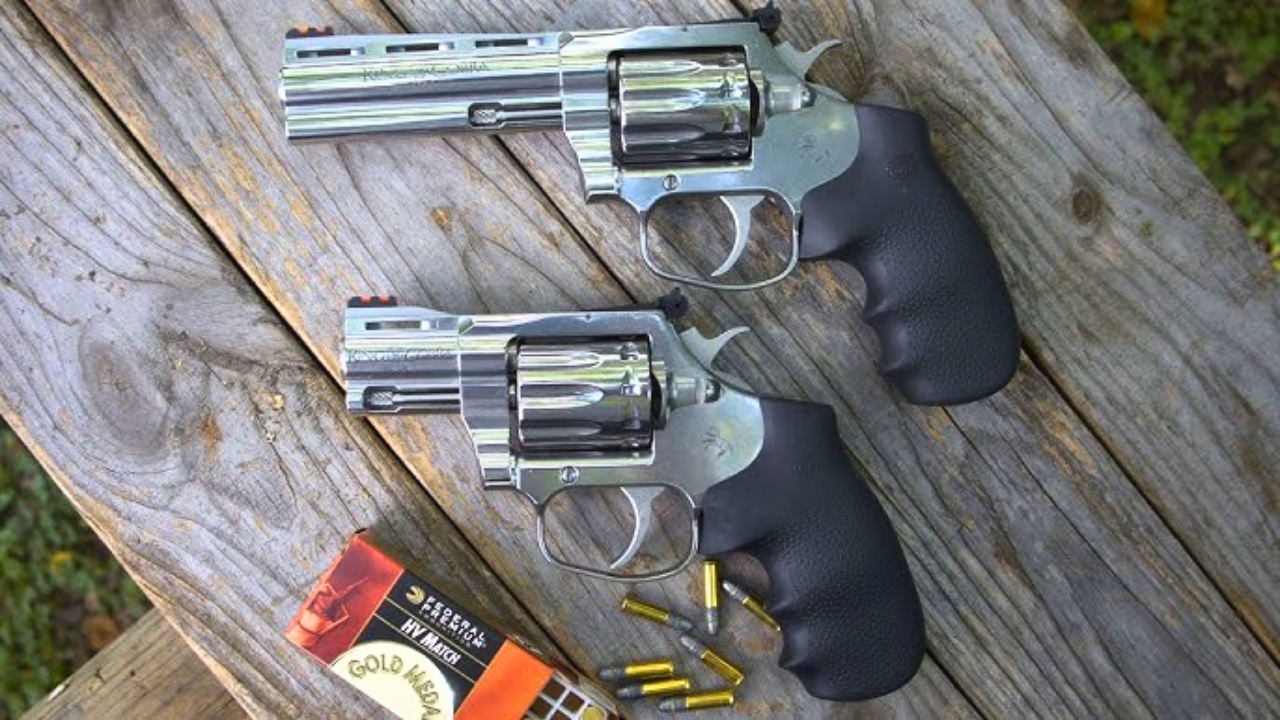
The current Colt lineup shows the King Cobra family in more than one format, including 2-inch carry-style guns, 3-inch .357 versions, 4-inch target-style centerfire models, and multiple .22 LR lengths like 4.25-inch and 6-inch versions.
That matters because it proves the modern King Cobra is not a one-note comeback revolver. Colt is actively shaping it into a broader product family. For buyers, that means the name now covers everything from compact defensive revolvers to range-oriented target guns.
12. Colt even offers DAO and carry-focused variants now

Colt’s current King Cobra family page includes King Cobra Carry and King Cobra Carry DAO models, which is a pretty interesting twist for a revolver line with such old-school roots.
That shows Colt is trying to make the King Cobra relevant to modern defensive shooters, not just collectors and nostalgia buyers. A DAO variant especially makes it clear the company sees this line as practical carry hardware, not just a tribute to the late-1980s catalog.
13. The reintroduced King Cobra was Colt’s first new .357 revolver in about 20 years
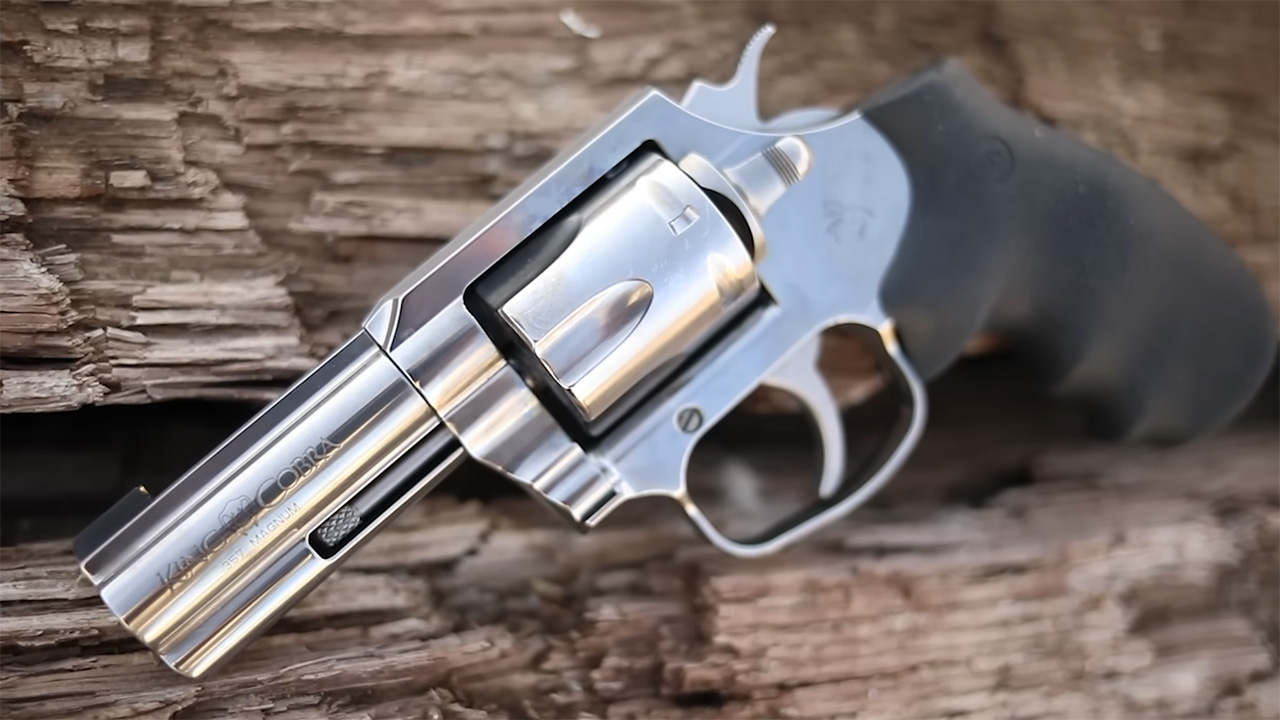
American Rifleman’s 2019 “Gun of the Week” piece described the reintroduced King Cobra as the first new .357 Magnum revolver from Colt in the last two decades. That is a pretty major milestone when you think about how closely Colt’s reputation is tied to double-action revolvers.
That fact helps explain why the gun got so much attention when it came back. The King Cobra was not just another product refresh. It marked Colt stepping back into a space many shooters had wanted the company to revisit for years.
14. The King Cobra has always been a stainless-heavy revolver identity
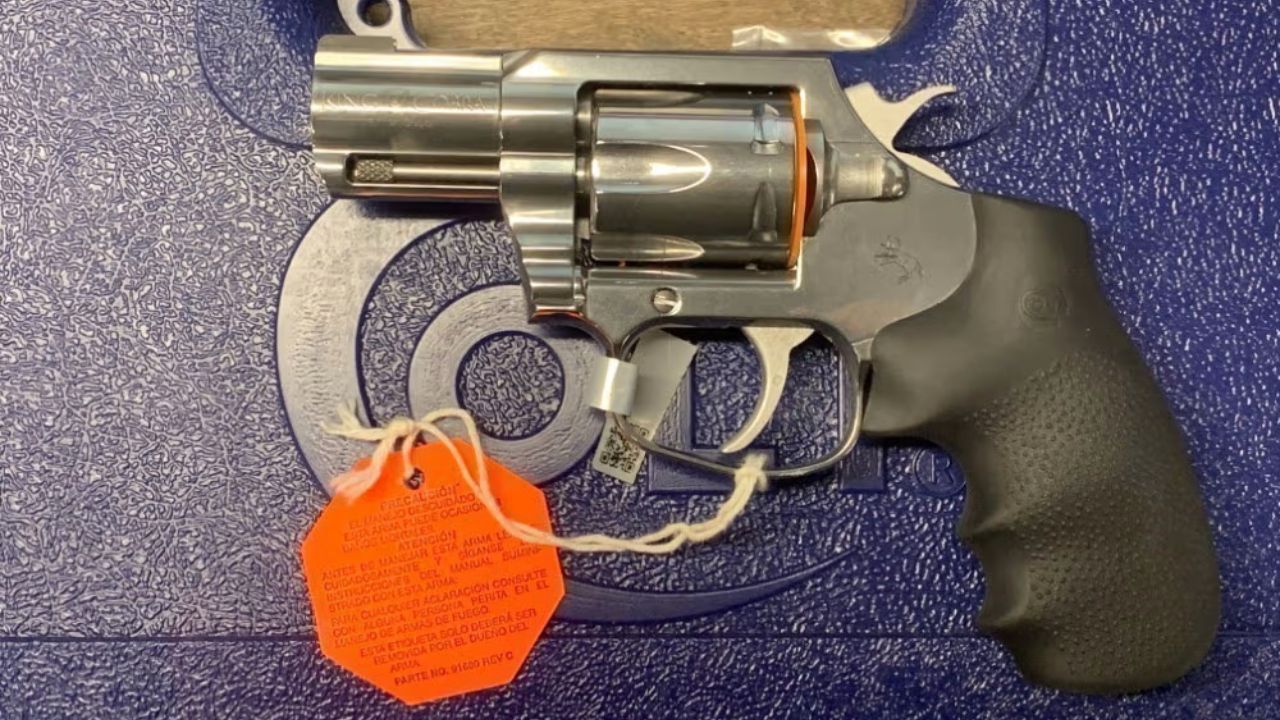
The King Cobra is strongly associated with stainless construction, and both historical sources and Colt’s current product pages reinforce that image. The original late-1980s guns were especially known for stainless offerings, and Colt’s modern King Cobra family still heavily emphasizes stainless and bead-blast finishes.
That stainless identity matters because it helped separate the King Cobra visually from some other Colt revolvers in the public imagination. The gun looks substantial, modern, and a little more rugged than some older polished-blue Colt classics. That visual identity has stuck for decades.
15. Its biggest surprise is that it has quietly become more than a cult revolver
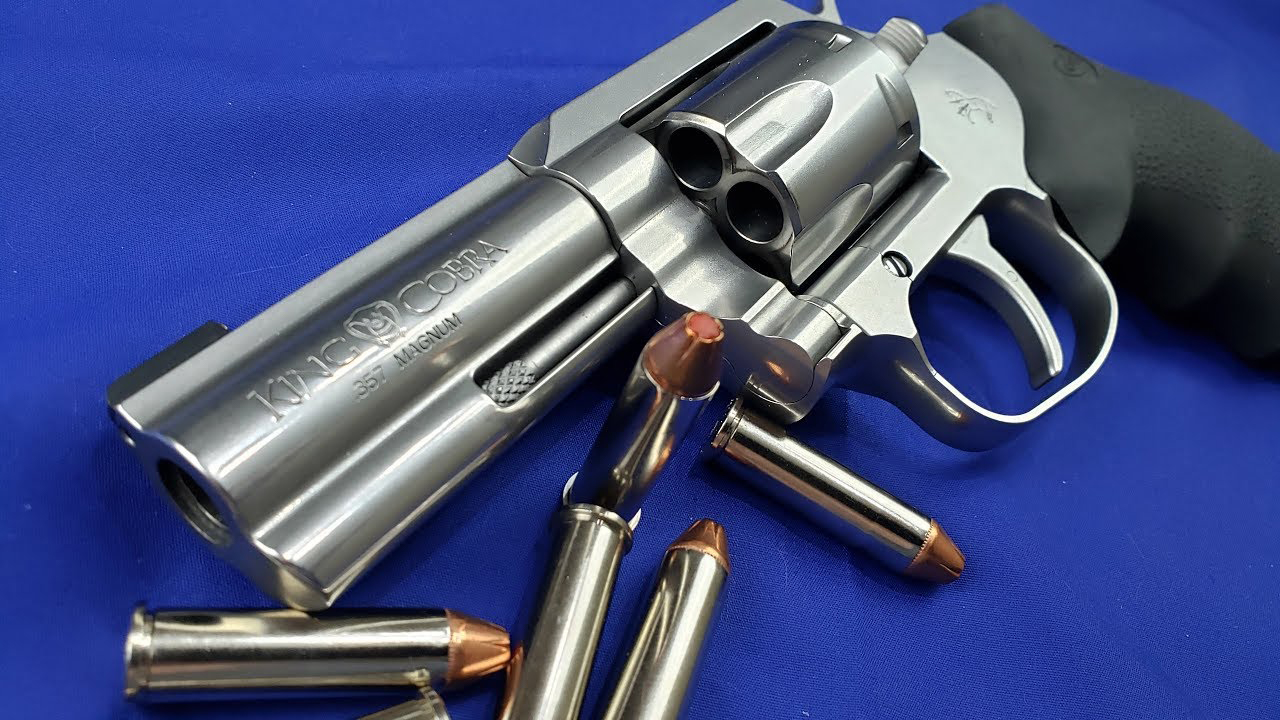
For a long time, the King Cobra felt like one of those revolvers shooters talked about with a kind of “if you know, you know” tone. But Colt’s current lineup tells a different story. Between .357 carry guns, target models, DAO options, and 10-shot .22 LR variants, the King Cobra has become a much broader modern family than a lot of people realize.
That is probably the most surprising fact about it. The King Cobra did not just come back as a nostalgia piece. It came back and kept growing. That is not something every revived revolver can pull off.
Like The Avid Outdoorsman’s content? Subscribe to our newsletter so you never miss an article.
Here’s more from us: