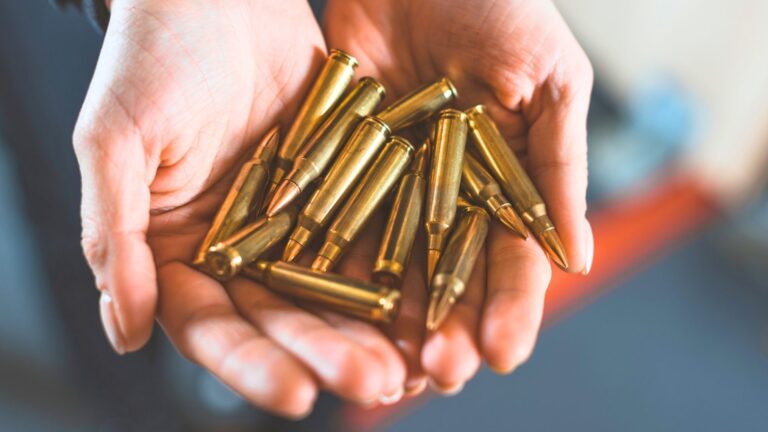
A rifle doesn’t have to be a true safari cannon to wreck a scope, but the ones that do it tend to share the same pattern: big recoil in a platform that delivers it fast and sharp, plus a setup that amplifies stress on the optic. When you touch off a hard kicker, the scope isn’t only getting shoved rearward. It’s also taking a vibration hit, a ring-and-base stress hit, and that little stop-start jolt when the rifle settles into your shoulder but the scope internals keep moving.
A lot of “recoil killed my scope” stories are really mounting failures, cheap rings, loose screws, or an optic that was never built for heavy recoil. Still, there are specific rifle models that, when chambered in their common heavy hitters, are notorious for beating up glass if you cut corners.
If you run any of these, you can keep a scope alive—but you need a scope that belongs there and mounting hardware you trust like your zero.
Remington Model 700 Sendero (in .300 Rem. Ultra Mag.)
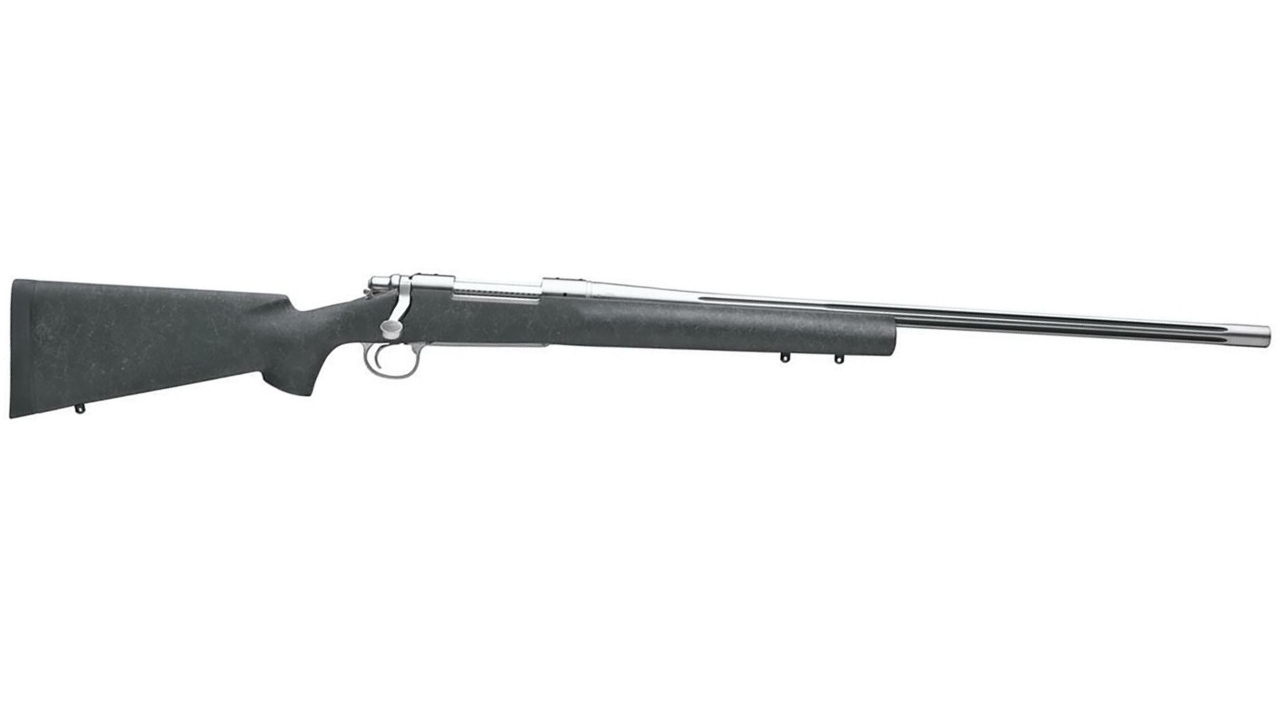
A Sendero is a serious rifle, but when it’s in .300 RUM it’s living in a different recoil class than most hunters are used to. The impulse is long and heavy, and the rifle’s whole job is launching a lot of powder and bullet downrange. That constant punishment can shake loose anything that isn’t mounted correctly, and it can expose weaknesses in scope internals faster than milder magnums ever will.
If you’re running a Sendero in .300 RUM, the scope needs to be built for recoil and it needs to be mounted like you mean it. Quality steel rings, a base that doesn’t flex, and correct torque matter more here than on your average deer rifle. This is one of those setups where “pretty good” mounting turns into wandering zero.
Weatherby Mark V Accumark (in .300 Weatherby Magnum)
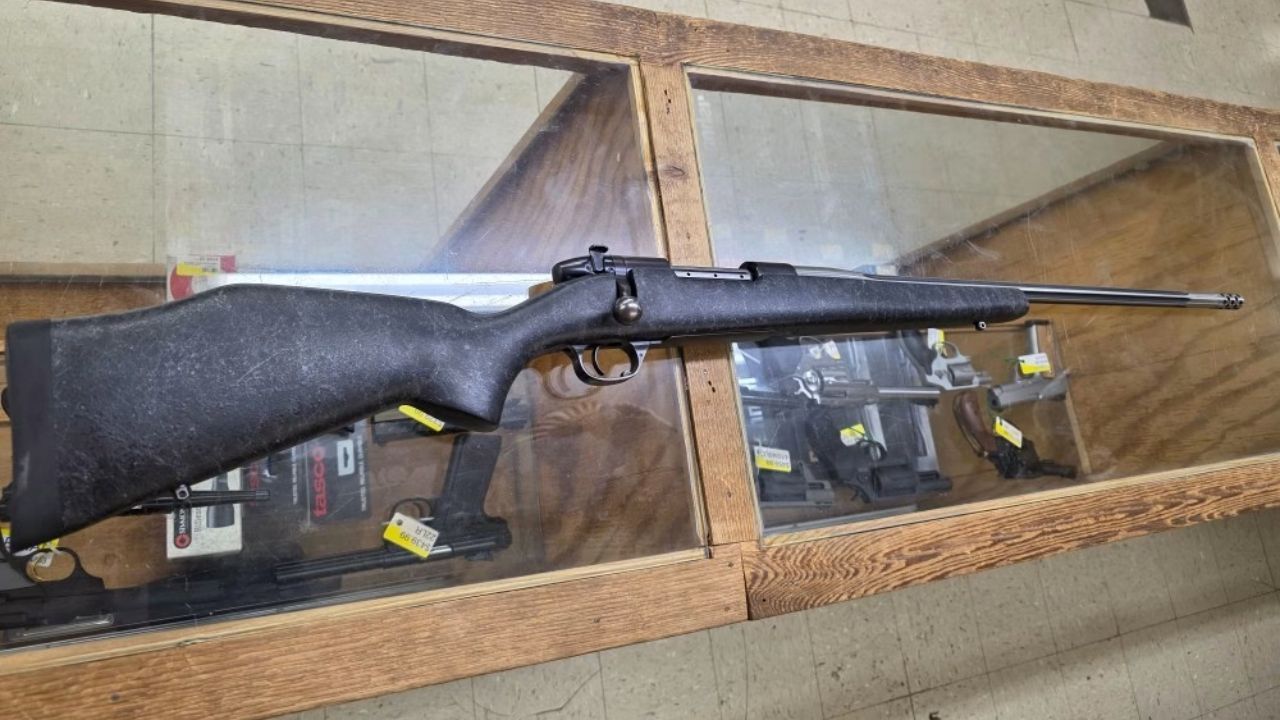
The Accumark is one of the most common ways people step into Weatherby recoil, and the .300 Weatherby has a sharp personality. You get speed, you get flat shooting, and you also get a recoil impulse that can feel snappy compared to a standard .300 mag. That quick slap is what makes optics take a beating, especially if your rings pinch or your base isn’t perfectly aligned.
A Mark V Accumark deserves an optic that’s proven on heavy magnums, not something you bought because it looked good on sale. When you’re running .300 Weatherby pressures and velocities, the scope is riding through a lot of vibration. Mount it with good hardware, keep the scope low and tight, and don’t be surprised if a “mid-tier” optic starts acting tired earlier than you’d expect.
Browning X-Bolt Hell’s Canyon Speed (in .300 Win. Mag.)
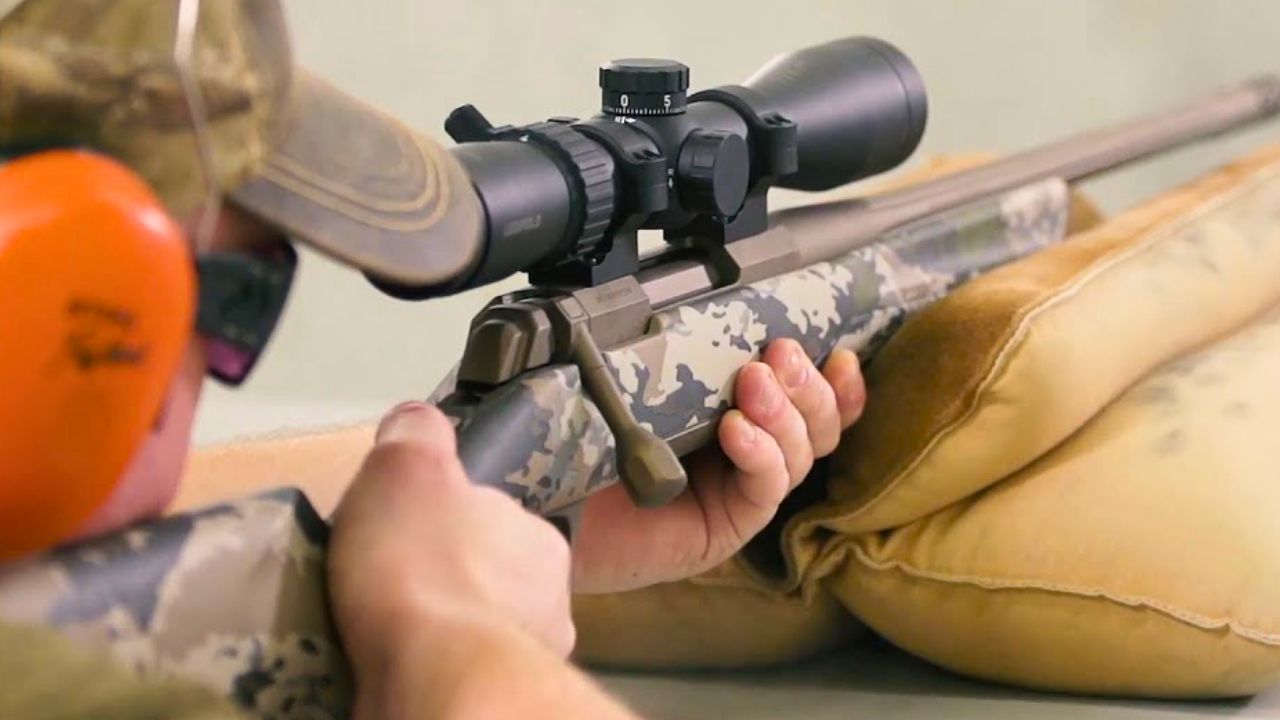
This rifle is built to carry, and that’s exactly why it can be rough on optics when you chamber it in a full-power magnum. Lighter rifles recoil faster, and faster recoil is hard on scopes because it’s a sharper event. You’re more likely to see screws loosen, ring marks show up, or reticles start wandering if anything in the system is even slightly off.
With an X-Bolt in .300 Win. Mag., the goal is to take variables off the table. Use strong rings, torque everything properly, and run a scope that’s known to survive on magnums. A good recoil pad helps you shoot it better, but it also helps the rifle manage that abrupt hit. The rifle may be light, but your scope setup can’t be.
Tikka T3x Lite (in .300 Win. Mag.)

A T3x Lite is a classic “great rifle, spicy pairing” when it’s chambered in .300 Win. Mag. The action is smooth and the accuracy is usually there, but the weight is what makes it punishing. It’s not only the amount of recoil—it’s how quickly it shows up. That fast punch can rattle cheaper optics and expose any weaknesses in ring alignment or base fit.
If you insist on this combo, do it like you’re building a mountain rifle that actually works. Pick a scope with a reputation for holding zero on magnums and mount it with rings that don’t slip. Keep your eye relief correct, because this rifle will teach you fast if you get lazy. When a light rifle hits hard, the optic pays for every shortcut you took.
Ruger M77 Hawkeye Alaskan (in .375 Ruger)

The Hawkeye Alaskan in .375 Ruger is a purpose-built thumper, and it delivers recoil with authority. The .375 Ruger isn’t a gentle shove—it’s a heavy hit that can stress scope internals, especially if you run high magnification optics with complex erector systems. This is the kind of rifle that makes people realize there’s “normal recoil” and then there’s “scope-testing recoil.”
If you’re scoping one, keep it practical. A tough, lower-power optic with generous eye relief tends to survive longer, and it matches what the rifle is for. Don’t cheap out on rings, and don’t assume your old deer scope will “probably be fine.” This rifle will find out what’s fine and what’s not in a hurry.
CZ 550 Safari Magnum (in .416 Rigby)
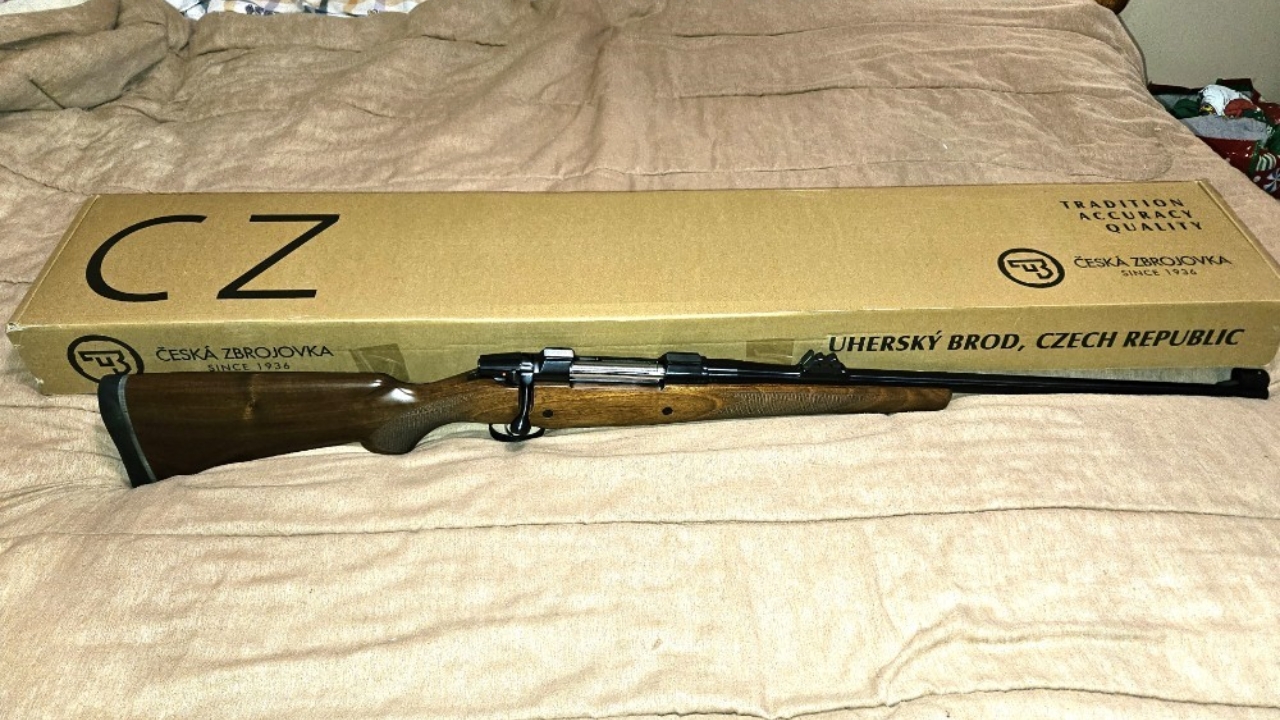
The CZ 550 Safari Magnum has earned its reputation as a working dangerous-game rifle, and .416 Rigby recoil is the real deal. The push is big and the rifle’s mass helps, but the sheer force involved can beat up optics over time. If your scope has weak internal springs, or your mounting system isn’t rock solid, you’ll see it in lost zero or wandering point of impact.
This is a rifle where the scope choice should be conservative and proven. You’re not trying to punch tiny groups at 600 yards—you’re trying to keep an optic alive that will still track and hold when you need it. Heavy recoil plus heat plus vibration is a recipe for failure in bargain glass. On a .416 Rigby, “good enough” optics become disposable.
Winchester Model 70 Alaskan (in .375 H&H Magnum)

A Model 70 Alaskan in .375 H&H is a classic combo, and it’s classic for a reason: it works. But .375 H&H recoil still hits hard enough to punish scopes that aren’t up to the job. The impulse is more of a big shove than a snap, yet the repeated stress can loosen mounts and fatigue cheaper optics over time.
If you’re running this rifle, you’ll be tempted to mount whatever you’ve got lying around because the rifle “shoots fine.” Don’t. Use strong rings, a solid base, and a scope that’s built for heavy recoil and hard use. Keep your eye relief honest, too—this rifle can humble you when you’re shooting from awkward field positions and the scope creeps back.
Ruger No. 1 Tropical (in .458 Lott)
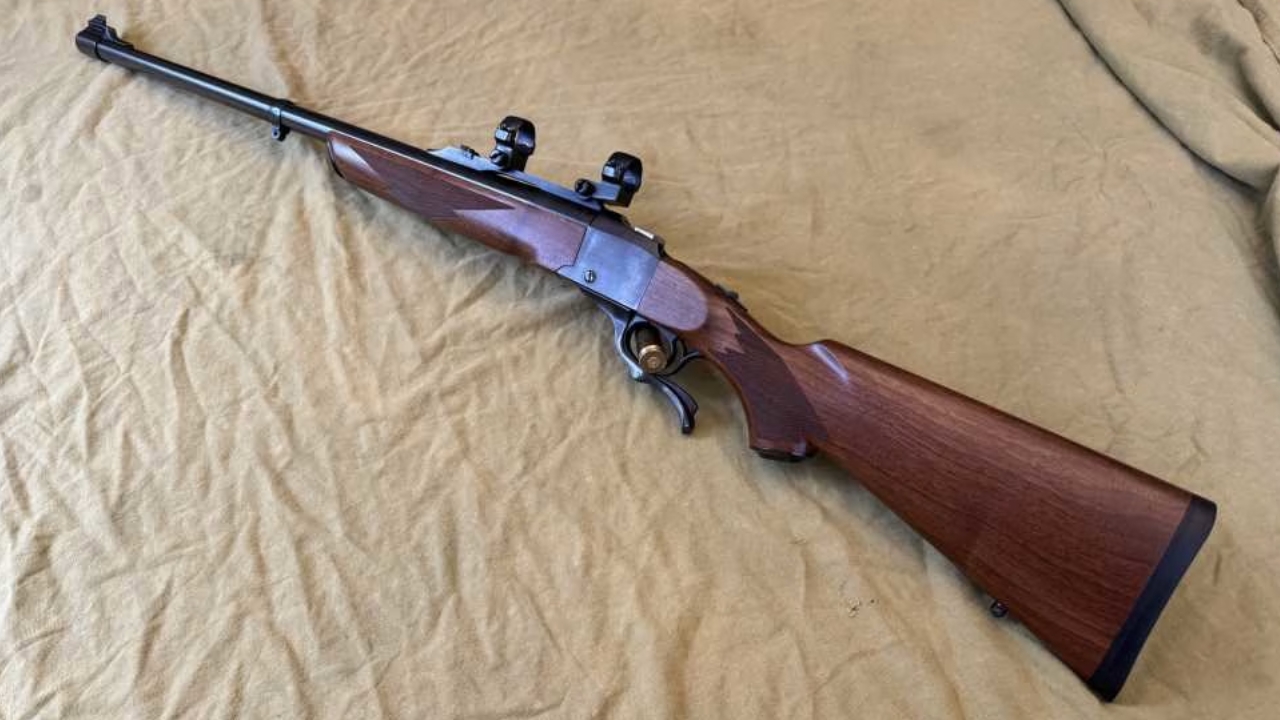
A single-shot Ruger No. 1 in .458 Lott is a whole different kind of recoil experience. The rifle is compact, the cartridge is massive, and the recoil can feel abrupt because everything happens in a short package. That’s a rough environment for scope internals, and it’s also rough on mounts if your setup isn’t perfectly stable.
This is not the place for tall rings and a delicate optic. Keep the scope low, keep it tough, and keep it simple. A rugged, low-power scope that’s meant for heavy recoil will last far longer than a high-magnification hunting optic with more moving parts inside. With a .458 Lott, you’re not “testing” your scope—you’re punishing it.
Marlin 1895 Guide Gun (in .45-70 Government + heavy loads)
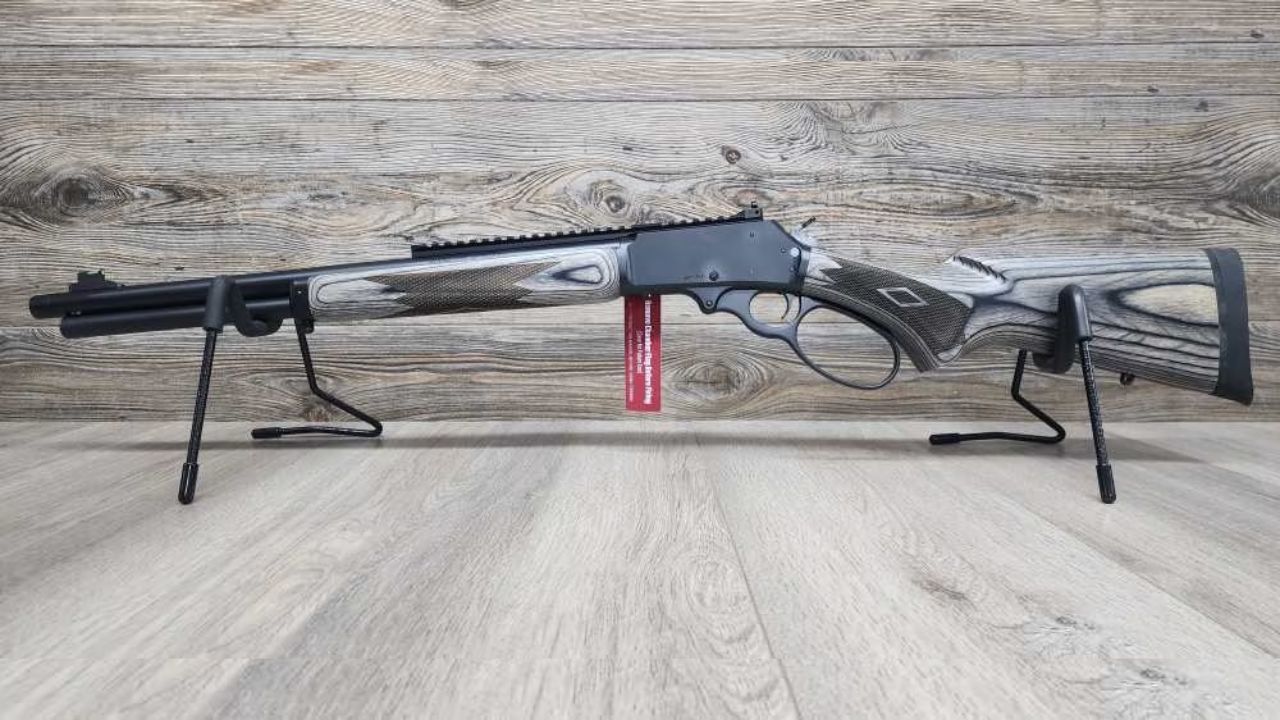
A Guide Gun isn’t always a scope killer with standard .45-70 loads, but plenty of guys run heavy, hot loads that turn it into a hammer. The straight-wall recoil can be sharp in a lightweight lever gun, and the fast, repetitive impulse can work on scope mounts and rings. Add in the fact that many lever guns get compact optics mounted with less-than-ideal ring spacing, and you’ve got a recipe for trouble.
If you scope a Guide Gun, think rugged and compact. The rifle gets banged around, carried hard, and shot fast. Cheap rings and bargain optics tend to die early. Keep magnification modest, mount it solid, and don’t be shocked if hard loads start revealing weak points in your setup.
Henry Big Boy X (in .45-70 Government)
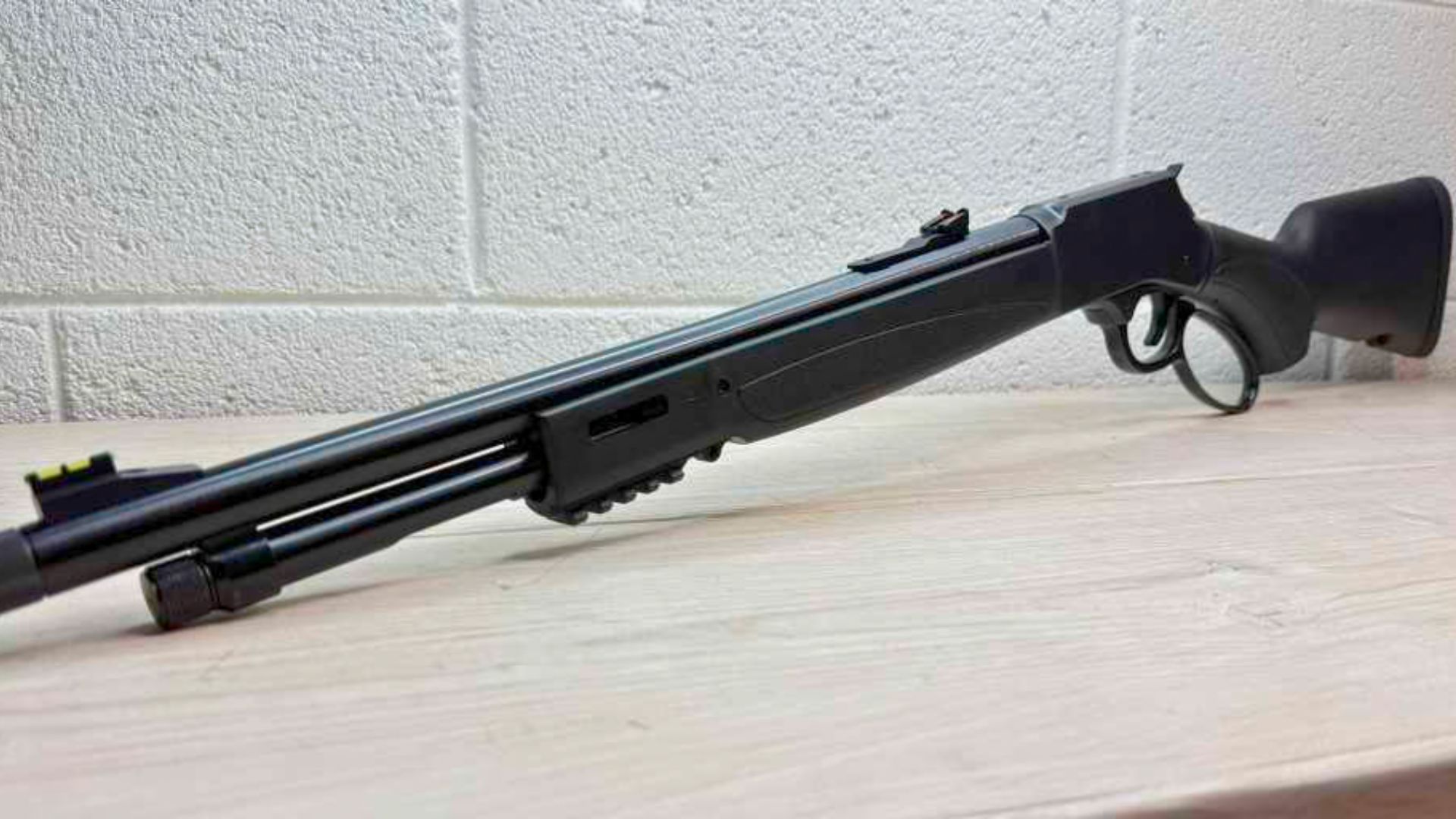
The Big Boy X is popular because it’s handy and modernized, but in .45-70 it can still deliver a quick recoil impulse—especially with stout hunting ammo. The rifle’s ergonomics and weight help, but lever guns still transmit a different kind of vibration through the receiver and rail system than a typical bolt gun. That vibration can be hard on optics that aren’t built for it.
If you’re running a scope on this Henry, don’t treat it like a mild plinker setup. Choose a durable optic and real rings, not whatever came in a combo pack. Keep your mount tight and your rail screws torqued correctly. A .45-70 lever gun can be a fantastic brush rifle, but it will punish sloppy mounting faster than people expect.
Savage 110 Ultralite (in .300 Win. Mag.)
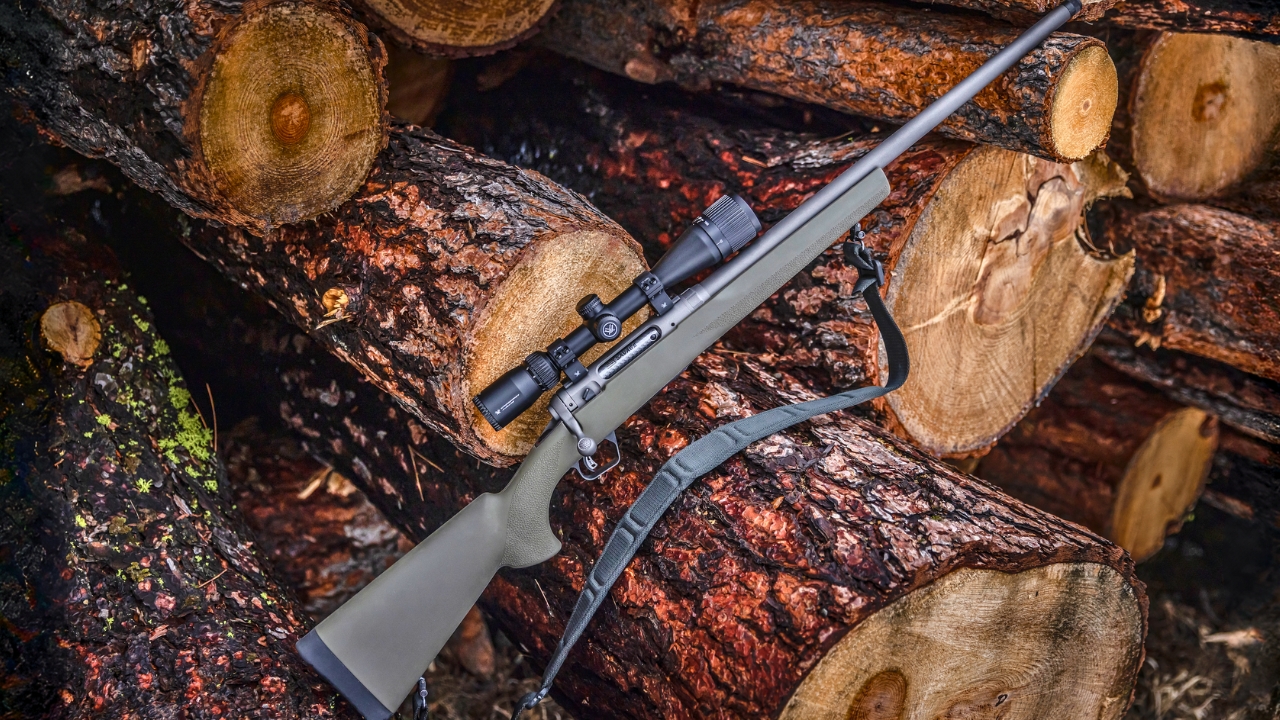
The 110 Ultralite is built to be carried all day, and in .300 Win. Mag. it’s built to recoil all day, too. The recoil isn’t only heavy—it’s fast. That sharp hit is what makes scopes slip, makes screws loosen, and makes cheaper optics start losing their mind. The rifle’s whole selling point is weight savings, and that weight savings comes out of recoil management.
If you want this setup to behave, you can’t cut corners on the optic or the mounting. Use strong rings, proper torque, and a scope that’s known to handle magnums. Consider adding a brake if you can stand it, because reducing that sharp impulse helps everything—your shoulder, your follow-through, and your scope’s chances of staying alive.
Christensen Arms Ridgeline (in .300 Win. Mag.)

A Ridgeline is another lightweight hunting rifle that people commonly chamber in .300 Win. Mag., and it can be brutal on optics when the recoil impulse is sharp. Carbon barrels and light stocks make for great carry rifles, but the recoil event is quicker and more violent than what most scopes live an easy life on. The optic gets hammered, and any slight weakness in the mount shows up fast.
This is the kind of rifle where you either commit to a serious scope setup or you accept you’ll be chasing zero at the worst time. Run a proven optic, use rings that don’t slip, and don’t over-tighten to “make it safer.” Proper torque and good alignment keep you from crushing tubes and creating new problems.
Kimber Montana (in .300 WSM)
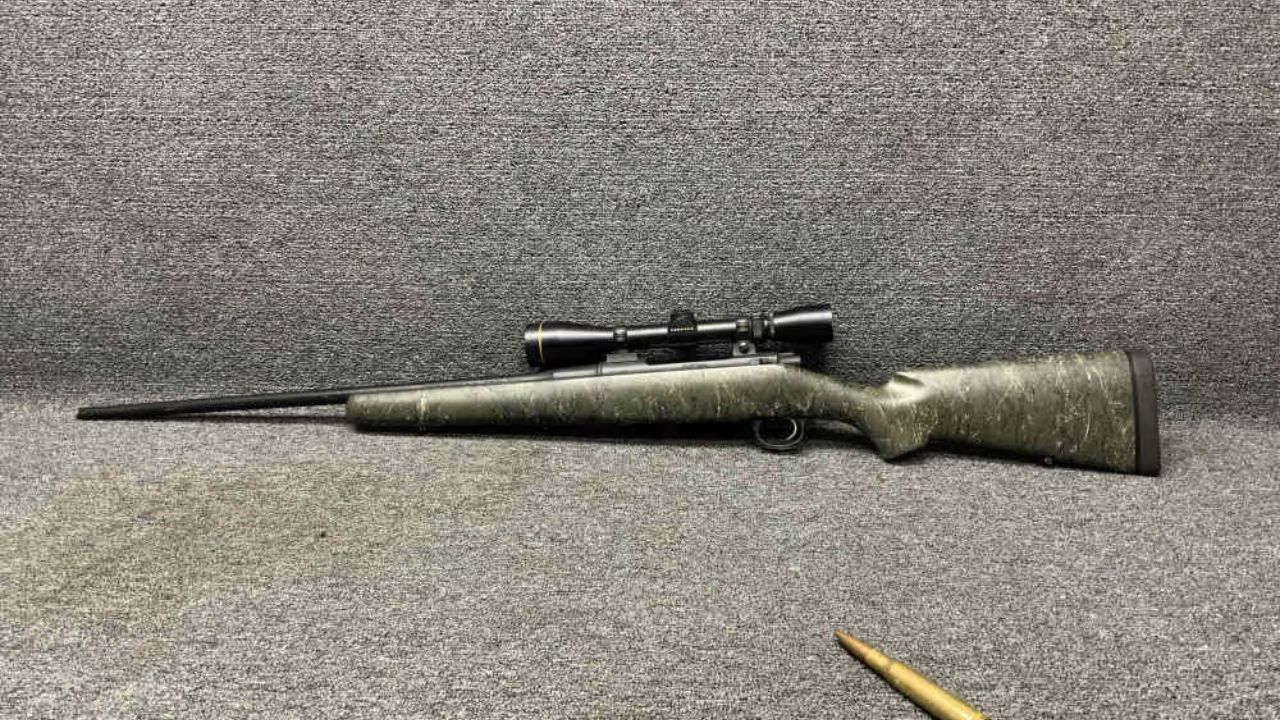
A Kimber Montana is famously light, and in .300 WSM it can feel like the rifle is trying to jump out of your hands. The .300 WSM has plenty of punch, and the light platform turns it into a sharp snap instead of a manageable shove. That kind of recoil is hard on scopes because it’s quick, abrupt, and repetitive—exactly what makes internals fatigue and mounts loosen.
If you run this combo, your scope needs to be chosen like it’s part of the rifle, not an accessory. Keep magnification reasonable, keep mounting hardware high quality, and make sure the rifle fits you well enough that you’re not creeping forward on the stock. A light magnum rifle punishes bad form, and your scope ends up paying for it.
Remington Model 7 (in .350 Remington Magnum)
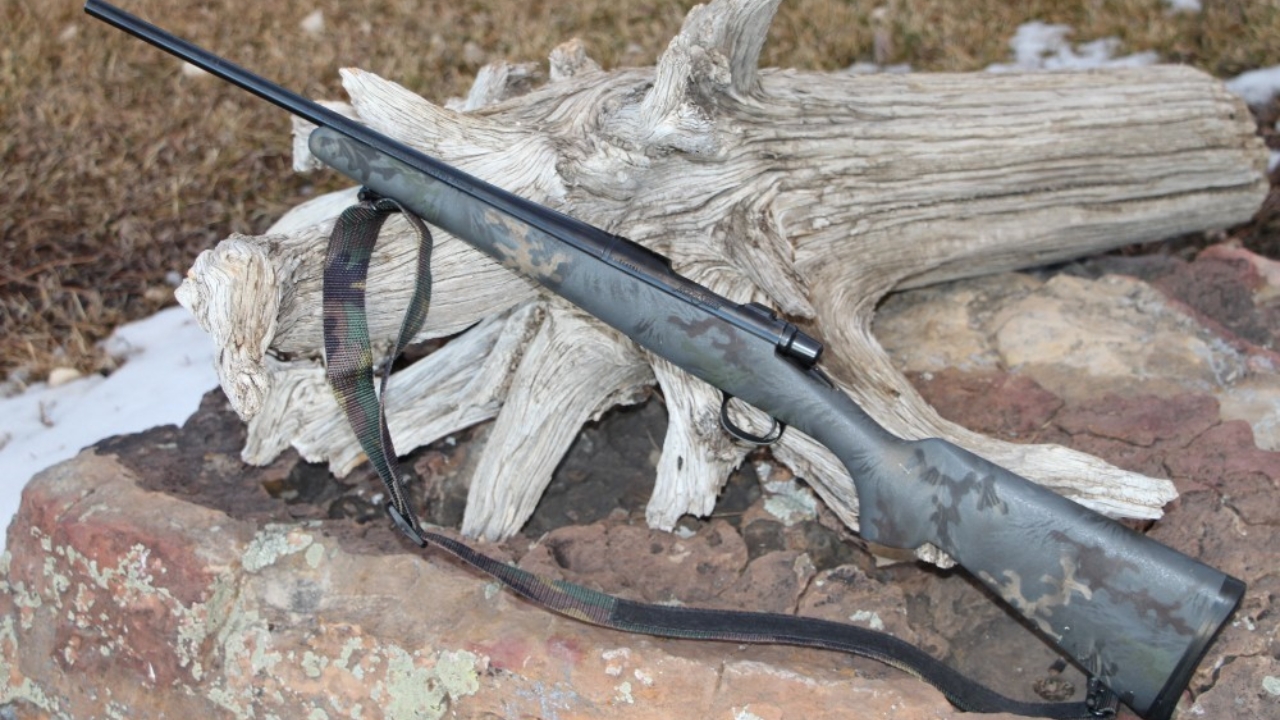
The Model 7 is compact, quick-handling, and in .350 Rem. Mag. it delivers recoil in a short, sharp package. That’s the kind of recoil that can be deceptively hard on optics because the rifle doesn’t soak up much energy. Instead of a long push, you get a punch, and that punch can work screws loose and stress scope internals.
A Model 7 in .350 is a woods rifle, so treat it like one. A rugged scope with generous eye relief and simple internals tends to hold up best. Don’t stack tall rings or add unnecessary leverage on the tube. Keep everything low, tight, and correctly torqued. This setup can be excellent, but it’s not forgiving of cheap glass.
Ruger Gunsite Scout (in .450 Bushmaster)
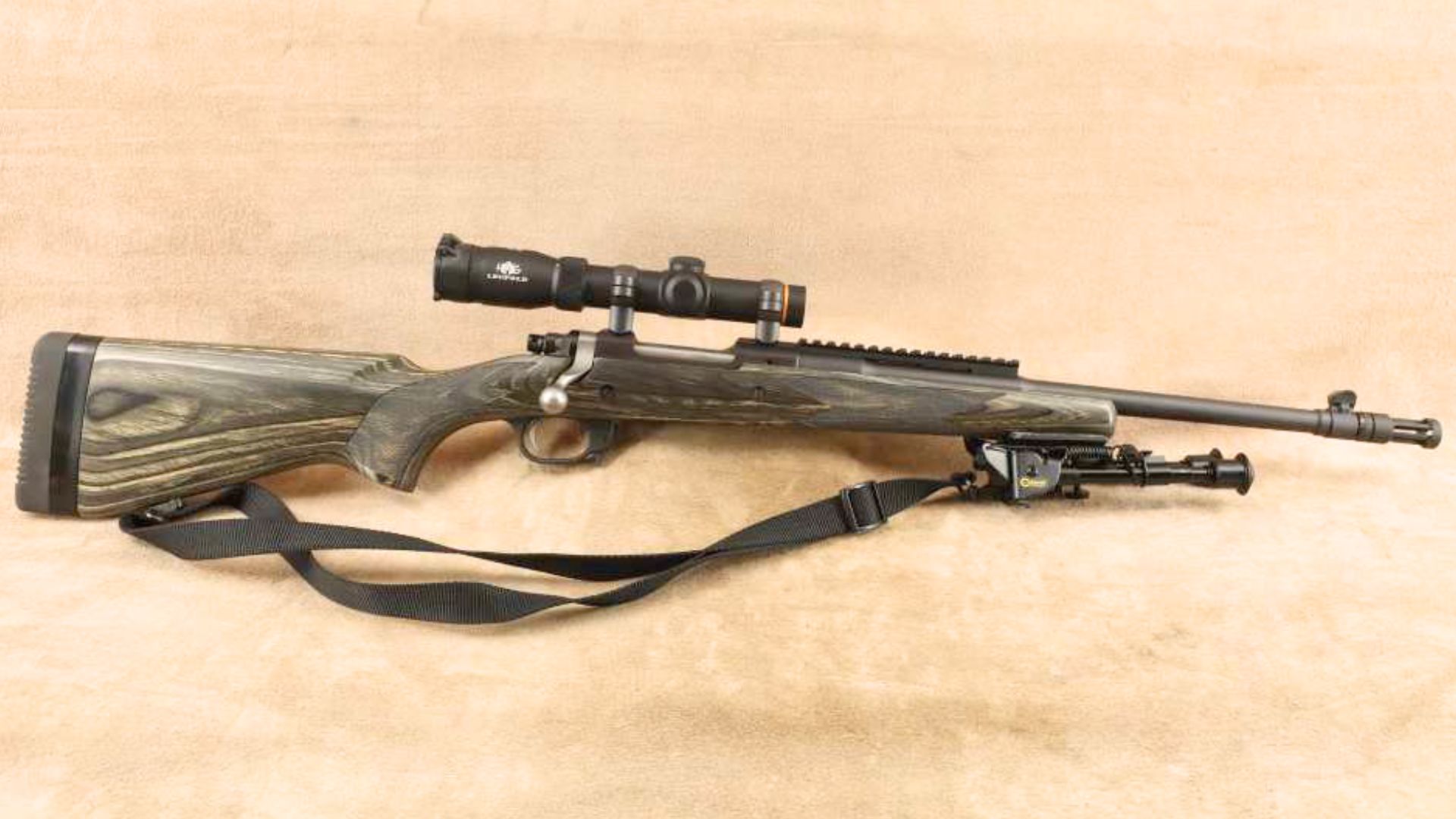
The Gunsite Scout is handy and tough, and in .450 Bushmaster it can deliver a surprisingly sharp recoil impulse—especially for the guys who expect it to feel like a soft deer rifle. Big-bore straight-wall recoil has its own kind of slap, and the scout-style mounting options can tempt people into weird setups that aren’t ideal for scope longevity.
If you’re scoping this rifle, keep the optic appropriate and the mount rock solid. A durable, mid-to-low-power scope is a better match than a high magnification unit with delicate internals. Make sure your rings and base are quality, and don’t ignore the little screws. Straight-wall thumpers are famous for shaking small hardware loose over time.
Barrett M82A1 (in .50 BMG)

The M82A1 has a brake and recoil system, but don’t let that fool you—this rifle still dishes out a violent shooting event. It’s not only recoil; it’s blast, vibration, and the sheer chaos of a .50 BMG going off. That environment can shake optics, especially if you’re running something not designed for .50 use. The rifle is hard on hardware, and it’s hard on anything with moving parts inside.
If you mount a scope on an M82A1, it needs to be a scope built and rated for .50 BMG, period. The mount needs to be serious, too, because the forces involved are on another level. If you try to run “regular” rifle glass here, you’re basically treating it as a consumable.
Like The Avid Outdoorsman’s content? Be sure to follow us.
Here’s more from us: