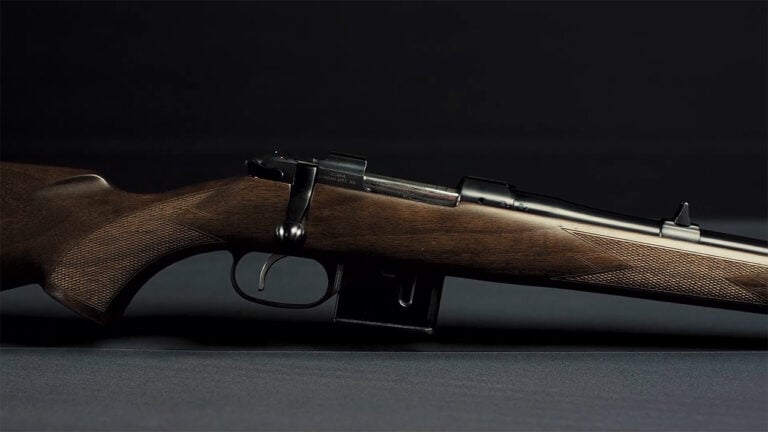
Image Credit: TFB TV/YouTube.
History is full of rifles that failed when it mattered most—jamming in the trenches, falling apart in the jungle, or being outclassed the second they were issued.
This list breaks down some of the worst rifles ever fielded, the ones that left soldiers cursing their luck and commanders scrambling for a replacement. If you’ve ever wondered what happens when politics, bad engineering, or sheer stubbornness dictate military weapons, this is it.
1. Chauchat M1915

The French Chauchat is infamous for being one of the most unreliable machine rifles ever fielded. While it was meant to provide mobile firepower in the trenches of World War I, its open-sided magazine was a dirt magnet. Soldiers quickly learned that mud, dust, and grime would jam the weapon almost immediately. The gun’s lightweight build also made it nearly uncontrollable in full-auto.
Chambered in 8mm Lebel, the Chauchat had an awkward recoil and was notorious for misfires. The U.S. adopted a .30-06 version that was even worse—its chamber dimensions were slightly off, making it practically unusable. Troops who had to carry this thing into battle often ditched it for a captured German MG or even went back to their bolt-action rifles.
2. Nambu Type 94

Japan’s Type 94 pistol is often considered one of the worst service handguns ever made, but its rifle counterpart wasn’t much better. The Type 94 rifle was rushed into service late in World War II when Japan was struggling with resources. The manufacturing quality suffered, resulting in poor accuracy, weak construction, and a tendency for parts to break under stress.
Even worse, the rifle had a weak safety mechanism that could fail at the worst moments. Some late-war rifles were so poorly made that they would misfire if dropped. Compared to the reliable Arisaka rifles that came before it, the Type 94 was a huge step down.
3. Ross Rifle

The Ross Rifle was Canada’s attempt at producing a high-quality, accurate service rifle in World War I. While it excelled in marksmanship competitions, it fell apart in the mud and chaos of trench warfare. The bolt-action system was overly complex, and under battlefield conditions, the bolt could be reassembled incorrectly—causing it to fly straight back into the shooter’s face when fired.
Canadian soldiers despised the Ross for its frequent jams and delicate parts. Many tossed them aside in favor of British Lee-Enfields whenever they had the chance. Eventually, the Ross was pulled from service and replaced with a more reliable alternative.
4. L85A1
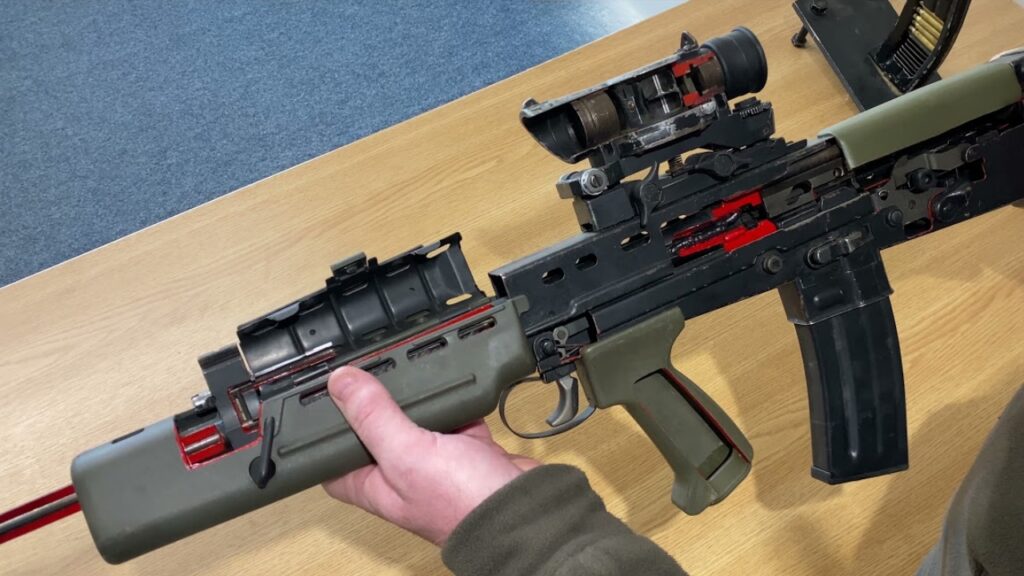
The British L85A1 had all the makings of a disaster when it was first introduced in the 1980s. Poor manufacturing, weak internal parts, and an unreliable gas system made it a nightmare to maintain. Soldiers quickly found that it was prone to jamming under real combat conditions, especially in sandy or wet environments.
Despite several upgrades over the years, the L85 never gained a good reputation. It was eventually redesigned as the L85A2 and later the L85A3, but its early failures left a bad taste in the mouths of those who had to rely on it.
5. M16 (Early Vietnam Models)

The M16 is now a respected battle rifle, but the first versions sent to Vietnam were a disaster. The original M16A1 was plagued with reliability issues, largely due to a rushed rollout and bad decision-making by military brass. The rifle was initially issued without cleaning kits because it was advertised as “self-cleaning” (which it absolutely was not).
To make matters worse, a last-minute change in gunpowder caused excessive fouling, leading to constant jams. Soldiers found themselves in the worst possible position—facing the enemy with a rifle that wouldn’t fire. Once the military corrected the issues with the M16A1, it became a solid weapon, but those early years were rough.
6. Mosin-Nagant M91/30 (Late-War Production)

The Mosin-Nagant is known for being rugged and reliable, but late-war Soviet production saw a serious decline in quality. As the USSR rushed to arm millions of troops during World War II, manufacturing shortcuts led to rifles with rough finishes, misaligned sights, and sloppy machining.
While the basic design was solid, many of these rifles had poor accuracy and could be difficult to cycle under pressure. Soviet soldiers made them work, but these late-war Mosins were a far cry from the well-made rifles produced before the war.
7. Breda Modello 30

The Italian Breda Modello 30 light machine gun is a prime example of a weapon that looked good on paper but was an absolute nightmare in the field. Instead of using a simple box magazine, it had an awkward fixed clip system that was slow to reload and prone to jamming. The gun also required constant lubrication, which made it unusable in dusty or cold environments.
Italian soldiers had little confidence in the Breda 30, and many ditched it in favor of captured weapons whenever possible. Its poor performance contributed to Italy’s struggles in World War II.
8. MAS-36

The French MAS-36 had one of the strangest bolt designs of any military rifle. While it was mechanically simple and fairly rugged, it had a few major flaws. The bolt handle was placed too far forward, making it awkward to cycle. It also lacked a safety, which meant soldiers had to be extra careful handling it.
Although it served France for decades, the MAS-36 never gained a great reputation. By the time it was issued in large numbers, most other militaries had moved on to semi-auto battle rifles, leaving the MAS-36 feeling outdated from the start.
9. Armalite AR-180
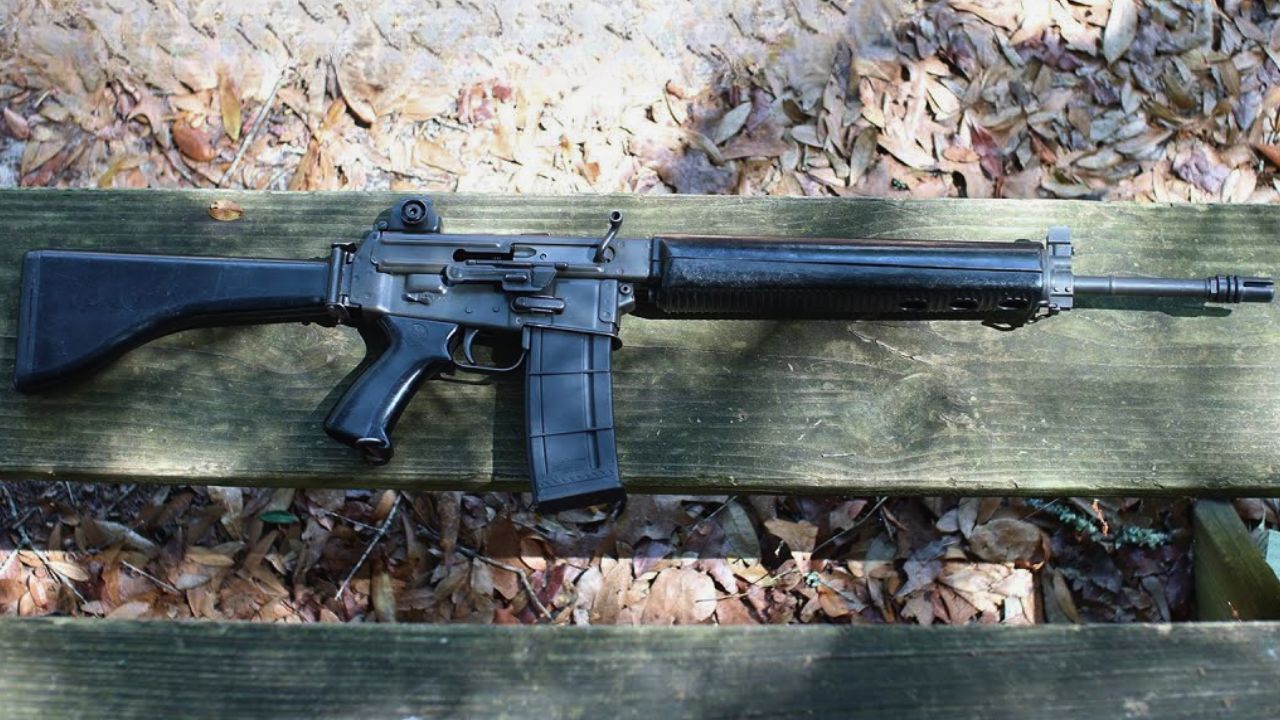
The AR-180 was supposed to be a cheaper, more practical alternative to the AR-15, but it never lived up to expectations. While the design had some interesting features, poor manufacturing quality and lack of support meant it never gained widespread adoption.
It was used in small numbers by various forces, but reliability issues and limited aftermarket support kept it from being a true contender. Compared to the rifles that followed, the AR-180 was little more than a footnote in firearm history.
10. Krag-Jørgensen Rifle

The Krag-Jørgensen served the U.S. military in the late 1800s, but it quickly became clear that it was outclassed. While smooth and accurate, its unique side-loading magazine made reloading painfully slow compared to rifles like the Mauser.
During the Spanish-American War, American troops found themselves outgunned by Spanish soldiers using faster-loading Mausers. This pushed the U.S. military to develop the Springfield 1903, which quickly replaced the Krag. Today, the Krag is mostly remembered as an interesting historical piece rather than a great combat rifle.
*This article was developed with AI-powered tools and has been carefully reviewed by our editors.