
Photo credit: DigitalNinja at English Wikipedia – Public Domain/Wiki Commons
There’s a fine line between a smooth-running semi-auto and one that wheezes through a magazine like it needs a nap halfway through. Weak recoil or magazine springs don’t just make a pistol unreliable—they make it unpredictable. Light strikes, failures to feed, and slides that don’t return all the way forward can turn even a decent gun into a headache. Some models come with springs that wear too fast, others are notorious for soft setups from the factory. Either way, if you’ve ever found yourself tapping the back of a slide to get it to close, you know the feeling. These are the pistols that start strong but begin to limp after a few hundred rounds unless you replace their springs like clockwork.
Smith & Wesson M&P Shield

The original M&P Shield earned a loyal following, but its recoil spring assembly has long been a weak spot. After enough rounds, the spring softens noticeably, and you’ll start seeing sluggish slide return—especially with lighter loads. That’s a recipe for failures to feed and erratic ejection.
Many owners discovered that running hotter ammo or swapping the spring early helped, but out of the box, the early Shields weren’t known for long spring life. It’s not that they’re poorly made—they’re just tuned lightly for carry comfort and mild recoil. The tradeoff is reliability under heavy use. The newer Shield Plus fixed much of this, but if you’re still running an older one, it’s a pistol that can start to feel lazy once you cross the 1,000-round mark without a fresh spring kit.
Springfield XD Subcompact

The XD Subcompact has a solid reputation for accuracy, but its recoil spring setup can’t always keep up with high-volume shooting. The dual-spring system feels snappy at first, but it loses tension quickly. You’ll know it’s happening when the slide starts hesitating during return or when you start seeing failures to go fully into battery.
The problem shows up faster if you run lighter 115-grain 9mm ammo or reloads with lower power factors. It’s not uncommon for shooters to replace the spring after only a few hundred rounds to keep it cycling cleanly. The rest of the gun is built well, but that softening spring can make the whole thing feel sluggish. It’s one of those pistols that runs great when new but slowly starts to act tired if you don’t stay ahead on maintenance.
Walther PPS M2

The PPS M2 is slim, comfortable, and accurate, but it’s not built for extended abuse. Its recoil spring assembly tends to lose stiffness faster than most other carry pistols in its class. After moderate use, you’ll notice the slide failing to lock back or short-stroking on weak ammo—classic signs of a spring that’s gone soft.
It’s designed as a carry gun, not a range workhorse, and that’s where people get tripped up. Run it like a Glock 19 and it’ll eventually start limping. The PPS M2 excels when kept clean and properly lubed, but it doesn’t tolerate neglect or thousands of rounds without attention. Most owners who treat it like a defensive backup never see the issue, but for high-volume shooters, it’s a pistol that starts to show fatigue faster than expected.
Taurus G2C

The Taurus G2C has earned a surprising fanbase for its price, but the factory springs aren’t exactly known for endurance. After a few hundred rounds, both the recoil and magazine springs can start to lose tension. That leads to sluggish cycling, especially with cheap range ammo or weak reloads.
You’ll sometimes see the slide hang up on the last few millimeters of travel or the trigger reset feel inconsistent. The fix is usually simple—replace the springs with aftermarket options—but that says a lot about the factory setup. The pistol itself can shoot fine, but it’s one of those guns that runs better once you’ve spent an extra twenty bucks upgrading what the factory skimps on. If you’ve ever wondered why your G2C feels “mushy” after a long range day, the springs are probably the reason.
SIG Sauer P238

The SIG P238 is a beautifully made little pistol, but that tiny recoil spring setup doesn’t have much margin for wear. After a few hundred rounds, especially of hotter defensive ammo, you’ll notice the slide slowing down or failing to lock back. The compact design simply doesn’t leave room for a long-lasting spring.
SIG even recommends replacing it at relatively short intervals, something many owners overlook. Ignore it long enough, and the gun starts to feel underpowered—like it’s struggling to cycle fully. It’s accurate and easy to shoot, but if you treat it like a larger gun, it’ll remind you fast that it’s a miniature 1911. Keep a spare spring kit handy, or you’ll eventually find yourself thumbing the slide forward every few magazines.
Ruger SR22

The Ruger SR22 is fun, accurate, and versatile—but it’s a finicky eater when the recoil spring weakens, and it does so faster than most expect. Rimfire pistols already demand more from their springs because of light blowback action, and the SR22’s compact setup doesn’t hold tension long.
As the spring softens, you’ll start to see stovepipes, failures to feed, and even misfires due to incomplete cycling. Ruger’s design works great with high-velocity .22 LR ammo, but if you feed it standard loads, it’ll start limping sooner. It’s not unreliable by nature—it just needs regular spring replacements to stay lively. For a gun that begs to be shot often, that’s a fair trade, but it’s one every SR22 owner eventually learns the hard way.
Kimber Micro 9

The Kimber Micro 9 has the same mechanical DNA as the P238, and it shares the same weakness—recoil springs that lose their edge early. Those compact 1911-style systems simply don’t tolerate heavy round counts without refreshing. After enough time, the slide slows, the lockup gets inconsistent, and you start seeing short-stroking or sluggish returns.
Many Micro 9 owners assume it’s an ammo issue until they swap the spring and everything magically fixes itself. The rest of the gun is solid—great trigger, accurate barrel—but that tiny spring is working overtime from day one. Treat it like a carry gun and replace parts on schedule, and it’ll stay dependable. Push it too long between maintenance intervals, and it starts running like it’s catching its breath after every shot.
Kahr CW9

Kahr pistols are known for smooth triggers and tight tolerances, but those same traits make them sensitive to weak recoil springs. The CW9 in particular starts to struggle once the spring wears down, which happens faster than you’d expect if you shoot often. When that happens, you’ll notice the slide not going fully into battery or sluggish ejection.
It’s not a design flaw as much as it is a byproduct of their smooth, friction-heavy slide travel. Kahr themselves recommend replacing recoil springs frequently, but most owners overlook that until reliability dips. The CW9 can run beautifully—but it’s the kind of gun that demands upkeep to stay that way. Neglect it, and it’ll start limping through magazines like it needs caffeine.
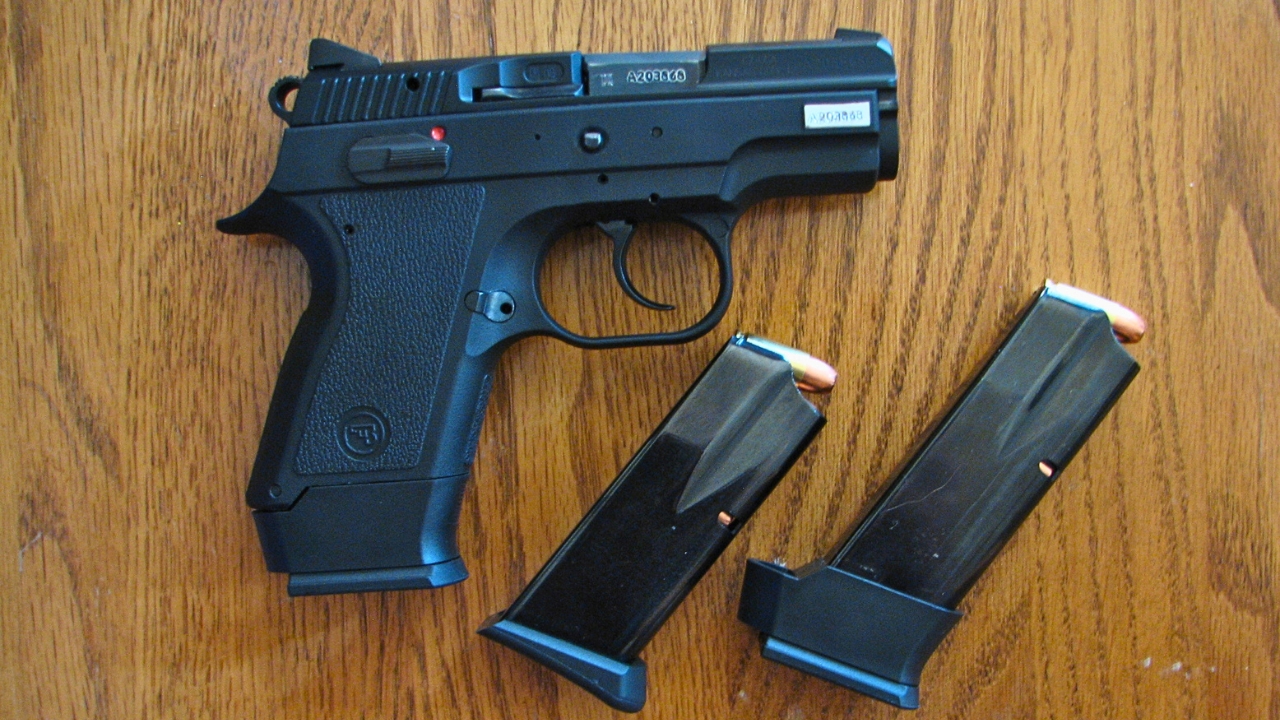
CZ 2075 RAMI

The CZ RAMI is a compact powerhouse on paper, but its recoil and magazine springs both tend to give up quicker than most shooters expect. The RAMI’s compact, high-pressure design means those small springs are under a lot of stress every time the slide cycles.
Once they lose tension, you’ll start seeing feeding issues or premature slide lockbacks. It’s a strong shooter otherwise—accurate and reliable when fresh—but if you’re not proactive about spring replacements, it’ll start acting tired. Many RAMI owners learned to keep spare spring kits in their range bags for a reason. The gun isn’t bad—it just asks for more attention than most compact pistols. If you ignore it, it’ll remind you during the least convenient moment possible.
Beretta Nano

The Beretta Nano was marketed as sleek and snag-free, but that compact design hides a common issue: weak recoil springs. After enough range sessions, the slide starts losing energy, causing failures to feed and incomplete ejections. Lighter target loads make it even worse.
It’s a pistol that needs firm ammo and regular maintenance to run right. The spring fatigue shows early compared to other subcompacts, and once it starts, you’ll feel the slide slow in real time. The Nano can be a fine carry gun when kept in rotation, but it’s not one that ages gracefully under constant shooting. The later APX Carry solved many of these issues, but the original Nano is a classic case of a pistol that simply wasn’t built for long-term endurance.
Walther CCP (First Gen)

The first-generation Walther CCP tried to bring gas-delayed blowback to concealed carry, but the result was a gun that ran oddly soft—and not in a good way. The recoil system relied heavily on a weak spring setup that lost tension quickly, and once it did, malfunctions piled up fast.
Owners reported slides failing to return fully forward, light strikes, and even jams when the gun got dirty. It was overcomplicated for a pistol meant to be simple. Later versions fixed many of these problems, but the original CCP remains infamous for feeling sluggish after moderate use. It’s accurate and comfortable when clean, but once that spring gets tired, the whole system falls apart. It’s the kind of gun that teaches you real quick why strong springs matter more than clever engineering.
*This article was developed with AI-powered tools and has been carefully reviewed by our editors.


