Photo credit: GoldenWebb/YouTube
When you spend enough time in the woods or on the range, you learn fast that not every rifle handles rough conditions well. Some guns shrug off bumps, sleet, and dust without losing an inch of accuracy. Others shift groups the moment the barrel heats up or the stock gets knocked around. It doesn’t take much—a slip on wet leaves, a quick fall against a tree, or a truck ride down a washboard road—to expose rifles that can’t hold zero. These aren’t rifles that are “bad,” but they’re rifles that demand more babying than most hunters or shooters want to give. If you’ve ever watched groups drift for no clear reason, you know exactly the type. These rifles remind you why real-world durability matters.
Ruger American Rifle (First Generation)
The first-generation Ruger American is lightweight, affordable, and accurate when conditions are ideal, but it can lose zero after a day of hard use. The main culprit is the flexible synthetic stock, which doesn’t always maintain consistent pressure on the action. If you rest it on a pack or the fore-end catches on brush, you can see point of impact shifts that weren’t there the day before. It’s a rifle that shoots well on the bench but struggles once the terrain turns rough.
You also notice the action bedding can shift over time when exposed to cold or repeated bumps. A few rifles hold up fine, but others wander enough to make you doubt your last shot. For hunters who want a rifle that takes abuse without complaint, the first-gen American can be hit or miss depending on the individual gun.
Savage Axis
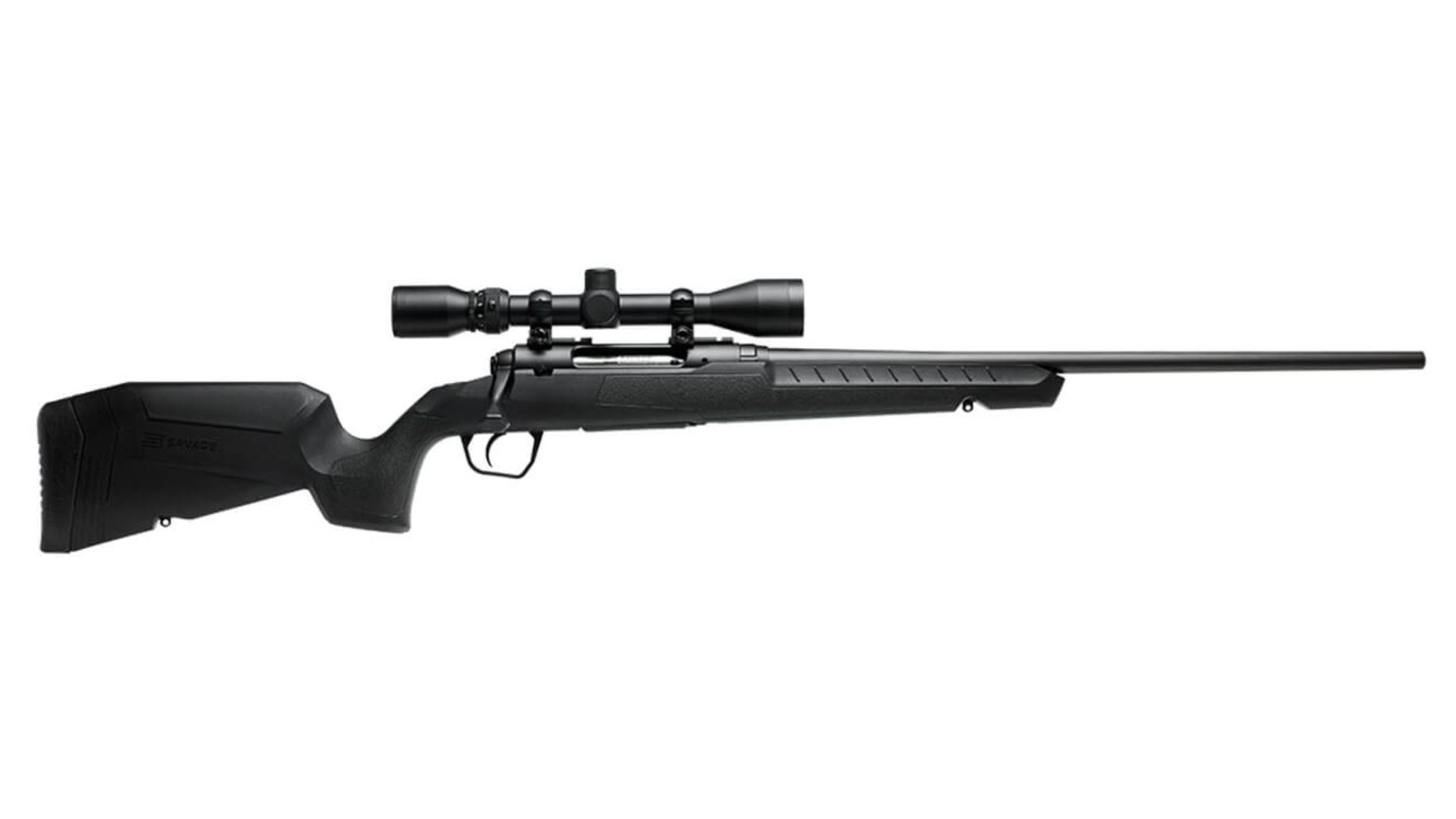
The Savage Axis offers great accuracy for its price, but the rifle’s extremely flexible stock can cause unpredictable results after a tough day in the field. Even light pressure from a sling or shooting rest can influence the barrel channel, which affects consistency shot to shot. Once you start hiking or hauling it through brush, those small changes add up and you may see groups drift without any obvious reason.
The Axis can still be a solid rifle with some aftermarket upgrades, but out of the box, it’s sensitive to how it’s handled. If you lean it against a tree, strap it tightly in a truck rack, or bang it off a stand on your way up, don’t be surprised if the next cold-barrel shot lands differently than expected.
Remington 770
The Remington 770 has a reputation for being inconsistent under the best conditions, and rough handling only magnifies the problem. Its factory stock and bedding system don’t always keep the action stable, leading to shifts in zero after minor bumps or heating and cooling cycles. Even the scope mounts can loosen up quicker than they should, which adds another layer of unpredictability.
Once you start taking the 770 through brush or moving between cold mornings and warmer afternoons, it becomes tough to know what the rifle will do on the next shot. Hunters who rely on it often end up double-checking zero more than they’d like, simply because the rifle can’t be trusted to stay consistent after a hard day.
Mossberg Patriot
The Mossberg Patriot is a budget-friendly rifle that performs well on the bench but can lose zero when pushed through real-world conditions. Its lightweight synthetic stock flexes under sling tension or when braced against a tree, and that changes how the barrel free-floats. After a few hours of hiking or climbing into stands, those shifts can show up on paper as inches of drift.
The Patriot’s accuracy potential is there, but durability in rough settings is its weak point. If you’re careful with it, it performs fine. But if you expect the rifle to stay locked in after a full day of climbing, crawling, or taking bumps in the truck, you might find yourself chasing zero more than you planned.
Thompson/Center Compass

The Thompson/Center Compass earned respect for its accuracy per dollar, but it’s known to shift zero once the rifle starts taking hits or riding in rough terrain. The stock’s rigidity varies between rifles, and fore-end pressure can change depending on how you carry or rest it. That makes the Compass sensitive to shooting position changes, especially after the barrel heats or the rifle gets jarred.
Another issue is that some early models had inconsistent bedding, which contributes to drift after long days in the field. While many shooters like the Compass for casual use, it’s not a rifle you want to rely on when the conditions get unpredictable and you need your shot to land exactly where you expect.
Winchester XPR
The Winchester XPR is accurate and lightweight, but its polymer stock can flex more than ideal under pressure. If you carry it slung tight across your chest or press the fore-end into a rest, point of impact can shift. After a rough day filled with climbing fences or navigating thick brush, that inconsistency becomes more pronounced.
The XPR’s action is solid, but the stock rigidity is what holds it back. While newer models have improved over early production, the rifle still isn’t as stable as other options in its price range once conditions get rough. You may find yourself checking zero more often than expected.
Savage 110 Hunter (Synthetic Stock Models)
The Savage 110 Hunter has strong accuracy potential, but some synthetic-stock variants are more prone to flexing and shifting than they should be. Cold weather, sling pressure, or resting the gun on uneven surfaces can all cause subtle changes in how the barrel floats. On a calm day, it performs well. After a long day in the field, you may find groups spreading unexpectedly.
The action itself is proven, but the lighter-weight factory stocks vary in stiffness. If you bump the rifle around between stands or drag it through rough country, those small variations show up downrange. With a sturdier stock, the rifle shines. Without one, it’s more sensitive than most shooters want.
Remington 783

The Remington 783 can be accurate, but its bedding system and stock design make it vulnerable to wandering zero after repeated impacts or heavy sling tension. You notice it especially when hiking uneven terrain or using improvised rests. Even small changes in how the stock flexes can shift groups, and the rifle doesn’t always return to zero once conditions settle.
It’s a rifle that works well in calm, controlled shooting environments, but once you start moving through dense brush or hauling it in and out of a vehicle, consistency becomes harder to maintain. The 783 performs best with careful handling, which isn’t always realistic in the field.
Weatherby Vanguard Synthetic
The Weatherby Vanguard is a dependable rifle overall, but the synthetic-stocked models—especially older versions—can lose consistency after a hard day. Temperature swings, stock pressure, and bumps can subtly change how the action sits. While the barreled action is solid, the stock doesn’t always offer the rigidity needed to maintain precision under tougher conditions.
If you’re hiking all day or dealing with rough weather, the rifle may start grouping differently than it did that morning. Many shooters upgrade the stock and solve the issue entirely, but in factory form, the synthetic Vanguards can be more sensitive than expected.
Marlin X7
The Marlin X7 is well-liked for its smooth action and accuracy potential, but the stock is one of its biggest weaknesses. Under real use—especially when braced against trees or backpack straps—the fore-end can touch the barrel, changing point of impact. A day of hiking, crawling, or hauling gear is often enough to make the rifle wander.
While it’s a comfortable gun to shoot, the X7 requires more care than many of today’s rifles. If you want your zero to stay rock solid after taking a few hits, you’ll notice the X7 isn’t always up to the task unless upgraded.
Browning AB3

The Browning AB3 shoots well on good days, but it’s known to lose consistency after rough treatment because of stock flex and bedding issues. Even though the action itself is solid, the rifle doesn’t maintain the same level of point-of-impact stability you get from Browning’s higher-end models.
Once you start using the AB3 in rough terrain—slamming truck doors, climbing stands, or pulling it through thick brush—you begin to see variations on paper that aren’t caused by shooter error. It performs well enough for casual hunting, but for demanding days, it’s more sensitive than ideal.
Ruger American Predator (Stock Flex Issues)
The Ruger American Predator is popular for its accuracy and features, but it still suffers from the same stock flex problems seen in the base model. When handled gently, it shoots great. But if you brace it on a pack or crank down on the sling while moving through the woods, the point of impact can shift.
If you hunt in rugged terrain or regularly shoot from improvised positions, the Predator doesn’t always hold zero as well as its accuracy reputation suggests. With an aftermarket stock, it transforms—but in factory trim, it’s more fragile than many shooters expect.
Rossi R95 (Early Production Models)
Early production Rossi R95 rifles have shown inconsistency in how well they hold zero after rough handling. The wood stocks on some rifles swell or shrink with moisture, and a hard day of climbing or wet weather can be enough to influence groups. Lever guns are often sensitive to how they’re supported, and the R95 is no exception.
If you shoot it from the same position every time, it performs better. But once you introduce field conditions—brush, rain, bumpy rides—it can shift enough to create doubt. Later versions have improved, but early rifles were hit or miss.
CVA Cascade

The CVA Cascade offers great features for the price, but some shooters notice wandering point of impact after a full day of rough terrain or temperature swings. The stock is lightweight but not the stiffest, which leads to variations in barrel pressure after bumps or rests.
The accuracy potential is there, especially with good ammunition, but maintaining zero requires more care than other rifles in its class. If you rely on absolute consistency after a demanding day in the field, the Cascade can drift more than you’d like unless fitted with a sturdier stock.
Howa 1500 Synthetic
The Howa 1500 action is excellent, but the synthetic stocks on budget models don’t always hold up to real-world abuse. After a long day of hiking, hauling, or taking hits in rough country, the fore-end can flex enough to affect zero. Many shooters swap the stock immediately, and the accuracy improves dramatically.
In factory form, though, the lightweight synthetic models can wander more than expected. If you’re moving through thick cover or relying on improvised rests, you may see groups open up or shift, especially after significant temperature changes.
Like The Avid Outdoorsman’s content? Be sure to follow us.
Here’s more from us:
The worst deer rifles money can buy
Sidearms That Belong in the Safe — Not Your Belt
*This article was developed with AI-powered tools and has been carefully reviewed by our editors.