Photo credit: Guns and Guitars/YouTube
A lot of rifles go through a cycle. They show up, get praised hard for a few years, and then slowly drift into the background once something newer, lighter, faster, or louder takes their place in the conversation. The truly useful rifles do not really care. They keep riding in trucks, sitting in deer stands, crossing fence lines, and coming out of safes every season because they still solve real problems better than many of the rifles that were supposed to replace them.
That is what separates a lasting rifle from a temporary one. A useful rifle does not need constant explanation. It carries well enough, shoots well enough, and fits real hunting or field work well enough that owners never feel much reason to move on. These are the rifles that never stopped being useful, even when the market got distracted.
Browning BLR

The BLR never stopped being useful because it always offered something most rifles still do not. It gave hunters lever-gun handling with the ability to use modern cartridges in a package that still felt quick, handy, and practical in the field. That made it more than just a novelty from day one.
It also stayed relevant because it works in real hunting situations. The rifle carries easily, handles brush and stands well, and gives the shooter enough reach and authority to avoid feeling trapped in one narrow use. A lot of rifles have come and gone trying to look more modern than necessary. The BLR just kept doing its job.
Remington 7600

The 7600 never stopped being useful because fast-handling deer rifles never stopped being useful. In thick woods, rough country, and stands where quick follow-up shots still matter, the pump-action Remington continues to make practical sense in a way a lot of rifle buyers forget until they are actually out hunting.
It also survived because it is honest. It is not there to impress people at the counter. It is there to hunt. A rifle that shoulders fast, cycles quickly, and keeps working through ugly weather earns a kind of long-term trust that trendier rifles often never reach.
Ruger 77/44

The 77/44 never stopped being useful because it filled a very specific role extremely well. A compact bolt-action rifle chambered for a hard-hitting pistol cartridge is not for every hunter, but in close woods, blinds, and short-range work, it still makes a lot of practical sense. That sort of niche can stay alive for a long time when it is rooted in real use.
Owners kept them because they worked. The rifle is handy, easy to carry, and far more capable in the right setting than many buyers first assumed. A lot of modern rifles try to be everything. The 77/44 stayed useful by being exactly what it needed to be.
Winchester Model 88

The Model 88 never stopped being useful because it stayed quick, practical, and different in all the right ways. It gave hunters a rifle that handled faster than many bolt guns and offered more cartridge flexibility than most lever guns of its time. That alone was enough to keep it relevant long after many people expected it to fade.
The rifle also has a field feel that is hard to replace. It carries naturally and points quickly, which still matters more than people like to admit. Plenty of newer rifles can sound smarter on paper. The Model 88 kept proving that useful in the hand still matters more.
Marlin 39A

The 39A never stopped being useful because a good .22 rifle never stops being useful. Training, plinking, small game, pest control, and plain enjoyable range time all still matter, and the old Marlin has long been one of the best ways to handle all of them in one rifle. It was never just a pretty lever gun.
That is why people kept using them instead of just admiring them. The 39A is smooth, dependable, and built with the kind of quality that makes owners hang onto them. A rimfire that teaches good habits and still feels satisfying after decades is not going out of style anytime soon.
Savage 110

The Savage 110 never stopped being useful because accuracy and practicality never stopped mattering. For years, some shooters looked past them because they were not the prettiest rifles in camp, but a rifle that shoots well and holds up in bad weather stays valuable whether it is glamorous or not.
That is what kept the 110 alive through so many market shifts. It handled real hunting work, offered honest performance, and usually did not demand a lot of drama from the owner. A lot of rifles tried harder to impress. The Savage just kept being useful enough that people never really stopped buying or using them.
Browning BAR Safari

The BAR Safari never stopped being useful because semi-auto hunting rifles never stopped making sense for hunters who actually use them. Fast second shots, good field manners, and a familiar sporting-rifle feel gave the BAR a long life in deer camps and on hunting leases, even when the market drifted toward other styles.
It also kept its place because it did not feel disposable. A good BAR still feels like a real hunting rifle with weight, stability, and purpose. It may not fit every hunter, but for the people who use them, they rarely become less useful with time. That is a strong sign of a rifle that got its role right.
CZ 527 Carbine
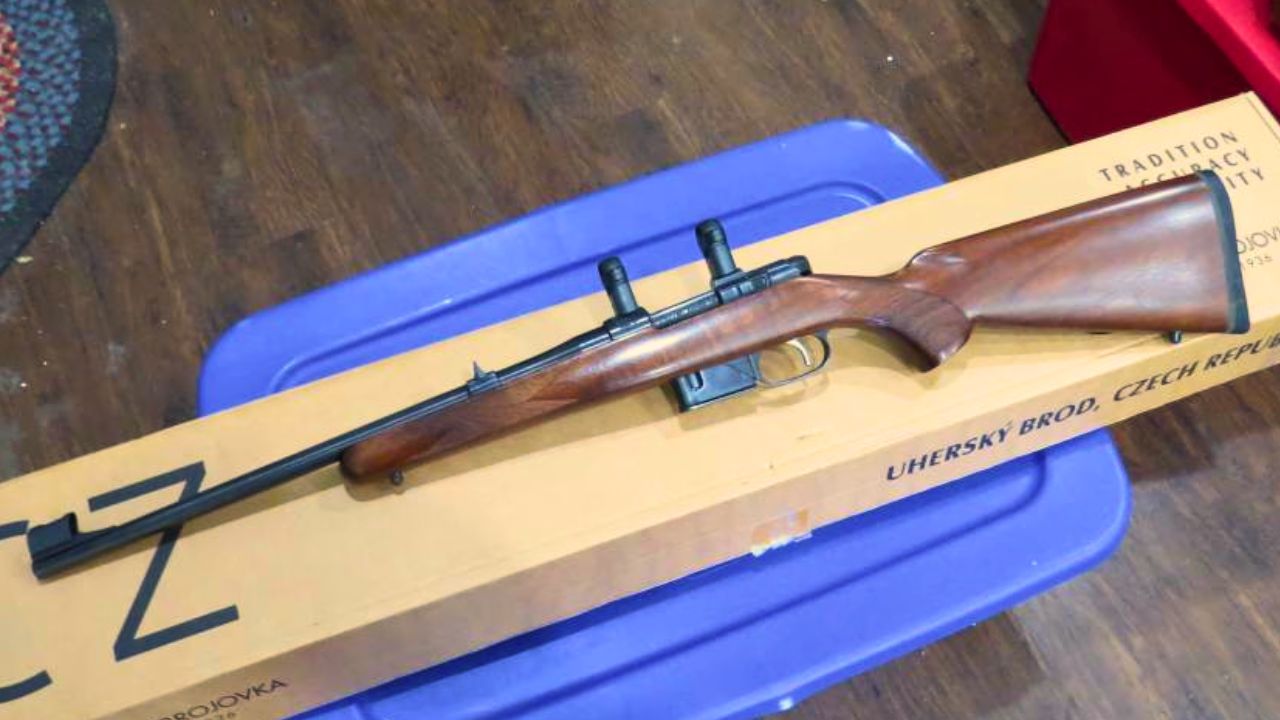
The 527 Carbine never stopped being useful because small, quick rifles still make a lot of sense. In handy chamberings and a compact package, it offered exactly what many hunters and shooters want but often have trouble finding: something easy to carry, easy to point, and still serious enough to do real work.
That made it valuable long after louder rifles grabbed the spotlight. The 527 was not trying to be trendy. It was trying to be useful in the field, around property, and on the range. Rifles that stay that focused usually age better than rifles trying too hard to look current.
Ruger No. 3
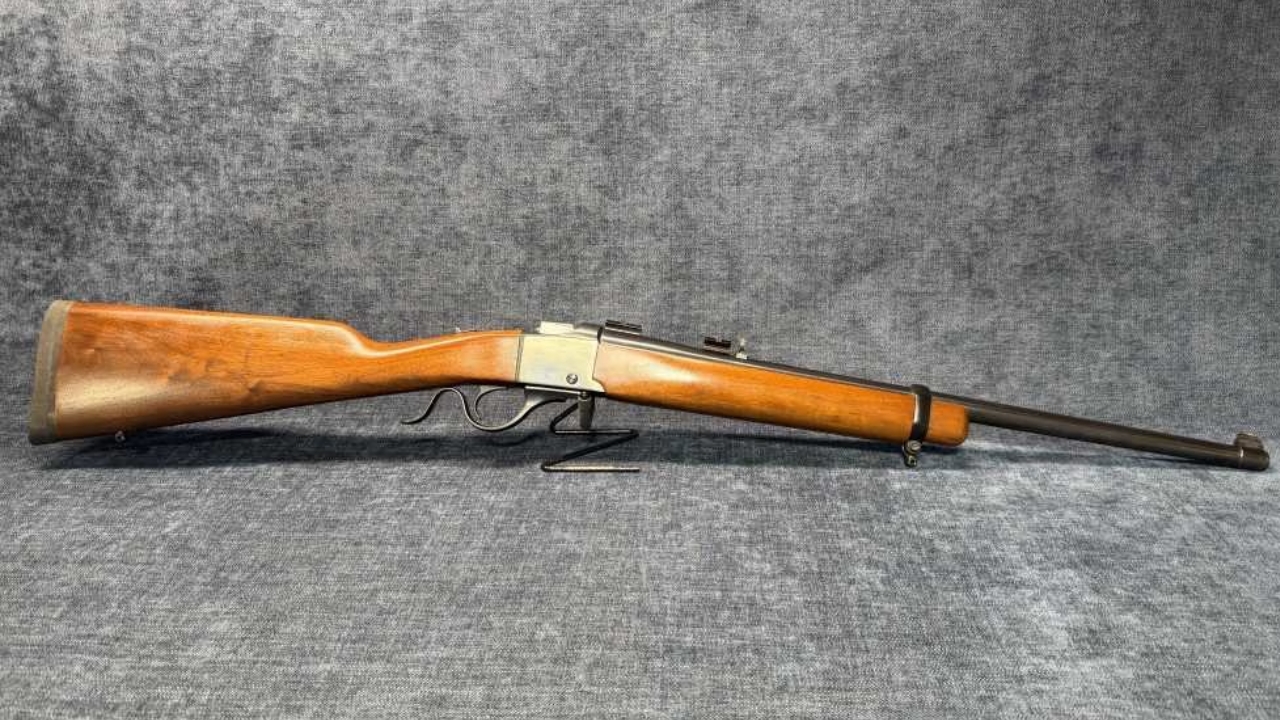
The No. 3 never stopped being useful because simplicity never really went out of practical value. It may not have had the polish of the No. 1, but it offered strength, compactness, and a direct, no-nonsense shooting experience that still appeals to people who appreciate a rifle with purpose. It was not for everybody, but it never needed to be.
Single-shots like this stay relevant because they make hunters and shooters slow down and focus. In the right hands, that is not a weakness. It is a strength. The No. 3 kept proving that a rifle does not need a high-capacity magazine or a lot of extra complication to remain worth owning and using.
Weatherby Vanguard
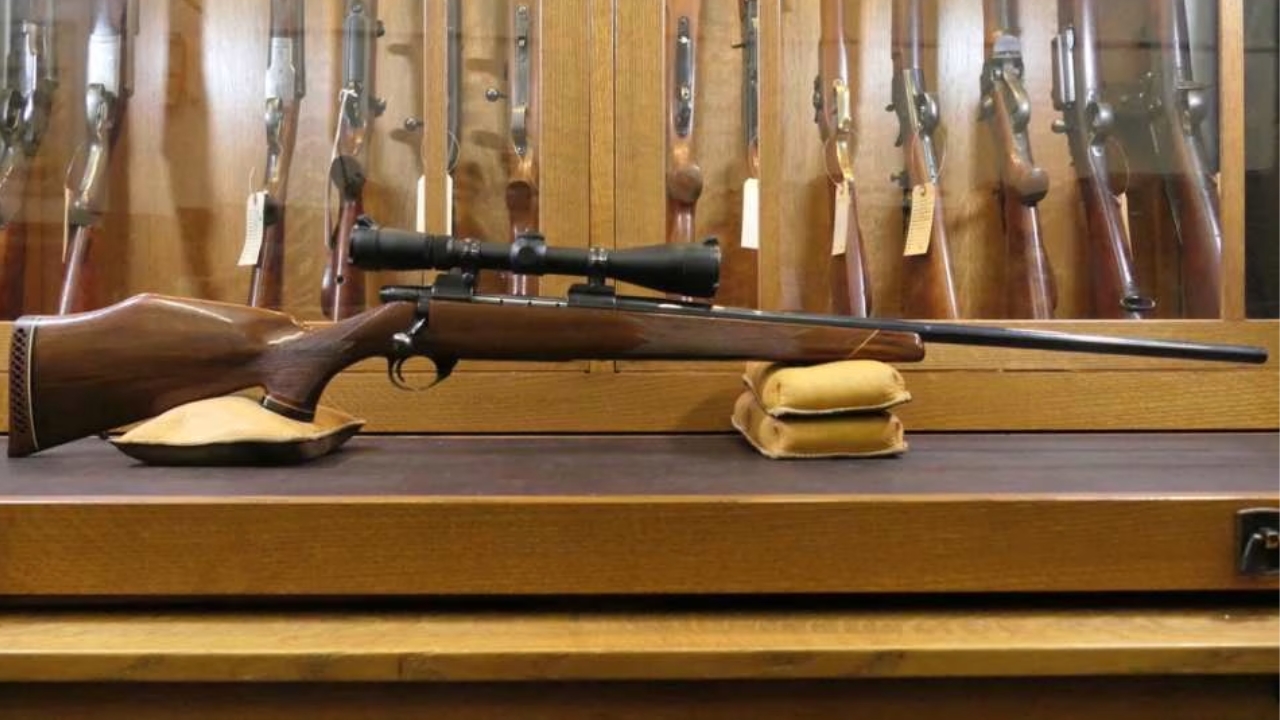
The Vanguard never stopped being useful because it kept giving shooters a dependable hunting rifle without making them pay for unnecessary drama. It has long been the kind of rifle that delivers honest performance, good accuracy, and strong field value in a package that owners can trust without constantly tinkering.
That sort of usefulness stays alive because it travels well across generations of buyers. The Vanguard works for new hunters, experienced hunters, and people who simply want a rifle that behaves itself in camp and at the range. Rifles like that never really lose purpose, even when they stop being fashionable.
Sako Finnbear

The Finnbear never stopped being useful because quality and field sense never really stop mattering. It was not just a handsome rifle. It was a rifle that balanced well, handled properly, and gave owners the kind of confidence that still carries weight no matter how much the market changes around it.
It also stayed useful because it was built for real hunting, not just admiration. A lot of classic rifles look nice and spend most of their lives being appreciated from a distance. The Finnbear earned a more durable reputation because it could still go to work, and owners knew it.
Henry Long Ranger

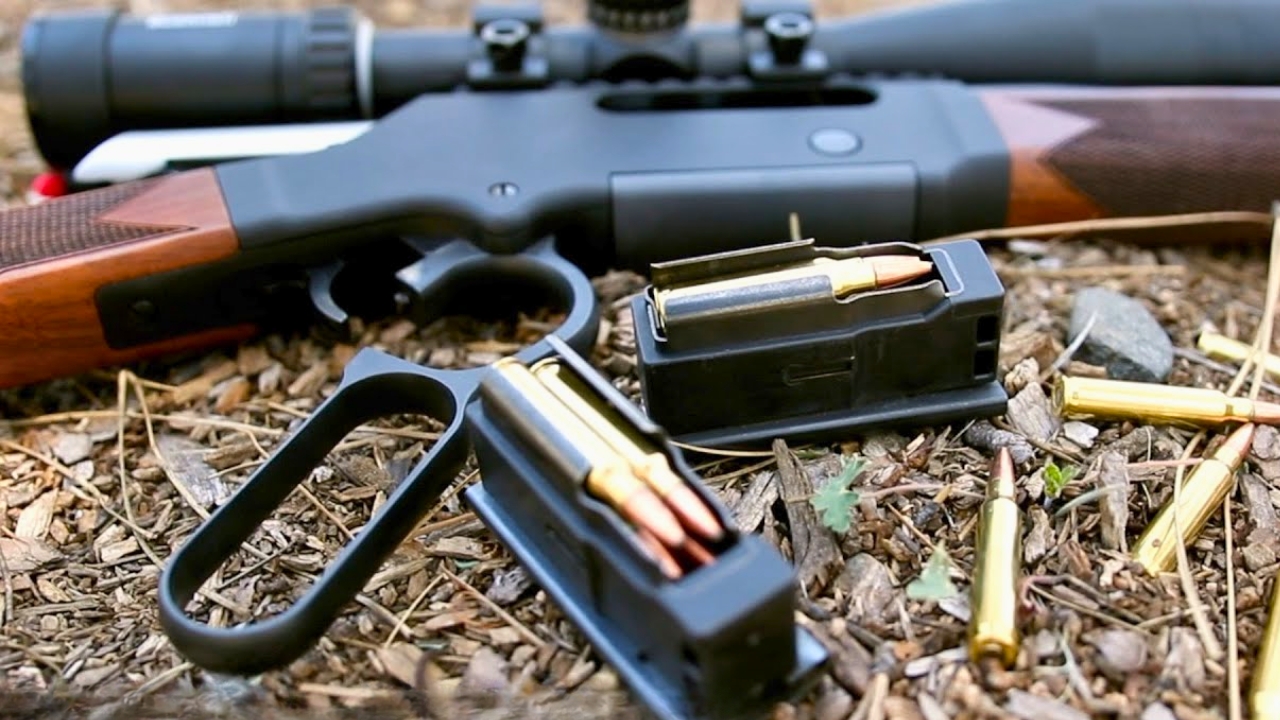
The Long Ranger never stopped being useful because it combined old and new in a way that actually worked. It gave shooters a lever-action feel without forcing them into old cartridge limitations, and that meant the rifle could still handle very practical hunting jobs while offering something a little different from the usual bolt-gun crowd.
That combination keeps it alive. It is not useful because it is novel. It is useful because it is genuinely handy, familiar, and capable enough to do real work. A rifle that offers that much without turning itself into a gimmick tends to stick around.
Remington Model Seven

The Model Seven never stopped being useful because hunters never stopped needing compact rifles. In thick woods, rough terrain, or any situation where full-size rifles start feeling like more weight than benefit, the little Remington still makes all kinds of sense. It is exactly the kind of rifle people come back to after experimenting with bulkier alternatives.
What kept it going is how easy it is to live with. It carries well, comes up quickly, and offers enough rifle for a wide range of realistic hunting situations. Utility like that does not really fade. It just waits for people to remember why it mattered in the first place.
Winchester 9422

The 9422 never stopped being useful because good lever-action rimfires never stop being useful. A rifle like this can train shooters, handle small game, work as a camp gun, and still feel satisfying enough that owners keep reaching for it even when they own more powerful and more expensive rifles. That kind of role does not disappear.
It also kept its place because it was simply well made. Once a rifle becomes both useful and enjoyable, it tends to stay around. The 9422 was one of those rifles that did more than one job well, and that made it much harder to outgrow than many buyers probably expected.
M1A Standard
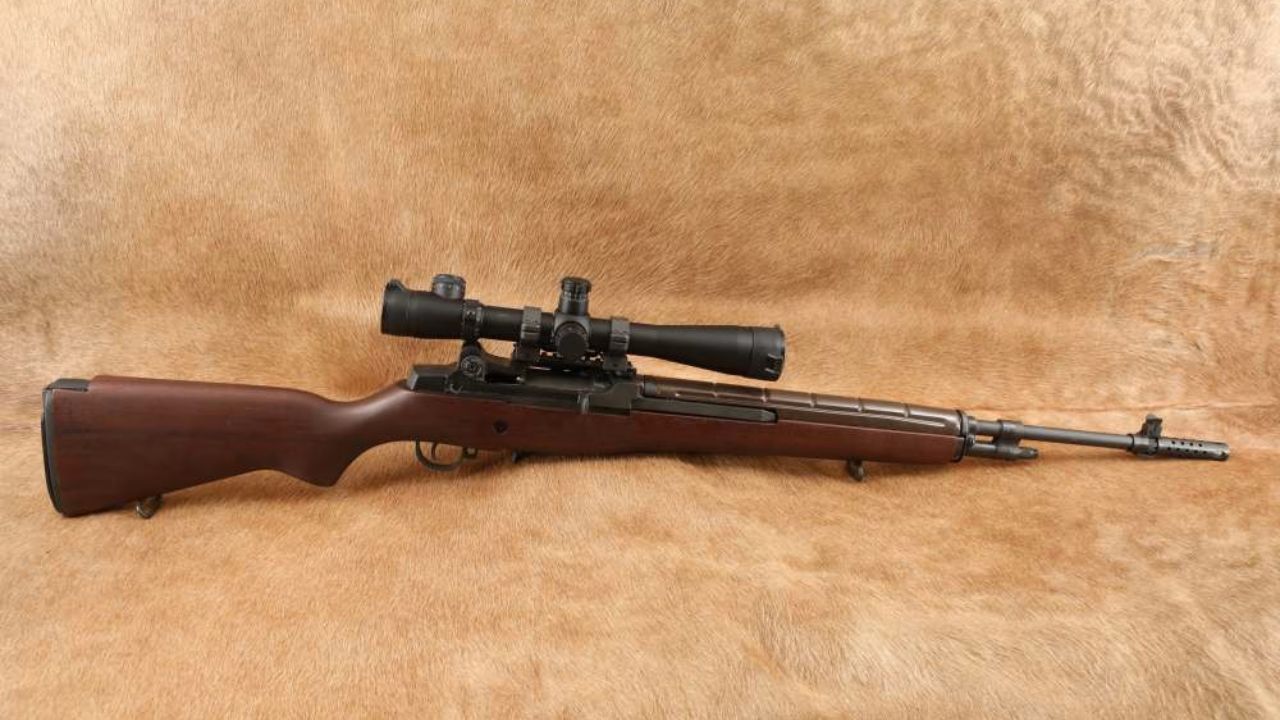
The M1A Standard never stopped being useful because there has always been room for a rifle that feels serious, familiar, and capable in a very straightforward way. It may not be the lightest or cheapest option in the room, but it still offers range credibility, field utility, and a kind of shooting satisfaction that a lot of modern rifles do not quite replicate.
That is why it kept its place. The rifle does not survive on image alone. It survives because people still shoot them, trust them, and find real use for them. Firearms that continue to deliver that kind of value do not need to stay trendy. They just need to stay useful, and this one has.
Like The Avid Outdoorsman’s content? Subscribe to our newsletter so you never miss an article.
Here’s more from us: