Photo credit: Stefan Malloch/Shutterstock.com
Some rifles make a strong first impression. They shoot tight groups right out of the gate, and for a moment you think you found a sleeper that punches above its class. Then you keep shooting, the barrel heats up, the fouling builds, and accuracy slips faster than you’d ever expect. Not all rifles are built for long strings of fire, and some show their limits early. Heat management, stock rigidity, barrel quality, and bedding all play a role, and when any of these fall short, consistency disappears. If you’ve ever watched a once-tight group drift across the paper for no clear reason, you’ve probably met one of these rifles.
Remington Model 783 (problem barrels from early runs)

The Remington 783 gained attention as an affordable bolt gun, but early-production rifles had barrels that fouled quickly and lost accuracy after modest shooting sessions. Many shooters saw the first few groups land well enough, only to watch things unravel once the barrel warmed. Some barrels had rough spots that caused copper to build fast, and once fouling took over, groups opened sharply.
The synthetic stock on these early rifles also contributed to the problem. It flexed under pressure, especially on rests or bipods, which changed how the barrel responded with each shot. Later batches improved, but those early 783s earned a reputation for losing their precision long before most rifles even settle in.
Savage 110 Apex Hunter XP (package trims)

Savage’s core rifles are known for accuracy, but the Apex Hunter XP package trims didn’t always hold up to sustained shooting. The included stock lacked the stiffness needed to keep the action properly supported, especially as the barrel heated. Many shooters reported point-of-impact shifts after only a few groups, something you typically don’t see with the better-stocked 110s.
The factory-mounted budget optics also struggled under recoil in heavier calibers, compounding the accuracy issues. The rifle could shoot well cold, but once you put real range time into it, consistency slipped, and the wandering groups became the story most owners remember.
Browning X-Bolt Micro (super thin barrels)
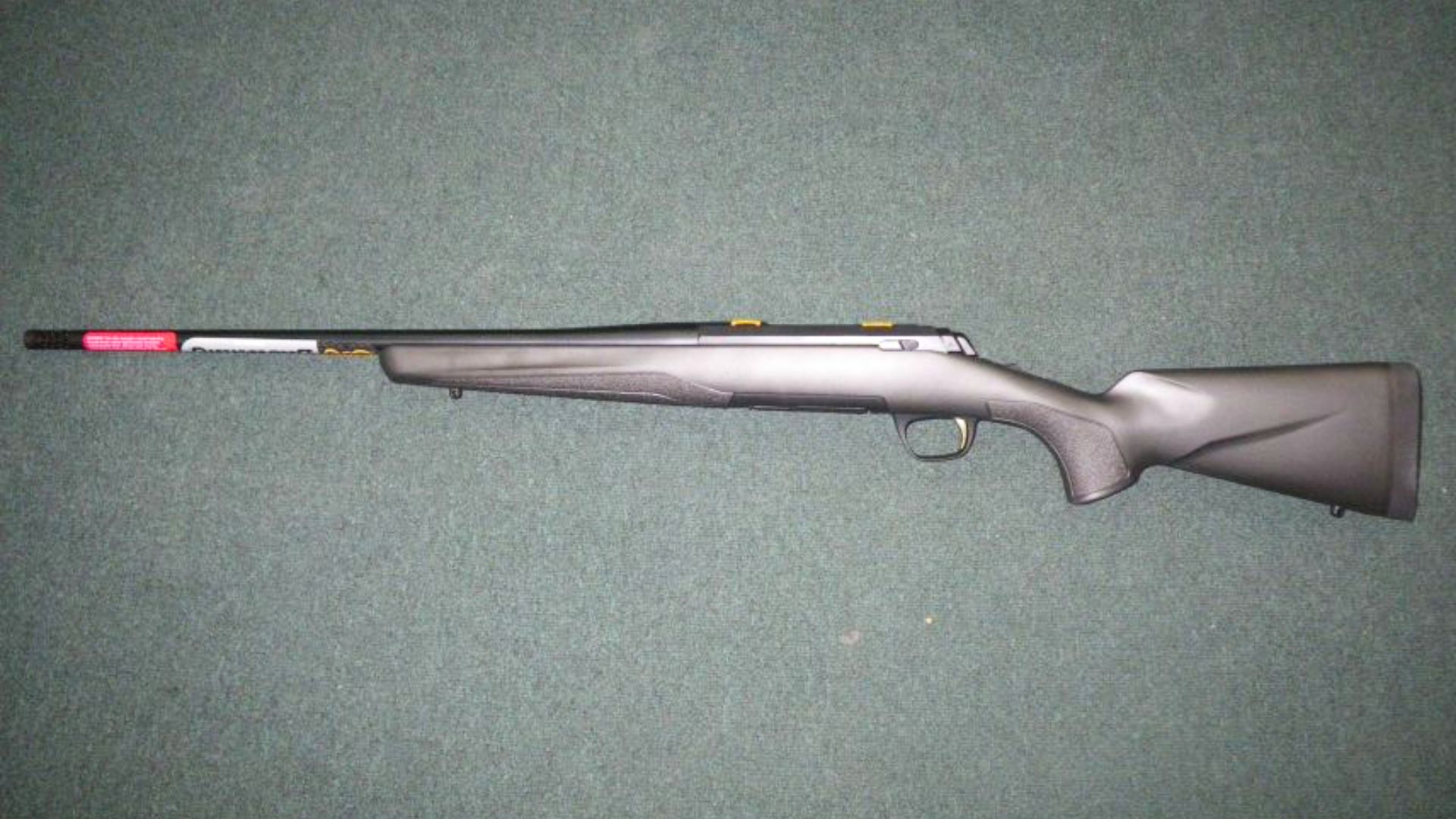
The Browning X-Bolt Micro was built to be light and quick, but that lightweight design came with thin barrels that didn’t handle heat well. Cold-bore accuracy was fantastic, exactly what you’d expect from Browning. But after a few boxes, the heat buildup caused noticeable point-of-impact drift.
The stock geometry also made the rifle sensitive to pressure along the fore-end. Rest the rifle differently from shot to shot and you’d see that reflected downrange. For hunters who take one solid shot at dawn, it was great. For anyone expecting stable performance over a full range session, it wasn’t nearly as dependable.
Ruger M77 Hawkeye Ultralight

Ruger’s Hawkeye Ultralight shaved weight wherever possible, including the barrel profile. While it carried beautifully in the field, thin barrels and heat are a tough combination for consistent accuracy. Many owners saw their first group print beautifully, then watched the next two wander in opposite directions.
The rifle’s rugged design helped it shine in harsh weather, but that didn’t change how quickly accuracy faded with volume. Once hot, the barrel whip increased, and the groups rarely returned to their original point of impact until the rifle cooled completely. For long shooting sessions, it simply wasn’t built to stay steady.
Thompson/Center Venture (inconsistent factory bedding)

The T/C Venture had the right intentions—good trigger, decent stock, and a solid action—but bedding inconsistencies plagued early examples. Once the rifle warmed up, uneven pressure points caused groups to drift across the target. Shooters often noticed encouraging accuracy early on, then wondered why everything fell apart a few boxes later.
Barrels on certain calibers copper-fouled quickly, making the accuracy slide even more dramatic. With proper bedding work, many Ventures turned into respectable rifles, but out of the box, early ones simply didn’t hold accuracy once real shooting volume began.
Savage Trophy Hunter XP (flexy stocks)

The Trophy Hunter XP was an entry-level package rifle that could shoot a respectable first group, but the factory stock was notoriously flexible. As the barrel heated, even small shifts in how the rifle was supported caused the point of impact to change. Combine the stock flex with a thin barrel, and accuracy dropped sharply after just a few magazines.
Shooters who upgraded the stock typically solved the problem, but in factory form, the rifle struggled during extended range sessions. Cold performance remained acceptable, but sustained accuracy was something it simply couldn’t maintain.
Marlin XL7 (heat-sensitive in certain calibers)

The Marlin XL7 was better than its price tag suggested, but versions chambered in hotter calibers like .270 Win and .30-06 sometimes showed patterns of accuracy breakdown under heat. The barrels weren’t bad, but the barrel harmonics changed noticeably once warm. Shooters often saw groups drift slightly left or right after only a few boxes.
Because the stock wasn’t the most rigid, pressure points developed easily. A lot of shooters ended up bedding these rifles to stabilize them. Without modifications, though, the XL7 had trouble staying consistent through extended firing.
Weatherby Vanguard Synthetic (older generations)

Weatherby’s Vanguard is normally a standout, but older synthetic-stock models with economy barrels sometimes struggled to stay accurate during high-volume shooting. Barrels in certain lots copper-fouled aggressively, and once fouling built up, the accuracy drop-off was hard to ignore.
The synthetic stocks on these models occasionally contacted the barrel unevenly under recoil, especially on bipods. Shooters who only fired a handful of rounds per season rarely noticed, but anyone running multiple boxes found accuracy slipping quickly compared to more refined Vanguard models.
Bergara B-14 Hunter (heat shift on early barrels)

Bergara rifles are known today for smooth actions and impressive barrels, but early-production B-14 Hunter rifles weren’t all consistent. Some early barrels showed noticeable heat shift after a few groups, especially in longer-action calibers. Cold-bore groups were excellent, but after ten to fifteen rounds, point of impact would drift more than most shooters expected from a Bergara.
Once fouling accumulated, accuracy faded even faster. Later barrels corrected most of these issues, but those first few runs created a mixed reputation for shooters who pushed them through high-volume sessions.
Mossberg Patriot (barrel whip on lightweight versions)

The Mossberg Patriot is a popular budget option, but lightweight-barrel versions can lose accuracy after surprising little heat. The rifle shoots well when cold, but once warmed up, the flexible fore-end and thin barrel work together to produce group spread and point-of-impact movement.
The Patriot handles well in the field, and for hunting, it’s more than capable. But accuracy over multiple boxes is where it struggles. Many shooters quickly learned to let it cool between groups, because trying to shoot it warm led to frustrating and unpredictable results.
Remington SPS Buckmasters Edition
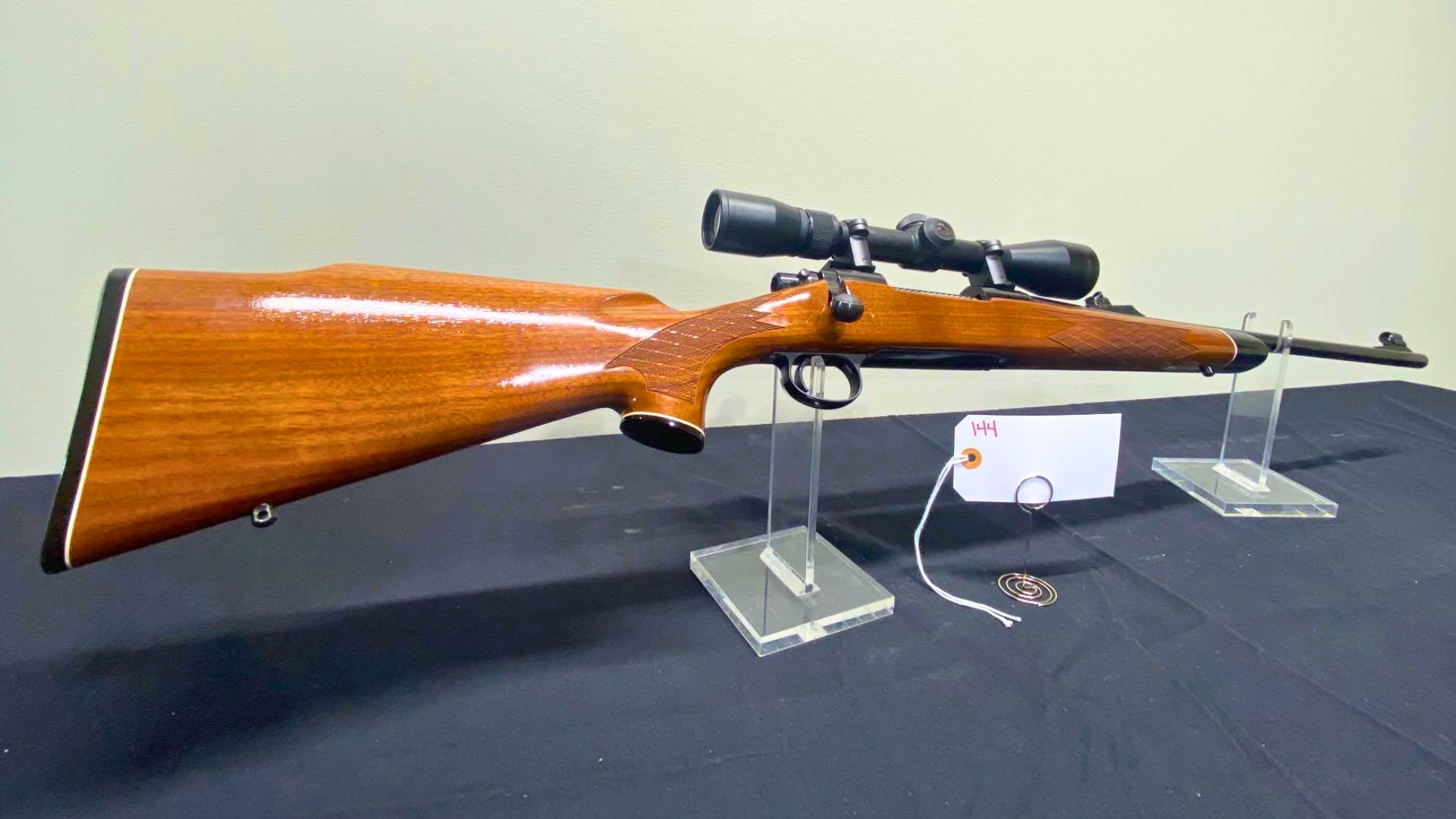
The SPS Buckmasters models offered affordable access to the 700 platform but came with stocks and barrels that weren’t built for long sessions. Rougher barrel finishes meant quicker fouling, and as fouling accumulated, groups opened up dramatically.
The lightweight synthetic stock also pressed against the barrel inconsistently, which became more noticeable as heat built. The combination meant that accuracy faded quicker than expected for a rifle wearing the 700 name.
Winchester Model 670
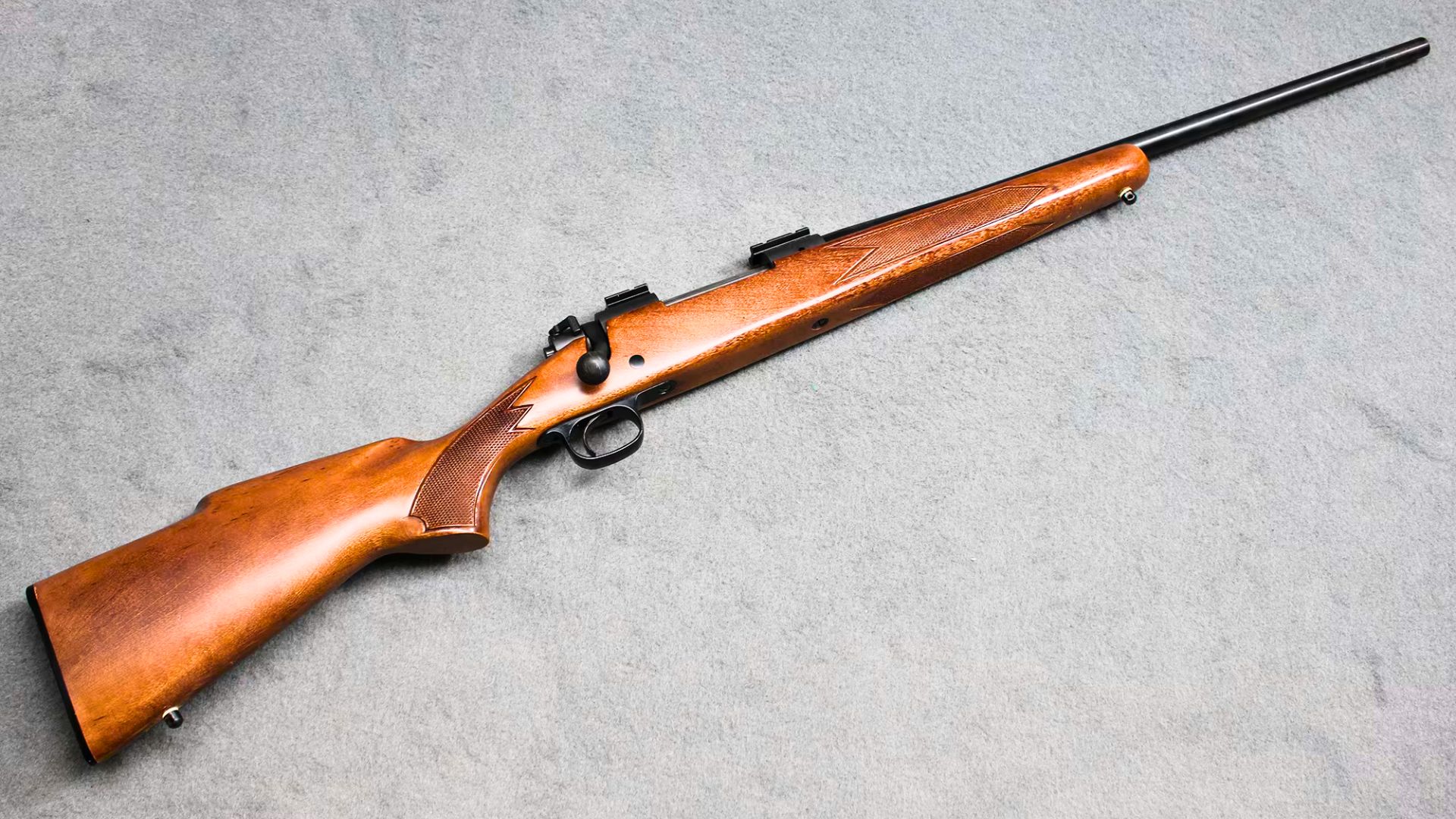
The Winchester 670 was a cost-cut version of the classic Model 70, but some examples simply didn’t maintain accuracy under sustained shooting. Bedding was inconsistent, and once a rifle warmed up, you could feel the shift in pressure between the action and stock. That translated directly to drifting groups.
Fouling also built quickly in certain barrels, magnifying the problem. While the 670 is a classic hunting rifle for single-shot opportunities, extended range work revealed accuracy limits early.
Ruger American Predator (certain early barrels)

The Predator line is generally accurate, but early runs in calibers like .308 and 6.5 Creedmoor had some barrels that walked shots once hot. The factory stock was better than the base American, but still flexible enough that barrel contact changed when heat expanded the fore-end.
The rifles shot excellent first groups, which made the accuracy fade even more noticeable. Some shooters improved their rifles with aftermarket stocks, but in factory trim, the early Predators could struggle to stay precise past the first few boxes.
CVA Cascade (heat-driven point-of-impact shift)

The CVA Cascade gained popularity fast, but certain early rifles displayed heat-driven shifts that became obvious during extended shooting. Once warm, the point of impact could drift an inch or more, depending on caliber and barrel profile. Cold-bore shots were strong, but quick follow-ups weren’t always consistent.
The synthetic stocks on some versions also flexed under recoil, and that inconsistency showed up downrange. While many Cascades shoot extremely well today, the first batches weren’t ideal for sustained accuracy expectations.
Remington 710 Magnum Calibers

The 710 in magnum calibers suffered even more accuracy instability than the standard versions. The rifles weren’t designed for high-pressure rounds, and the combination of a flexible stock, rough barrel finish, and increased recoil created a perfect storm for accuracy fade.
Shooters often noticed that after a few boxes, groups not only spread but also walked in a predictable direction as the barrel heated. Cold, slow-fire performance was acceptable, but sustained shooting highlighted shortcomings that the design simply couldn’t overcome.
Like The Avid Outdoorsman’s content? Be sure to follow us.
Here’s more from us:
The worst deer rifles money can buy
Sidearms That Belong in the Safe — Not Your Belt
*This article was developed with AI-powered tools and has been carefully reviewed by our editors.