Photo credit: Pro Gun 45/YouTube
Some carry guns look like smart buys when they first hit the counter. The size is right, the capacity sounds competitive, the price feels tempting, and the marketing makes it seem like you are getting the next great concealed-carry answer. Then the market catches up, owners put rounds through them, and the shine wears off fast.
This is not a list of guns that are all dangerous or useless. Some of them run fine for some people. The problem is that concealed carry is a hard category now. If a pistol is snappy, awkward, poorly supported, hard to shoot well, late to the market, or too expensive for what it gives you, better options make that obvious quickly.
Beretta APX A1 Carry

The Beretta APX A1 Carry sounded better than it felt for a lot of buyers. Beretta has a serious name, and the idea of a slim, affordable carry pistol from that company made sense on paper.
The problem is that the little APX never really felt like it belonged with the strongest micro-compacts. The trigger, grip feel, and overall shootability left many shooters cold, and the market around it was already packed with stronger choices. When pistols like the Shield Plus, P365 XL, and Glock 43X are sitting nearby, the APX A1 Carry feels hard to justify.
Smith & Wesson CSX

The Smith & Wesson CSX had a good concept: a small metal-framed carry pistol with solid capacity and manual-safety appeal. For people tired of polymer striker guns, it looked like something different without getting too strange.
Then shooters actually spent time with it. The trigger feel, reset complaints, and slightly odd personality kept it from becoming the small carry pistol it could have been. It is not a bad idea, but carry guns need to feel instantly trustworthy and easy to run. The CSX felt like Smith & Wesson had a promising outline without quite finishing the gun people wanted.
Canik METE MC9
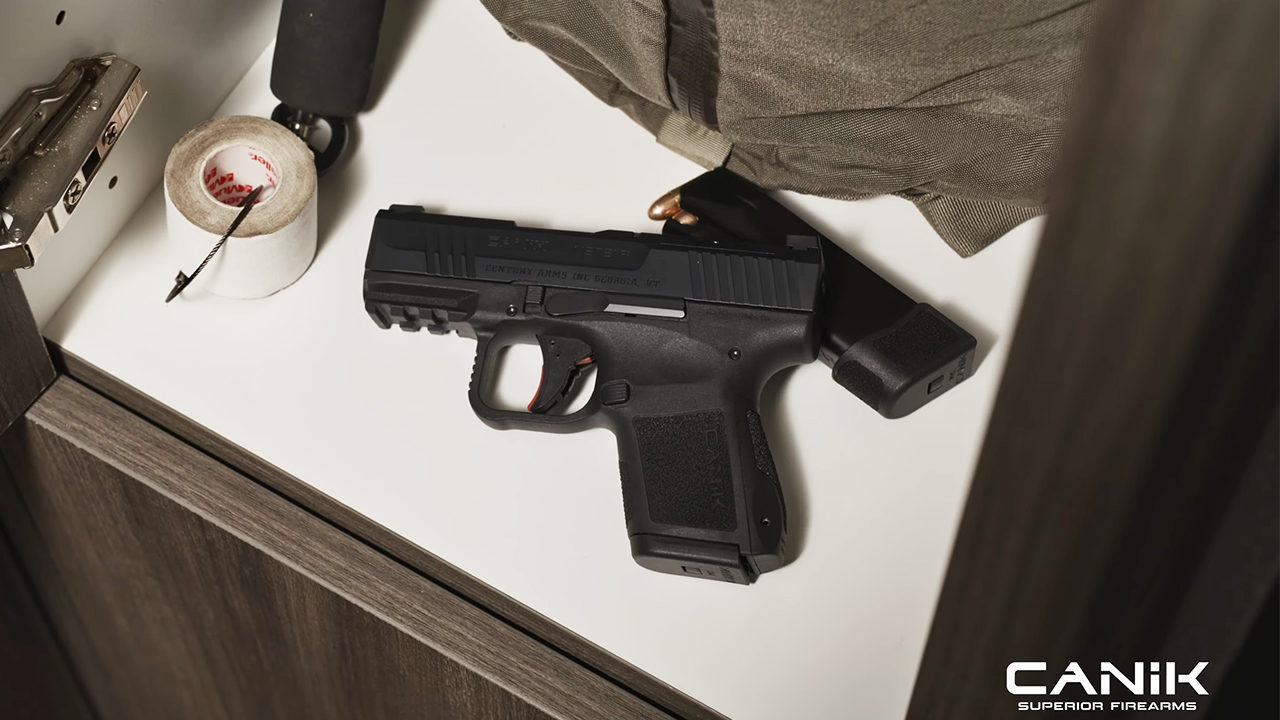
The Canik METE MC9 had a lot of excitement behind it because Canik built a strong reputation for giving shooters good triggers and good features for the money. A small Canik carry pistol sounded like an easy win.
The problem is that early confidence matters a lot in a defensive pistol, and the MC9 had enough mixed owner reports to make buyers hesitate. Some run well, and some shooters like them, but the carry market is too competitive for “maybe mine is fine” energy. When Shield Plus and P365 variants already exist, the MC9 has to be more than feature-rich.
Kimber R7 Mako
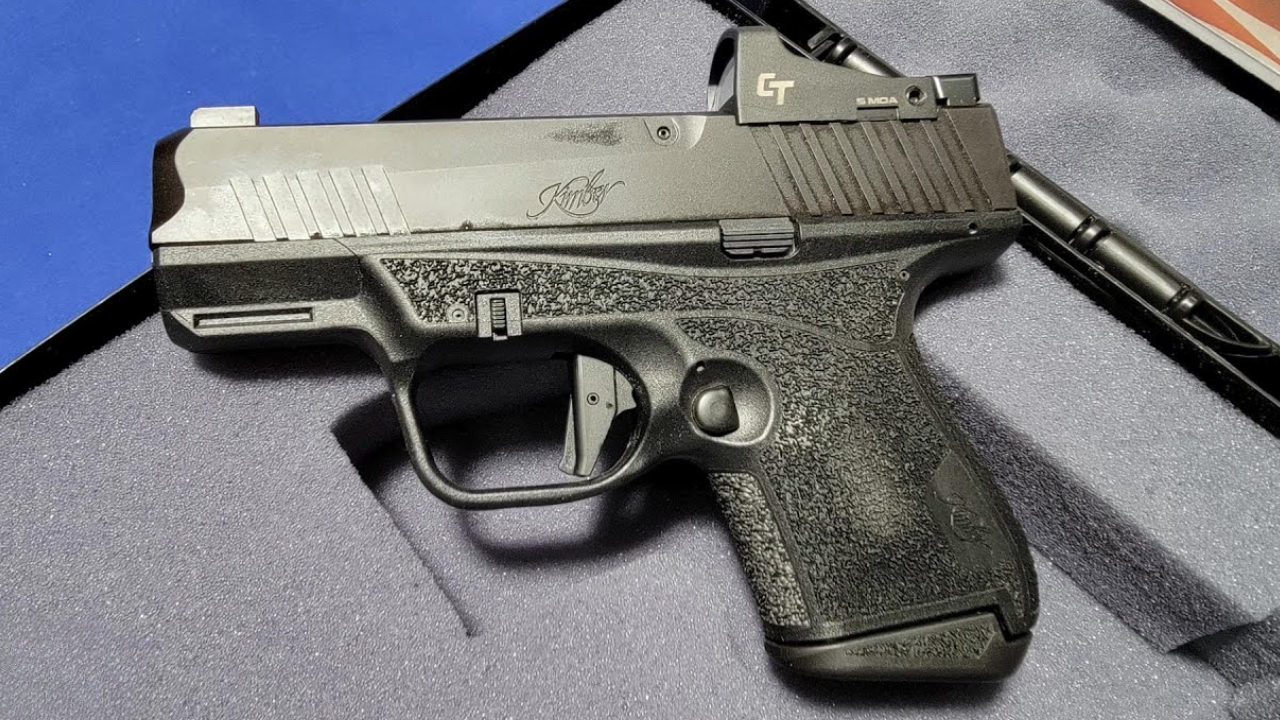
The Kimber R7 Mako tried to give Kimber a serious modern striker-fired carry pistol. Optics-ready versions, good capacity, and a more modern setup made it sound like Kimber was finally stepping into the micro-compact fight properly.
The issue is that it never felt like a pistol people were rushing to recommend. The styling was odd, the brand’s carry-gun reputation was already complicated, and the price did not always feel friendly beside more proven options. It may work fine, but fine is not enough when the competition is cheaper, better supported, and easier to trust.
Taurus GX4

The Taurus GX4 gave budget buyers a lot to look at. It was small, carried decent capacity, and came in at a price that made the big-name micro-compacts seem expensive. That is a powerful hook.
The trouble is that carry guns are not where most shooters want lingering doubt. Taurus has improved, but reputation still matters when the gun rides on your belt. Add stiff competition, mixed confidence from some owners, and better aftermarket support elsewhere, and the GX4 becomes a hard sell unless price is the main concern. Saving money feels less smart if you keep second-guessing the gun.
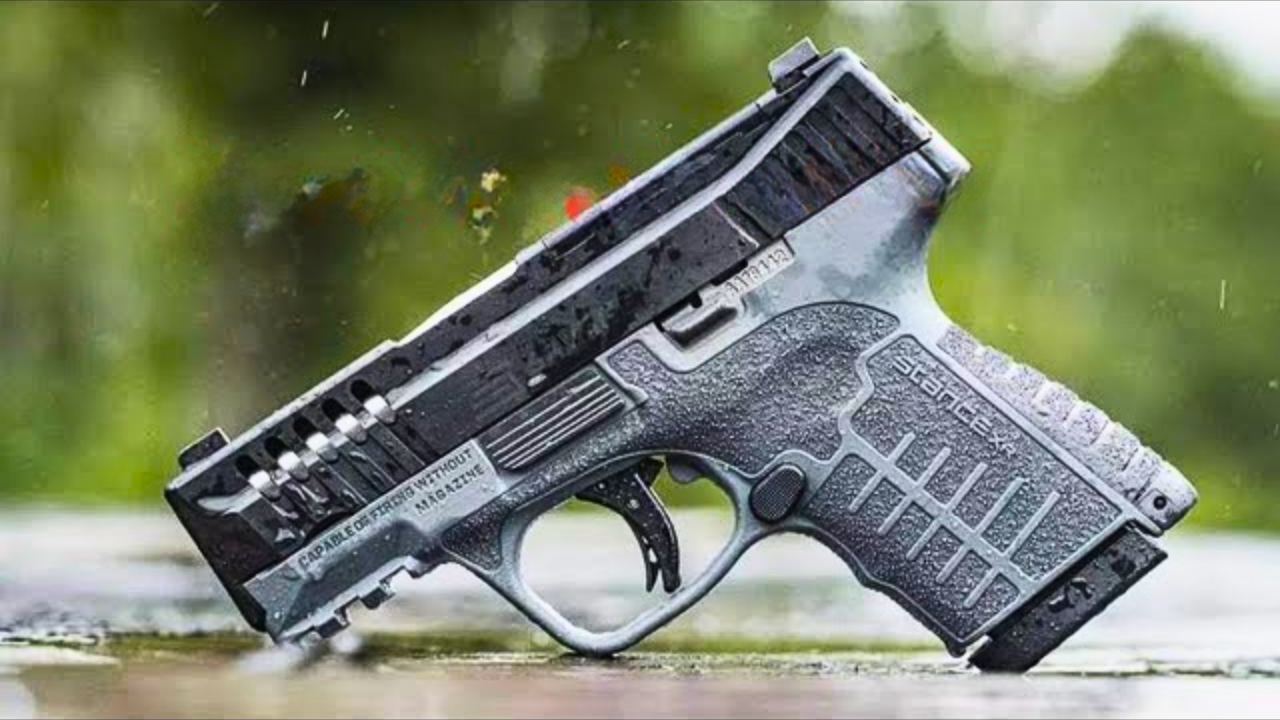
Savage Stance
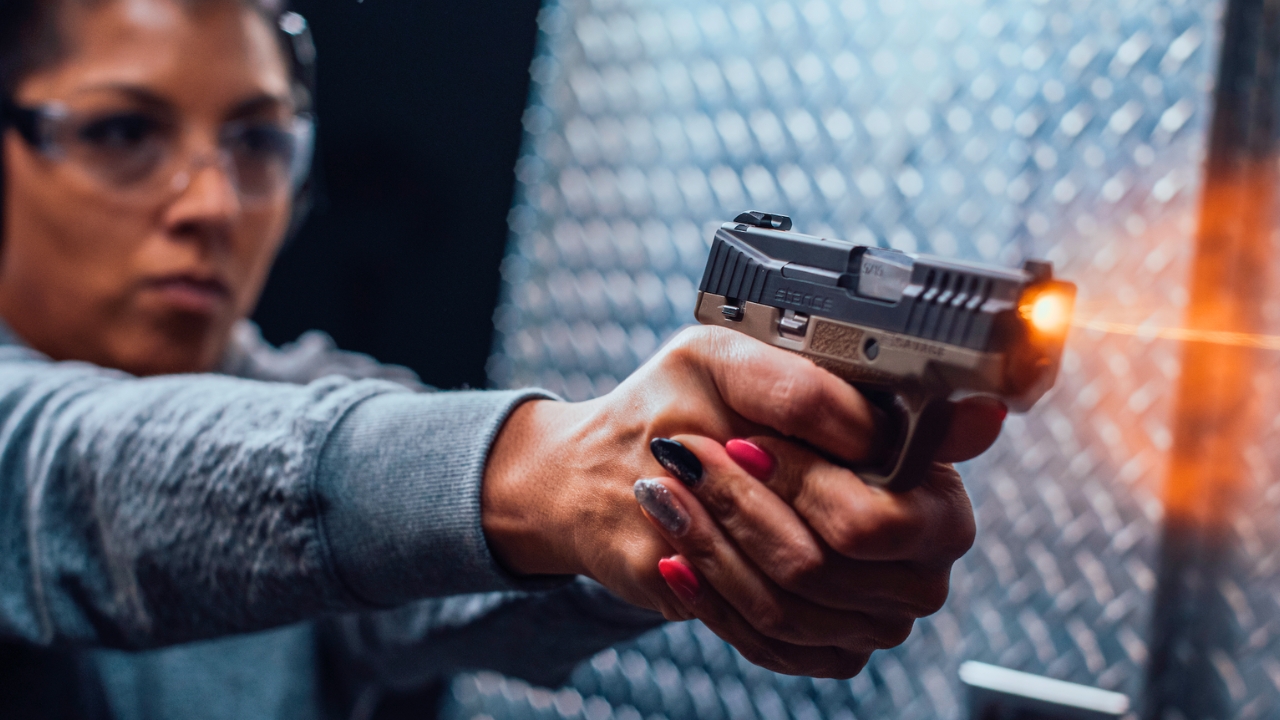
The Savage Stance arrived with a familiar rifle company trying to break into the carry pistol market. That alone made people curious. A slim 9mm from Savage sounded interesting because the company had brand trust in other categories.
But concealed carry does not reward late entries unless they bring something special. The Stance felt like it showed up after the market had already moved on. Capacity, trigger feel, looks, and overall support did not make it stand above the Shield Plus, P365, Hellcat, or Glock 43X. It was not awful. It was simply forgettable in a category where forgettable gets buried.
Springfield Armory Hellcat Pro

The Springfield Hellcat Pro is not a bad pistol, and plenty of people carry it happily. The disappointment comes from the gap between the pitch and the shooting experience. On paper, it checks a lot of boxes with strong capacity, slim size, and modern carry features.
At the range, some shooters find it sharper and less comfortable than expected. A pistol this close to “compact” size needs to shoot noticeably better than a tiny micro, and for some people it does not. Compared with the P365 XMacro, Shield Plus, Glock 48, and other slim carry options, the Hellcat Pro can feel more impressive on paper than in the hand.
SIG Sauer P365-380

The SIG Sauer P365-380 made sense for shooters who wanted the P365 shape with softer recoil. That is a real audience, especially for people who struggle with small 9mm pistols or want easier practice.
The issue is value. By the time you are buying into the P365 ecosystem, many shooters would rather have the 9mm version and train around it. If recoil sensitivity is the main concern, larger .380s and easier-racking pistols can feel more comfortable. The P365-380 is not useless, but it can feel like a narrow answer in a crowded carry market.
FN Reflex
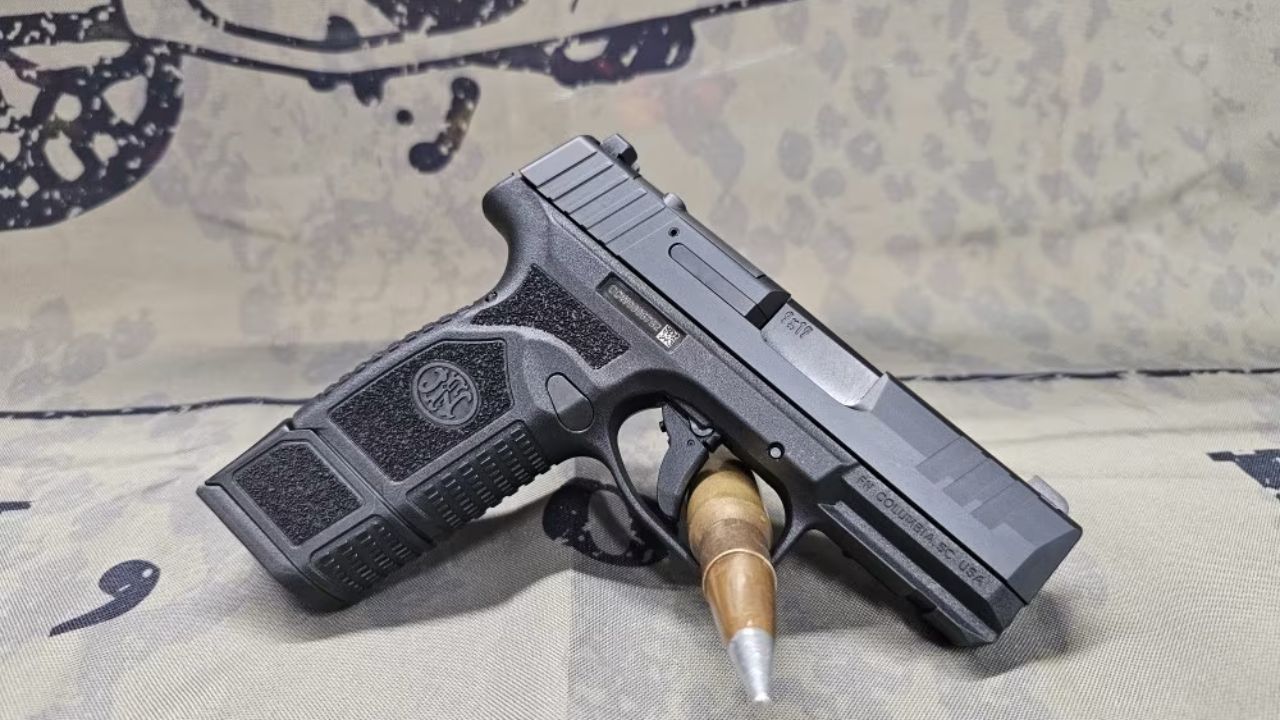
The FN Reflex had the benefit of a serious brand and an interesting hammer-fired setup in a micro-compact world dominated by striker guns. That gave it a reason to stand out right away.
The problem is that different has to be better, not only different. Some shooters like the trigger and size, while others find the recoil, controls, or shooting feel less convincing than expected. FN also has to fight against pistols with deeper aftermarket support and stronger carry-gun momentum. The Reflex is interesting, but it has not made the obvious choices look obsolete.
Mossberg MC2sc

The Mossberg MC2sc is a perfectly reasonable pistol that still struggles to make a strong case. Mossberg did a better job with pistols than many people expected, and the MC2sc has usable capacity and a slim carry profile.
But the micro-compact field is brutal. A gun can be competent and still feel like the wrong choice when bigger names offer more support, better holster options, stronger resale, and broader owner confidence. The MC2sc did not fail because it was terrible. It disappointed because it never gave many buyers a strong reason to choose it first.
Ruger MAX-9

The Ruger MAX-9 looked like Ruger’s answer to the modern micro-compact race. It had the size, capacity, optics-ready option, and price to compete with the usual carry favorites.
The issue is that it often feels more budget-minded than confidence-building. Some shooters find the trigger, recoil feel, and overall finish less satisfying than stronger rivals. Ruger usually wins people over with practical value, but carry pistols are emotional purchases too. When a gun rides with you every day, “decent for the price” may not be enough.
Springfield Armory XD-M Elite 3.8 Compact

The Springfield XD-M Elite 3.8 Compact brought capacity, a familiar XD-style grip safety, and a proven enough platform into a carry-size package. For existing XD fans, it made sense.
For everyone else, it felt like yesterday’s answer wearing newer clothes. The grip safety, bulk, bore height, and overall feel make it harder to love beside slimmer, cleaner, more modern carry pistols. It can run, and it can shoot, but concealed carry has moved toward thinner, lighter, more efficient designs. The XD-M Elite Compact feels like it is fighting the last market.
Stoeger STR-9MC
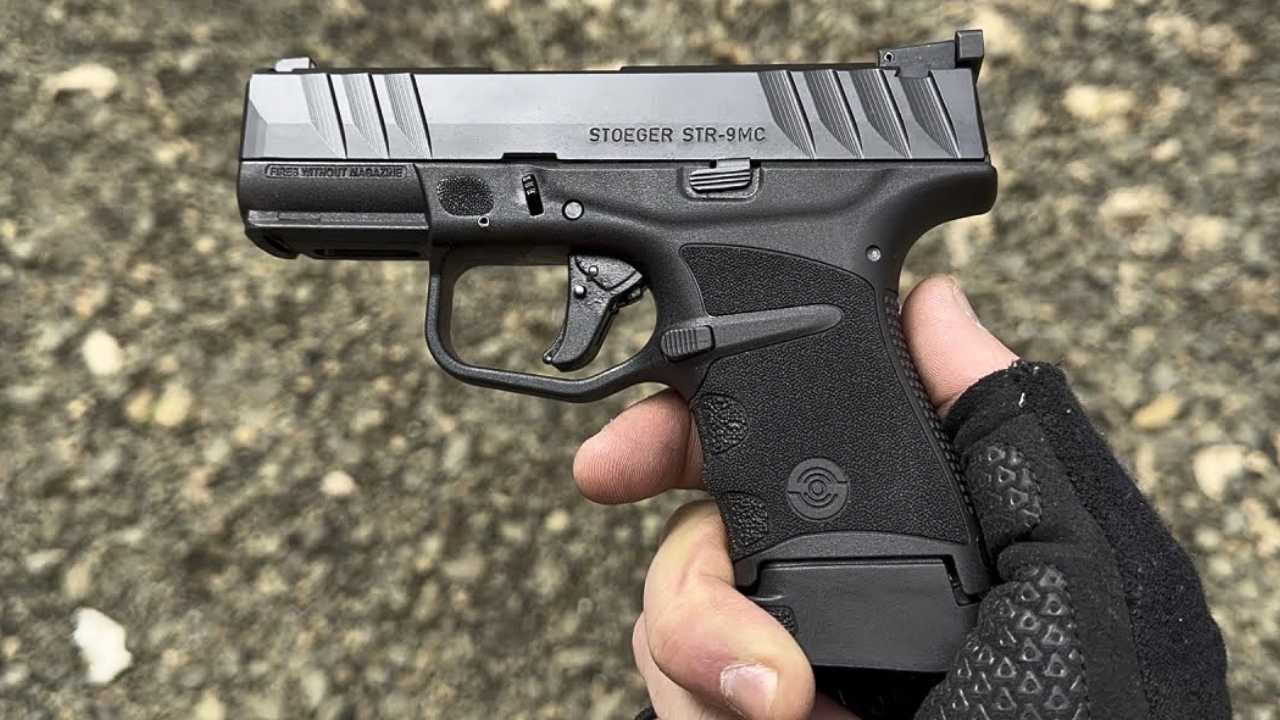
The Stoeger STR-9MC tried to enter the compact carry lane with a budget-friendly price and a familiar striker-fired layout. That kind of pistol always gets attention because many buyers want practical carry without premium pricing.
The problem is that low price alone does not win anymore. The STR-9MC does not have the support, reputation, or refinement of the strongest options. When you can find used Glocks, M&Ps, Shields, P365s, and CZs in the same general conversation, the Stoeger has to work hard to feel like the smart pick. For many buyers, it simply does not.
IWI Masada Slim

The IWI Masada Slim had a lot of potential. IWI has a solid reputation, and a slim carry version of the Masada sounded like something that could compete with the popular micro and slimline pistols.
The disappointment is mostly about impact. It did not become a major carry-gun standard, and support matters when you are choosing holsters, magazines, sights, and long-term parts. The pistol itself may be serviceable, but concealed carry is not only about whether a gun works. It is also about how easy it is to live with. The Masada Slim never made the popular choices feel threatened.
SAR9 Compact

The SAR9 Compact gives buyers another affordable striker-fired option in a market already packed with affordable striker-fired options. That is the whole problem. It is not enough to be another decent polymer pistol anymore.
The gun has its supporters, and the full-size SAR9 earned some attention for durability claims, but the compact carry version has a tough road. Holster support, magazine availability, resale, and brand familiarity all matter for everyday carry. When proven options are everywhere, the SAR9 Compact feels like a gamble most buyers do not need to take.
Like The Avid Outdoorsman’s content? Be sure to follow us.
Here’s more from us: