Photo credit: WHO_TEE_WHO/YouTube
You can push a bullet fast and still walk away empty-handed. Hunters and shooters sometimes chase velocity like it’s the only number that matters—but speed without weight, construction, or energy behind it doesn’t mean much when the shot lands. A cartridge might clock in screaming hot at the muzzle, but that doesn’t always translate into clean kills, good penetration, or reliable accuracy where it counts.
Some of these rounds fly fast and flat, but they hit like a pebble past 100 yards. Others shatter on bone or blow through too fast to do any damage. If you’ve ever wondered why your high-velocity round didn’t stop a deer or punch through a coyote, this list is for you.
.17 HMR

The .17 HMR flies like a laser and looks good on paper. Tiny bullet, high speed, flat arc—it’ll make you feel like you’ve found the ultimate varmint round. But shoot anything tougher than a rabbit, and you’ll find out real fast how fragile that little pill really is.
It tends to fragment on impact, which is fine for small game but useless if you’re hoping for deep penetration. Even raccoons can shrug off a poorly placed shot. It’s fun at the range, sure, but when it comes time to actually drop something with consistency, the .17 HMR tends to underwhelm.
.204 Ruger
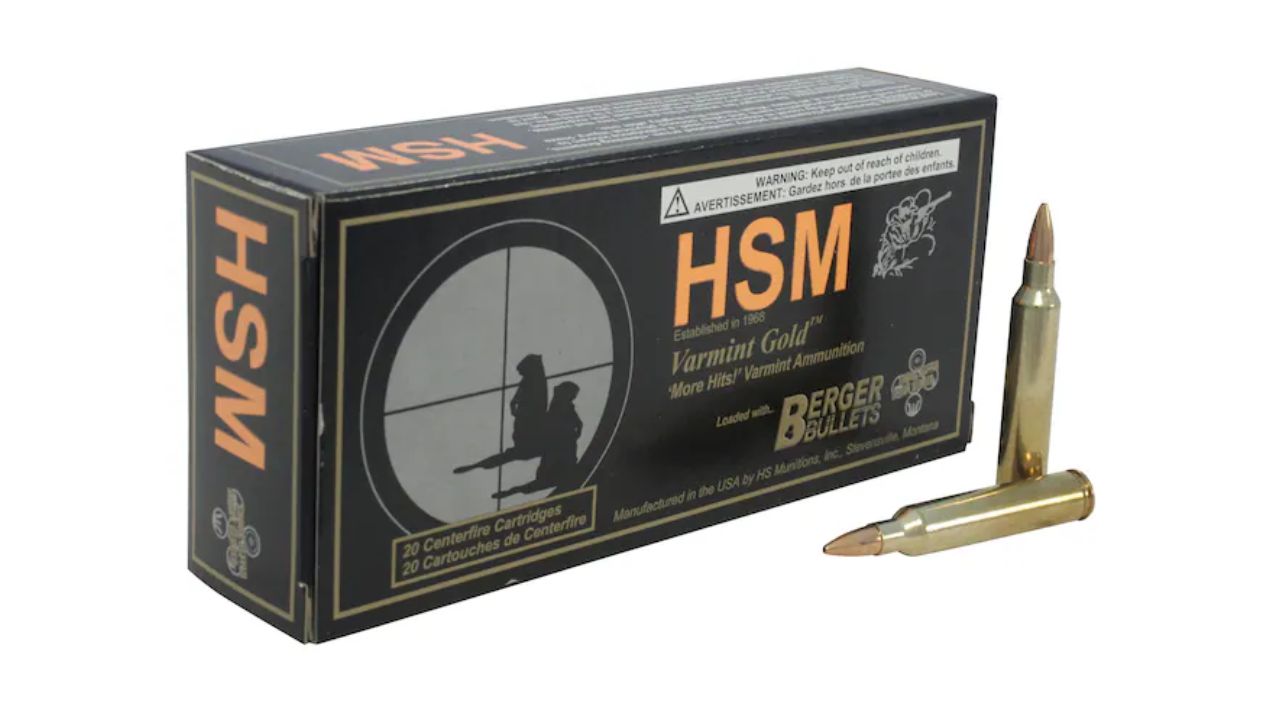
The .204 Ruger looks like a speed demon and sounds like one too. It can break 4,000 feet per second with the right bullet, and that kind of velocity turns heads. Trouble is, it doesn’t do much with all that speed. Terminal performance is inconsistent, and light bullets shed energy fast.
Coyotes and groundhogs sometimes run off even after a solid hit, especially if you miss the vitals by an inch. That’s not something you want in a hunting round. The .204’s accuracy is impressive, but its stopping power isn’t. Speed alone doesn’t anchor animals—and this round proves it.
.220 Swift
The .220 Swift has been around forever and still holds bragging rights for high velocity. It was one of the first to break 4,000 fps, and some folks love it for varmint hunting. But all that speed comes with drawbacks—barrels wear out fast, and lighter bullets can splash on impact.
You might get an explosive hit on a prairie dog, but anything bigger might walk away wounded. It’s not that it’s ineffective—it’s that it demands perfect conditions. For the average hunter, there are better-balanced options that won’t torch your barrel or leave you wondering why that fox kept running.
.17 WSM

The .17 Winchester Super Magnum was supposed to be the big brother to the .17 HMR, and it is—on paper. It hits higher velocities and packs more energy, but it still struggles with anything tougher than small game. Expansion is erratic, and it loses energy fast past 150 yards.
You might get clean kills on ground squirrels, but switch to coyotes or even a heavy-bodied coon, and the results get iffy. That ultra-light bullet moving fast can’t always make up for poor construction or shot placement. It’s another case of speed outpacing real-world utility.
.223 Remington (with varmint loads)

The .223 Remington has earned its place in American shooting culture, but not every load works the same. Varmint-style loads with ultralight hollow points hit paper fast and flat, but they fall apart too easily on bone or big game. They’re great for blowing up jugs, not anchoring animals.
If you use these loads on something like a coyote or hog, expect runoffs and frustration. The .223 is versatile, but only with the right bullet. Relying on speed alone without the proper construction turns a decent cartridge into a disappointment real quick.
.257 Weatherby Magnum

This one’s known for blistering speed and long-range capability, but not everyone who tries it comes away impressed. The .257 Weatherby Magnum is flat-shooting and fast—but it can be unforgiving. It burns barrels fast, kicks harder than you’d expect, and isn’t as versatile as advertised.
The lightweight bullets it’s often paired with can fail to penetrate on bigger game, and meat damage is common on closer shots. If you’re not hunting at long ranges with perfect conditions, you end up with a loud, overpowered round that doesn’t always give the clean results you’re hoping for.
5.7x28mm
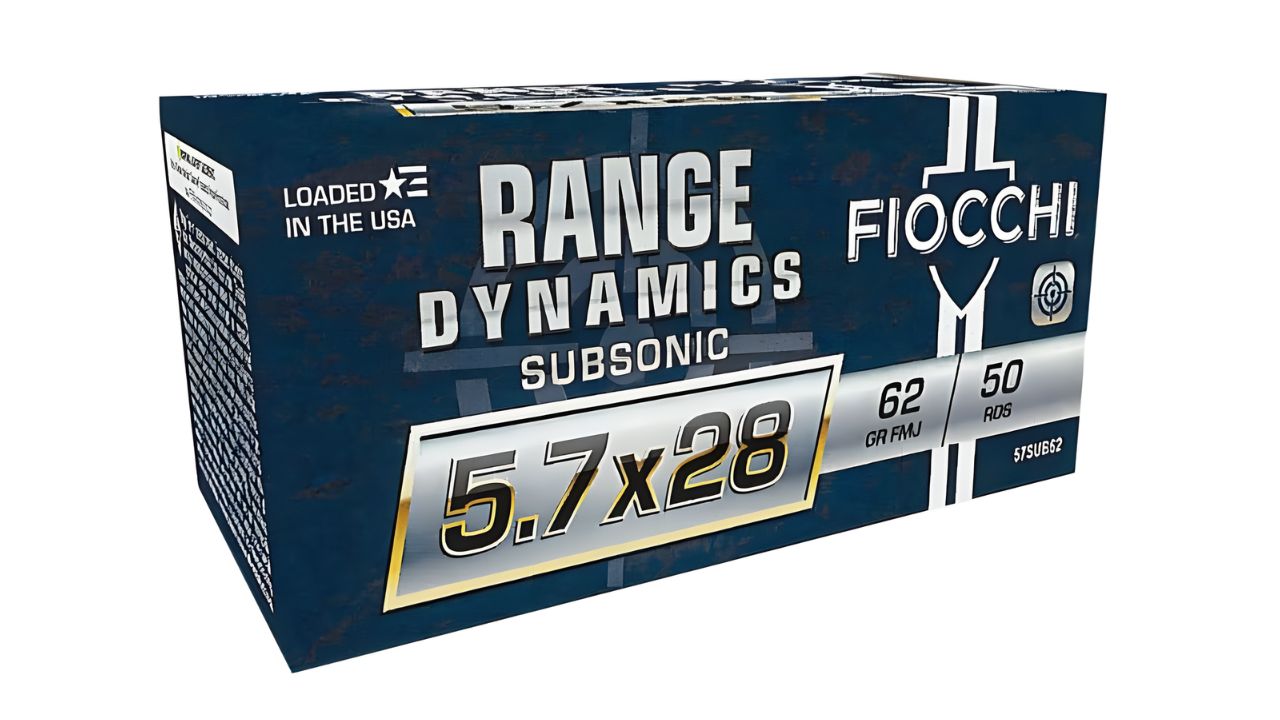
The 5.7x28mm tries to do a lot in a small package. It’s flat-shooting, zippy, and fits in lightweight pistols and carbines. But it was never designed to bring down animals. Its main role was personal defense in a military context. For hunting or serious defensive use, it comes up short.
It pokes holes without much punch. Even with expanding bullets, performance on targets with any real mass is weak. The hype around velocity doesn’t make up for the lack of terminal effect. A fast .22-caliber bullet that doesn’t penetrate deeply is a bad mix when things get serious.
.22-250 Remington (light varmint loads)

The .22-250 is a fan favorite for varmint control, and for good reason—it’s accurate and fast. But the factory varmint loads with super-light bullets tend to shatter on impact, especially inside 150 yards. You get surface wounds and runners instead of clean, ethical kills.
On paper, it’s everything a predator hunter might want. In the field, it demands precise bullet choice and range judgment. Push the wrong load, and you’ll wonder why your shot didn’t anchor that coyote. The .22-250 isn’t the problem—it’s the idea that velocity always guarantees performance.
.30 Carbine

This one’s been around since World War II, and folks still try to make it work for modern uses. The .30 Carbine moves faster than most pistol rounds, but compared to modern rifle cartridges, it’s underpowered and underwhelming. Terminal ballistics are weak, even with soft points.
It lacks the velocity and mass to do much beyond short-range work on soft targets. Hunters and defensive shooters alike often regret expecting too much from it. It’s not that it’s useless—it’s just outclassed by nearly everything else on the shelf today. It’s a fast round that doesn’t go far.
6mm ARC (in lightweight varmint loads)
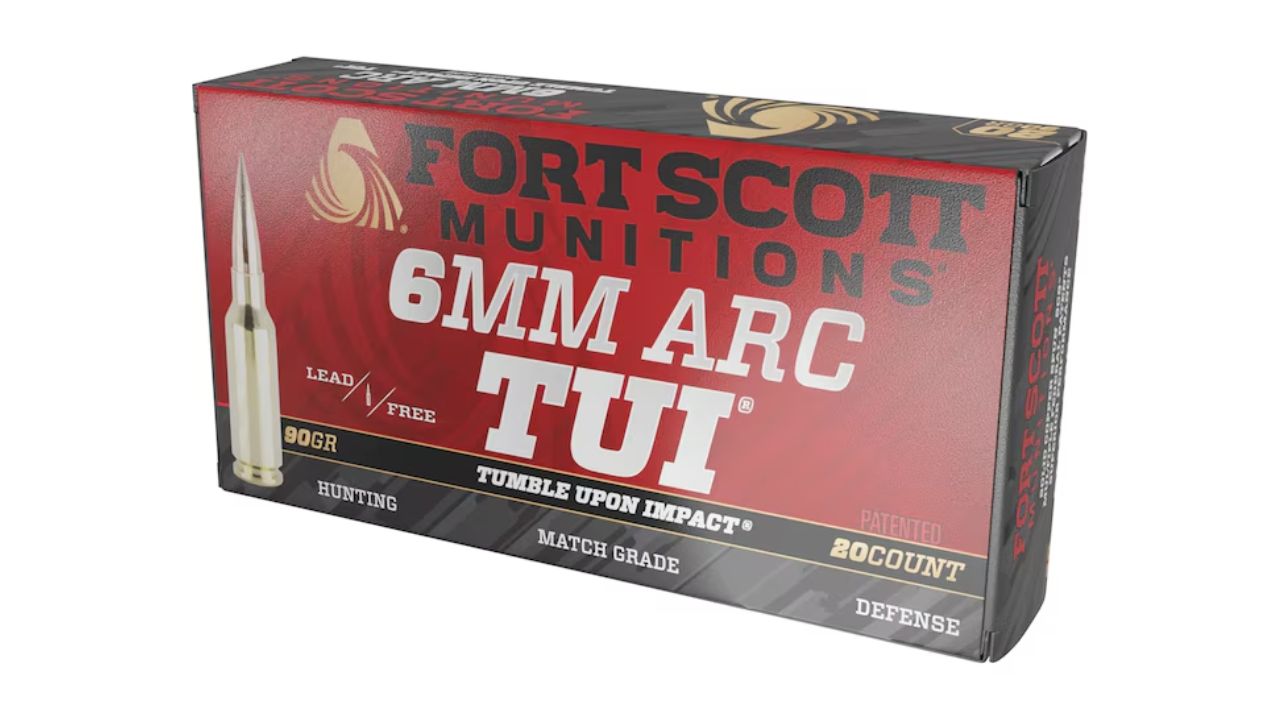
The 6mm ARC has potential, no doubt, but some of the lightweight varmint loads marketed for it leave shooters frustrated. Fast and flat only goes so far if the bullet blows up before reaching vitals or lacks energy to punch through. The 6mm platform needs bullet weight to shine.
When you run those 90-grain screamers, you get quick impacts that sometimes don’t translate to clean kills. Terminal performance can be inconsistent unless you’re choosing loads carefully. It’s another example where pushing speed too hard in the wrong bullet weight makes a solid cartridge underperform.
.17 Mach 2
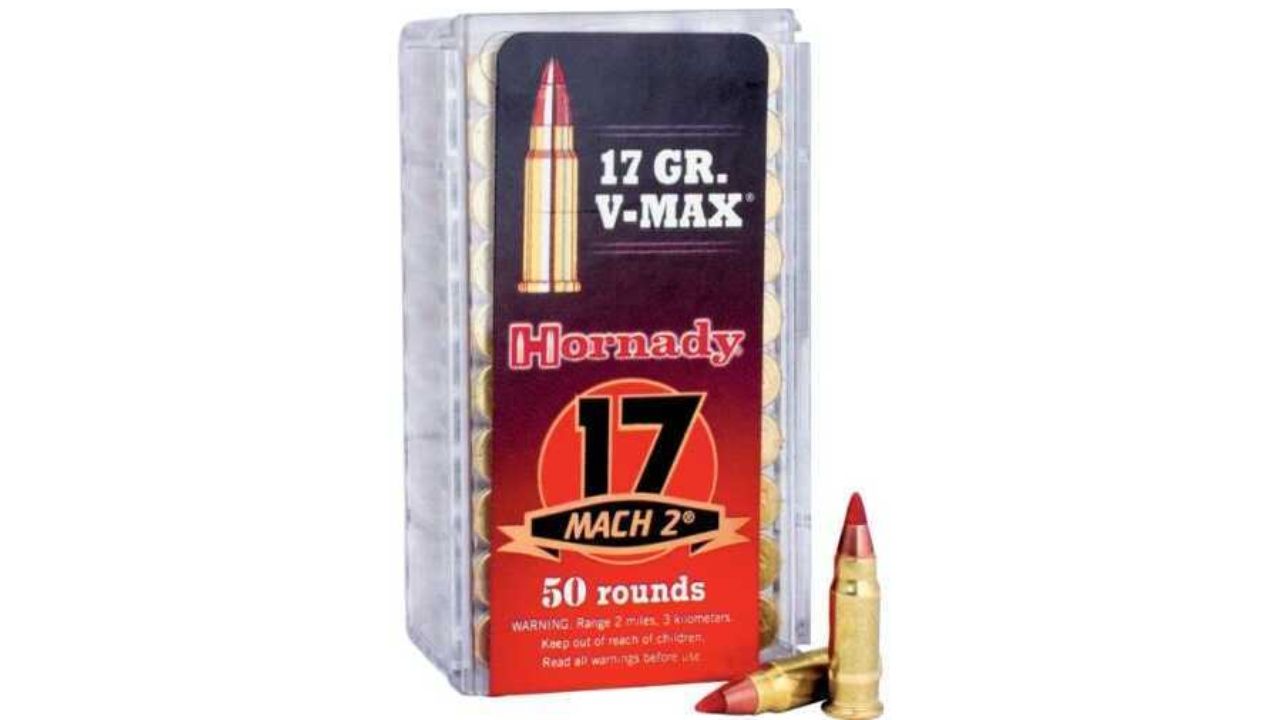
This one never really caught on, and there’s a reason for that. The .17 Mach 2 is fun for plinking and paper, but that’s about where its usefulness ends. It’s built on the .22 LR case, necked down to .17, and it tries to squeeze out speed—but it falls flat in real life.
You’ll see high velocities on the box, but once you’re past 50 yards, there’s not much punch left. Try it on pests or varmints, and you’ll probably end up chasing wounded animals. It’s a niche round with a limited job—and it doesn’t always do that job well.
.243 Winchester (with lightweight varmint bullets)

The .243 Winchester has a loyal following, and rightly so—but not every bullet it throws is a winner. Lightweight varmint bullets at high speeds tend to fragment too early, especially on big-bodied game. They’ll explode on impact and barely reach anything vital.
Plenty of hunters try to make these loads work on deer or hogs and end up frustrated when the animal runs off. The cartridge itself is great—flat shooting, manageable recoil—but the lightest bullets give the illusion of effectiveness thanks to speed. You need construction, not just velocity, to get results.
Like The Avid Outdoorsman’s content? Be sure to follow us.
Here’s more from us:
The worst deer rifles money can buy
Sidearms That Belong in the Safe — Not Your Belt
*This article was developed with AI-powered tools and has been carefully reviewed by our editors.