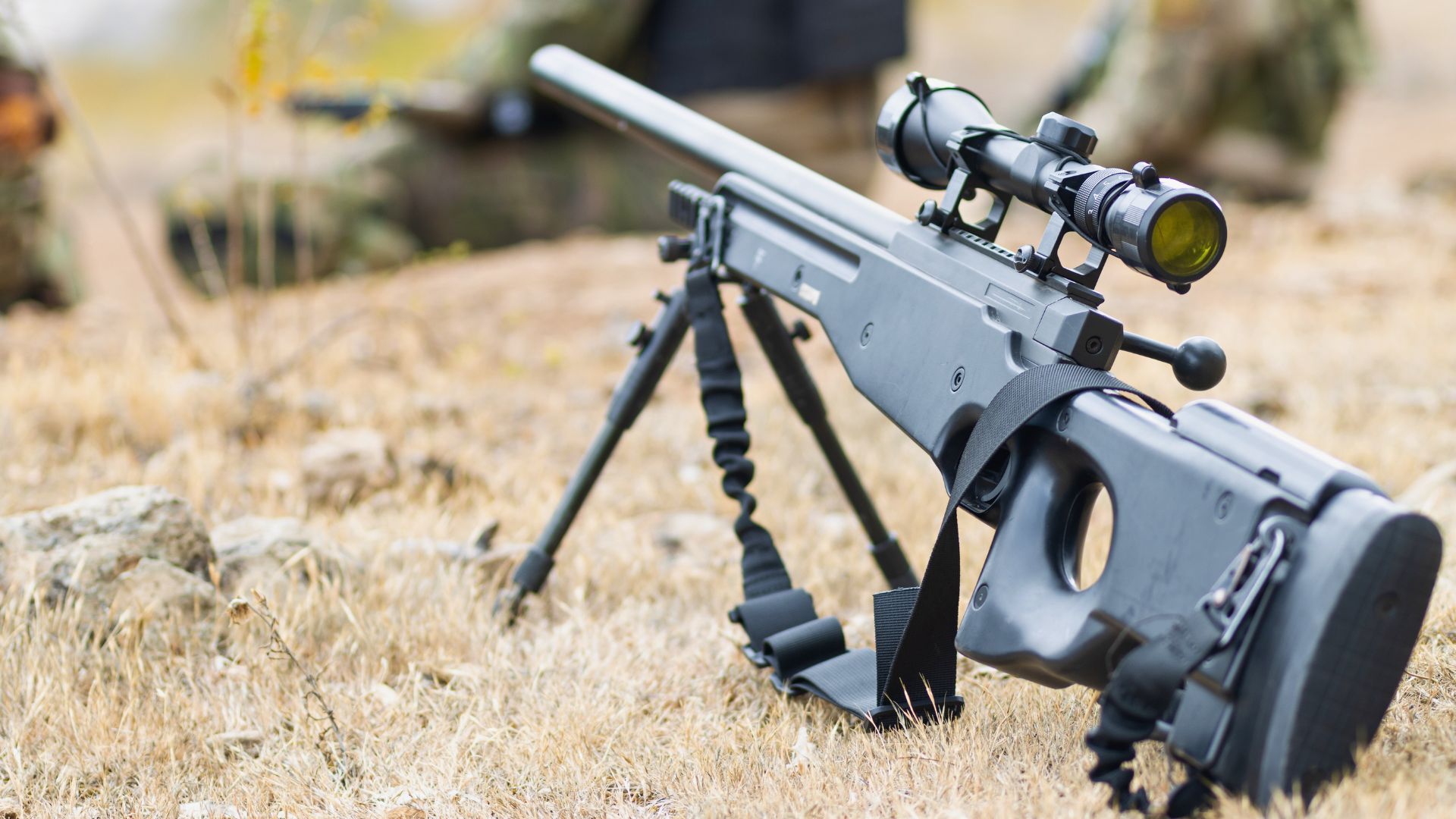
Photo credit: Ojo de Guanche/Shutterstock.com
There’s a line between sturdy and stupid, and some rifles cross it before you even leave the truck. They feel great on the bench and might shoot tight at 100 yards, but the second you strap one to your pack, you start regretting the decision. These aren’t rifles you want to carry on foot for more than ten minutes. Some are tactical builds that were never meant for the woods. Others are overbuilt hunting rifles that forgot what hunting feels like. Either way, if you’ve ever made it halfway up a ridge and wished you’d brought a different gun, you already know what this list is about.
Barrett MRAD

The MRAD was designed for military sniper roles, and it shows in the weight. Even the lightest versions push well past 13 pounds bare, and once you add glass and a bipod, you’re flirting with 16.
It’s accurate, modular, and cool as hell—but not something you want slung across your back for elk season. The folding stock doesn’t help much when every step makes you wish you’d packed lighter. It’s a bench gun, a precision platform, or a range toy. It is not a rifle you’ll want dragging through timber or carrying uphill unless you brought a pack mule with it.
Ruger Precision Rifle

The Ruger Precision Rifle has made a name for itself as an affordable long-range tool, but it’s a beast to carry. Most models are over 10 pounds before you even add a scope.
The chassis is solid and the accuracy is impressive, but the thing handles like a manhole cover in the woods. It balances poorly for offhand shooting and will wear you out fast on any hunt that involves real movement. If you’re hunting from the cab of a truck or a box blind, it makes sense. If you’re hiking more than a mile, you’ll regret it quick.
M1A Loaded
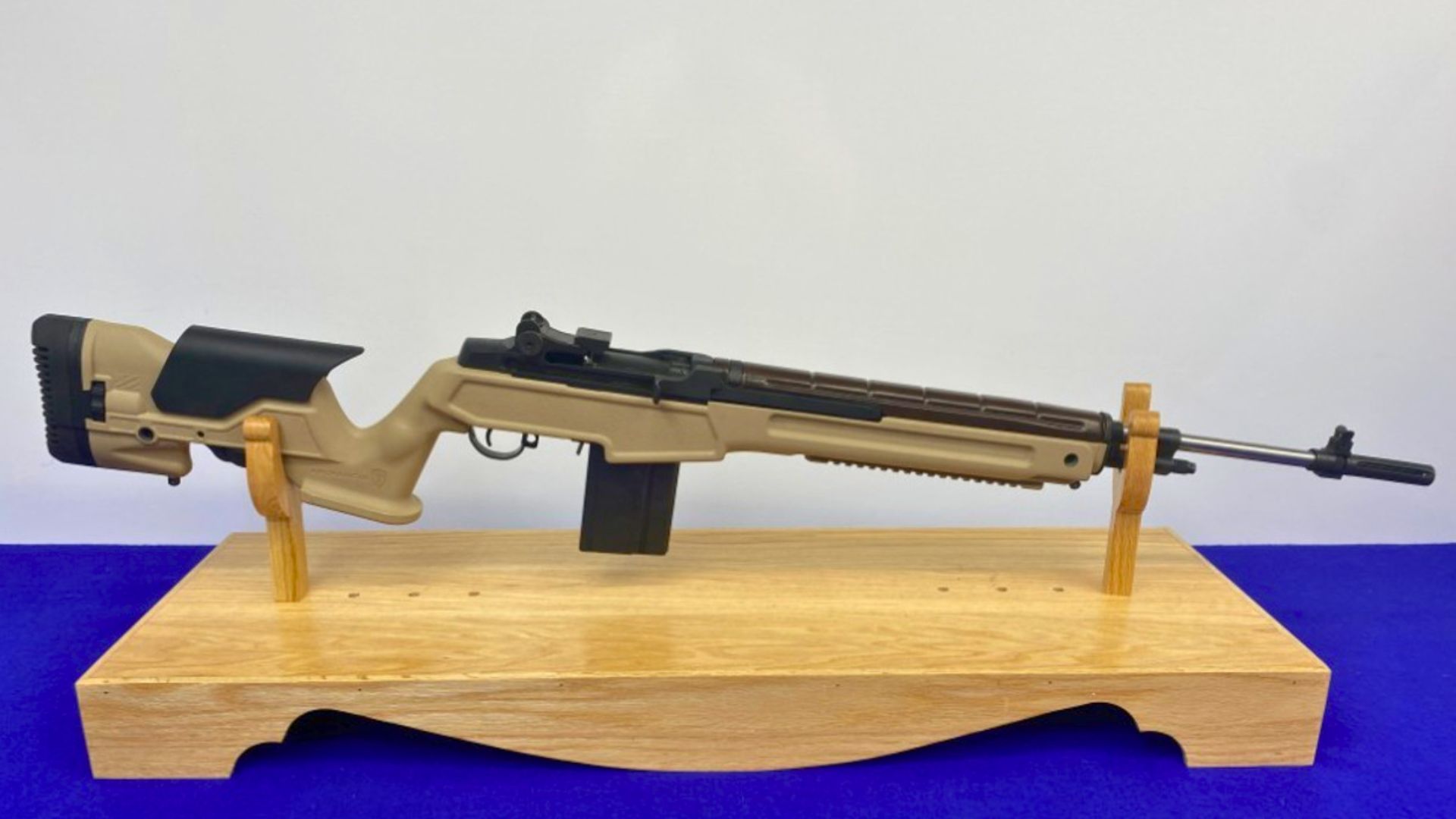
The Springfield M1A is already a hefty platform, and the Loaded model piles on even more. Heavy barrel, full-length stock, and a chunky action put this one north of 11 pounds with a basic scope.
It’s got great balance on the bench, but that doesn’t help much when you’re slogging through brush with it on your shoulder. Every ounce feels worse the longer you carry it, and it’s awkward to sling tight against your back. You’ll appreciate it when it shoots well, but you won’t be smiling while hauling it to the next ridge.
Remington Sendero SF II
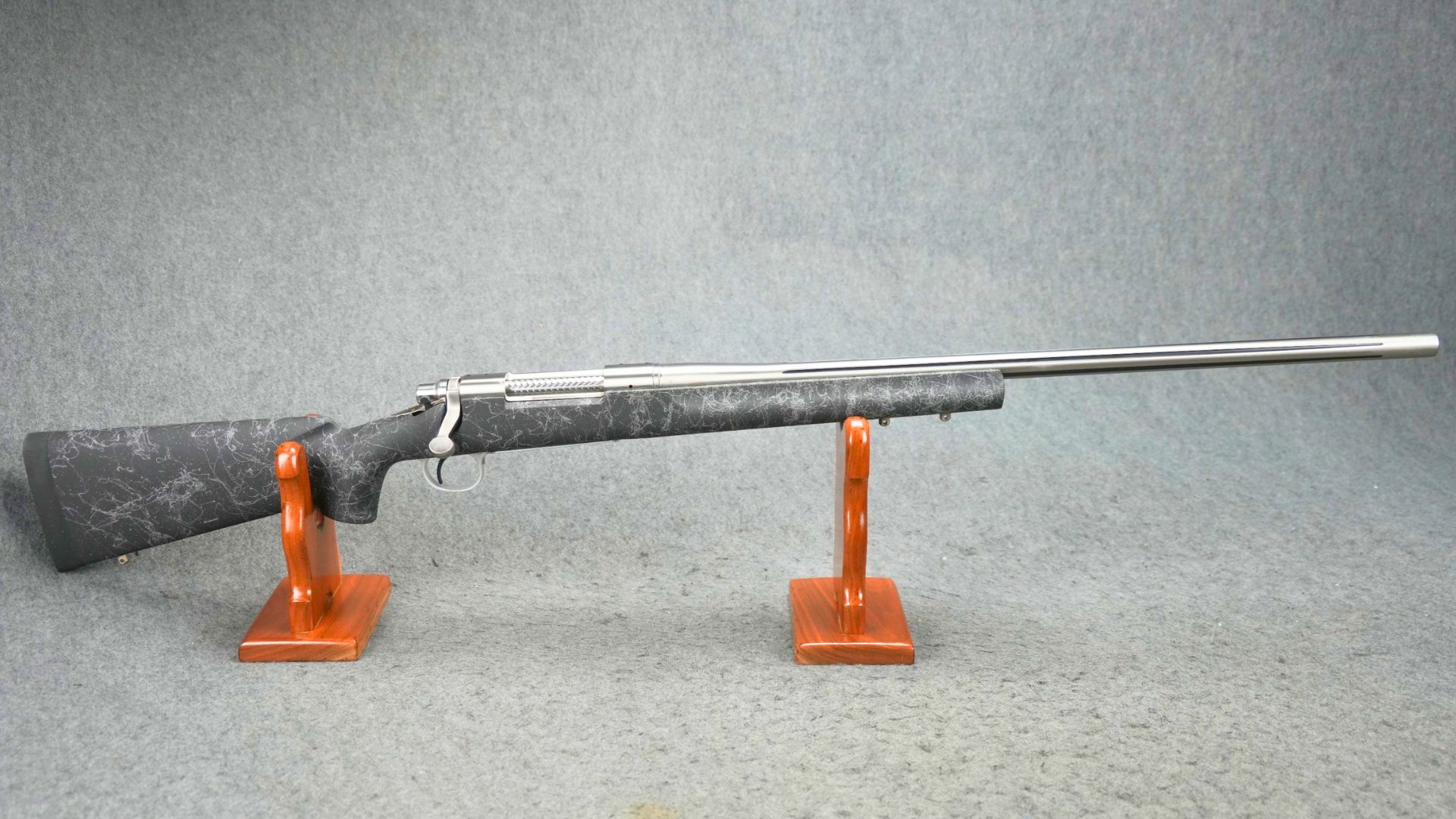
The Sendero SF II is meant for precision at range, not lightweight carry. With a long, heavy-contour barrel and a laminate stock, it tips the scales closer to benchrest territory than hunting rifle.
Even in .300 Win Mag, it handles recoil well—but it punishes your legs and shoulders on a backcountry hike. It’s a good rifle for wide-open shots from a prone position, but if your hunt involves still-hunting or hiking steep timber, you’ll start eyeing something lighter before long. It belongs on a bipod or a beanfield, not strapped to your back.
FN SPR A5M
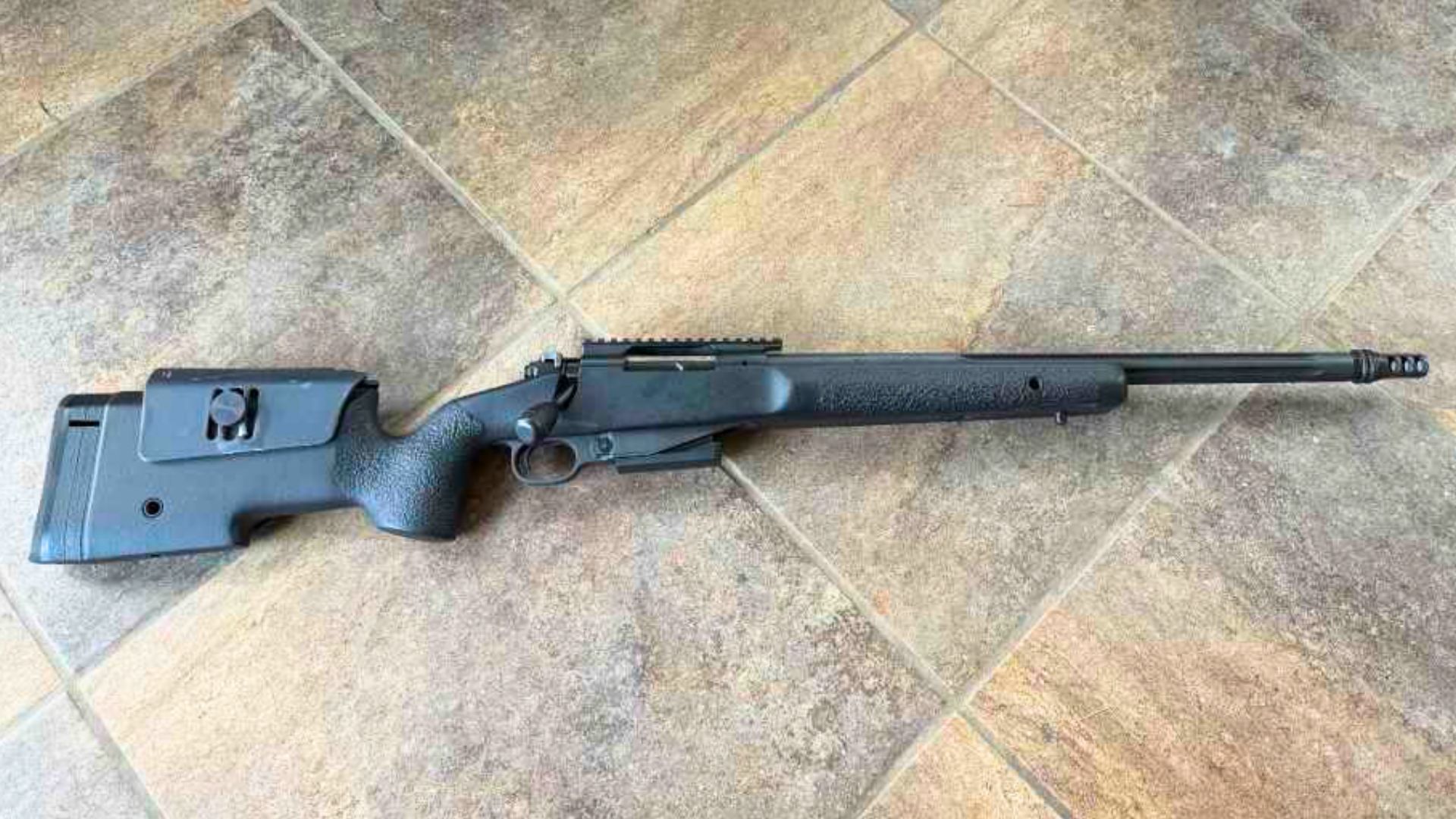
The FN SPR is a serious duty rifle, and it was never meant to be light. With its McMillan stock and beefy barrel, you’re looking at 11 pounds before glass. That’s before you add a sling, loaded mag, or anything else.
It’s well-built and incredibly accurate, but hauling it across uneven ground or steep terrain will wear you down fast. You’ll spend more time adjusting your sling than glassing for game. If you’re prone to hike and glass all day, there are better options. This rifle was made for precision and stability, not mobility.
Savage 110 BA Stealth

The 110 BA Stealth looks great on paper—modular chassis, long barrel, adjustable everything—but it’s a tank. Even the .308 version is heavy, and the magnum models push the scale well past practical.
The weight helps with recoil and accuracy, but it’s miserable to carry. It snags on brush, digs into your back, and makes every uphill climb feel twice as long. It works great from a blind or a fixed position, but if your style involves movement, you’re going to get tired of it fast. It’s not a field gun—it’s a fixed-position rifle that plays well only in open country.
Accuracy International AT
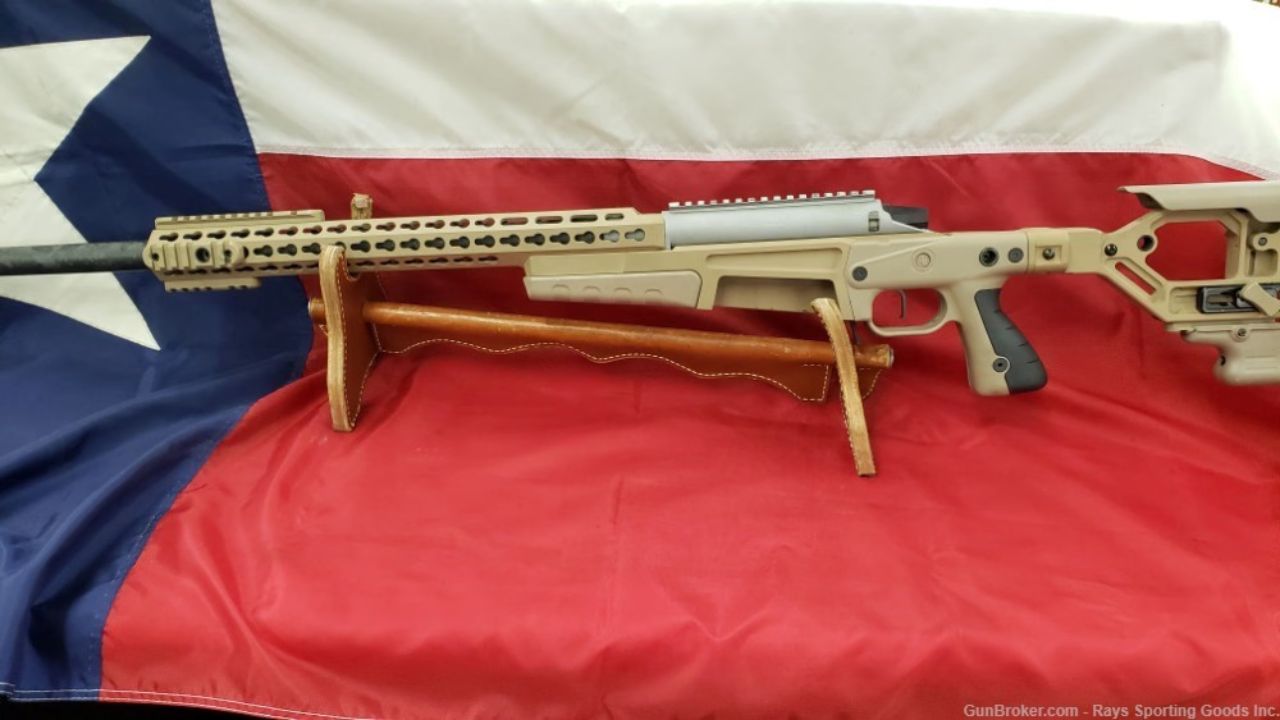
The AT is world-class in terms of construction and repeatable accuracy, but the weight makes it a chore. Even with a short barrel, you’re dealing with a 12-pound rifle that doesn’t balance well for walking.
The folding stock helps with storage, not carry. It’s best used when you’re operating from a static position and can brace on a pack or bipod. If you’re stalking deer or hiking hard terrain, it turns into dead weight in a hurry. It’s one of those rifles that’s exceptional at one thing—but hiking isn’t it.
Weatherby Mark V Accumark
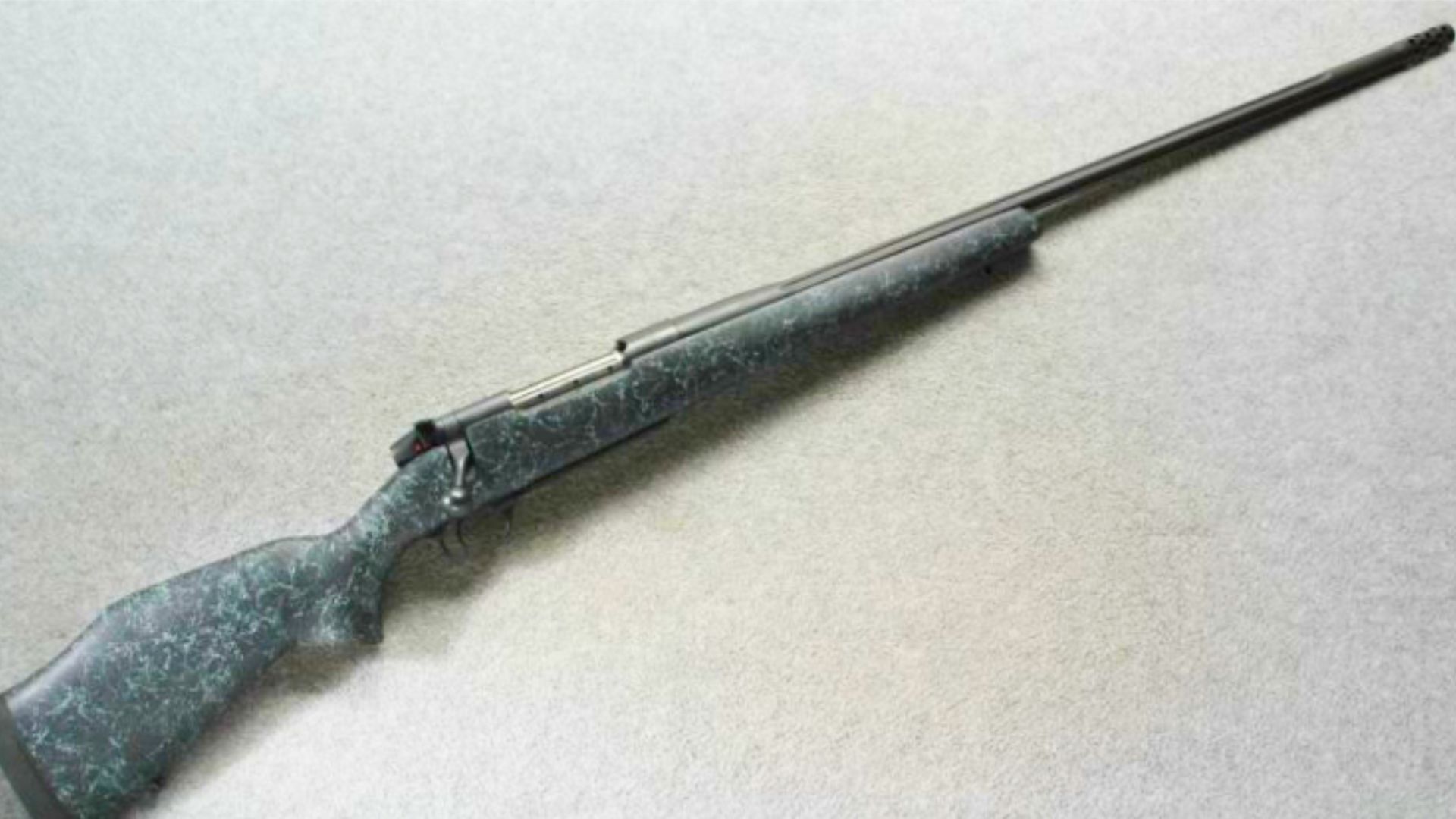
Weatherby’s Accumark is built for long-range hunting, but the weight can be a dealbreaker in steep country. It comes with a fluted barrel and fiberglass stock, but still tips over 9 pounds with a scope.
In flatland or prairie hunts, it does fine. But once you’re hiking up and down ridges or crawling through timber, that extra pound or two adds up. The barrel’s front-heavy, too, which makes offhand shots a challenge. For stand hunting, it makes sense. For chasing elk through elevation changes, you’ll wish you’d packed something half the weight.
AR-10 in .308

A lot of AR-10 builds are accurate and modular—but also absurdly heavy. Full-length rails, stainless barrels, and large-frame receivers stack weight in a hurry. Even stripped builds often sit at 9–10 pounds unloaded.
Once you add an optic, sling, and loaded mag, it turns into a 12-pound anchor. Recoil is tame, sure, but you pay for it with every step. These rifles are better suited for fixed-position shooting than any kind of walk-and-stalk hunting. You’ll know you made a mistake the moment you shoulder it for an all-day trip in rough country.
H-S Precision Pro Series 2000
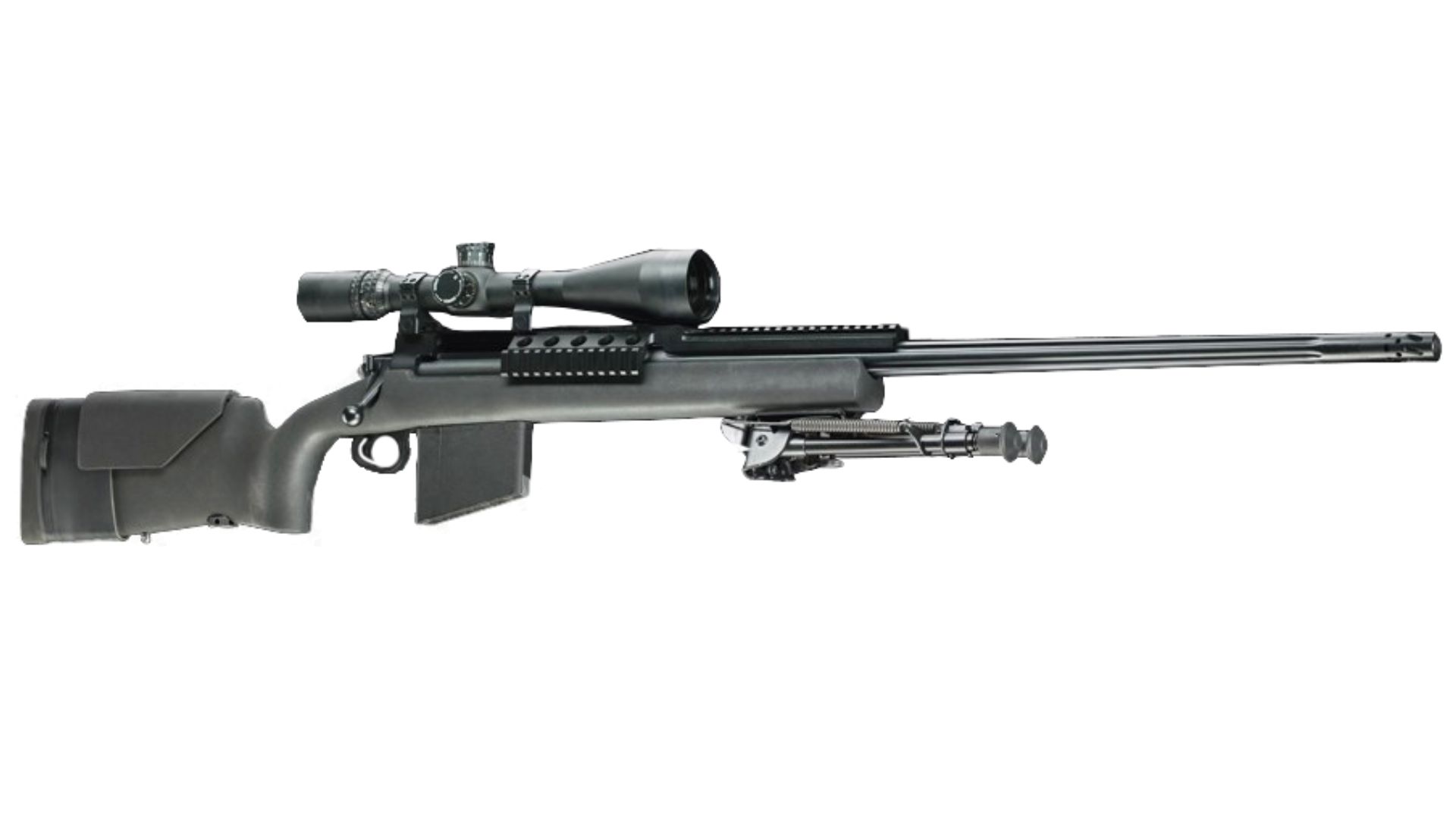
The Pro Series 2000 is a great rifle on the bench, but it’s overbuilt for field carry. Heavy fluted barrels and full-profile stocks make for a platform that’s stable—but exhausting.
Even chambered in mid-size cartridges, the weight creeps past the point of practical for a mountain hunt. If you’re riding in and setting up shop, it shines. But on a mobile hunt, it slows you down. Every step with this rifle feels like a choice. It’s hard to knock the performance, but the weight means it won’t be your first choice when miles matter.
Christensen Arms ELR
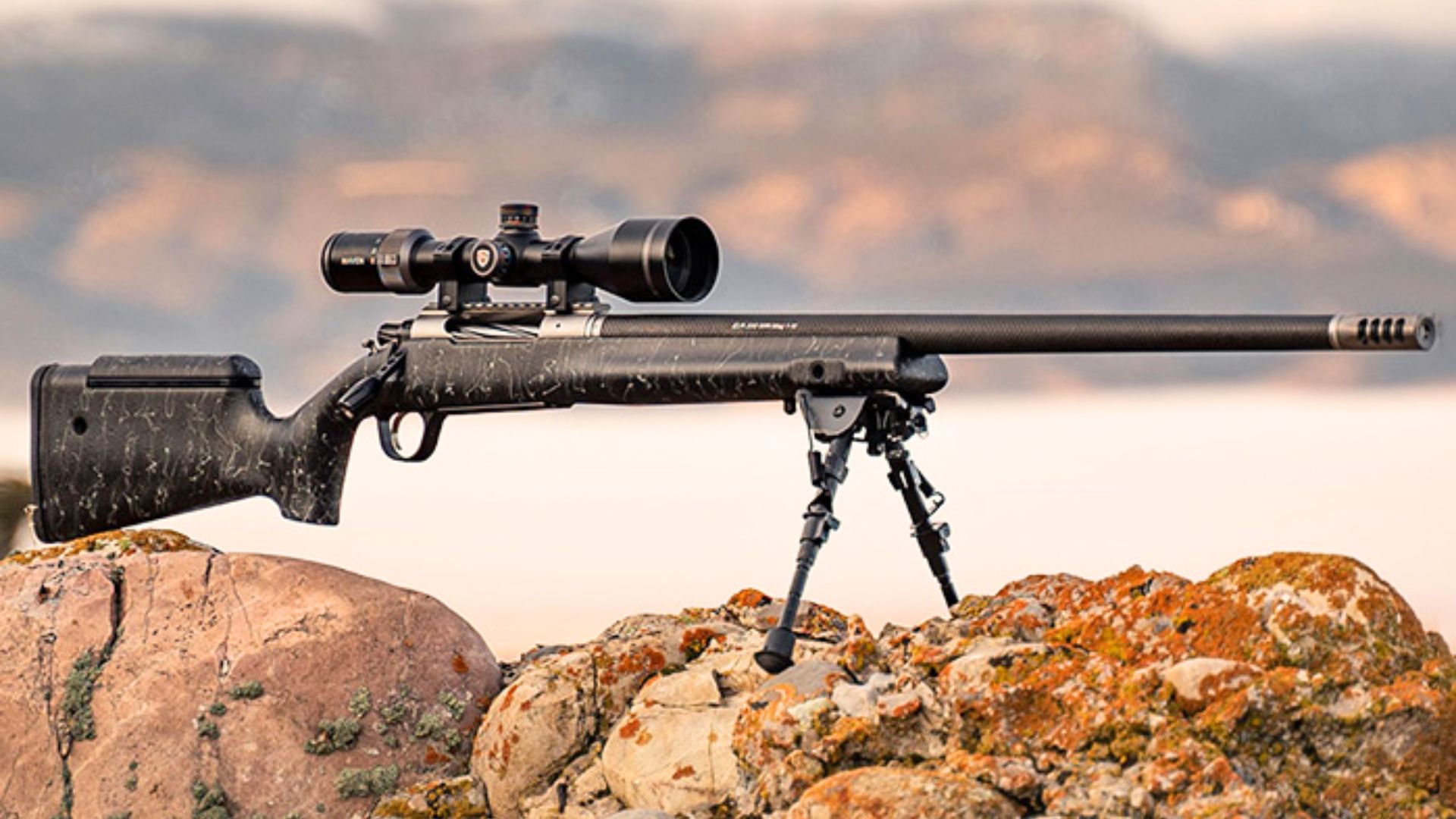
The ELR pushes the limit of what counts as a hunting rifle. It’s made for long-range accuracy, and that focus shows in the length, barrel profile, and chassis layout. Even with carbon fiber components, it still ends up heavy.
Add a large scope and a bipod, and you’re carrying something that feels more like a match rifle than a field gun. It’ll reach out across valleys, sure—but carrying it to that vantage point is another story. It’s meant for shooters who plan their shots from fixed positions, not hunters moving through steep terrain or thick cover.
SIG Cross PRS
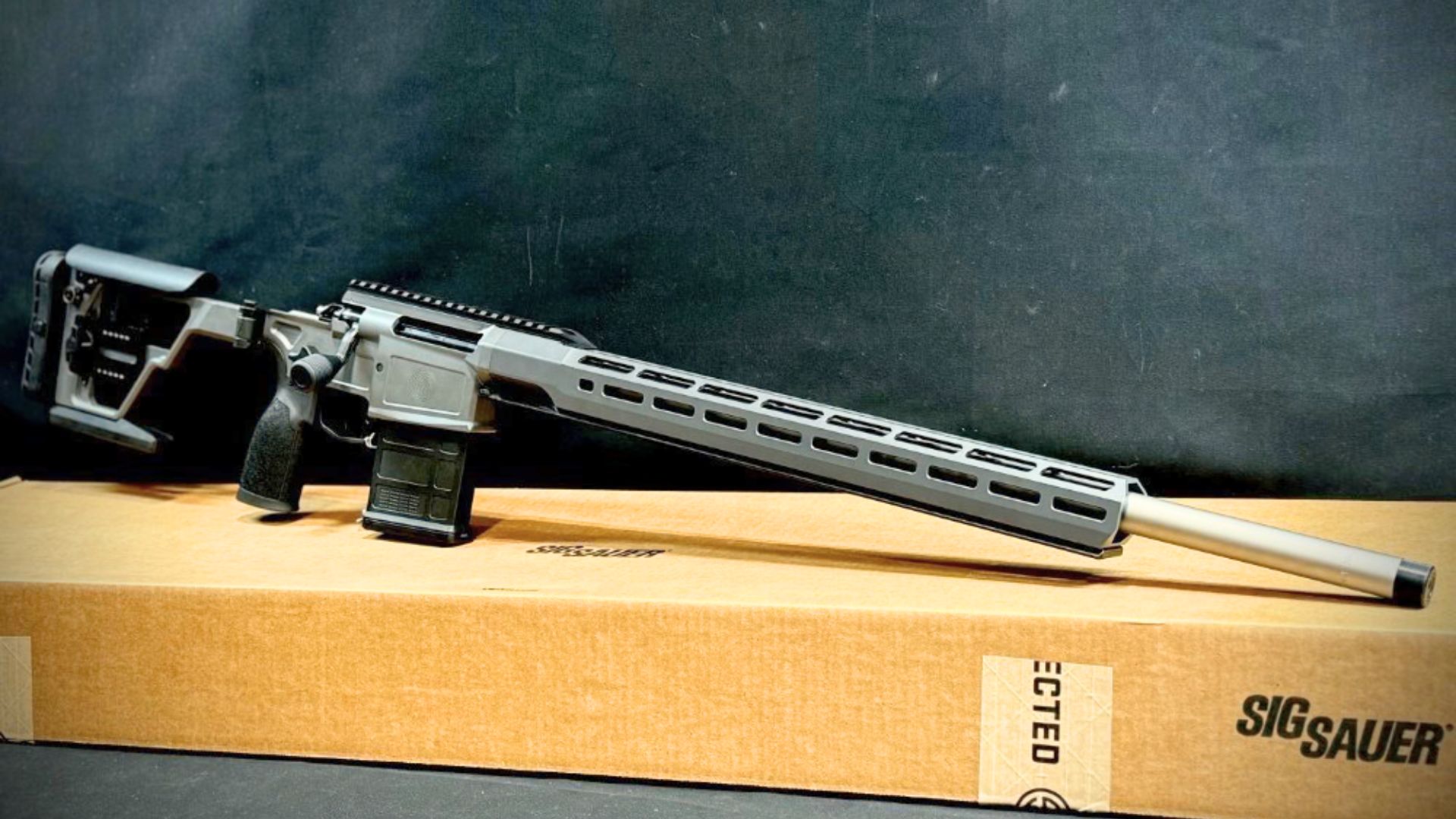
The Cross PRS is an accurate, well-designed rifle—but it’s built more like a competition gun than something you’d want on your shoulder all day. The long barrel and full-length rail add mass, and the balance is better suited to barricades than backpacks.
Even in 6.5 Creedmoor, the weight approaches ten pounds with a scope. The modularity is nice, but it comes at a cost. For static shooting or range work, it’s great. For hiking a couple miles into the timber, it gets old quick. If you’ve got to climb, crawl, or hustle—this rifle stays home.
Like The Avid Outdoorsman’s content? Be sure to follow us.
Here’s more from us:
The worst deer rifles money can buy
Sidearms That Belong in the Safe — Not Your Belt
*This article was developed with AI-powered tools and has been carefully reviewed by our editors.