Photo credit: superiorpawn_VB/GunBroker
The Ruger Security-9 is one of those pistols that a lot of shooters recognize as an affordable carry and home-defense option, but not everybody knows what makes it a little different from the sea of other polymer 9 mms. Ruger’s own serial-history page shows the Security-9 line beginning in 2017, and the early American Rifleman review described it as a well-balanced, feature-rich pistol aimed squarely at the value-conscious defensive-handgun market.
What makes the Security-9 more interesting than many people realize is that it was never just “Ruger’s budget Glock competitor.” It came with its own internal operating system, its own line of compact and Pro variants, and a design philosophy that tried to keep cost down without stripping away the features most shooters actually care about. Standard reference history says the line now includes the original Security-9, Security-9 Compact, and Security-9 Pro models, while Ruger’s product-history page confirms the family has been in production since 2017.
1. The Security-9 launched in 2017

A lot of shooters assume the Security-9 has been around longer than it really has, probably because it settled into the market pretty quickly. Ruger’s official product-history page shows the Security-9 line beginning in 2017, and standard reference history says the pistol was announced in late 2017.
That timing matters because the Security-9 entered a market already packed with striker-fired carry guns, polymer compacts, and budget-minded 9 mms. It did not get the advantage of being first. It had to stand out on value and execution.
2. It was meant to be an affordable defensive pistol from the start
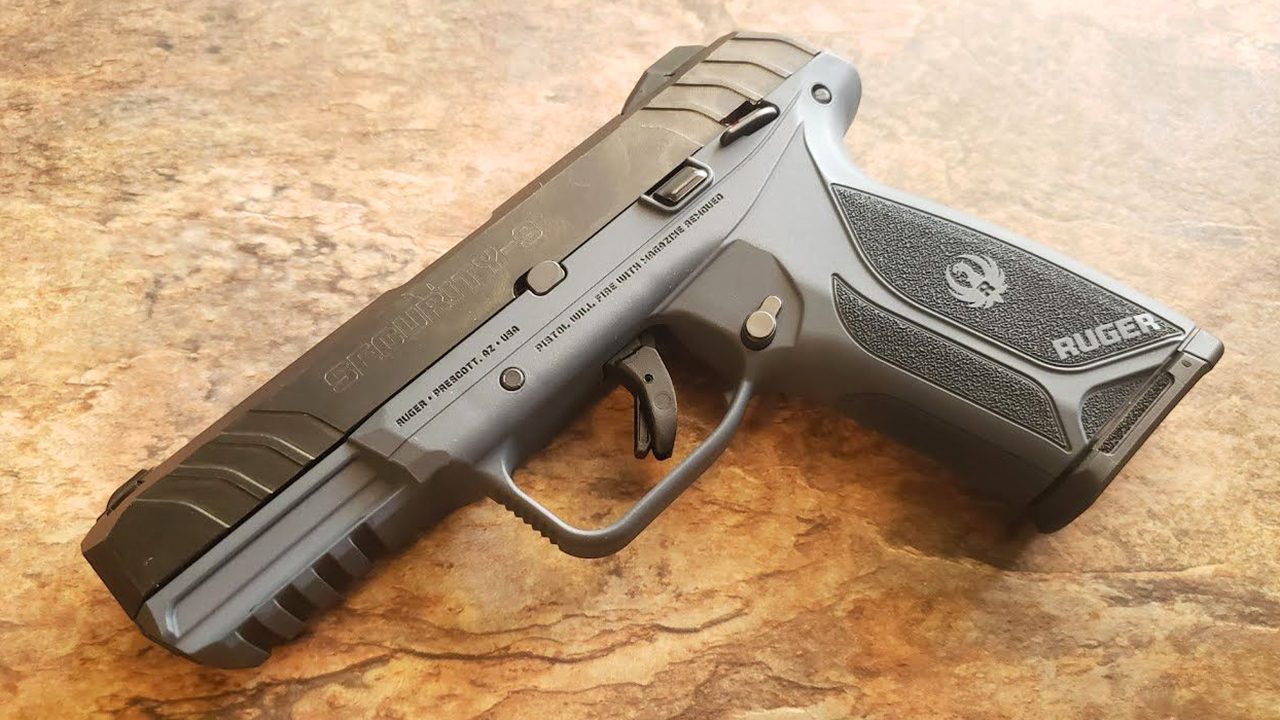
The Security-9 was not launched as a competition gun, duty gun, or range toy first. American Rifleman’s 2018 test described it as an impressive, well-balanced package of features for the price, while Shooting Illustrated emphasized its carry-friendly size and notably low suggested retail price.
That is a big part of why the pistol mattered. Ruger was clearly trying to hit the buyer who wanted a modern 9 mm with practical defensive features, but did not want to pay more than necessary to get there.
3. It is hammer-fired internally, not striker-fired

This is one of the biggest things people miss about the Security-9. Standard reference history says the pistol uses an internal hammer-fired mechanism rather than a striker-fired system, even though from the outside it fits right into the polymer defensive-pistol category.
That matters because it gives the Security-9 a different internal personality from many of the pistols it gets compared against. It may look like another striker-style polymer gun at first glance, but internally it is doing something different.
4. Ruger calls the action “Secure Action”

The Security-9 does not just use an internal hammer in a generic way. Standard reference history says Ruger calls the mechanism “Secure Action,” combining elements of a hammer-fired system with a trigger feel meant to compete in the modern carry-pistol market.
That naming also tells you Ruger thought this action was central to the pistol’s identity. The Security-9 was not simply about price. It was also about offering a different operating system that still felt familiar enough for people used to newer defensive handguns.
5. It was built with easier slide racking in mind

One of the more practical benefits tied to the Security-9’s internal-hammer system is the way the slide feels. Standard reference history notes that the hammer system helps make racking the slide easier than some people expect from a compact 9 mm.
That may sound like a small point, but it matters a lot for the intended audience. A carry pistol that is easier to manipulate can appeal to newer shooters, smaller-framed shooters, or anybody who does not want an overly stiff, fight-heavy slide in a defensive gun.
6. It uses a glass-filled nylon frame

The Security-9’s frame material is another place where Ruger followed its established formula. Standard reference history says the pistol uses a glass-filled nylon polymer frame, like other Ruger pistols such as the American Pistol and SR-Series.
That is worth knowing because Ruger has long leaned on this kind of construction in its polymer handguns. The Security-9 was not some experimental materials project. It was built around the company’s established approach to durable, lightweight handgun frames.
7. It takes 15-round magazines, and Ruger also offers 17-round mags
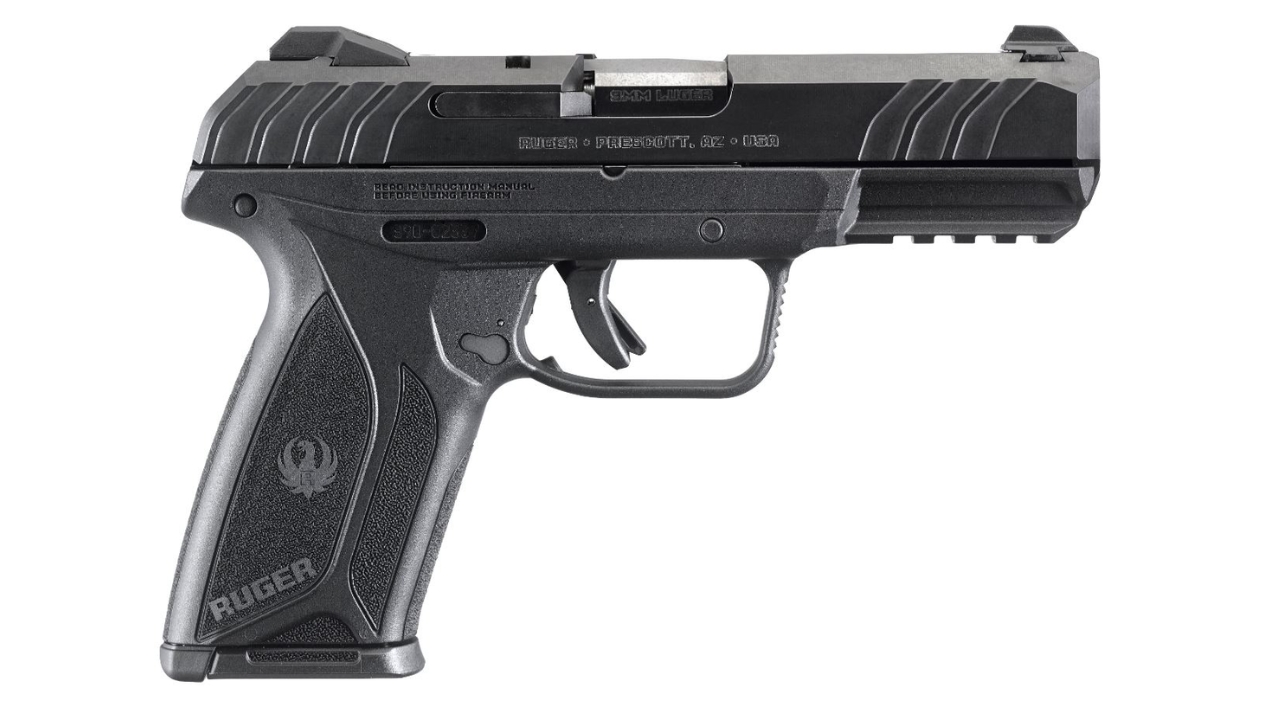
A lot of people think of the Security-9 as a smaller-capacity carry gun, but standard reference history says the standard pistol ships with 15-round magazines and can also use Ruger’s 17-round magazines.
That gave the pistol a pretty attractive balance for its market lane. It stayed slim and carry-friendly enough for a lot of users while still offering more capacity than many single-stack-style alternatives.
8. The magazines share some compatibility with other Ruger pistols

This is one of the more overlooked practical details. Standard reference history says Security-9 magazines will function with certain SR-Series guns, and that SR-Series magazines also work in the Security-9.
That kind of compatibility is the sort of thing longtime Ruger owners appreciate right away. It can make the Security-9 a little easier to integrate for people who already have other Ruger 9 mm pistols and related magazines around.
9. It has front cocking serrations

A lot of budget pistols cut features to hit price points, but the Security-9 kept some things shooters often want. Standard reference history points out that the pistol includes front cocking serrations, which the full-size SR9 did not have.
That is a small but telling detail. Ruger was trying to keep the Security-9 inexpensive, but not so stripped down that it felt behind the market in everyday handling.
10. It has a real Picatinny accessory rail
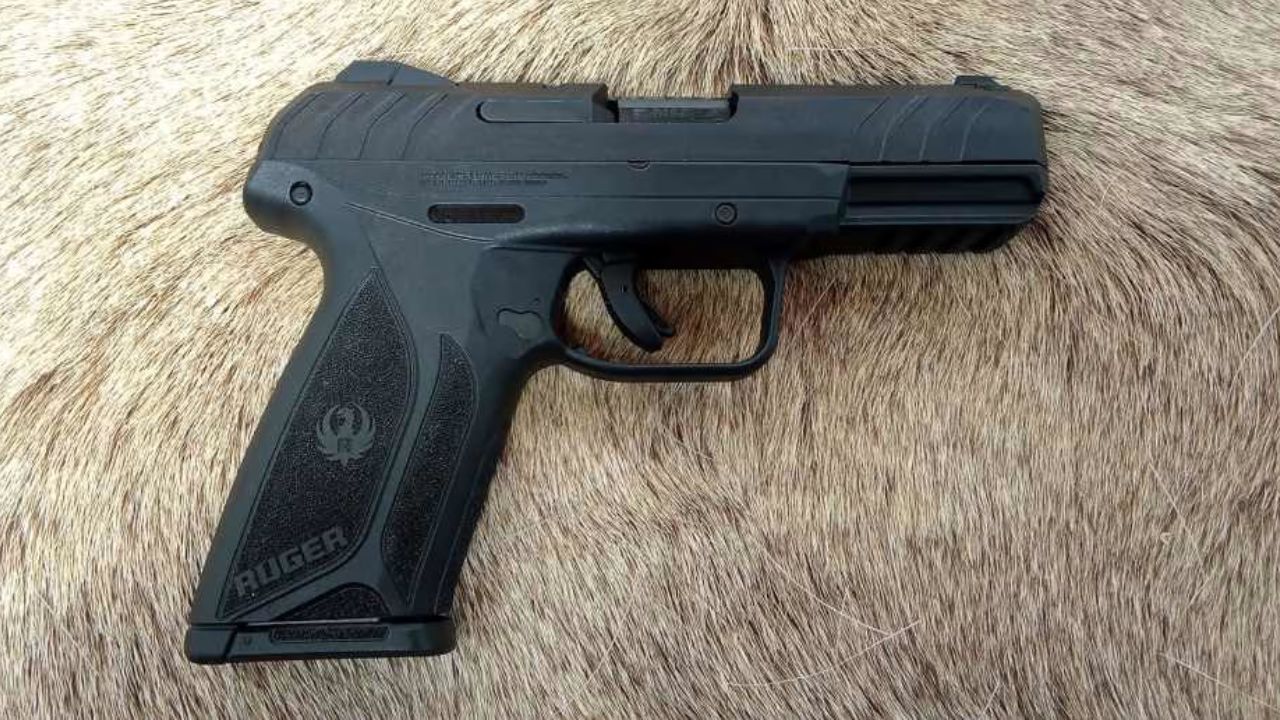
The Security-9 was also built to work as a practical home-defense pistol, not only a concealed-carry gun. Standard reference history says it includes a standard Picatinny rail for accessories.
That matters because lights and lasers are not fringe add-ons anymore for defensive pistols. Including a true accessory rail helped the Security-9 feel more complete than some other lower-cost handguns in its class.
11. Ruger launched factory laser-equipped versions early on
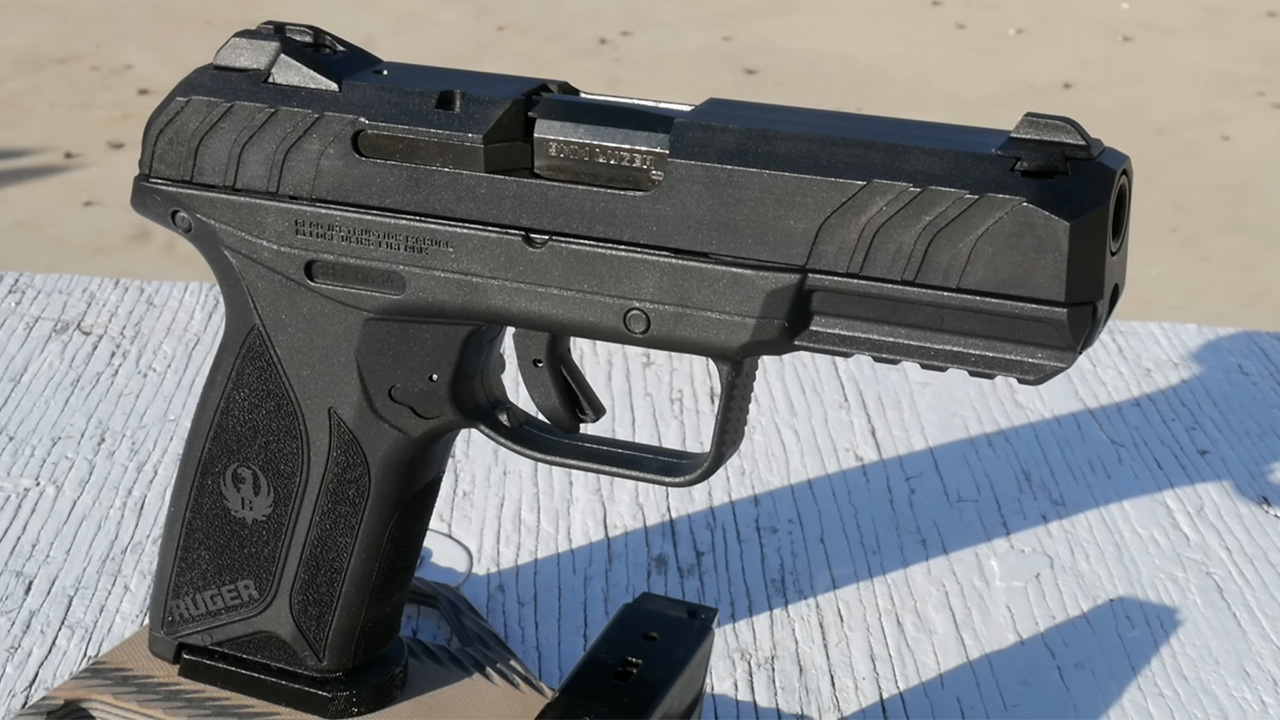
The standard Security-9 was not the only version Ruger pushed. Standard reference history says some early models came from the factory with a Viridian E-Series red laser mounted on the accessory rail.
That tells you Ruger understood where a lot of buyers were headed with the pistol. The Security-9 was being sold not just as a basic handgun, but as a defensive platform that many owners might want to outfit right away.
12. The Compact version did not arrive until 2019

A lot of people now mentally picture the Security-9 Compact as if it had always been there, but standard reference history says Ruger introduced the Security-9 Compact in 2019. American Rifleman’s 2019 test coverage matches that timeline.
That is a good reminder that the Security-9 line grew over time instead of launching as a full family all at once. Ruger started with the standard pistol, then expanded once the concept had already found its footing.
13. The Compact was rated for +P, but with a caveat
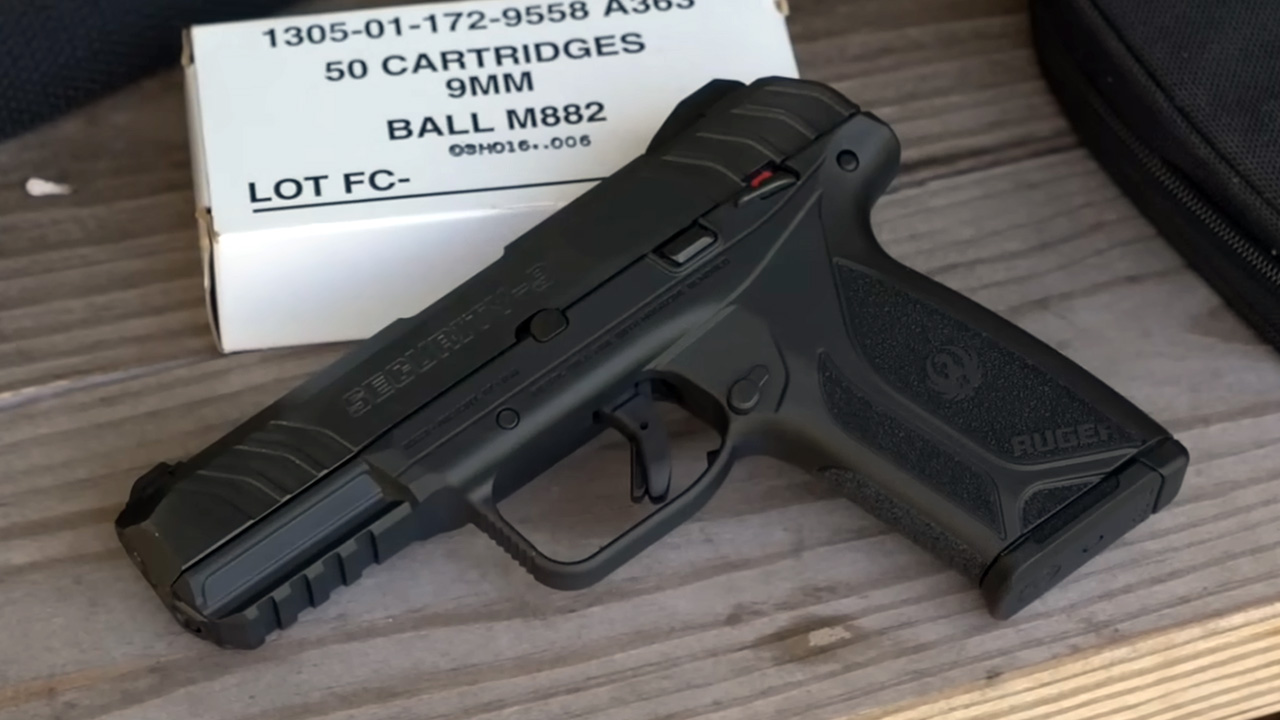
This is one of those practical facts buyers really should know. American Rifleman’s 2019 Compact review says the Security-9 Compact is safety-rated for all SAAMI-spec ammunition, including +P loads, but also notes that a steady diet of hotter ammunition will wear the pistol out more quickly.
That is a pretty sensible middle-ground message. The gun can handle defensive loads many people want to carry, but Ruger’s affordable compact is not being marketed like something you should pound with hot ammo forever just for fun.
14. The Pro models dropped the manual safety and added better sights
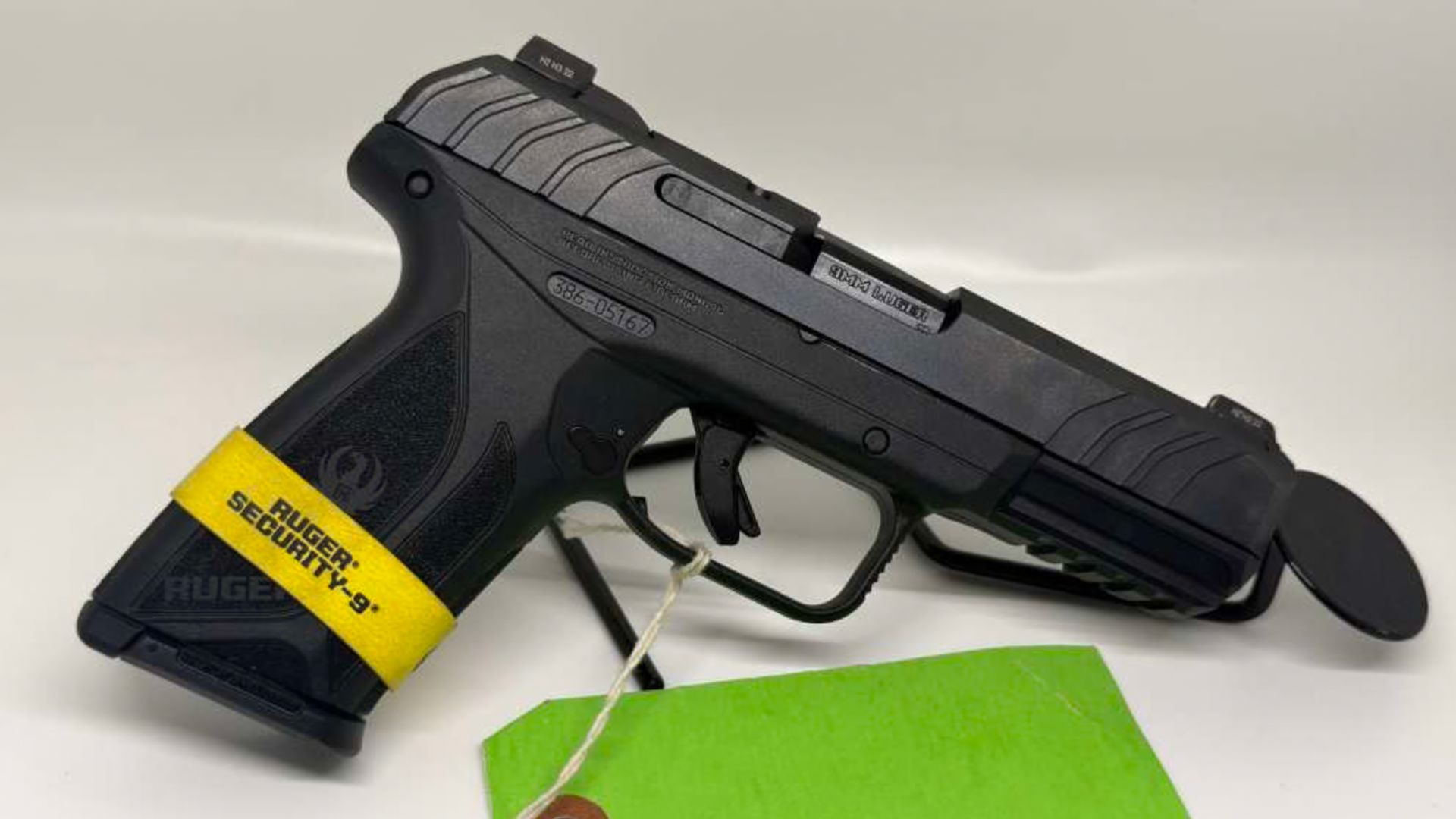
The Security-9 Pro line is another part of the family people often forget about. Standard reference history says Ruger introduced the Security-9 Pro series in 2019, with factory-installed steel tritium night sights and no manual thumb safety.
That is a meaningful twist because it shows Ruger knew some buyers wanted a cleaner, more carry-focused setup without the extra manual safety lever. The Pro versions were not just cosmetic upgrades. They changed the handling profile of the gun.
15. The biggest thing most people miss is that the Security-9 succeeded by being different in the right places, not by being flashy
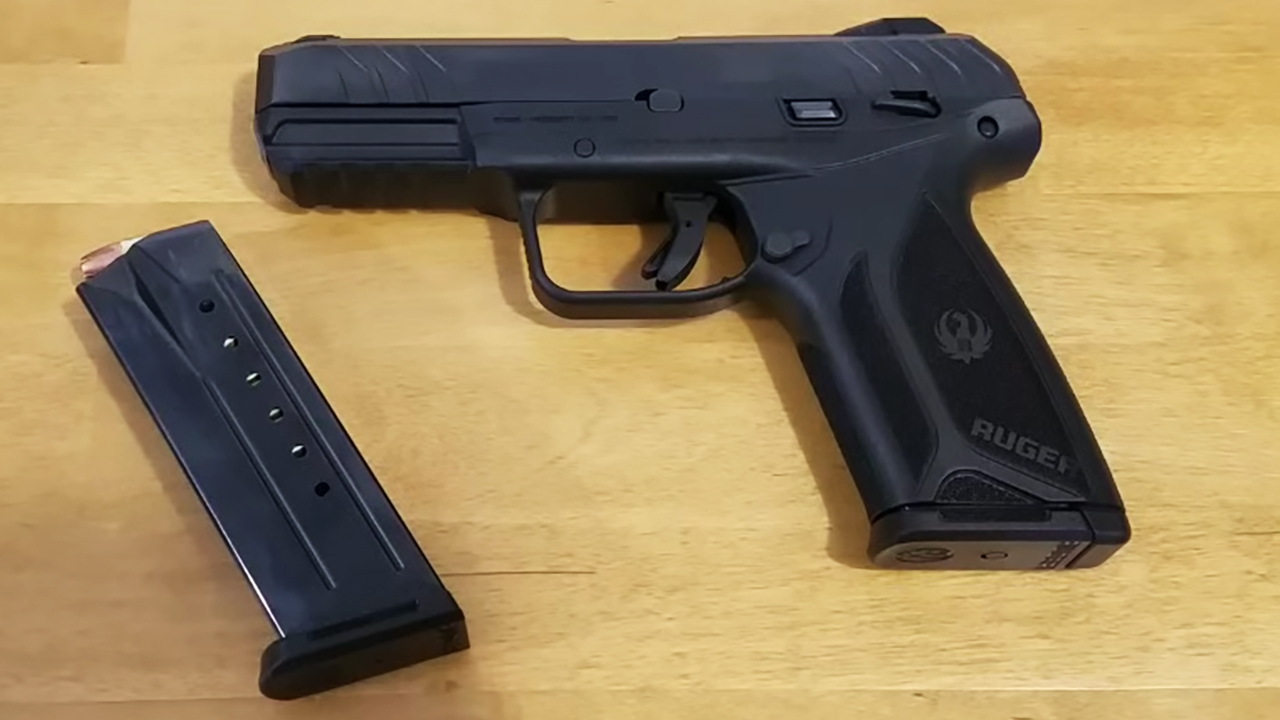
The Security-9 never built its reputation on hype. Instead, it offered a low price, practical capacity, an internal-hammer action, usable controls, accessory-rail capability, and later family growth into Compact and Pro models. The early American Rifleman and Shooting Illustrated reviews both basically land in the same place: it was a handy, capable, well-priced defensive 9 mm.
That is probably the most interesting fact about the pistol now. The Security-9 was not trying to be trendy. It was trying to be useful and affordable, and that is exactly why it found its audience.
Like The Avid Outdoorsman’s content? Be sure to follow us.
Here’s more from us: