
You’ve probably watched it happen in real time: guns that were “nice to have” money around 2020–2021 are now “think about it for a week” money. It isn’t magic. It’s a mix of dried-up supply (imports and surplus), factory shutdowns and relaunches, internet-driven nostalgia, and the fact that certain models got crowned as the version to own—so the average used example starts getting priced like a collectible.
If you want to stay sane, you look at what’s actually driving the spike: limited production runs, no more imports, or a reputation that keeps pulling new buyers in even when the price tag jumps. Here are the ones you’ve seen go from common to costly fast.
Marlin 336 (JM-stamped)

Five years ago, a clean JM-stamped 336 was still the kind of rifle you’d find leaning in a rack at a small shop and actually feel good about buying on the spot. Then the supply tightened, the “JM” stamp became a shorthand for “the one you want,” and the online market started treating them like a separate tier.
In the field, you get why people chase them. They carry right, point fast, and that .30-30 does deer work without drama. But the price jump means you can’t be casual anymore. If you’re buying, you’re inspecting like a gunsmith: crown, bore, screw heads, and the lever feel. The stamp isn’t a force field—condition still rules.
Marlin 1895 SBL
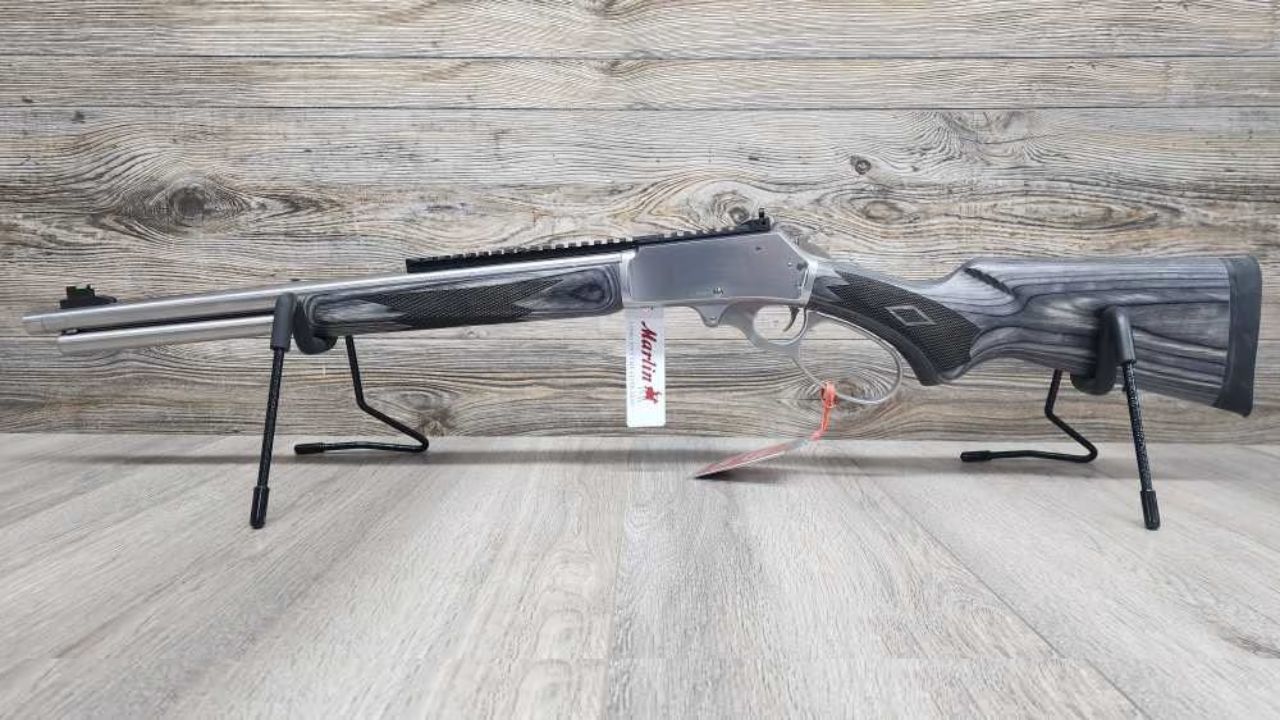
The 1895 SBL became the poster child for the modern lever craze. It looks the part, shoots a cartridge people already daydream about, and it fits the “woods rifle” fantasy better than most. That combo turns an already-popular .45-70 into a demand machine.
What burns you is thinking you’re paying for performance alone. You’re paying for a moment in time—limited availability and a model that gets talked up constantly. If you actually hunt with one, you’ll appreciate the weight when recoil shows up, and you’ll like how handy it is in tight timber. But if you’re shopping today, you treat it like a used truck: you’re not only buying capability, you’re buying what the market decided it’s worth.
Winchester Model 94 (pre-64)
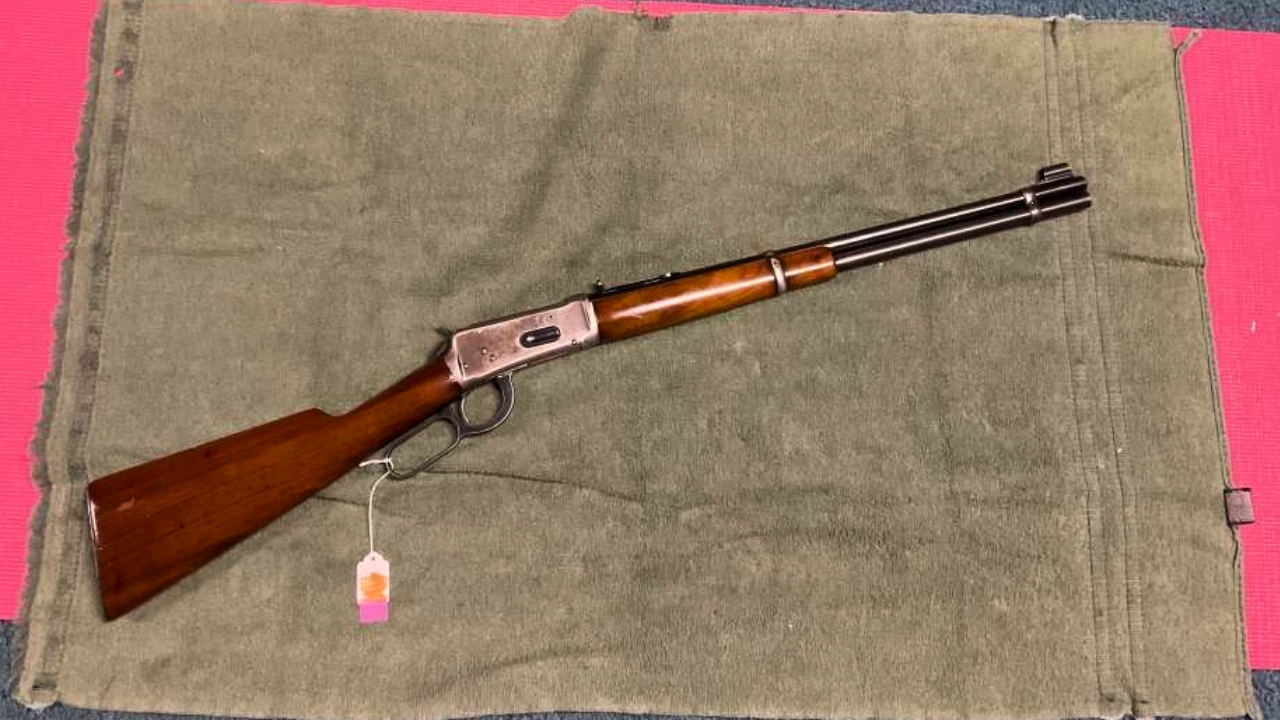
A pre-64 Model 94 didn’t become expensive because it stopped working. It became expensive because people decided it represents an era. The fit, the feel, the way it carries in one hand—those are real things you notice the second you handle one.
The trap is chasing “pre-64” and forgetting you’re still buying an old rifle. You check headspace concerns, worn loading gates, and a beat-up crown that turns groups into patterns. If you find one that’s honest and tight, it’ll still be a deer rifle you can run hard. The rising price mostly reflects scarcity and the fact that every deer camp has at least one story tied to a 94, and that story is now baked into the tag.
Remington 700 (older, U.S.-made hunting rifles)
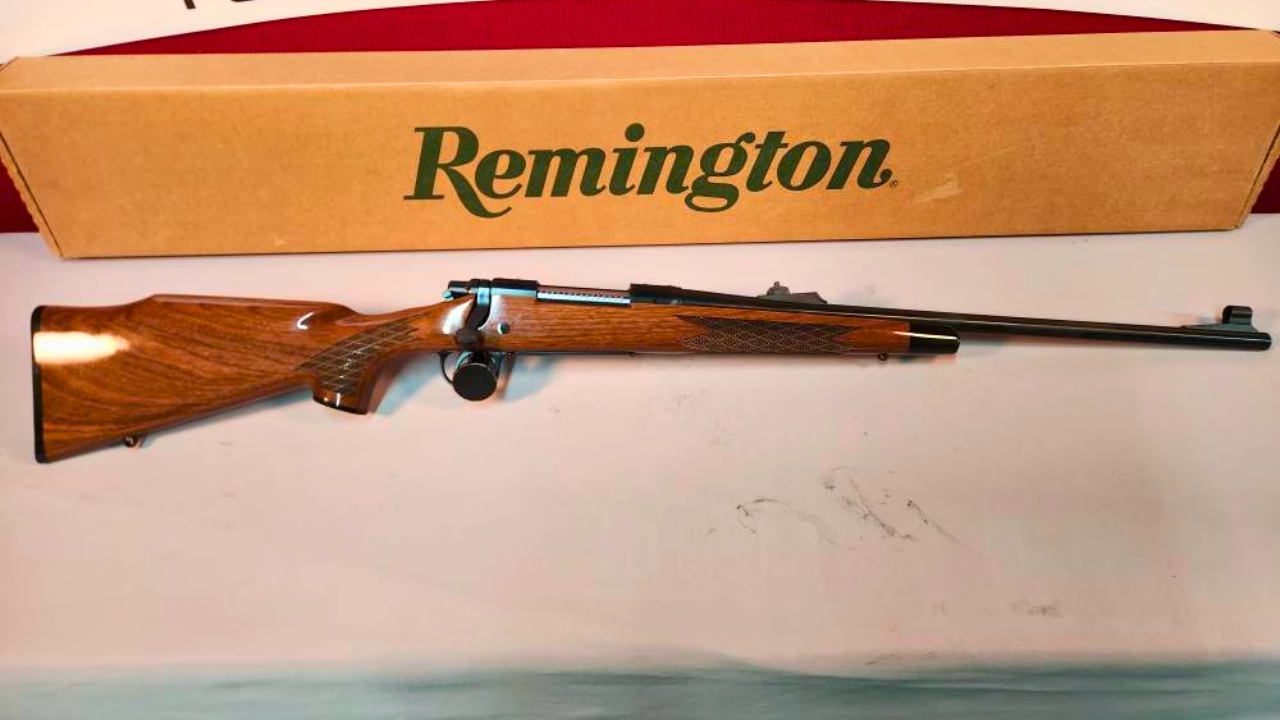
The Remington 700 has always had gravity in the hunting world. What changed is the used market splitting into “ordinary” and “the version people trust.” A clean older rifle with a decent trigger and a straight action suddenly gets treated like a safer bet than newer budget rifles with more plastic and more variables.
If you’re buying one now, you’re looking at the rifle the way a handloader does. You pay attention to bedding contact, the recoil lug area, and whether the action screws were gorilla-tightened for years. A 700 that shoots well is still a practical tool, and that’s part of the price climb: you’re not buying nostalgia only—you’re buying a platform that still has parts, knowledge, and decades of proven setups behind it.
Remington 870 Wingmaster (police trade-ins)
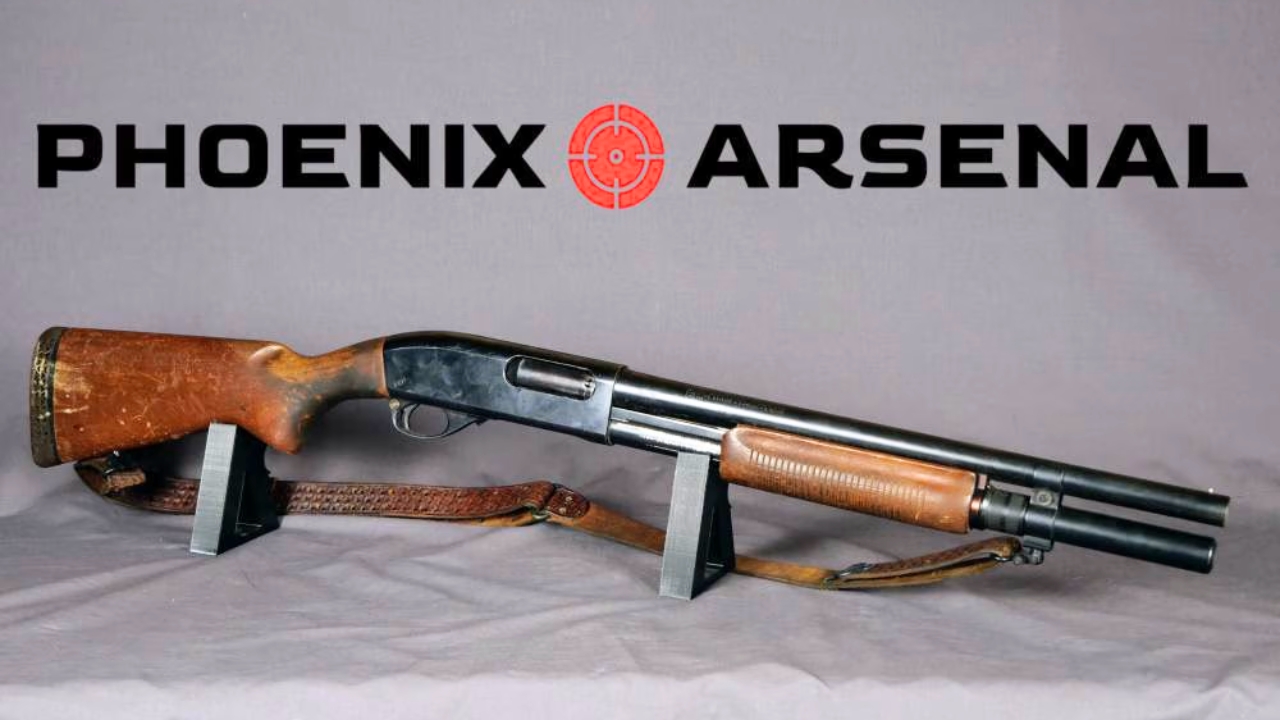
Police trade-in Wingmasters used to be a quiet bargain: honest wear, slick actions, real-world proof they ran. Now the market treats them like the last affordable doorway into “old Remington quality,” and the bargain window has narrowed.
You can still win if you know what to look for. You check the carrier, the ejector rivets, and the chamber for roughness that can make cheap shells stick. Most of the ugly is cosmetic—dings in the wood and rubbed bluing—while the mechanical bones are solid. The price bump comes from two angles: they’re useful, and they’re a snapshot of a build standard people don’t want to gamble on losing.
M1 Garand (CMP pipeline rifles)
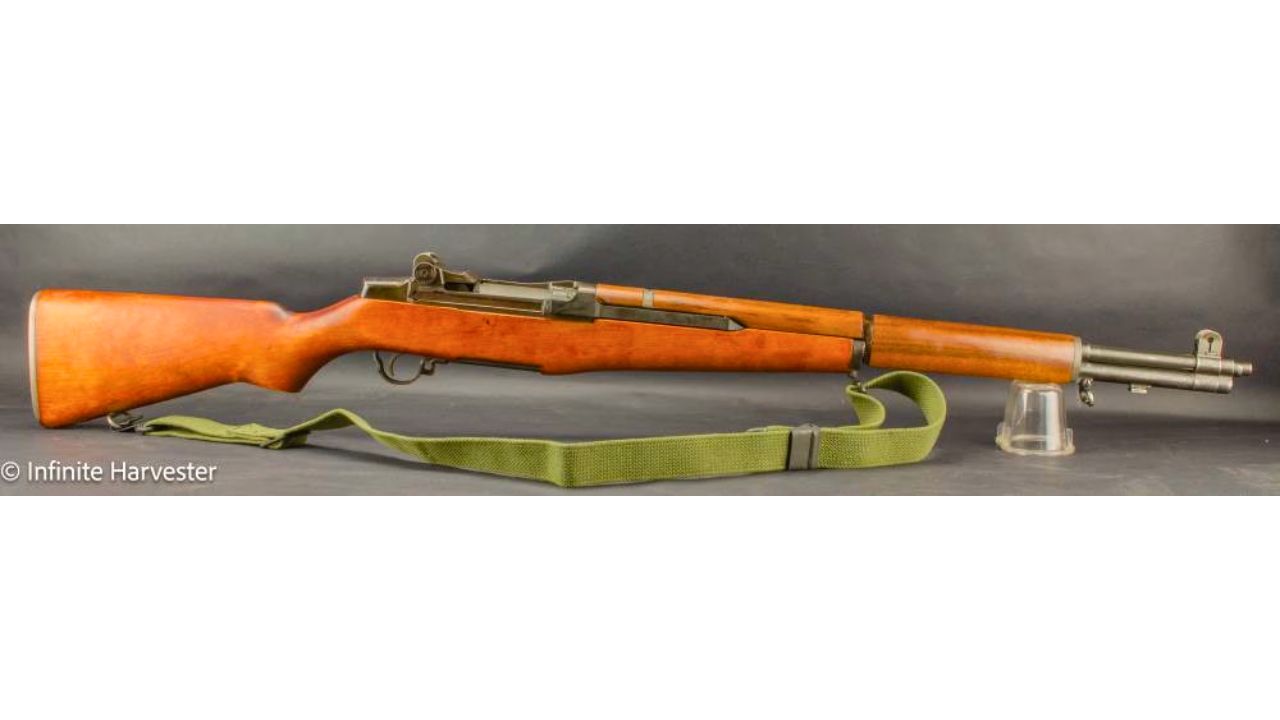
The CMP kept the Garand world grounded for a long time. When supply feels tighter, the private market doesn’t wait—it sprints. That’s how a rifle that used to be “save up and order one” becomes “you’d better move when you see a good one.”
If you’re shopping, you keep your head. You’re not buying a benchrest rig—you’re buying a piece of American military history that still shoots like a real rifle. You inspect throat and muzzle wear, look for cracked wood around the receiver legs, and you factor in ammo. The Garand’s price climb is tied to availability and demand, and the CMP’s own updates reflect how carefully that supply is managed now.
Swiss K31

The K31 was one of the last surplus rifles that felt like cheating: straight-pull smoothness, great barrels, and workmanship that didn’t match the price tag. As imports slowed and the “try one and you’ll get it” crowd grew, the market corrected in a hurry.
You still buy them for real reasons. The trigger tends to be clean, the sights are usable, and the rifle has a mechanical honesty that makes you shoot better than you expected. The sting is feeding it and finding good mags and accessories without paying collector tax. If you want one now, you move fast on clean bores and matching numbers, because the average “nice” K31 doesn’t sit around anymore.
Mosin-Nagant 91/30
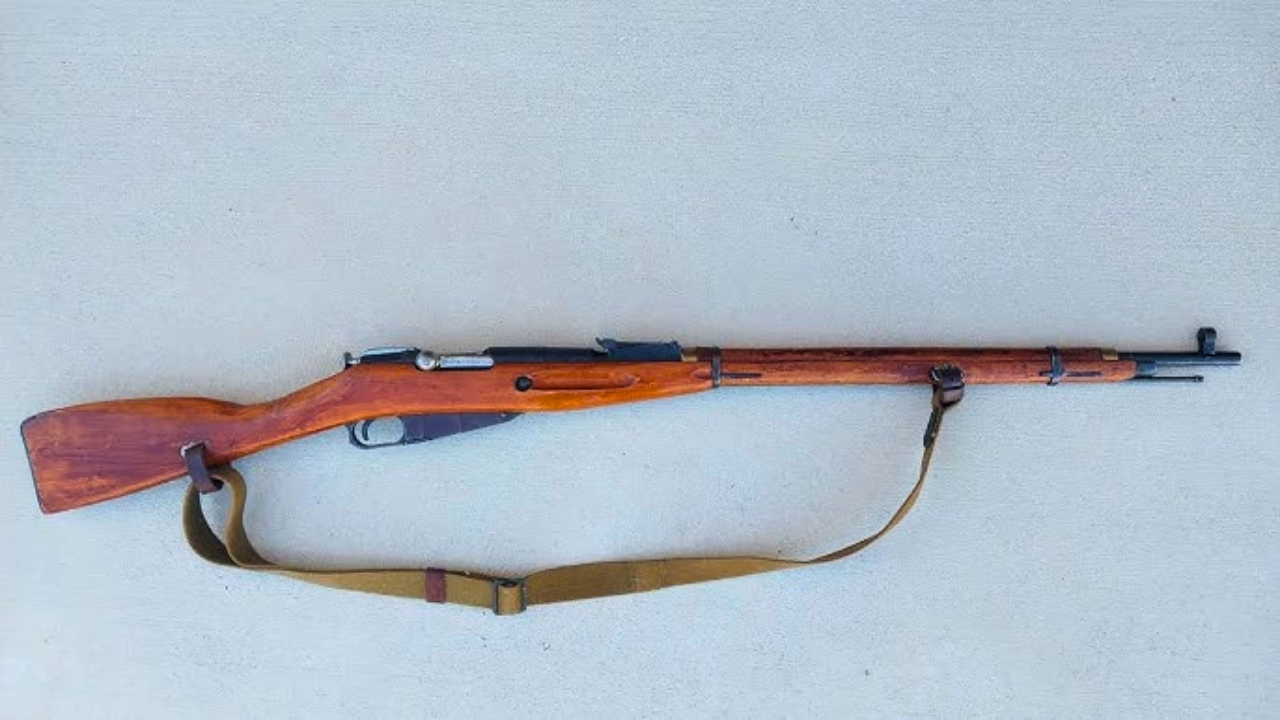
The Mosin went from “everybody has one” to “why are they asking that?” almost overnight. The supply that flooded the market dried up, and now even rough examples get priced like they’re rare because the days of $99 crates are gone.
You keep expectations realistic. A Mosin can shoot well, but many are going to be picky about ammo and will need attention—crown work, bedding tweaks, and a deep cleaning that goes beyond the surface. The reason the price hurts is that the experience hasn’t changed as fast as the sticker. You’re still buying an old service rifle with old-service-rifle quirks, and you’re paying modern money because the pipeline that fed cheap Mosins isn’t feeding anymore.
Chinese Type 56 SKS
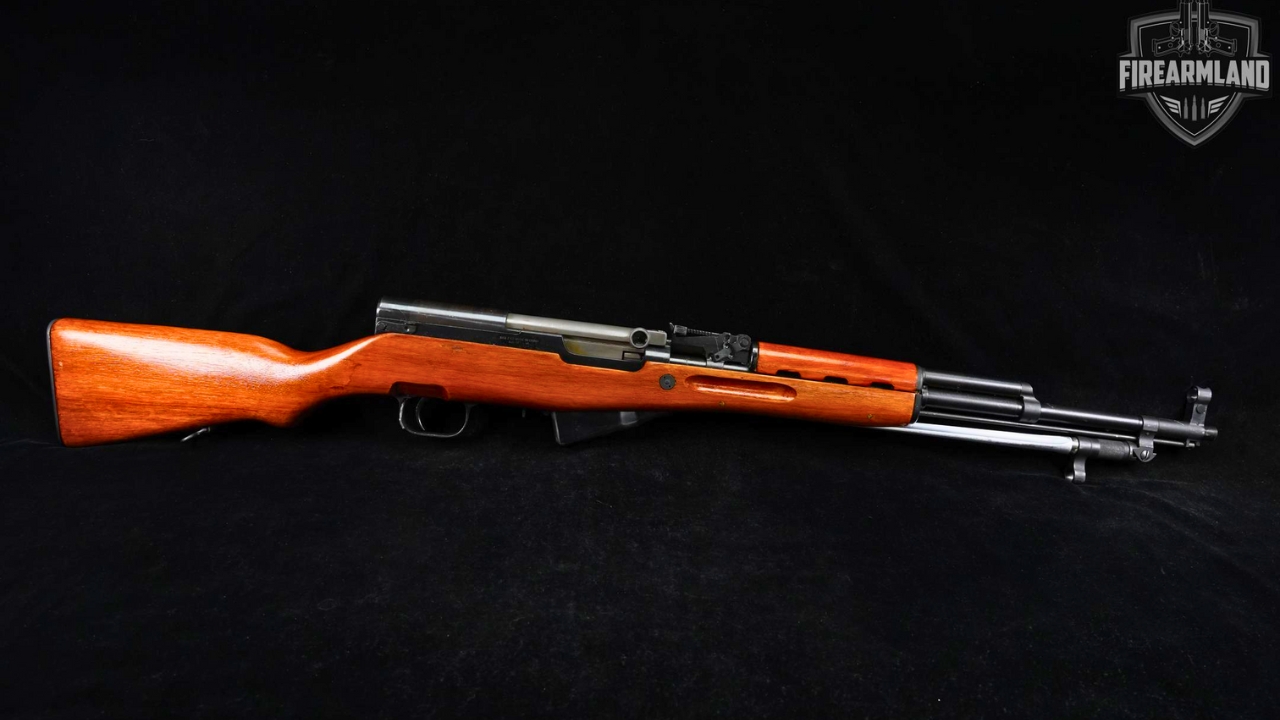
A Chinese SKS used to be the working man’s semi-auto: rugged, simple to keep running, and cheap enough that you didn’t baby it. As imports tightened and the market started treating “original configuration” as the goal, the cheap SKS became a memory.
What makes it sting is how fun and practical they still are. The rifle balances well, recoil is mild, and the fixed mag setup keeps you honest. If you buy now, you look for matching numbers, an intact bayonet setup (if it’s supposed to have one), and you avoid rifles that were heavily modified during the “tactical SKS” era. The price spike is the cost of missed timing—too many guys waited and assumed the pile would last forever.
Izhmash Saiga (Russian sporter AKs)
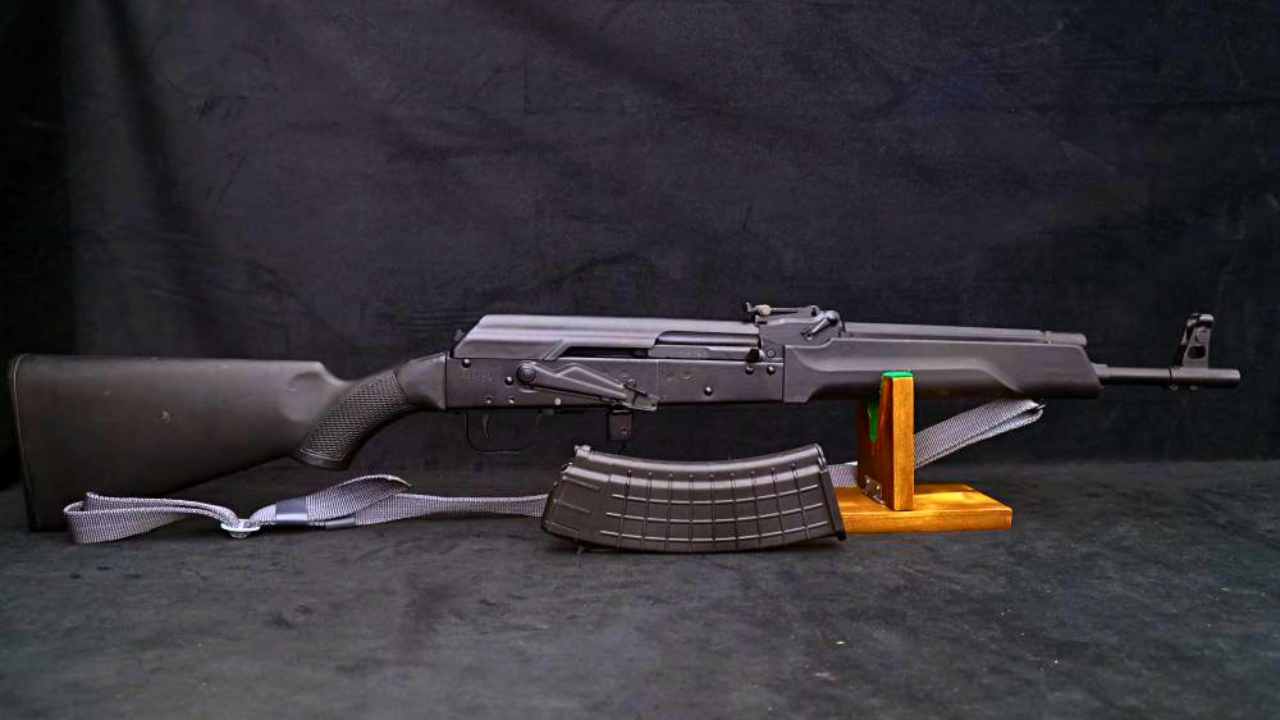
Russian Saigas are a textbook case of “imports don’t come back.” When supply shuts off, the market doesn’t slowly rise—it snaps upward, because the people who want a Russian AK pattern rifle don’t have many substitutes.
If you’re buying, you decide what you really want: an unconverted sporter as a slice of import history, or a properly converted rifle done right. That means you care about the front end, the gas system alignment, and whether the conversion work was clean instead of hacked. Five years ago, you could still stumble into one without planning. Now you’re paying for the flag on the receiver and the reality that “more later” isn’t happening.
Molot Vepr (RPK-style AKs)
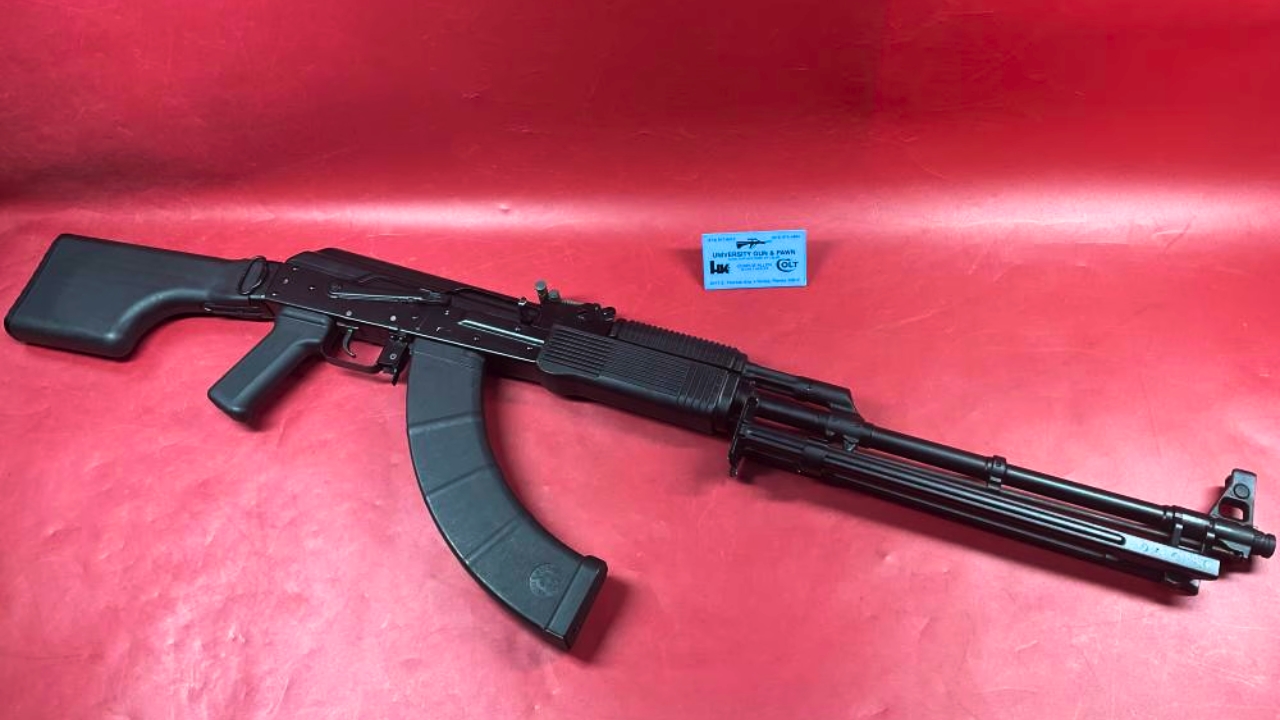
Veprs used to sit in that sweet spot: heavier, steadier AKs that felt like a serious rifle instead of a rough tool. As imports dried up, they turned into the “if you know, you know” AK that collectors and shooters both chase.
You’re paying for build quality and scarcity. The thicker receiver and heavier barrel profile make them feel planted, and they tend to shoot better than bargain AKs with less fuss. The downside is weight and the reality that parts compatibility isn’t always as plug-and-play as a basic AKM. If you find one now, the market assumes you already understand what it is—so the price isn’t trying to convince you. It’s daring you to walk away.
Belgian Browning Auto-5
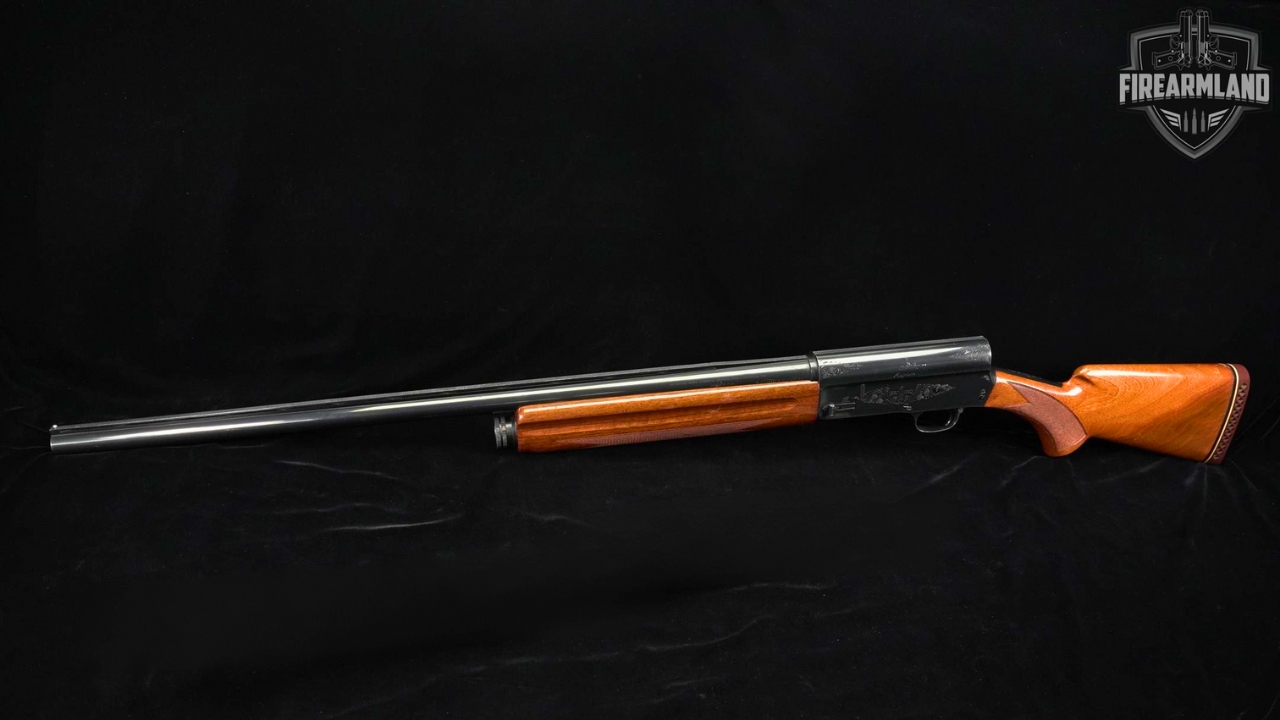
The Belgian Auto-5 didn’t become expensive because it got trendy on social media. It became expensive because people finally stopped ignoring how well it was made, and because good examples don’t grow on trees.
If you’re hunting with one, it still has that long-recoil personality—smooth when it’s set up right, cranky when it’s neglected. That’s why condition matters so much. You inspect friction ring setup, springs, and the general wear pattern that tells you if it lived a hard life. The price climb is the market admitting something: a clean Belgian A5 is both a working shotgun and a collectible, and the overlap is where the cost jumps.
Ruger Mini-14 (older Ranch rifles)

The Mini-14 spent years as the rifle people joked about—until they couldn’t find what they wanted elsewhere. Then it started getting treated like a legitimate “buy once, keep forever” rifle, especially in places where laws and preferences push people toward that style.
Older Minis can vary, so you don’t buy blind. You look at the barrel profile, check for obvious accuracy issues, and you make sure mags are quality because bad mags make any semi-auto look terrible. The price increase is tied to demand and the fact that Ruger kept the Mini relevant while other options got complicated. It’s a rifle that keeps ending up on short lists, and short lists drive prices.
Colt Python (older, original production)

An original Python is what happens when reputation meets scarcity. Five years ago, you still saw them priced like “nice revolver.” Then the collector market poured fuel on it, and the top-end examples started setting the tone for everything else.
If you’re buying, you’re not only buying a gun—you’re buying condition, originality, and timing. You check lockup, timing, and you look hard at the finish because refinished Pythons can look great but don’t carry the same value. The new-production guns didn’t erase the old ones. If anything, they reminded everyone what the name means, and that attention keeps pulling prices upward for the originals.
H&K P7M8
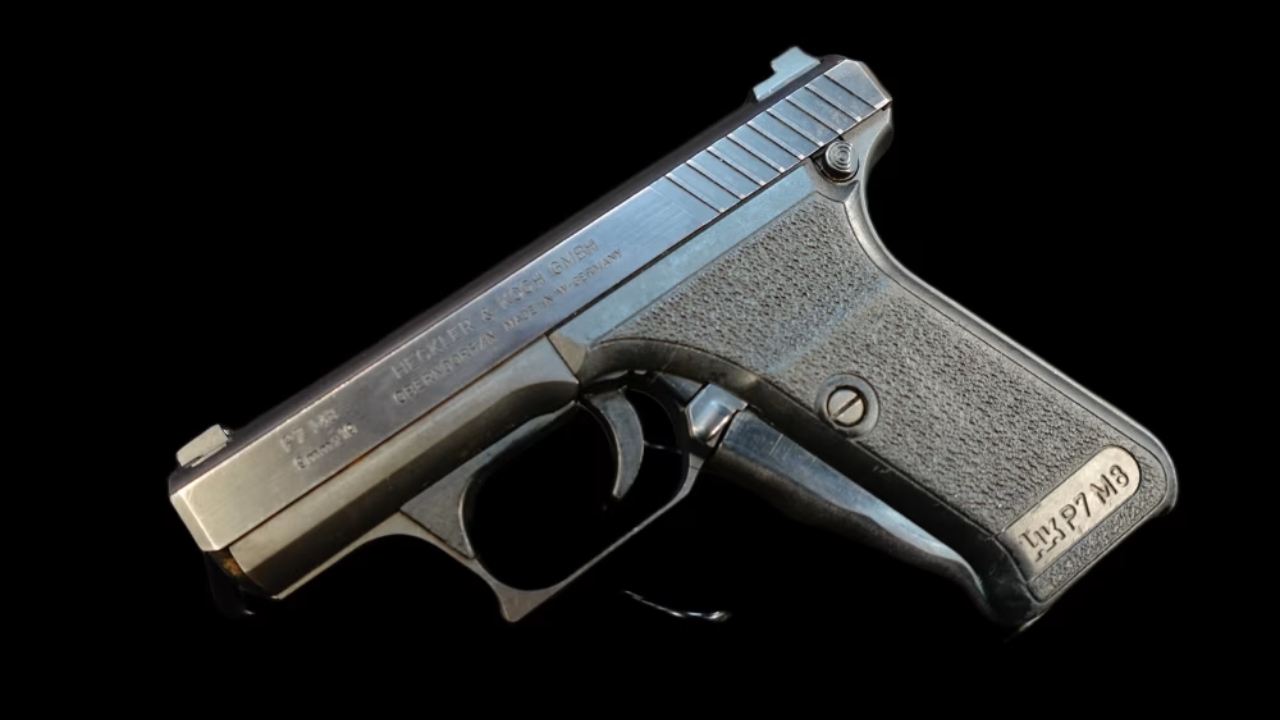
The P7M8 is the definition of a pistol that moved from “cool” to “untouchable” fast. It’s discontinued, it’s mechanically unusual, and it has a cult following that doesn’t blink when prices climb.
You pay for the experience as much as the pistol. The squeeze-cocker system is fast and safe in trained hands, and the gun carries flatter than many people expect. The downside is heat in long strings and the reality that mags and parts aren’t cheap. When demand is collector-heavy, even average examples get priced like they’re rare. That’s how you end up in a world where a pistol that used to be an enthusiast buy now looks like a small investment.
Like The Avid Outdoorsman’s content? Be sure to follow us.
Here’s more from us:


