Photo credit: Bryant Ridge Co./GunBroker
Some guns run fine out of the box. But a few special ones? They actually run better after you’ve put them through the wringer. It’s like they need time to wear in, settle down, and smooth out. Whether it’s the trigger breaking cleaner, the action cycling smoother, or the whole platform just feeling tighter with use, these are the guns that reward you for sticking with them. They don’t mind a little grit, a lot of carbon, or being dragged through the woods for a few seasons. They aren’t always pretty by year five, but they shoot straighter, cycle cleaner, and ask for less babying as time goes on. Here are the firearms folks swear improve with age, not fall apart from it.
Glock 19

The Glock 19 doesn’t change much visually over time, but mechanically? It settles in. After a few thousand rounds, the trigger smooths out, the reset feels cleaner, and the slide cycles with less resistance. It’s not that it was ever rough—but once it’s worn in, you notice it running easier.
A lot of folks report fewer ejection issues and tighter groupings as the gun breaks in. Even cheap ammo cycles more reliably once the extractor and recoil system get worked in. Some guns get sloppy with age. The Glock 19 gets slicker. As long as you clean it when needed and replace the recoil spring around the 5,000–10,000 round mark, it’ll feel better in year five than it did in week one. For a striker-fired pistol, it ages like cast iron: the more you use it, the better it runs.
CZ 75B

Right out of the box, the CZ 75B feels solid, but the double-action trigger can be heavy and a little gritty. After a few thousand rounds? It changes completely. The trigger smooths out without modification, and the slide-to-frame fit actually feels tighter even though it’s wearing in.
The all-steel construction means it can take abuse, and the internals polish themselves through use. Feed ramps, sear surfaces, and rails all get smoother the more you shoot. Accuracy stays dead-on, and recoil gets easier to manage as the action glides better. It’s a gun that feels like it was built to wear in, not wear out. The more time you spend with it, the better it rewards you. And if you eventually decide to do any polishing or upgrades, the foundation is already better thanks to the thousands of rounds you’ve already run through it.
Marlin 336 (JM-Stamped)

A well-used Marlin 336, especially an older JM-stamped model, just feels right after a few seasons. The action smooths out, the lever throw gets quicker, and even the loading gate feels less stiff. These rifles have a break-in curve, and if you stick with them, they become some of the slickest lever guns around.
Accuracy doesn’t fall off like you’d expect either. As long as the barrel is cared for, you’ll often find older 336s still holding tight groups with soft points and cast bullets. The finish might wear, and the wood may get beat up—but that’s part of the charm. These rifles feel better after years in the woods than they did fresh from the factory. The gun earns its place in your lineup, and you can feel every hunt baked into the steel.
Remington 870 Wingmaster

There are newer shotguns out there, but few hold up and break in like an older 870 Wingmaster. After enough use, the pump cycles like it’s on rails. The action bars polish themselves against the receiver, and the bolt gets smoother with every trip to the range or field.
The trigger cleans up a bit with use, and the lock-up stays tight. It’s the kind of gun that benefits from being used often. You run it hard, and it runs better. There’s no slop—just smooth, consistent function. If you compare a brand-new 870 to one that’s been hunted hard for a decade, you’ll know what I mean. These guns don’t degrade when used—they settle in and become even more reliable.
M1 Garand

The M1 Garand is known for its toughness, but it also gets better once it’s seen some honest use. The op-rod system wears in with the bolt, making cycling smoother. You’ll often hear old-timers say their Garand “runs like butter” after enough rounds.
Some tight new builds can be a little stubborn until broken in. After a few hundred en blocs, things loosen just enough to improve reliability without affecting accuracy. The trigger also tends to feel better with time, settling into a cleaner break. Proper maintenance is key, but assuming you grease it where it counts and keep it fed with the right loads, it turns into a rifle that feels more alive as it ages.
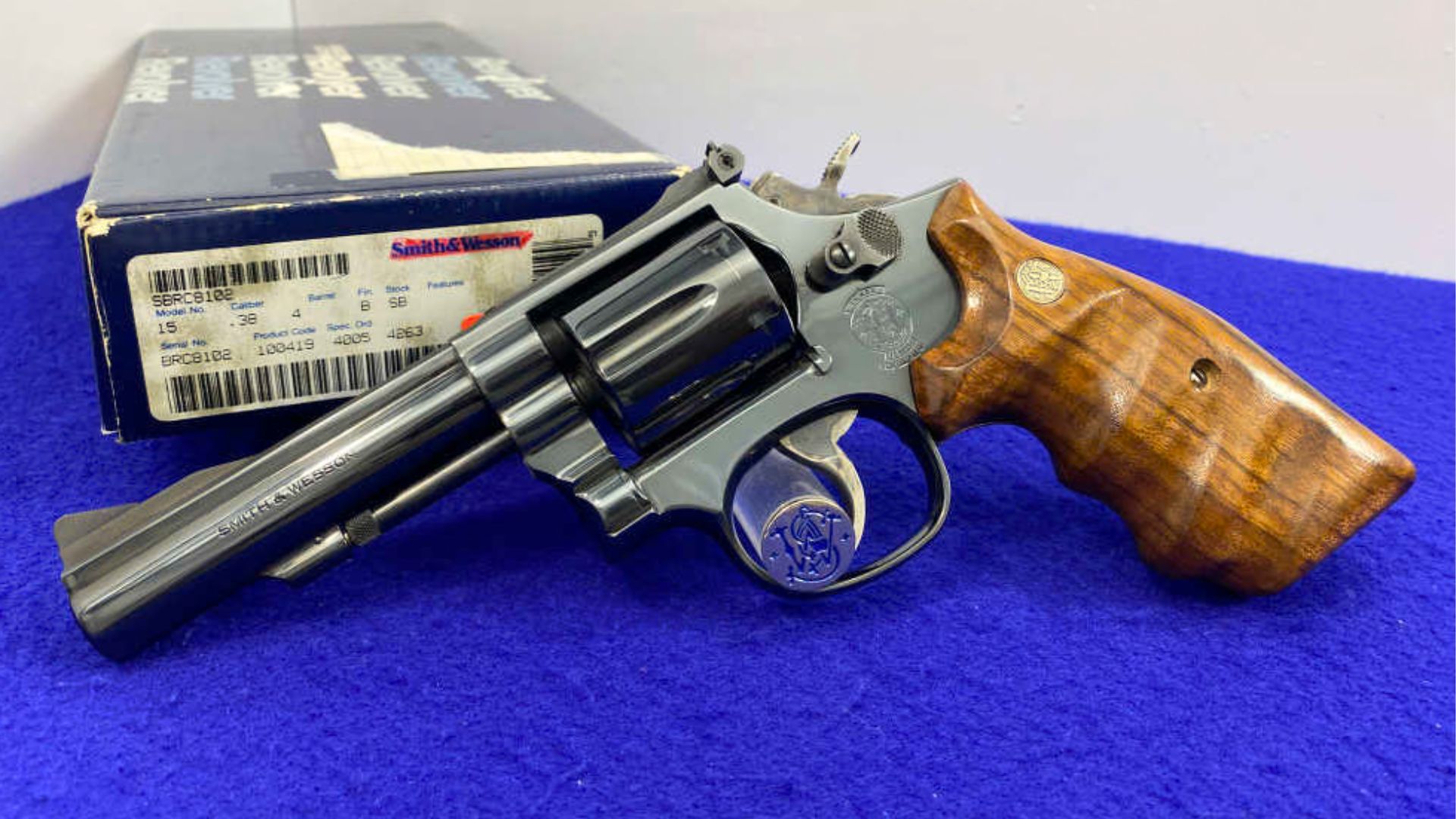
Smith & Wesson K-Frame .38 Special

A well-used K-Frame doesn’t just survive long-term shooting—it thrives. After a few thousand rounds of .38 Special, the action settles in beautifully. The double-action pull becomes smoother, the single-action break crisper, and the timing tends to stay spot-on if it’s been taken care of.
The lockup and cylinder gap wear evenly over time, and accuracy holds surprisingly well. These revolvers feel better with use. It’s almost like they want to be worked. A new K-Frame can feel tight or stiff, but an old duty revolver with tens of thousands of rounds? That’s when they start to feel right. They don’t need fancy tuning jobs—just regular shooting, a little oil, and a lot of trigger time.
FN FAL (Metric)

The FN FAL’s reputation as the “right arm of the free world” wasn’t built on range queens. These rifles were meant to be run hard, and they improve with use. The gas system settles in, the bolt carrier glides smoother, and the whole thing starts to feel more refined after a few thousand rounds.
You don’t polish a FAL—you wear it in. The trigger improves slightly, the recoil system gets more consistent, and feeding becomes more reliable, especially if you’re using mixed mags and surplus ammo. These guns were never meant to be tight. But once you run them enough, they hit a sweet spot between worn and tuned. That’s when they really shine.
Ruger GP100

The GP100 is overbuilt and loves abuse. But when new, the trigger can be heavy and a bit gritty. Fast forward a few thousand rounds, and it transforms. The action smooths out dramatically. The double-action pull becomes more consistent. And the timing stays tight, even after years of regular use.
What really improves with time is the feel. You start to know the exact point before the break. You can stage the trigger better. The hammer fall feels smoother. The gun becomes an extension of your hand. A GP100 with honest wear always feels better than a safe queen. If you’re patient and shoot the heck out of it, the gun rewards you with performance that never came out of the box.
Norinco SKS

The SKS was built to be run hard, and surprisingly, it smooths out with heavy use. The bolt gets slicker, the trigger (as rough as it can be) tends to break cleaner, and cycling becomes more predictable. You’re not going to make it into a match gun, but a broken-in SKS is often more accurate than people give it credit for.
Steel-cased ammo and regular cleaning help polish the internals over time. The piston system starts to cycle more consistently, and the feeding issues some new rifles have often disappear after a few hundred rounds. For a rifle that’s built like a crowbar, it actually gets better with age—as long as you’re using it.
Springfield M1A

The M1A isn’t exactly soft out of the box. The action can feel stiff, the mag fit tight, and the trigger isn’t always crisp. But after a few thousand rounds, everything starts to come together. The bolt slides easier, the op-rod glides instead of slaps, and the trigger breaks more cleanly.
Even accuracy tends to tighten a bit after the barrel settles. Assuming you’re using decent ammo and keeping it lubed, the M1A starts feeling like a real field rifle after it’s seen some dirt and brass. It’s heavy, sure. But once broken in, it carries its weight with purpose. It’s a rifle that asks for time and rewards you for giving it.
Beretta 92FS

The Beretta 92FS is known for reliability, but its feel improves with long-term use. The DA/SA trigger smooths out, and the slide feels like it’s on ball bearings after enough rounds. The locking block system benefits from break-in, making recoil feel slightly softer as the parts settle.
Many shooters report better accuracy over time, especially as the barrel and slide fit polish themselves in. There’s something satisfying about a 92FS that’s been through a few thousand rounds. It doesn’t feel worn—it feels seasoned. The parts work in sync, and everything runs like clockwork. It’s not a gun that needs upgrades to get better. It just needs use.
Winchester Model 70 (Pre-’64 and Controlled Feed)
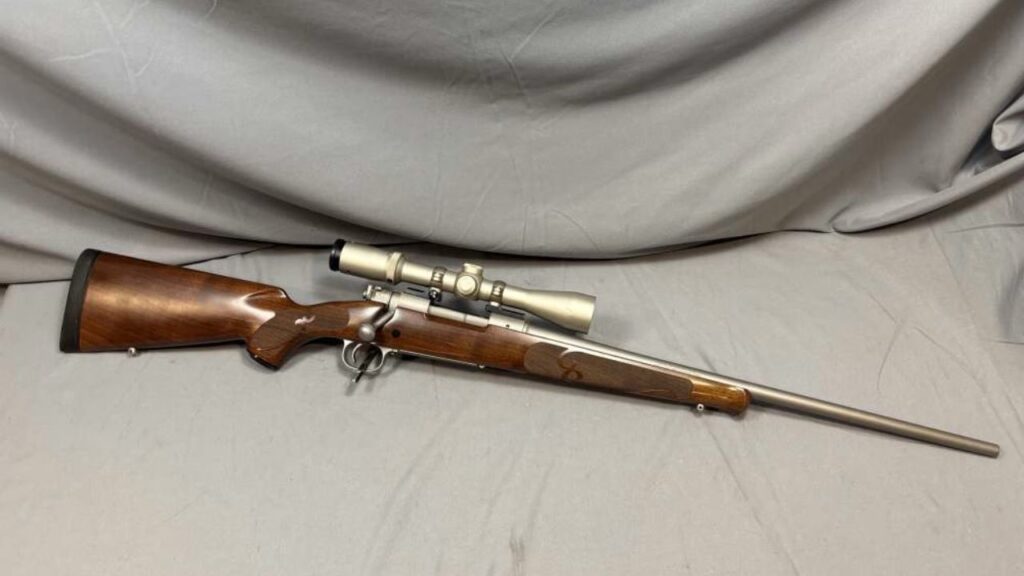
The Model 70 already has a legendary reputation, but the controlled-feed versions age like good leather. After enough bolt cycles and rounds downrange, the action gets buttery smooth without losing lockup integrity. The trigger stays crisp. The bolt handle welds into your muscle memory.
Accuracy doesn’t fade if you treat the barrel right. These rifles don’t get looser—they get friendlier. The feel improves. The handling gets faster. And the confidence it inspires only grows. A worn-in Model 70 is one of the few hunting rifles that truly gets better after a decade in the field.
*This article was developed with AI-powered tools and has been carefully reviewed by our editors.