Photo credit: timotheos/Shutterstock.com
Every hunter wants to believe their rifle is dead-on when a buck steps into range, but the truth is some rifles are more likely to send a shot wide than others. Accuracy isn’t just about the shooter—it’s also about how the rifle handles in real hunting conditions. Rifles with poor ergonomics, heavy recoil, finicky triggers, or questionable optics setups tend to miss more deer than hunters care to admit. It’s not always easy to own up to, but if you’ve been in the woods long enough, you’ve probably watched a buck bound off because of a rifle that didn’t perform the way you hoped.
Some of these rifles are outdated military conversions that were never designed for precision hunting. Others are lightweight models that kick harder than they should, or budget rifles with sloppy barrels that throw shots inconsistently. Hunters keep carrying them, but when the moment of truth comes, they’re the ones most likely to leave a hunter shaking their head instead of tagging a deer.
Mosin-Nagant 91/30

Plenty of hunters have dragged Mosin-Nagants into the deer woods because they’re cheap and rugged, but few will admit how many bucks have walked away unscathed. The long, heavy trigger pull makes it tough to break a clean shot under pressure. Combine that with rough iron sights and a stock that doesn’t fit most shooters, and you’re working against yourself when seconds matter.
Even when scoped, the accuracy isn’t always dependable. Many Mosins have worn bores and loose tolerances that scatter rounds unpredictably. Sure, they’ll get the job done if everything lines up, but that’s a big “if” when a deer steps out. Hunters like the idea of putting surplus rifles to work, but more bucks have been missed with Mosins than most will ever admit out loud.
SKS

The SKS is reliable enough to chew through cheap 7.62×39 ammo, but it was never built for precision. With its short sight radius, heavy trigger, and often poorly mounted aftermarket scopes, it’s a rifle that demands more from the hunter than it gives back. Many hunters who take it into the field find themselves pulling shots or watching deer walk after poorly placed hits.
While the cartridge can handle whitetail at moderate ranges, the SKS struggles when accuracy really counts. The loose tolerances that make it reliable also work against tight groups. Missed bucks often come down to rushed shots combined with a rifle that doesn’t forgive small mistakes. Hunters won’t always admit it, but this carbine has been the reason for plenty of empty freezers.
AK Variants

AK-style rifles have been pressed into hunting roles, but accuracy isn’t what they’re known for. With barrels built more for durability than precision and triggers that leave a lot to be desired, they make clean deer kills harder than they should be. The 7.62×39 round is capable within 150 yards, but the rifle itself doesn’t make landing that shot any easier.
Iron sights on most AKs aren’t ideal for deer hunting, and even with optics, holding steady groups can be a challenge. Many hunters have walked out of the woods blaming themselves for a miss, when the truth is the platform doesn’t deliver the accuracy needed for reliable shots on game. It’s a rifle better suited for reliability under mud and sand than hitting a buck’s vitals.
Winchester 94 in .32 Special
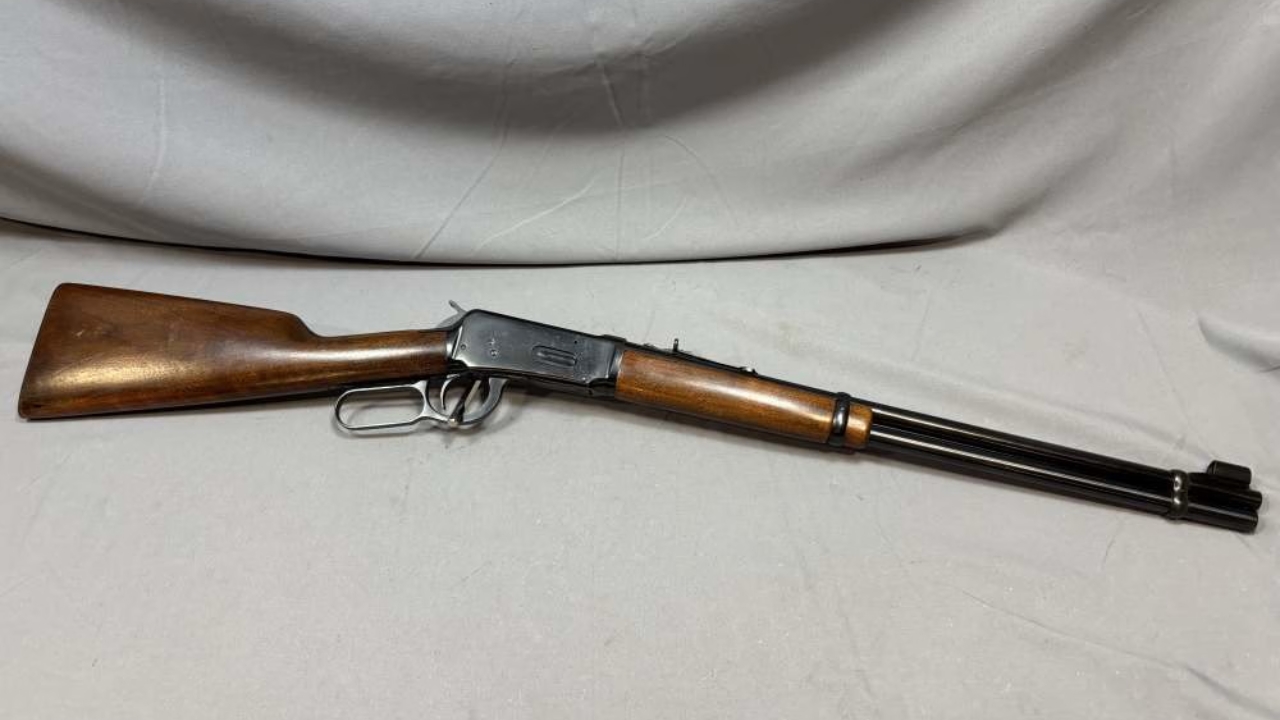
The Winchester 94 is a classic, but the .32 Winchester Special chambering has frustrated more than a few hunters. On paper, it should deliver clean shots, but the round’s reputation for losing accuracy with handloads or after a bit of barrel wear is well-earned. Combine that with iron sights and a short sight radius, and you’ve got a rifle that misses more often than hunters like to talk about.
In brush country, where most shots are close, it still works fine. But stretch that range out, and the rifle can betray you. Plenty of hunters have stories about deer walking after a clean-sounding shot, only to find nothing but tracks. Nostalgia keeps the 94 in the woods, but many missed deer prove it isn’t always the best tool for the job.
Remington 742 Woodsmaster

The Remington 742 has probably cost hunters more bucks than any other semi-auto deer rifle. Known for jamming and having questionable accuracy as the years stack up, it’s a rifle that demands low expectations. When it does cycle, the heavy trigger and inconsistent grouping often send bullets off target at the worst time.
Hunters keep carrying them because they were once family rifles or because they like the fast follow-up potential. But if you’ve ever hunted with one, you know how often that first shot doesn’t land where you intended. Many a buck has walked away clean after a Woodsmaster missed the mark. It’s one of those rifles hunters won’t openly badmouth, but privately admit has let them down more than once.
Marlin Model 336 in .35 Remington
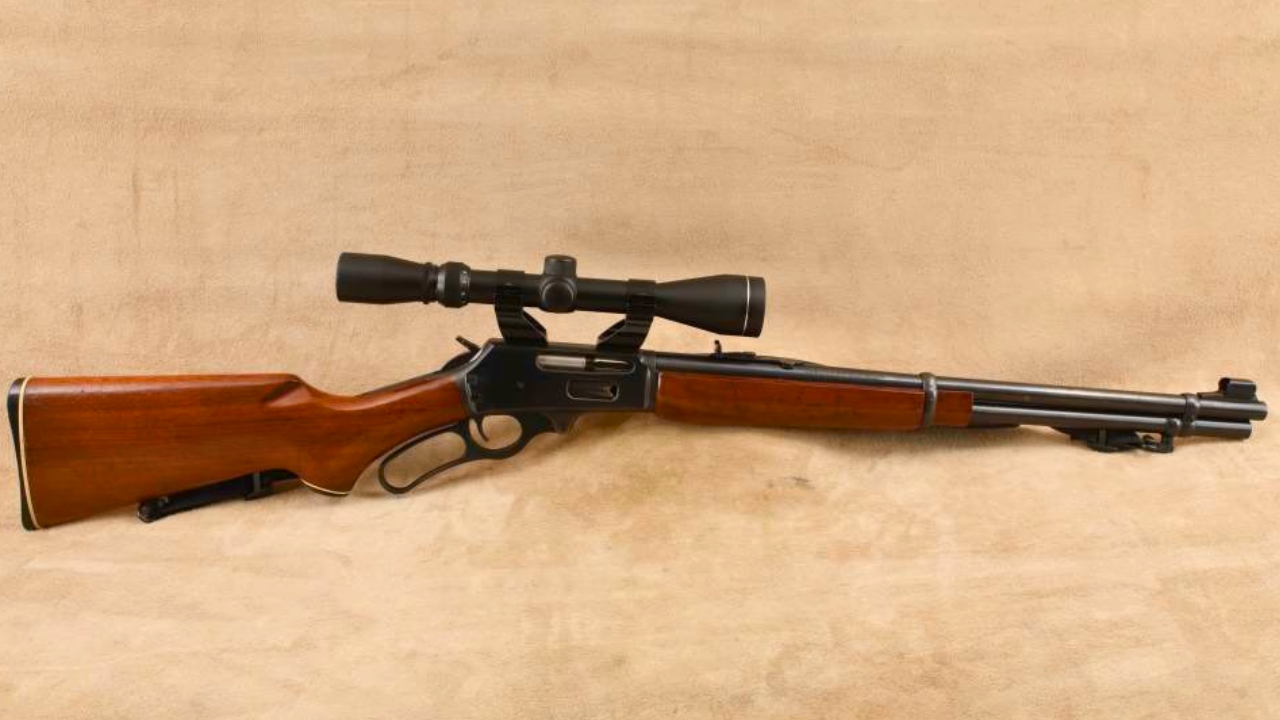
The Marlin 336 is a reliable lever-action, but in .35 Remington it’s been the cause of plenty of missed shots. The round itself is fine for whitetails inside 150 yards, but the rainbow-like trajectory makes longer shots tricky. Pair that with open sights or budget scopes, and you’re setting yourself up for problems when a deer appears across a clear-cut.
Hunters often underestimate just how much bullet drop affects their chances with this setup. Combine that with a trigger that isn’t exactly crisp, and it’s easy to miss cleanly. Many hunters love the nostalgia of the .35 Remington, but if they’re being honest, it’s a rifle-caliber combo that has sent more bucks walking than they’d like to admit.
Ruger Mini-14

The Ruger Mini-14 has its following, but it isn’t exactly known for tight groups. Designed more as a ranch rifle than a deer rifle, it struggles when precision is required. Barrel whip and inconsistent accuracy past 100 yards make it a gamble in the field. Hunters who try to stretch its capabilities often end up with clean misses on deer.
Even with optics, many Mini-14s scatter shots, especially with cheap ammunition. The rifle cycles well and handles quickly, but those traits don’t help when the bullet misses the vitals. Many hunters still carry it for nostalgia or convenience, but it’s fair to say more than a few bucks owe their lives to this rifle’s mediocre accuracy.
Savage Axis (early models)
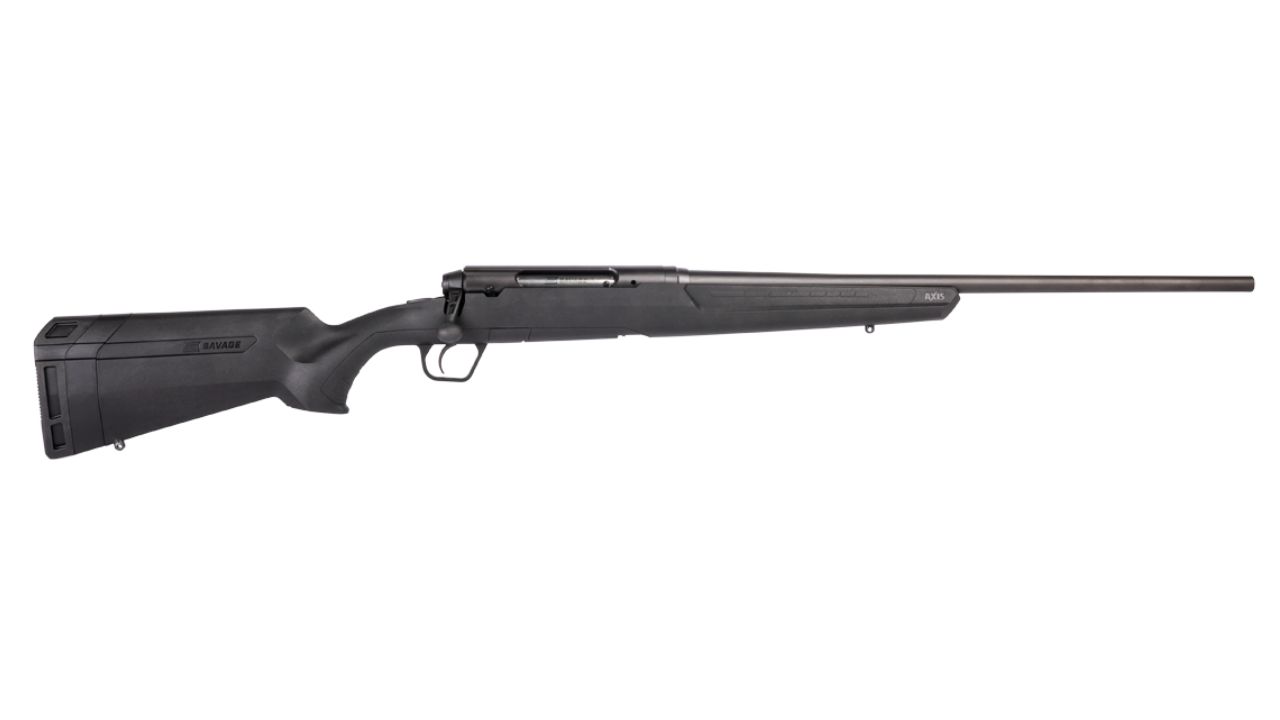
Savage has built a reputation for accuracy, but the early Axis models didn’t live up to that name. With rough triggers, lightweight stocks, and barrels that sometimes felt slapped together, these rifles often shot inconsistently. Factory ammo might group decently one day and open up the next, leaving hunters second-guessing their zero.
Plenty of missed bucks came from hunters assuming their Axis was dialed in, only to see rounds drift off target. Later models improved, especially with AccuTrigger options, but the early rifles earned a reputation for being hit-or-miss, literally. Many hunters don’t like admitting they missed with a budget rifle, but the Axis caused more of those moments than most care to say out loud.
Remington Model 770

The Remington 770 was marketed as an affordable hunting rifle, but it’s left a trail of disappointed hunters. With a rough bolt throw, heavy trigger, and barrels that often delivered subpar accuracy, it was never a precision tool. Plenty of hunters took them into the field, only to discover that hitting a deer’s vitals wasn’t as straightforward as it should be.
Factory scopes mounted on these rifles didn’t help either, often losing zero or fogging up in cold weather. The 770 misses more bucks than hunters admit simply because it was built to a price, not a standard of performance. Many hunters quickly traded theirs away after realizing how often it cost them deer.
Browning BAR (early models)

The Browning BAR has always been a popular semi-auto hunting rifle, but early versions were notorious for accuracy issues. They were reliable in terms of cycling, but group sizes were often wider than hunters wanted, especially with factory ammo. The heavy triggers didn’t make things any easier in high-pressure hunting scenarios.
Plenty of hunters carried BARs into the field expecting fast follow-up shots to make up for misses, but in truth, the first shot was often the problem. While newer versions have improved, older BARs have been responsible for plenty of missed deer. Many hunters keep quiet about those misses, but the reputation lingers for a reason.
Weatherby Vanguard (lightweight models)
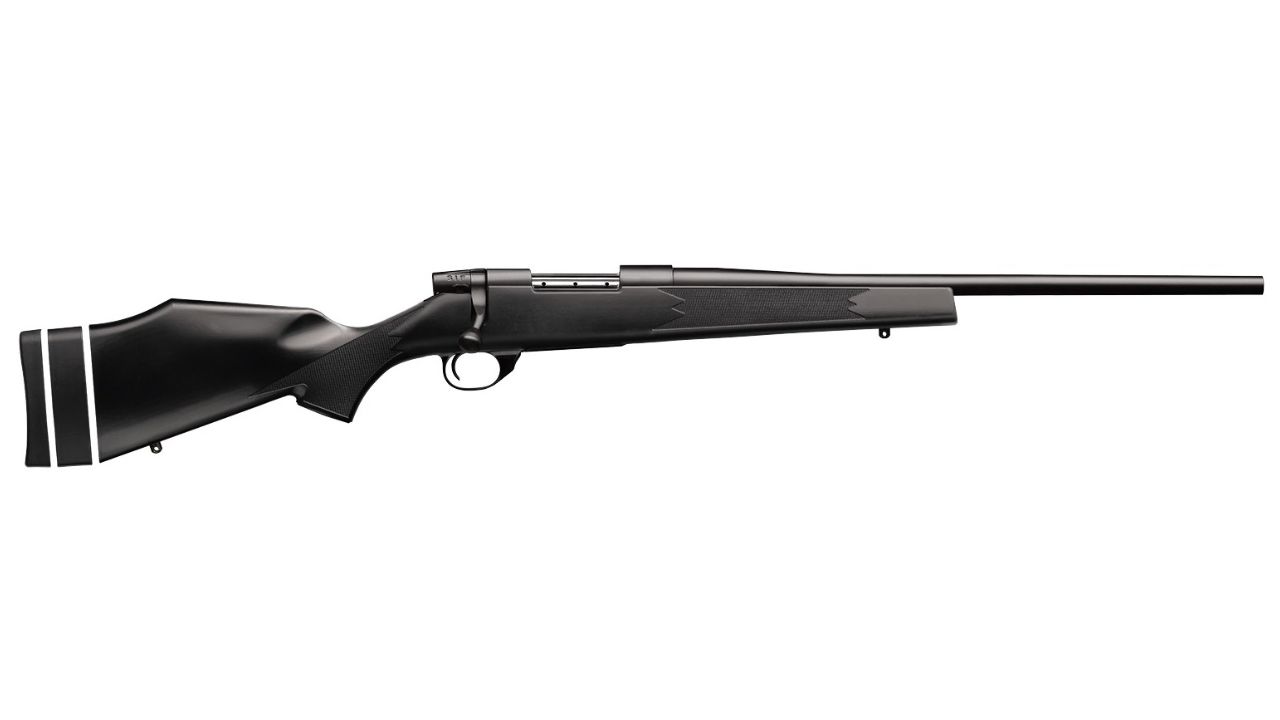
Lightweight rifles sound great on paper for long hikes into the woods, but they don’t always perform under recoil. Some of the lighter Weatherby Vanguard models, especially in harder-kicking calibers, have been tough to control. Hunters who thought they’d enjoy a featherweight rifle often found themselves flinching or pulling shots wide.
The Vanguard line has produced accurate rifles overall, but the lightweight versions aren’t as forgiving. Missed bucks often come down to the shooter fighting recoil instead of focusing on the shot. Hunters might blame themselves, but the reality is these rifles demand more discipline than most are ready for in the moment.
CVA Scout
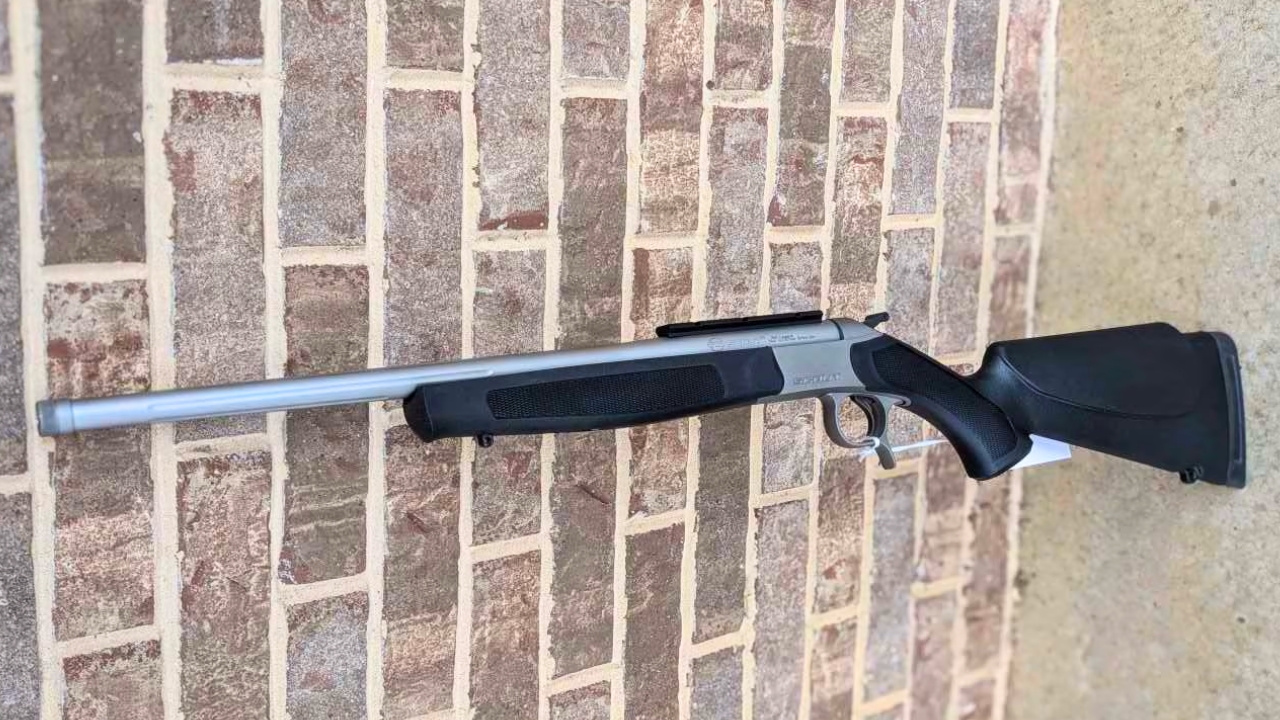
Single-shot rifles like the CVA Scout appeal to hunters who like a minimalist approach, but they don’t always hit where they should. The heavy triggers and break-action design make follow-through tricky, especially in cold conditions when you’re bundled up. Accuracy varies widely between individual rifles, leading to plenty of frustration.
Hunters often miss deer with Scouts because they lack confidence in where the round is going to land. It’s not uncommon for rifles in this line to shoot well one day and scatter shots the next. That inconsistency has made them the source of more missed opportunities than hunters are willing to admit around camp.
Rossi Single-Shots

Much like the CVA Scout, Rossi single-shot rifles have been responsible for more misses than hunters care to acknowledge. Lightweight, with heavy triggers and barrels that don’t always deliver, they’re rifles that make accurate shooting harder than it should be. Add in limited optics mounting options, and it’s easy to see why so many deer walk away unscathed.
Hunters buy them because they’re affordable and simple, but in practice they demand a level of precision most shooters don’t bring into the woods. They’ve sent plenty of bullets wide over the years, and while owners rarely admit it, the misses often pile up more than the clean kills.
*This article was developed with AI-powered tools and has been carefully reviewed by our editors.