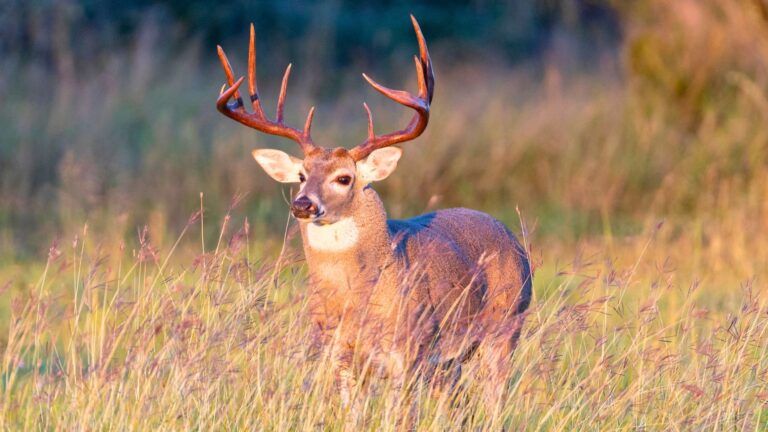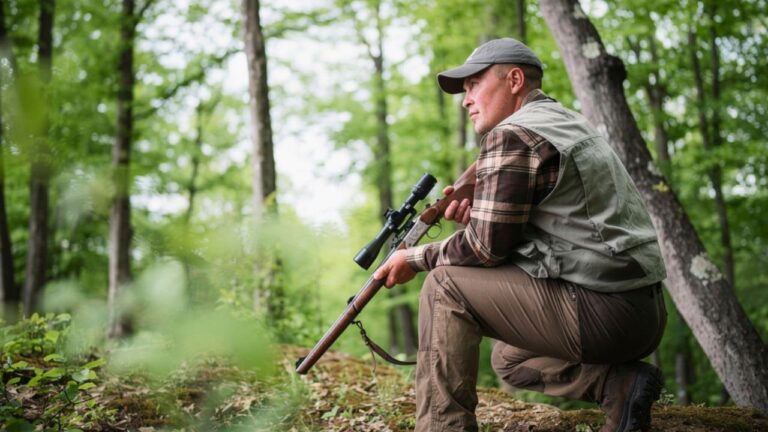
Photo credit: Christopher J Barger/Shutterstock.com
Every fall, you are told the same story about the rut: pick a promising stand, sit tight, and eventually a crazed buck will cruise past in daylight. The problem is that this tidy picture ignores how fluid deer behavior really is once breeding kicks in, and it keeps you parked in dead zones long after the action has shifted. To stop wasting your best days of the season, you need to rethink what the rut actually looks like on the ground and how quickly your “perfect” spot can go cold.
The misconception is not that the rut is powerful, but that it is predictable in a way that lets you camp on one tree and wait for magic. When you understand how bucks and does move through different phases, how pressure reshapes those patterns, and how sign and timing can mislead you, you start hunting the rut as a moving target instead of a fixed event. That shift, more than any new gadget, is what puts you where the deer really are instead of where you hope they will be.
The seductive myth of the all-rut hotspot
The most costly belief you carry into November is that there is one “rut stand” that will produce all season if you just grind it out. You imagine a funnel or field edge that every buck in the county must eventually use, so you keep returning even as sightings dwindle and fresh sign dries up. That mindset mirrors the “fingers crossed” approach some hunters take when they treat the rut like opening day of gun season, assuming that if they simply stay put long enough, a buck will blunder past whether or not the conditions actually favor that spot, a pattern highlighted when Some hunters lean on luck instead of adaptation.
In reality, the rut is not a single, uniform event, and no stand stays hot from the first chasing to the last doe bred. Bucks shift from checking early sign to shadowing doe groups, then to locking down with individual does, and each phase pulls them into different terrain. That is why experienced bowhunters argue that many long held rut beliefs need to Go Away, including the idea that one magical pinch point will keep producing regardless of pressure or changing food. If you cling to the fantasy of an all season hotspot, you are not being patient, you are being stubborn in the face of clear evidence that deer have already shifted elsewhere.
Why calendar rut thinking keeps you parked in the wrong tree
Another version of the same trap is calendar rut thinking, where you circle a week on the calendar and decide that is when you will sit your best property from dark to dark, no matter what the deer or the weather are telling you. You book vacation, head to your favorite farm, and assume that because it is “rut week,” the bucks will be on their feet there. Detailed breakdowns of common November errors describe this as Hunting the Wrong Property at the Right Time, a mistake that leaves you watching empty timber while better activity unfolds on neighboring ground with more does or less pressure.
Calendar thinking also blinds you to how quickly hunting pressure, especially on smaller tracts, can push deer into thicker cover or onto adjacent parcels. The same analysis warns that when pressure ramps up, bucks may still be rutting hard, just not where you are insisting on sitting. If you refuse to adjust because “it is supposed to be good this week,” you end up loyal to a date instead of loyal to fresh sign, doe concentrations, and real time movement. The rut is driven by biology, not your work schedule, and treating it like a fixed holiday keeps you rooted in the wrong tree long after the deer have voted with their feet.
Overhunting scrapes and rubs while the action moves to does
Fresh sign is intoxicating, and nothing pulls you into a stand like a shredded sapling or a dirt bare scrape under a licking branch. The rut myth that hurts you here is the belief that if you can see a cluster of rubs or a big community scrape, you are automatically in the core of the action for the rest of the season. In reality, Scrapes and rubs are often tied to pre rut patterns and summer and early fall territories, and once peak breeding kicks in, bucks may check them less frequently or at odd hours that you rarely see from the stand.
As breeding intensifies, bucks spend more time shadowing and tending actual doe groups than revisiting every piece of sign they laid down earlier. That is why seasoned rut hunters warn that IGNORING DOE GROUPS is a major mistake, because your cameras may show a shooter buck on a scrape one evening, but his real priority is the cluster of does bedding nearby. If you keep camping on the sign instead of sliding closer to where those does actually live and feed, you are effectively guarding an old bulletin board while the conversation has moved to a different room.
Misreading rut phases and expecting nonstop chaos
The classic rut story you carry in your head is one of nonstop chasing, grunting, and bucks running wild all day. That picture is rooted in the most visible, dramatic moments of the breeding season, but it ignores the quieter stretches before and after peak activity. Detailed breakdowns of rut behavior explain that Little actual mating happens during the early seeking phase, even though bucks are ramping up daylight movement and sign making, and that nuance matters when you decide where to sit and for how long.
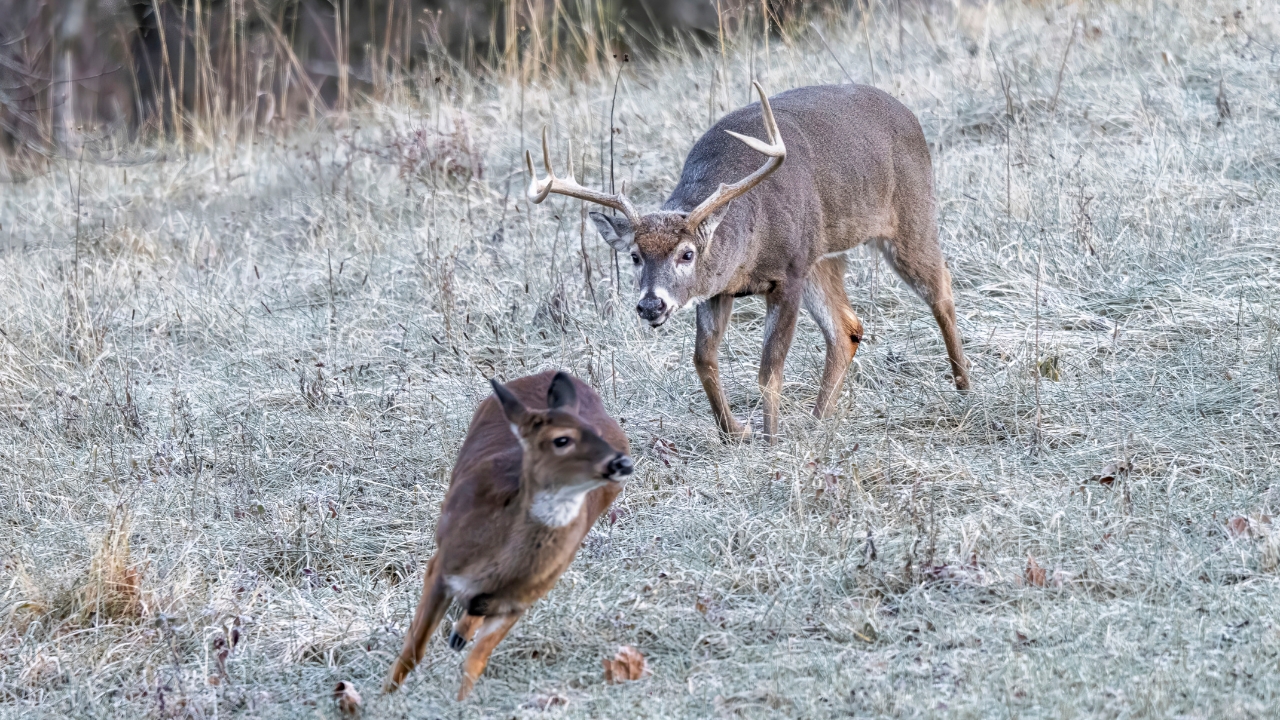
Once breeding peaks, buck behavior shifts again. Analyses of Peak Rut Behavior note that During the height of breeding, bucks may cover wide areas in daylight, but they also spend long stretches locked down with individual does in secluded cover. That means you can sit a historically good funnel for hours and see nothing, not because the rut has “shut off,” but because the nearest mature buck is holed up with a single doe 200 yards away. If you expect chaos every minute, you will either abandon a good area too quickly during a lull or stubbornly sit a dead one because you think the fireworks must start any second.
Ignoring does while obsessing over one buck
Another rut misconception that glues you to the wrong stand is the idea that you are hunting a specific buck’s pattern, even in November. You pore over trail camera photos, pick the tree where he appeared most often, and then sit there for days waiting for him to repeat that behavior. The problem is that once breeding begins in earnest, his world revolves around whichever doe is in heat, not the scrape or field edge where you last saw him. That is why detailed rut breakdowns flag DOE GROUPS as the real engine of buck movement, and why your time is better spent locating clusters of does than worshipping a single camera angle.
The biology backs this up. Analyses of female behavior note that Still, individual does are not in heat for weeks on end, and According to the Binghamton Press and Sun Bulletin, a doe that is not bred will enter heat again in approximately 28 days. That cycling means bucks are constantly shifting to whichever doe is ready next, often bouncing between different family groups. If you keep hunting where “your” buck was three days ago instead of where the next hot doe is likely to be, you are always one step behind the real action.
Sticking to open timber instead of thick cover and travel corridors
Comfort is another reason you stay in the wrong place too long. Open hardwoods and big fields feel huntable, you can see far, and it is easy to convince yourself that if a buck is moving, you will spot him there. In practice, rut pressured bucks often favor thicker cover, especially in daylight, and slip through terrain features that let them scent check doe bedding areas with minimal exposure. Detailed breakdowns of common failures point out that Not Hunting Cover is a primary reason hunters eat tag soup, and that land specialist Tim Kent of Whitetail Properties uses dense security cover to put himself in front of cruising bucks instead of waiting on the edge of big openings.
When you do move, you may still be thinking in terms of obvious sign or pretty trees instead of how deer actually travel between bedding and food. Detailed rut setup advice stresses that Rut setups should focus on travel corridors, pinch points, and doe bedding areas, because Bucks use these routes to cover ground efficiently while scent checking for receptive does. If you keep climbing into stands that are easy to access but sit off those natural lines of movement, you are effectively hunting the background instead of the main trail. The rut rewards you for being where deer feel safe moving in daylight, not where you feel most comfortable watching empty woods.
Confusing patience with paralysis in the stand
You are told to be patient during the rut, to sit all day, and to trust that at any moment a buck could appear. That advice is sound, but only if you are in the right place to begin with. Too often, “patience” becomes an excuse to stay in a marginal stand because you are afraid of bumping deer or second guessing your plan. Classic rut mistake lists describe how You can ruin the breeding season by not starting early enough or by failing to adjust when a stand goes cold, and they note that Perhaps the worst habit is returning to the same stand two days apart even after the wind or deer movement has changed.
True patience means committing to long sits in stands that are actually positioned well with the wind and current deer movement, not clinging to a bad setup because you already carried your gear in. Detailed breakdowns of rut mistakes at private ranches point out that When the best part of the rut heats up, it is easy to focus solely on bucks and forget that the deer are on the move and you cannot just sit in a hunting blind and wait around. During the rut is certainly a time to log long hours, but only if you are willing to relocate when sign, sightings, or wind direction tell you that your current tree has slipped out of the game.
Mismanaging all-day sits, access, and pressure
All day sits are one of the most powerful tools you have during the rut, but they are also one of the easiest ways to burn out a spot if you do them wrong. You are told that if you can stay from dark to dark, you will eventually catch a buck on his feet, and there is truth in that. Analyses of buck movement patterns note that All Day Sits are Worth It or Not depending on timing, and that if you are hunting the rut in November, the answer is often yes because Bucks do not follow a strict schedule and may move at any hour. The catch is that every entry and exit, every hour of your scent pooling in one area, adds pressure that can push deer to safer cover if you are not careful.
Managing that pressure starts with how you dress and move. Layering systems built for whitetail hunting emphasize that When it comes to whitetail hunting, especially during the rut, staying in the woods all day is often the key to success, but only if your clothing lets you remain still and quiet from sunrise to sunset. Scent control helps, but it is not a cure all. Detailed rut mistake lists caution that Sure, you can wear scent control garments and use ozone products, but if you ignore wind direction or blow deer out of a stand location with noisy access, you are sabotaging your own marathon sits. The goal is to combine long hours with low impact, not to martyr yourself in a stand that deer have already learned to avoid.
Letting late-rut and old-school tactics go to waste
The final rut misconception that keeps you in the wrong place is the belief that the show is over once the first wave of visible chasing dies down. You pack it in or keep sitting the same early November stands, convinced that you missed your window. Detailed breakdowns of common errors argue that this is a major oversight, and that you should Try to avoid Not hunting the late rut, because SPYPOINT data and field reports show that mature bucks often make daylight mistakes as they search for the last receptive does. During this period, feeding zones become more important again, and detailed timing guides note that During the peak rut, all day hunting can pay off, and as activity tapers, Setting up near feeding zones becomes a hot way to catch bucks checking for one last chance at breeding.
Late in the game, it also pays to lean on slower, more deliberate tactics that do not rely on deer coming to you. Classic whitetail strategies describe how When the hunter moves to new ground, his movements should be so slow that they are nearly imperceptible, a method James Jordan used to spot a buck before it spots you. Combined with modern understanding of how Bucks use travel corridors and doe bedding areas late in the rut, these old school still hunting and tracking tactics let you take the fight to deer that have abandoned your earlier stands. If you assume the rut is a short, explosive window and then keep sitting the same dead trees afterward, you are not just in the wrong spot, you are weeks behind the deer you are trying to kill.
Re-centering your rut plan on food, does, and movement
To escape the rut misconception that keeps you locked into bad stands, you need a different organizing principle for your season. Instead of building your plan around one magical tree or a circled week on the calendar, build it around where does bed and feed, how bucks travel between those points, and how that picture changes from early seeking to late breeding. Detailed mistake lists emphasize that avoiding key MISTAKE patterns like Avoiding Feeding Areas is critical, because those spots can be prime during the mating season when bucks swing through to check for does. If you keep tabs on where food sources are hottest and which doe groups are using them, you can rotate stands as the rut unfolds instead of clinging to one location out of habit.
Finally, remember that the rut is dynamic, not mystical. Peak activity may look chaotic, but it is still anchored to biology, terrain, and pressure that you can read if you are willing to move. Analyses of rut behavior stress that During the peak breeding phase, bucks are highly active during daylight hours and cover wide areas, which means your job is to intersect that movement, not wait for it in a vacuum. If you treat every sit as a data point, adjust when sign and sightings shift, and prioritize doe groups, cover, and low impact access over tradition, you will spend far less time in dead stands and far more time where the rut is actually happening.
Like The Avid Outdoorsman’s content? Be sure to follow us.
Here’s more from us: