Photo credit: Alexey Spehalski/Shutterstock.com
Some guns don’t make you a better shot—they make you lazy, overconfident, or worse, inconsistent. You’ve probably seen it: the guy with a high-dollar setup who can’t hit a pie plate at 100 yards, or the hunter who blames his misses on the gun instead of his shooting. The truth is, a good rifle should make you sharper, not hide bad habits. But certain designs, calibers, and gimmicks do exactly that—they dull your fundamentals and make you rely on the gear instead of skill.
Whether it’s excessive recoil, poor triggers, unnecessary complexity, or rifles that promise “one-shot perfection,” some guns simply work against you. They rob you of the discipline it takes to shoot well in real-world hunting situations. Here are the rifles and shotguns that might look great on paper but end up making hunters worse the more they use them.
Mossberg Patriot Synthetic Combo

The Mossberg Patriot Synthetic Combo looks like a ready-to-go hunting rifle, but it often sets shooters up for failure. The included scope is typically low-quality and poorly mounted, which means shots wander no matter how careful your form is. Combine that with a lightweight synthetic stock and stiff trigger, and you’ve got a rifle that’s tough to shoot accurately in field positions.
For new hunters, that creates bad habits—flinching, rushing shots, or blaming ammo instead of poor fit. The Patriot’s design isn’t inherently bad, but the budget package does shooters no favors. It teaches dependence on equipment that can’t perform consistently, and that’s a hard mindset to break. Once you’ve fought with a rifle like this in the field, you realize it’s not helping you grow as a marksman—it’s holding you back.
Winchester XPR

The Winchester XPR promises modern performance at a budget price, but its inconsistent triggers and rough bolt cycling make it a hard rifle to master. Many shooters report that it feels “off” even when groups look good on paper. That’s because the stock geometry and recoil pad don’t work together to help you maintain good shooting form.
Over time, this rifle encourages sloppy habits—like pulling the trigger instead of pressing it, or lifting your head off the stock before the bullet exits the barrel. The accuracy potential is there, but it’s buried under poor ergonomics. For a beginner trying to build muscle memory, that can be disastrous. The XPR can make you think you’re shooting worse than you are, and that shakes confidence fast. It’s a gun that looks like a deal until you realize how much time it costs you in unlearning what it teaches.
Ruger American Predator

The Ruger American Predator is one of the most popular entry-level rifles on the market, but it’s also one that can develop bad habits if you’re not careful. The ultralight stock flexes under bipod pressure or sling tension, which causes inconsistent point of impact. That inconsistency can make shooters chase zero, adjusting optics when they should be adjusting technique.
The short bolt throw and decent trigger give a false sense of refinement, but the rifle doesn’t always teach discipline. Many shooters rush follow-up shots or get sloppy with holdovers because the rifle feels forgiving when it isn’t. If you treat it like a trainer and practice proper form, it’ll perform fine—but too many new hunters rely on the rifle’s convenience instead of learning stability and shot control. The Predator is good gear—but it won’t make you a better marksman unless you already know what you’re doing.
CVA Cascade
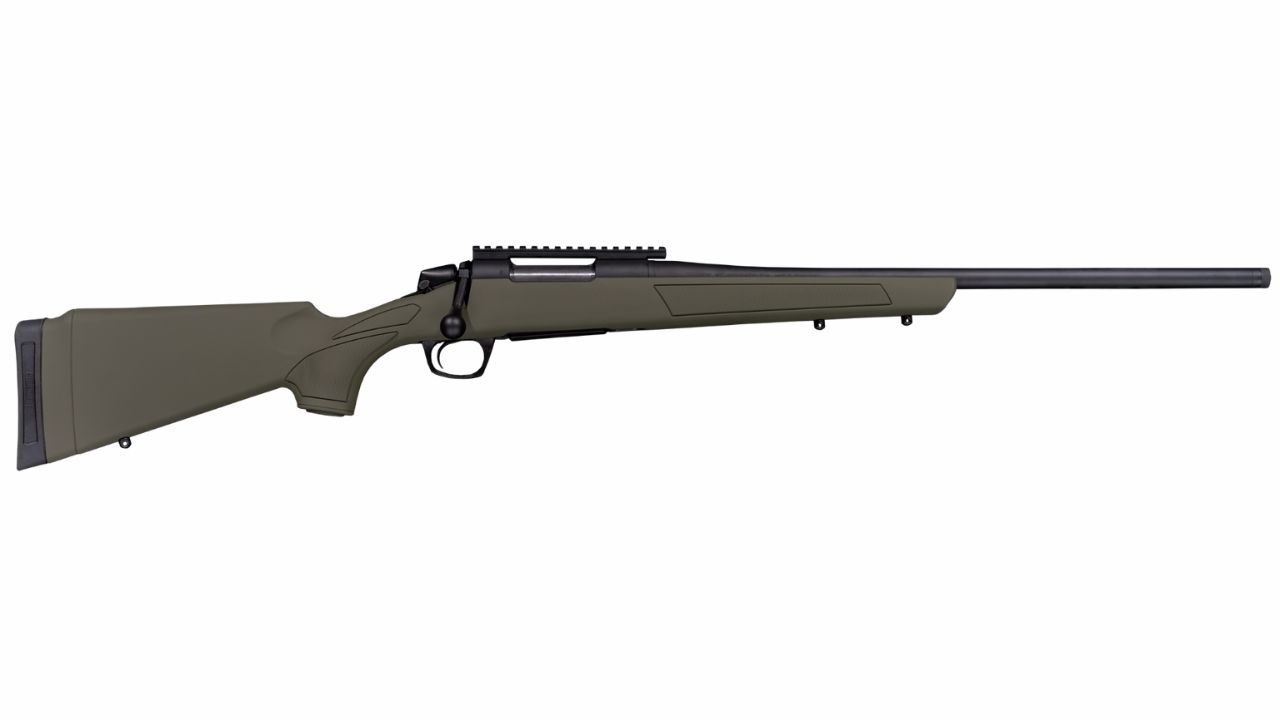
The CVA Cascade promises high-end accuracy at a midrange price, but the rifle’s featherweight feel and high-velocity chamberings make it punishing for inexperienced shooters. The light build amplifies recoil and muzzle jump, especially in magnum calibers, and that leads to flinching faster than most realize. Once a flinch starts, it’s hard to undo.
The Cascade’s smooth bolt and modern styling lure new hunters in, but the lack of mass and recoil dampening teach poor habits. Instead of focusing on breathing or trigger control, shooters start bracing for impact. Even though the rifle itself is accurate, it’s unforgiving in the hands of someone still building confidence. In a way, it’s too capable for beginners—it hides skill deficits until they show up at the worst possible time, like when a buck finally steps into range.
Remington 742 Woodsmaster

The Remington 742 was once considered a fine deer rifle, but it’s one of those semi-autos that encourages lazy shooting. The soft recoil and quick cycling make it easy to skip the fundamentals. Hunters tend to slap the trigger and rely on fast follow-ups rather than slowing down and aiming with purpose. The gun’s accuracy also degrades over time as the action wears, making consistency even harder to maintain.
It’s a rifle that teaches you to rely on speed, not skill. In the woods, that means more wounded deer and fewer clean kills. The 742’s nostalgic appeal keeps it popular, but most of them shoot nowhere near their original accuracy. It’s a gun that makes hunters worse the longer they use it—because it forgives sloppiness until the day it doesn’t. By then, your shooting habits have already gone downhill.
Savage Axis XP

The Savage Axis XP is another budget rifle that looks appealing to new hunters but sets them back more than it helps. The heavy, gritty trigger and flexible synthetic stock make it hard to shoot consistently. It might group well off sandbags, but in field conditions, every flaw in your technique shows up tenfold. The factory scope included in combo models often fails to hold zero, which leads to unnecessary frustration.
Over time, those issues teach impatience and poor follow-through. Instead of learning to steady their shot, hunters learn to compensate for bad equipment—and that’s not a skill you want. The Axis XP can be a decent project rifle with upgrades, but straight out of the box, it does little to build confidence or discipline. It’s the kind of gun that makes new hunters think they’re missing when the rifle’s the real problem.
Remington Model 710

The Remington 710 was marketed as the everyman’s hunting rifle, but it’s one of the most criticized models Remington ever made. The cheap molded receiver and sticky bolt make it unreliable, and the plastic trigger guard feels fragile. Most models shipped with an off-brand scope that couldn’t handle recoil, which quickly led to frustration and confusion.
Hunters who tried to “make it work” often developed bad flinching and poor shot timing. When a gun doesn’t feed smoothly or consistently, it trains hesitation instead of confidence. The 710’s poor ergonomics also encourage bad posture, especially for taller shooters. Over time, those small habits lead to big accuracy problems. It’s a rifle that doesn’t just miss shots—it teaches you the wrong way to take them. Many shooters moved on to better rifles and immediately realized how much damage this one had done to their fundamentals.
Thompson/Center Compass

The T/C Compass was meant to compete with entry-level bolt actions, but it often feels unrefined and unpredictable. The trigger can vary widely between rifles, and the synthetic stock flexes enough to cause accuracy issues under pressure. That inconsistency makes shooters question their form, even when their fundamentals are fine.
For new hunters, that’s frustrating and counterproductive. You end up “chasing groups” instead of learning consistency. The rifle’s loud muzzle blast and rough bolt throw also make it less forgiving for beginners. It’s not that the Compass can’t perform—it’s that it teaches you to mistrust your own ability. A rifle that constantly makes you adjust for its quirks doesn’t make you better; it wears down your confidence. For developing shooters, the Compass is more of a setback than a stepping stone.
Remington V3 Field Sport

The Remington V3 is a decent semi-auto shotgun in the right hands, but for newer hunters, it can do more harm than good. The soft recoil and fast cycling make it easy to get sloppy with follow-up shots. Instead of focusing on lead, swing, and follow-through, hunters end up spraying pellets and hoping for the best.
It’s a shotgun that makes you feel like you’re improving—until you realize your fundamentals are fading. The gas system is smooth and forgiving, but that forgiveness comes at the cost of discipline. Miss a few birds with a pump, and you’ll work harder on timing and accuracy. Miss a few with the V3, and you’ll just pull the trigger faster. It’s a reliable shotgun mechanically, but it teaches bad shooting rhythm if you’re not paying attention.
Remington 770

The Remington 770 was supposed to be an affordable hunting rifle for beginners, but it’s done more to teach frustration than marksmanship. The rough bolt throw, heavy trigger, and inconsistent accuracy make it a poor platform to develop shooting skills. New hunters who start with one often learn bad habits—jerking the trigger or losing confidence after groups spread wide.
Because it ships with a budget scope and plastic stock, the 770 doesn’t give shooters a solid feel for what a well-fitted rifle should handle like. Instead of learning good form, hunters end up compensating for the rifle’s shortcomings. It’s one of those rifles that makes you second-guess your shooting when the real issue is the gun. A hunter who starts with one will spend more time trying to “figure it out” than learning how to actually shoot well.
Browning A5

The modern Browning A5 cycles fast and hits hard—but it’s also a shotgun that can make average shooters worse. The recoil-operated system kicks more than gas guns, which leads to flinching and rushed shots. Add the high comb and sharp recoil impulse, and it’s not exactly friendly for sustained practice sessions.
Many hunters fall in love with its style and reputation but find themselves fighting recoil anticipation and inconsistent swing follow-through. It’s accurate, but not forgiving—and in the wrong hands, that creates bad habits fast. It’s the kind of shotgun that rewards perfect form but punishes even small mistakes. For newer hunters, that means frustration instead of progress. You don’t become a better wingshooter by muscling through recoil—you do it by mastering control, and the A5 doesn’t make that easy.
Weatherby Mark V Ultra Lightweight

The Weatherby Mark V Ultra Lightweight was built to shave pounds, but that comes at a cost. Chambered in powerful cartridges, it delivers recoil that’s snappy and punishing. Hunters who shoot it often start flinching or rushing shots, especially from field positions. The rifle is accurate, but only if you can stay behind it comfortably—and few can for long.
The light stock and thin barrel also make it harder to keep stable on bags or bipods. That inconsistency teaches nervous habits, especially for shooters still building confidence. The Mark V Ultra Lightweight might impress your friends at camp, but it’s not a rifle that makes you better with time. It teaches avoidance—shoot fewer rounds, spend less time on the bench, and rely more on the gun than your skill. That’s not how you improve—it’s how you plateau.
*This article was developed with AI-powered tools and has been carefully reviewed by our editors.