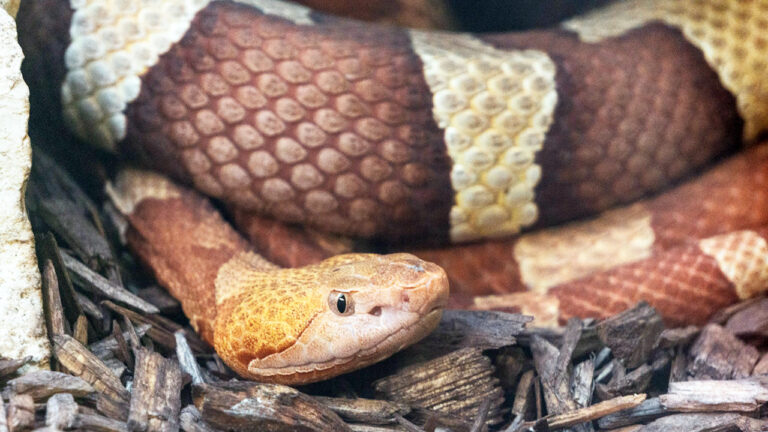
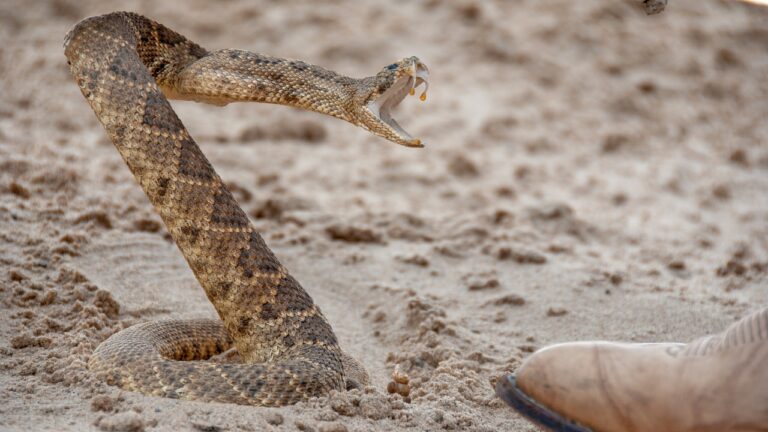
A rattlesnake passing through is one thing. A rattlesnake that has figured out your place offers food, cover, water, and easy hiding spots is a different problem entirely. That is when the occasional sighting starts turning into a pattern. The snake is not there by accident anymore. It is there because your property gives it what it wants, and that usually means you have built better snake habitat than you meant to. Wildlife and extension guidance keeps circling back to the same basic truth: snakes stay where shelter and prey are easy to find.
The bad part is that the signs are often easy to brush off until you realize they all point in the same direction. A little rodent activity. A brush pile you keep meaning to move. Tall grass around the edge of the lot. A shed full of clutter. A pond, fountain, or damp pump area that stays cool in hot weather. None of that screams “rattlesnake” by itself. Put enough of it together, though, and a snake no longer has much reason to leave.
Rodents are active around the house and outbuildings
One of the clearest signs a rattlesnake may settle in is that the property already has a rodent buffet. UC IPM says eliminating rodent populations is an important step in making an area less attractive for rattlesnakes, and Texas Parks and Wildlife says controlling rodent and insect populations helps discourage snakes by cutting off their food supply. If mice, rats, voles, or ground squirrels are working the place over, the snake does not need a second invitation.
This is where people miss the connection. They notice droppings in the shed, burrows near a retaining edge, or squirrels working the back lot and think of that as a separate issue. It is not always separate. A property that supports prey starts advertising itself to predators too. If the food source sticks around, the odds go up that a rattlesnake starts treating the place like dependable hunting ground instead of a stop on the way somewhere else.
You have rock piles, brush piles, lumber, or junk that stays undisturbed
This is one of the biggest tells. UC IPM says to remove suitable hiding places like heavy brush, rocks, and lumber piles, while Texas Parks and Wildlife warns that wood piles, brush piles, trash dumps, and floor-level clutter in storage areas can provide snake shelter. If your property has stacked materials, old debris, rough rock edges, or yard junk that sits untouched for long stretches, you have already given a rattlesnake one of the main things it wants: cover.
What makes this worse is how “normal” these spots feel. A pile of extra lumber behind the shed. A brush heap you keep meaning to burn. Tools and tarps on the barn floor. None of it looks dramatic, but to a snake those places offer shade, concealment, and a safe place to wait out heat or hide from disturbance. The more long-term clutter you have lying low to the ground, the easier it is for a snake to stop being a visitor and start being part of the property.
Tall grass, weeds, and rough edges are going untouched
A property with clean, visible ground is harder for a rattlesnake to use casually. A property with tall weeds, brushy corners, unmowed fence lines, and rough cover around buildings is much easier. UC IPM says weeds should be mowed close to the ground or removed because heavy brush and tall grass make areas more attractive to rattlesnakes. That kind of cover gives them travel lanes and hiding places without forcing them into the open.
This is especially true on the edges people ignore most. The back of the lot. Around the propane tank. Along the creek edge. Behind the kennel. Near the stacked fence posts. If those places stay shaggy and quiet, a snake can move through them or settle nearby without getting noticed much at all. Once your property starts offering hidden routes between cover, the snake does not have to expose itself often to keep using the space.
Sheds, barns, crawl spaces, and pump enclosures have easy access
Texas Parks and Wildlife notes that snakes can enter houses, barns, garages, basements, and similar areas through small openings, especially at or below ground level, and UC IPM says crawl spaces should be checked for gaps and that pump enclosures can provide cover if not well sealed. That is a big clue. If your buildings have loose thresholds, foundation gaps, unsealed utility penetrations, or dark cool corners with little traffic, you are not only dealing with “snake country” outside. You may be offering shelter right up against the structure.
This matters because snakes do not need much space to slip in and out, and they do not care that you think of that building as storage or work space. They care that it is cool, dark, quiet, and possibly full of rodents. A rattlesnake that starts using those spaces is one that has found dependable refuge on the property, which is a lot more serious than seeing one crossing the yard once in June.
There is dependable water or damp ground nearby
Water alone does not guarantee rattlesnakes, but damp protected areas can make a property more appealing. UC IPM notes that dampness associated with ornamental fountains, pools, and fishponds may make surrounding areas attractive to snakes, especially when combined with cover and prey. If you have a pond edge, fountain area, irrigation leaks, dense vegetation near water, or a cool damp pump housing, that can help complete the package.
A lot of people think only of desert heat and sunning rocks, but snakes also use cooler protected spots to regulate temperature and avoid exposure. So if your place has both hot basking areas and nearby cool cover with moisture, it starts offering options through more of the day. That does not mean a water feature “causes” rattlesnakes, but it can absolutely help a snake feel more at home once the rest of the habitat is already there.
Your dog or other animals keep acting strange in the same areas
UC IPM’s rattlesnake guidance notes that dogs and even some other animals can act as sentinels, and unusual barking or whining may be worth investigating for snake presence. That does not mean every bark is a rattlesnake warning, of course. But if your dog gets tight, wary, or fixated around the same brushy corner, woodpile, pump house, or shed wall over and over, pay attention. Animals often pick up what you missed.
Patterns matter here. One odd reaction is not much. Repeated reactions in the same part of the property are more meaningful. A rattlesnake that has made itself comfortable usually does not announce itself every day, but it may leave enough of a presence that pets notice before people do. When your dog keeps telling you there is something wrong in one specific zone, it is worth taking that zone seriously.
Neighbors are seeing snakes too
UC IPM notes that when rattlesnakes become especially numerous in an area, sightings by neighbors may alert you to expect a problem. That is worth more than a lot of people think. If nearby properties are having repeated snake encounters, your place is not separate from that pattern just because you have not seen one in broad daylight yet. Snake activity is often a neighborhood habitat issue before it becomes an individual-yard issue.
In practical terms, this means local reports matter. If people on your road are finding rattlesnakes under porches, in barns, near rock walls, or around dog runs, you should assume the conditions exist on your place too until proven otherwise. A rattlesnake that feels comfortable in one patch of connected habitat often does not respect property lines the way people do.
The real sign is that your property has become easy for them to use
That is the bigger picture. A rattlesnake has likely made itself comfortable on your property when shelter is easy, prey is active, entry points are open, and the rough parts of the place stay quiet long enough for the snake to use them without pressure. None of those signs needs to look dramatic. In fact, the whole problem is that they often look ordinary right up until the day you find the snake under exactly the thing you should have cleaned up months ago.
The encouraging part is that these are mostly habitat problems, which means they can be changed. But if you are seeing several of these signs at once, the safer assumption is not “maybe one passed through.” It is that your property is starting to make too much sense to a rattlesnake.
Like The Avid Outdoorsman’s content? Be sure to follow us.
Here’s more from us: