

Photo credit: Abibniosky/Pixabay.com
Some dogs are happy to sleep on the couch and wait for dinner. These aren’t those dogs. Certain breeds were built to do something—to work livestock, track scent, guard territory, retrieve game, or stay locked in on a handler all day long. When that outlet disappears, the energy doesn’t just fade. It turns into anxiety, pacing, destruction, obsessive behavior, or nonstop vocalizing. This isn’t bad temperament and it isn’t poor breeding. It’s unmet instinct. If you don’t give these dogs a job, they’ll invent one, and it’s usually not something you want. These are 15 dog breeds that tend to unravel fast when they’re underworked or under-stimulated.
Belgian Malinois
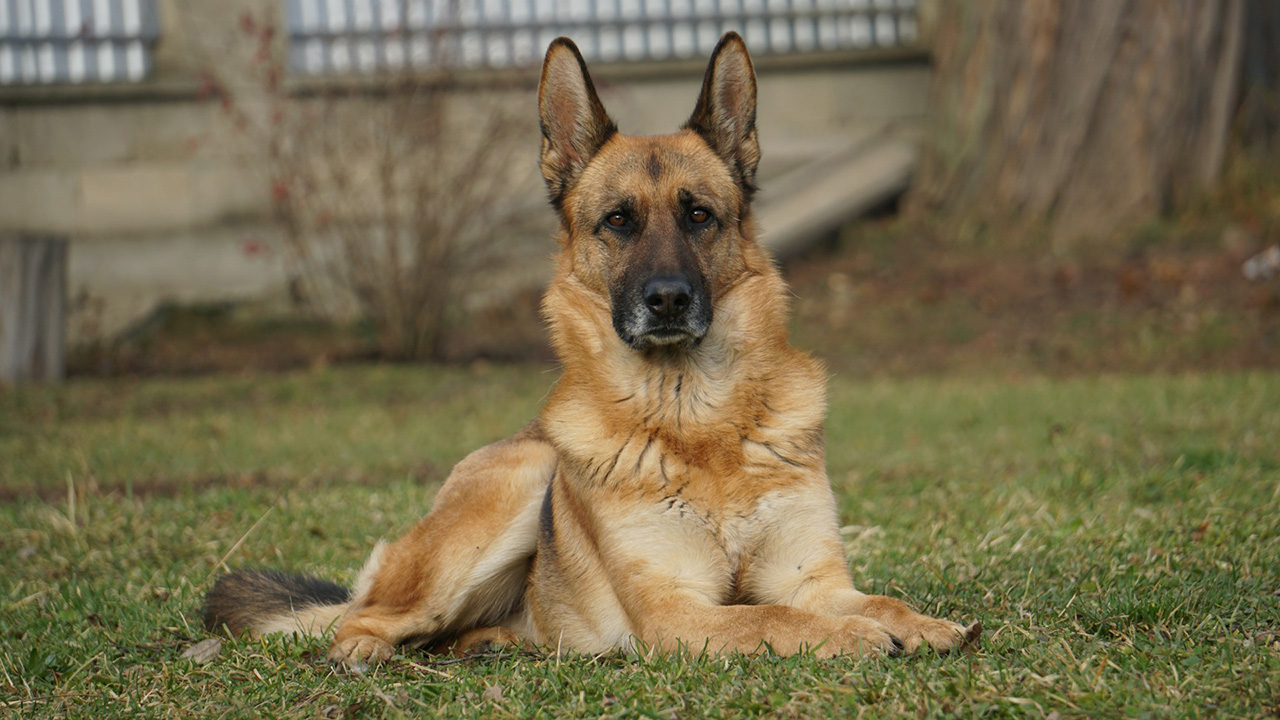
Belgian Malinois are one of the fastest breeds to develop anxiety when they don’t have a clear purpose. These dogs are wired to work at a high intensity for long periods, usually in direct partnership with one handler. When that outlet disappears, the mental pressure builds quickly. You’ll see pacing, whining, destructive chewing, obsessive shadowing, and fixation behaviors that escalate over time.
What makes Malinois difficult is that physical exercise alone isn’t enough. You can run them for miles and still end up with an anxious dog if their brain isn’t engaged. They need structure, training, problem-solving, and direction. Without that, their drive turns inward. This is why Malinois do so well in police, military, and sport roles—and why they struggle badly as casual pets without daily work.
Border Collie
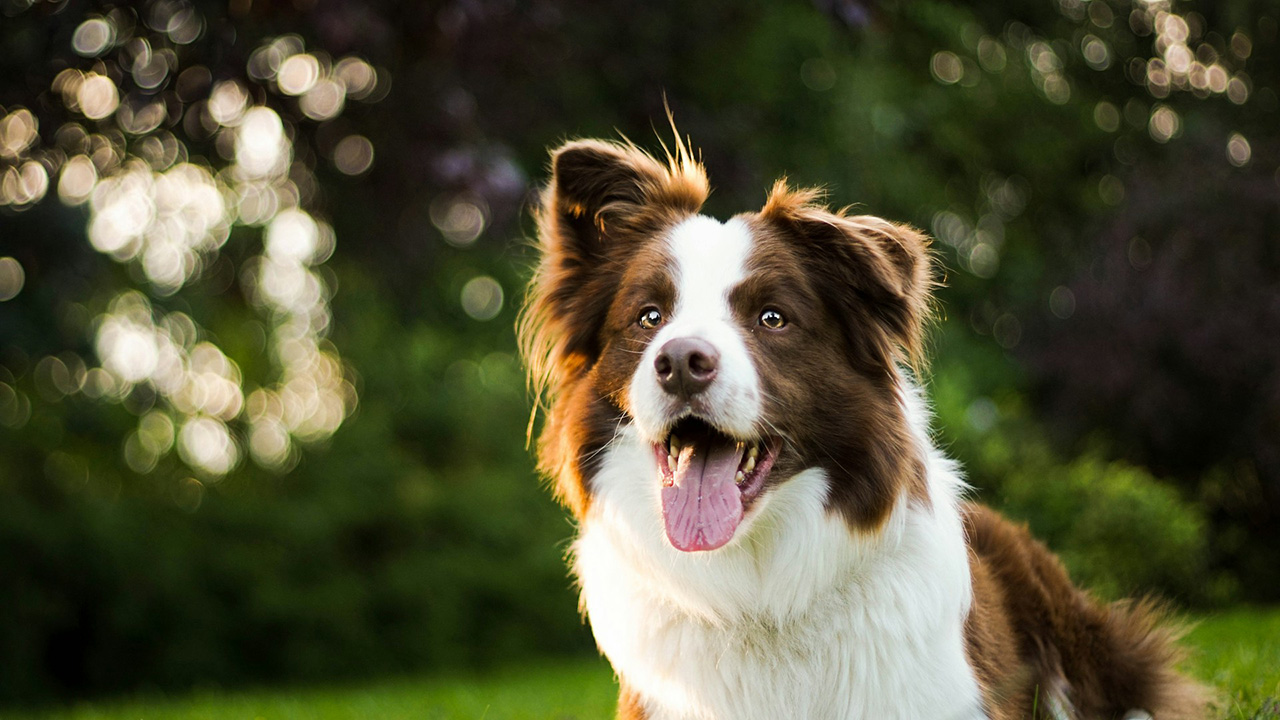
Border Collies are famous for intelligence, but that intelligence is built on work drive. These dogs were bred to think, react, and control movement all day long. When there’s no job, their brain doesn’t shut off—it spins. Anxiety often shows up as obsessive behaviors like shadow chasing, light fixation, constant motion, or herding people and pets.
Border Collies don’t relax easily without mental exhaustion. A walk isn’t a job. Neither is a backyard. They need tasks that require focus and decision-making. Without that, their sensitivity and awareness turn into stress. Many owners mistake this for “energy problems,” but it’s really unused instinct. Give them work, and they’re calm. Take it away, and they unravel.
Australian Cattle Dog

Australian Cattle Dogs are built for pressure. They were designed to work stubborn livestock in harsh conditions with minimal guidance. That independence and drive becomes anxiety when they’re idle. These dogs often become reactive, controlling, or destructive when they don’t have a role.
ACDs tend to fixate on routines and people when underworked. They’ll pace, hover, bark excessively, or start policing the household. Physical activity helps, but like other working breeds, mental engagement is what actually settles them. Without a job, they feel unnecessary—and that’s when the anxiety shows up. This breed thrives when given responsibility and struggles when treated like a passive companion.
German Shepherd
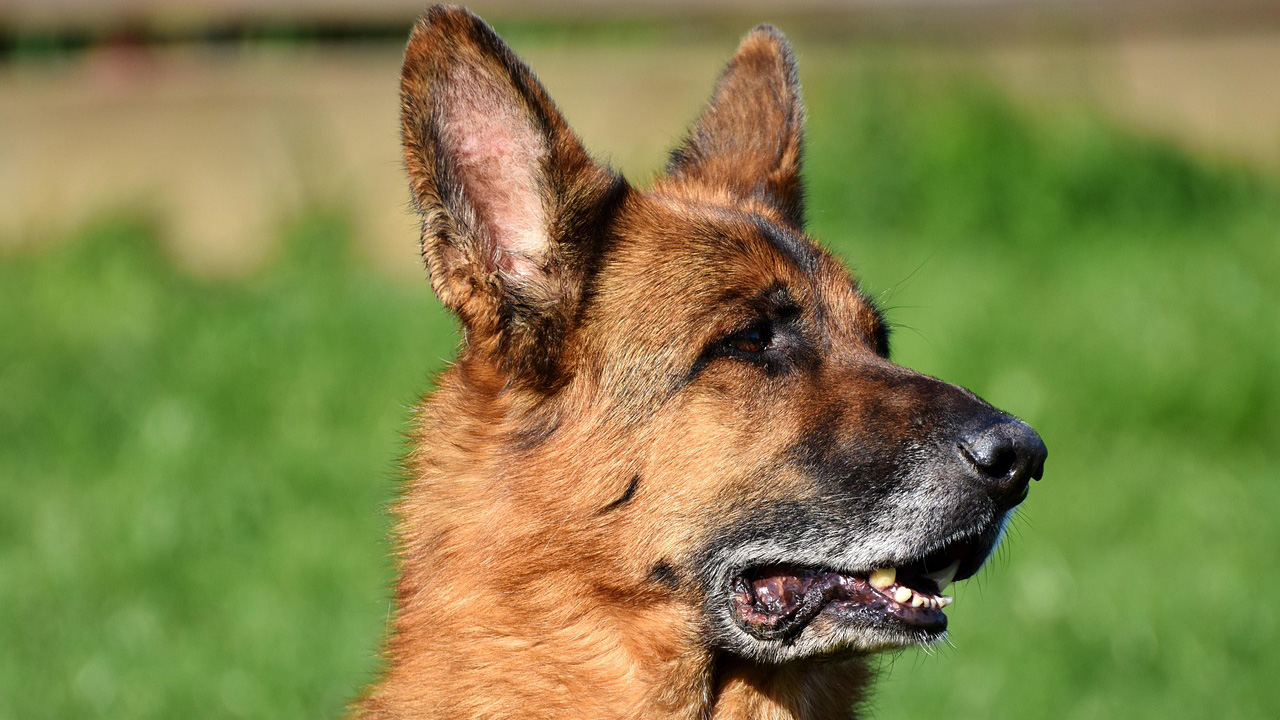
German Shepherds bond deeply to their handler and expect structure. When they don’t have a task, their vigilance turns into nervous energy. You’ll see restlessness, whining, shadowing, and sometimes destructive behavior tied to separation anxiety.
These dogs were bred to work long shifts guarding, tracking, and responding to direction. Without that framework, they don’t know what to do with their awareness. A bored shepherd often becomes an anxious shepherd. They do best when given consistent training, clear boundaries, and purposeful activity. Without it, they tend to internalize stress and stay on edge.
Siberian Husky
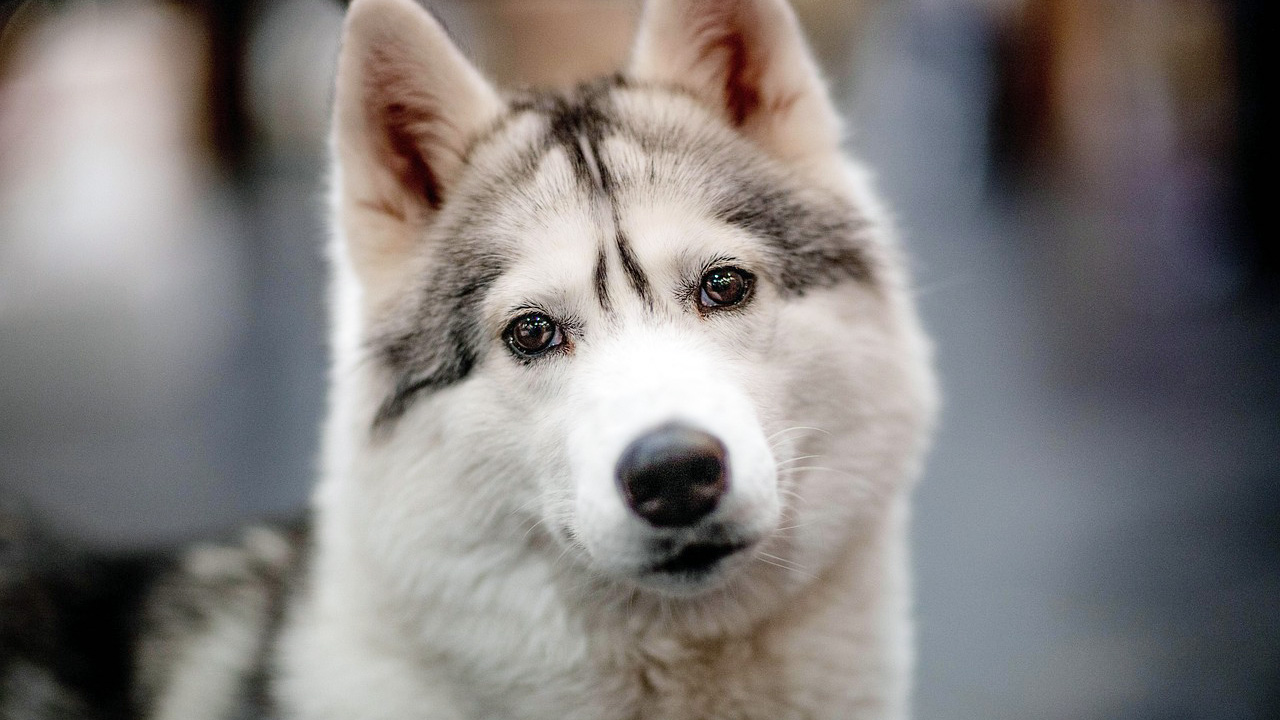
Huskies were bred to run, pull, and make independent decisions in harsh environments. When they’re confined without purpose, anxiety shows up fast. Howling, digging, escaping, and destructive chewing are common signs of an underworked Husky.
Unlike handler-focused breeds, Huskies don’t channel anxiety into obedience issues—they channel it into escape behavior. They want movement and challenge. Without a job, they’ll create chaos just to burn off mental pressure. A tired Husky is calm. An idle Husky is stressed and looking for a way out.
Weimaraner

Weimaraners are high-drive hunting dogs with strong attachment to their people. When they don’t have enough physical and mental work, anxiety often shows up as clinginess, separation issues, and destructive behavior.
They’re often mislabeled as “needy,” but the reality is they were bred to work closely with humans all day. Without that partnership and outlet, their attachment turns into stress. Weimaraners need structured activity, training, and consistent engagement. Without it, they don’t settle well and often develop habits that are hard to break.
Vizsla

Vizslas are often described as affectionate, but that affection is tied to purpose. They’re sporting dogs built for long days in the field, and without that outlet, anxiety builds quickly. You’ll see pacing, vocalizing, and constant need for reassurance.
They don’t do well with idle time or inconsistent routines. Vizslas need both physical work and mental engagement to feel balanced. When they’re underworked, they don’t just get bored—they get unsettled. This breed thrives when given regular training and tasks and struggles when treated like a low-maintenance companion.
Doberman Pinscher

Dobermans are alert, driven, and highly bonded to their handler. Without a job, their natural vigilance turns into anxiety. You’ll often see restlessness, pacing, and hyper-awareness of sounds and movement.
They were bred to guard and respond, not to lounge aimlessly. When there’s no direction, they stay “on” all the time, which is exhausting for them. Dobermans do best with obedience work, structured routines, and purposeful activity. Without that, their anxiety tends to escalate rather than fade.
Dutch Shepherd
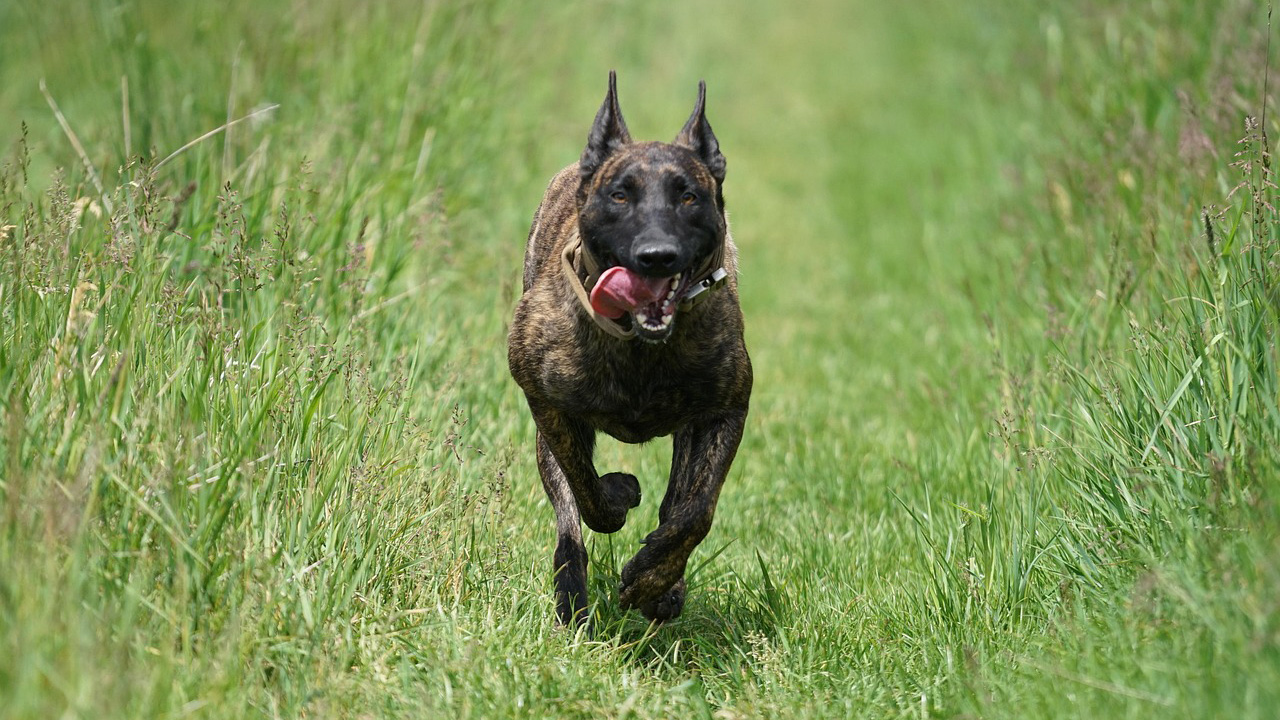
Dutch Shepherds are closely related to Malinois in drive and intensity, and they share the same anxiety risks when underworked. These dogs are problem-solvers that expect daily challenges. Without them, frustration and nervous behaviors show up fast.
They often become obsessive, reactive, or destructive when idle. Dutch Shepherds need mental work that requires focus and control, not just exercise. Without a job, they don’t know where to put their energy, and anxiety fills the gap.
Jack Russell Terrier
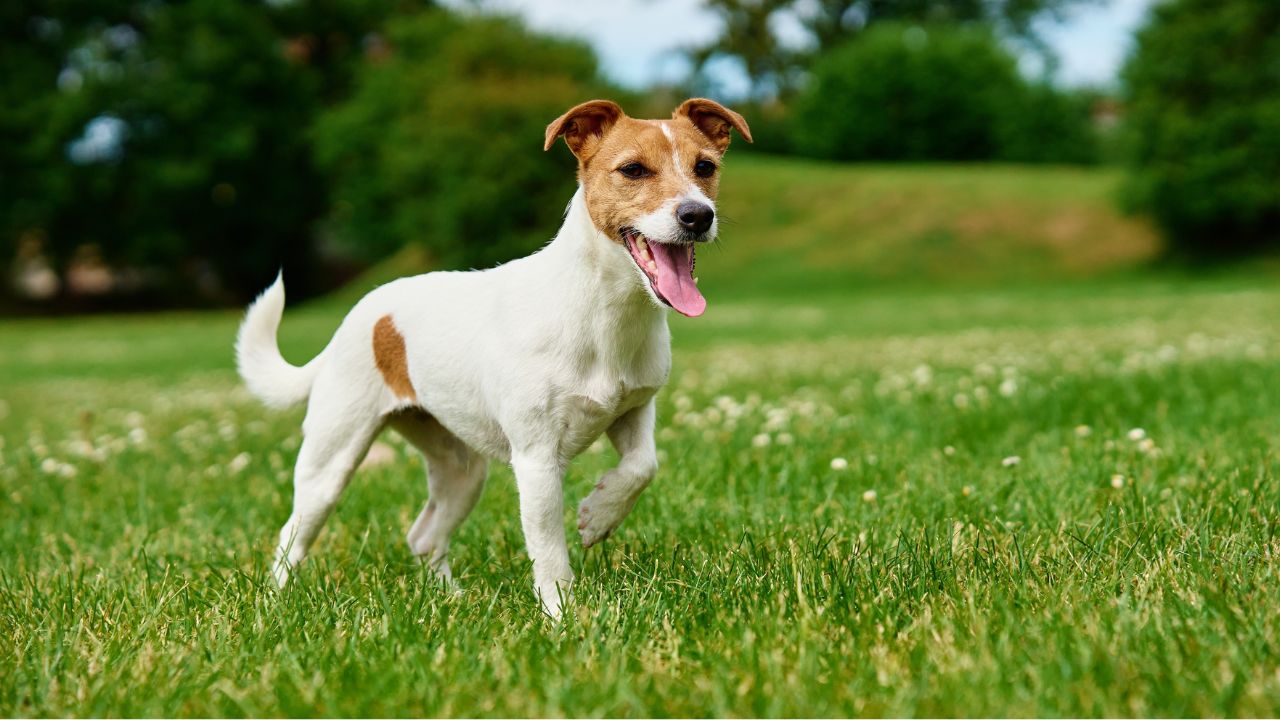
Jack Russells are small dogs with massive work drive. They were bred to hunt and kill vermin relentlessly, and that instinct doesn’t disappear in a living room. Without a job, anxiety shows up as nonstop motion, barking, digging, and destructive behavior.
They don’t self-regulate well. A bored Jack Russell will invent tasks—usually ones that involve tearing something apart. These dogs need consistent engagement and outlets for their prey drive. Without that, their intensity turns into nervous energy quickly.
Coonhound

Coonhounds are scent-driven dogs that expect to follow trails and work independently. When confined without purpose, they often develop anxiety-related behaviors like pacing, vocalizing, and escape attempts.
Their brains are wired to track and problem-solve over long distances. Without that outlet, they become frustrated and restless. A Coonhound without work doesn’t relax—they wait. And that waiting turns into anxiety if it goes on too long.
Belgian Tervuren
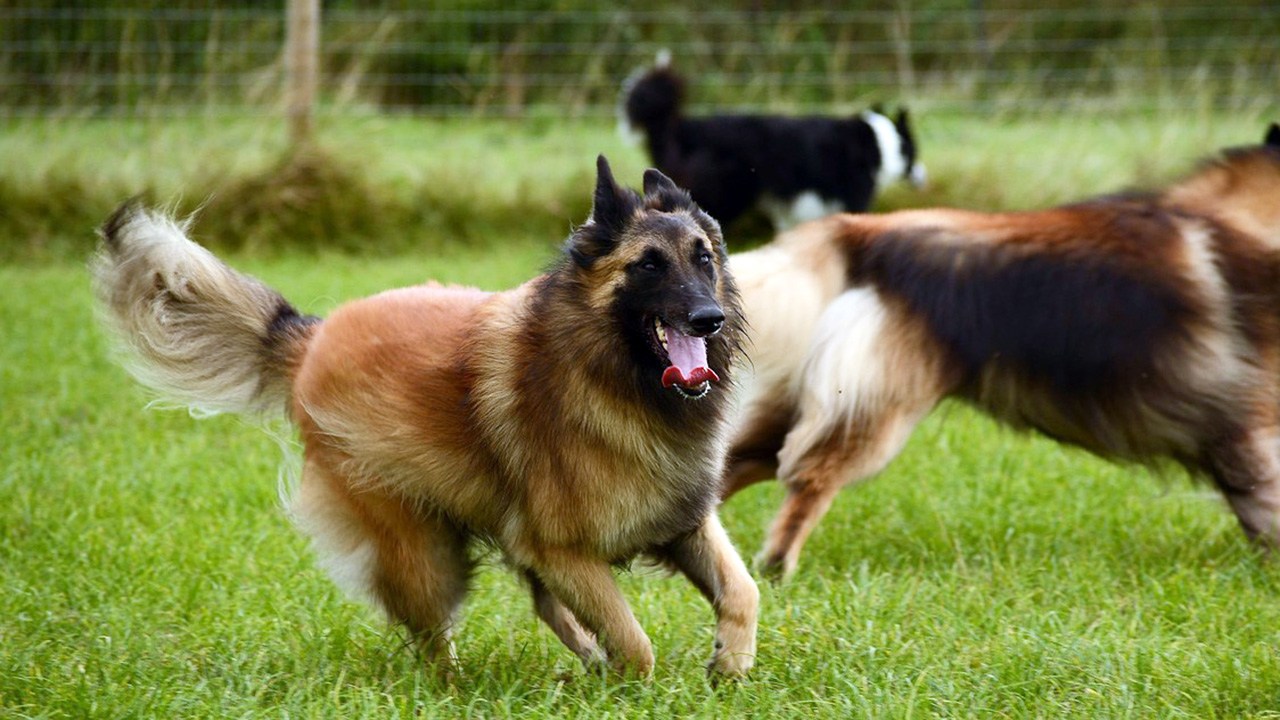
Belgian Tervurens are sensitive, intelligent working dogs that need direction. Without a job, they often become nervous, reactive, or overly attached. Their anxiety tends to show up as hypervigilance and stress-related behaviors.
They thrive on structured training and purposeful activity. When those disappear, their sensitivity works against them. Tervurens need clarity and engagement to feel stable. Without it, they tend to unravel quietly but consistently.
Rhodesian Ridgeback
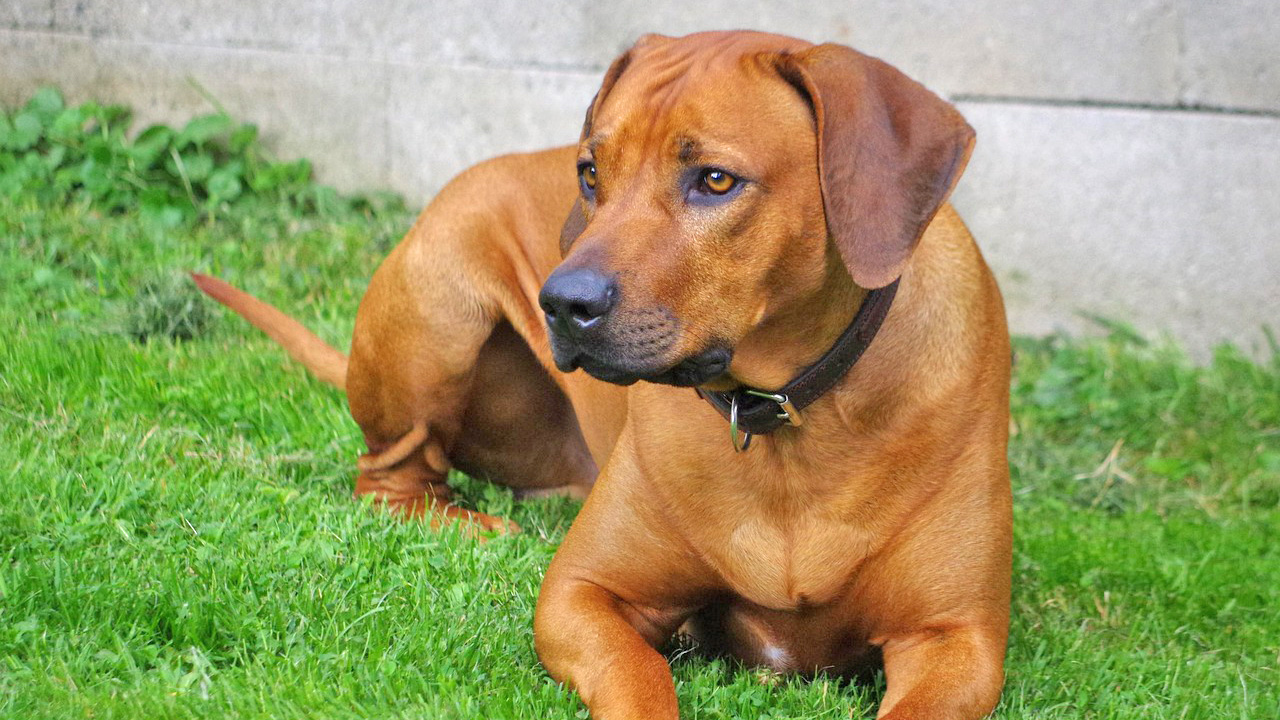
Ridgebacks are often calm indoors, but that doesn’t mean they’re low-drive. They were bred to track and pressure large game, and without physical and mental challenge, anxiety can build under the surface.
They may not act out immediately, but restlessness and withdrawal are common signs. Ridgebacks need purposeful exercise and engagement to stay balanced. When they don’t get it, their independence turns into detachment and stress rather than calm confidence.
Alaskan Malamute

Malamutes were built to haul weight over long distances. Without that outlet, they often develop anxiety expressed through destruction, digging, and escape behavior.
They’re strong, stubborn, and mentally tough—but that toughness needs direction. Idle Malamutes don’t relax well. They look for work, and if none exists, they create it. Consistent physical work and structured routines are key to keeping them settled.
Belgian Sheepdog
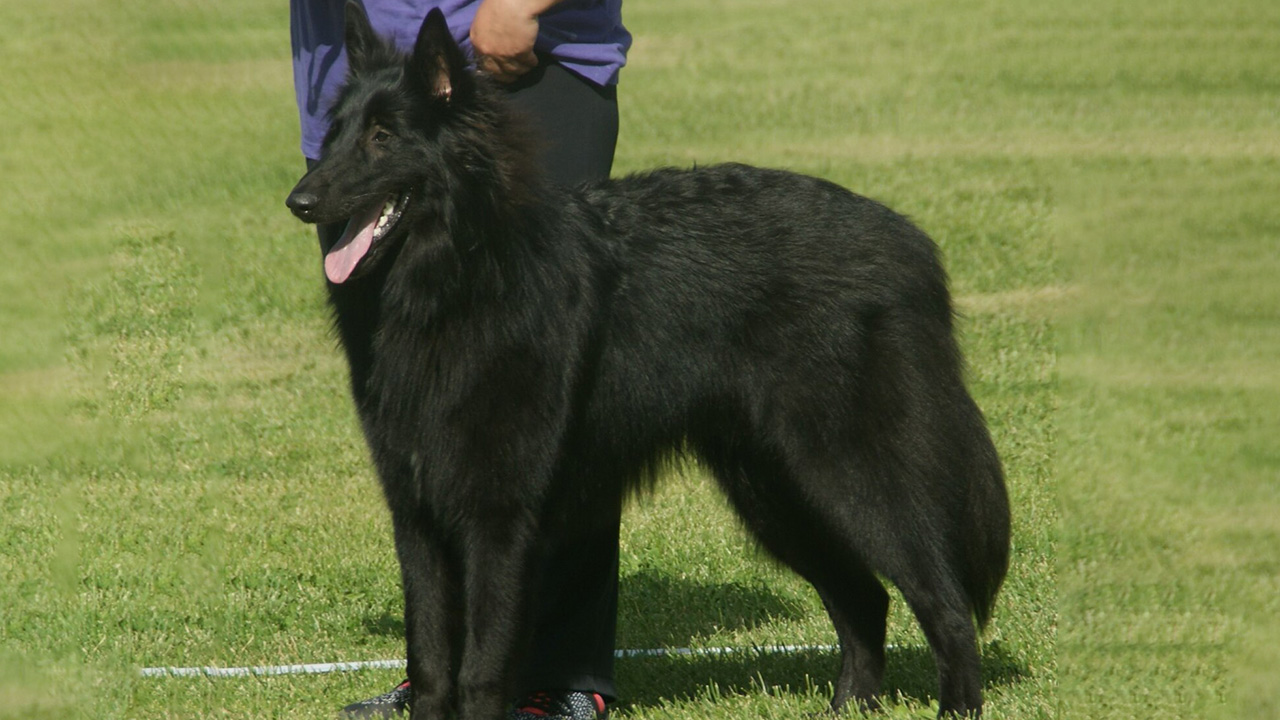
Belgian Sheepdogs are intense, observant, and driven. When they don’t have a job, their constant awareness turns into anxiety. You’ll often see pacing, alert barking, and fixation behaviors when they’re under-stimulated.
They do best with regular training, clear expectations, and meaningful tasks. Without that structure, their intelligence works against them. These dogs weren’t bred to idle, and when they’re forced to, anxiety fills the space where purpose should be.
Like The Avid Outdoorsman’s content? Subscribe to our newsletter so you never miss an article.
Here’s more from us:


