Photo credit: Jennifer Wallace/Shutterstock.com
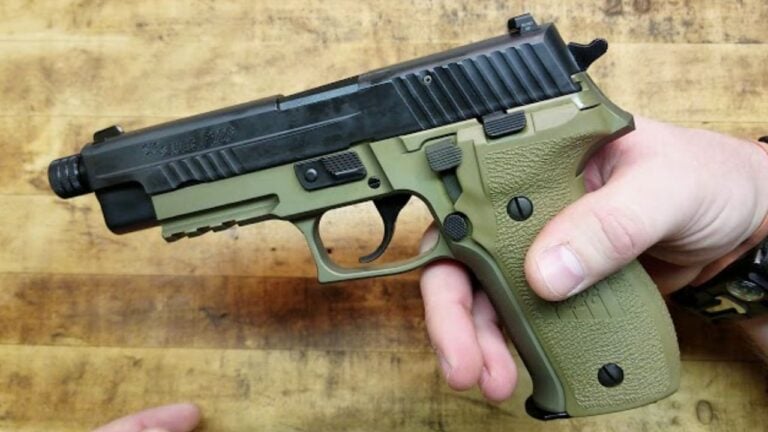
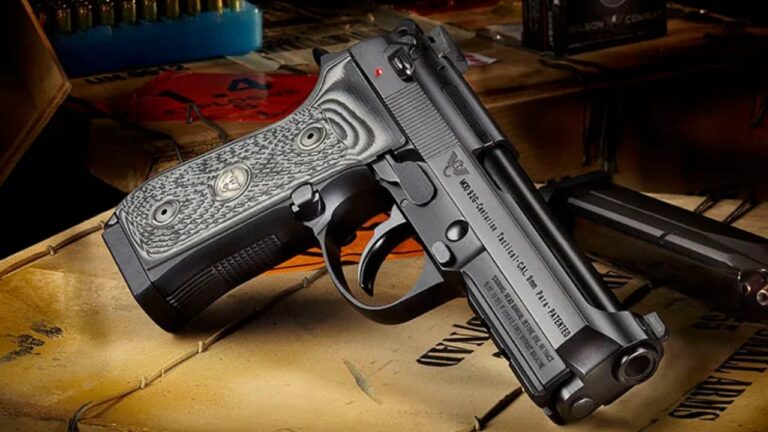
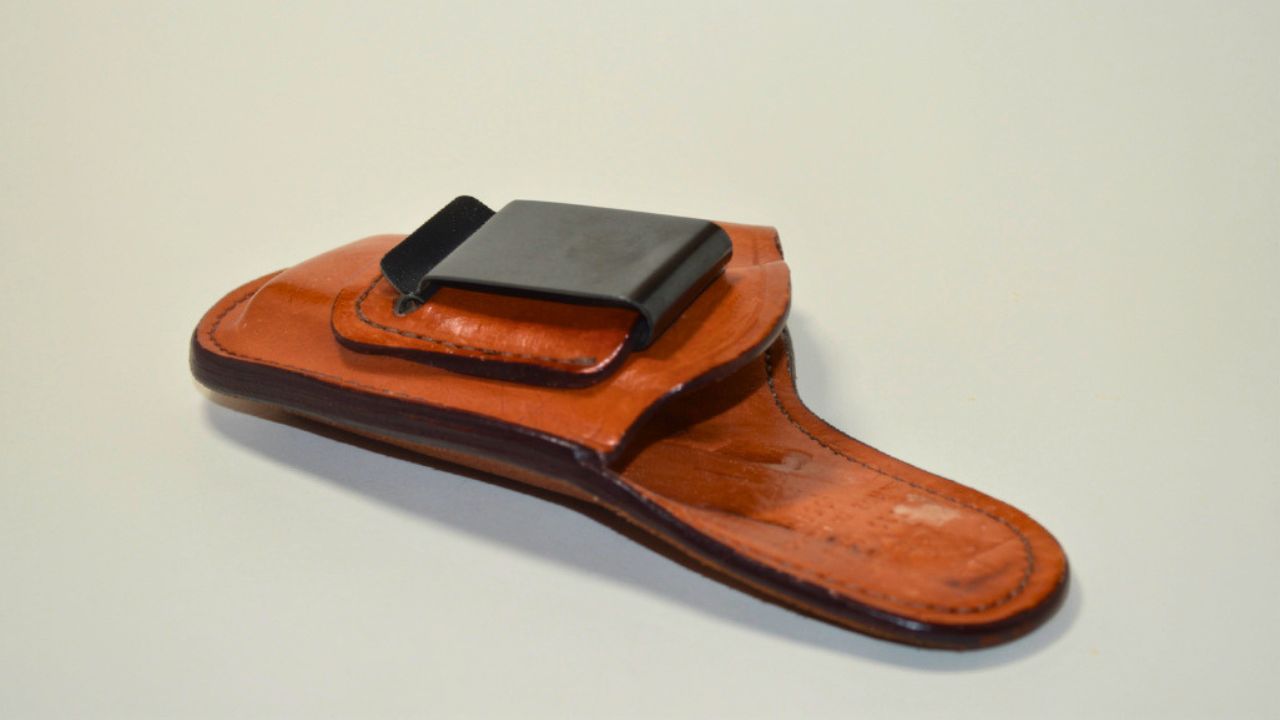
A lot of people think the hard part is remembering to leave the gun behind. They clear the pistol, lock it up, head into the arena, courthouse, school event, concert, or government building, and figure they handled the issue because the firearm itself never made the trip. Then they hit the checkpoint and get stopped anyway because the empty holster is still on their belt, clipped inside the waistband, or riding in plain view under a shirt that moved just enough to show it. That catches people off guard because, in their mind, the problem was the gun, and the gun is not there. But security checkpoints do not work off your intentions. They work off what they see, what they detect, and what they are trained to respond to. An empty holster changes the entire feel of the encounter because it suggests a firearm was part of the plan not long ago, and it raises a whole list of questions the screener now has to answer before you are going anywhere. Maybe the gun is in the truck. Maybe it is in a bag. Maybe you forgot a magazine. Maybe there is another weapon on you. Maybe you are harmless and absentminded. The checkpoint does not know that yet, and that uncertainty is exactly why an empty holster can cause a lot more trouble than people expect.
Security is reacting to what the holster means, not just what it is
That is the part a lot of carriers miss. To you, an empty holster may feel like nothing more than leftover gear. To security, it is a signal. It tells them you are either armed regularly, were armed recently, or came close enough to being armed that the equipment stayed in place even after the gun came off. That matters because most checkpoints are not built around trust. They are built around quick pattern recognition. Screeners are trained to notice items that suggest a weapon may be present, nearby, or accidentally still attached somewhere it should not be. So when they see a holster, they are not thinking, “No big deal, the pistol is probably at home.” They are thinking, “I need to make sure there is not a firearm still involved in this entry attempt.” That means more questions, more attention, and sometimes a more tense interaction than the person expected when he walked up feeling confident he had already disarmed. The holster itself may not violate every policy in every place, but it absolutely changes the way the checkpoint reads you. Once that happens, the encounter is no longer routine, and you are not just another person moving through the line.
The holster often leads to the second problem you forgot about
A surprising number of checkpoint issues do not stop with the holster. The holster is just what starts the conversation. Once security pays closer attention, they may find the thing you forgot was still in your pocket, bag, or truck console. A spare magazine. A loose round. A small knife you carry every day and stopped noticing years ago. Pepper spray where it is not allowed. A medical kit with a tool inside that gets flagged. A range bag that swapped cars and still holds something you never meant to bring. This is what makes the empty holster such a headache. It wakes up a level of scrutiny that exposes every other little habit you built around everyday carry. People who carry regularly tend to build routines, and routines are great until they run headfirst into a place with strict screening. Then all those normal little gear decisions get dragged into the light at once. The person who thinks, “It’s only a holster,” is missing that security now has a reason to keep looking. And once they keep looking, a simple oversight can turn into a delay, a denied entry, a trip back to the vehicle, or a much more uncomfortable conversation than the one you expected to have.
An empty holster can make people think you tried to beat the system
Even if that was not your intent at all, appearance matters at checkpoints. Security staff and law enforcement are used to hearing some version of “I forgot” from people who truly forgot and from people who are trying to downplay something they hoped would slide through. That is why an empty holster can land badly. It can look like you were close enough to carrying that somebody has to wonder whether the gun is still nearby, whether you intended to retrieve it later, or whether you simply did not take the policy seriously enough to clean up the whole setup before walking in. Again, your intent may be completely innocent. But the person across from you has to think in terms of risk, not benefit of the doubt. That is especially true in places where security has no tolerance for weapon-related surprises. The guy wearing an empty holster may feel like he did the responsible thing by leaving the firearm behind. The staff may see a person who came in halfway disarmed and now wants them to sort out the rest. That gap in perception is where a lot of the friction comes from. One side sees leftover gear. The other sees a possible warning sign.
Some places care less about the holster itself than the alarm it creates
In a perfect world, every checkpoint worker would calmly recognize the difference between an empty holster and an actual weapon-related threat, and every carrier would be given a quick nod and sent on his way. That is not how real life usually works. Policies vary. Training varies. Experience varies. Some staff members have seen enough weird situations to react hard to anything weapon-adjacent. Others may not know exactly what they are looking at, which can make them even more cautious. The holster may not technically be banned, but it can still trigger a response that slows everything down because no one wants to be the person who shrugged off a bad signal. And once bystanders notice what is happening, the tension often rises for no good reason. A person getting pulled aside over an empty holster can suddenly become the center of a scene, even when he is trying to cooperate and explain. That is another part carriers underestimate. The problem is not always what the rules say on paper. It is the real-world reaction that starts the second somebody in the line notices security focusing on holster gear. From there, even a simple misunderstanding can get loud, awkward, and harder to smooth out than it should have been.
The real fix is cleaning up the whole carry setup before you leave
This is one of those problems that is almost always easier to prevent than to explain later. If you are going somewhere with screening, do not stop at removing the firearm and assume that is enough. Break down the entire carry setup. Holster off. Spare magazine off. Knife checked. Bag checked. Console checked. Pocket dump if needed. Think through the routine all the way, because the gear you stop noticing in daily life is usually the exact gear that sneaks through your attention when you are in a hurry. A lot of checkpoint headaches come from people doing ninety percent of the job and then acting surprised when the last ten percent causes all the trouble. Everyday carriers get used to having the same items in the same places, which is why the transition into a no-weapons environment needs to be deliberate. Not casual, not partial, and not built around confidence that you would never make that kind of mistake. Plenty of competent people make exactly that mistake because habit is powerful. The way around it is not hoping you remember. It is building a pre-entry routine that leaves nothing attached, clipped, or forgotten.
A holster may be empty, but it still tells a story
That is really what matters here. Security checkpoints do not read an empty holster as a neutral object. They read it as part of a larger story about weapons, access, and possible oversight. Once that story starts, the burden shifts to you to show there is nothing else to worry about, and that is where the trouble begins. The empty holster brings attention, raises questions, and often leads to a deeper look at everything else you are carrying without thinking. It can make staff wonder whether you missed something bigger, and it can make bystanders uneasy even when the situation is harmless. None of that means the holster itself is evil or that a person wearing one is doing something wrong on purpose. It just means checkpoints are built to treat weapon signals seriously, and an empty holster is still a weapon signal whether carriers like that fact or not. The smart move is to treat disarming as a full process, not a half-finished one. If you are going through security, the goal is not only leaving the gun behind. The goal is leaving behind every obvious sign that a firearm setup came with you in the first place.
Like The Avid Outdoorsman’s content? Subscribe to our newsletter so you never miss an article.
Here’s more from us: