

Photo credit: CheaperThanYouThink/Youtube
A knife can feel perfect for 30 seconds under fluorescent lights and still wreck your hand after 20 minutes of real cutting. That’s the difference between “feels cool” and “fits the hand under pressure.” Hot spots usually come from sharp handle edges, aggressive texture that turns into abrasion, finger grooves that don’t match your hand, clips that bite your palm, or a handle shape that forces you into one grip when field work needs three or four. Gloves can hide it for a bit, but once you’re wet, cold, and squeezing harder than normal, those little edges start screaming.
This list is about knives that a lot of people like at first touch, then quietly stop carrying or using hard because the handle becomes the problem. Some are good knives overall—they’re just not friendly when you’re doing long cuts or repetitive work.
Spyderco Delica 4 (FRN)

The Delica is a great lightweight cutter, but the FRN handle can create pressure points for some hands when you’re bearing down and doing repetitive cuts. It feels grippy and secure in the store because it’s textured and light. In the field, that same texture can start to feel harsh, especially if your hand is wet and you’re clamping down.
The other issue is the handle’s thinness. Thin handles carry well but can concentrate pressure into a smaller contact area, which makes fatigue show up faster. Plenty of people love the Delica. But if you’ve got bigger hands or you do long cutting sessions, it can start to feel like it’s chewing you up.
Spyderco Endura 4 (FRN)

Same story, just bigger. The Endura feels great when you’re holding it lightly, and it’s a solid knife. But under load, the FRN texture and the handle shape can create “hot edge” pressure if you’re squeezing hard or working without gloves. In a hunting or camp setting, you may use weird angles, pinch grips, and choked-up grips that make those edges more noticeable.
Also, long handles can make you shift grip more, which seems like a good thing until you keep landing on the same pressure point over and over. If you’ve ever finished a long cut and felt a sore strip across your palm, this is the type of handle setup that can cause it.
Benchmade Bugout

The Bugout is famous for being light, and that’s both the appeal and the problem. In the store, it feels like a clean, simple EDC. In real work, the thin handle can create pressure points fast. When you’re cutting rope, breaking down heavy cardboard, or doing field tasks, you end up squeezing harder than you think, and thin handles make that bite your hand.
The stock scales on many Bugouts also feel a little flexy to some people, which can make you grip tighter subconsciously. A lot of owners fix it with aftermarket scales, and that tells you something. The blade is good. The comfort during hard use is where people start second-guessing it.
CRKT M16 (various models)
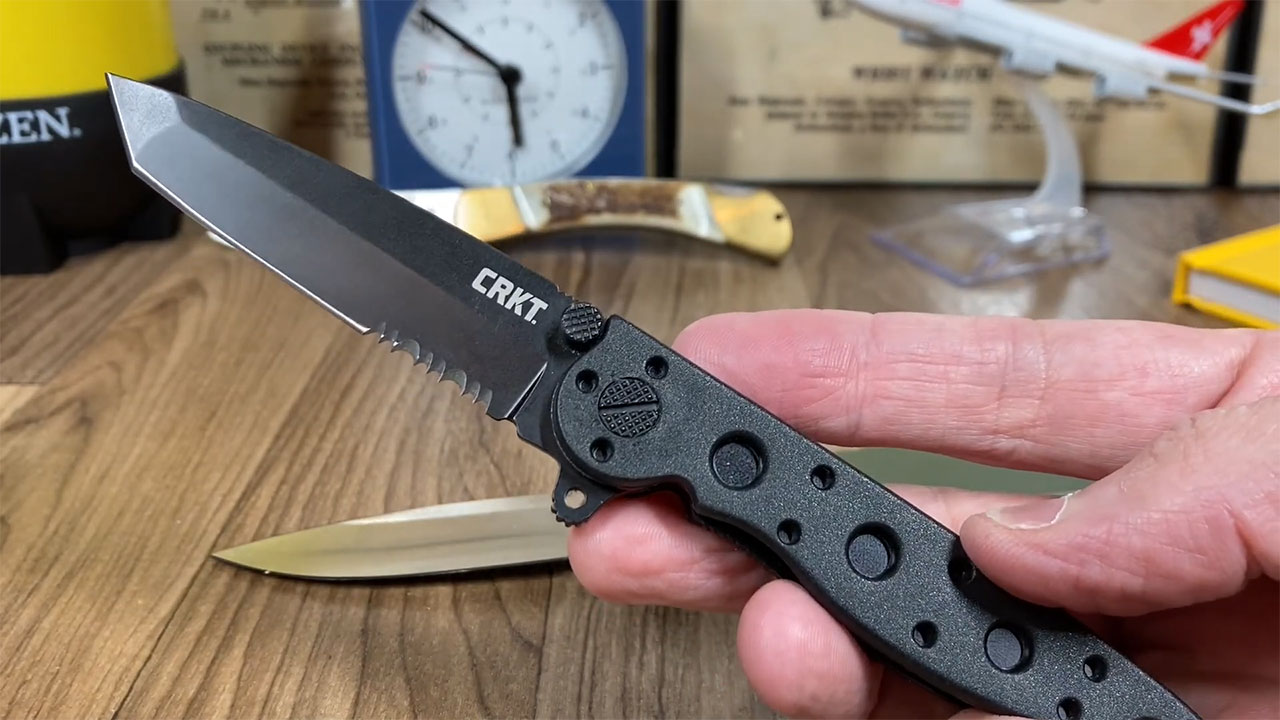
The M16 line feels “right” when you first grab it—solid, tactical, confident. Then you start using it hard and notice sharp edges, clip placement, and handle geometry that can create hot spots depending on the exact model. Some variants are better than others, but a lot of them have that “designed to look sharp” feel that translates into actual sharpness on the hand.
Another issue is that the handle can push you into a specific grip. Field work isn’t one grip. Gutting, trimming, slicing, cutting cord—your hand position changes constantly. When the handle wants to lock you into one spot, you start fighting it, and hot spots show up quick.
Kershaw Blur

The Blur is a classic, and it feels secure in the store because the inserts give traction. In extended use, the handle texture can become abrasive, especially if you’re doing long cuts with a lot of pressure. It’s the same story as aggressive tire tread: great grip, not always comfortable for long contact.
The Blur also has a handle shape that can concentrate pressure in certain grips. If you’re just opening packages, no problem. If you’re cutting for 15–30 minutes straight, you may find a sore spot you didn’t know existed. That’s the hot spot surprise a lot of people don’t catch until they’ve owned it.
Cold Steel Recon 1 (aggressive G-10)

Recon 1 is built tough, and the grip is meant to be locked in. The issue is that Cold Steel’s older, aggressive G-10 texture can feel like sandpaper when you’re doing long work without gloves. In the store, you think, “This will never slip.” In the field, you think, “Why is my palm raw?”
It’s not a bad knife. It’s a knife that assumes you prioritize retention over comfort. If you’re doing short, hard tasks, it’s fine. If you’re doing long cutting sessions—processing game, breaking down materials, repetitive slicing—the handle can wear you out faster than the blade ever will.
Zero Tolerance 0350 (or similarly “hard-use” ZT handles)

ZT knives feel like tanks, and a lot of them have grippy, aggressive scale textures and thick handle shapes. That feels great when you’re holding it briefly. Under prolonged use, the combination of thick slabs and sharp-ish edges can create a few nasty pressure points, especially if you’re pinching the knife in more than one grip.
Also, heavier knives encourage you to choke up and bear down because the knife “feels capable.” That can be a trap. The more force you use, the more the handle shape and texture matter. Many ZTs are great. But “great” doesn’t always mean “comfortable after 30 minutes.”
Ka-Bar USMC (stacked leather handle)

This one will get people mad, but it’s true for a lot of hands. The Ka-Bar’s stacked leather handle feels classic and comfortable at first touch. In extended use, especially when wet, the handle can get slick and force you to grip harder. That increased grip pressure is what creates hot spots, and it can happen fast when you’re processing game or doing camp chores.
The guard and pommel also create fixed boundaries that can push your hand into a narrower comfort zone. The Ka-Bar is legendary for a reason, but it was designed around a combat/utility role, not “comfortable field dressing for an hour.” For that specific task, many people end up wishing for a more neutral, modern handle.
Mora Companion (thin handle, certain grips)

Moras are excellent cutters, but the Companion handle is fairly slim. In light use, it’s comfortable. In extended hard use, especially if you’re doing thick material or awkward angles, some hands start feeling pressure points because there’s less material spreading the load across the palm.
It’s not that Mora handles are “bad.” It’s that a slim, lightweight handle has limits when you’re doing heavy repetitive work. Plenty of people never notice this. But if you process multiple animals or you’re cutting for long stretches, a thicker handle often feels better.
Gerber StrongArm (handle edges + guard feel)
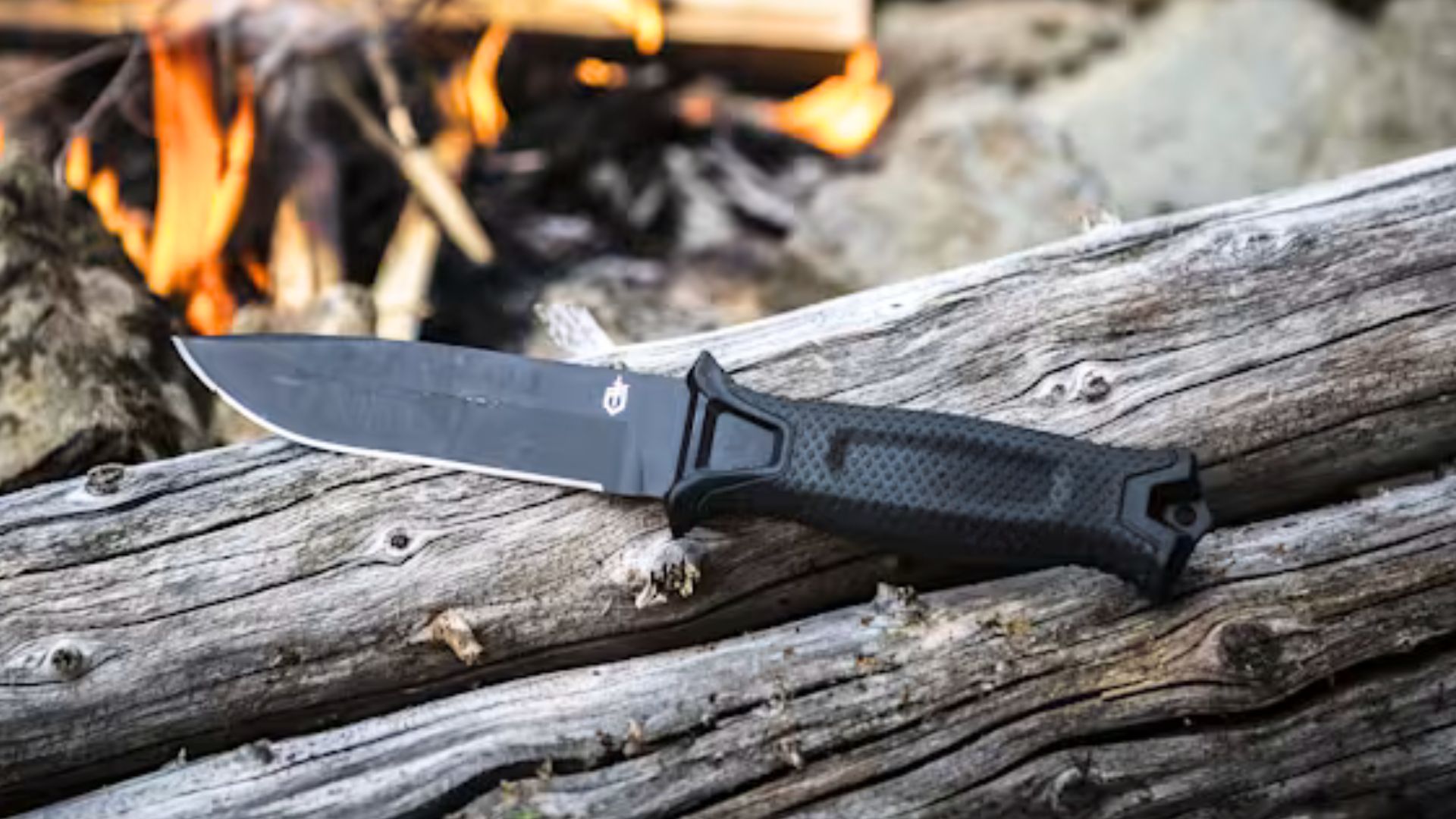
StrongArm feels solid and the rubberized grip feels secure in the store. In the field, some users notice the guard/handle transition and certain edges can create pressure, especially when choking up and doing controlled cuts. The handle works best in a full, hard grip. Field dressing often asks you to shift into more delicate grips, and that’s where comfort can drop.
Also, rubbery handles can create “grab” spots that feel great when dry and become friction points when wet and gritty. It’s still a useful knife. It’s just not always as friendly over long cutting sessions as it feels at first.
SOG Seal Pup / similar SOG field knives

SOG knives often feel good in-hand initially because the handle shape is familiar and the knives look purpose-built. In long use, some models develop hot spots because the handle contouring is a little too defined and doesn’t suit every hand. Finger grooves are the main culprit: if the grooves don’t match your hand, they become pressure ridges.
The store test never reveals it because you’re not really bearing down. Once you’re doing repetitive cuts with wet hands, those ridges feel like hard lines. If you’ve ever had a “blister line” that perfectly matches a handle groove, you already know what I’m talking about.
Leatherman Skeletool (hot spots under pressure)

This is a sneaky one. The Skeletool feels fine for quick cuts and it’s handy to have. Under serious cutting, the handle is basically a multitool frame, and it creates hot spots fast. You can get pressure edges where the frame contacts your palm, and it’s not designed to be a dedicated knife handle for long work.
For opening a box or trimming something quick, it’s great. For processing game, carving, or long cutting sessions, it can feel like you’re gripping a metal skeleton—because you are. People don’t realize this until they try to use it like a real knife for real time.
Like The Avid Outdoorsman’s content? Subscribe to our newsletter so you never miss an article.
Here’s more from us:


