Photo credit: ApocalypseSports. com/GunBroker
The Walther PDP is one of those pistols that looked familiar at first glance, but turned out to be a bigger shift than a lot of people expected. When it launched in 2021, Walther presented it as its new flagship duty pistol and the next evolution of the PPQ line. Early coverage from American Rifleman described it as an enhanced duty-style semi-automatic with standout ergonomics, while other industry coverage made it clear the PDP was meant to push Walther harder into the modern optics-ready service-pistol space.
What makes the PDP especially interesting is that it was not built around one single gimmick. The pistol’s identity came from the combination of a reputation-level trigger, aggressive but usable grip texture, deep slide serrations, and a red-dot-ready slide system right out of the gate. Later variants like the F-Series and steel-frame models only made that clearer.
1. The PDP launched in 2021

The Walther PDP debuted in 2021. American Rifleman’s “New for 2021” coverage and outside launch coverage both place the pistol’s introduction in early 2021.
That timing matters because the PDP arrived after optics-ready duty pistols had already become a real expectation, not just a premium add-on. Walther was clearly trying to launch into the current market, not play catch-up later. That last point is an inference based on the launch framing and optics emphasis.
2. PDP stands for Performance Duty Pistol

The full name matters because it tells you what Walther thought this gun was for. Launch coverage identified PDP as short for Performance Duty Pistol.
That name is a pretty strong clue that Walther was not positioning the PDP as a range toy first. It was built to live in the duty/self-defense lane from day one.
3. It is basically the successor to the PPQ
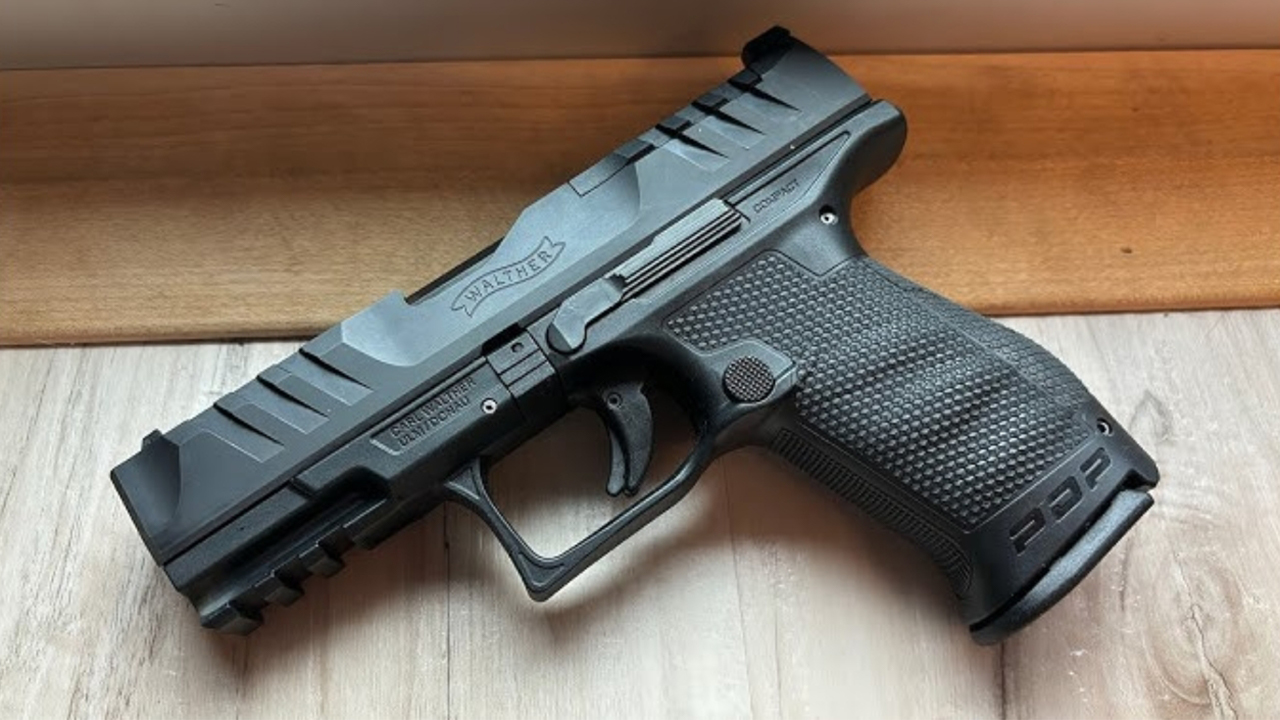
The PDP did not come out of nowhere. Launch coverage said it was the next evolution of the PPQ line, and SSUSA later stated plainly that the PPQ was updated into the PDP in 2021.
That matters because the PDP inherited a lot of goodwill from the PPQ, especially around trigger quality and ergonomics. Walther was building forward from one of its strongest modern pistol foundations.
4. The trigger was one of the first things reviewers praised

American Rifleman’s 2021 review called the trigger one of the standout features and described it as best-in-class. America’s 1st Freedom later made a similar point, saying the PDP line was among the most shootable pistols in its class thanks in part to trigger quality.
That is a big deal because Walther already had a trigger reputation with the PPQ. The PDP had to live up to that, and early reviewers clearly thought it did.
5. Walther built the gun around optics from the start

The optics-ready slide was not an afterthought. American Rifleman’s launch coverage said the PDP used a milled slide, and the same article emphasized that the ergonomics were designed specifically for optimized red-dot use.
That matters because the PDP was one of those pistols that treated red dots like part of the core design instead of a late accessory trend.
6. The grip texture became one of the pistol’s signature features
American Rifleman’s launch coverage described the PDP’s Performance Duty Texture as a distinctive geometric pattern built to improve grip without feeling overly punishing. The 2021 review also highlighted the new grip texture and shape as obvious visual and functional upgrades.
That is one of the reasons the gun made such a quick impression in hand. Walther did not just give the PDP more bite. It gave it a texture people kept talking about.
7. The slide serrations were intentionally dramatic
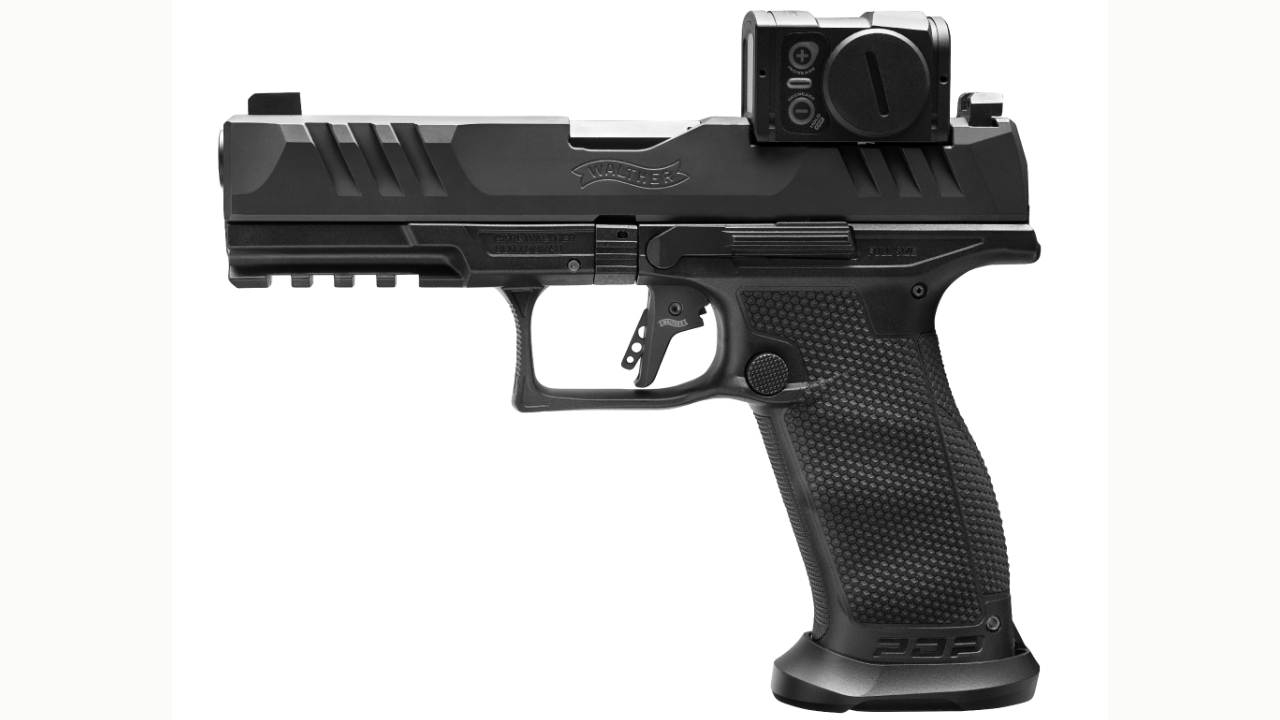
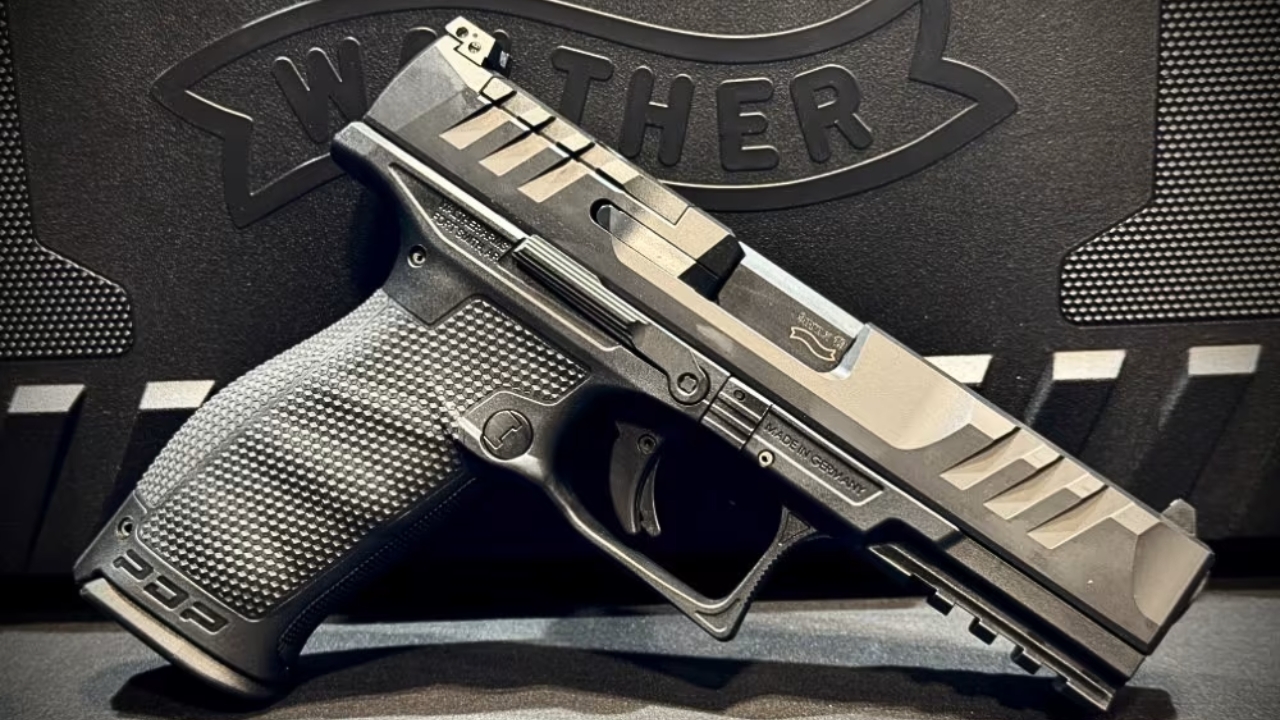
The PDP’s slide cuts stood out immediately in photos and in hand. American Rifleman specifically called attention to the slide shape and serrations as one of the visual clues that this was a new Walther pistol.
That matters because the serrations were not just styling. They fit the whole “duty-ready, easy to manipulate” theme Walther was pushing. That interpretation is an inference grounded in the way the review tied them to practical handling.
8. The line launched with multiple frame sizes and barrel lengths
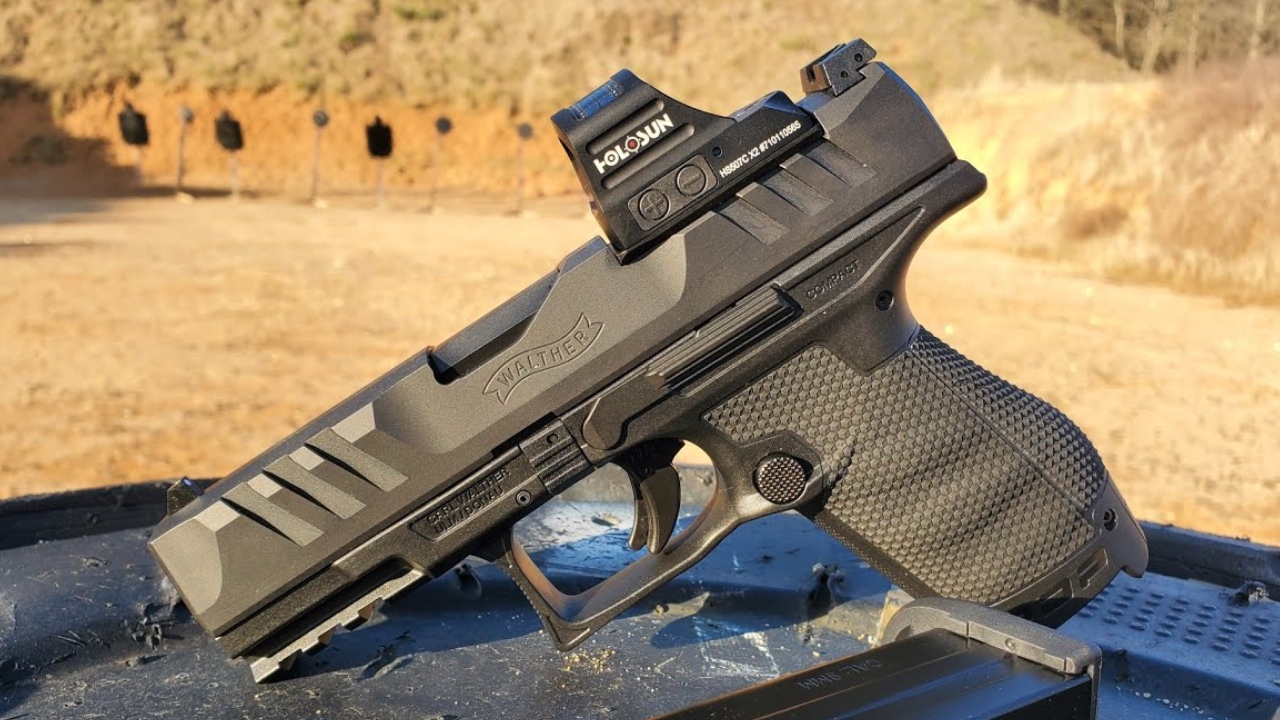
Launch coverage said the PDP arrived with two frame sizes and multiple barrel-length options, including compact and full-size setups.
That is important because Walther did not test the waters with one lone model. It launched the PDP as a real family right away, which signaled confidence in the platform. That last point is an inference based on the multi-model rollout.
9. The compact version sits in a very practical size class
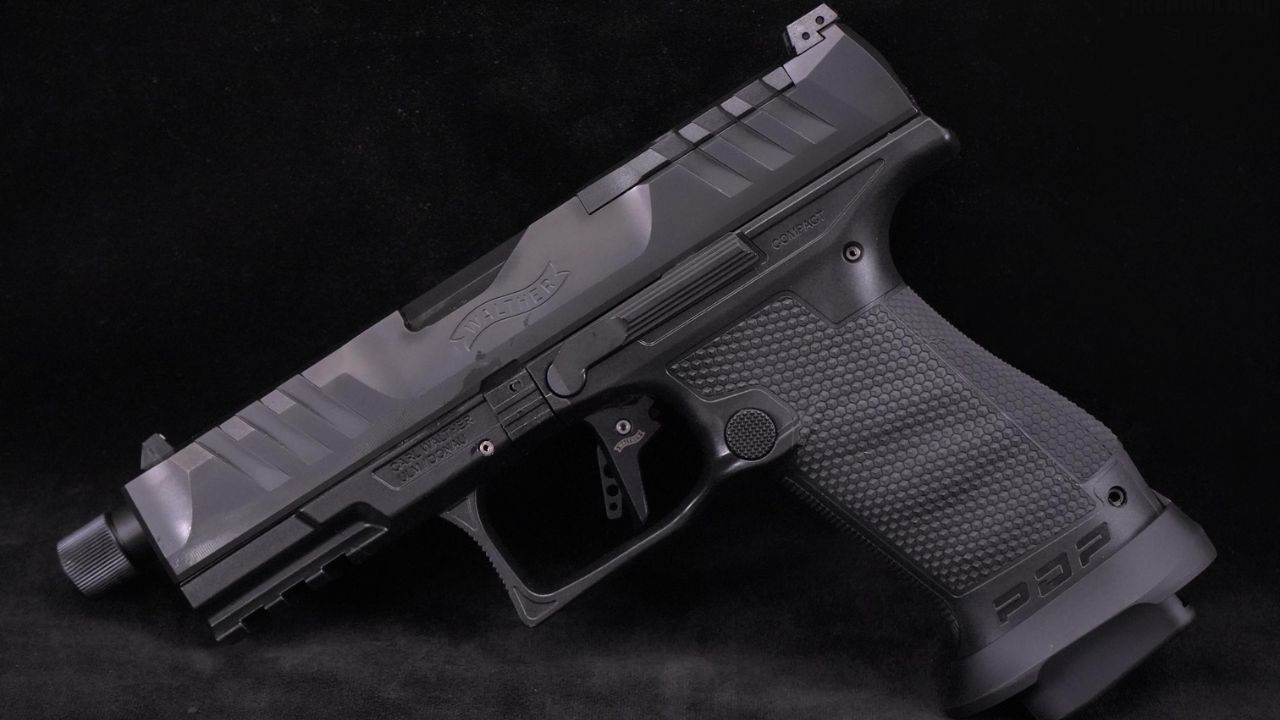
American Rifleman’s 2024 compact review says the PDP Compact uses a 4-inch barrel and a grip that accepts flush-fit 15-round magazines. Shooting Illustrated’s 2025 steel-frame compact review compared that size directly to the classic Glock 19 wheelhouse.
That matters because the compact PDP is not a weird niche model. It lands right in the most useful do-everything handgun size range.
10. The PDP quickly built a reputation for shootability

America’s 1st Freedom said the PDP series had the fit and features to make it one of the most shootable pistol lines in its class. American Rifleman’s 2021 review also praised accuracy, controls, and overall handling.
That is a big reason the pistol stuck. A lot of striker-fired guns are competent. The PDP got attention because people kept describing it as easy to shoot well.
11. Walther later expanded the line into the F-Series

The PDP did not stay one-size-fits-all. Later coverage from American Rifleman and Shooting Illustrated shows the PDP F-Series was developed with re-engineered ergonomics, including reduced grip circumference and easier slide manipulation.
That matters because it shows Walther treated the PDP as a platform it could tailor for different shooters rather than one fixed duty gun.
12. The steel-frame PDPs pushed the platform into a more premium lane

Walther’s current site includes dedicated PDP steel-frame models, and Shooting Illustrated plus SSUSA covered steel-frame versions as serious performance-oriented pistols.
That is a pretty big evolution because it shows the PDP was strong enough as a concept to stretch from practical polymer duty gun into a heavier, more premium competition-capable branch. That conclusion is an inference grounded in the later steel-frame expansion.
13. The Match and steel-frame variants prove the PDP is more than a duty pistol now

By 2024 and 2025, coverage included the PDP Match Steel Frame and later tuned-up variants like the Pro-X PMM. Those reviews framed the guns as serious options for Carry Optics, Limited Optics, and other competition use.
That matters because the PDP may have launched as a duty pistol, but it did not stay trapped in that role. It grew into a broader performance family.
14. The compact PDP may be the line’s most practical all-around size
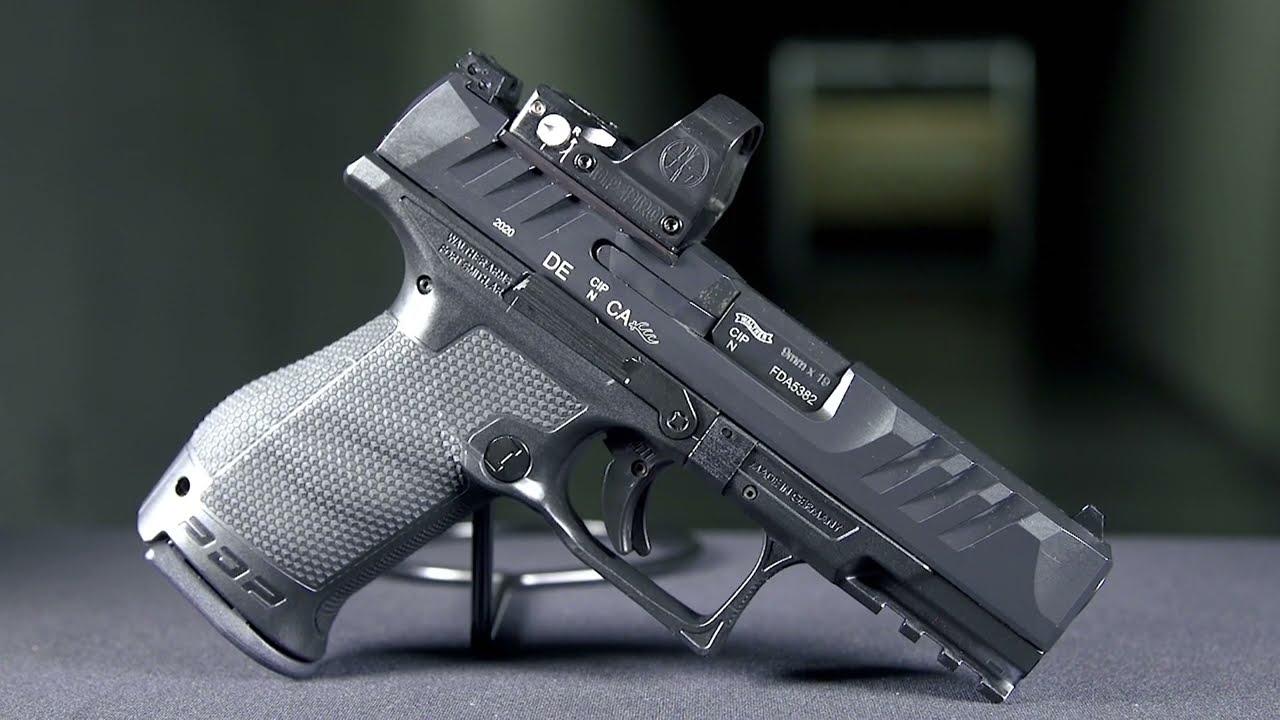
American Rifleman’s 2024 PDP Compact review and Shooting Illustrated’s 2025 compact steel-frame review both point toward the same idea: the 4-inch compact format sits in a sweet spot for concealment and real-world handling.
That is useful because when people talk about the PDP, they sometimes jump straight to the biggest or fanciest versions. But the compact models are probably the ones that best capture what made the line work in the first place. That conclusion is an inference grounded in the review framing.
15. The PDP was Walther’s way of modernizing its entire handgun identity
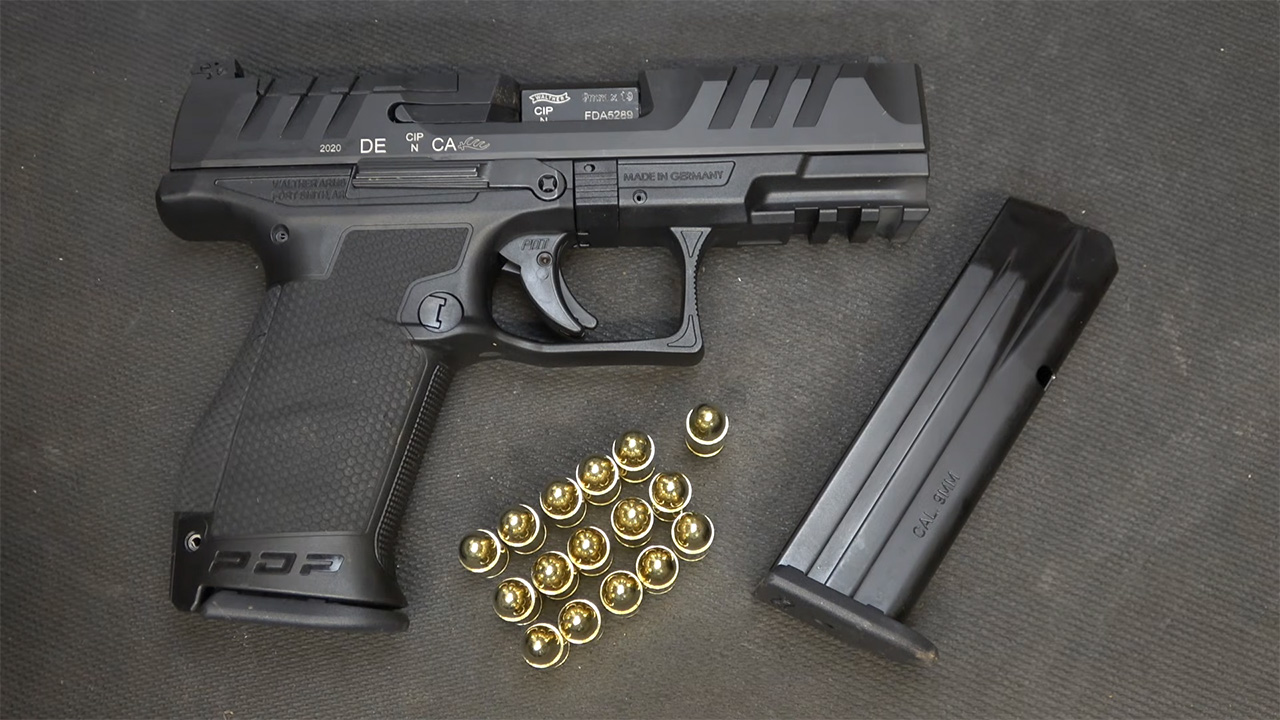
The most interesting thing about the PDP is not just the trigger, or the texture, or the optics cut by itself. It is that Walther used the PDP to move from the PPQ era into a broader modern pistol family that could cover duty, concealed carry, female-focused ergonomic redesigns, steel-frame performance guns, and competition models.
That is why the PDP matters. It was not just “the new Walther.” It was the pistol that turned Walther’s modern striker-fired lineup into a real platform.
Like The Avid Outdoorsman’s content? Be sure to follow us.
Here’s more from us: